

A gout flare at 3:00 AM feels like someone clamped a red-hot iron vise around your big toe. I spent years dreading that pain. Every few months, my joints flared up without warning and left me stranded on the couch.
I dragged myself down the hallway, took prescription pain pills, and cursed my genetics. Every doctor recited the same script: stop eating ribeye, quit drinking beer, and stick to boiled chicken. I followed the rules. I gave up steak and beer completely, but the agony returned anyway.
Following conventional medical rules while your joints throb in pain destroys your morale. That frustration drove me to study the biochemistry of uric acid. I did not need to starve myself or eat tasteless food. Instead, one specific dietary swap dropped my serum uric acid levels back into the safe zone.

The anatomy of agony: what uric acid does inside your body
To fix the problem, you need to understand how the body manufactures it. Your liver creates uric acid whenever it breaks down purines, which are natural chemical compounds in your cells and in your food.
Normally, kidneys filter this waste and flush it out through urine. Healthy kidneys clear the compound without trouble. Trouble starts when your liver produces too much uric acid, or your kidneys fail to excrete enough of it. At that point, uric acid saturates the bloodstream.
Blood can hold only so much dissolved solute. When concentrations rise past roughly 6.8 milligrams per deciliter (mg/dL), chemistry takes over. Uric acid drops out of solution and forms microscopic solid crystals.
These needle-shaped monosodium urate crystals lodge directly inside your joint fluid. Your immune system spots the sharp invaders and attacks. White blood cells flood the joint, releasing inflammatory cytokines that trigger intense heat and throbbing swelling that makes even a bedsheet unbearable.
To see how full-body inflammation worsens this process, read our guide on The Inflammation Diet for Beginners.
The classic purine myth: why cutting steak failed to help
Like most people with gout, I started by eliminating red meat. I cut out burgers, bacon, and shellfish. Six weeks into this strict regimen, another flare struck my right foot anyway.
Cutting meat failed because diet accounts for only a small slice of purines. The Arthritis Foundation notes that normal cellular turnover inside your body produces roughly two-thirds of your purines. The food on your plate supplies only about one-third of the purines circulating in your blood.
Standard dietary advice also overlooks a major driver of uric acid: fructose. When I quit eating steak, I filled the gap with protein bars, bottled fruit smoothies, and sweetened packaged snacks. I thought I was eating clean, but I was loading my liver with concentrated sugar.
Fructose drives up uric acid faster than a slice of beef. When your liver processes fructose, it burns through vast amounts of adenosine triphosphate (ATP). This rapid energy drain leaves behind cellular waste products that convert straight into uric acid within minutes.
The dietary swap: trading fructose and beer for tart cherry and low-fat dairy
Once I understood the biology, I changed my strategy. I stopped obsessing over red meat and targeted the real triggers: liquid fructose and alcohol.
Here is the switch that worked:
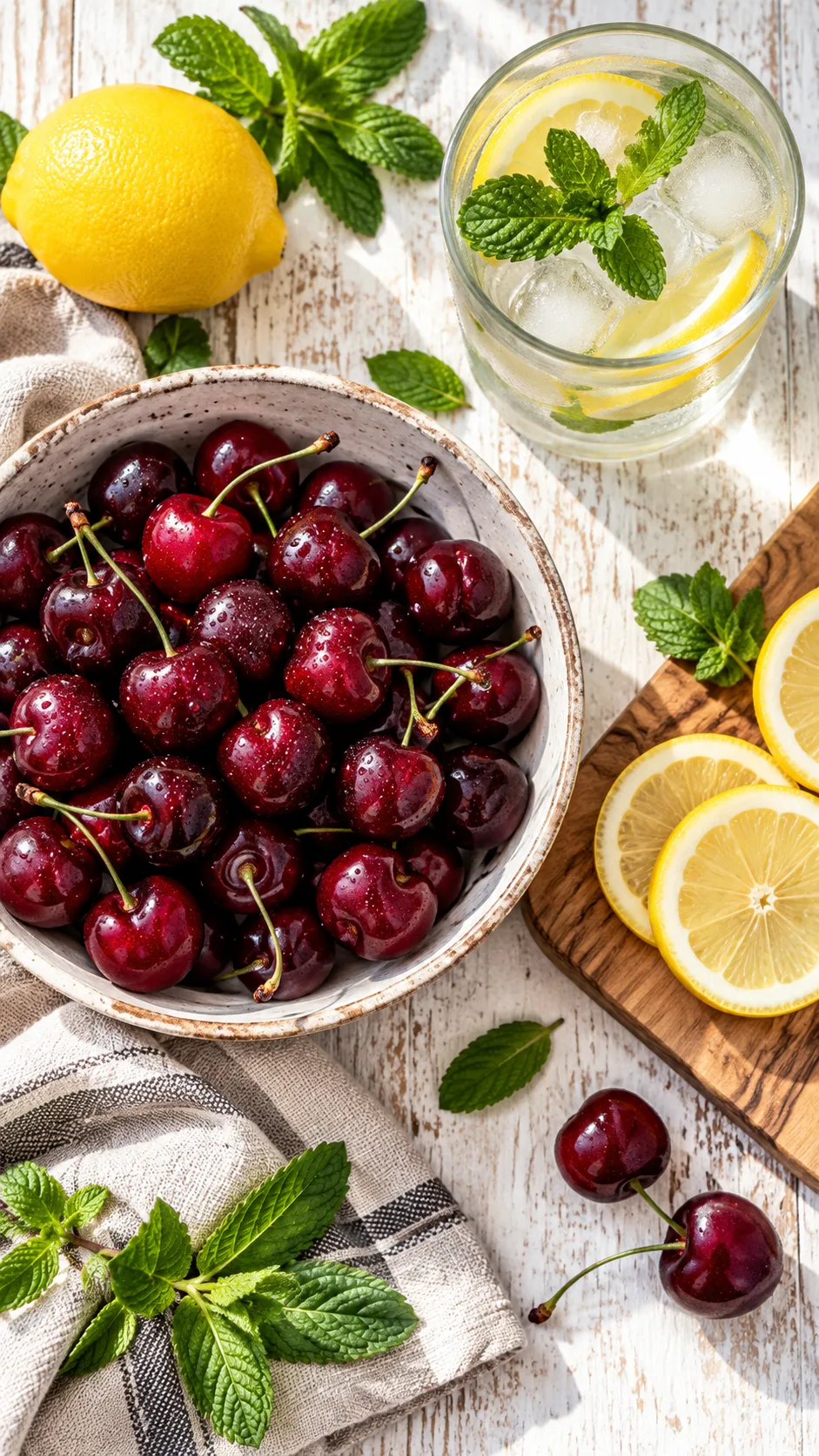
I replaced evening beers and sugary fruit juices with unsweetened tart cherry concentrate in sparkling water, paired with low-fat dairy such as Greek yogurt or kefir.
This combination attacks hyperuricemia through two distinct biological pathways.
1. The tart cherry factor: anthocyanins in action
Montmorency tart cherries contain dense concentrations of anthocyanins, which are dark red plant pigments. These compounds inhibit both COX-1 and COX-2 enzymes, functioning similarly to non-steroidal anti-inflammatory drugs like ibuprofen, but without irritating your stomach lining.
Clinical trials show that tart cherries speed up uric acid excretion through the kidneys, flushing the compound out before crystals can take shape. I mix two tablespoons of pure, unsweetened tart cherry concentrate into cold sparkling water every evening.
2. Low-fat dairy: natural renal clearance
Dairy contains virtually zero purines while providing two proteins: casein and lactalbumin. Research published through the National Institutes of Health (NIH) demonstrates that these milk proteins stimulate uric acid excretion.
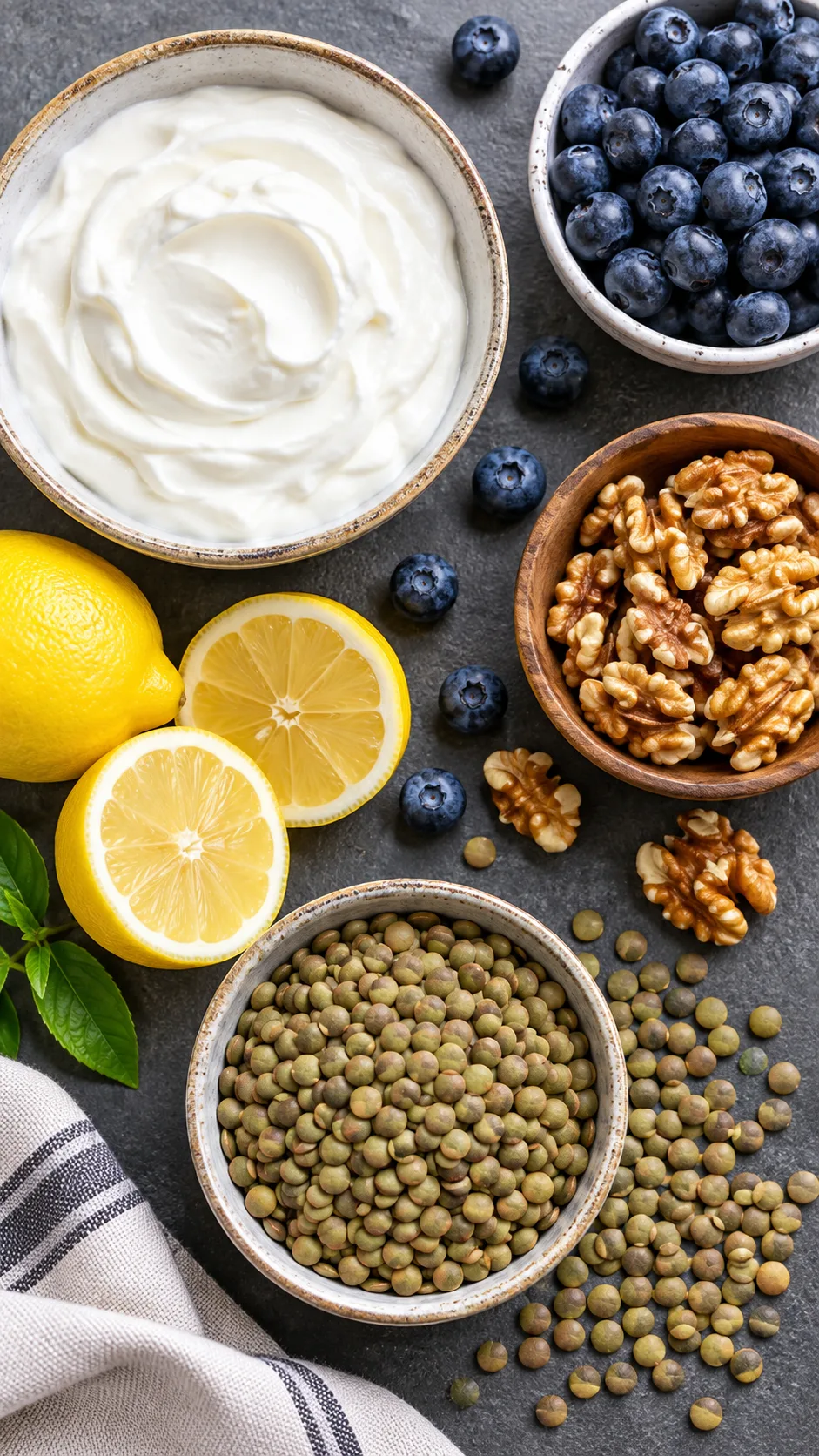
These proteins prompt your kidneys to filter uric acid into urine more efficiently. Low-fat milk and yogurt also contain orotic acid, which reduces uric acid reabsorption in the renal tubules. Replacing late-night junk food with a bowl of plain, low-fat Greek yogurt produced a measurable drop in my blood tests within weeks.
To support your liver through this dietary transition, read our guide on The Healthy Liver Diet Plan.
Five secondary food swaps that protect your joints
While tart cherry and dairy anchored my routine, several supporting changes strengthened the results. You can make these straightforward adjustments on your next grocery run:
-
Trade soda and fruit juices for fresh lemon water
High-fructose corn syrup forces the liver to produce uric acid almost immediately. Lemon juice works in reverse: the citric acid prompts your body to produce calcium carbonate, which raises the pH of your urine. When urine becomes more alkaline, it dissolves uric acid crystals and clears them through the bladder. Read The Alkaline Diet for Beginners for more on optimizing your urine pH. -
Replace refined vegetable oils with olive oil and avocado oil
Processed soybean and corn oils contain high ratios of omega-6 fatty acids that encourage systemic inflammation. Extra virgin olive oil contains oleocanthal, a compound that suppresses the inflammatory pathways responsible for acute joint swelling. -
Trade beer for seltzer with aromatic bitters
Beer damages gout patients on two fronts. Brewer’s yeast delivers a dense load of easily absorbed purines, while alcohol dehydrates tissues and blocks kidney clearance. Kidneys prioritize processing alcohol over uric acid, forcing the acid back into the bloodstream. Seltzer with a few dashes of aromatic bitters delivers the crisp, bitter taste of a cold drink without the metabolic penalty. -
Replace beef dishes with lentils and black beans
Older health pamphlets told patients to avoid purine-heavy vegetables like beans, spinach, and lentils. Modern research from the Mayo Clinic disproves that advice. Plant purines do not trigger gout flares or raise serum uric acid. Legumes provide fiber that stabilizes blood glucose, preventing the insulin surges that interfere with uric acid excretion. -
Replace boxed breakfast cereals with steel-cut oats and berries
Processed morning cereals pack refined flour and corn syrups into every bowl. These refined grains rapidly spike insulin. High blood insulin signals your kidneys to pull uric acid back into your circulation rather than releasing it. Steel-cut oats provide soluble beta-glucan fiber, which slows digestion and keeps your insulin steady.
The real danger: understanding the fructose trap
Fruit juice remains the most overlooked dietary hazard for people with gout. Many believe a tall glass of orange juice supports good health. In reality, that morning glass can spark an attack.
Whole fruit contains fiber that moderates how quickly your liver absorbs fructose. When manufacturers extract the juice from apples or oranges, they strip out that fiber matrix and leave behind concentrated liquid sugar.
Your liver processes fructose differently than glucose. It metabolizes fructose using the enzyme fructokinase, which operates without an internal shutoff mechanism. The liver burns through intracellular ATP at rapid speed.
As the liver breaks ATP down into AMP and inosine, it converts those leftover byproducts into uric acid. Drinking juice and sweet sodas sabotages gout recovery far more than eating an occasional steak ever could.

My daily meal routine for managing uric acid
Managing uric acid does not require strict calorie counting or hunger. I build my plates around whole foods, milk proteins, and consistent hydration. Here is the daily menu that keeps my joints clear:
Breakfast
- 1 cup of plain, low-fat Greek yogurt or kefir
- 1/2 cup of wild blueberries or sliced strawberries
- 1 tablespoon of chia seeds for plant omega-3 fats
- 1 large glass of water with the juice of half a fresh lemon
Lunch
- A large salad made with baby spinach, romaine lettuce, and sliced cucumbers
- 1/2 cup of seasoned lentils or chickpeas
- 1 hard-boiled egg or two ounces of roasted chicken breast
- Dressing made with extra virgin olive oil, apple cider vinegar, Dijon mustard, and black pepper
- 16 ounces of plain water
Afternoon snack
- A sliced crisp green apple with peanut butter
- A mug of hot green tea for polyphenol antioxidants
Dinner
- Pan-seared wild salmon fillet
- Steamed broccoli with olive oil and lemon juice
- 1/2 cup of roasted sweet potatoes or brown rice
- 16 ounces of water
Evening drink
- 8 ounces of sparkling water
- 2 tablespoons of unsweetened Montmorency tart cherry concentrate
- A splash of fresh lime juice
Everyday habits that support healthy uric acid levels
Diet forms the baseline, but daily habits also influence how well your kidneys excrete waste. These practical adjustments reinforce your recovery:
Drink plenty of water every day. Uric acid concentrates when you become dehydrated. Dark yellow urine signals that your kidneys need more fluid to filter waste. Aim for three to four liters of water across the day, and keep a bottle at your desk so you do not wait until you feel thirsty.
Avoid rapid weight loss. Extreme diets trigger attacks. When you slash calories or cut carbohydrates abruptly, your body burns muscle tissue and releases ketones into the bloodstream. Ketones compete with uric acid in the kidneys, blocking excretion and setting off severe flares. If you want to lose weight, aim for a gradual pace of one to two pounds each week.
Consider a vitamin C supplement. Research shows that 500 milligrams of daily vitamin C helps reduce serum uric acid. The vitamin acts as a mild uricosuric agent by increasing filtration rates in your kidneys. Check with your doctor before adding supplements to your routine.
Never apply ice packs during an active attack. When a joint burns, applying ice seems logical. However, cold temperatures decrease the solubility of uric acid, causing crystals to precipitate out of the blood and settle inside the cold joint tissue. Warm compresses keep the area warm, supporting blood flow and crystal clearance.
Frequently asked questions about lowering uric acid
Can food swaps completely replace allopurinol or febuxostat?
Dietary modifications typically lower serum uric acid by 1.0 to 2.0 mg/dL. If your blood tests show a baseline level of 10.5 mg/dL, food alone will rarely push you below the standard target of 6.0 mg/dL. Consult a rheumatologist. Many patients use these dietary adjustments alongside medication to keep their required prescription doses lower.
Are tomatoes safe for people with high uric acid?
Some anecdotal surveys mention tomatoes, but broader clinical evidence shows that tomatoes do not raise uric acid. Tomatoes contain mostly water, alongside vitamin C and potassium. Unless you notice an adverse reaction within 24 hours of eating them, you can keep them in your meals.
How quickly does the tart cherry swap lower blood levels?
Blood tests generally reflect lower uric acid levels after two to four weeks of daily tart cherry consumption. Morning stiffness often subsides earlier, though clearing out existing crystals from the joint takes months of steady dietary discipline.
Protecting your joints over the long haul
Dreading the next gout attack takes a real toll on your daily life. You do not have to accept recurring agony as your baseline, and you do not have to live on bland food to stay healthy.
Start with one practical adjustment. Cut out sugary drinks, leave beer on the shelf, and enjoy a glass of sparkling tart cherry water paired with low-fat Greek yogurt. That simple change broke my cycle of joint flares, and it can help restore your mobility as well.