

You took your weekly injection, watched your appetite evaporate, and celebrated the first few pounds dropping off the scale. Then, out of nowhere, progress halted. Your scale refuses to budge, your energy tanked, and a wave of nausea hits you every time you look at a plate of food. What happened?
Semaglutide alters how your brain and gut communicate. It quiets “food noise” and slows your stomach to a gentle crawl. However, the medication does not do all the heavy lifting on its own. The food choices you make while taking this medication dictate whether you burn stubborn fat or lose precious muscle mass.
Many people treat the drug like a magic shield. They assume smaller portions of low-grade food will still deliver optimal health. Unfortunately, that shortcut leads straight to nutritional deficiencies, crushing fatigue, and stubborn weight plateaus. If you want maximum results without the miserable side effects, you must avoid the classic dietary pitfalls.
How Semaglutide Changes Your Digestion
Before fixing your diet, you need to understand the biological shifts happening inside your digestive tract. Semaglutide mimics a natural incretin hormone named GLP-1 (glucagon-like peptide-1). Your intestines release this hormone after meals to stimulate insulin production, suppress glucagon release, and signal fullness to your brain.
Most importantly, GLP-1 receptor agonists dramatically delay gastric emptying. Your stomach takes hours longer to break down food and move it into your small intestine. This delayed transit keeps you feeling stuffed on tiny portions, but it also creates a brand-new set of digestive vulnerabilities.
When food sits in your stomach for extended periods, greasy foods ferment and trigger severe acid reflux. Dense, dry foods produce immediate nausea. If you fail to supply your body with nutrient-dense meals during this slow-motion digestive process, your body downregulates your metabolism to conserve energy.
Mistake #1: Slashing Calories into the Starvation Zone
Does your daily intake drop below 800 calories because food suddenly repulses you? You might think eating almost nothing accelerates fat loss. In reality, starvation-level restriction completely wrecks your resting metabolic rate.
When you starve your cells, your thyroid gland slows down hormone production to protect you from perceived famine. Your body conserves fat stores and breaks down lean skeletal muscle for immediate fuel. You end up with a sluggish metabolism, thinning hair, and the hollow look people call “Ozempic face.”
Severely undereating also guarantees a vicious rebound. If you ever stop taking the medication, your damaged metabolism will struggle to burn even normal, healthy calorie amounts. You will regain body fat rapidly while possessing less muscle to burn it off.
What to Eat Instead: Calorie-Dense, Nutrient-Packed Mini-Meals
Stop forcing yourself to eat massive, intimidating meals. Instead, split your daily nutrition into four or five tiny, nutrient-dense feedings. Focus on foods that pack heavy nutrition into tiny volumes so you hit adequate energy levels without triggering stomach distension.
- Full-fat Greek yogurt: Delivers rich probiotics, calcium, and quick-digesting protein in a soothing, cool texture.
- Nut butters: Spread two tablespoons of almond or peanut butter onto apple slices for healthy fats and easy calories.
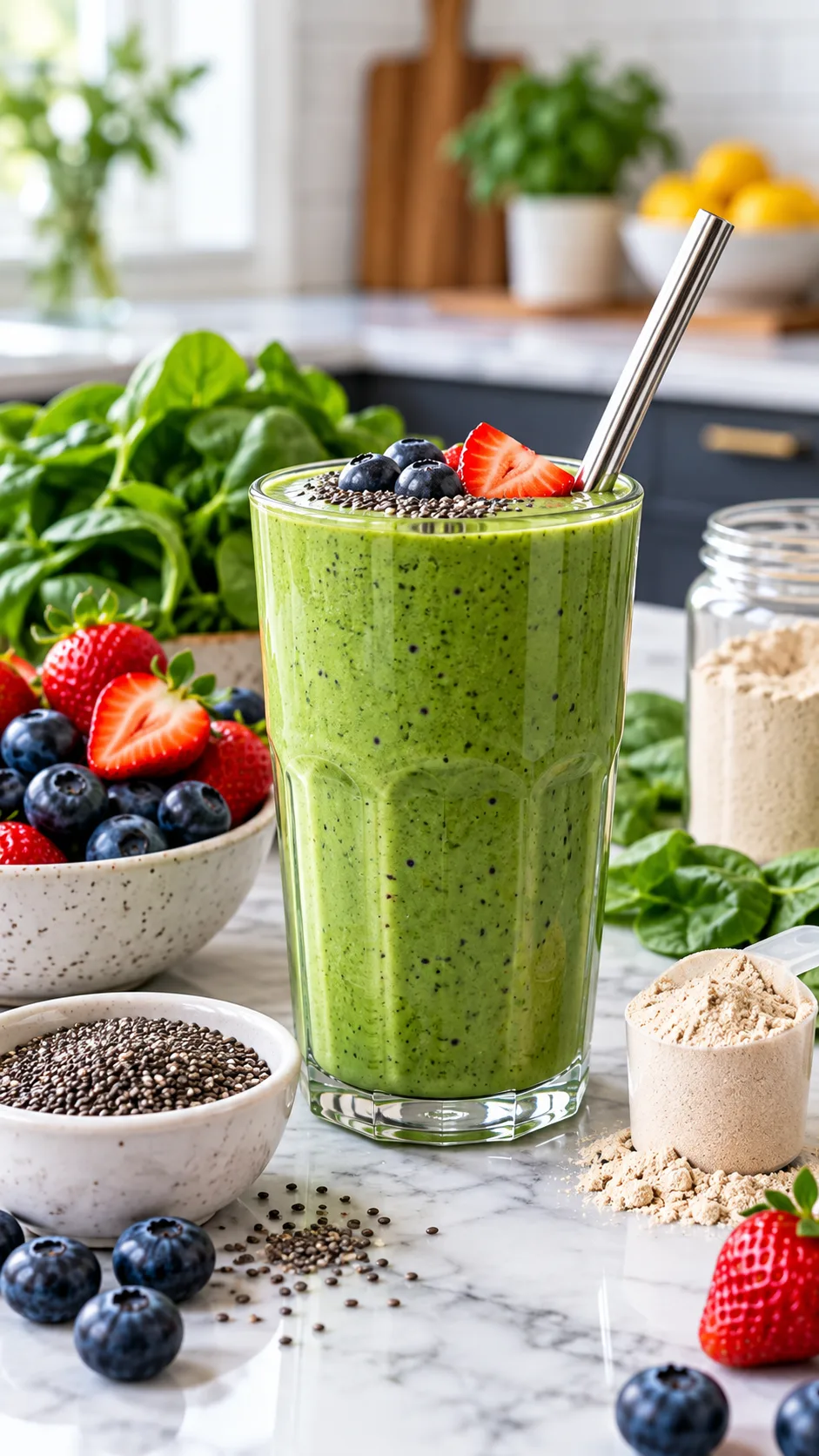
- Blended smoothies: Blend whey isolate, unsweetened almond milk, half a banana, and chia seeds for effortless liquid nourishment.
- Soft-boiled eggs: Eat two eggs with a dash of sea salt for bioavailable choline, lutein, and clean amino acids.
Mistake #2: Under-Eating Dietary Protein
Are you treating protein like an afterthought? Clinical data reveals a concerning trend among GLP-1 patients: up to 40% of the total weight patients lose on semaglutide comes from lean muscle mass rather than pure adipose tissue. That statistic should alarm anyone chasing long-term vitality.
Muscle drives your basal metabolic engine. Every pound of muscle burns calories around the clock, even while you sleep on the couch. When you drastically cut back on food without hitting strict protein targets, your body consumes its own muscle tissues to source essential amino acids.
Losing muscle leads to loose skin, decreased functional strength, and an accelerated drop in your daily energy expenditure. You become “skinny fat” (lighter on the bathroom scale, but with a worse body composition ratio than when you started your injections).
If you want a detailed breakdown of meal timing to maintain your metabolic fire, check out our guide on the Ozempic diet meal plan that keeps you full on a smaller appetite.
What to Eat Instead: Prioritize 30 Grams of Protein at Every Meal
Make protein the non-negotiable anchor of every plate. Aim for 1.2 to 1.6 grams of protein per kilogram of ideal body weight every single day. Always consume the protein portion of your meal first before touching carbs or fats, just in case your appetite shuts down halfway through.
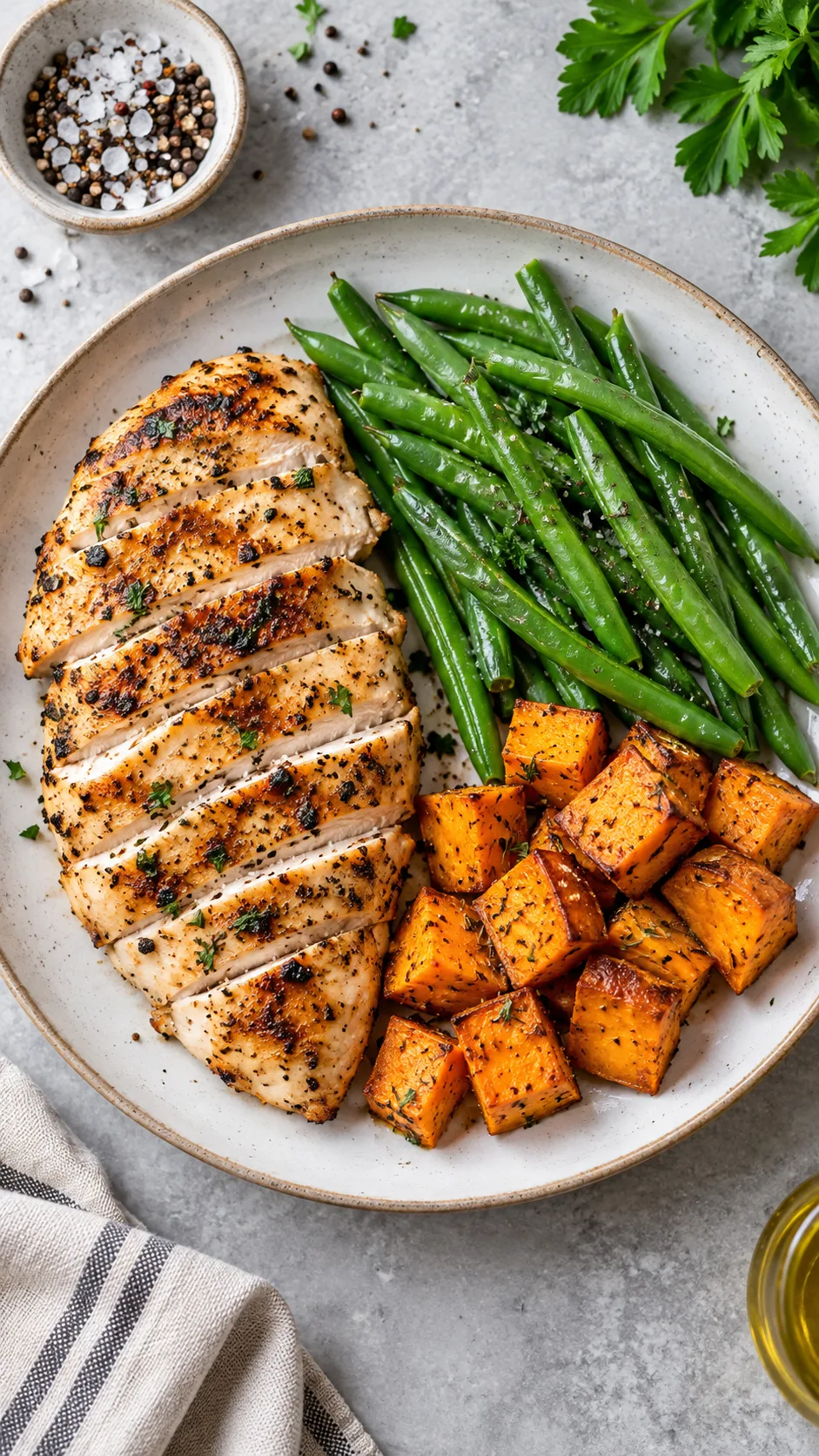
- Skinless chicken breast or turkey: Provides ultra-lean amino acids that require minimal digestive effort compared to red meat.
- Wild-caught white fish (cod, halibut): Offers light, flakey protein that sits gently in a delayed-emptying stomach.
- Liquid egg whites: Scramble them into whole eggs or stir them into warm oatmeal to boost protein without adding heavy volume.
- High-grade whey isolate or pea protein: Supplements your diet when whole meats feel too heavy to chew.
Mistake #3: Neglecting Soluble Fiber (The Constipation Trap)
Ever experienced the agony of a gut that simply stops moving? Constipation ranks as one of the most common, miserable side effects of GLP-1 medications. Because the drug arrests bowel motility, waste materials sit in your colon longer, where your intestines suck out all moisture until stools turn rock-hard.
Many patients respond by chugging gritty psyllium husk or eating giant bowls of raw cruciferous vegetables. Big mistake. Dumping massive amounts of insoluble, scratchy fiber into a paralyzed digestive tract creates excruciating gas, violent bloating, and potential fecal impaction.
You cannot treat sluggish GLP-1 digestion like ordinary constipation. You need the right type of fiber, paired meticulously with aggressive hydration, to keep things moving smoothly through your system. You can discover more gut-friendly strategies in our breakdown of flat belly diet mistakes that keep you bloated.
What to Eat Instead: Gentle Soluble Fiber and Cooked Greens
Choose soluble fiber that absorbs water and forms a soothing, slick gel inside your intestines. Cook your vegetables thoroughly to break down tough plant cell walls before they ever reach your fork.
- Steel-cut oats: Contain beta-glucan, a soluble fiber that softens stool consistency and stabilizes blood glucose.
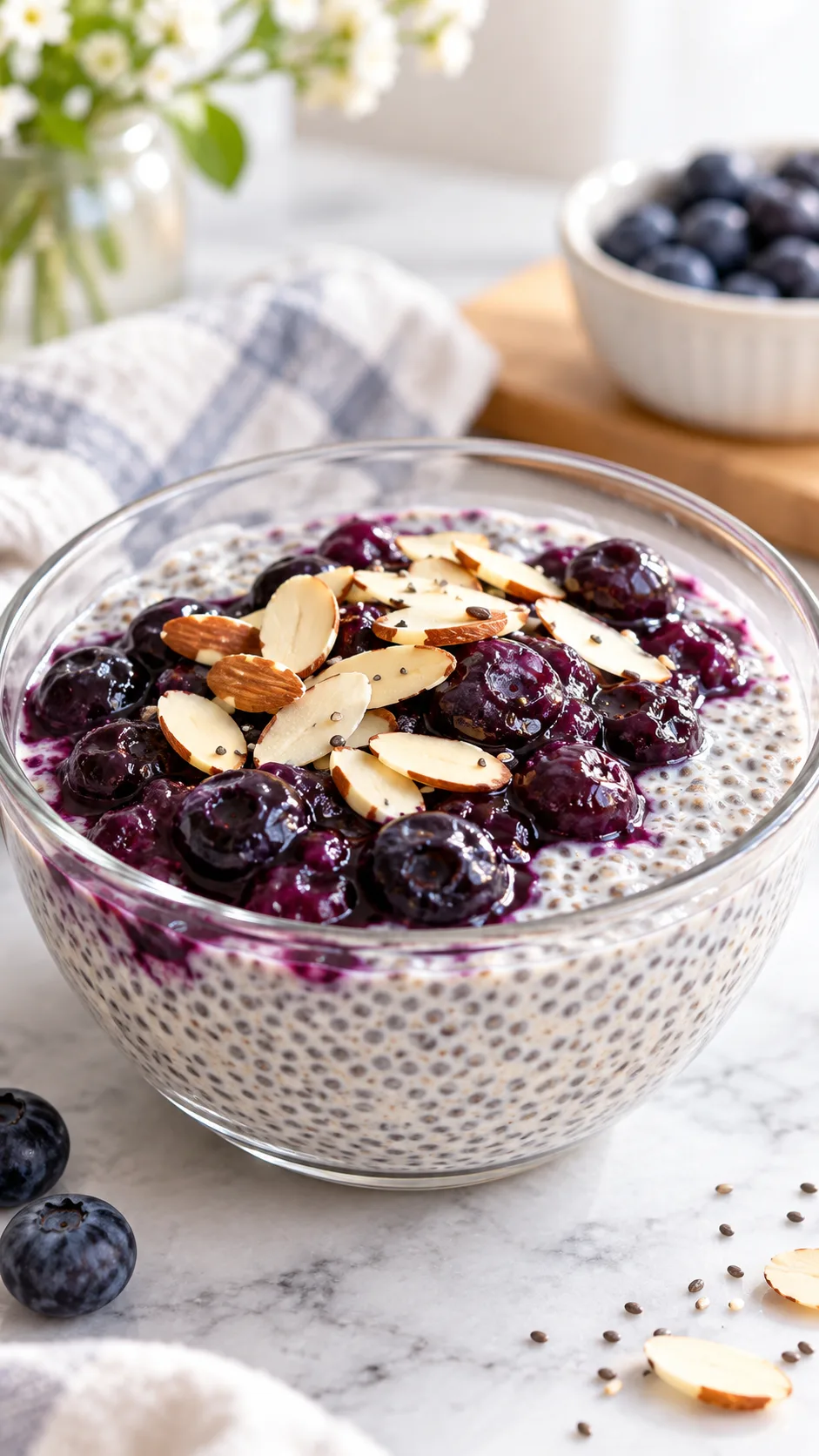
- Chia and flax seeds: Soak them in water or yogurt overnight to unleash their lubricating mucilage fiber.
- Steamed zucchini and peeled carrots: Provide gut-soothing micronutrients without irritating sluggish intestinal walls.
- Stewed apples or pears: Contain natural pectin and sorbitol, compounds that draw gentle moisture into the bowel.
Mistake #4: Consuming High-Fat, Greasy Comfort Foods
Picture this scenario: You have zero appetite all day, so you decide to treat yourself to two slices of pepperoni pizza or a drive-thru burger for dinner. Within three hours, your chest burns with volcano-level acid reflux, and you spend the entire night hovering over the toilet bowl.
Fat naturally slows gastric emptying more than any other macronutrient. When you combine high-fat, greasy fast food with a drug that already stalls stomach emptying, you create an internal traffic jam. Food literally sits, stalls, and ferments right beneath your esophagus.
This sluggish sludge triggers brutal sulfur burps, severe nausea, and projectile vomiting. Furthermore, heavily saturated fats ramp up systemic inflammation, undermining your metabolic gains. High-fat diets can also complicate lipid profiles, which we cover in our review of high cholesterol diet mistakes that keep LDL high.
What to Eat Instead: Monounsaturated Fats in Controlled Portions
Your body still requires healthy fats for hormone production and fat-soluble vitamin absorption (vitamins A, D, E, and K). However, you must swap deep-fried oils and greasy cuts of beef for clean, plant-based fats that you measure in modest spoonfuls.
- Extra virgin olive oil: Drizzle one teaspoon over cooked greens for anti-inflammatory polyphenols.
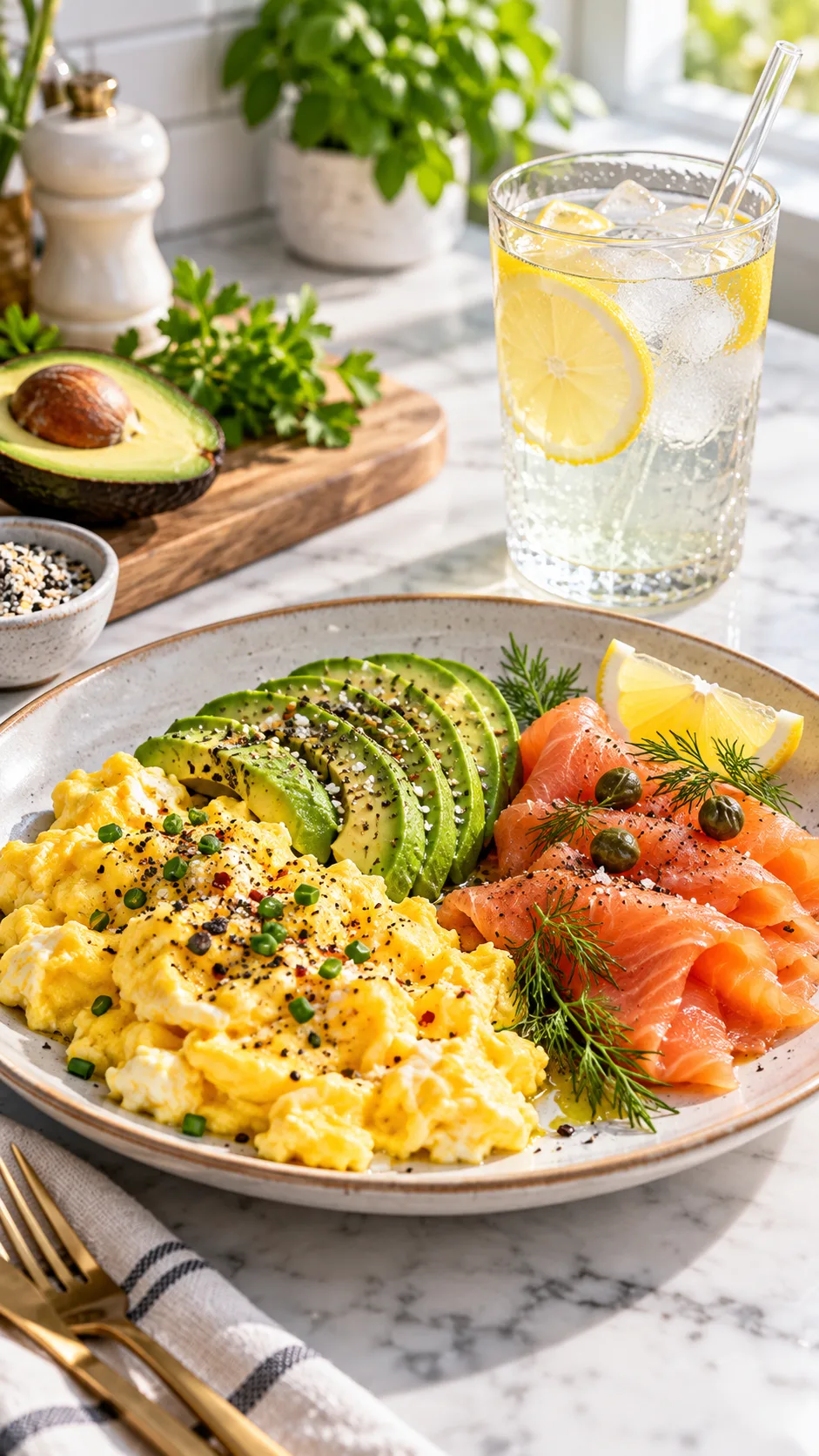
- Avocado: Eat one-quarter of a ripe avocado alongside your eggs for potassium and easily digestible healthy fats.
- Wild Alaskan salmon: Supplies natural omega-3 fatty acids (EPA and DHA) that protect cardiovascular health without churning your stomach.
Mistake #5: Forgetting to Drink Water and Electrolytes
Did you know semaglutide shuts off your brain’s thirst signals just like it quiets your hunger cues? Most patients drastically cut their fluid intake simply because they never feel parched anymore. This silent dehydration causes crushing afternoon headaches, stubborn fatigue, and profound dizziness upon standing.
When you consume fewer total calories, you also miss out on the water naturally present in fresh foods like fruits and vegetables. Worse, as your body sheds glycogen during the early weeks of weight loss, your kidneys dump gallons of water along with vital electrolytes like sodium, potassium, and magnesium.
Dehydration severely strains your kidneys. The FDA drug safety communications repeatedly emphasize acute kidney injury risks for patients on GLP-1 therapies who suffer from unaddressed dehydration and vomiting.

What to Drink Instead: Strategic Hydration Protocols
Treat your hydration like a scheduled prescription. Sip fluids continuously throughout the day rather than chugging giant glasses all at once, which expands your stomach and triggers instant nausea.
- Electrolyte-enhanced water: Add a sugar-free electrolyte packet containing sodium, potassium, and magnesium to your morning water bottle.
- Bone broth: Sip warm chicken or beef bone broth; it replenishes lost sodium, soothes inflamed gut linings, and delivers easy glycine and collagen.
- Peppermint and ginger tea: Brew fresh ginger root or peppermint leaves to simultaneously rehydrate your tissues and calm rolling stomach spasms.
- Coconut water: Drink half a glass of unsweetened coconut water for a natural potassium kick after a light workout.
Mistake #6: Consuming “Ghost” Calories and Sugary Beverages
Why do some people stall on semaglutide despite barely eating any food? The culprit often hides in plain sight: liquid sugar and high-calorie beverages. We call these “ghost calories” because they slip right past your body’s satiety signals.
Because liquids pass through a delayed stomach much faster than solid foods, you can easily sip down 500 calories of caramel lattes, fruit juices, sodas, or sweet teas without triggering the sensation of fullness. These simple sugars cause rapid spikes in blood glucose, prompting insulin surges that completely halt fat oxidation.
Alcohol presents an even bigger hazard. Semaglutide amplifies the effects of alcohol on your liver and blood sugar. Drinking wine or cocktails while in a deep calorie deficit often triggers severe reactive hypoglycemia, leaving you shaky, sweaty, and disoriented.
The National Institutes of Health (NIH) research on GLP-1 receptor agonists shows how blood sugar fluctuations diminish the clinical efficacy of these medications. Keep your liquids pure, clean, and free of empty syrups.
Mistake #7: Eating Large Meals Late at Night
Do you save your daily food intake for 8:00 PM because your appetite finally shows up when your busy workday ends? Eating right before climbing into bed is one of the worst mistakes you can make on a GLP-1 drug.
When you lie flat horizontally, gravity no longer keeps stomach acid where it belongs. Combine a full stomach, delayed gastric emptying, and a relaxed lower esophageal sphincter, and you get severe gastroesophageal reflux disease (GERD). You will wake up coughing, with a burning throat and damaged vocal cords.
Late-night feasts also ruin your sleep architecture. Your cardiovascular and digestive systems must work overtime throughout the night to break down dense food, preventing you from entering restorative deep and REM sleep stages. Poor sleep elevates evening cortisol, which directly promotes visceral belly fat storage.
What to Do Instead: Implement an Early Cutoff Window
Institute a strict kitchen curfew: close the refrigerator doors at least three hours before your head hits the pillow. Give your sluggish stomach adequate runway to churn through dinner while you remain upright and moving.
- Front-load your nutrition: Eat your largest, protein-dense meal around lunch or early afternoon when digestive fire burns brightest.
- Make dinner light and lean: Choose a simple bowl of soup, white fish, or pureed vegetable stew for your final meal of the day.
- Take a 15-minute post-dinner walk: Walk at a leisurely pace around your neighborhood after dinner to encourage downward digestive transit via gentle muscle contraction.

The Ideal Daily GLP-1 Plate Architecture
How should you structure your plate to ensure optimal fat loss, gut peace, and muscle retention? Forget complicated macro trackers. Use this simple visual framework whenever you plate a meal.
Divide a standard salad plate (not a giant dinner plate!) into three distinct zones:
- 50% Lean High-Quality Protein: Grilled chicken, tofu, eggs, shrimp, or baked salmon. This section guarantees metabolic preservation.
- 35% Cooked, Water-Rich Vegetables: Steamed spinach, roasted green beans, sauteed mushrooms, or boiled squash. This provides vitamins, minerals, and gentle soluble fiber.
- 15% Complex, Slow-Digesting Carbohydrates: Quinoa, sweet potato chunks, brown rice, or lentils. This replenishes glycogen without causing blood sugar spikes.
Troubleshooting Common Side Effects with Food Swaps
When side effects strike, do not immediately assume your dose is wrong. Often, a tiny dietary adjustment resolves the problem within hours. Keep this quick reference guide handy for whenever symptoms flare up.
| Symptom | The Culprit Food | The Healing Replacement |
|---|---|---|
| Morning Nausea | Coffee on an empty stomach or sugary breakfast pastries | Warm ginger tea with two plain rice cakes or bone broth |
| Acid Reflux / GERD | Tomato sauces, fried foods, chocolate, citrus, mint | Mashed sweet potato, baked cod, plain oatmeal |
| Severe Constipation | Raw broccoli, dry granola bars, cheese, zero-water intake | Stewed prunes, warm chia seed pudding, magnesium glycinate |
| Crushing Fatigue | Sub-800 calorie intake, zero salt, no complex carbs | Salted chicken soup with rice, electrolyte drinks, eggs |
According to clinical insights from the Mayo Clinic, simple behavioral changes like reducing portion sizes and avoiding high-fat meals dramatically mitigate GLP-1 side effects. Listen to the subtle cues your gut sends you throughout the day.
Final Thoughts: Turn the Medication into a Permanent Transformation
Semaglutide provides an unmatched window of opportunity. It silences relentless cravings so you can finally step back, rebuild your relationship with nutrition, and install lifelong healthy habits. However, relying solely on a smaller appetite without honoring your body’s nutritional requirements leads to burned-out metabolisms, muscle loss, and uncomfortable plateaus.
Stop skipping meals simply because you do not feel hungry. Prioritize lean protein with unwavering discipline. Drink your fluids and electrolytes before thirst strikes. Ditch the greasy comfort meals that torture your sluggish stomach, and feed your gut gentle soluble fiber to keep things moving.
Treat every meal as an active investment in your future physique. When you align your plate with the unique biology of GLP-1 medications, the scale moves steadily, your energy soars, and you emerge stronger, leaner, and healthier for good. Start with your very next meal: swap out the junk, grab 30 grams of clean protein, and take control of your results today.