

You typed “Wonyoung diet” into Google at 1am, didn’t you? Be honest. Half the internet has done it, and most people walk away with a screenshot of one boiled egg, a sweet potato, and a vague sense of guilt.
So let’s sort this out properly. I’m going to show you exactly what the viral Wonyoung diet involves, what real nutrition science says about it, and what it genuinely takes to get that “glass skin, tiny waist, endless energy” look without trashing your metabolism, your mood, or your period.
Fair warning: some of this will annoy the TikTok algorithm. Good.
Who is Wonyoung, and why does her diet trend every few months?
Jang Wonyoung fronts IVE, one of the biggest K-pop groups on the planet. She stands roughly 5’8″, carries an extremely slim frame, and owns a level of on-camera polish that makes most of us look like we got dressed in a wind tunnel.
Fans coined the phrase “Wonyoungism”, a whole aesthetic movement built around her discipline, her posture, her skincare, her “act like the main character” energy. Some of that culture genuinely inspires people. Some of it slides straight into eat less, weigh less, deserve more, which is where I start side-eyeing the trend.
The diet itself? It spread through fan accounts, not through Wonyoung’s dietitian. Keep that in your back pocket. It matters more than you’d think.
What the viral Wonyoung diet plan looks like
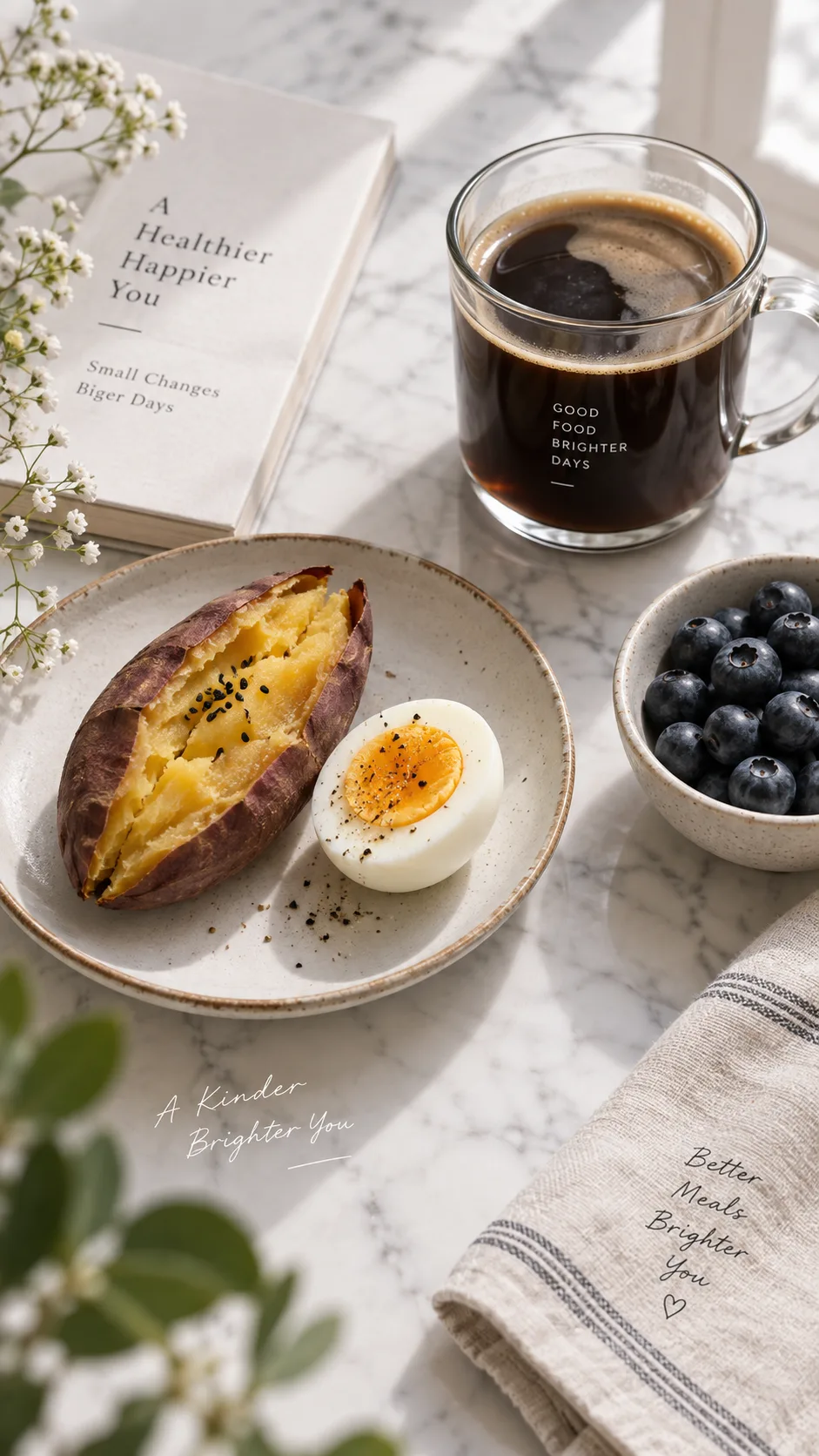
Search any hashtag and you’ll find near-identical versions of this “day of eating.” Here’s the plan people share, collected from the most-copied fan posts:
- Breakfast: one boiled egg, half a sweet potato, black coffee or unsweetened green tea
- Lunch: a small portion of chicken breast or grilled fish, salad with minimal dressing, sometimes a few spoons of rice
- Snack: a handful of nuts, cherry tomatoes, or a small piece of fruit
- Dinner: soup, steamed vegetables, tofu or lean protein, eaten early, often before 7pm
- Non-negotiables: 2 to 3 litres of water, zero fried food, zero sugary drinks, minimal late-night eating
The rules people repeat like scripture
- No eating after 7pm or 8pm. Basically a soft intermittent fasting schedule with a K-pop filter.
- Chew slowly, eat mindfully. Excellent advice, zero notes.
- Water before every meal. Also fine.
- Daily movement: Pilates, stretching, long walks, dance practice.
- Sleep like it’s your job. Underrated and free.
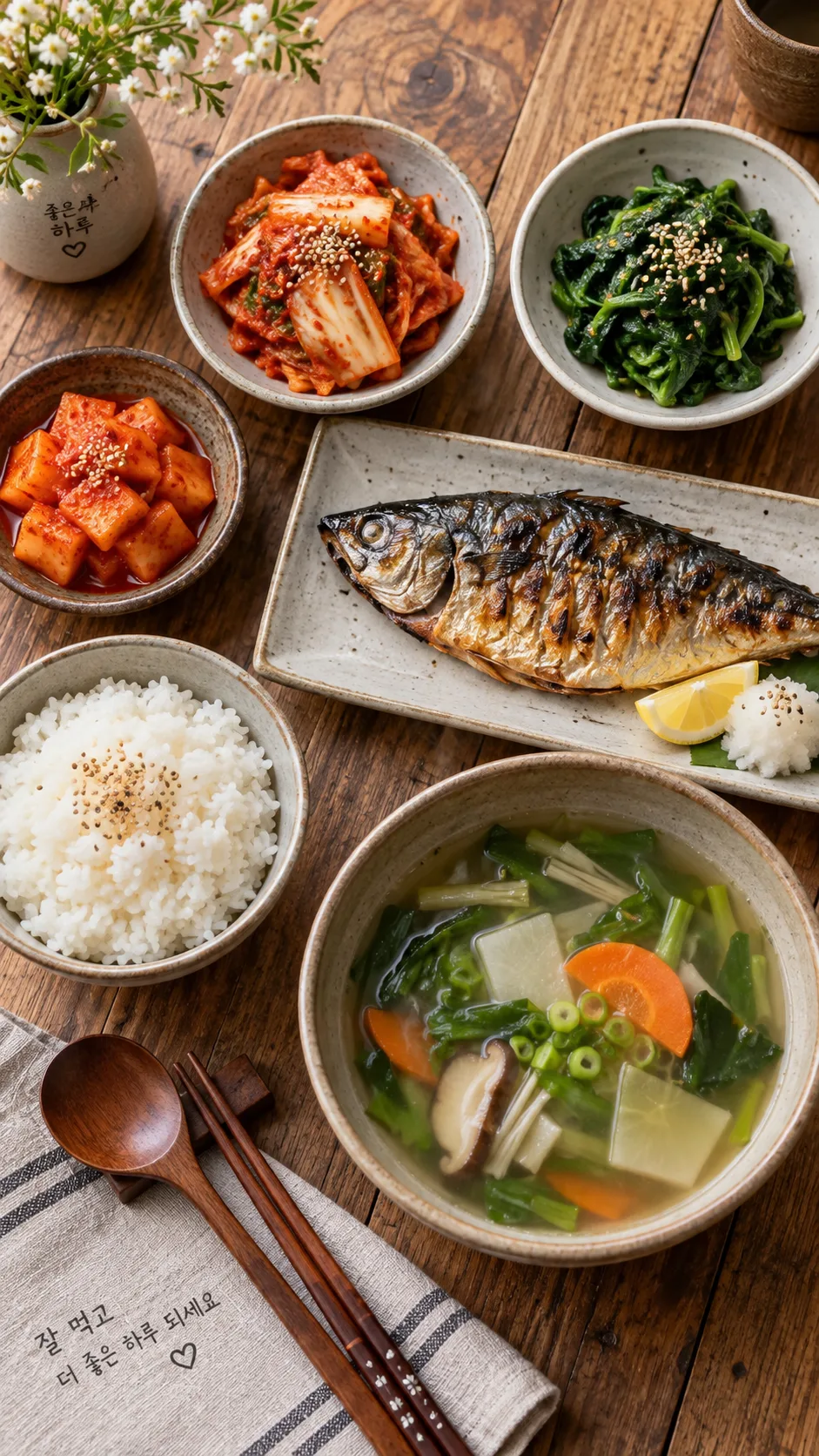
Notice something? Strip away the extreme portion sizes and you get a fairly ordinary Korean-style eating pattern: lots of vegetables, soup at most meals, lean protein, minimal ultra-processed food. That part works. The portions are where things go sideways.
Let’s talk numbers (the part nobody posts)
Add up that viral day of eating and you land somewhere around 900 to 1,200 calories. Depending on how small the “small portion” gets, sometimes less.
Now compare that to reality. The NHS puts average daily needs at roughly 2,000 calories for women and 2,500 for men. Teenagers who train, dance, or grow need more, not less.
So the viral plan runs a deficit of 800 to 1,100 calories per day. Ever wondered why people on it report dizziness by week two? There’s your answer.
What that shortfall does to you
- Muscle loss. Severe deficits burn muscle alongside fat, and muscle drives your resting metabolism.
- Hormone disruption. Under-eating suppresses reproductive hormones. Missing periods signal a real problem, not “success.”
- Hair shedding and brittle nails. Protein and iron shortfalls show up in the mirror within two or three months.
- Brain fog and irritability. Your brain runs on roughly 20% of your daily energy. Starve it, feel it.
- Rebound bingeing. Restriction creates obsession. Harvard’s Nutrition Source has documented this cycle for years.
The National Eating Disorders Association lists rigid food rules, calorie obsession, and “clean” eating extremes as common early markers of disordered eating. That’s not me being dramatic. That’s the clinical literature.
Has Wonyoung herself ever endorsed this?
Short answer: no. She has never published a strict meal plan. She’s mentioned enjoying food, and she’s addressed the obsessive commentary about her body more than once.
So the “Wonyoung diet” you’re reading about? Fan fiction with a grocery list. Idols work with trainers, nutritionists, medical staff, and schedules that most of us couldn’t survive for a week.
FYI, that gap between a celebrity’s real routine and the internet’s version of it causes a shocking amount of damage. I’ve watched friends chase a plan that never existed.
What it really takes to look like an idol
Here’s the honest breakdown nobody puts in a 15-second video. K-pop visuals come from a stack of factors, and food ranks maybe fourth.
1. Genetics doing the heavy lifting
Wonyoung stands nearly 5’8″ with naturally long limbs and a small frame. You cannot diet your way into a different skeleton. I’m 5’4″ and no amount of boiled eggs has ever changed that.
2. Hours of daily movement
Trainees dance four to eight hours a day. That’s not “Pilates twice a week” energy. That’s an athlete’s workload, which also explains why they can eat properly and stay lean.
3. A full professional team
- Dermatologists for that famous skin
- Stylists who understand proportion and camera angles
- Makeup artists who contour for 4K lenses
- Nutritionists who monitor bloodwork
4. Camera and editing magic
Lighting, lens choice, slight editing, posture training. Ever noticed how every idol photo has the same flattering angle? Coincidence? Nope.
5. Youth
Teenage and early-twenties metabolism behaves differently. Comparing your 34-year-old body to an 18-year-old’s is a rigged game, and you always lose.
The Wonyoung-inspired plan that won’t wreck you
Can you borrow the good parts? Absolutely. I’ve built this version around the habits that hold up, with portions that keep you alive and functioning.
Aim for a modest deficit of 300 to 500 calories if fat loss is your goal. That pace produces roughly 0.25kg to 0.5kg per week, and you keep your muscle, your hair, and your personality.
The framework
- Protein at every meal. Target 1.2g to 1.6g per kg of body weight daily. Eggs, chicken, fish, tofu, Greek yoghurt, beans.
- Vegetables at two meals minimum. Volume fills you up for almost no calories. Korean banchan nails this.
- Soup before or with dinner. Broth-based soup genuinely reduces total intake. Science, not vibes.
- Carbs stay on the menu. Rice, sweet potato, oats. Your brain and workouts need them.
- Fats, not fat-free. Sesame oil, avocado, nuts, egg yolks. Hormones require fat.
- Finish eating two or three hours before bed. Better sleep, better digestion, no starvation required.
A realistic day of eating (roughly 1,600 to 1,800 calories)
- Breakfast: 2 eggs, one medium sweet potato, sautéed spinach, green tea
- Lunch: 150g grilled chicken or mackerel, 1 cup rice, kimchi, cucumber salad
- Snack: Greek yoghurt with berries, or a handful of almonds and a banana
- Dinner: Tofu and vegetable soup, side of steamed broccoli, half cup rice
- Optional: a square of dark chocolate, because we’re not monsters
Want templates built around food you can buy locally? These Nigerian weight loss meal plans with a food timetable follow the same principles: high protein, high fibre, no misery.
Movement that mimics the idol routine
- 8,000 to 12,000 steps daily. Boring, free, wildly effective.
- Strength training two or three times weekly. This builds the shape people credit to dieting.
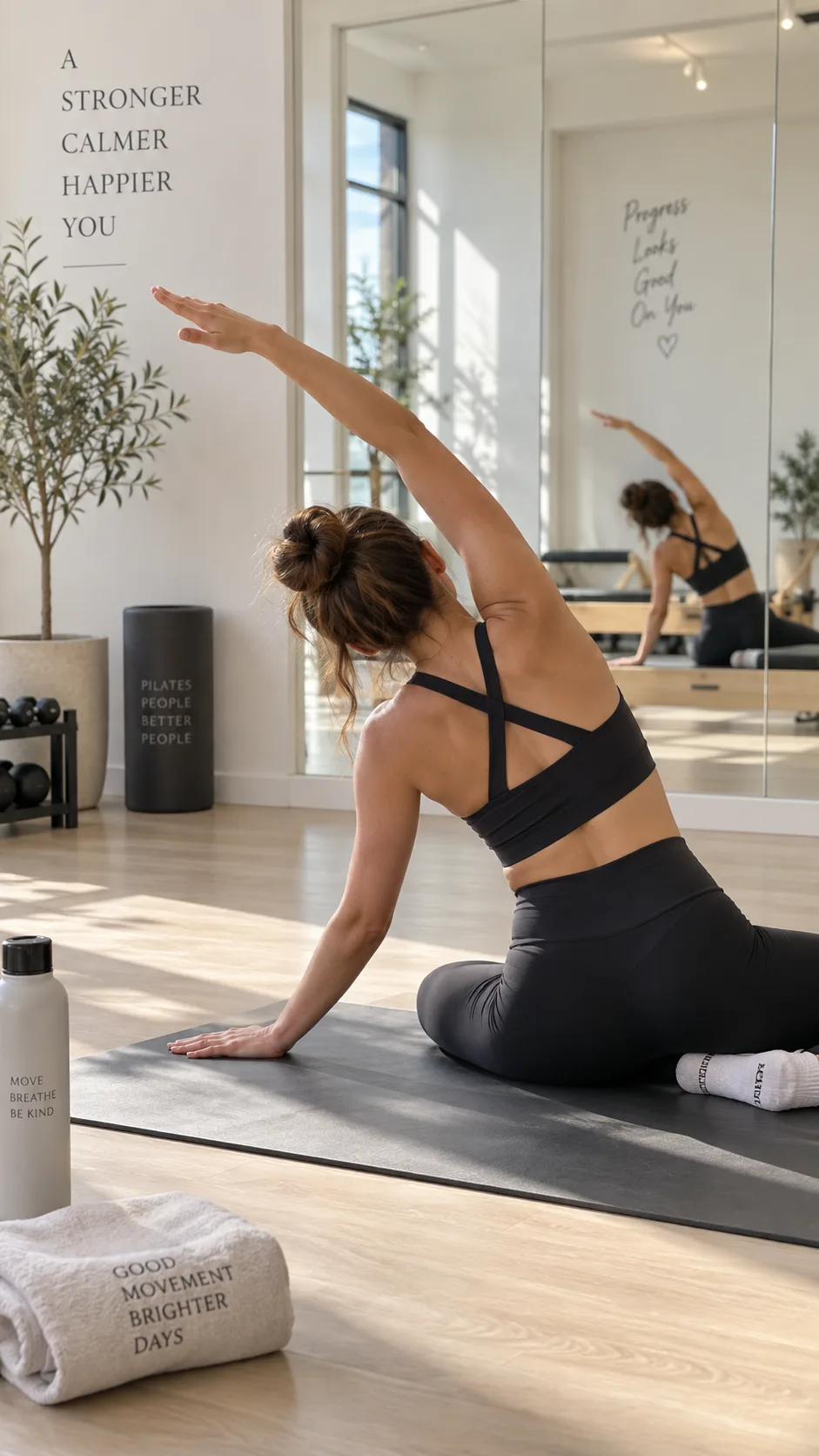
- Pilates or stretching twice weekly. Posture changes how your body reads on camera more than 2kg ever will.
- Dance cardio when you feel like it. Enjoyment keeps you consistent.
The skin and hair part everyone wants
Let me be blunt: crash dieting ruins skin. Collagen needs protein and vitamin C. Barrier function needs fats. Glow needs sleep.
- Daily sunscreen. The single highest-ROI habit in all of skincare.
- Seven to nine hours of sleep. Non-negotiable for cortisol and skin repair.
- Water plus electrolytes, especially if you drink coffee like a Victorian ghost.
- Green tea for polyphenols and a gentle caffeine lift. Here’s a rundown of green tea brands worth buying.
- Iron, B12, vitamin D and omega-3. Get tested rather than guessing.

The bloating problem (because someone will ask)
People start these plans chasing a flat stomach and then panic when they bloat harder than before. Ever wondered why? Sudden huge fibre jumps, excess raw vegetables, artificial sweeteners, and stress all inflate your midsection.
Under-eating raises cortisol too, and cortisol loves parking fat around your middle while making you crave everything at 10pm. I wrote more about that pattern in this piece on stress eating and cortisol, and the most common flat stomach diet mistakes cover the bloating side in detail.
Red flags: when a “diet” stops being a diet
I want you to read this list properly. Save it. Send it to the friend who’s been “just doing a reset” for four months.
- You skip social events because food will be there
- You feel panic, guilt or shame after eating normally
- You weigh yourself multiple times a day
- Your period stops or becomes irregular
- You feel cold constantly, or your hair sheds in clumps
- You think about food for hours every day
- You treat eating as a moral test you keep failing
Two or more of those? Please talk to a doctor or a registered dietitian. The World Health Organization’s healthy diet guidance makes a decent sanity check, and eating disorder helplines exist in most countries for exactly this reason.
Nobody’s aesthetic is worth your thyroid. I’ll die on that hill.
Wonyoung diet FAQ
How much weight will I lose on it?
Fast, then badly. You’ll drop water and glycogen in week one, then muscle, then you’ll plateau while feeling terrible. Slow deficits win long-term, every single time.
Can teenagers follow it?
No. Growing bodies need surplus energy for bone density, brain development and hormones. Restricting during adolescence causes damage that lasts decades.
Is the “no eating after 7pm” rule legit?
Mostly, yes, but not for magical reasons. An earlier cut-off simply reduces mindless snacking and improves sleep. Total intake still rules everything.
What about Korean food in general?
Genuinely excellent. Fermented foods, soups, seafood, vegetables, controlled portions. The cuisine deserves the hype; the crash-diet version doesn’t. The same logic applies to the Chinese diet approach: the pattern works, the extremes don’t.
Do I need supplements?
You need food first. Then test for deficiencies and supplement accordingly. Buying a fat burner because an ad told you to? Save your money.
My honest take
I find the Wonyoungism discipline genuinely appealing. The posture, the routines, the “romanticise your morning” energy: I’m in. Waking up early, drinking water, moving daily, dressing like you mean it. Those habits build real confidence.
But the food part got twisted along the way. Somewhere between a fan edit and a duet, “eat mindfully” became “eat almost nothing.” Discipline should add to your life, not subtract from your body.
If you want the Wonyoung effect, chase the habits, not the calorie count. Sleep, sun protection, strength training, protein, vegetables, posture, and a wardrobe that fits the frame you have. That stack delivers 90% of the result and zero of the hair loss.
Key takeaways
- The viral plan runs 900 to 1,200 calories, far too low for most adults, and dangerous for teens.
- Wonyoung never published it. Fans built it. Treat it accordingly.
- The good bits are real: soup, vegetables, lean protein, early dinners, mindful eating, daily walking.
- Idol bodies come from genetics, hours of dance, and a professional team, not one boiled egg.
- A 300 to 500 calorie deficit plus strength training beats starvation for both looks and health.
- Missing periods, hair loss and constant cold mean stop, not push harder.
Start tomorrow with three things: eat protein at breakfast, walk 8,000 steps, and sleep eight hours. Do that for a month and you’ll feel more “main character” than any 1,000-calorie meal plan ever made you. Deal?