

Chemotherapy turns your relationship with food upside down. One morning you crave warm soup, and by lunch, water tastes like pennies. Your body works overtime right now, and fueling your cells feels like running an uphill race in heavy boots.
Nobody wants to force down dry chicken breasts when their stomach churns. Here is a direct, practical guide on what to eat on a chemo diet without confusing medical jargon. These eight nutrient-rich foods soothe nausea, protect lean muscle, and preserve your energy when every bite counts.
1. Sippable bone broth and mellow soups
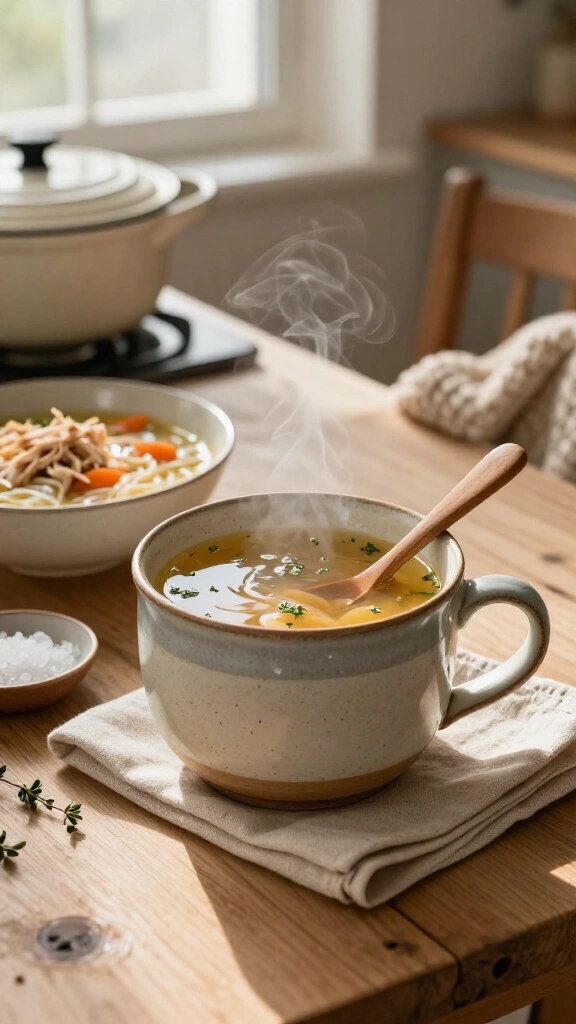
When you cannot chew solid food, clear liquids keep you going. Simmered bone broth provides electrolytes, glycine, and protein that your body breaks down with little effort. It hydrates your cells quickly and settles a turbulent stomach.
Chemotherapy often damages the gut lining, triggering sudden nausea and diarrhea. A warm mug of chicken or beef broth gently lines your digestive tract without taxing your stomach. Stir in sea salt to replenish lost minerals and wake up dulled taste buds.
Drink your broth warm rather than piping hot. Strong food aromas trigger nausea quickly, while cooler liquids go down with much less resistance. Keep a thermos cup on your nightstand so you have immediate nourishment whenever hunger strikes.
2. Velvety soft scrambled eggs

Your body needs steady protein right now to rebuild white blood cells and repair healthy tissue. Soft scrambled eggs supply a full set of amino acids that your digestive tract absorbs without strain. They slide down easily without irritating a sensitive throat or painful mouth sores.
Whisk your eggs with a splash of whole milk, cream, or bone broth before cooking them on low heat in butter. This method produces a tender texture that requires almost no chewing. If mouth sores make eating painful, look at our guide on soft food diet meals for more gentle meal ideas.
If food tastes like metal, switch from stainless steel forks to bamboo or plastic utensils. This simple swap instantly cuts the harsh metallic flavor that chemotherapy leaves on your tongue.
3. Chilled high-calorie smoothies
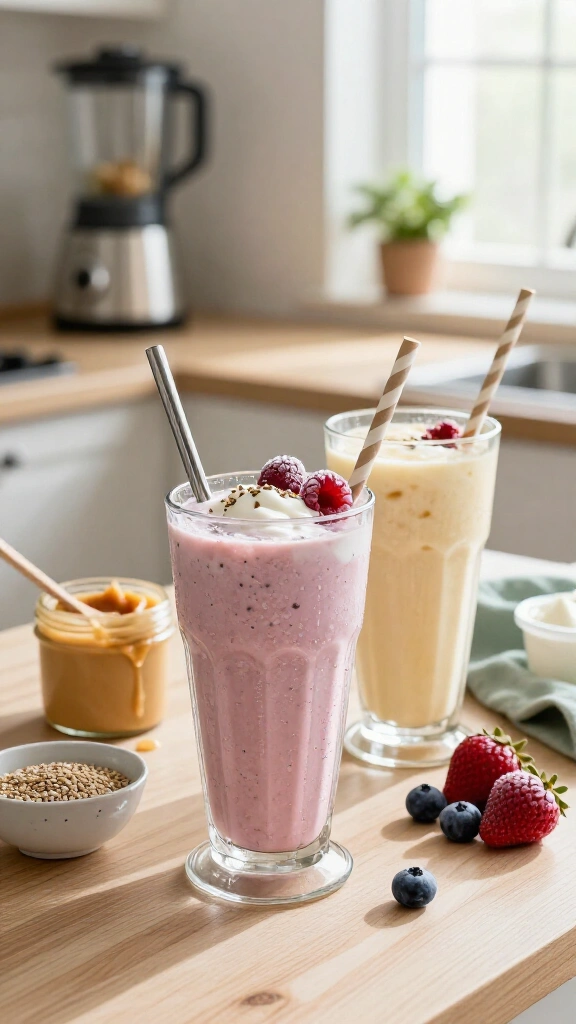
Cold drinks soothe inflamed gums and burning taste buds like an ice pack. When you blend frozen fruit, almond butter, and full-fat Greek yogurt, you get dense nourishment in a single cup. You skip the tiring effort of chewing while giving your body healthy fats and calories.
The American Cancer Society notes that steady calorie intake prevents muscle loss during active treatment. Add calorie boosters into your blender daily. Toss in hemp seeds, coconut cream, or pasteurized egg whites to raise protein numbers without filling your stomach with excess volume.
Drink your smoothie through a wide straw to guide the liquid past tender spots on your tongue. If acidic fruits sting, skip the citrus and berries completely. Instead, build your shakes around mild ingredients like frozen bananas, oats, and peanut butter.
4. Creamy oatmeal with flax and honey
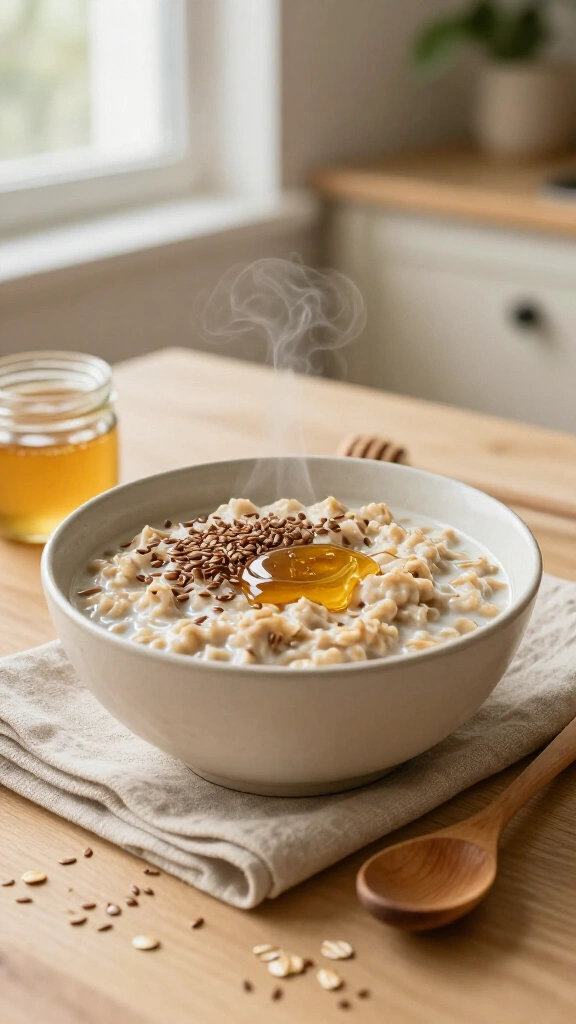
Chemotherapy disrupts normal digestion, often causing severe constipation or sudden diarrhea. Oats contain a soluble fiber called beta-glucan that helps normalize your bowel habits and steadies blood sugar swings. A warm bowl of oats comforts an unsettled stomach.
Cook rolled oats in whole milk rather than water so you get the most nourishment from every spoonful. Stir in ground flaxseed for plant omega-3 fatty acids that combat inflammation. Add raw honey to calm an irritated throat and provide natural antimicrobial benefits.
Bland food protects your stomach best on treatment days. Strong spices and heavy seasonings trigger nausea, so keep your oatmeal simple, warm, and mild.
5. Probiotic-rich kefir and plain Greek yogurt
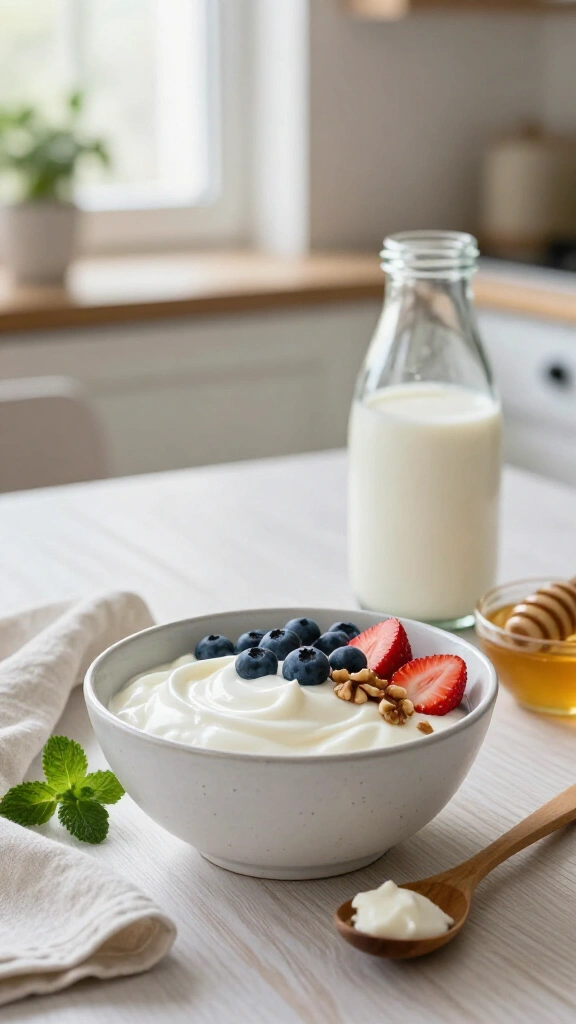
Chemotherapy drugs target cancer cells, but they also destroy friendly bacteria in your gut. Fermented foods like kefir and Greek yogurt replenish these beneficial microbes. A healthy gut lining absorbs nutrients much better and reduces bouts of diarrhea.
Researchers at the National Cancer Institute point out that protecting your immune system matters greatly during periods of low blood cell counts. Greek yogurt gives you twice the protein of regular yogurt, which helps rebuild your body. Choose plain, unsweetened cartons to avoid added sugars that provoke inflammation.
If dairy causes extra phlegm or cramps, try unsweetened coconut kefir or plant yogurts that contain live cultures. Always talk with your oncology team before you eat fermented foods if your white blood cell counts drop below safe levels.
6. Mild shredded chicken and flaky white fish
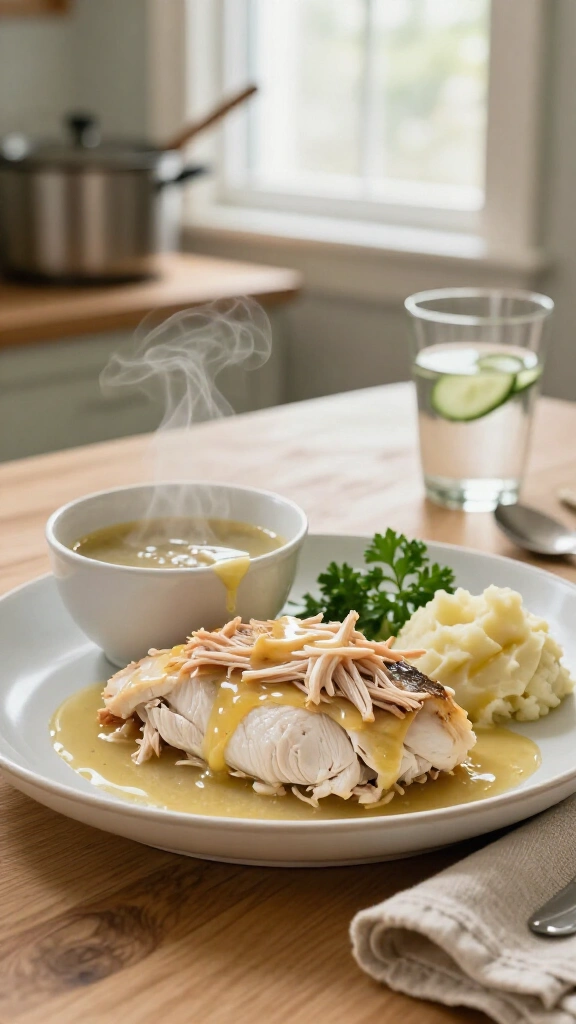
Red meat often smells metallic or sour during chemotherapy, which immediately ruins your appetite. Turn instead to mild proteins like poached chicken, shredded turkey, or baked cod. These meats provide iron and zinc without overwhelming your sensitive nose.
Moisten your meat with gravy, broth, or mild sauces. Dry meat sticks in dry mouths, a side effect doctors call xerostomia. If you eat whole foods, explore tender animal-based protein sources that speed up cell repair.
Simmer chicken in a slow cooker with carrots and celery until you can shred it with a fork. Soft, shredded meat requires very little chewing, which saves your energy for healing.
7. Nutrient-dense mashed avocados
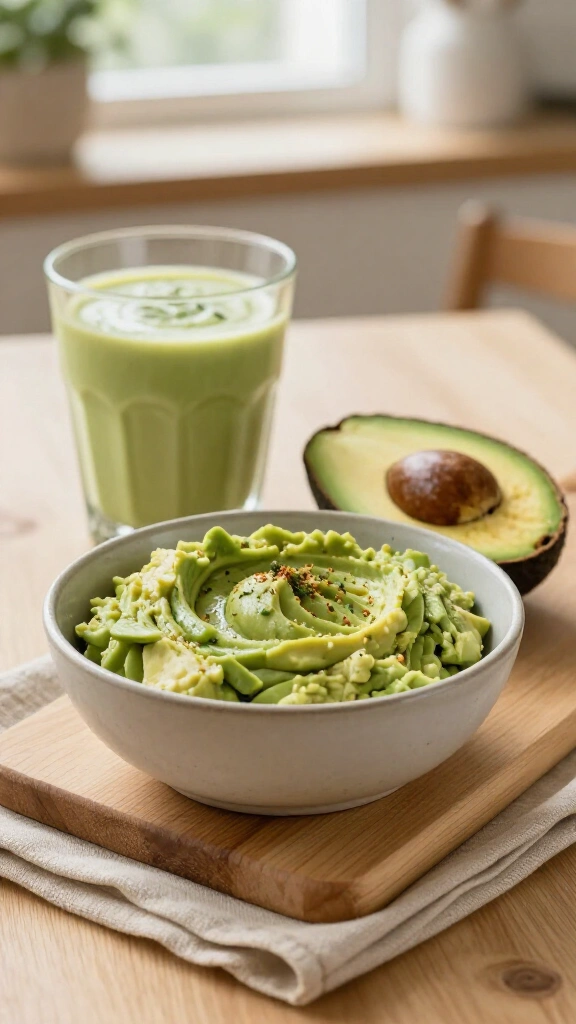
When your appetite drops, make every mouthful count. Avocados provide healthy fats, potassium, and vitamins C, E, and B6 in a soft, buttery form. Their smooth texture slides down easily without aggravating mouth sores.
Spread mashed avocado onto soft bread or blend it directly into your smoothies. You will not taste it in a fruit shake, but it creates a rich, creamy texture. The healthy fats in avocado also help your body absorb vitamins from other foods on your plate.
Sprinkle a small pinch of garlic salt over the avocado to stimulate your taste buds. If citrus stings your mouth, skip lemon juice and drizzle olive oil over the top instead.
8. Soothing ginger and peppermint teas

Dehydration causes fatigue, brain fog, and stress on your kidneys during treatment. Yet plain water often tastes flat or metallic. Warm ginger tea or iced peppermint tea makes drinking fluids much more appealing.
Compounds in fresh ginger root block nausea signals in your digestive tract before they reach your brain. Doctors at the Mayo Clinic note that ginger helps soothe stomach upset during cancer treatment. Peppermint relaxes stomach muscles, which reduces cramping and uncomfortable gas.
Drink your tea warm, cool, or at room temperature. Experiment to find what sits best in your stomach today. You can also freeze mild ginger tea into ice cubes and suck on them during clinic visits to relieve dry mouth.
Smart strategies for managing your chemo diet
Eating well during cancer treatment requires adjusting your meal schedule, not just the food on your plate. Try these simple habits:
- Eat small meals often: Skip large meals. Eat five or six mini meals throughout the day so your stomach never stays empty or overly full.
- Separate food and drinks: Drink liquids thirty minutes before or after you eat rather than with your meals. Drinking while eating fills your limited stomach space with fluid instead of calories.
- Cook ahead on good days: Take advantage of the days between treatments when you feel stronger. Follow our guide on meal prepping healthy food in advance so you have ready-to-eat meals waiting in your freezer when fatigue hits.
- Serve food at room temperature: Hot meals release strong smells that trigger nausea. Let your food cool down before you remove lids or covers.
Listen to your body and give yourself grace
You do not need a perfect diet during chemo; you only need fuel and strength. If you can only stomach plain crackers or vanilla ice cream a few days after an infusion, accept those calories. Eat whatever your stomach tolerates without stressing over strict nutritional rules.
Monitor your fluids, eat small portions of protein whenever you feel hungry, and discuss any digestive troubles with your oncology care team. Your body works hard every single day. Treat yourself with patience, choose gentle foods, and take each meal one bite at a time.