

A warm mug of bone broth can comfort an upset stomach, but can it truly “melt” inflammation and reset your gut in 21 days? No single food can erase inflammation or fix every digestive problem, regardless of what Instagram claims.
Still, a thoughtful bone broth diet plan can help you settle into a gentler, more nourishing way of eating. This 21-day approach combines broth with fiber-rich plants, protein, healthy fats, hydration, and foods that nourish your gut microbiome. You will eat real meals, not spend three weeks on a bleak liquid diet.
1. Start with a realistic bone broth diet mindset
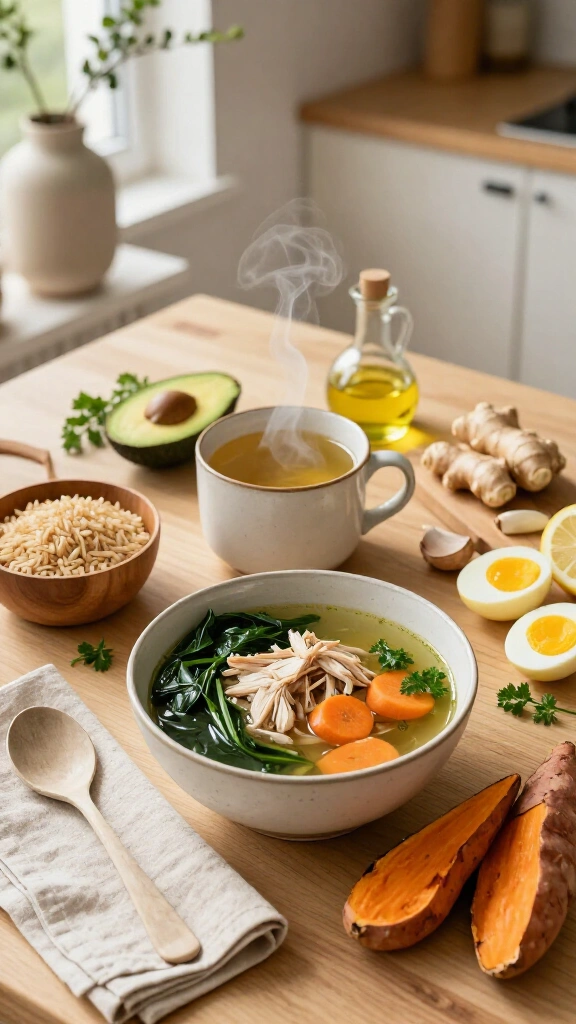
Think of this 21-day bone broth plan as a supportive anti-inflammatory eating framework, not a miracle cleanse. Bone broth provides fluid, sodium, and modest amounts of protein. Your overall eating pattern does much more for inflammation and gut health.
Your body usually responds well to steady habits. Drink broth daily if you enjoy it, build meals around whole foods, and pay attention to changes in digestion, energy, and cravings. That approach makes more sense than chasing dramatic detox promises.
Important: Talk with a clinician or registered dietitian before you change your diet if you have kidney disease, high blood pressure, food allergies, a history of eating disorders, inflammatory bowel disease, or another medical condition. Give your gut care and informed attention.
2. Choose bone broth without a huge sodium load
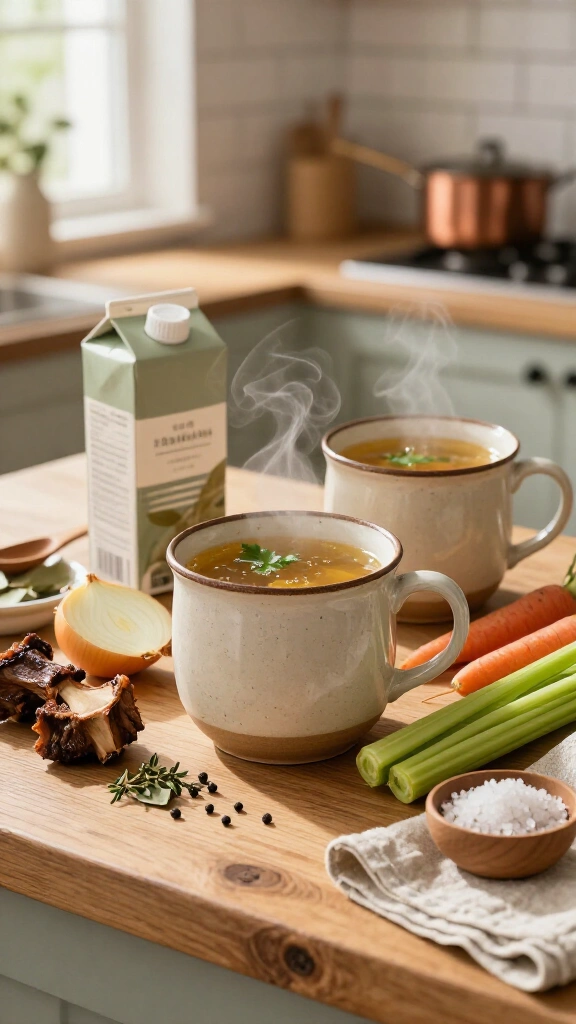
Read the label before you buy bone broth. Many packaged broths contain plenty of sodium, and several cups a day can raise your intake quickly.
Choose broth with a short ingredient list: bones or stock, water, vegetables, herbs, and a moderate amount of salt. Pick a lower-sodium option when you can, especially if your doctor wants you to watch your blood pressure.
What to look for on the label
- Lower sodium: Compare brands and choose the option with less sodium per cup.
- Protein: Some bone broths provide 8 to 10 grams per serving, while others provide very little.
- No unnecessary additives: Skip products with added sugar or ingredients that trigger your symptoms.
- Food safety: Refrigerate broth promptly after you open it, and heat it thoroughly before you drink it.
Homemade broth can taste wonderful, but it does not automatically provide more collagen or greater gut health benefits than a good store-bought broth. Pick the option that works for your schedule and budget.
3. Use bone broth to start a meal, not replace one
A broth-only plan can leave you hungry and short on fiber. It can also send you searching through the snack cabinet late at night. Your gut microbes need a range of plant fibers, not mug after mug of savory liquid.
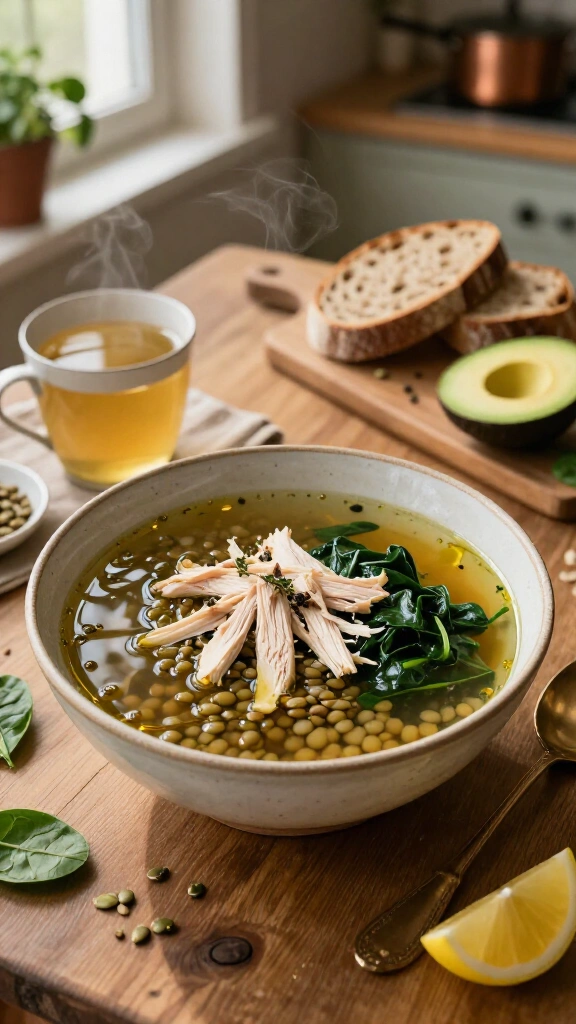
Have one cup of bone broth before a meal, as a snack, or as a soup base. Then add satisfying foods with protein, fiber, vitamins, and healthy fats. This approach makes the bone broth diet for inflammation easier to maintain.
Try a bowl of broth with shredded chicken, lentils, spinach, carrots, mushrooms, ginger, and brown rice. You get warmth, flavor, protein, and fiber in one meal.
4. Follow the 21-day bone broth diet plan in three phases
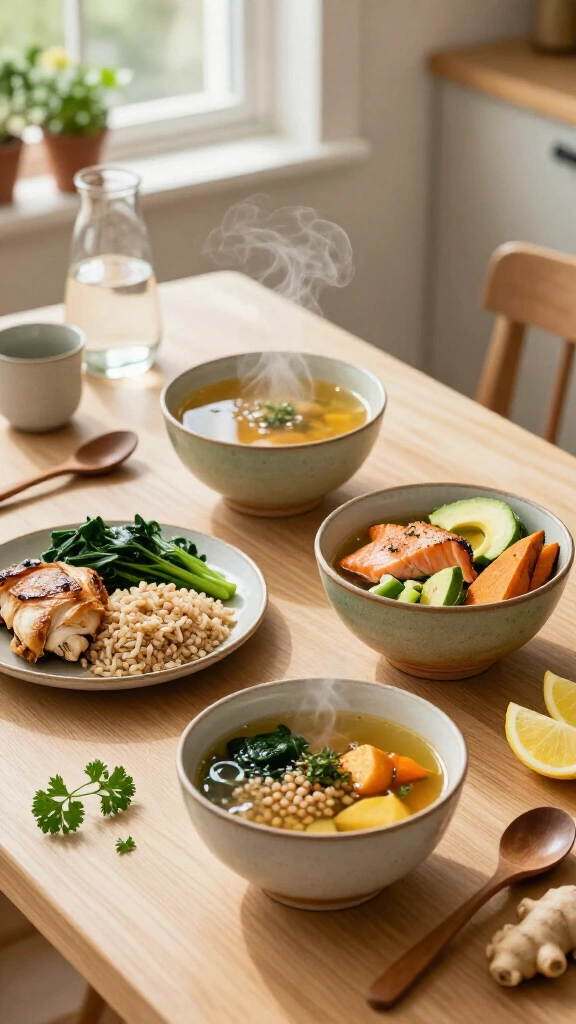
This plan lets you build habits over time instead of demanding perfection on the first day. Adjust portions for your hunger, activity level, cultural food preferences, and medical needs.
Days 1 to 7: Simplify and observe
Drink one cup of bone broth each day, ideally with or before a balanced meal. Cut back on common dietary contributors to inflammation, including frequent sugary drinks, highly processed snack foods, and heavy alcohol use. Keep a brief note about bloating, bowel habits, sleep, and energy.
Days 8 to 14: Build a gut-supportive plate
Eat more colorful vegetables, beans, oats, berries, nuts, seeds, fish, olive oil, and fermented foods if your body tolerates them. Use broth in soups, grains, sauces, and braises. Do not force yourself to eat sauerkraut if it upsets your stomach.
Days 15 to 21: Create a routine for the long haul
Keep the habits that help you feel well, and let go of the ones that add stress. Try two or three broth-based meals each week rather than relying on broth at every meal. Build a routine you can continue after day 21 instead of chasing a dramatic finish-line photo.
5. Pair bone broth with foods that support lower inflammation
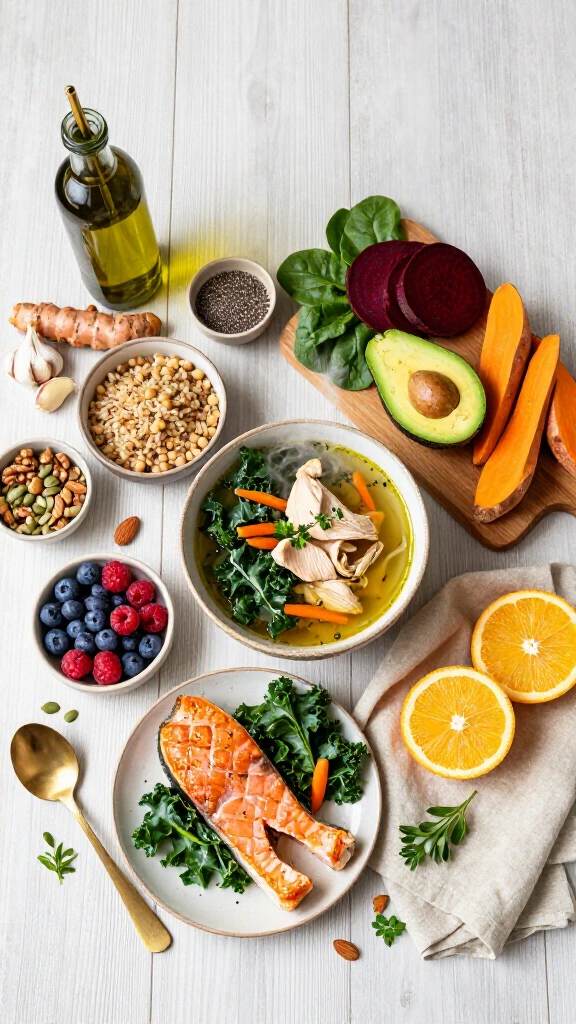
Bone broth can fit into an anti-inflammatory diet, but the rest of your plate matters more. Research supports eating patterns that include plenty of plants, unsaturated fats, and minimally processed foods.
Build meals around vegetables, fruit, legumes, whole grains, lean proteins, fatty fish, nuts, seeds, and extra-virgin olive oil. The inflammation diet for beginners offers a practical starting point if you want help sorting through conflicting nutrition advice.
Easy anti-inflammatory bone broth add-ins
- Fresh ginger, garlic, turmeric, black pepper, and herbs
- Leafy greens, zucchini, carrots, celery, cabbage, and mushrooms
- Chickpeas, white beans, lentils, or edamame
- Salmon, chicken, tofu, eggs, or tempeh
- Brown rice, quinoa, barley, or sweet potato
- Olive oil, avocado, pumpkin seeds, or walnuts
The Dietary Guidelines for Americans encourage people to eat nourishing foods from every food group. A varied plate gives your body more nutrients than any single “superfood.”
6. Feed your gut microbiome with fiber, not just collagen
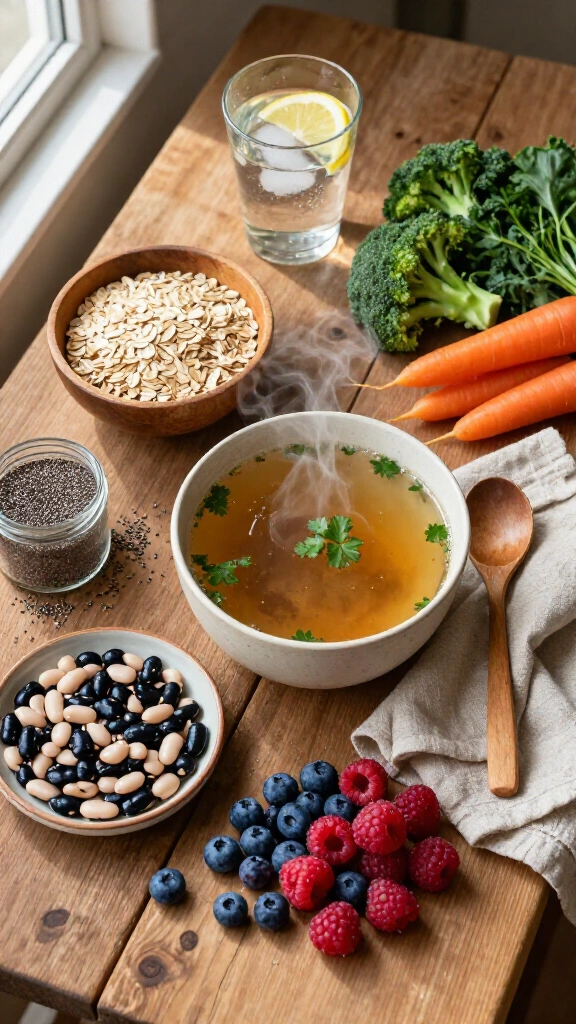
People often praise bone broth for its collagen and gelatin, but research has not shown that drinking it can “seal” a leaky gut or cure digestive disorders. Your gut microbiome needs steady fuel from plant foods, especially fermentable fibers.
Increase fiber gradually if you currently eat very little. Add another serving of vegetables, oats, beans, berries, or chia seeds every few days, and drink plenty of water. A gradual shift can spare you a lot of gas and discomfort.
For reliable information about digestive health and nutrition, visit the National Institute of Diabetes and Digestive and Kidney Diseases. Contact a clinician if you have persistent pain, blood in your stool, unexplained weight loss, vomiting, or ongoing diarrhea. More broth will not address those symptoms.
7. Create a simple daily bone broth routine you can keep
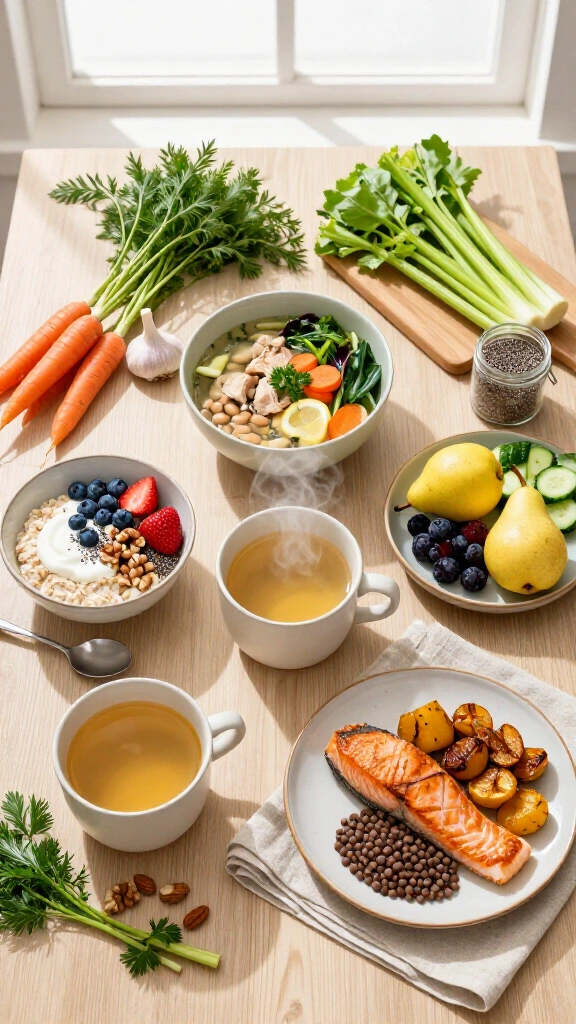
Consistency can make eating well feel less complicated. Choose one or two times when broth fits naturally into your day, then prepare ingredients before hunger sends you toward the drive-thru.
A sample day on the bone broth diet plan
- Breakfast: Oats with berries, chia seeds, Greek yogurt or soy yogurt, and walnuts.
- Lunch: Bone broth vegetable soup with chicken, tofu, or white beans and a side salad.
- Snack: One cup of bone broth with fruit and a handful of nuts.
- Dinner: Salmon or lentils, roasted vegetables, and quinoa with olive oil and lemon.
Want more structure? This anti-inflammation diet meal plan can help you turn good intentions into manageable weekday meals. A plan that works on a Tuesday matters more than a perfect plan you quit by Thursday.
8. Track symptoms, sleep, stress, and energy during the 21 days
Food affects your body, but sleep, stress, movement, medications, hormones, and health conditions can also affect inflammation and digestion. Track a few simple signals each day so you can notice patterns without fixating on every bite.
Write down your meals, water intake, bowel changes, abdominal discomfort, mood, sleep quality, and energy level. Keep your notes brief and neutral. You want useful information, not a case against one innocent tomato.
Gentle movement can help digestion and ease stress. Take a short walk after meals, stretch for ten minutes, or choose exercise that you enjoy. The Centers for Disease Control and Prevention recommends regular physical activity for overall health, and even small amounts of movement can help.
Signs you should contact a healthcare professional
- Severe or worsening abdominal pain
- Blood in stool or black, tar-like stool
- Unintentional weight loss
- Persistent vomiting, diarrhea, or constipation
- Symptoms that disrupt daily life or sleep
Make your 21-day reset a starting point, not a finish line
A 21-day bone broth diet plan can help you create a calmer, more nourishing routine when you treat broth as one part of a balanced diet. Pair it with fiber-rich plants, quality protein, healthy fats, hydration, sleep, and stress support for the best results.
Skip miracle claims and focus on habits you can repeat: warm soup, a colorful plate, a short walk, and some curiosity about how your body feels. That approach may lack flash, but it gives your gut something better than hype. It gives your gut steady care.