

Thirty days without sugar, booze, grains, or dairy. That sounds rough, right? It doesn’t have to be, as long as you walk in with a plan instead of a vague promise to “eat better.”
I’ve watched plenty of friends quit Whole30 by day four. Almost none of them quit because of willpower. They quit because they opened the fridge at 6 p.m. with zero ideas and a lot of hunger. This Whole30 meal plan fixes that problem.
What Whole30 is (and isn’t)
Melissa Hartwig Urban and Dallas Hartwig created Whole30 in 2009 as a 30-day elimination program. You cut out foods that commonly trigger cravings, digestive trouble, or inflammation. Then you reintroduce them one at a time and watch how your body reacts.
It isn’t a forever diet or a calorie-counting plan. Think of it as a 30-day experiment with you as the test subject.
What you skip for 30 days
- Added sugar of any kind, real or artificial (yes, that includes honey and maple syrup)
- Alcohol in any form, including as a cooking ingredient
- Grains such as wheat, rice, oats, and corn
- Legumes such as beans, lentils, peanuts, and soy (green beans and snap peas get a pass)
- Dairy except ghee and clarified butter
- Carrageenan, MSG, and sulfites in packaged foods
- Junk food recreations like compliant pancakes, muffins, or chips
What you eat instead
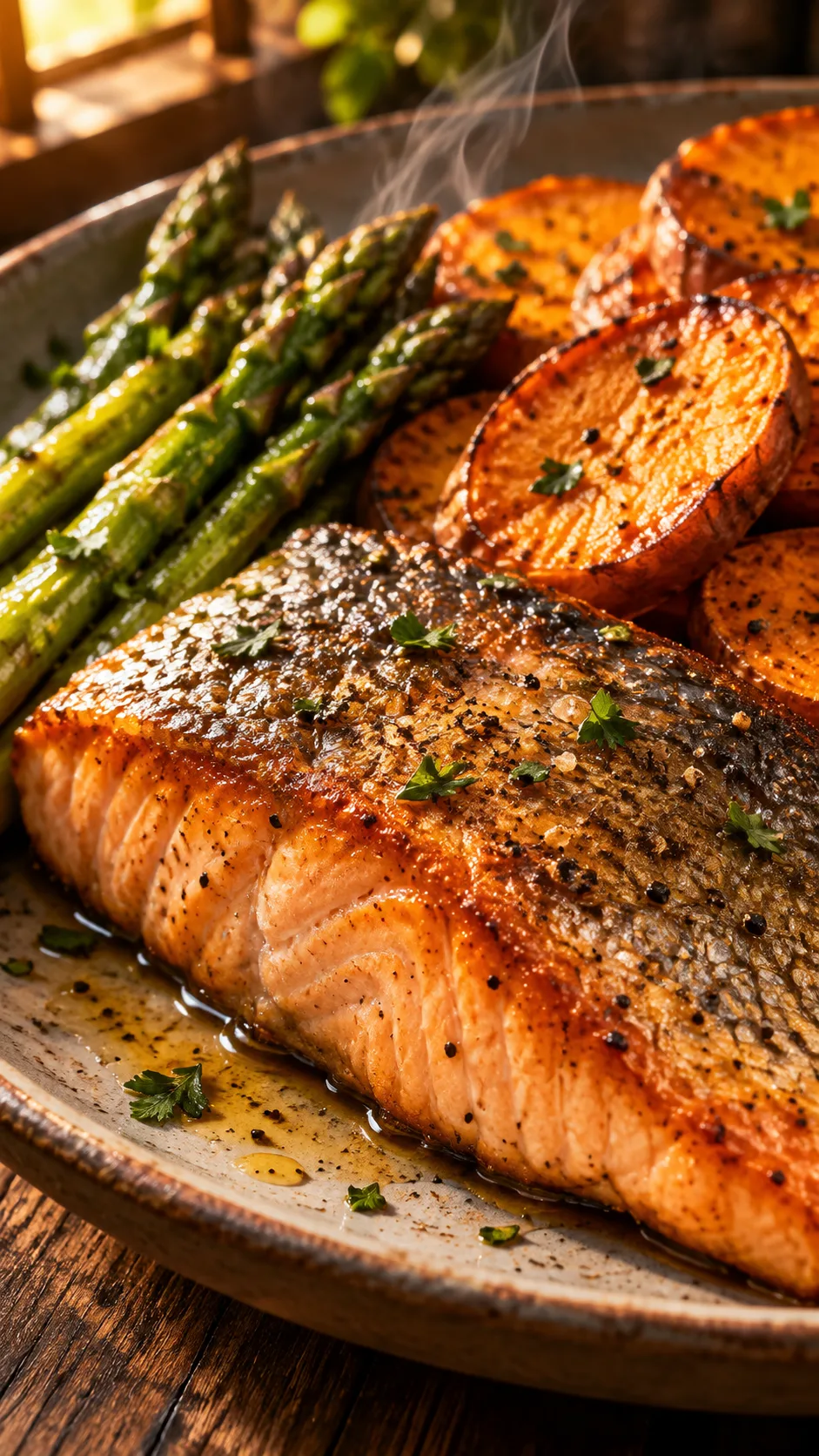
Plenty. Meat, seafood, eggs, vegetables, fruit, and natural fats like olive oil, avocado, and coconut. It’s real food, the kind that rarely comes with an ingredient list.
The official rules also tell you to skip the scale for the full 30 days. That surprises people, but it keeps your focus on energy, sleep, and cravings instead of a number.
Before day 1: set yourself up to win
Ever tried starting a diet with a pantry full of cookies? I have. It went about as well as you’d guess.
Clear the kitchen
Toss or donate anything that breaks the rules. Keeping temptation out of sight helps when you’re tired and cranky on day three.
Stock your Whole30 staples
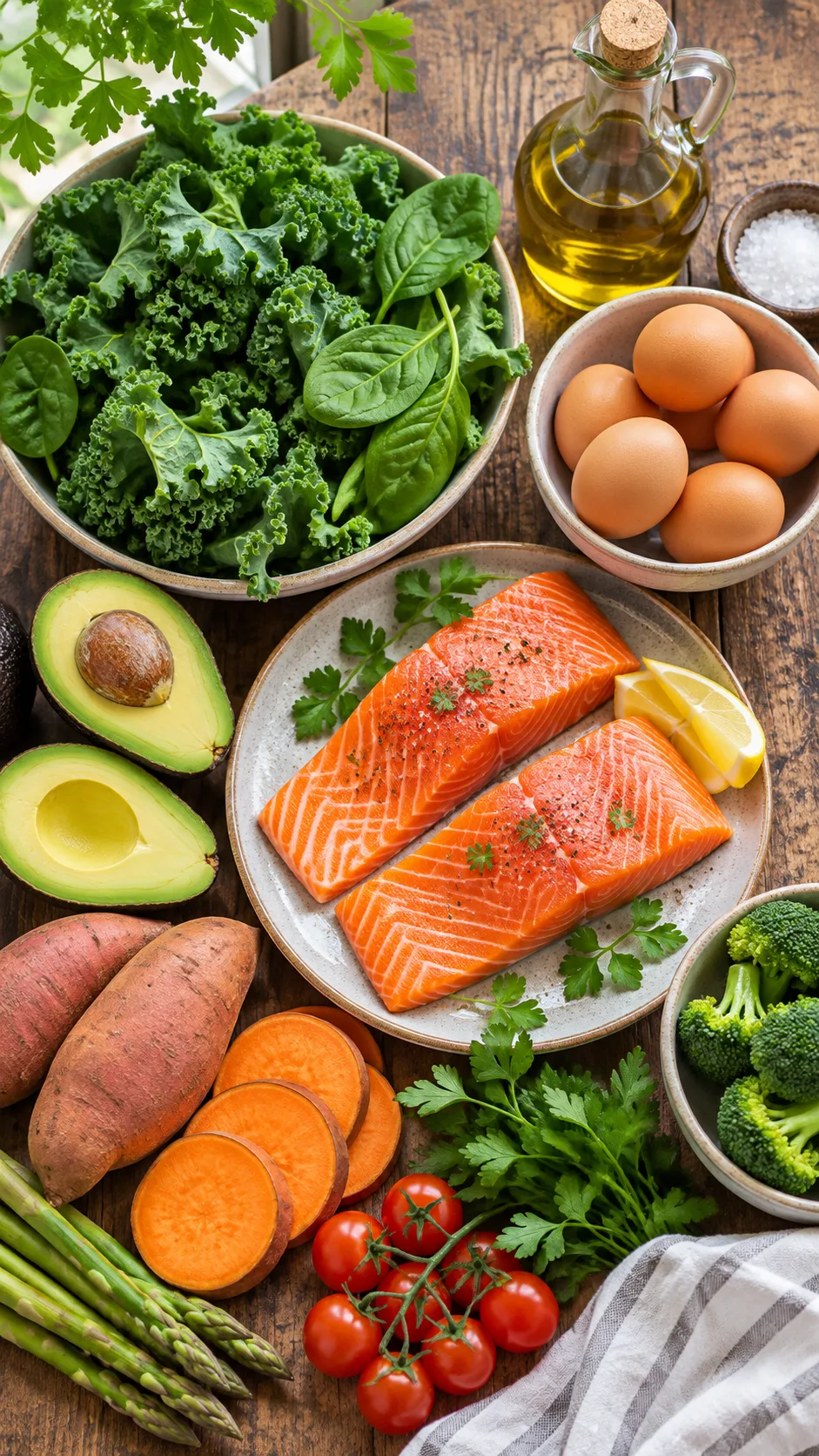
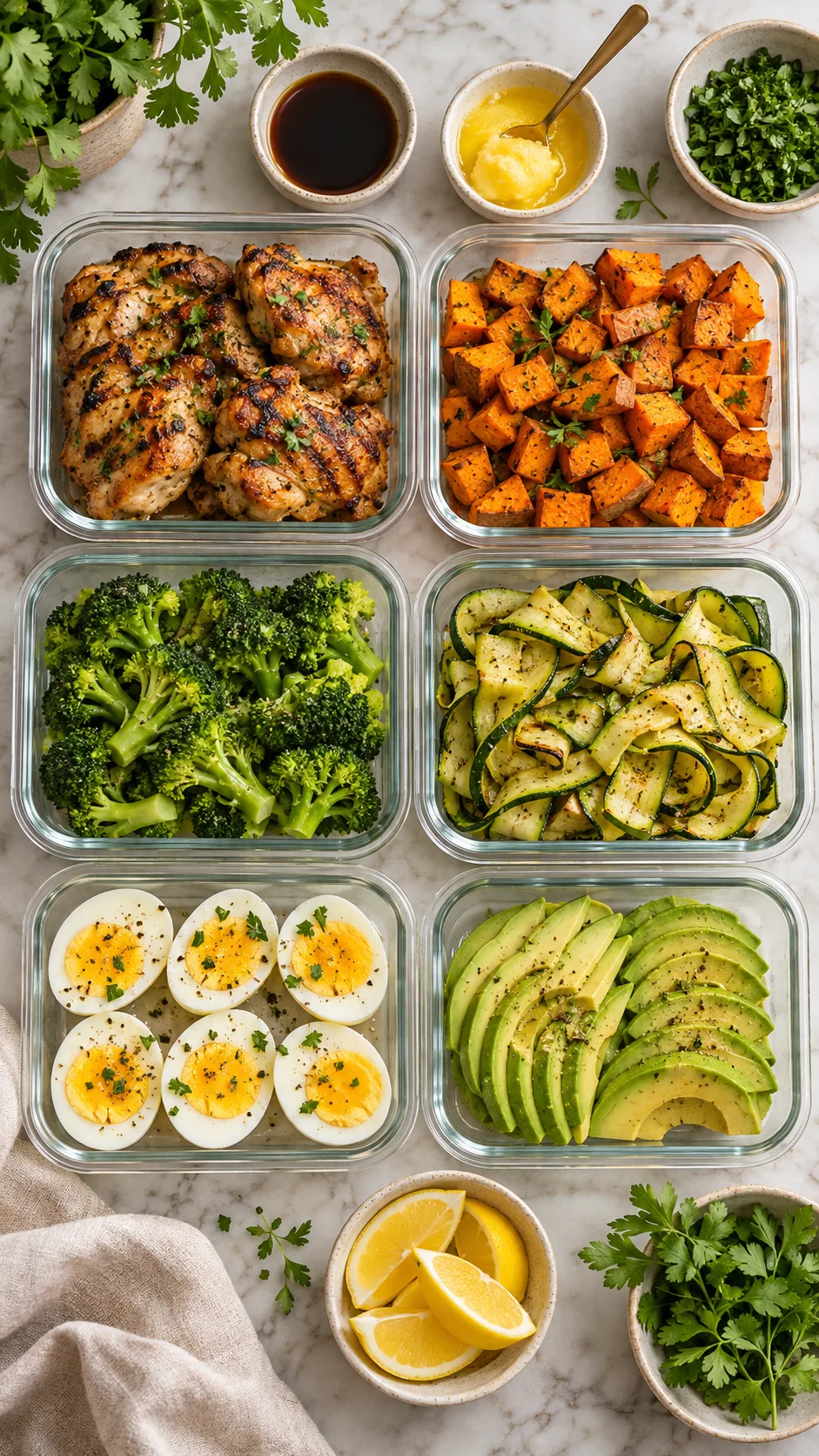
- Proteins: chicken thighs, ground beef, ground turkey, salmon, shrimp, eggs, compliant sausage and bacon
- Veggies: sweet potatoes, broccoli, zucchini, spinach, cauliflower, carrots, asparagus, bell peppers
- Fats: olive oil, avocado oil, ghee, coconut milk, avocados, olives
- Flavor: garlic, lemon, coconut aminos, mustard, hot sauce, dried herbs, compliant broth
- Snacks: fruit, nuts (not peanuts), olives, hard-boiled eggs
Read every label
Sugar hides in bacon, broth, sausage, and sauces. Check the ingredient list, not the front of the package. It adds ten minutes to your first shopping trip and saves you a restart later.
The simple formula behind every meal
You don’t need 90 different recipes. You need one repeatable formula:
- Pick a protein (palm-sized portion or a bit larger).
- Fill half your plate with vegetables.
- Add a healthy fat (about a thumb-sized portion of oil or a quarter of an avocado).
- Add a starch or fruit if you need more fuel, especially after workouts.
Once that clicks, you can build a compliant meal from nearly anything in your fridge. The plan below does the thinking for you.
Your 30-day Whole30 meal plan
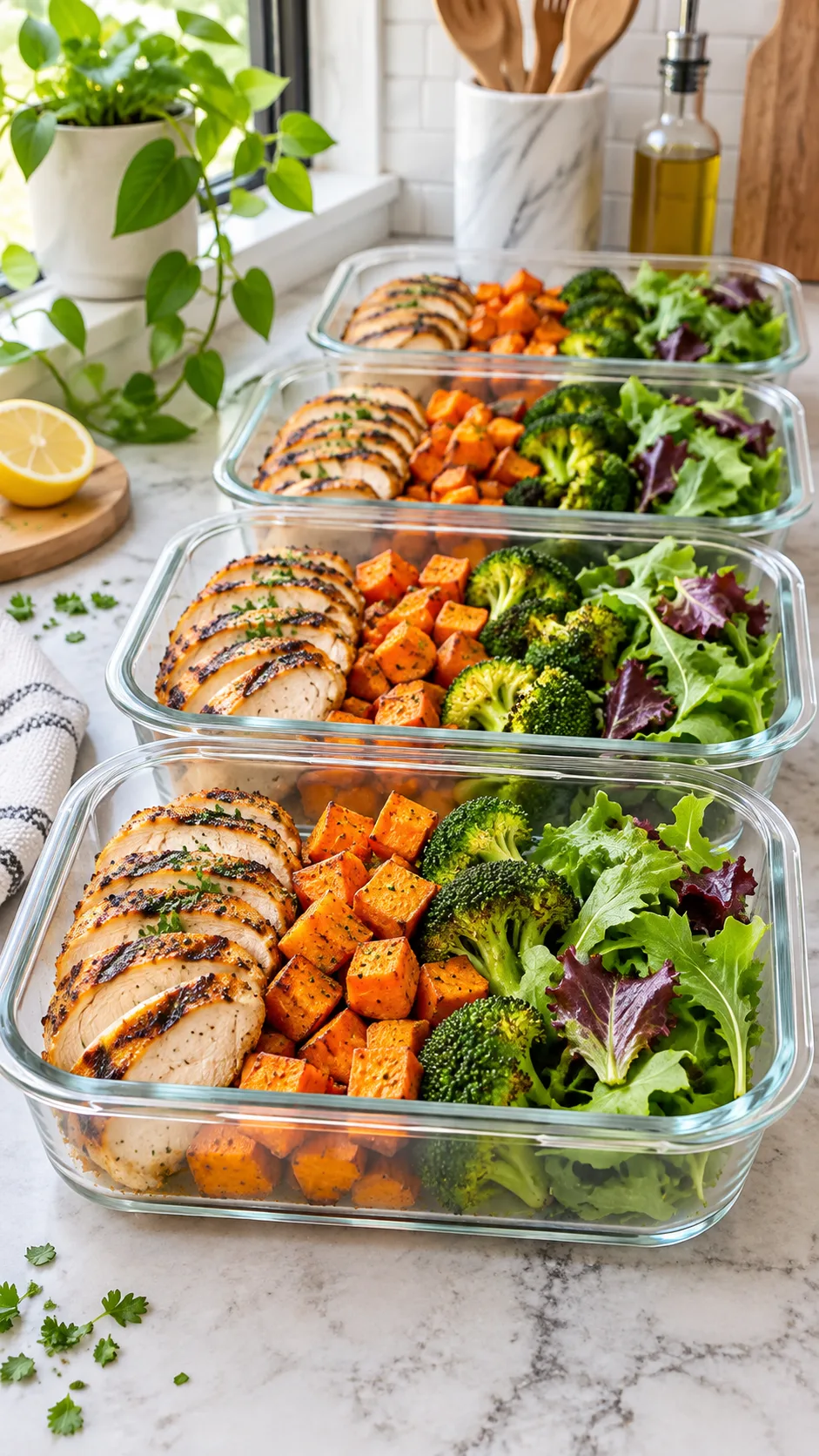
I built this plan around cook once, eat twice. Dinner leftovers become tomorrow’s lunch. That one trick cuts your kitchen time dramatically.
Week 1: days 1 to 7 (learn the rhythm)
Keep it simple this week. Your body is adjusting, and you will want comfort food, so lean on hearty, familiar meals.
- Day 1: Veggie egg scramble with avocado. Chicken and greens salad with lemon and olive oil. Sheet-pan sausage with sweet potato and broccoli.
- Day 2: Sweet potato hash with fried eggs. Tuna-avocado lettuce wraps with homemade mayo. Slow cooker pulled pork with cabbage slaw.
- Day 3: Leftover pork hash with a fried egg on top. Pork-stuffed baked sweet potato. Lemon-dill salmon with roasted asparagus.
- Day 4: Smoked salmon with cucumber and avocado (check the label). Salmon salad over spinach. Beef and veggie stir-fry with coconut aminos.
- Day 5: Turkey breakfast patties with sliced apple. Leftover stir-fry over cauliflower rice. Roast chicken thighs with carrots.
- Day 6: Spinach and mushroom frittata. Chicken thigh salad with olives. Burger bowls (no bun) with sweet potato wedges.
- Day 7: Leftover frittata and fruit. Burger bowl remix over greens. Garlic shrimp with zucchini noodles. Then prep for week two.
Week 2: days 8 to 14 (build momentum)
Cravings usually fade around now, and your energy often steadies. This week adds more flavor and a little variety.
- Day 8: Egg muffins with spinach and sausage. Chicken Caesar-style salad (no cheese, compliant dressing). Turkey meatballs with zucchini noodles and sugar-free marinara.
- Day 9: Leftover egg muffins and berries. Meatball lettuce wraps. Coconut curry chicken with cauliflower rice.
- Day 10: Sweet potato and bacon hash. Curry chicken leftovers over greens. Pan-seared steak with roasted Brussels sprouts.
- Day 11: Steak and eggs with avocado. Steak salad with a mustard vinaigrette. Baked cod with lemon, garlic, and green beans.
- Day 12: Breakfast skillet with ground turkey and peppers. Shrimp and avocado salad. Chicken fajita bowls with guacamole.
- Day 13: Leftover skillet with a fried egg. Fajita bowl remix. Slow cooker beef chili (no beans, extra veggies).
- Day 14: Fruit, nuts, and hard-boiled eggs. Chili-stuffed sweet potato. Roast chicken with a big tray of mixed vegetables.
Week 3: days 15 to 21 (work smarter)
Motivation can dip around the halfway mark. Counter that with slow cooker and sheet-pan meals that need almost no effort.
- Day 15: Veggie omelet with avocado. Chicken salad stuffed in bell peppers. Sheet-pan salmon with broccolini.
- Day 16: Leftover salmon over greens with a soft-boiled egg. Turkey and veggie soup. Slow cooker chicken with root vegetables.
- Day 17: Bacon and egg breakfast bowl. Shredded chicken lettuce wraps. Pork chops with roasted apples and kale.
- Day 18: Sweet potato toast topped with avocado and egg (it’s a slice of sweet potato, not a bread recreation). Pork chop salad. Beef and broccoli skillet.
- Day 19: Sausage and pepper scramble. Leftover beef and broccoli over cauliflower rice. Baked chicken thighs with green beans.
- Day 20: Frittata with whatever veggies need using up. Tuna-stuffed avocados. Shrimp and veggie skewers with a side salad.
- Day 21: Fruit and nut plate with eggs. Shrimp skewer salad. Big-batch Bolognese over spaghetti squash.
Week 4: days 22 to 30 (finish strong)
You know the formula by now. This stretch asks you to trust yourself and improvise a little.
- Day 22: Leftover Bolognese squash with a fried egg. Chicken and avocado salad. Garlic-herb steak with roasted potatoes.
- Day 23: Steak hash. Potato and steak salad. Lemon chicken piccata (no flour, no dairy) with asparagus.
- Day 24: Egg and veggie scramble. Chicken piccata leftovers over greens. Coconut shrimp curry.
- Day 25: Berries, nuts, and boiled eggs. Shrimp curry over cauliflower rice. Turkey burgers with a big side salad.
- Day 26: Turkey sausage and sweet potato skillet. Burger salad. Slow cooker pot roast with carrots and onions.
- Day 27: Pot roast hash with eggs. Pot roast lettuce wraps. Baked salmon with sautéed spinach.
- Day 28: Veggie frittata. Salmon salad with olives. Your favorite meal from the last 27 days.
- Day 29: Repeat your favorite breakfast. Build-your-own bowl using the formula. Roast chicken with whatever vegetables look good.
- Day 30: A breakfast you love. A big, colorful lunch bowl. A celebratory steak or seafood dinner. You did it.
Watch a Whole30 meal prep in action
Watching someone prep sometimes makes it click faster than reading about it. This video walks through a full Whole30 prep session.
What to expect: the Whole30 timeline
Everyone’s body reacts differently, but most people follow a loose pattern. Knowing it ahead of time keeps you from panicking when day four feels awful.
- Days 1 to 5: Headaches, fatigue, and cravings often show up. Your body is adjusting to life without sugar.
- Days 6 to 15: Energy usually evens out. Many people notice steadier moods and better digestion.
- Days 16 to 30: Sleep, focus, and cravings often improve. Food starts tasting more flavorful, too.
Does everyone feel amazing? No. Some people feel the same, and a few feel worse before they feel better. If you feel truly unwell, talk to your doctor.
Snacks, eating out, and real life
Smart Whole30 snacks
- Apple slices with almond butter (check the label for sugar)
- Hard-boiled eggs with salt and pepper
- Olives and cucumber slices
- Compliant jerky or meat sticks
- A handful of walnuts or almonds
My honest opinion: if you need constant snacks, your meals probably need more protein and fat. Bulk up breakfast and lunch before you blame your willpower.
Eating at restaurants
You can do it. Order a grilled protein, ask for steamed or roasted vegetables, and request olive oil and lemon instead of dressing. Ask the server to cook everything in olive oil and skip the butter, since many kitchens use seed oils or butter by default.
Common Whole30 mistakes (and how to dodge them)
- Eating too little. Whole30 isn’t a crash diet. Eat real meals and fill your plate.
- Skipping fat. Fat keeps you full. A dry chicken breast with steamed broccoli will not carry you to dinner.
- Skipping the prep. Spend one hour on Sunday. Future-you will thank you.
- Recreating junk food. Compliant “pancakes” miss the point. Break the habit instead of rebuilding it.
- Quitting after one slip. I think the official “restart at day one” rule is brutal. Still, one accidental sugar hit shouldn’t make you abandon the whole thing. Decide how you want to handle it before it happens.
Reintroduction: the part everyone skips
Day 31 isn’t a free-for-all. Reintroduction is the whole point of the program. You bring back one food group at a time, usually over about 10 days, and track how you feel.
Try gluten-free grains first, then legumes, then dairy, then gluten. Watch your digestion, sleep, skin, mood, and energy. That data tells you which foods work for your body. It beats any generic diet advice.
Is Whole30 right for you?
It works well for people who want to reset their eating habits and identify food triggers. It doesn’t suit everyone. Talk to a doctor or registered dietitian first if you’re pregnant, have a medical condition, take medication, or have a history of disordered eating. The Academy of Nutrition and Dietetics offers a way to find a qualified professional.
Remember that Whole30 is strict by design. The Dietary Guidelines for Americans recommend a broader mix of food groups for long-term eating, so treat Whole30 as a short-term tool, not a lifetime rulebook.
Other plans worth a look
If 30 days feels like too much commitment, try a flexible clean eating meal plan that fits a busy schedule. If cooking sounds exhausting, the lazy girl meal plan keeps things simple. And if you want to compare Whole30 with another elimination style approach, this beginner keto meal plan shows how a different framework handles carbs and fat.
Final thoughts: make the next 30 days count
Whole30 works best when you plan ahead, prep once a week, and follow a simple formula: protein, vegetables, healthy fat, and a starch or fruit when you need it. This meal plan gives you the structure so you can save your energy for the hard moments, like a coworker’s birthday cake.
You’ll feel rough around day four. You’ll feel proud around day twenty. Start with one grocery trip and one Sunday prep session. By day thirty, you’ll know exactly how food affects your body, and that knowledge sticks around long after the challenge ends.