Your metabolism does not need a pep talk, detox tea, or a lemon-water ritual at 5 a.m. It needs enough food, sensible meal timing, strength-building movement, and a routine you can stick with for more than a few days.
The Fast Metabolism Diet aims to help your body burn fat faster by rotating foods through three phases each week. The approach sounds more appealing than another miserable “eat less forever” plan. But does it speed up metabolism, or does it simply help people eat better and follow a routine?
This fast metabolism diet plan lays out specific foods, workouts, and meal timing. Some parts line up with nutrition research. Others stretch the evidence. You can take the useful pieces without treating a grocery list like a sacred scroll.
What is the Fast Metabolism Diet?

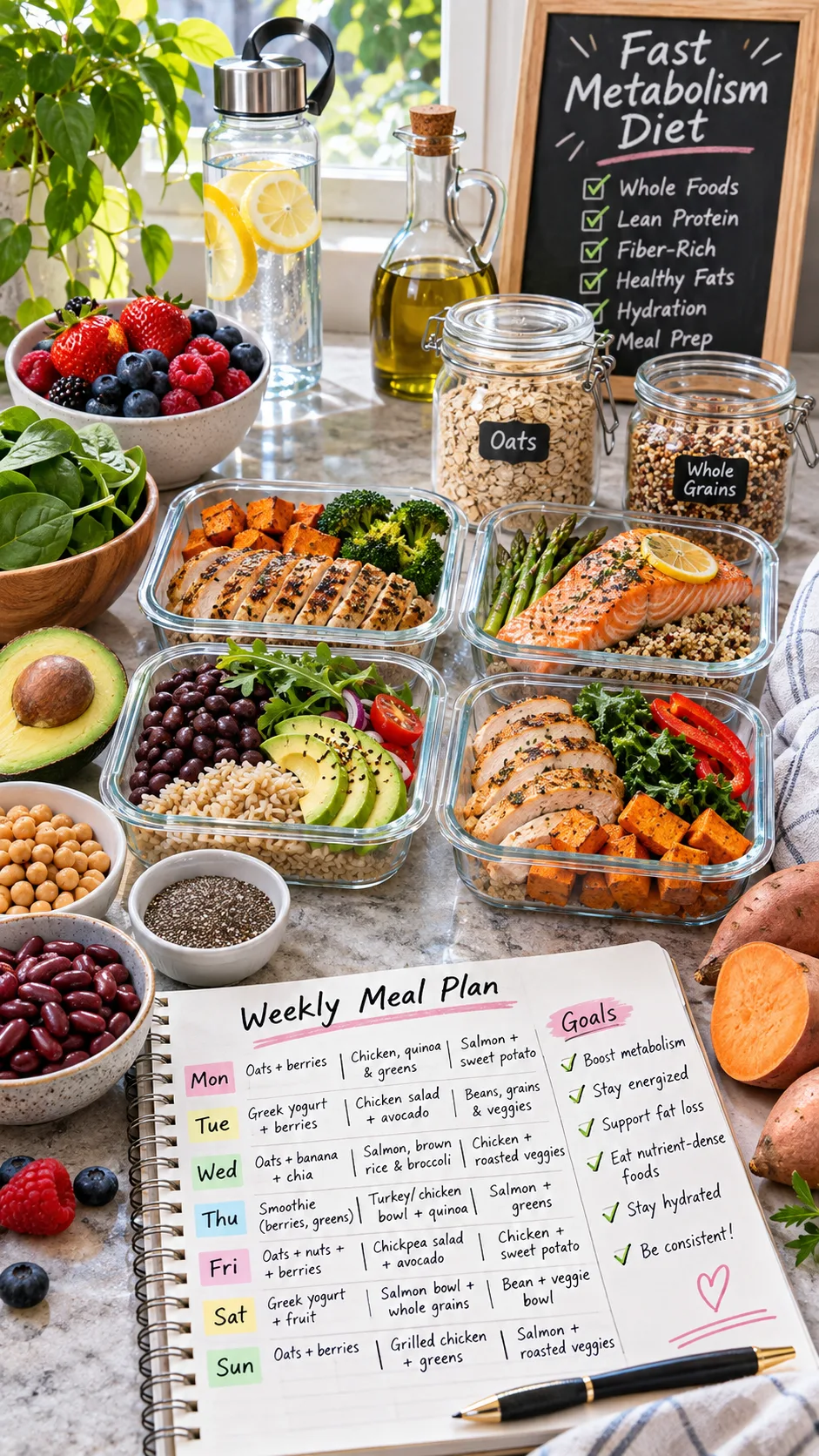
Nutrition consultant Haylie Pomroy created the Fast Metabolism Diet as a 28-day eating plan. The plan splits each week into three food phases, with different amounts of carbohydrates, protein, fat, and exercise.
The program asks people to eat five times a day, drink plenty of water, and avoid several common foods. During the main 28 days, you skip added sugar, alcohol, caffeine, dairy, wheat, corn, soy, dried fruit, and fruit juice. That list can feel intense. Your morning coffee suddenly lands on the suspect list.
The central claim sounds simple: rotating foods can “rev up” your metabolism and promote fat loss. Your metabolism responds to food intake, activity, sleep, body size, hormones, and muscle mass. No strong evidence shows that this particular three-phase rotation gives your body a special fat-burning edge.
Many people still lose weight on this plan because it centers whole foods, planned meals, lean protein, fiber-rich plants, and fewer ultra-processed snacks. Those habits matter far more than any claim of metabolic magic.
How the three Fast Metabolism Diet phases work
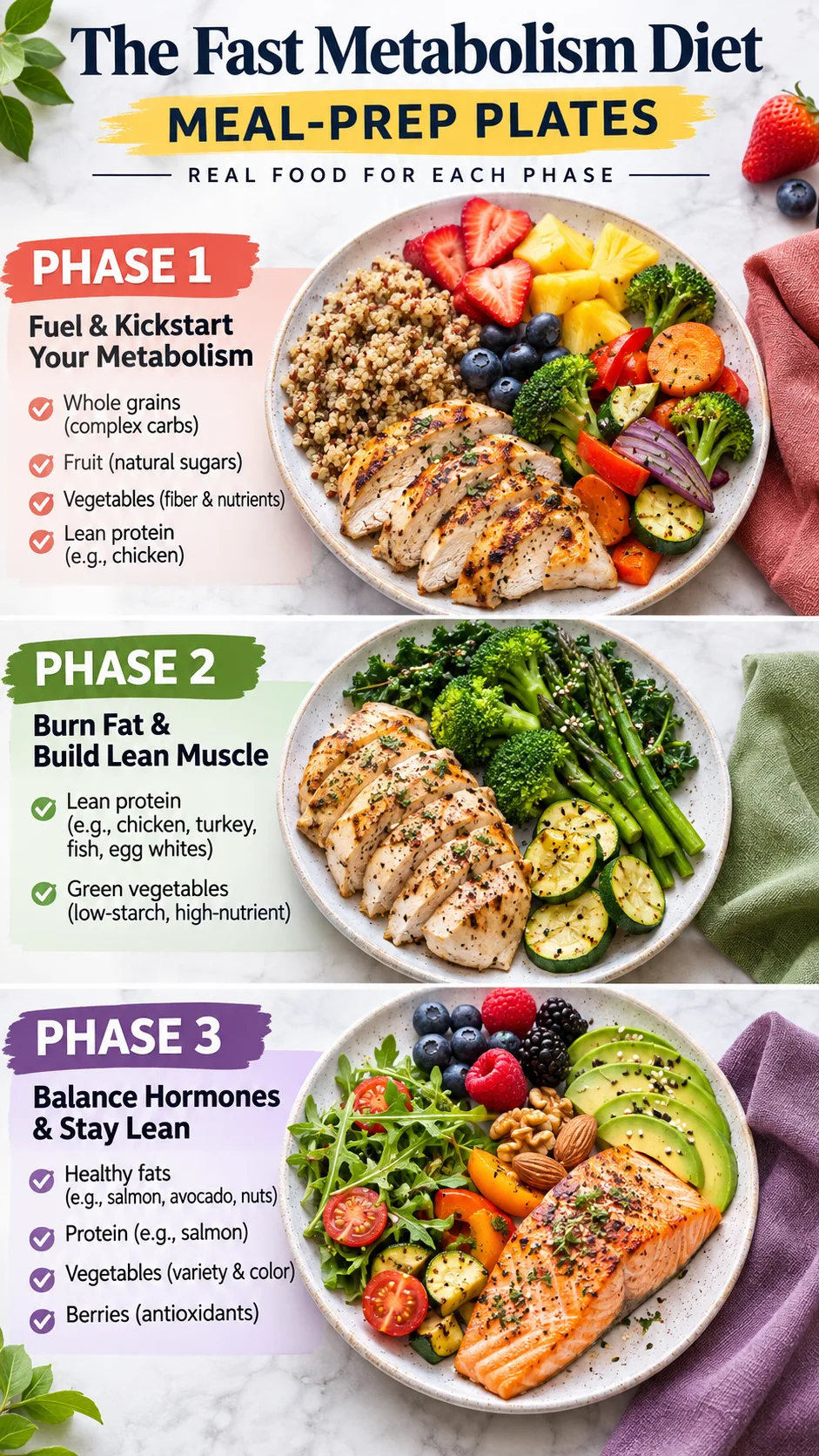
Each week follows the same three phases. You repeat the cycle for four weeks, then check your progress. The phases change up your meals and workouts, which may help if you have fallen into a chicken-and-sad-salad rut.
Phase 1: High-carb foods and stress relief
Phase 1 runs for two days and focuses on carbohydrates, fruit, vegetables, and moderate protein. The plan limits added fats during this phase and calls for cardio exercise.
You might eat oatmeal, brown rice, quinoa, mango, berries, lentils, chicken breast, and plenty of vegetables. The plan says this phase can lower stress and refill glycogen stores. Glycogen gives your muscles readily available fuel during exercise.
- Focus foods: whole grains, fruit, beans, vegetables, lean protein
- Limit: oils, nuts, avocado, fatty cuts of meat
- Movement: cardio, dancing, cycling, brisk walking, or intervals
Carbs do not automatically cause fat gain. Your body uses carbohydrates to fuel your brain, muscles, and daily movement. Portion sizes and fiber-rich sources matter more.
Phase 2: High-protein foods and muscle support
Phase 2 lasts two days and focuses on lean protein and non-starchy vegetables. The plan removes grains, fruit, and most dietary fat during this phase, then calls for strength training.
You might build meals around eggs, turkey, fish, chicken, leafy greens, broccoli, asparagus, peppers, mushrooms, and zucchini. Protein can help you feel full and helps your body hold on to muscle while you lose weight.
- Focus foods: lean poultry, fish, egg whites, legumes, leafy vegetables
- Limit: grains, fruit, starchy vegetables, added fats
- Movement: resistance training, bodyweight circuits, or weight lifting
Muscle tissue uses energy throughout the day, even while you answer emails and pretend to enjoy spreadsheets. Strength training also helps you keep lean mass during a calorie deficit. That matters more than chasing a “fat-burning food.”
Phase 3: Healthy fats, fiber, and recovery
Phase 3 lasts three days and puts healthy fats back on the menu. It includes moderate portions of carbohydrates, protein, fruit, vegetables, nuts, seeds, avocado, olive oil, and coconut.
This phase calls for lower-intensity activity such as yoga, walking, stretching, massage, or gentle mobility work. Recovery helps you train regularly, sleep better, and avoid the familiar all-or-nothing crash.
- Focus foods: avocado, nuts, seeds, olive oil, vegetables, fruit, protein
- Limit: highly processed snacks, refined sugar, alcohol
- Movement: walking, yoga, mobility, easy cycling, restorative exercise
Your body needs dietary fat for hormone production, cell membranes, and nutrient absorption. Fat also helps meals satisfy you, which may head off a late-night pantry search.
Can this diet really make your metabolism faster?
Here is the plain answer: the Fast Metabolism Diet cannot permanently turn a slow metabolism into a calorie-burning superhero. Your body does not flip a secret switch because you eat quinoa on Tuesday and asparagus on Thursday.
The plan can, however, support habits that affect daily energy use and fat loss. More activity raises calorie expenditure. Strength training supports muscle. Your body uses more energy to digest protein than it uses to digest fat or carbohydrates, though that difference stays modest.
Your total daily energy expenditure comes from several sources: your resting metabolic rate, exercise, movement outside workouts, and the energy your body spends digesting food. The National Institute of Diabetes and Digestive and Kidney Diseases explains that lasting weight change usually comes from an eating pattern and activity level you can maintain.
The plan may help you burn fat faster if it helps you maintain a calorie deficit without feeling hungry all the time. That result matters. A practical routine beats a dramatic metabolism story.
What supports a healthy metabolism?
You cannot control every factor that affects metabolism. Genetics, age, medications, thyroid health, body size, and medical conditions all matter. You can still influence several habits that make a difference.
- Build or maintain muscle: Do resistance training two to four times a week.
- Eat enough protein: Include protein in meals to support fullness and lean mass.
- Move often: Walk, climb stairs, stand up regularly, and choose activities you enjoy.
- Sleep consistently: Poor sleep can raise hunger and make food choices harder.
- Choose high-fiber foods: Vegetables, fruit, beans, oats, and whole grains can help you stay full.
- Avoid extreme restriction: Aggressive dieting can drain your energy, raise cravings, and make consistency harder.
The Centers for Disease Control and Prevention recommends a balanced eating pattern that centers nutrient-dense foods instead of quick-fix promises. It may sound boring. It still works.
The biggest benefits of the Fast Metabolism Diet plan
The Fast Metabolism Diet gives people structure, and structure can bring relief when every meal ends with “What should I eat?” followed by a long scroll through delivery apps. The rotating phases can also ease meal boredom.
It prioritizes whole foods
The plan centers vegetables, fruit, beans, whole grains, lean proteins, nuts, and seeds. These foods offer fiber, vitamins, minerals, and protein without leaning heavily on processed products.
Most people benefit when they eat more plants and fewer packaged snack foods. You do not need to fear every ingredient with more than three syllables, but whole foods can do most of the work.
It encourages regular meals
Eating five times a day does not speed up metabolism on its own. Research does not show that frequent small meals produce more fat loss than fewer meals with the same calories and nutrients.
Regular meals can still help some people manage appetite, avoid energy dips, and cut down on impulsive snacking. If you skip lunch and then eat half the kitchen at 9 p.m., a planned afternoon snack may help.
It includes exercise instead of treating food as the only tool
The phase-specific workouts include both cardio and strength training. That mix supports heart health, fitness, mood, daily energy use, and long-term weight management.
The U.S. Physical Activity Guidelines advise adults to get at least 150 minutes of moderate activity each week, plus muscle-strengthening work on two or more days. You do not need perfection. You need an effort you can repeat.
Where the plan falls short
The Fast Metabolism Diet includes nutritious foods, but it also comes with a long rule list. Some people like clear limits. Others begin obsessing over food, skip social events, or quit after one accidental soy sauce situation.
It restricts foods without strong evidence
The plan removes gluten-containing grains, dairy, soy, corn, caffeine, and several other foods for everyone. Most people do not need to avoid these foods unless they have an allergy, intolerance, celiac disease, or another medical reason.
Yogurt can provide protein and calcium, while soy foods offer protein and fiber. Whole-grain wheat can fit into a healthy diet for people who tolerate gluten. Broad food bans rarely make eating easier.
It can feel expensive and time-heavy
The plan requires frequent meals, phase-specific groceries, fresh produce, and lean protein. That setup can strain your budget and schedule, especially when work, kids, commuting, or random life chaos takes over.
You can cut costs with frozen vegetables, canned beans, eggs, tinned fish, bulk oats, brown rice, and simple batch cooking. You do not need expensive ingredients to eat well.
It can encourage all-or-nothing thinking
Strict plans can trigger a familiar cycle: you follow every rule, feel proud, eat one food outside the plan, decide you ruined the week, and order pizza in theatrical despair. That cycle does more damage to progress than a latte ever will.
Flexible consistency beats rigid perfection. You can eat a nutrient-dense breakfast, train after work, enjoy dinner with friends, and still move toward fat loss.
A smarter fast metabolism meal plan you can follow
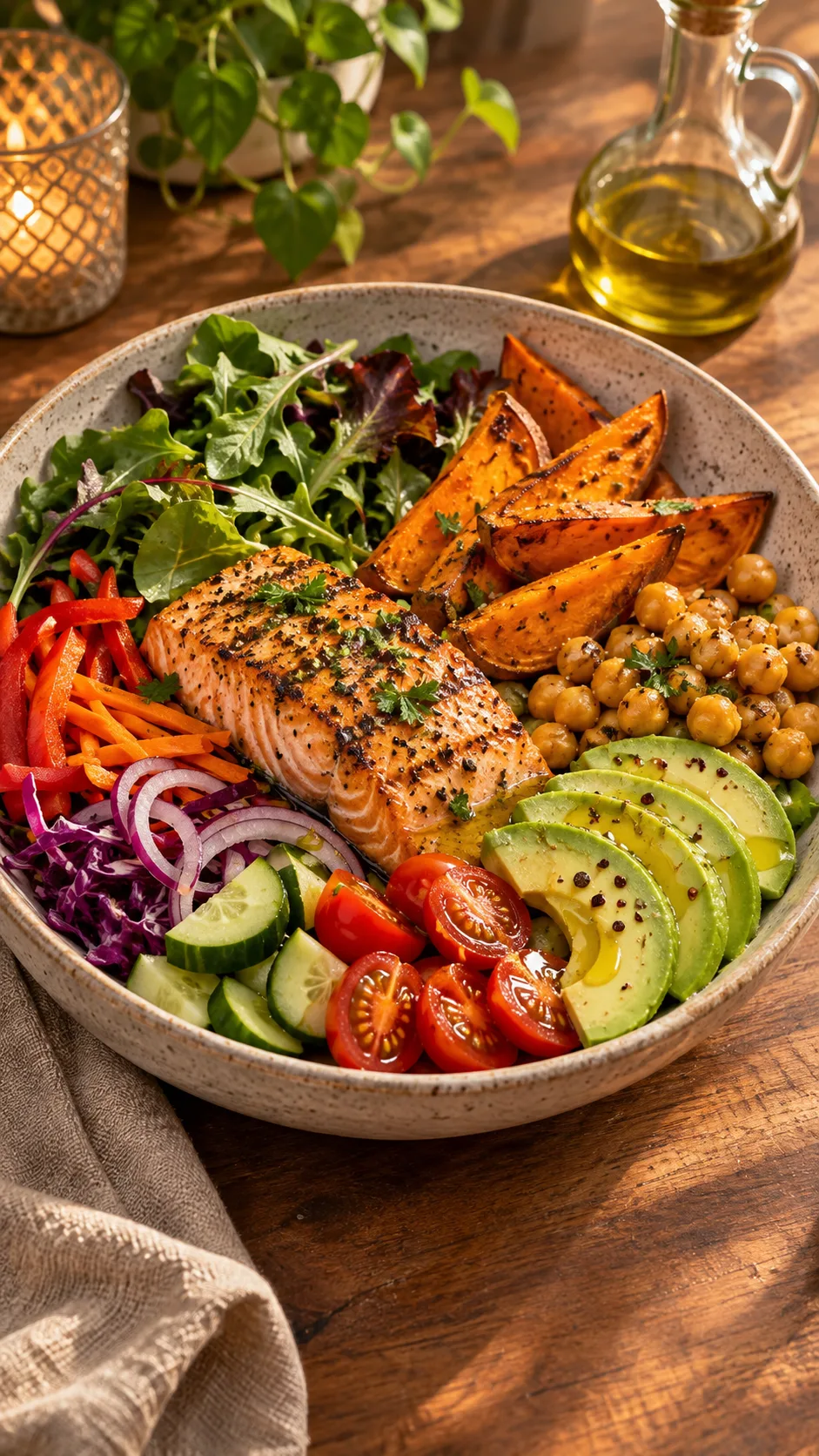
You can borrow the helpful parts of the Fast Metabolism Diet without following every restriction. Build meals around protein, plants, fiber-rich carbohydrates, healthy fats, and a schedule that fits your hunger and daily life.
Try a simple “protein plus produce” rule at each meal. Add a carbohydrate source around harder training sessions, then add healthy fats to make meals more satisfying.
Sample day for fat loss and energy
- Breakfast: Oats with Greek yogurt or soy yogurt, berries, chia seeds, and cinnamon.
- Mid-morning snack: Apple with peanut butter, or cottage cheese with fruit.
- Lunch: Chicken, tofu, or lentil grain bowl with roasted vegetables and olive oil dressing.
- Afternoon snack: Carrots and hummus, edamame, or a protein-rich smoothie.
- Dinner: Salmon, beans, turkey, or tempeh with sweet potato and a large salad.
This style of eating gives you protein, fiber, carbohydrates, and fats without turning meals into a food-themed obstacle course. If protein helps you stay full, check out our high protein diet plan for staying full and building muscle for more realistic meal ideas.
If you want another food-first eating pattern with solid research behind it, our guide to the Japanese diet plan offers ideas built around vegetables, fish, sensible portions, and satisfying everyday meals.
How to follow the plan without burning out
You do not need to begin with all 28 days, five meals, every phase, and a refrigerator stocked like a wellness influencer moved in. Start with a few habits that will make next week easier.
- Plan three breakfasts and three lunches: Repeat meals when that saves time and decision-making energy.
- Prep protein first: Cook chicken, lentils, tofu, eggs, or fish before you make anything else.
- Keep fiber visible: Put fruit on the counter and washed vegetables at eye level in the fridge.
- Schedule movement: Put walks and strength sessions on your calendar like appointments.
- Track patterns, not just weight: Pay attention to hunger, energy, sleep, digestion, strength, and waist measurements.
- Adjust when needed: If five meals leave you hungrier, eat three meals and one snack instead.
Try the plan for two to four weeks before you judge it, unless you feel unwell or a clinician tells you to stop. Your weight naturally shifts with hydration, digestion, hormones, sodium intake, and muscle soreness. One scale reading only tells part of the story.
Who should talk to a professional first?
More vegetables and regular movement can help most people, but restrictive diet plans do not fit everyone. Talk with a registered dietitian or healthcare professional before you begin if you manage diabetes, kidney disease, digestive disease, thyroid problems, pregnancy, breastfeeding, or a history of disordered eating.
People who take insulin, blood sugar-lowering medication, blood pressure medication, or other prescription drugs should ask for guidance too. Big changes in carbohydrate intake, meal timing, exercise, and weight can change medication needs.
If fatigue, constipation, hair loss, feeling cold, unexplained weight change, or brain fog keep coming back, do not blame yourself or buy another metabolism powder. Ask a clinician about possible medical causes. You can also explore our thyroid diet plan guide for food basics that can support conversations with your healthcare team.
The bottom line on the Fast Metabolism Diet
The Fast Metabolism Diet may help you lose fat if its structure helps you eat more whole foods, move regularly, prioritize protein, and manage portions. It cannot perform metabolic wizardry, regardless of what a dramatic before-and-after caption claims.
Build meals around protein, plants, fiber-rich carbohydrates, and healthy fats. Lift weights, walk often, sleep enough, and choose a plan that fits normal Tuesdays. Your metabolism responds best to steady support, not punishment.
Start with your next meal instead of a perfect 28-day calendar. Small actions that you repeat for months beat “perfect” rules that you abandon by Friday night every time.