

You drag yourself out of bed after nine hours of sleep feeling like a truck hit you. By mid-afternoon, you stare blankly at your monitor, trying to remember the word “spreadsheet.” Your waistband digs into your ribs because your belly swelled after a simple bowl of soup.
Sound familiar? A doctor probably ran a standard TSH test, told you your thyroid looked fine, and suggested you drink more coffee or reduce your stress. I lived through that same frustration for two years before I saw how deeply daily food choices shape thyroid function.
Your thyroid runs your body’s metabolic engine. When this small butterfly-shaped gland in your neck slows down, every biological system stalls. The right food choices can restart your metabolism, flatten your stomach, and clear that thick mental fog.

Why your thyroid sparks fatigue, bloating, and brain fog
One small gland controls your energy, your gut, and your focus. Here is the biology behind it.
Your thyroid produces two main hormones: thyroxine (T4) and triiodothyronine (T3). T4 functions as an inactive storage hormone, while T3 delivers usable fuel to your cells. When your body runs low on active T3, you hit major roadblocks:
- Energy loss: Mitochondria power your cells. Active T3 flips the switch inside these units. Without sufficient T3, cells cannot produce adenosine triphosphate (ATP), which leaves you exhausted no matter how long you sleep.
- Slow gut motility: Thyroid hormones regulate peristalsis, the muscular waves that push food through your intestines. Low thyroid levels slow these contractions. Food lingers in your gut, ferments, feeds opportunistic bacteria, and causes painful distension. This slow movement often triggers Small Intestinal Bacterial Overgrowth (SIBO).
- Brain fog: Your brain uses twenty percent of your daily energy. When low hormone levels restrict glucose and oxygen delivery to neural tissue, your brain cells fire sluggishly. You struggle to find simple words and lose your concentration during ordinary conversations.
If you fight sluggish digestion alongside low energy, review our guide on the hypothyroid diet meal plan that finally stops the fatigue cycle. Many people struggle for years because common dietary staples block thyroid hormone synthesis.
Foods to remove from your plate
Most diet plans fail because they focus on supplements while ignoring dietary irritants. Pills cannot fix the damage from daily inflammatory foods. Remove these items from your kitchen right away:
1. Gluten
Gluten creates serious problems for thyroid tissue. The molecular structure of gliadin, the protein in wheat, resembles the protein structure of your thyroid gland. When gluten slips through a permeable gut lining, your immune system targets the foreign protein, confuses it with your own organs, and attacks your thyroid.
Immunologists call this process molecular mimicry. This ongoing attack frequently drives Hashimoto’s thyroiditis, the most common root of hypothyroidism. If you suspect an autoimmune flare, read the Hashimoto’s disease diet plan that finally calms inflammation and fatigue to protect your gland from progressive damage.
2. Conventional pasteurized dairy
The A1 beta-casein protein in standard commercial cow milk irritates the intestinal lining. That irritation sparks inflammation and impairs the enzymes in your gut that convert T4 into usable T3.
3. Industrial seed oils
Canola, corn, soybean, and cottonseed oils contain high levels of unstable omega-6 fatty acids. These delicate fats oxidize quickly and damage hormone receptors on cell membranes. Your thyroid may produce enough hormones, but damaged receptors block those hormones from entering your cells.
4. Raw cruciferous vegetables
Popular wellness blogs often claim broccoli, kale, and cabbage destroy thyroid health. While raw cruciferous vegetables contain goitrogens (compounds that can interfere with iodine absorption), you do not need to avoid them entirely.
Cooking breaks down goitrogenic compounds completely. Roast, steam, or saute your greens to protect your thyroid while keeping all the beneficial nutrients.
Micronutrients your thyroid needs
Your thyroid operates like a production line. It needs specific raw elements to synthesize hormones and convert them into fuel. Focus on these nutrients:
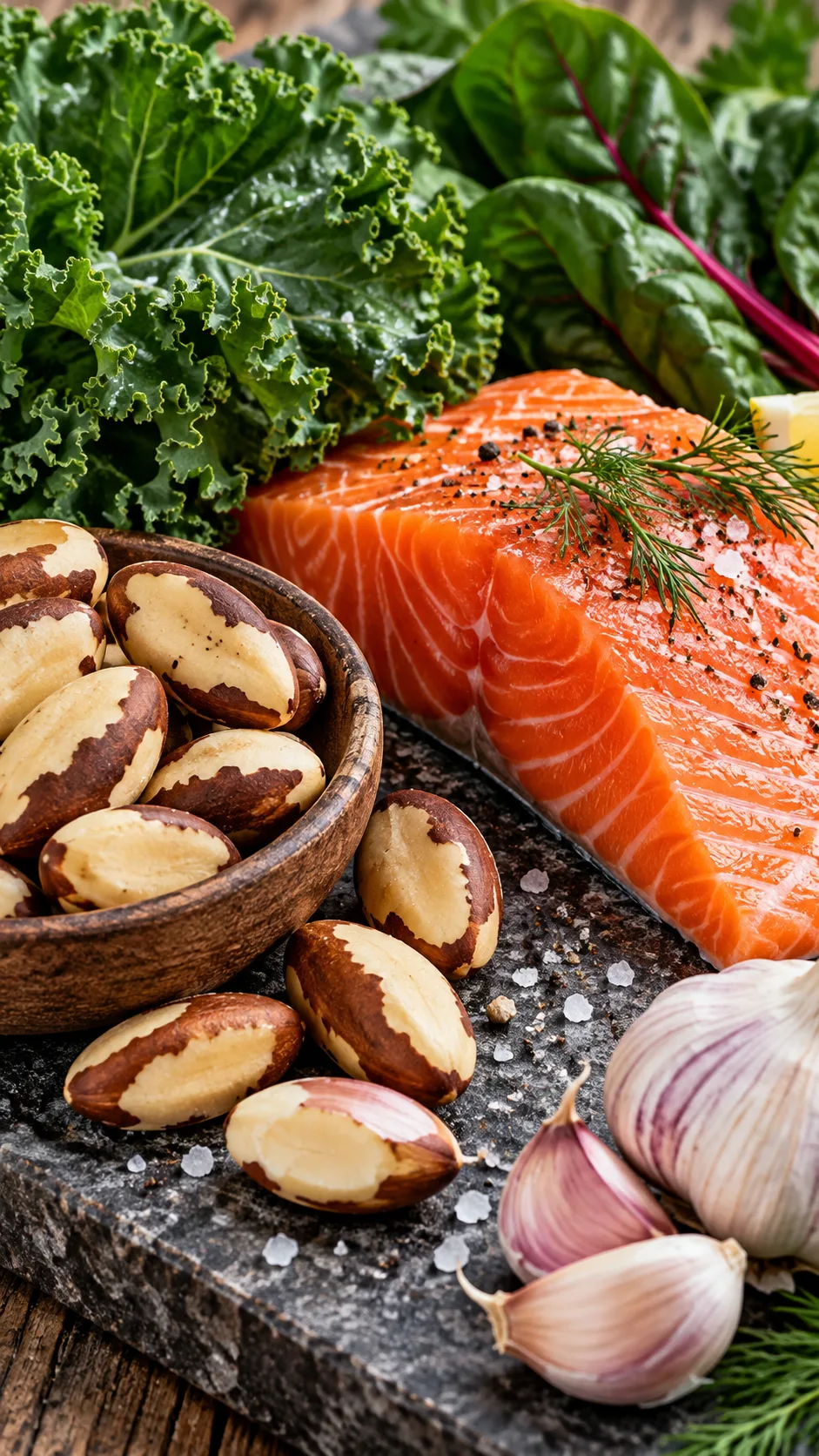
- Selenium: Your thyroid holds more selenium per gram of tissue than any other organ. Selenium neutralizes hydrogen peroxide produced during hormone creation and powers the deiodinase enzymes that convert T4 to active T3. Eating two or three Brazil nuts daily covers your daily requirement. The National Institutes of Health on Selenium documents how this mineral protects thyroid tissue from oxidative damage.
- Zinc: Zinc prompts the pituitary gland to produce thyroid stimulating hormone (TSH) and assists TRH synthesis in the brain. Deficiencies drop your T3 levels quickly. Add pumpkin seeds, grass-fed beef, and oysters to your meals.
- Iodine: Iodine provides the basic chemical structure for thyroid hormones. T4 carries four iodine atoms, and T3 carries three. Be careful with supplements, because massive doses can irritate the gland. Get your iodine through kelp, dulse, and wild ocean fish instead of synthetic pills.
- Tyrosine: This amino acid pairs with iodine to assemble thyroid hormones. Turkey, chicken breast, avocados, and pumpkin seeds supply plentiful amounts.
- Iron and ferritin: The enzyme thyroid peroxidase attaches iodine to tyrosine, and it requires iron to function. Low ferritin (the stored form of iron) produces symptoms identical to hypothyroidism. Eat bison, grass-fed liver, and spinach paired with citrus or bell peppers to maximize absorption.
The American Thyroid Association notes that nutrient deficiencies worsen underlying hormone deficits. Without basic mineral building blocks, thyroid prescriptions cannot resolve chronic fatigue on their own.
How to build your daily thyroid plate
Skip severe calorie restriction. Starvation signals danger to your hypothalamus, which immediately slows hormone output to conserve fuel. Instead, construct every meal around balanced, nutrient-dense whole foods.
Many people find that strict low-carbohydrate diets trigger severe thyroid slumps. The liver needs glucose to transform T4 into active T3. Very low-carb eating plans often suppress free T3 levels, which stalls weight loss and brings back intense cold intolerance. Use these four meal components instead:
- Quality protein (30 to 40 grams per meal): Protein provides the amino acids necessary for hormone construction and stabilizes your blood sugar. Good sources include wild fish, pasture-raised eggs, grass-fed beef, and chicken.
- Digestible root vegetables (half a cup to one cup per meal): Starchy roots nourish your liver so it can convert hormones effectively. Sweet potatoes, kabocha squash, parsnips, carrots, and plantains provide easy glucose without irritating your gut.
- Stable fats (one to two tablespoons per meal): Cellular membranes require undamaged fats to keep receptors responsive. Use extra virgin olive oil, coconut oil, or half an avocado.
- Cooked prebiotic fiber: Intestinal flora converts roughly one fifth of your T4 into active T3. Feed these bacteria with cooked asparagus, leeks, stewed apples, and steamed greens.
Hormonal shifts during midlife can magnify gut and thyroid symptoms. If your waistline expands alongside hot flashes, review the menopausal diet meal plan that finally stops bloating, fatigue & weight gain to navigate these overlapping shifts.

A 7-day thyroid meal plan
This week-long plan removes gluten, commercial dairy, soy, and processed seed oils while providing the micronutrients your metabolism needs.
Day 1
- Breakfast: Scramble three pasture-raised eggs in coconut oil with baby spinach, sea salt, and a side of sliced avocado.
- Lunch: A large mixed salad topped with canned wild salmon, cucumber slices, kalamata olives, and olive oil with fresh lemon juice.
- Snack: Two Brazil nuts and a handful of blueberries.
- Dinner: Grilled lemon chicken breast, roasted sweet potato wedges, and steamed green beans with garlic.
Day 2
- Breakfast: Berry smoothie made with grass-fed collagen peptides, coconut milk, blueberries, almond butter, and ground flaxseed.
- Lunch: Leftover lemon chicken breast with cold sweet potato wedges and sliced cucumbers.
- Snack: Sliced cucumbers with fresh guacamole.
- Dinner: Bunless beef burger patty topped with red onion, served alongside roasted butternut squash and sautéed zucchini.
Day 3
- Breakfast: Warm mashed sweet potato stirred with coconut butter, cinnamon, collagen powder, and walnuts.
- Lunch: Leftover burger patty over arugula, radishes, and an olive oil vinaigrette.
- Snack: A warm cup of bone broth seasoned with sea salt.
- Dinner: Pan-seared wild cod with roasted asparagus spears and mashed parsnips.
Day 4
- Breakfast: Ground turkey breakfast patties with sautéed kale and half an avocado.
- Lunch: Leftover cod paired with mashed parsnips and raw sauerkraut.
- Snack: Sliced green apple with sunflower seed butter.
- Dinner: Slow-cooker chicken vegetable soup made with bone broth, carrots, celery, leeks, and shredded chicken breast.
Day 5
- Breakfast: Three poached eggs over sautéed mushrooms, spinach, and sweet potato cubes.
- Lunch: A bowl of leftover chicken vegetable soup.
- Snack: Two Brazil nuts and raw carrot sticks with olive tapenade.
- Dinner: Roast pork tenderloin, acorn squash slices, and steamed broccoli drizzled with olive oil.
Day 6
- Breakfast: Smoothie with unsweetened coconut milk, collagen, half a frozen banana, spinach, and hemp seeds.
- Lunch: Sliced pork tenderloin over roasted squash, arugula, and pumpkin seeds.
- Snack: Celery sticks filled with almond butter.
- Dinner: Wild shrimp skillet cooked with garlic, zucchini noodles, cherry tomatoes, and diced avocado.
Day 7
- Breakfast: Omelet with wild smoked salmon, fresh dill, and sliced avocado cooked in olive oil.
- Lunch: Cold wild shrimp leftovers over fresh greens with olive oil.
- Snack: Bone broth and a handful of macadamia nuts.
- Dinner: Slow-cooked beef pot roast with carrots, onions, and turnips in broth gravy.

Daily habits that speed up recovery
Food provides the raw materials, but daily routines dictate how your body uses them. Pay attention to these three habits to see steady improvement:
1. Eat breakfast early
Intermittent fasting works for some people, but it routinely stresses an underactive thyroid, particularly in women. When you delay food until the afternoon, your adrenal glands release extra cortisol to stabilize blood sugar. Elevated cortisol dampens pituitary signals and diverts T4 into reverse T3 (rT3), an inactive form that blocks your hormone receptors.
Eat a protein-rich meal within ninety minutes of waking up. A solid morning meal lowers cortisol spikes and supports stable energy production all morning.
2. Restore stomach acid
Hypothyroidism frequently lowers gastric acid secretion. Without strong acid, your stomach cannot break down dense proteins completely. Those unabsorbed proteins enter your small intestine, ferment, and cause painful bloating by evening.
Stir a tablespoon of raw apple cider vinegar into four ounces of warm water and drink it ten minutes before meals. Acetic acid lowers stomach pH, stimulates digestive enzymes, and helps food leave your stomach on time.
3. Reduce nervous system stress
Your thyroid and adrenal glands interact constantly. When ongoing physical or mental stress overwhelms your body, your nervous system switches into survival mode. The body slows thyroid output to preserve stored energy. The Endocrine Society documents how persistent cortisol elevation dampens thyroid signaling. Take ten minutes each morning for an easy outdoor walk, deep breathing, or direct sunlight to calm your stress response.
The recovery timeline
Rebuilding thyroid function takes patience, but noticeable changes often start within days. Here is what you can expect as you follow this plan:
- Days 1 to 5: Your digestive system calms down. Removing gluten, standard dairy, and raw crucifers relieves pressure on your intestinal lining. Belly bloating subsides quickly.
- Days 6 to 14: Balanced blood sugar prevents afternoon energy drops. You wake up with clearer energy, and coffee feels like an optional treat rather than a lifeline.
- Days 15 to 30: Mental clarity returns. You recall words easily, stay focused on complex projects, and think clearly. You lose less hair in the shower, and your skin retains moisture again.
Resolving chronic fatigue, bloating, and brain fog does not require harsh juice fasts or extreme calorie cuts. When you supply the right minerals, eliminate common dietary triggers, and support your digestion, your thyroid responds. Your metabolism will pick up speed once you give it proper nourishment.