

Walk down any Tokyo street and you will notice a striking pattern within minutes. Men and women in their eighties pedal commuter bikes through traffic, take subway stairs two at a time, and outpace pedestrians half their age. Japan maintains one of the highest life expectancies on Earth while holding its adult obesity rate near four percent. Meanwhile, Western countries face soaring rates of lifestyle diseases and obesity levels above forty percent.
Japanese people do not possess unique genetic defenses against weight gain. They simply follow a centuries-old way of eating that easily outperforms modern fad diets. This traditional meal pattern delivers steady daily energy, stable digestion, and effortless weight control without extreme restriction. Here are the specific foods, dining habits, and core principles that keep this nation healthy.
What washoku means in everyday Japanese life
Many people assume the Japanese diet consists only of raw fish and large bowls of white rice. That picture misses reality. Traditional Japanese culinary culture centers on washoku. In 2013, UNESCO placed washoku on its Intangible Cultural Heritage list because of its deep cultural roots.
Washoku translates literally to “the harmony of food.” It treats dining as a balanced sensory experience and an artful presentation. Home cooks choose seasonal ingredients, highlight natural flavors, and rely on minimal processing. They rarely drown vegetables in heavy cream, melted cheese, or seed oils. Instead, they draw rich savory flavors out of sea vegetables, fermented soybeans, and light broths.
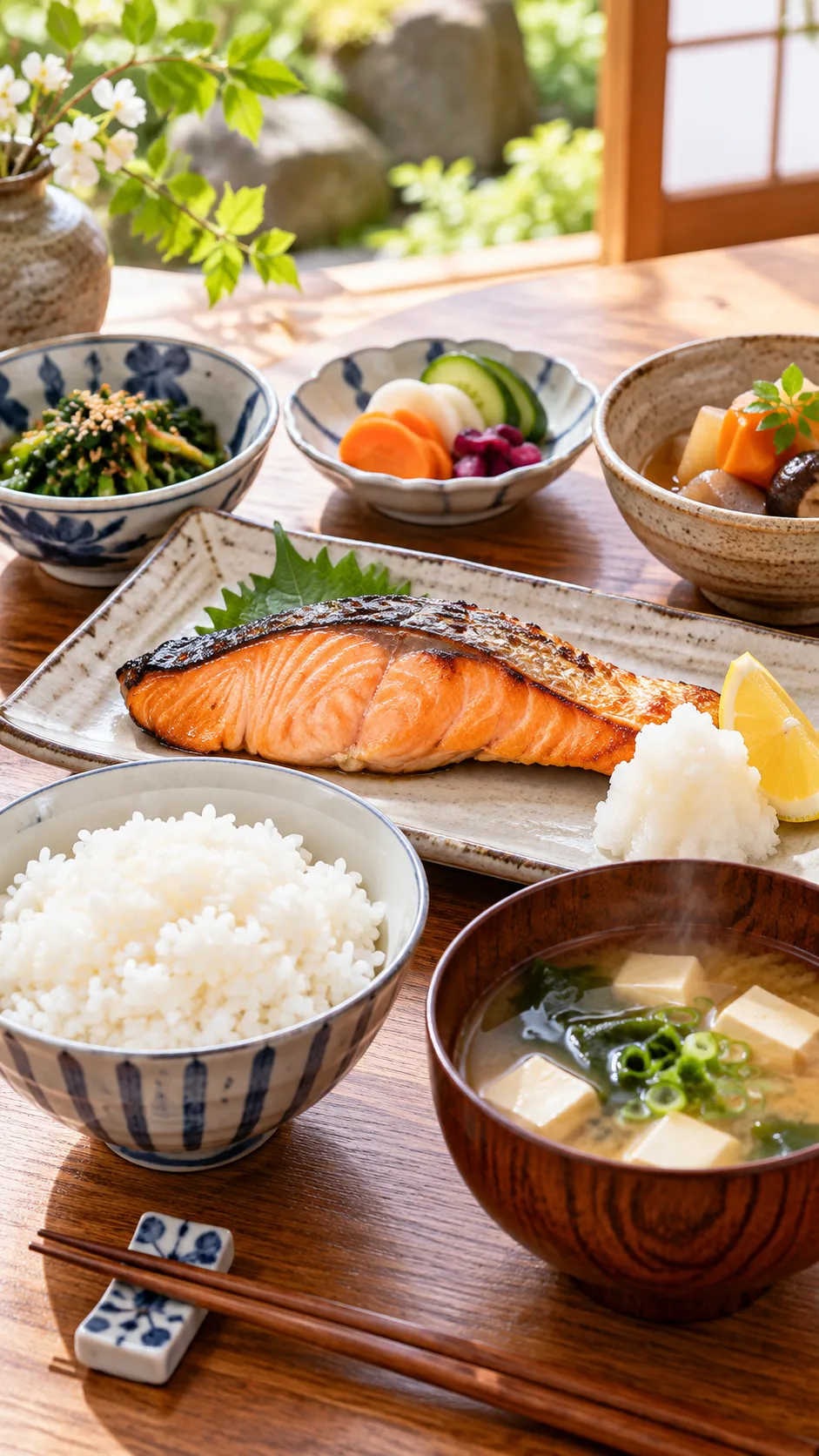
Washoku centers on a clear formula called ichiju-sansai, which translates to “one soup, three dishes.” A standard table holds four basic components:
- A staple carbohydrate: A modest bowl of steamed rice or buckwheat soba noodles forms the foundation of the meal.
- A clear or fermented soup: Miso soup with kelp stock and scallions supplies daily hydration and minerals.
- A primary protein: Broiled mackerel, steamed salmon, raw sashimi, or seasoned tofu provides the main protein source.
- Two vegetable sides: Small bowls of simmered vegetables, seaweed salad, or pickled greens complete the tray.
This arrangement signals fullness to your brain before you overeat. When you look at several small dishes instead of one large heap of meat and potatoes, you eat slower. You taste every item, and you leave the table alert instead of fighting an afternoon food coma.
Four nutritional pillars behind Japanese longevity
Four consistent dietary habits give this cuisine its power, supporting heart health, gut bacteria, and balanced blood sugar throughout the day.
1. Seafood instead of red meat
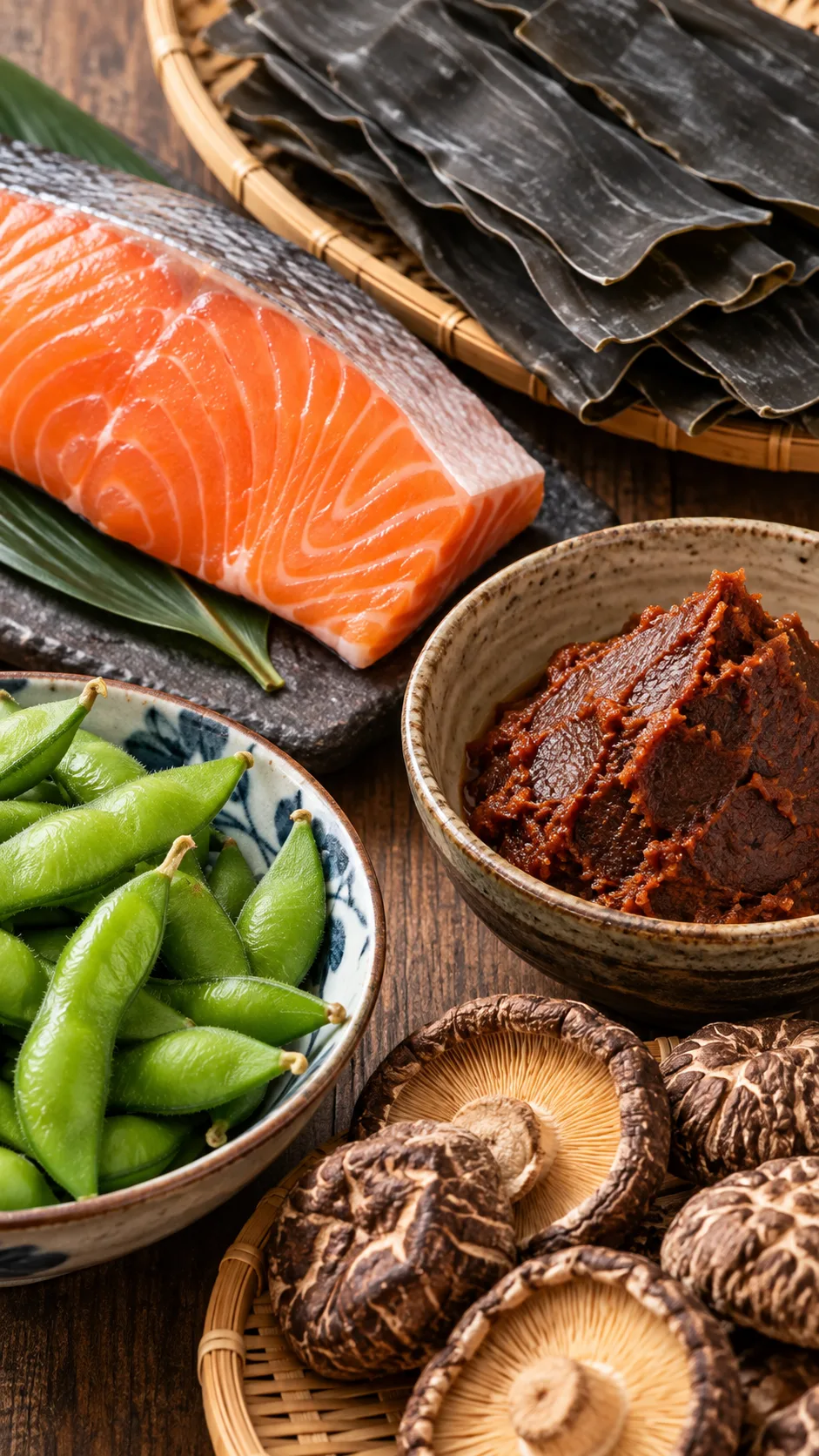
Japanese households consume huge quantities of seafood every week. While Western diets lean heavily on burgers, bacon, and cold cuts, Japanese cooks rotate through wild fish like salmon, sea bream, mackerel, sardines, and tuna. These cold-water species provide generous amounts of omega-3 fatty acids, particularly EPA and DHA.
Omega-3 fatty acids lower systemic inflammation, protect arterial elasticity, and support cognitive health as you age. Replacing factory-farmed beef and processed protein bars with wild fish makes an immediate difference. You can read our guide on the protein diet plan that keeps you full to learn how clean protein choices prevent sharp blood sugar swings.
2. Fermented foods for gut health
Japanese cooking supports the microbiome throughout the day. Almost every washoku meal contains at least one fermented food:
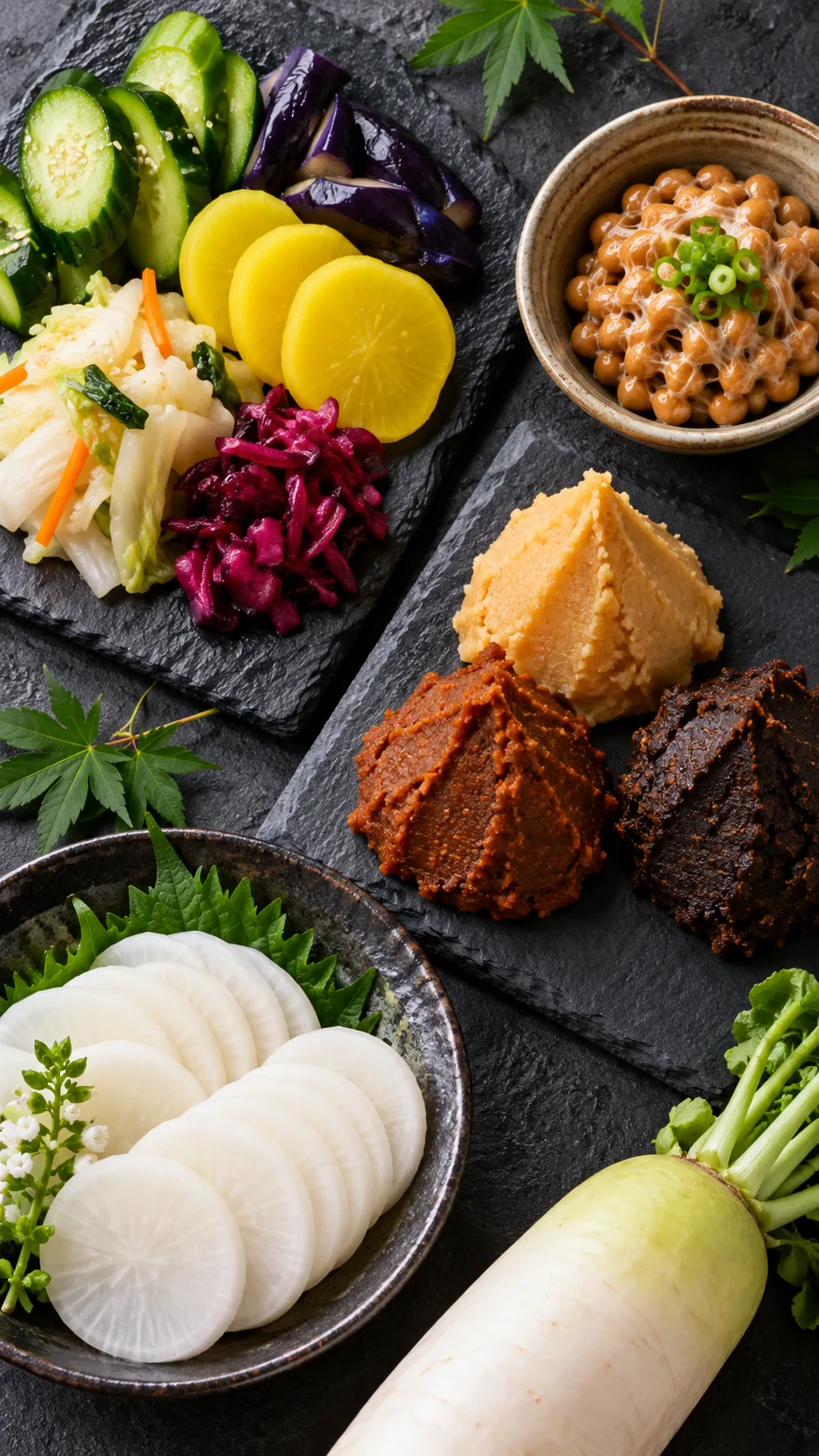
- Miso: This fermented soybean paste supplies live Aspergillus oryzae cultures, essential minerals, and active digestive enzymes.
- Natto: These fermented whole soybeans carry a strong aroma and contain the highest known concentration of vitamin K2, alongside nattokinase, an enzyme that protects arterial flow.
- Tsukemono: Pickled cucumbers, radishes, and cabbage send beneficial lactic acid bacteria straight into your colon.
Millions of people spend substantial money each month on probiotic supplements. Japanese seniors get better digestive support simply by drinking a bowl of miso soup each morning.
3. Sea vegetables and mineral density
Most Western eaters eat seaweed only when someone rolls it around a spicy tuna roll. Japanese cooks treat sea greens as daily staples. They drop tender wakame into morning broth, wrap rice rolls in crisp sheets of nori, and simmer soup stocks with thick strips of kombu.
Sea vegetables draw trace elements, magnesium, calcium, and bioactive fucoidans directly out of seawater. These minerals nourish the thyroid gland, support normal metabolic rates, and protect long-term cellular health across decades.
4. Gentle cooking methods
Cooking methods dictate health results just as much as grocery choices. Japanese home cooks rarely deep-fry dinner during regular weeknights, reserving tempura for occasional dining out. Daily washoku relies on three clean methods:
- Nimono: Cooks simmer seasonal root vegetables and proteins in light broths made with dashi, sake, and soy sauce.
- Yakimono: Cooks grill or broil fish over direct heat, letting excess fat drip away during cooking.
- Mushimono: Cooks steam fresh fish fillets and vegetables over water, protecting heat-sensitive vitamins.
These techniques protect antioxidants and remove the need for industrial frying oils, keeping overall calorie density low while preserving natural flavor.
The Okinawa secret: Hara hachi bu
The Japanese diet works because of portion control as much as food choices. In the subtropical islands of Okinawa (one of the original Blue Zones), parents pass down a classic dining rule to their children: hara hachi bu.
This Confucian phrase instructs people to stop eating when their stomach reaches eighty percent capacity. Diners often feel bloated twenty minutes after finishing a large meal because internal stretch receptors require roughly 15 to 20 minutes to send satiety signals to the brain. If you keep eating until you feel completely stuffed at the table, you consumed too much food several bites earlier.
Practicing hara hachi bu creates a steady, comfortable calorie reduction. You avoid afternoon lethargy, decrease cellular strain, and lower your risk of metabolic dysfunction. Combining this practice with our guide on the fasting diet plan that makes intermittent fasting click helps your body utilize stored energy efficiently.
What clinical research reveals about the Japanese diet
Clinical studies back up these culinary customs with hard data. Researchers at Japan’s National Center for Global Health and Medicine tracked nearly 80,000 adults over a 15-year period. Their study, published in The BMJ, found that people who adhered closely to Japan’s national dietary guidelines experienced a 15% lower total mortality rate.
Those participants suffered fewer fatal strokes and cardiovascular events. Japan’s Ministry of Health illustrates these guidelines with an inverted spinning top graphic. Grain dishes form the broad top section, followed by vegetables, fish and meat courses, dairy and fruit, with green tea and water running down the core.
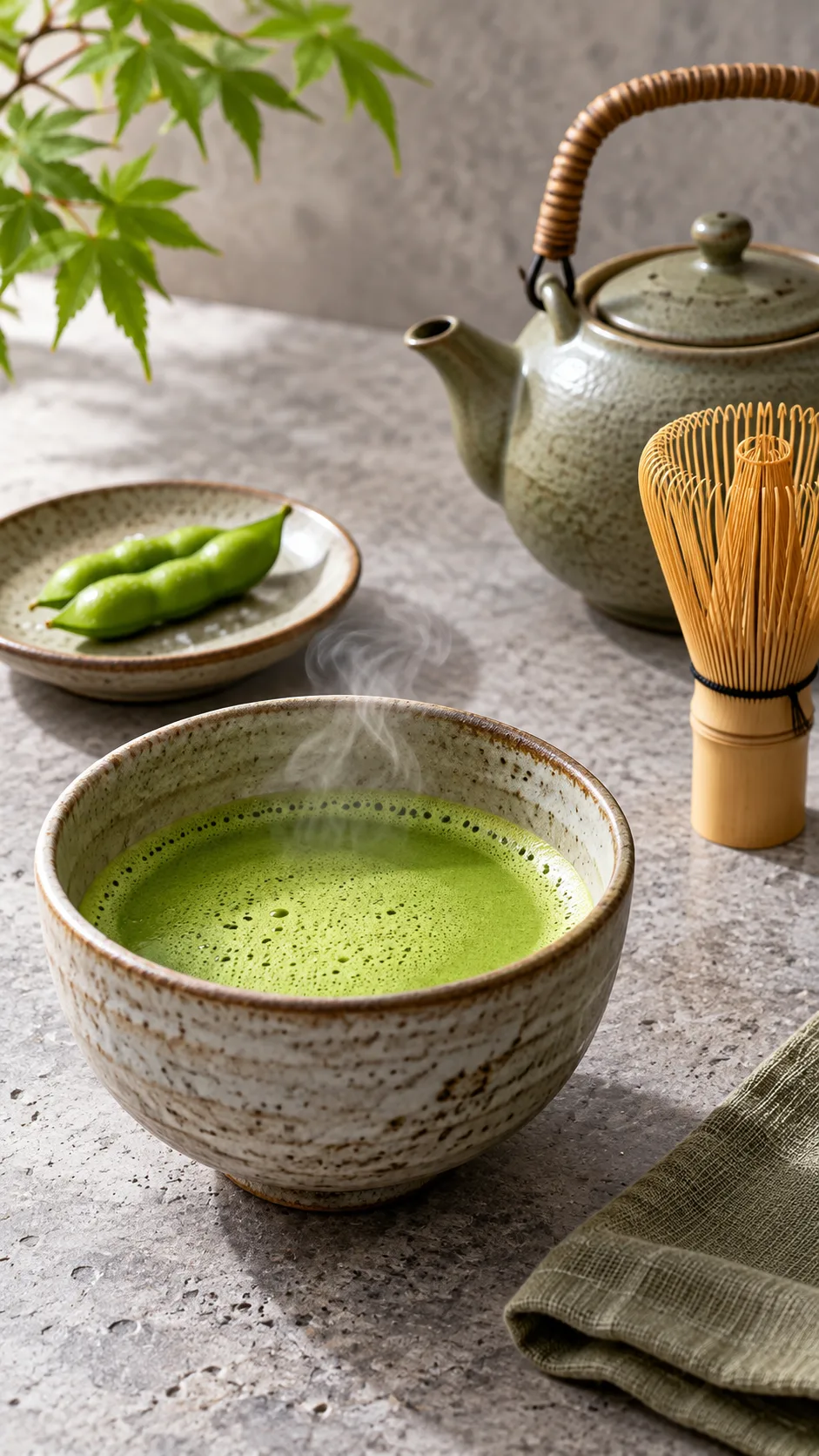
Green tea plays an enormous role in everyday routines. Office workers drink sencha, bancha, and matcha throughout the workday. Reports from the Harvard T.H. Chan School of Public Health show that the catechins in green tea (especially epigallocatechin gallate, or EGCG) neutralize free radicals, improve insulin response, and support vascular walls. Swapping a syrupy coffee beverage for unsweetened green tea provides fast health dividends.
A typical day on a practical Japanese meal plan
You do not need specialty imports to prepare these meals. Standard grocery store ingredients allow you to recreate an authentic Japanese menu at home. Here is a balanced daily plan:
Breakfast: Morning nourishment
- Steamed short-grain rice: A small bowl holding about half a cup provides steady morning carbohydrates.
- Miso soup: Dashi broth whisked with yellow miso paste, silken tofu cubes, and chopped scallions provides fluids and electrolytes.
- Salted salmon: A broiled salmon fillet seasoned with sea salt delivers protein and omega-3s.
- Tamagoyaki: A rolled omelet made from two eggs seasoned with dashi and soy sauce adds mild richness.
- Drink: A hot cup of roasted green tea (hojicha) settles the stomach.
Lunch: The midday tray
- Cold soba noodles: Buckwheat noodles dipped in dashi, soy sauce, and grated ginger offer complex carbohydrates with a low glycemic load.
- Steamed edamame: Lightly salted whole soybean pods provide plant protein and dietary fiber.
- Sunomono salad: Thin cucumber slices dressed in rice vinegar and sesame seeds cleanse the palate.
- Lean poultry: Grilled chicken skewers seasoned with sea salt and scallions supply clean protein without thick marinades.
Dinner: The evening restorative meal
- Simmered vegetables (nimono): Daikon radish, carrots, and shiitake mushrooms cooked in dashi broth until tender.
- Steamed white fish: Pacific cod topped with grated fresh ginger, scallions, and citrus ponzu sauce.
- Hijiki seaweed salad: Simmered sea greens mixed with carrot shreds and tofu slices.
- Multigrain rice: Brown rice mixed with barley and sesame seeds keeps hunger away through the night.
- Fruit: Slices of persimmon, crisp Asian pear, or fresh strawberries finish the meal without refined sugars.
Cooking multiple small dishes every day sounds intimidating, but simple batch preparation solves that challenge. You can review our collection of easy meal prep ideas that make healthy eating effortless to organize your kitchen routine and prepare vegetable sides in advance.
Five common Japanese ingredients you can find in regular grocery stores
You can locate these five nutrient-dense staples in almost every modern supermarket. Put them into your shopping cart this week to upgrade your home cooking:
- Shiitake mushrooms: These fungi contain lentinan, a polysaccharide that supports healthy immune defenses. They supply concentrated umami, which gives broths and stir-fries a deep savory flavor without excess salt or fat.
- Matcha green tea: Finely ground whole tea leaves contain up to three times the EGCG antioxidants found in standard tea bags. Matcha also supplies L-theanine, an amino acid that produces calm, steady mental focus without jittery spikes.
- Edamame: Whole young soybeans replace processed snack foods easily. One cup offers 18 grams of complete vegetable protein and 8 grams of digestive fiber.
- Kombu kelp: Dropping a small strip of dried kombu into soup broths or rice pots releases natural iodine, potassium, and glutamic acid, lifting flavor without excess table salt.
- Daikon radish: This long winter radish contains active digestive enzymes, including amylase and protease, which help the stomach break down dietary proteins and fats smoothly.
Small plates and portion psychology
Many diners feel uncomfortable after finishing meals served on wide 12-inch dinner plates. Western restaurants load heavy mounds of starch and meat onto oversized surfaces, triggering the Delboeuf illusion. The human visual system judges portion size relative to the border of the dish. When empty space surrounds food, people perceive the portion as small and feel shortchanged, even after eating more than 1,000 calories.
Washoku uses that optical phenomenon to your advantage. A traditional dinner arrives in several small ceramic dishes and saucers. The full table creates an immediate impression of variety and abundance, signaling satisfaction to the brain before the first bite.
In practice, you eat modest quantities of whole foods. You alternate between a bite of salmon, a sip of warm broth, a piece of pickled vegetable, and a spoonful of rice. This constant change in texture and temperature satisfies the appetite without overloading the stomach on total calories.
Real trade-offs in traditional Japanese eating
Every diet presents practical challenges. Anyone adopting this eating pattern should monitor two distinct issues:
1. Elevated sodium intake
Traditional washoku relies heavily on soy sauce, miso paste, cured fish, and salt-pickled produce. Daily sodium numbers in Japan often exceed recommended health guidelines, a factor historically linked to higher rates of hypertension and stomach ailments. To keep sodium in check, choose low-sodium fermented pastes, thin soy sauce with citrus juice or dashi, and eat plenty of potassium-rich leafy greens.
2. The modern convenience store shift
Modern Japanese convenience stores stock deep-fried chicken, sugary pastries, and sweetened tea drinks. Many younger city residents now replace home-cooked washoku with processed convenience foods and fast-food chains. Consequently, metabolic issues in Japanese urban centers are rising. Anyone seeking health benefits must choose traditional, home-style washoku rather than modern processed convenience snacks.
How to start eating this way tomorrow
You do not need new cookware or a complete kitchen overhaul to start. You can make simple adjustments through four practical steps:
- Drink warm broth before meals: Sip a cup of miso or vegetable broth before touching solid food. The warm liquid settles the stomach, begins digestion, and prevents overeating.
- Swap beef for oily fish: Replace one or two red meat dinners each week with broiled salmon, trout, or sardines seasoned with lemon and soy sauce.
- Use smaller plates: Divide your dinner into two or three small bowls rather than piling food onto one large plate. The visual variety satisfies your appetite on smaller portions.
- Stop at 80 percent fullness: Rest your utensils between bites. When your stomach shifts from hungry to comfortable, stop eating and clear the table.
Eating this way requires no complicated calorie counting or rigid restrictions. By choosing seasonal whole ingredients, adding fermented foods, and stopping before you feel stuffed, you gain the practical health benefits that have sustained Japan for generations.