

You know the 3 p.m. slump, right? You open the fridge, stare at sad leftovers, and order takeout anyway. Whole food meal prep breaks that cycle, and it doesn’t take a culinary degree or a Sunday you’ll never get back.
I’ve prepped meals for years, and I’ve botched plenty of them. I’ve made soggy broccoli and bland chicken, and I’ve packed containers so boring that I ate cereal for dinner instead. Those mistakes taught me what works, and I’m sharing all of it here.
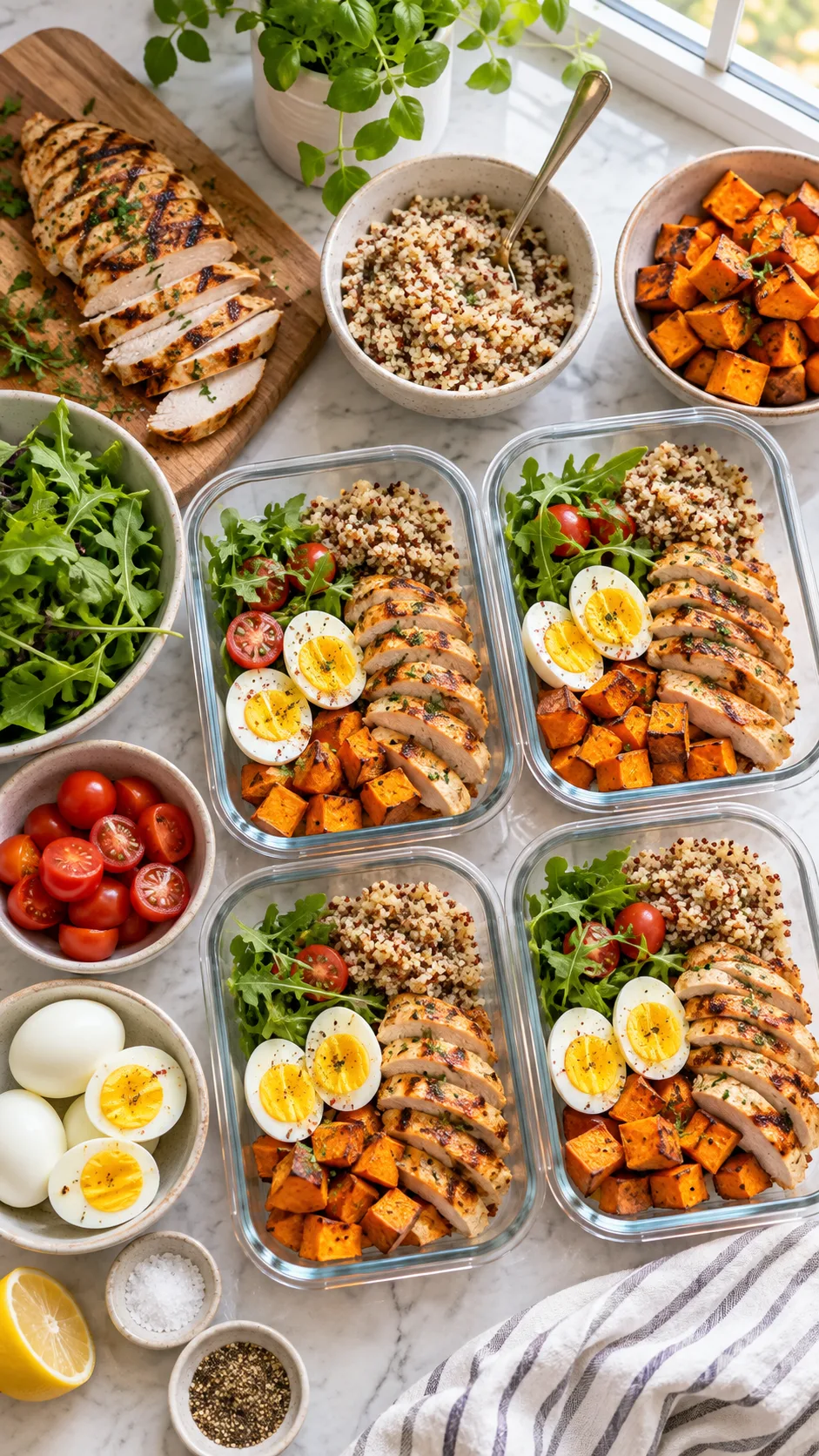
What whole food meal prep means
Whole foods are foods that stay close to their natural form. Think vegetables, fruit, beans, eggs, plain meat and fish, nuts, and intact grains like oats and brown rice. They come without long ingredient lists or mystery powders.
Meal prep means you cook components or full meals ahead of time. Put the two together and you get a fridge full of real food that you can grab, heat, and eat. You skip the decision fatigue and the 8 p.m. panic.
Do you need to go 100% whole food? Nope. Aim for most of your plate, most of the time. A jar of salsa or a splash of soy sauce won’t ruin anything.
Why whole foods keep you full longer
Ever wonder why a 400-calorie bowl of chicken and vegetables outlasts a 400-calorie pastry? Protein and fiber slow digestion, and they send fullness signals to your brain. Refined snacks skip most of that.
Whole foods also bring volume and water. A big plate of roasted vegetables fills your stomach in a way that a few crackers never will. You also chew more, which slows you down and gives your body time to notice you’ve eaten.
The Dietary Guidelines for Americans put vegetables, fruits, whole grains, and lean proteins front and center for good reason. Those foods supply the nutrients and fiber that most of us don’t eat enough of. Most adults fall short on fiber, and hunger levels often show it.
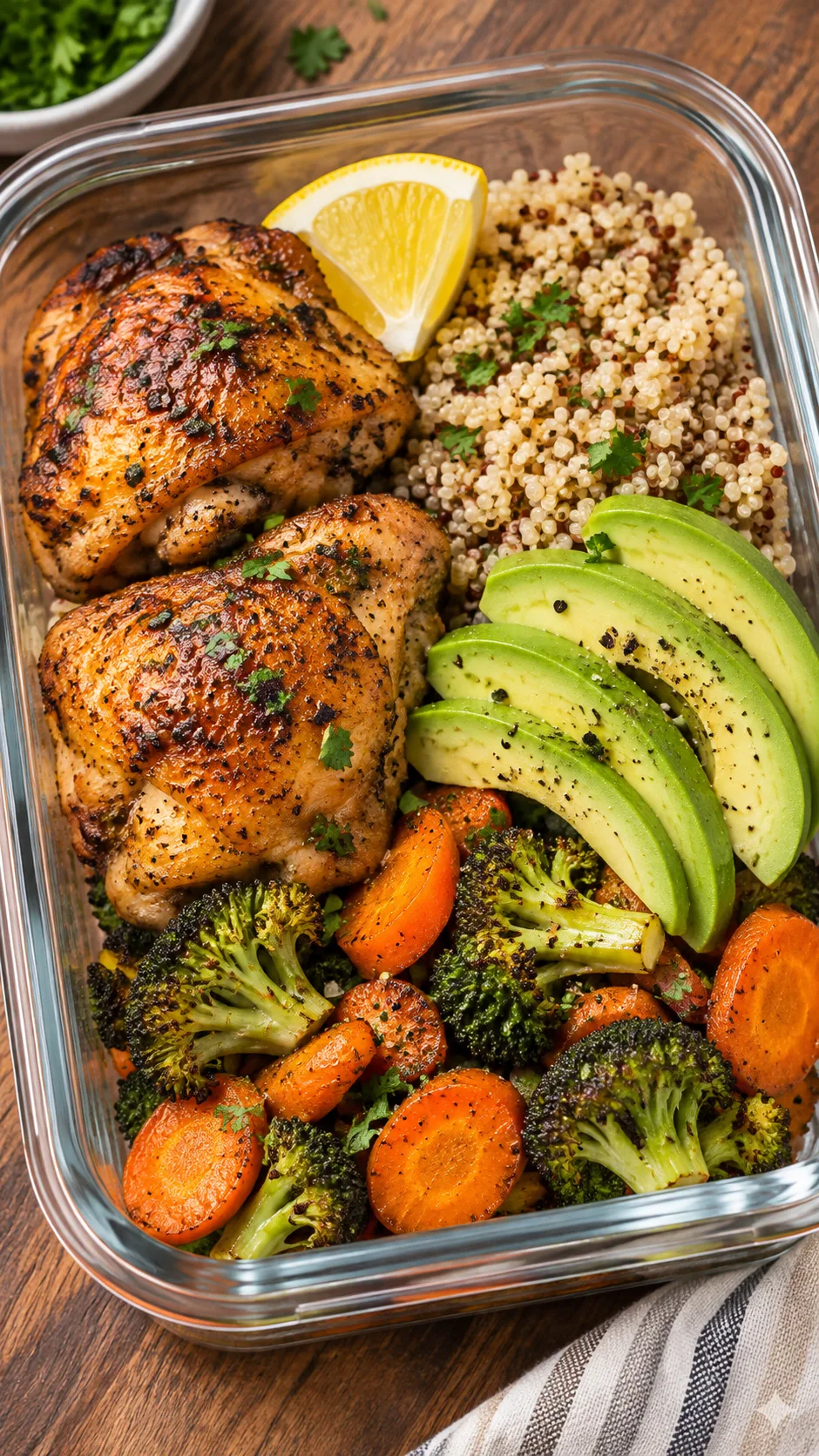
The fullness formula: build every container the same way
Forget complicated recipes for a minute. One simple template does most of the work, and the Harvard Healthy Eating Plate follows the same basic idea: half vegetables, a quarter protein, a quarter whole grains, plus healthy fats.
I build every container in this order:
- Pick a protein. Aim for a portion about the size of your palm, or a bit more.
- Add a carb with fiber. Brown rice, quinoa, sweet potato, or beans all work.
- Pile on vegetables. Fill roughly half the container.
- Include a healthy fat. Olive oil, avocado, nuts, or seeds all work.
- Finish with a flavor booster. Sauce, herbs, citrus, or pickled onions rescue any meal.
That’s the whole system. Once you memorize it, you can swap ingredients forever without getting bored.
Protein choices that hold up all week
Some proteins reheat beautifully, and some turn into rubber. Stick with the winners:
- Chicken thighs: They stay juicy even after reheating. Chicken breast dries out faster, so I save it for cold salads.
- Hard-boiled eggs: They work as snacks, salad toppers, and quick breakfasts.
- Lentils and chickpeas: They cost almost nothing and give you protein and fiber in one scoop.
- Ground turkey or beef: Brown it with spices and use it in bowls, wraps, or stuffed peppers.
- Baked salmon: Eat it within the first two days for the best texture.
Need more chicken ideas? These healthy chicken meal prep recipes have flavor combos beyond the usual.
Carbs that don’t crash your energy
Carbs aren’t the enemy. Whole food carbs bring fiber, which keeps your energy steady instead of spiking and dropping. Cook a big batch of one or two and rotate them through the week.
My go-tos are brown rice, quinoa, roasted sweet potatoes, oats, and black beans. Boring? Only until you add sauce. IMO, a good sauce makes any grain taste like a restaurant meal.
Vegetables that survive the fridge
Not every vegetable handles meal prep well. Sturdy vegetables win. Roast broccoli, cauliflower, carrots, Brussels sprouts, bell peppers, and zucchini. They hold their texture and often taste better on day three.
Save delicate greens like spinach and arugula for the day you eat them. Pack them separately or add them fresh. Nobody wants warm, wilted lettuce. Trust me on that one.
Your whole food meal prep shopping list
A focused list keeps you from wandering the grocery store and buying snacks you don’t need. Shop the edges first, then grab the pantry staples. Buy ingredients you can use three different ways.
Proteins
- Boneless, skinless chicken thighs (about 2 pounds)
- One dozen eggs
- Dried or canned lentils and chickpeas
- Plain Greek yogurt or cottage cheese
- Optional: salmon fillets or ground turkey
Produce
- Broccoli, carrots, bell peppers, and zucchini
- Sweet potatoes
- Spinach or kale
- Onions and garlic
- Lemons, limes, and fresh herbs
- Bananas, apples, and berries
Pantry and extras
- Brown rice, quinoa, and rolled oats
- Olive oil and canned tomatoes
- Nuts, seeds, and natural nut butter
- Spices: cumin, smoked paprika, garlic powder, chili flakes
- Salsa, mustard, and plain tahini for quick sauces
On a budget? Frozen vegetables count as whole foods, and they cost less. Producers freeze them at peak freshness, so you lose almost nothing nutritionally.
The 90-minute Sunday prep game plan
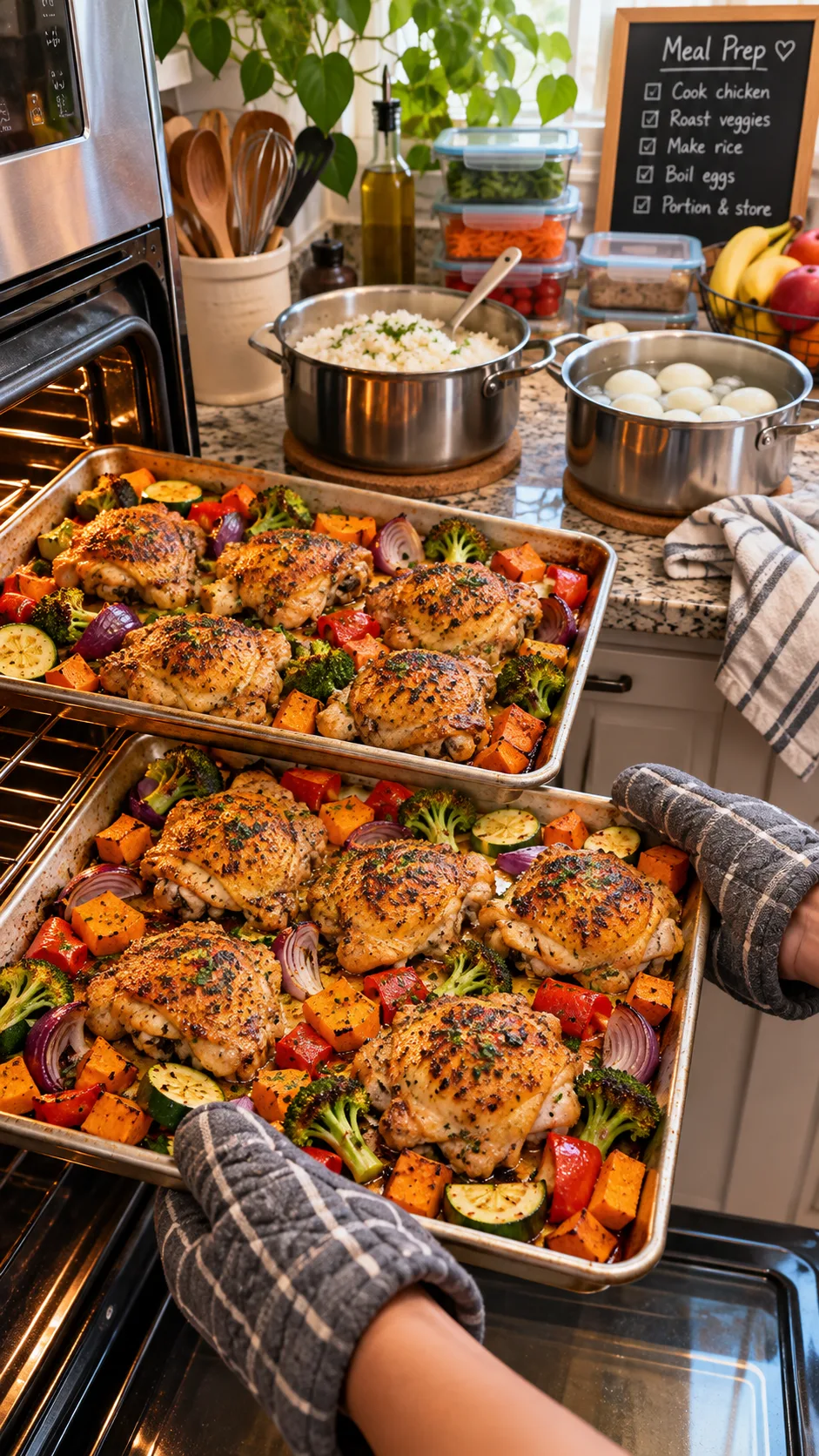
You don’t need four hours and fifty containers. Ninety minutes is plenty if you work in the right order. Start with the slowest tasks and fill the gaps with quick ones.
- Preheat the oven to 425°F. Chop sweet potatoes, broccoli, and carrots, then toss them with olive oil and salt on two sheet pans.
- Start the grains. Put rice or quinoa on the stove, or use a rice cooker and walk away.
- Season the chicken. Rub it with spices and slide it onto a pan next to the vegetables for the last 25 minutes.
- Boil the eggs. Cook a dozen for about 10 to 11 minutes, then cool them in ice water.
- Whisk up two sauces. Try a lemon and tahini drizzle and a spicy yogurt sauce. Sauces make each day of the week taste different.
- Prep the snacks you grab on the run. Wash fruit, portion nuts, and mix overnight oats.
- Cool, portion, and store. Let everything cool briefly, then pack your containers.
Want a deeper walkthrough of the basics? Our beginner’s blueprint for meal prepping the week covers equipment, timing, and container choices step by step.
Watch it in action
Sometimes you just need to see someone do it. This video walks through a full week of whole food prep, from chopping to packing.
A sample week of whole food meals
A real week using the prep above looks like this. Nothing fancy, and you don’t need a new gadget. You mix and match the same components.
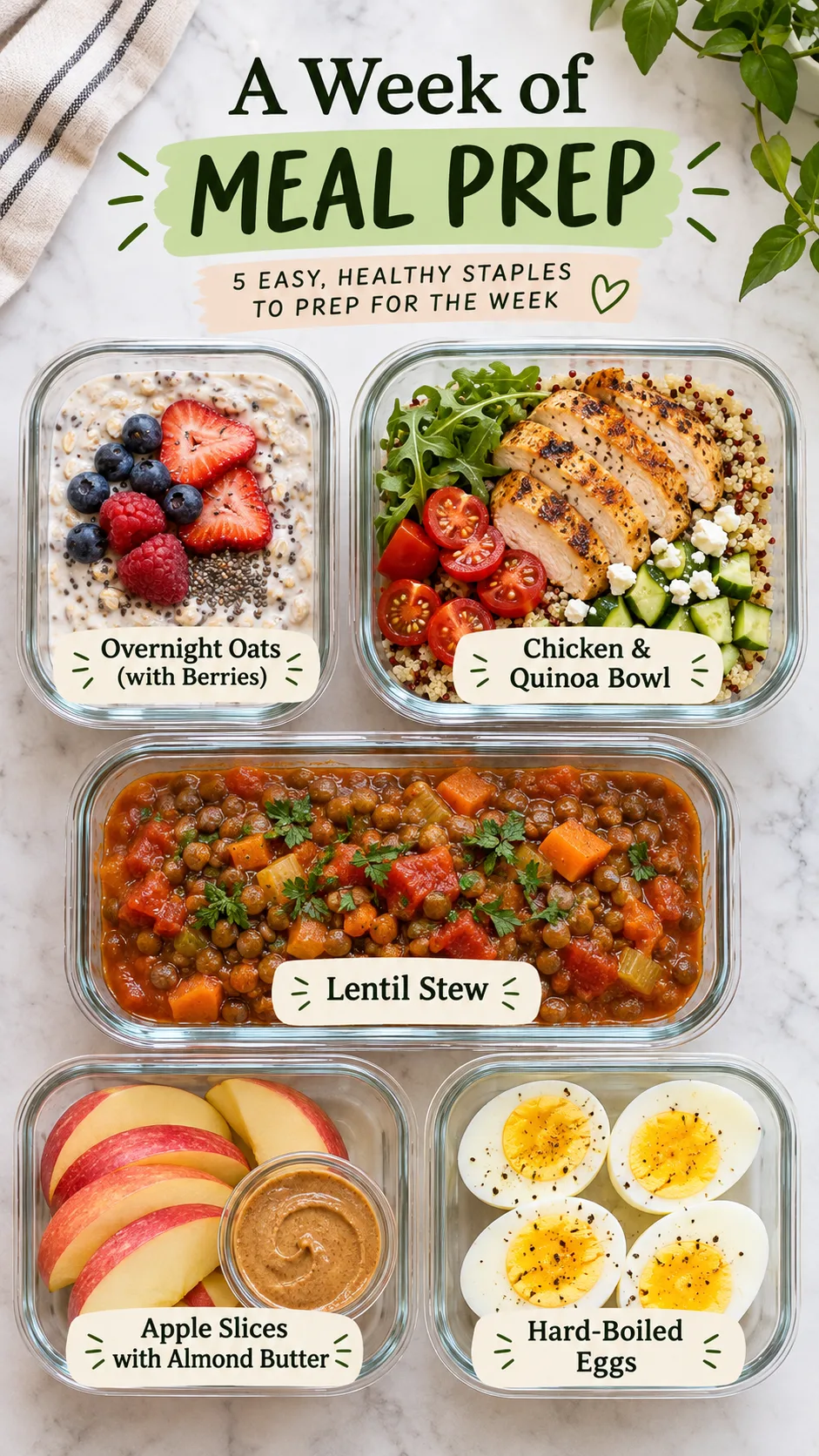
Breakfast: set it and forget it
Mornings go sideways fast, so I never rely on willpower before 8 a.m. I make overnight oats with rolled oats, plain yogurt, chia seeds, and berries. Two hard-boiled eggs and a piece of fruit make a solid backup.
Want more morning options? Browse these make-ahead breakfast ideas and pick two that sound good.
Lunch: the flexible bowl
Lunch is where most diets collapse. Build a bowl with rice or quinoa, roasted chicken, roasted vegetables, and a spoonful of sauce. Change the sauce, and you change the meal. Tahini on Monday, salsa on Tuesday, spicy yogurt on Wednesday.
Dinner: use what you have
Dinner can reuse your prepped parts, or you can cook something quick. A lentil and sweet potato stew reheats like a dream and freezes well. You can also toss roasted vegetables and chickpeas into a pan with eggs for a fast skillet.
Snacks: plan them or regret them
Unplanned snacking wrecks more good weeks than any dinner does. Pack protein plus fiber every time: apple slices with almond butter, carrots with hummus, or Greek yogurt with walnuts. FYI, a handful of nuts keeps you full far longer than a granola bar does.
Storage and food safety: don’t skip this part
Nothing ruins a good prep week like food poisoning. Cool cooked food quickly and refrigerate it within two hours. The USDA’s leftovers guidance says most cooked leftovers stay safe in the fridge for three to four days.
That changes your plan. If you prep on Sunday, eat the fish and delicate dishes by Tuesday. Freeze the meals for Thursday through Saturday so you don’t gamble with them.
Follow these simple rules:
- Reheat leftovers to 165°F before you eat them.
- Use shallow containers so food cools evenly.
- Label each container with the date. Your memory isn’t as good as you think.
- Freeze soups, stews, cooked grains, and shredded chicken in single portions.
- Keep sauces in separate small jars so your food stays crisp.
Mistakes that make meal prep fall apart
I’ve made every one of these. Learn from my pain.
Prepping five identical meals
Eating the exact same dish five days in a row sounds efficient. It also sounds like a punishment. Prep components, not just full meals, so you can remix them and keep your taste buds interested.
Under-seasoning everything
Plain chicken and plain rice taste like plain chicken and plain rice. Season generously, add acid like lemon or vinegar, and make a sauce. Flavor separates the meal prep you love from the meal prep you quit.
Skimping on protein and fat
A container of mostly rice and a few vegetables leaves you hungry by 3 p.m. Add a solid portion of protein and a source of healthy fat. The combination keeps you full, and no single food does it alone.
Overcomplicating the plan
Ambitious Sunday plans with seven new recipes usually end in takeout by Wednesday. Start with two proteins, two carbs, and three vegetables. If you’re brand new to this, our guide on easy meal prep for beginners keeps the process simple.
Easy ways to save time and money
Whole food meal prep doesn’t have to drain your wallet. A few habits help a lot:
- Buy dried beans and lentils. They cost pennies per serving.
- Choose seasonal produce. It tastes better and costs less.
- Use frozen vegetables for soups, stir-fries, and skillets.
- Cook once, eat twice. Turn Monday’s roasted chicken into Wednesday’s wrap filling.
- Buy in bulk for oats, rice, nuts, and spices.
Use your freezer like a second pantry, too. Cooked rice, soups, and shredded chicken all freeze well. Future you will say thanks.
How to stay on track when life gets messy
Your week won’t go perfectly. A work dinner pops up, a friend invites you out, or you just don’t feel like eating chicken again. Progress beats perfection every time.
Keep a backup plan in your freezer. A few frozen portions of soup or chili save you on the nights when everything falls apart. Then reset the next Sunday and keep going.
Listen to your hunger too. If you finish a container and still feel starving, add more protein, more fiber, or a bigger portion. Your meal prep should work for you.
Quick FAQ
How long does whole food meal prep last in the fridge?
Most cooked meals last three to four days in the fridge. Freeze anything you won’t eat in that window.
Can I lose weight with whole food meal prep?
Many people do, since whole foods fill you up on fewer calories and cut down on impulse eating. Results still depend on your overall portions and activity. If you have a medical condition, talk with your doctor or a registered dietitian before you change your diet.
Do I need special containers?
No. Glass containers with tight lids work best because they reheat evenly and don’t hold odors. Use whatever you already own to start.
Final thoughts: make the easy choice the healthy choice
Whole food meal prep works because it removes friction. You cook once, then eat well all week without negotiating with yourself every night. Build each container with protein, a carb with fiber, vegetables, and healthy fat, and hunger stops running your day.
Start small this weekend. Roast one tray of vegetables, cook one protein, and make one sauce. Then tell me, what’s stopping you from trying it?