

You finish a diverticulitis flare, worry about setting off another one, and cut fiber from your meals for good. That choice can feel sensible at first. It can also become the diet mistake that keeps your gut stuck in a low-fiber rut.
Many people turn a temporary low-fiber plan into a lifelong rule. Then constipation, straining, and bland beige meals move in and refuse to pay rent. You may wonder why flares keep coming back even though you eat carefully.
Your diet needs to change with your symptoms. During an acute diverticulitis flare, your clinician may tell you to choose gentle, low-fiber foods for a short time. After you recover, most people benefit from gradually returning to a fiber-rich, varied way of eating that supports regular bowel movements and long-term colon health.
This guide covers what to eat during diverticulitis, what to eat after a flare, and which old food rules belong in the bin. It also explains when food cannot handle the job, because homemade broth cannot solve every medical problem.
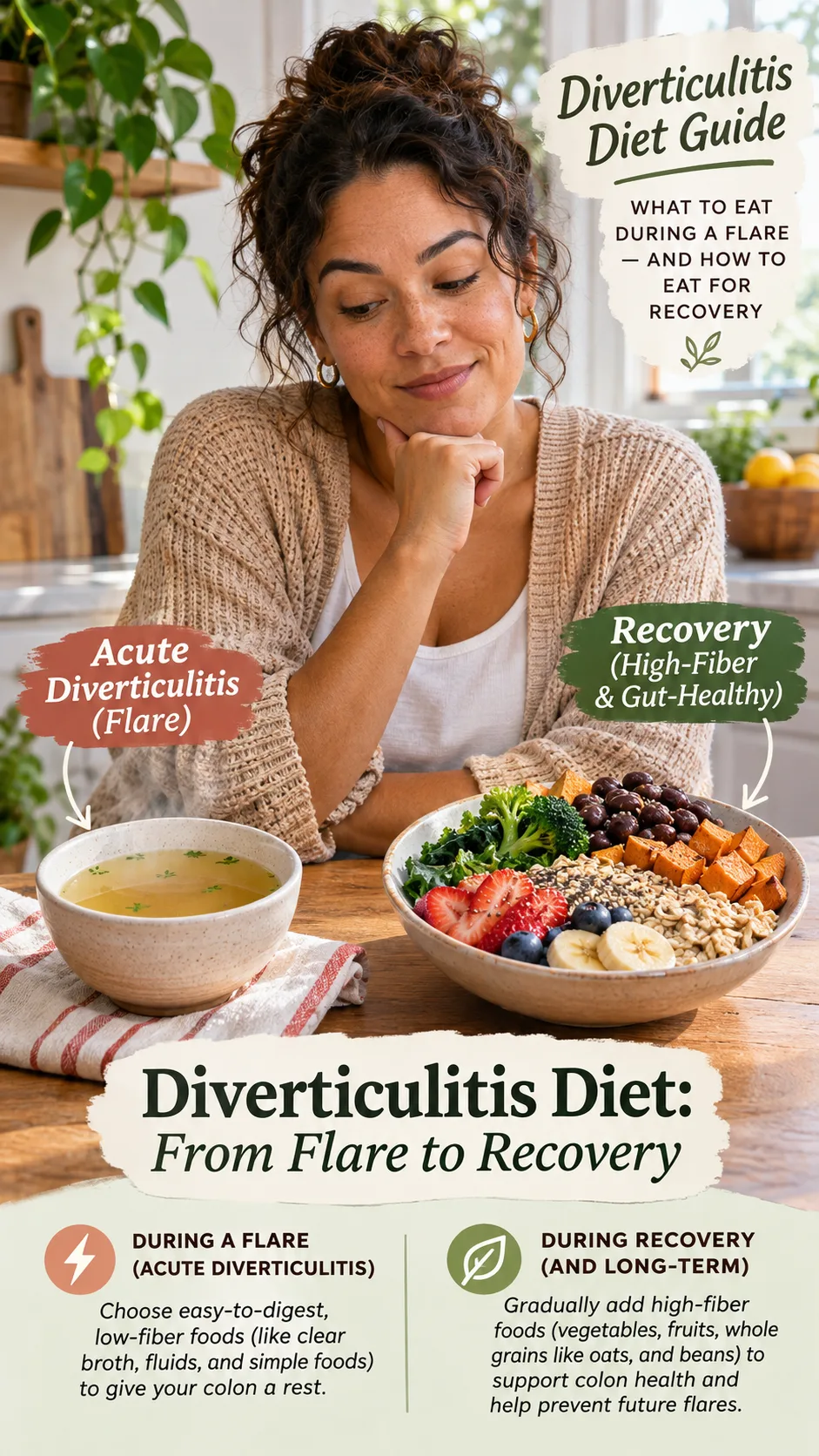
The mistake: Staying on a low-fiber diverticulitis diet too long
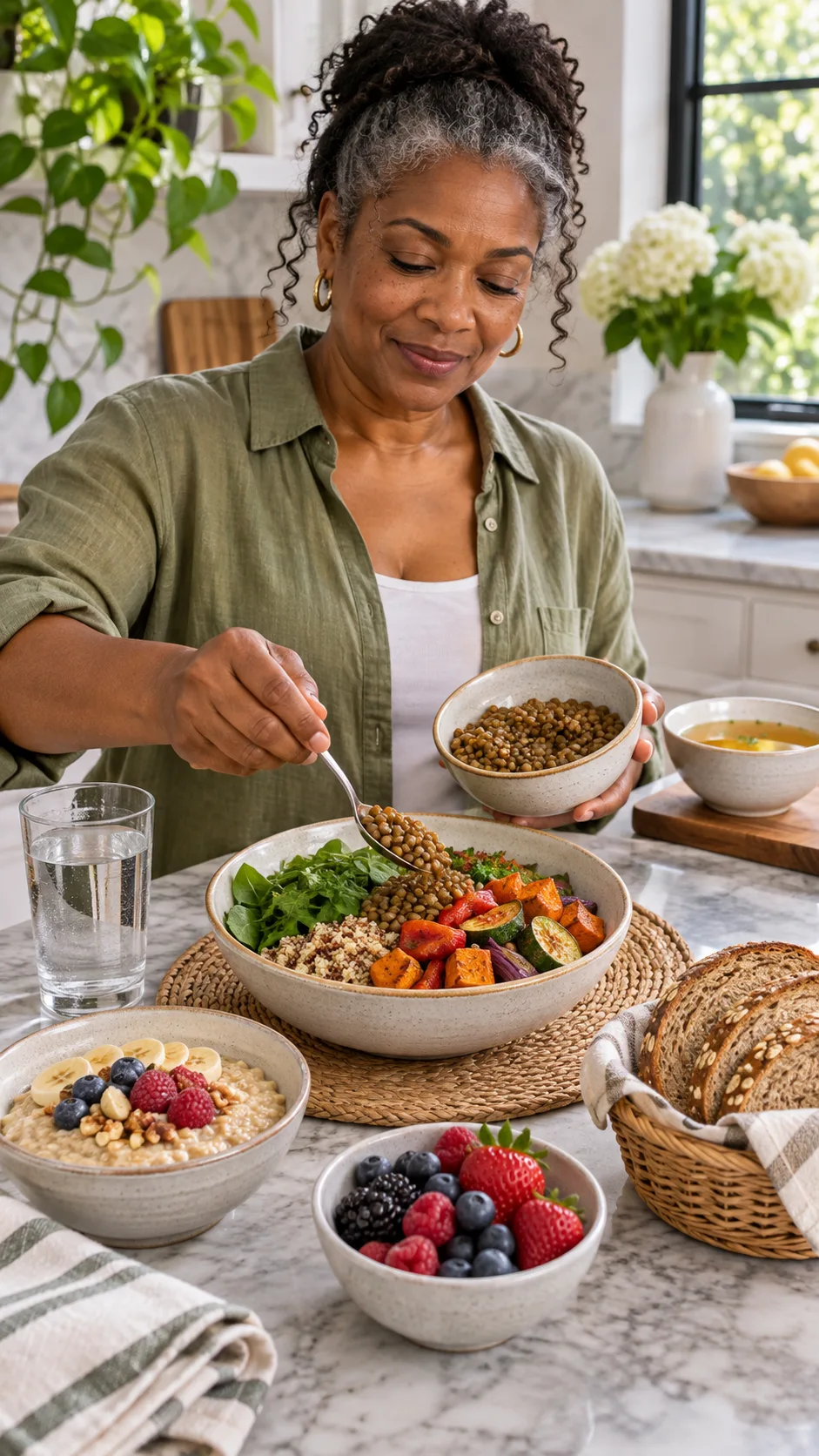
The most common diverticulitis diet mistake involves cutting fiber long after the flare settles. A temporary low-fiber approach can reduce stool bulk and give an irritated gut a brief break. It does not belong in your permanent diet.
When you avoid fiber for weeks or months, stools can become harder and less frequent. That pattern can raise pressure inside the colon and turn bathroom trips into an unpaid side quest. Nobody needs that.
Research and major gastroenterology groups support eating plenty of plant foods and fiber to lower the risk of repeat diverticulitis. The American Gastroenterological Association’s guidance on diverticulitis also points to diet quality, physical activity, maintaining a healthy weight, and avoiding smoking.
Why low fiber helps during a flare but not afterward
Active diverticulitis can cause pain and tenderness on the left side of your abdomen, fever, nausea, and major changes in bowel habits. During that rough stretch, bulky foods may make some people feel worse. Your medical team may suggest clear liquids or low-fiber foods for a very short period, depending on your symptoms and diagnosis.
Once your pain improves and you can tolerate food, move your eating plan forward. Add easy-to-digest foods first, then bring fiber back in small steps. Think of it as a temporary detour, not a new permanent address.
The National Institute of Diabetes and Digestive and Kidney Diseases explains that fiber softens stool and helps you stay regular. Softer, regular stools can reduce the pressure and straining that make many people miserable.
Low fiber can hide the real problem
A low-fiber diet may feel safer because it leaves you with fewer food choices. It can also leave you short on nutrients from plant foods, worsen constipation, and narrow your meals until toast feels like a personality trait. Food fear often grows when every stomach rumble feels suspicious.
Fiber does not cause every digestive symptom. A fast increase in fiber, too little water, irritable bowel syndrome, lactose intolerance, or a huge serving of beans can bring on gas and bloating. Make a smarter adjustment instead of banning vegetables for life.
First, tell a flare from the recovery phase
Your current symptoms should guide your food choices. Do not follow a high-fiber prevention plan while severe pain, vomiting, fever, or dehydration calls for urgent medical care. At the same time, do not stay on clear liquids because an old internet post frightened you.
Doctors often use a CT scan to confirm diverticulitis, especially during a first or severe episode. Several digestive problems can look like diverticulitis, including irritable bowel syndrome, inflammatory bowel disease, kidney stones, and colon conditions. Guessing can delay the care you need.
Signs that need prompt medical help
Call your clinician urgently or seek emergency care if you develop severe or worsening abdominal pain, fever, repeated vomiting, a swollen abdomen, fainting, confusion, or trouble keeping fluids down. Get help quickly if you notice significant rectal bleeding or black stools. These symptoms can point to complications that diet cannot fix.
- Severe pain or guarding: Your abdomen needs an assessment, not a heroic dose of peppermint tea.
- Fever and chills: Infection or inflammation may need medical treatment.
- Vomiting or dehydration: You may need fluids, medicine, or hospital care.
- Blood in stool: A clinician should identify the cause.
- Symptoms that do not improve: Your clinician may need to change your treatment plan.
Ask your clinician when you can advance your diet and whether you need follow-up care. Some people need antibiotics, while clinicians can treat selected mild, uncomplicated cases without them. Your doctor should make that call after considering your symptoms, exam, medical history, and imaging.
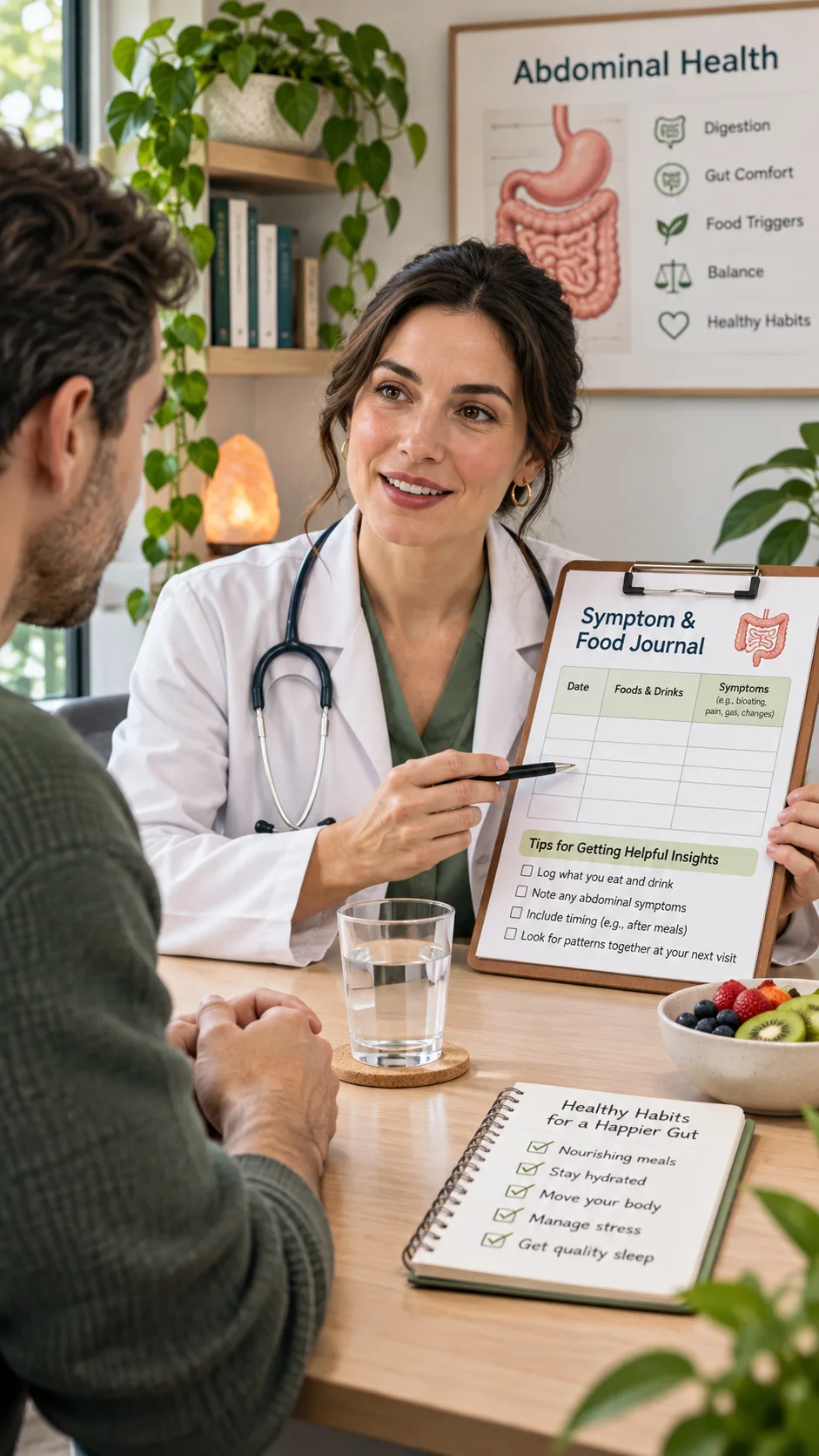
What to eat during an acute diverticulitis flare
During a flare your clinician has diagnosed, follow the plan they give you. Some people start with clear liquids for a day or two when symptoms hit hard, then move to low-fiber foods as pain and nausea ease. Your clinician may choose another plan if you have diabetes, kidney disease, poor appetite, or other health needs.
Clear liquids cannot provide enough nutrition for long. They can help you stay hydrated during a short, difficult stretch, but they do not fit into a long-term meal plan. Call your care team if you cannot move beyond liquids or if your symptoms get worse.
Short-term clear-liquid options
- Water, oral rehydration drinks, and electrolyte drinks with little added sugar
- Clear broth
- Plain gelatin
- Ice pops without fruit pieces or dairy
- Tea or coffee without cream, if they do not worsen nausea
- Clear apple, cranberry, or white grape juice in modest portions
Pay close attention to hydration. Aim for pale yellow urine unless your clinician has set a fluid limit because of a heart or kidney condition. Small, frequent sips often work better than forcing down a huge glass when nausea sticks around.
Low-fiber foods for the next step
As you improve, you may tolerate soft, low-fiber foods before you return to regular meals. Choose smaller portions, eat slowly, and stop before you feel overly full. Your gut needs calm, not an all-you-can-eat victory lap.
- White rice, plain pasta, white toast, crackers, or low-fiber cereal
- Eggs, tender chicken, fish, tofu, or smooth nut butter if you tolerate it
- Yogurt or lactose-free yogurt, if dairy agrees with you
- Mashed or peeled potatoes
- Applesauce, canned peaches or pears in juice, and ripe banana
- Well-cooked carrots, green beans, zucchini without skin, or squash
Avoid alcohol during a flare and skip foods that clearly increase your pain, nausea, or diarrhea. Keep a brief note about what you eat and how you feel. That note can give you useful clues without turning every meal into a courtroom trial.
What to eat after diverticulitis: Build fiber back gradually
After your symptoms settle and your clinician gives you the go-ahead, start adding fiber back. Most adults need about 25 to 38 grams of fiber each day, though your target depends on your age, sex, calorie needs, and medical history. The CDC’s fiber guidance gives a helpful overview of fiber-rich foods and their health effects.
Do not go from white toast to a mountain of bran cereal overnight. Your gut will notice, loudly. Add one fiber-rich food or one small serving every few days, then watch for changes in stool, cramping, and bloating.
A simple step-by-step fiber rebuild
- Start with soft soluble-fiber foods. Try oatmeal, ripe banana, applesauce, avocado, sweet potato, or well-cooked carrots.
- Add whole grains in small portions. Choose oats, brown rice, whole-grain toast, quinoa, or barley after you tolerate softer foods well.
- Bring in fruit and vegetables. Start with cooked produce, then try raw options when your gut feels comfortable.
- Introduce beans slowly. Start with a few tablespoons of lentils, chickpeas, or beans, then increase the amount over time.
- Drink more fluids. Fiber needs water to work well. Without enough water, fiber can worsen constipation.
- Stay consistent. One high-fiber day followed by three days of ultra-processed snacks will not create a steady routine.
Soluble fiber absorbs water and can help form softer stools. Oats, barley, beans, lentils, apples, citrus fruit, carrots, and psyllium offer good sources. Insoluble fiber adds bulk. You can find it in wheat bran, whole grains, nuts, seeds, and many vegetables.
Both types matter, and your own tolerance matters too. If a food causes major discomfort, cut back the portion, cook it another way, or try it again later. You do not need to force-feed yourself kale because someone online called it “gut healing.” Chewing through misery does not count as wellness.
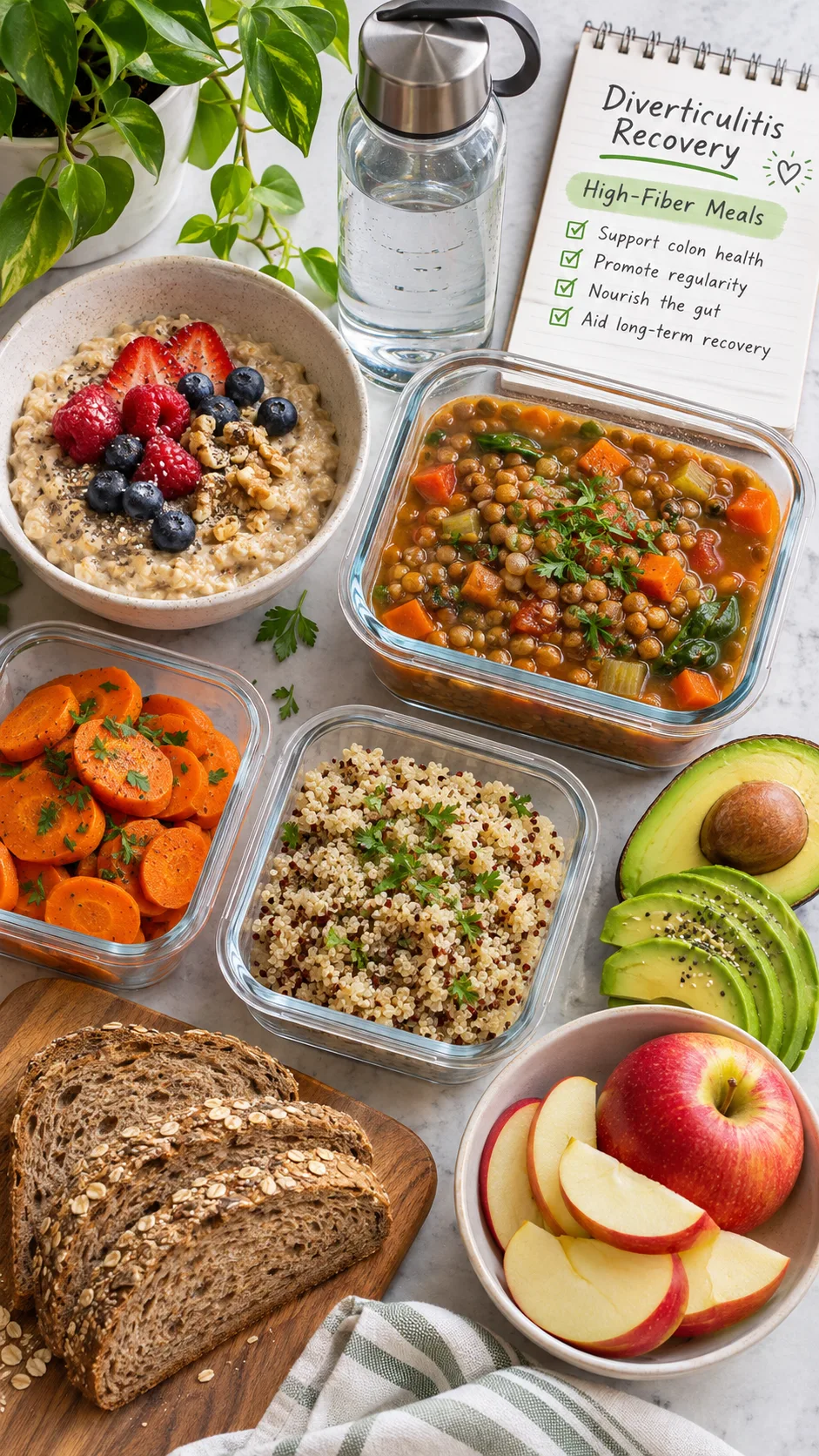
The foods you usually do not need to fear
For years, many people heard one strict rule: avoid nuts, seeds, popcorn, and corn because tiny pieces could lodge in diverticula. Research does not support that blanket restriction. Major clinical guidance does not tell most people with diverticular disease to avoid these foods to prevent attacks.
That news can feel oddly freeing. You can eat strawberries without conducting a seed extraction operation. Still, your own tolerance matters, especially soon after a flare.
Nuts, seeds, popcorn, and corn
If you feel well and your clinician has cleared you to return to a normal diet, try these foods in ordinary portions. Nuts and seeds provide fiber, healthy fats, and minerals. Popcorn offers whole-grain fiber, though butter-drenched movie theater popcorn makes a very different nutrition case.
Some people notice symptoms after certain foods, and those patterns deserve attention. A food diary can help you find a repeatable trigger. Avoiding a food because it repeatedly bothers you differs from avoiding it because an outdated myth told you to.
Red meat and ultra-processed foods
Your overall eating pattern matters more than one “bad” ingredient. Some studies link higher intakes of red meat, especially larger amounts of unprocessed red meat, with a greater risk of diverticulitis. Replace some burgers and processed meats with fish, poultry, eggs, tofu, beans, or lentils.
Ultra-processed foods often push fiber-rich foods off your plate and can make regular eating harder. You do not need perfect meals. Aim for a pattern with more plants, more water, and fewer meals built entirely around refined carbs and processed meat.
If you want a broader plant-forward approach, this low inflammation diet plan can help you make satisfying meals without turning your grocery list into punishment. Consistency matters more than dietary sainthood.
A practical diverticulitis recovery meal plan
A gentle transition works better than random restriction. Start with foods you tolerate, then add more variety each week. Your meals should eventually look colorful, filling, and pleasantly normal.
Example day once symptoms settle
- Breakfast: Oatmeal with banana, cinnamon, and a spoonful of peanut butter.
- Lunch: Lentil and vegetable soup with whole-grain toast. Start with a smaller lentil portion if beans feel new.
- Snack: Greek yogurt with berries, or an apple with a handful of walnuts.
- Dinner: Baked salmon or tofu, roasted sweet potato, cooked broccoli, and brown rice or quinoa.
- Evening option: Kiwi, pear, or a small bowl of high-fiber cereal with milk or a milk alternative with added nutrients.
This plan spreads fiber across several foods instead of putting it all into one massive salad. That approach can help many people avoid excess gas and cramping. It also tastes like food, which matters in any diet.
Want meals that support heart health along with regular digestion? Try ideas from the cardiac diet plan that keeps you full. Fruits, vegetables, legumes, whole grains, nuts, and fish can support both goals.
Habits that lower your risk beyond food
Food plays a major role, but it cannot work alone. Your colon responds to your overall routine. Small daily habits can support regular bowel movements and may lower your chance of another diverticulitis episode.
- Move most days: Walking, cycling, strength training, gardening, and swimming all count. Regular activity supports bowel function and overall health.
- Drink enough water: Increase fluids as you increase fiber, unless your clinician tells you to limit fluids.
- Respond to the urge: Do not regularly ignore the need to poop. Your body sends that memo for a reason.
- Avoid smoking: Smoking can raise diverticulitis risk and harms your health in many ways.
- Use pain medicines carefully: Ask your clinician about frequent NSAID use, such as ibuprofen or naproxen, because these drugs can raise gastrointestinal risks for some people.
- Protect sleep and manage stress: Stress does not cause diverticulitis by magic, but poor sleep and chronic stress can worsen digestive symptoms and disrupt routines.
Address constipation early. Ask your clinician or pharmacist about options such as psyllium, polyethylene glycol, or other treatments that fit your health history. Do not make harsh stimulant laxatives a daily habit unless a clinician tells you to.
When to ask for personalized nutrition advice
General diverticulitis diet advice can help, but some situations call for an individual plan. A registered dietitian can help you restore fiber without worsening symptoms, especially if you also manage diabetes, kidney disease, celiac disease, inflammatory bowel disease, or food allergies.
Ask for help if you lose weight without trying, fear food after a flare, struggle with constipation, or keep having symptoms despite diet changes. Your clinician may also suggest a colonoscopy after certain episodes to rule out other conditions. Follow their timing advice because they base it on your recovery and risk factors.
You can find evidence-based digestive health information through the NHS guide to diverticular disease and diverticulitis. Reliable guidance should offer options, explain uncertainty, and tell you when to seek care. Give anyone who promises a one-food cure a raised eyebrow.
The bottom line on the diverticulitis diet
The mistake that can keep diverticulitis trouble coming back involves treating a short-term low-fiber flare diet as a permanent lifestyle. Use clear liquids or low-fiber foods only for the short period your clinician recommends during active symptoms. Then gradually return to fiber-rich foods, plenty of fluids, regular movement, and varied meals.
You usually do not need to avoid nuts, seeds, corn, or popcorn forever. Focus on what your body tolerates, track real patterns, and get medical support for severe or persistent symptoms. Your gut needs a thoughtful routine, not a lifetime of white bread and anxiety.
Start small this week: add one fiber-rich food, drink an extra glass of water, and take a walk after dinner. Those ordinary little actions can make the biggest difference. Your colon will not send a thank-you note, but it will probably appreciate the effort.