

Forget the old pop culture caricature of the frail, trembling ballerina picking at a single lettuce leaf backstage. If you tried to survive eight hours of grueling rehearsals, jumps, and partnering on black coffee and cigarettes, you would collapse before the first intermission. Ballerinas operate as elite, high-performance athletes who just happen to wear silk and tulle.
Ever watched a dancer leap four feet into the air, land on one toe without making a sound, and instantly hold a smile? That movement demands explosive power, immense core stability, and relentless stamina. True artistic athleticism demands high-octane fuel, not starvation.
If you want long, resilient muscles, rock-solid bones, and steady energy throughout a long workday, you need to eat for performance. Ditch the toxic 1970s diet culture for good and build a modern, science-backed meal plan that builds real strength.
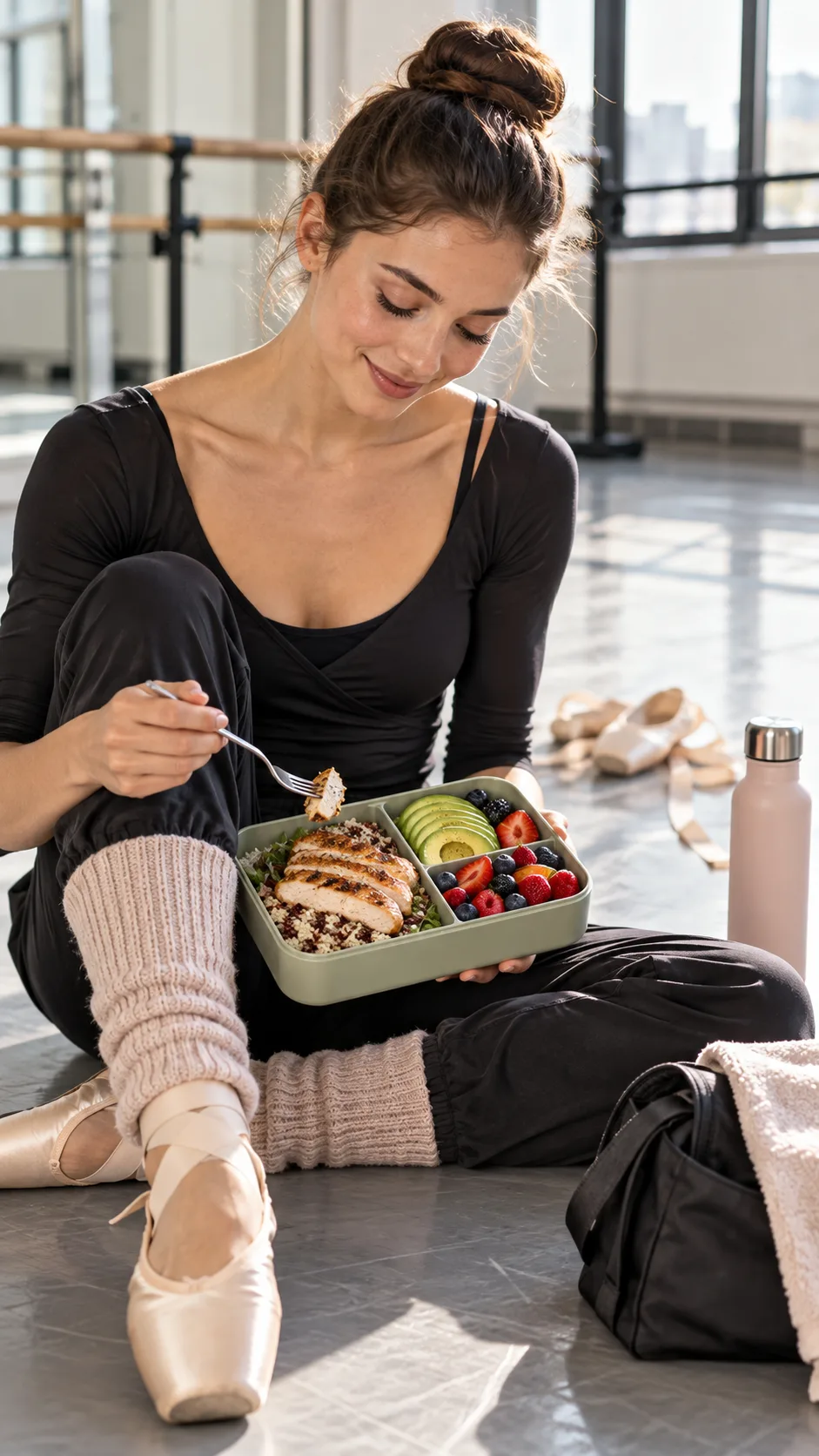
The death of the ‘black coffee and cigarettes’ myth
For decades, traditional ballet academies pushed dangerous, ultra-restrictive diets onto young dancers. Directors demanded razor-thin silhouettes, while teachers handed out measuring tapes alongside criticism. This mindset wrecked metabolisms, fractured bones, and cut promising careers short.
Thankfully, sports science finally penetrated rehearsal studio walls. Premier dance companies like the Royal Ballet and the New York City Ballet now hire dedicated sports dietitians and strength coaches. Modern dancers understand that starvation destroys power and leads straight to the operating room.
When you deprive your body of calories, your liver drains its glycogen stores, forcing your system to harvest energy directly from skeletal muscle. You lose the exact tissue that stabilizes your turnout, protects your ligaments, and generates your jumping height. Starving an athlete and expecting grace makes zero sense.
Research published by the International Association for Dance Medicine & Science (IADMS) outlines the risks of low energy availability. Chronic underfueling triggers Relative Energy Deficiency in Sport (RED-S), which degrades hormonal health, weakens bone mineral density, and elevates injury rates. Successful performers eat to survive intense physical training.
Macronutrient breakdown: fuel behind high-flying grands jetés
Dancers balance on a knife edge: they need lean, agile frames alongside explosive power. Achieving this balance requires deliberate macronutrient management. You cannot simply guess your intake when your schedule demands 600 to 800 calories of output during an afternoon rehearsal.
Carbohydrates: your main fuel source
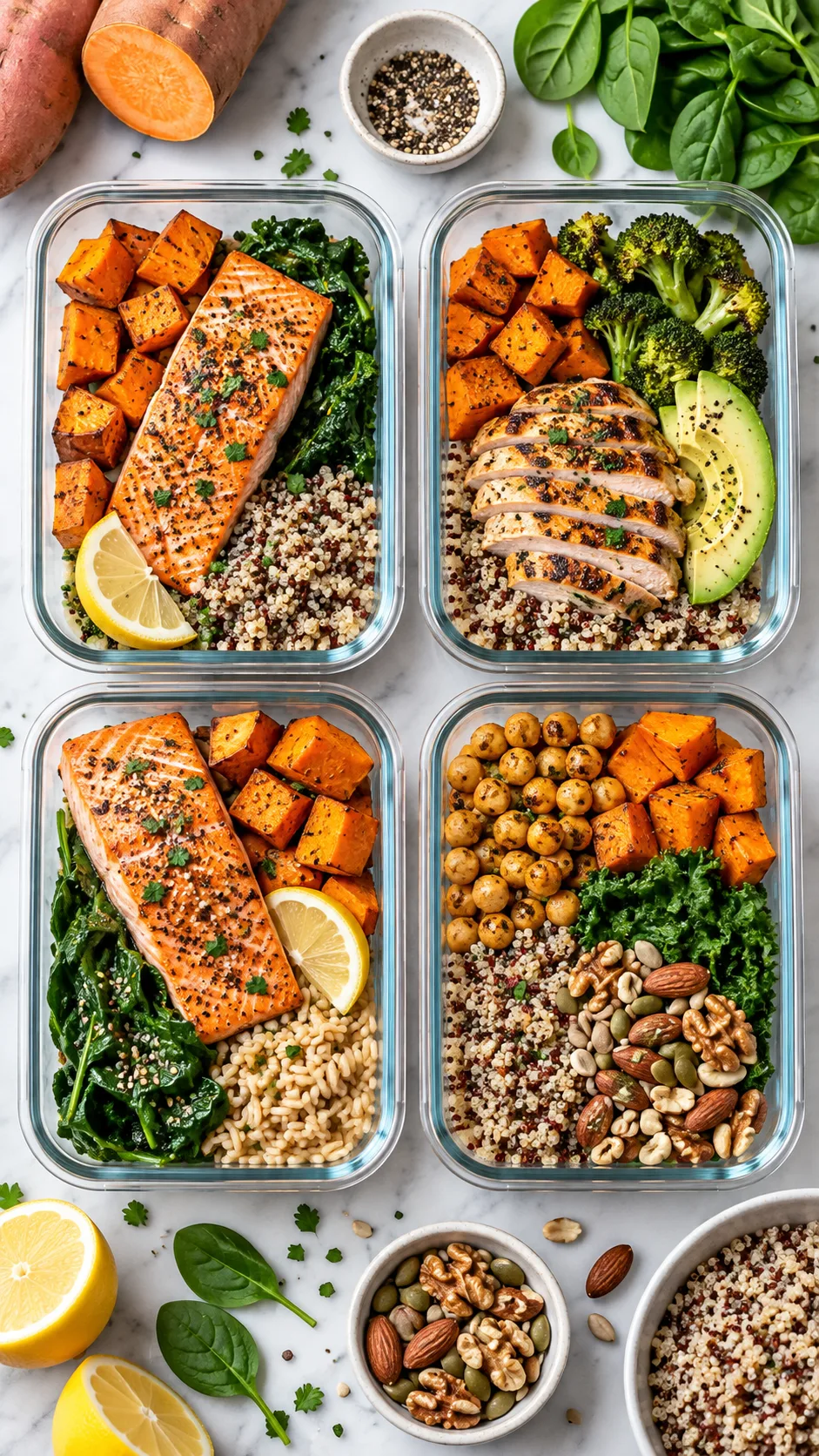
Carbohydrates supply the primary fuel for high-intensity, anaerobic bursts like grand allegro jumps, rapid pirouettes, and intense partnering sequences.
Your brain and central nervous system run on glucose. When you cut carbs, your reaction times slow down, your mental focus slips, and you miss choreography cues. Fatigue also ruins technical alignment, inviting rolled ankles and torn ACLs.
- Complex carbohydrates: Oats, brown rice, quinoa, farro, and sweet potatoes release glucose slowly into your bloodstream. Eat these two to three hours before class to sustain energy through long adagios.
- Simple carbohydrates: Bananas, dried figs, honey, and dates digest rapidly without upsetting your stomach. Grab these 15 minutes before center work or during quick backstage breaks.
Nutritional guidelines from the American College of Sports Medicine suggest that endurance and power athletes require between 3 to 5 grams of carbohydrates per kilogram of body weight daily. Cutting corners here drains your vertical jump.
Protein: repairing micro-tears and holding extensions
Every repetitive plié creates microscopic tears in muscle fibers. To repair that tissue and build durable, fatigue-resistant strength, you must supply a steady stream of amino acids throughout the day. Dancers do not build bulky muscles overnight. Muscle mass requires heavy progressive resistance loads and a substantial caloric surplus.
Instead, protein gives dancers tone, joint support, and fast recovery between double-rehearsal days. If you want to build long, clean muscle lines without chronic soreness, check out this guide on how to build muscle for women to understand how your body synthesizes lean tissue.
Aim for 1.4 to 1.8 grams of protein per kilogram of body weight daily. Prioritize these high-quality, bioavailable sources:
- Pasture-raised eggs: The gold standard for protein bioavailability, loaded with choline for brain function.
- Wild salmon and white fish: Provides lean protein alongside anti-inflammatory fats that ease achy joints.
- Greek yogurt or skyr: Delivers high concentrations of leucine, the primary trigger for muscle protein synthesis.
- Tofu, tempeh, and edamame: Excellent plant options packed with complete amino acid profiles.
- Lean poultry: Chicken and turkey breasts digest easily and fit smoothly into small meal containers.
Fats: hormone balance and joint cushioning
Never strip dietary fat from your plate. Fat supports cellular membranes, cushions hard-working joints, helps absorb fat-soluble vitamins (A, D, E, and K), and balances vital reproductive hormones like estrogen. Low estrogen levels leach calcium straight out of your bones, paving the way for metatarsal stress fractures.
Focus on anti-inflammatory mono- and polyunsaturated fats. Drizzle extra virgin olive oil over your lunch, toss half an avocado into your recovery shake, and snack on walnuts or pumpkin seeds. These fats reduce systemic inflammation caused by hard floor impacts.
Micronutrients: preventing stress fractures and muscle cramps
You can hit your target macros perfectly and still burn out if your micronutrient game lacks attention. Sweating under hot stage lights while executing athletic choreography drains minerals fast.

Keep these vital minerals on your radar every day:
- Calcium: Jumping places up to five times your body weight on your lower extremities upon landing. Combine leafy greens, dairy, or fortified plant milks to reach at least 1,000 to 1,300 mg of daily calcium.
- Vitamin D3: Calcium cannot enter your bones without sufficient Vitamin D. Spend time in natural sunlight or take a quality D3 supplement, especially during dark winter performance seasons.
- Iron and ferritin: Iron carries oxygen directly to your working muscles. Low ferritin drops your stamina, turning basic warm-ups into exhausting marathons. Combine plant iron (spinach, lentils) with vitamin C (citrus, peppers) to triple your absorption rate.
- Magnesium and potassium: If you experience a sudden calf cramp during pointe work, your electrolyte levels dropped. Snack on bananas, coconut water, pumpkin seeds, and dark chocolate to keep muscle contractions smooth and pain-free.
To see how professional ballerinas structure their plates for real performance rather than starvation, check out this day-in-the-life nutrition breakdown:
Sample daily ballerina fuel schedule
Dancers cannot eat large, heavy meals during the day because jumping with a full stomach triggers acid reflux and sluggishness. Instead, they thrive on smaller, nutrient-dense meals spaced evenly throughout the training schedule.
7:30 AM: pre-class breakfast
You need slow-burning energy to power through morning technique class. Skip the skimpy fruit cup and build a balanced plate.
- 1/2 cup of steel-cut oatmeal cooked in almond or dairy milk
- 1 tablespoon of almond butter (for steady fat release)
- A handful of fresh blueberries (packed with protective antioxidants)
- 2 soft-boiled or poached pasture-raised eggs
- 1 large glass of water with a pinch of Celtic sea salt and lemon juice
10:30 AM: mid-morning class recovery snack
Class just ended, and afternoon rehearsals start in 30 minutes. You need fast glycogen replenishment and light protein to prevent muscle breakdown.
- A small container of plain Greek yogurt topped with a teaspoon of honey
- Half an apple, sliced thin
1:30 PM: sustained afternoon lunch
Lunch must feel satisfying without weighing down your midsection. Heavy cream sauces or greasy takeout will ruin your pirouettes within twenty minutes.
- A grain bowl featuring 1/2 cup of cooked quinoa or brown rice
- 4 ounces of grilled chicken breast or marinated tempeh
- Steamed baby spinach, roasted sweet potato cubes, and sliced cucumbers
- 1 tablespoon of olive oil and lemon vinaigrette dressing
4:00 PM: rehearsal slump snack
Energy naturally dips in the late afternoon. Fight the urge to grab sugary energy drinks that cause an aggressive insulin spike and crash.
- 2 Medjool dates stuffed with walnuts
- A handful of raw baby carrots
- An iced matcha latte made with oat milk
7:30 PM: recovery, repair, and dinner
Now your workday has concluded. Your body needs generous protein, healthy complex carbs, and recovery nutrients to rebuild muscle tissue and reset your nervous system while you sleep.
- 5 ounces of wild salmon fillet (loaded with omega-3 fats for joint relief)
- 1 medium roasted sweet potato topped with a dash of grass-fed butter
- Generous serving of steamed broccoli or roasted asparagus spears
- A warm cup of chamomile or tart cherry juice (which naturally boosts melatonin for sleep)

Hydration beyond plain water
Do you drink gallons of plain water and still feel fatigued, lightheaded, or parched? You might be flushing away your electrolytes instead of hydrating your cells.
Sweating in rehearsal studios leaches sodium, potassium, and magnesium out through your skin pores. Plain tap water lacks the mineral concentration needed to drive fluid into intracellular spaces. When you dilute your sodium balance, muscle firing efficiency plummets.
Ditch commercial neon sports drinks loaded with artificial dyes and 35 grams of refined corn syrup. Instead, make your own cellular hydration mix: blend coconut water with a splash of tart cherry juice, a pinch of real sea salt, and a squeeze of fresh lime juice. Sip this steadily between choreography runs to keep your stamina sharp and cramps at bay.
What ballerinas eat on performance days
Performance days introduce a chaotic variable: stage nerves. Adrenaline diverts blood flow away from your stomach straight to your limbs, which shuts down digestion and makes you feel nauseated at the thought of food.
Yet you cannot tackle a two-hour classical ballet on an empty tank. If your blood sugar plunges during Act III, you risk balance slips and sudden falls.
On stage days, adjust your schedule directly:
- Shift solid foods earlier: Eat your last substantial solid meal at least 3.5 to 4 hours before the opening curtain. This gives your stomach ample time to empty completely.
- Rely on liquid nutrition: If nervous tension prevents chewing, drink a blended smoothie made of frozen berries, half a banana, whey or pea protein isolate, and coconut water two hours before call time.
- Backstage fast fuel: Keep simple, low-fiber snacks in your dressing room. Sliced bananas, applesauce packets, or fruit purees digest instantly without causing intestinal bloating inside tight costumes.
Cross-training nutrition: fueling beyond the barre
Ballet technique alone cannot build all the strength modern choreography demands. Dancers cross-train using pilates, kettlebells, and progressive resistance work to protect joints against overuse trauma.
If you incorporate gym sessions to safeguard your joints, check out this guide on how to strengthen knees that ache and crack. Deep pliés and sudden landings place high shearing forces on your patellar tendons, making targeted strength work essential for longevity.
Lifting weights demands additional fuel. You cannot burn calories at the squat rack and simultaneously cut your intake without triggering joint pain and exhaustion. Pair your lifting sessions with a focused protein and carbohydrate recovery snack within 45 minutes of finishing your workout. This kickstarts muscle tissue repair and prevents lingering soreness.
To establish a weekly routine that combines dance agility with functional strength, study this strength training guide for women. Lifting weights will not ruin your dance lines; it raises your performance ceiling and keeps you stable on stage.

Recognizing the warning signs of underfueling
Are you underfueling your training without realizing it? Many dancers slip into chronic caloric deficits by accident. They blame exhaustion on a brutal rehearsal schedule when their plate holds the real culprit.
Keep a close eye out for these warning signs:
- Brain fog: You repeatedly forget choreography sequences or miss musical counts you mastered weeks ago.
- Persistent joint and tendon pain: Achy Achilles tendons or lingering shin splints refuse to heal despite rest and ice. Chronic underfueling halts collagen synthesis.
- Disrupted sleep patterns: You feel exhausted all day, but you wake up at 3:00 AM sweating with a pounding heart. Low liver glycogen spikes cortisol, wrecking your natural sleep cycle.
- Irregular menstrual cycles: Missing your period is never normal for a dancer. It shows that your hormonal and skeletal systems face severe distress.
- Frequent illnesses: You catch every passing cold, sinus bug, or throat infection circulating through the dressing room.
If these symptoms sound familiar, consult a registered sports dietitian specializing in performing arts or review resources from organizations like the National Eating Disorders Association. Protecting your relationship with food protects both your body and your career.
The strong ballerina mindset: food as your armor
To thrive as a dancer, you must reframe your mental approach to food. Food is not a moral test, a guilty reward, or a necessary evil. Food is your functional armor.
Every nourishing meal you eat repairs microscopic tears in your muscles, deposits strengthening minerals into your bones, and keeps your reflexes sharp. You cannot leap with power, command a stage, or enjoy the physical thrill of movement when your engine runs on empty.
Treat your body with the respect an elite athlete deserves. Fill your kitchen with nutrient-dense whole foods, fuel your high-demand training sessions generously, and watch your strength, stamina, and artistic power climb.