

Your lower back is killing you. Again. You’ve tried stretching, you’ve tried sitting differently, you’ve even tried that weird foam roller technique your coworker swore by (and nothing stuck). Sound familiar?
Here’s the good news: you don’t need a chiropractor’s table or a fancy inversion device to get real relief. Decompressing your lower back at home is completely doable with a few targeted moves and about 15 minutes of your day.

Why your lower back feels compressed in the first place
Before jumping to the moves, it helps to understand what’s actually going on. Your spine stacks vertebrae on top of each other, separated by spongy discs that act like little shock absorbers. Gravity, sitting for hours, and poor posture all squish those discs down throughout the day.
The result is that familiar dull ache, tightness, or sharp pressure in your lower back. According to the National Institute of Neurological Disorders and Stroke, low back pain affects around 80% of adults at some point. You’re definitely not alone.
The goal of spinal decompression is straightforward: create space between those compressed vertebrae, relieve pressure on spinal nerves, and let those discs rehydrate. Your discs are mostly water, and they literally soak up fluid when you remove the pressure. Pretty remarkable, honestly.
Before you start: a few important notes
To be straight with you: these moves are gentle and work well for most people dealing with general lower back tightness or muscle tension. But if you have a herniated disc, sciatica, spinal stenosis, or any diagnosed condition, check with your doctor or physical therapist before starting.
Also, if any movement causes sharp pain, stop immediately. Mild discomfort is normal; sharp pain is your body telling you something is wrong. Respect that signal. Slow and controlled always beats fast and sloppy here.
The 7 best moves to decompress your lower back at home
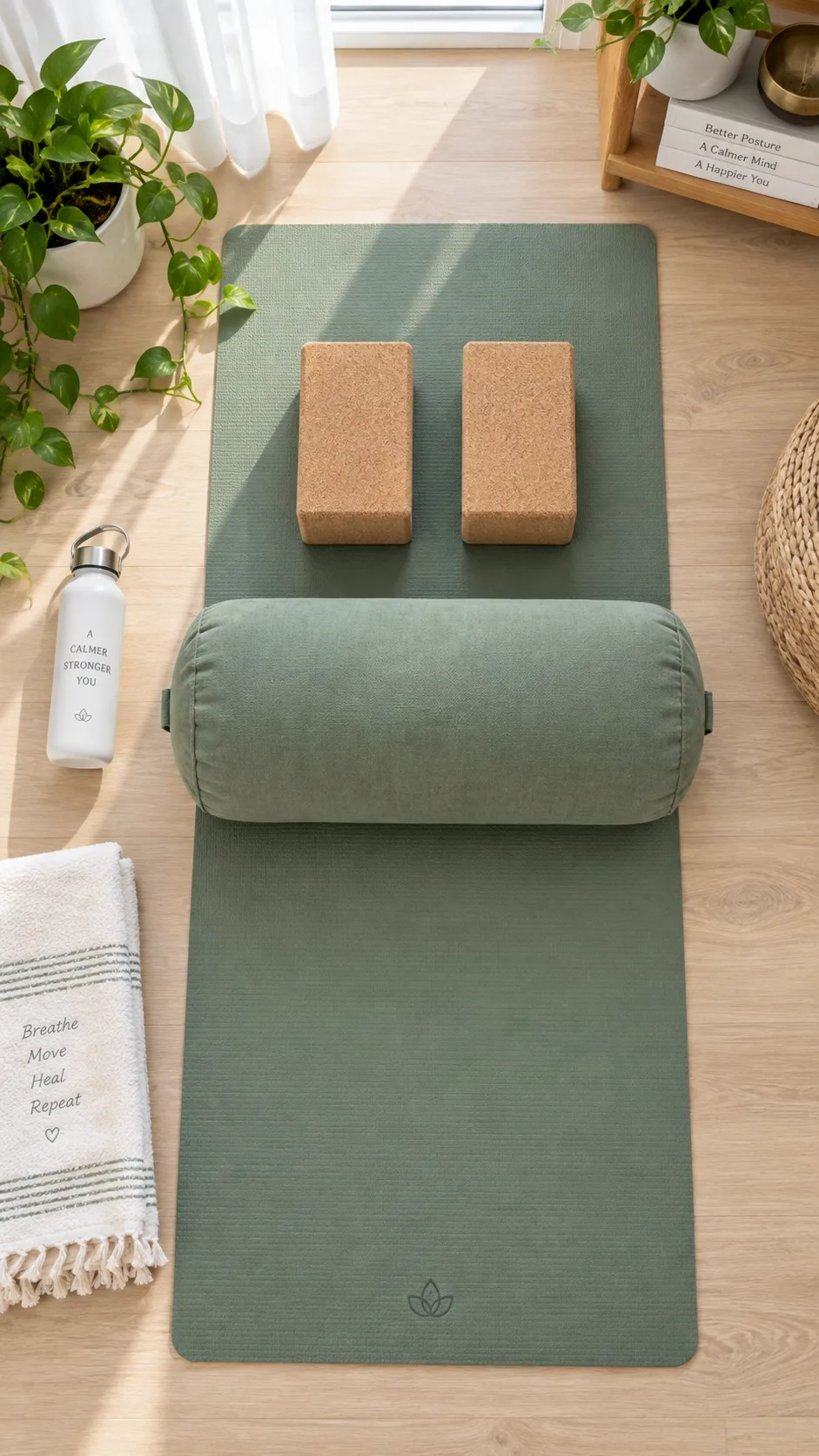
1. Child’s pose with a wide stance
This yoga classic earns its place for a reason. Child’s pose gently elongates the lumbar spine and releases tension in the lower back muscles with zero equipment needed. Start on all fours, then push your hips back toward your heels while reaching your arms forward.
- Hold for 60 to 90 seconds
- Widen your knees for a deeper lower back stretch
- Breathe deeply and exhale, sinking a little further each time
- Repeat 2 to 3 times
2. Supine knee-to-chest stretch
Lie on your back and pull both knees into your chest. This move directly decompresses the lumbar vertebrae by gently separating them from each other. It’s one of the simplest and most effective things you can do for an aching lower back.
- Hold for 30 to 60 seconds
- Rock gently side to side for a bonus massage effect
- Try the single-leg version first if pulling both legs feels too intense
3. Cat-cow stretch
Get on all fours and alternate between arching your back upward (cat) and dipping it downward (cow). This rhythmic movement pumps fluid into spinal discs and mobilises the entire lumbar region. It’s gentle, effective, and honestly just feels good.
Do 10 to 15 slow repetitions, syncing each movement with your breath. Inhale into cow, exhale into cat. Don’t rush it.
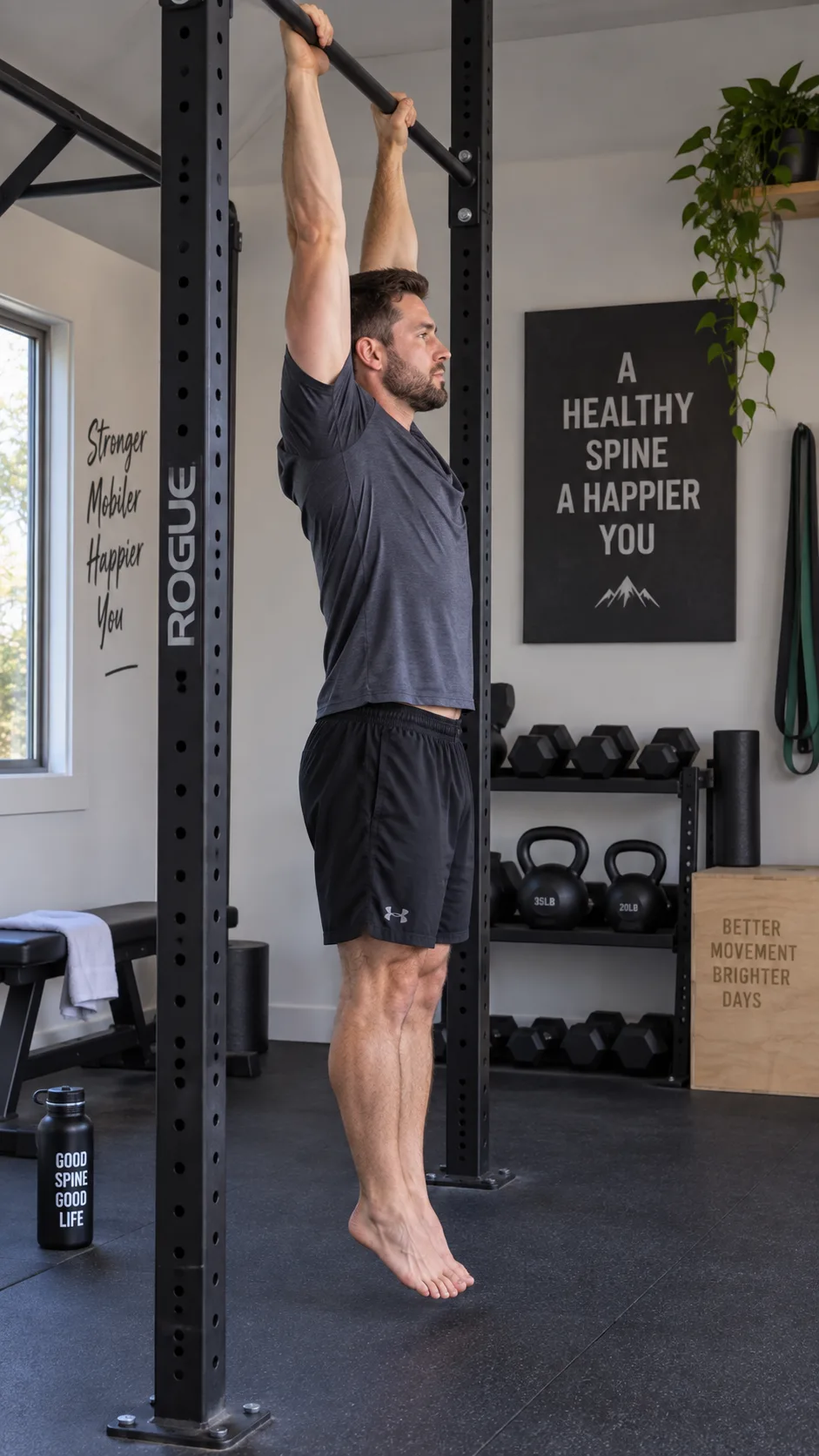
4. Hanging from a bar (passive spinal traction)
Got a pull-up bar or a sturdy door-frame bar? Use it. Hanging with your feet off the ground lets gravity do the decompression work for you. Your body weight gently pulls the vertebrae apart, which is exactly what traction therapy mimics in a clinical setting.
- Hang for 20 to 30 seconds at a time
- Bend your knees slightly to take strain off your shoulders
- Repeat 3 to 5 times
- Skip this one if you have shoulder issues
5. Seated forward fold
Sit on the floor with legs straight, then slowly hinge forward from the hips and reach toward your feet. This stretch decompresses the lumbar spine while also lengthening the hamstrings, which are a surprisingly common source of lower back tightness. Tight hamstrings pull on your pelvis and tilt it forward, loading the lower spine unevenly.
If reaching your feet feels impossible, loop a towel around them and hold the ends instead. Hold for 45 to 60 seconds and breathe through it.
6. Supported bridge pose
Lie on your back with knees bent and feet flat on the floor. Lift your hips and slide a yoga block or a thick folded blanket under your sacrum, the flat bone at the base of your spine. Let your lower back rest in this supported position for 1 to 2 minutes.
This creates a gentle passive extension that opens up the front of the lumbar spine and takes pressure off compressed facet joints. It’s one of the most underrated decompression moves out there, and it requires almost no effort on your part.
7. Pelvic tilt rocking
Lie on your back with knees bent. Gently flatten your lower back into the floor by tightening your abs, then release and let the small of your back arch slightly. This rhythmic motion mobilises the lumbar joints and wakes up the deep core muscles that support spinal health.
- Do 15 to 20 repetitions slowly
- Focus on the sensation of your lower back making and losing contact with the floor
- This also activates your transverse abdominis, your spine’s natural built-in corset
If your lower back pain connects to a forward-tilting pelvis, you’ll want to read about anterior pelvic tilt correction with these 8 exercises that can fix lower back pain in weeks. Pairing these two approaches gets you significantly further.
How often should you do these moves?
For general maintenance and relief, doing this routine once daily works well, especially in the morning or after long stretches of sitting. Your discs are most compressed right after you wake up, so morning is genuinely a good time to run through these.
If you’re dealing with acute tightness or a flare-up, you can repeat the gentler moves (child’s pose, knee-to-chest, cat-cow) up to twice a day. Just listen to your body and don’t push through real pain.
Lifestyle habits that help (or hurt) your lower back
The stretches work, but they work even better when you pair them with smarter daily habits. Here’s what to prioritise:
- Hydration: Your spinal discs are mostly water. Drink enough of it. The Mayo Clinic recommends around 8 glasses daily for most adults.
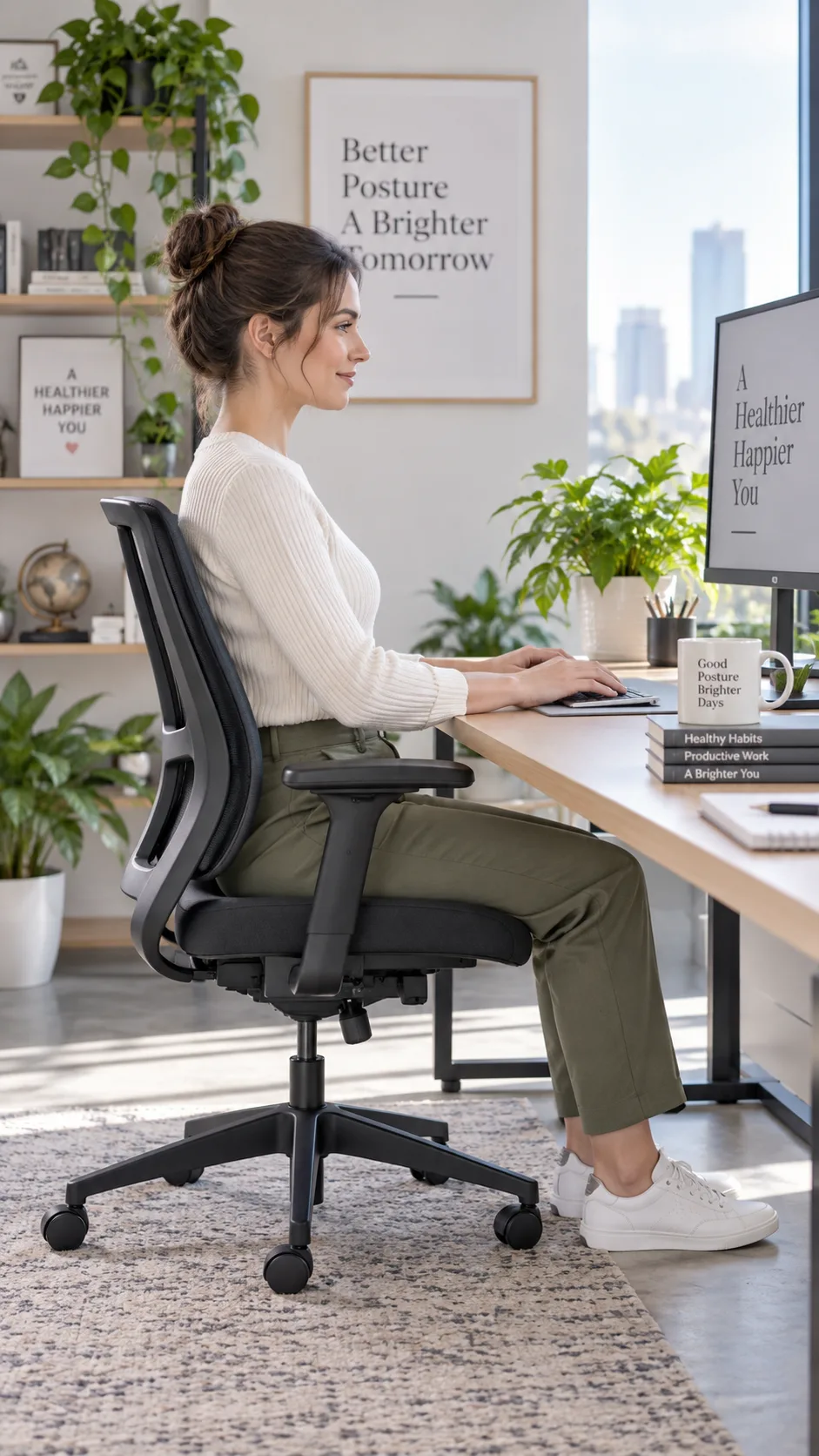
- Sitting posture: Slouching compresses lumbar discs constantly. Use lumbar support or sit with your hips slightly higher than your knees.
- Movement breaks: Stand up every 30 to 45 minutes. Your discs can’t absorb fluid when you sit still for hours at a stretch.
- Core strengthening: Weak core muscles force your lower back to overcompensate for them. Build that foundation deliberately.
- Sleep position: Sleeping on your side with a pillow between your knees keeps your spine in a neutral position overnight.
For a deeper look at how posture affects your lower back, Spine-Health has a thorough breakdown of posture and low back pain worth bookmarking.
And if you’ve been dealing with that classic “hips tilted forward” posture, pairing these decompression moves with the strategies in our guide on correcting anterior pelvic tilt will get you much further, much faster.
When to see a professional
These home moves work well for everyday lower back compression and tension. But some situations call for professional assessment, full stop. Don’t push through things on your own if you notice any of the following:
- Pain that shoots down one or both legs (possible sciatica)
- Numbness or tingling in your legs or feet
- Pain that gets worse with activity or doesn’t improve with rest
- Bladder or bowel changes alongside back pain (seek urgent care for this one)
The American Physical Therapy Association’s directory can help you find a qualified physical therapist near you if you need hands-on support.
Quick summary: your 7-move lower back decompression routine
- Child’s pose — elongates the lumbar spine, 60 to 90 seconds
- Knee-to-chest stretch — directly separates lumbar vertebrae, 30 to 60 seconds
- Cat-cow stretch — pumps fluid into discs, 10 to 15 reps
- Bar hanging — passive traction using bodyweight, 20 to 30 seconds
- Seated forward fold — decompresses spine and loosens hamstrings, 45 to 60 seconds
- Supported bridge pose — passive lumbar extension, 1 to 2 minutes
- Pelvic tilt rocking — mobilises lumbar joints and activates core, 15 to 20 reps
Final thought
Lower back compression isn’t some mysterious curse. It’s a mechanical problem with mechanical solutions. Fifteen minutes of intentional movement can genuinely change how your back feels, not just today but over time if you stay consistent.
Start with two or three of these moves, build the habit, and stick with it. Your future self, the one who can sit through an entire movie without shifting around every five minutes, will thank you. Now go take care of that back.