

You start a vegetarian diet with good intentions, then find yourself tearing through the snack cupboard at 3 p.m. as if it owes you money. Sound familiar?
A satisfying vegetarian meal plan needs more than salads, smoothies, and one brave can of chickpeas. You need enough protein, fibre, healthy fats, and proper portions to stay full, energised, and content through the week.
This seven-day vegetarian meal plan centres on filling food that works in real life. You will cook simple ingredients, eat meals with some substance, and leave sad desk salads behind.
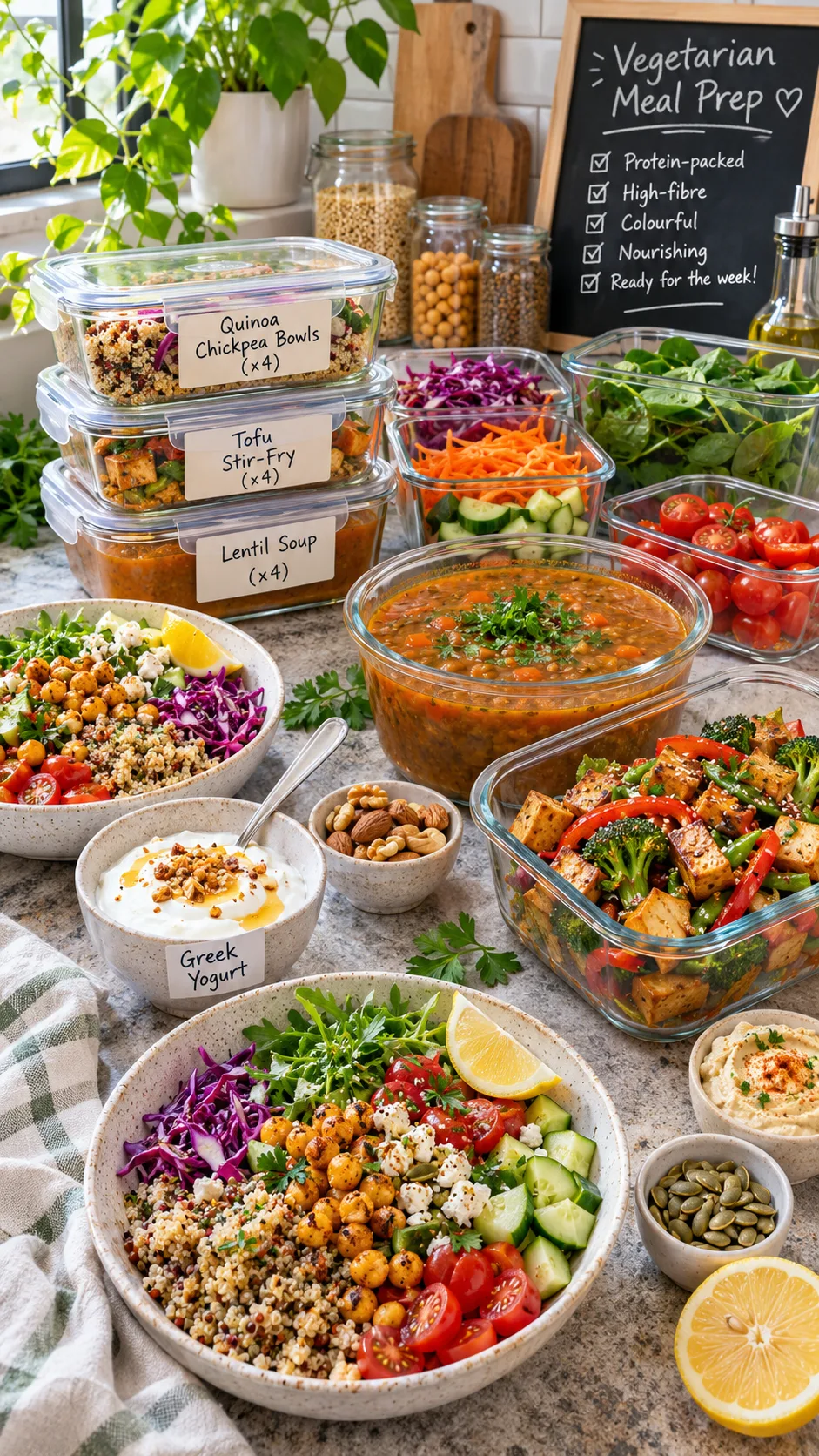
Why some vegetarian meal plans leave you hungry
Vegetarian eating can support your health, your budget, and your environmental goals. Still, plenty of people build meals around low-calorie vegetables and refined carbs, then wonder why hunger hits before the next meeting.
Avocado toast tastes great, but it rarely gets most people through an entire morning on its own. Pasta with tomato sauce can disappear just as quickly unless you add a solid protein source and vegetables.
Meal structure creates fullness. Giant salads do not. Your body tends to feel more satisfied when you combine protein, fibre, fat, and enough food.
The four fullness builders
- Protein: Greek yogurt, eggs, tofu, tempeh, lentils, beans, edamame, cottage cheese, seitan, and protein-rich milk help meals keep hunger at bay.
- Fibre: Vegetables, fruit, oats, beans, lentils, whole grains, chia seeds, and nuts support digestion and help you stay full longer.
- Healthy fats: Olive oil, avocado, tahini, nuts, seeds, and natural nut butter make food more satisfying.
- Volume: Soups, roasted vegetables, salads, berries, potatoes, and whole grains give your plate real substance.
The Harvard T.H. Chan School of Public Health notes that protein supports essential body functions and may help you manage appetite. You do not need to turn every meal into a protein-powder experiment, but include a clear protein source whenever you eat.
Think about how much longer a lentil bowl carries you than a plain bagel. Lentils offer more than quick carbs, and your afternoon self will notice the difference.
A simple formula for a filling vegetarian plate
You do not need to count every spinach leaf or bring a food scale to a restaurant. Try this flexible vegetarian meal formula instead.
- Fill about half your plate with colourful vegetables or fruit.
- Add a generous serving of vegetarian protein.
- Add a serving of high-fibre carbohydrates.
- Finish with healthy fat or a sauce you enjoy.
For example, make a bowl with brown rice, black beans, roasted peppers, corn, salsa, avocado, and pumpkin seeds. You get protein, fibre, fat, crunch, and enough flavour to head off the “I deserve takeaway” thought at 8 p.m.
Your portion needs depend on your height, activity level, goals, medications, and appetite. Very active people may want extra rice, oats, bread, or snacks. Someone working toward fat loss may prefer more vegetables and a somewhat smaller grain portion.
If you follow a vegetarian diet for weight loss, avoid severe calorie cuts. This 7-day vegetarian meal plan offers a more structured option, but adjust portions until your hunger and energy feel manageable.
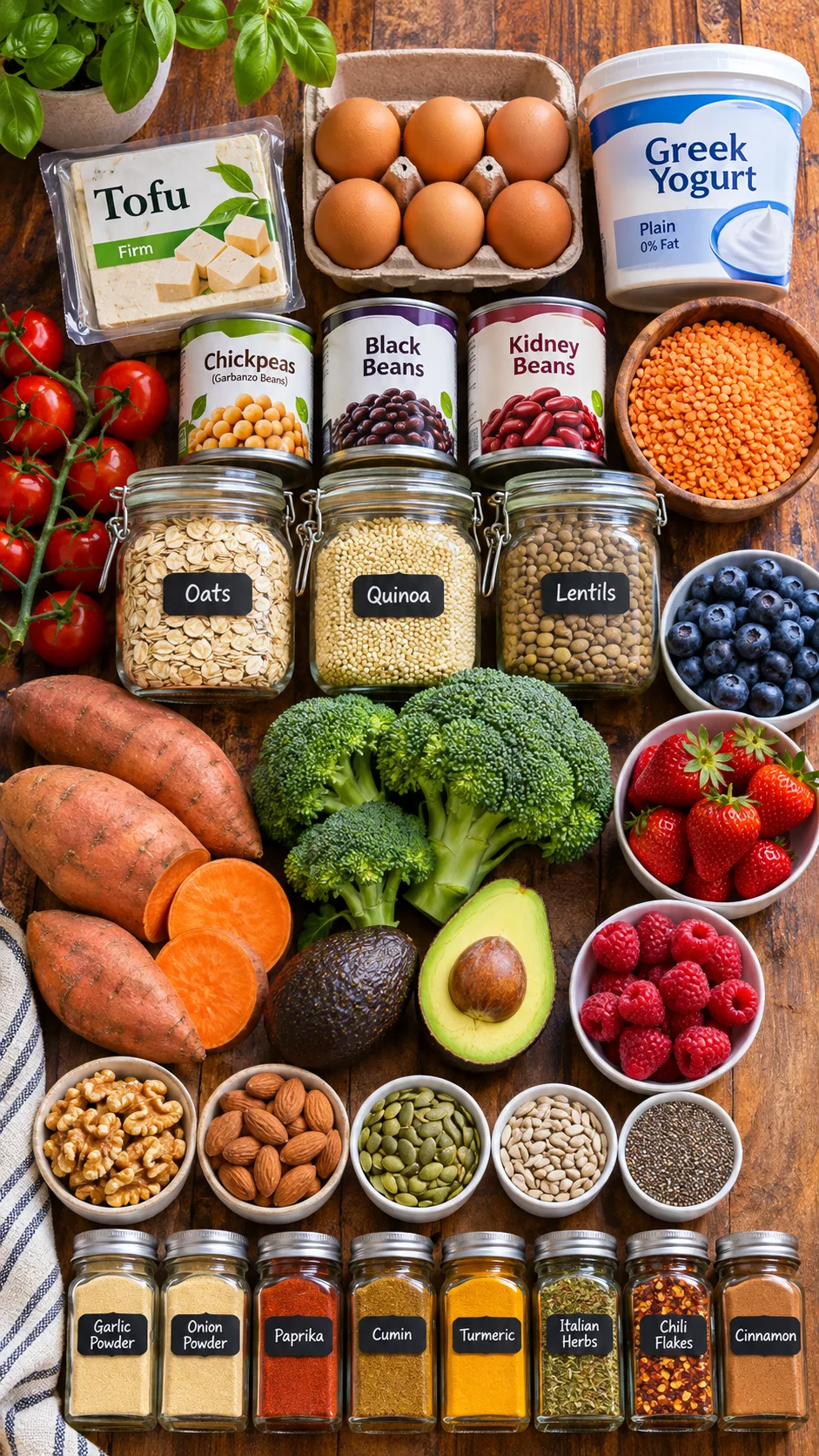
Smart vegetarian grocery list for the week
Meal planning gets easier when your kitchen makes the healthier choice convenient. Buy ingredients you can mix into different meals instead of collecting seven unrelated recipes and their one-use ingredients. That tiny jar of obscure spice can wait.
Protein staples
- Eggs
- Plain Greek yogurt or soy yogurt
- Cottage cheese
- Extra-firm tofu
- Tempeh
- Tinned chickpeas, black beans, kidney beans, and lentils
- Dry red lentils
- Frozen edamame
- Halloumi or feta, if you eat dairy
- Unsweetened soy milk or high-protein dairy milk
Fibre and carbohydrate staples
- Rolled oats
- Wholegrain bread or wraps
- Brown rice, quinoa, bulgur, or farro
- Sweet potatoes and regular potatoes
- Wholewheat pasta
- Bananas, apples, berries, and oranges
- Leafy greens, broccoli, peppers, carrots, onions, mushrooms, and tomatoes
Fats, sauces, and flavour boosters
- Olive oil
- Peanut butter or almond butter
- Walnuts, almonds, pumpkin seeds, and chia seeds
- Avocados
- Tahini
- Salsa, pesto, hummus, soy sauce, curry paste, and hot sauce
- Garlic, cumin, smoked paprika, Italian herbs, and chilli flakes
Choose low-sodium canned beans when you can, or rinse regular canned beans under water. A quick rinse cuts some of the excess sodium and gives you more control over seasoning.
How to prep without spending Sunday chained to the kitchen
Meal prep should make life easier, not turn your weekend into a low-budget cooking competition. Set aside 60 to 90 minutes and stick to flexible building blocks.
Cook one grain, roast two trays of vegetables, prepare one protein, and make one sauce. You can then put together different meals without facing the same beige bowl five days in a row.
Your easy weekend prep checklist
- Cook 2 cups of dry brown rice, quinoa, or a mix of both.
- Roast chopped sweet potatoes, broccoli, peppers, onions, and carrots with olive oil and seasoning.
- Press and bake two blocks of tofu, or pan-cook tempeh with soy sauce and garlic.
- Make a pot of lentil soup or bean chilli.
- Wash fruit and portion nuts, yogurt, or hummus for fast snacks.
- Mix a simple tahini-lemon sauce for bowls, wraps, and roasted vegetables.
Store cooked food in sealed containers and refrigerate it promptly. The FoodSafety.gov food storage guidance offers practical safety advice. Trust your senses, too. If something smells suspicious, do not negotiate with it.
Your 7-day vegetarian diet meal plan
This vegetarian diet meal plan maps out a practical week of breakfasts, lunches, dinners, and snacks. Each day brings protein, fibre, and satisfying fats, so food does not become your full-time job.
Adjust serving sizes for your hunger, activity, and goals. Add vegetables, fruit, beans, grains, or protein when your body needs more fuel.
Day 1: Start with protein and fibre
Breakfast: Make overnight oats with rolled oats, Greek yogurt or soy yogurt, chia seeds, berries, milk, and peanut butter. Chia and yogurt turn ordinary oats into a breakfast that holds up.
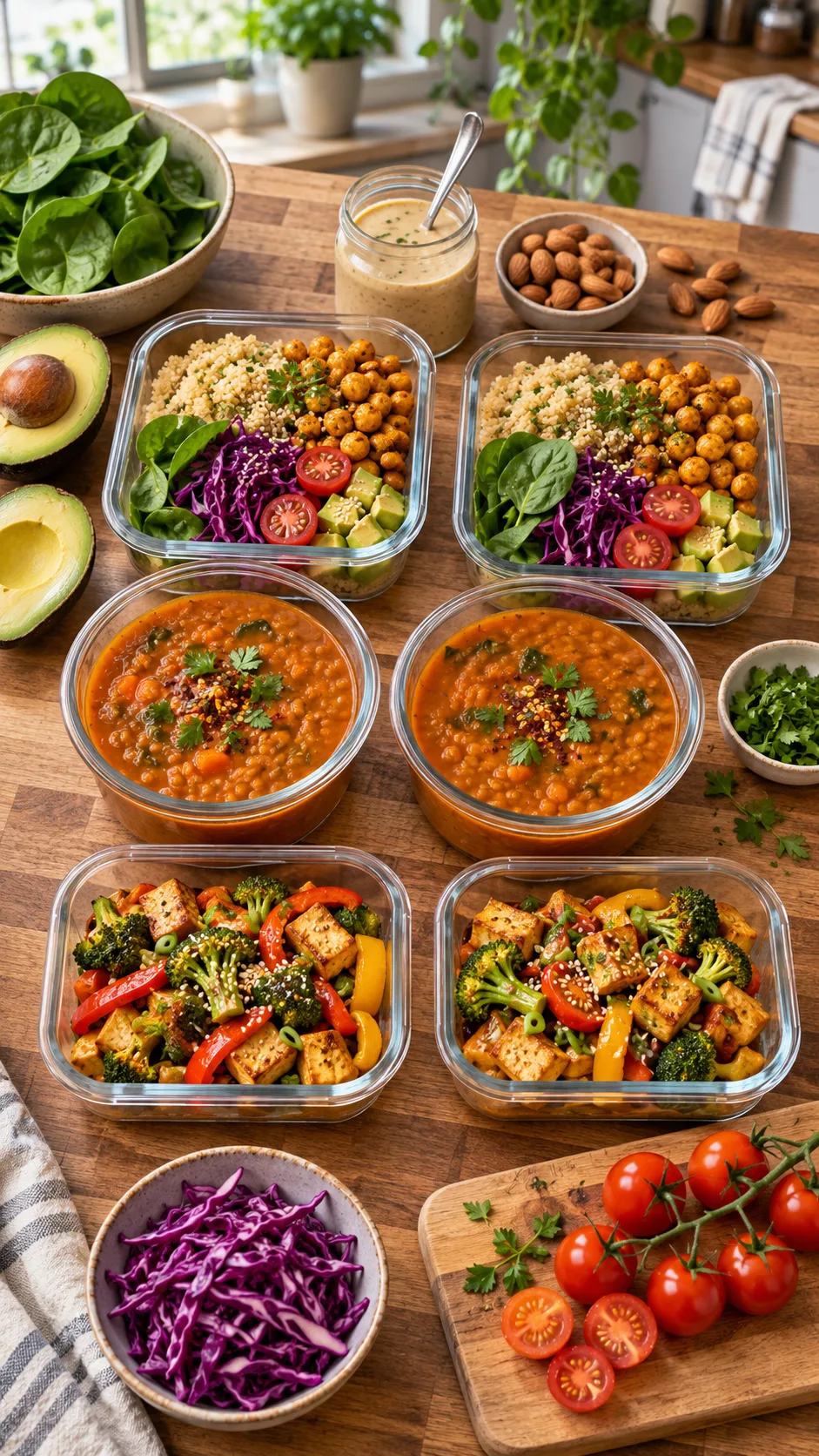
Lunch: Build a quinoa chickpea bowl with roasted vegetables, spinach, cucumber, avocado, and lemon-tahini dressing. Add pumpkin seeds for crunch and extra staying power.
Dinner: Cook red lentil bolognese with onions, garlic, tomatoes, carrots, Italian herbs, and red lentils. Serve it over wholewheat pasta with a side salad.
Snack: Eat an apple with peanut butter, or enjoy cottage cheese with berries and cinnamon.
Day 2: Keep lunch from getting boring
Breakfast: Scramble eggs with spinach, mushrooms, tomatoes, and feta. Serve them with wholegrain toast and a piece of fruit.
Lunch: Fill a wholegrain wrap with hummus, baked tofu, grated carrot, peppers, cucumber, greens, and a little hot sauce. Pair it with fruit or roasted chickpeas.
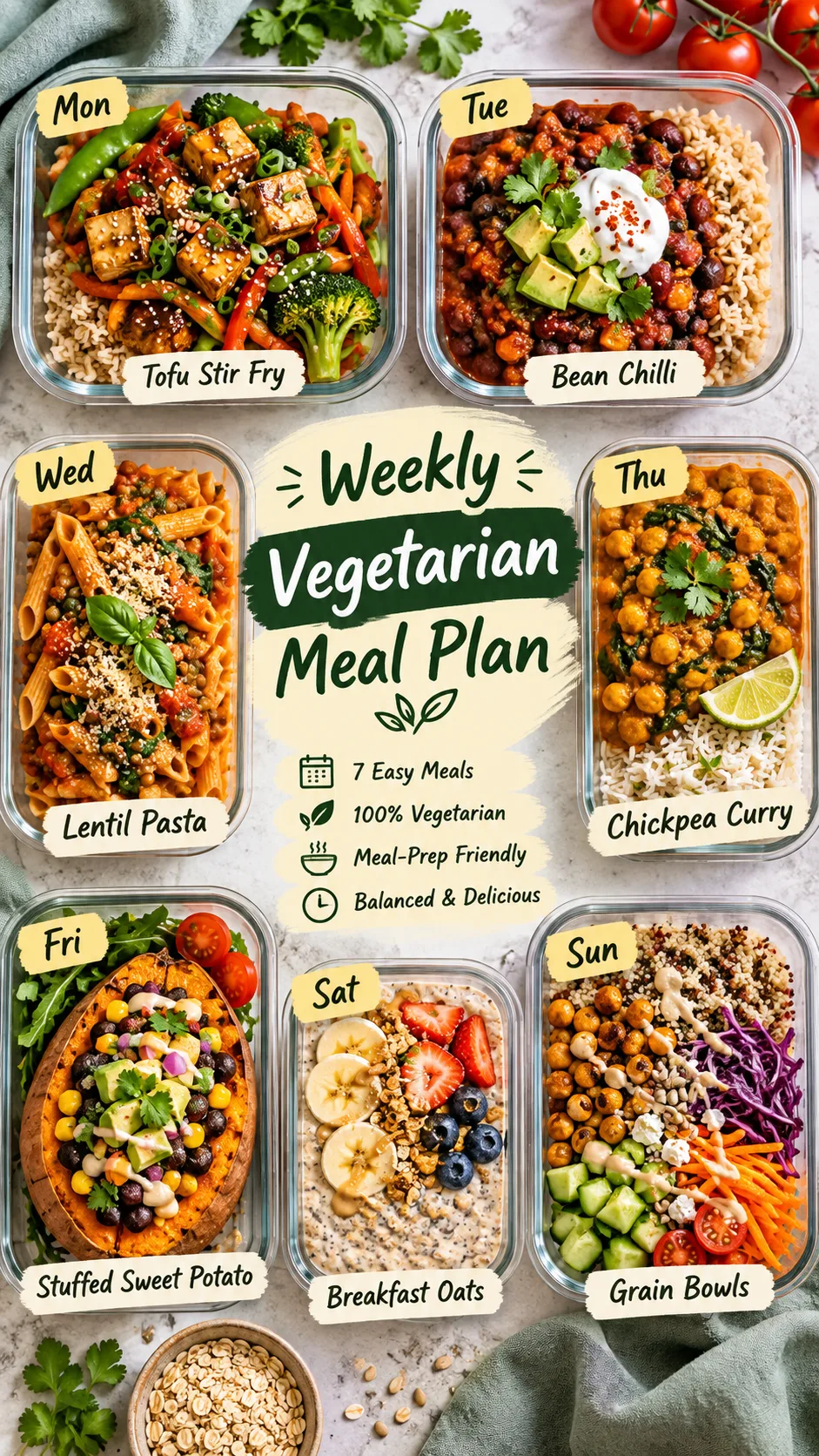
Dinner: Make tofu and vegetable stir-fry with broccoli, peppers, edamame, mushrooms, ginger, garlic, and brown rice. Mix soy sauce, lime, sesame oil, and a little maple syrup for the sauce.
Snack: Have Greek yogurt with walnuts, or choose edamame with flaky salt and chilli.
Day 3: Build around beans
Breakfast: Blend a smoothie with milk, Greek yogurt or soy yogurt, frozen berries, banana, spinach, oats, and peanut butter. Add protein powder if you struggle to meet your protein target, but do not treat it like magic dust.
Lunch: Reheat lentil soup and serve it with wholegrain toast, butter or olive oil, and crunchy vegetables with hummus.
Dinner: Bake sweet potatoes and stuff them with black beans, corn, salsa, avocado, Greek yogurt, lime, and coriander. This meal tastes like comfort food because it is comfort food.
Snack: Eat a pear with cheese, or grab a handful of trail mix with nuts, seeds, and dried fruit.
Day 4: Put breakfast-for-dinner energy to work
Breakfast: Top wholegrain toast with cottage cheese, sliced tomato, black pepper, and pumpkin seeds. Add fruit on the side.
Lunch: Toss leftover tofu, brown rice, roasted vegetables, and tahini sauce into a grain bowl. Add greens and a squeeze of lemon before you eat.
Dinner: Make a vegetable frittata with eggs, potatoes, spinach, peppers, onions, and cheese. Serve it with a large salad dressed in olive oil and vinegar.
Snack: Dip carrots and peppers in hummus, then add a few wholegrain crackers if hunger sticks around.
Day 5: Finish the workweek without a snack attack
Breakfast: Cook oatmeal with milk, then stir in peanut butter, chia seeds, banana slices, and cinnamon. Add Greek yogurt on top for more protein.
Lunch: Make a Mediterranean chickpea salad with chickpeas, quinoa, cucumber, tomatoes, olives, feta, parsley, olive oil, and lemon.
Dinner: Cook a three-bean vegetarian chilli with black beans, kidney beans, pinto beans, tomatoes, peppers, onions, corn, and spices. Serve it with brown rice, avocado, and yogurt.
Snack: Choose a banana with almond butter or a yogurt bowl with berries and seeds.
Day 6: Give the weekend a generous meal
Breakfast: Make protein pancakes with oats, eggs, cottage cheese or Greek yogurt, banana, and cinnamon. Top them with berries and a spoonful of yogurt.
Lunch: Build a big salad with mixed greens, roasted sweet potatoes, lentils, goat cheese or tofu, apple slices, walnuts, and balsamic dressing.
Dinner: Make creamy coconut chickpea curry with chickpeas, spinach, tomatoes, onion, garlic, ginger, curry powder, and light coconut milk. Serve it with basmati rice or naan and extra vegetables.
Snack: Enjoy air-popped popcorn with nutritional yeast, or have dark chocolate with almonds. A vegetarian meal plan can include food you enjoy. Imagine that.
Day 7: Reset for the week ahead
Breakfast: Make a breakfast burrito with eggs or tofu scramble, black beans, avocado, salsa, spinach, and cheese in a wholegrain wrap.
Lunch: Use leftovers for a fridge-cleanout bowl with grains, beans, roasted vegetables, greens, and any sauce that needs a purpose.
Dinner: Bake wholewheat pasta with tomato sauce, spinach, mushrooms, lentils or white beans, ricotta, and mozzarella. Serve it with a side salad.
Snack: Eat fruit with yogurt, cottage cheese, nuts, or nut butter. Keep it simple. Sunday already has enough opinions.
How much protein do vegetarians need?
Protein needs depend on body size, age, activity, and training goals. Many generally healthy adults do well with at least the recommended dietary allowance of 0.8 grams of protein per kilogram of body weight. Active people often benefit from more.
The National Institutes of Health Office of Dietary Supplements explains how protein helps build and repair body tissue. If you lift weights, play sport, or want to protect muscle while losing weight, spread protein through your meals rather than packing it all into dinner.
A useful target for many vegetarian eaters falls around 20 to 35 grams of protein per main meal. You can reach that range with tofu and edamame, eggs and cottage cheese, lentils and Greek yogurt, or beans and quinoa.
High-protein vegetarian meal ideas
- Greek yogurt, berries, oats, chia seeds, and nut butter
- Egg and black bean breakfast burrito
- Tofu stir-fry with edamame and rice
- Lentil pasta with white beans and parmesan
- Tempeh grain bowl with tahini sauce
- Chickpea curry with yogurt and quinoa
If you want a week with more protein, use this 7-day high-protein meal plan for ideas. Swap meat-based meals for tofu, tempeh, eggs, lentils, seitan, or dairy according to your preferences.
Nutrients vegetarians should not ignore
A well-planned vegetarian diet can offer excellent nutrition, but you still need to watch a few nutrients. “Vegetarian” tells people what you avoid. It does not tell them much about the quality of your diet.
Vitamin B12
Vitamin B12 needs special attention, especially if you eat vegan or mostly plant-based. Plant foods do not reliably supply enough active B12, so vegans usually need fortified foods or a supplement.
The NHS guidance on vitamin B12 explains that low B12 can affect energy, nerves, and red blood cells. Ask a qualified clinician for personal advice if you follow a restrictive diet, feel tired for a long time, or know that you have absorption issues.
Iron, calcium, omega-3s, and iodine
Get plant-based iron from lentils, beans, tofu, pumpkin seeds, fortified cereals, leafy greens, and dried fruit. Pair iron-rich foods with vitamin C sources such as peppers, citrus, berries, or tomatoes because vitamin C helps your body absorb plant iron.
Choose dairy or fortified plant milk for calcium, and eat tofu made with calcium sulfate, sesame seeds, tahini, and leafy greens. Add chia seeds, flaxseeds, walnuts, and algae-based supplements for omega-3 fats if you do not eat fish.
Use iodised salt in ordinary cooking amounts, or talk with a healthcare professional about iodine if you avoid dairy, eggs, seafood, and iodised salt. Nutrition gets less glamorous here, but your body still needs those boring details.
Common mistakes that make a vegetarian diet harder
Small habits can turn an easy vegetarian meal plan into a hunger marathon. Avoid these common traps, and the plan will feel much easier to follow.
- Eating vegetables without protein: Vegetables add volume, but they cannot carry every meal alone.
- Skipping fats: A dry salad with fat-free dressing often feels more like punishment than lunch.
- Relying on refined carbs: White toast, sugary cereal, crackers, and pastries give quick energy but do little to keep you full.
- Underestimating snacks: Plan satisfying snacks before hunger turns every vending machine into a personality test.
- Eating the same meal every day: Rotate sauces, textures, cuisines, and proteins so boredom does not take over.
- Ignoring calories entirely: Nuts, cheese, oils, and nut butter help with fullness, but portions still matter when fat loss matters.
Want a clean, flexible framework for busy days? This clean eating meal plan can help you pair whole foods with practical routines without expecting you to cook a gourmet meal every night.
Make this vegetarian diet meal plan fit your goals
For fat loss, keep protein high, eat plenty of vegetables, and measure calorie-dense foods such as oils, cheese, nuts, and avocado. You do not need to cut those foods out. Just stop free-pouring tahini like you own a sesame farm.
For muscle gain or high activity, add another serving of grains, potatoes, fruit, dairy, tofu, beans, or a protein smoothie. Eat enough to recover from training, especially after longer workouts.
During busy weeks, repeat breakfasts and lunches. Variety helps, but consistency often matters more when your calendar starts throwing punches.
Final thoughts: Full, vegetarian, and ready to eat
A filling vegetarian diet meal plan does not demand perfection, expensive powders, or a fridge packed with mysterious ingredients. Build every meal around protein, fibre, healthy fats, and satisfying carbohydrates, then prep enough food to make weekdays easier.
Start with two or three meals from this plan, find combinations you genuinely enjoy, and repeat them. The best vegetarian meal plan does not need to impress strangers online. It keeps you full, nourished, and sane through the week.
Grab your beans, roast those vegetables, and make your next lunch something you want to eat. Your 3 p.m. self will thank you 🙂