

It’s 2:47pm. You ate lunch two hours ago. Your stomach is growling like it hasn’t seen food since the Obama administration. Sound familiar?
I’ve been there: sad desk salad at noon, raiding the office snack drawer by mid-afternoon, then wondering why I felt like garbage by 5pm. The fix wasn’t willpower. It was protein. Real, measurable, satisfying protein packed into lunches I’d prepped ahead of time.
Below you’ll find the exact high protein lunch meal prep ideas I rotate through, the numbers behind why they work, and the storage tricks that stop your food from turning into a science experiment by Thursday.
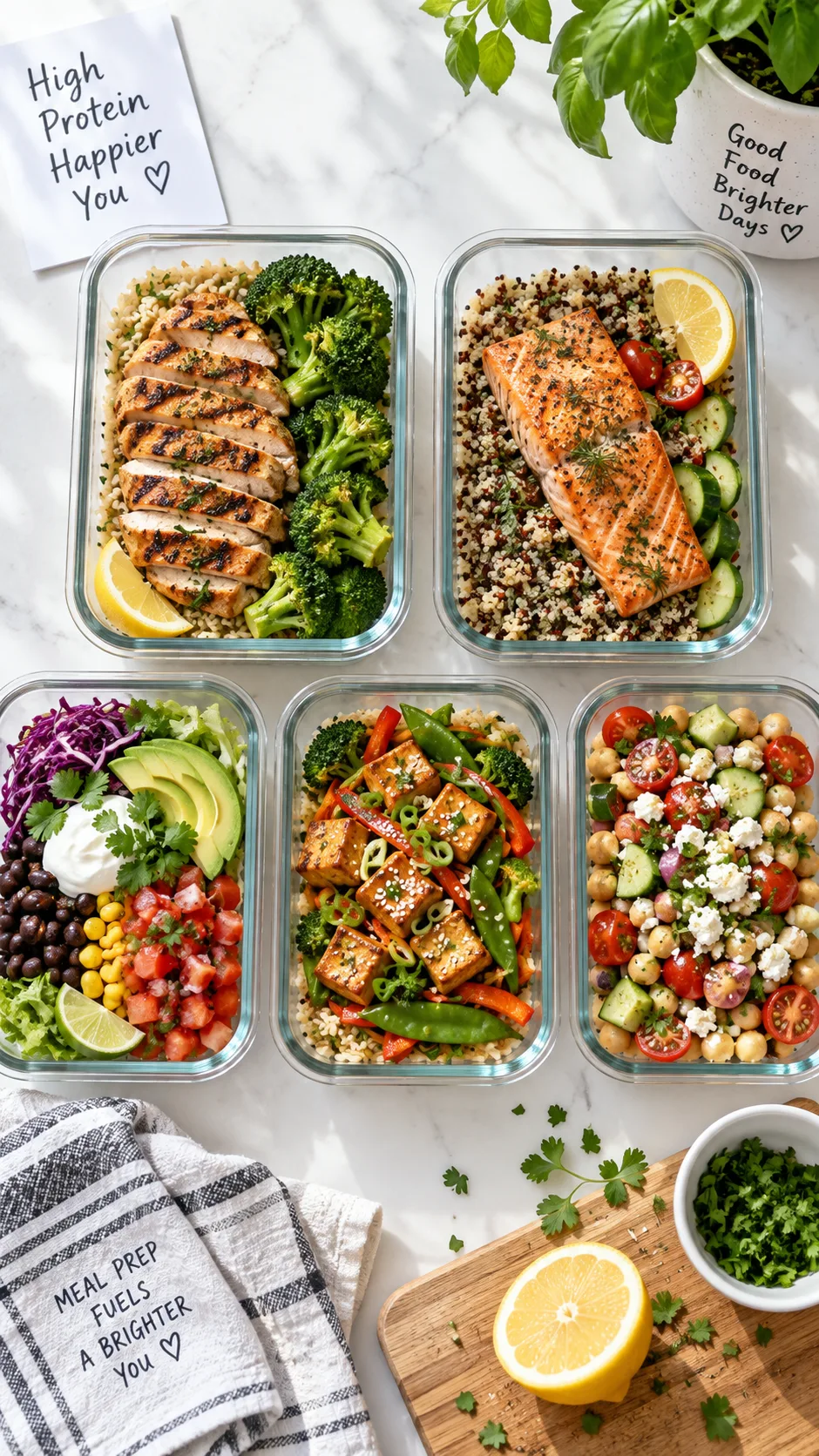
Why protein keeps you full (the science, minus the boring bits)
Protein wins the fullness game for three reasons, and none of them involve magic.
First, protein triggers the release of satiety hormones: GLP-1, PYY, and cholecystokinin. These are your body’s “hey, we’re good here” signals. Carbs and fat trigger them too, but protein does it harder and for longer.
Second, protein has the highest thermic effect of food (TEF). Your body burns roughly 20-30% of protein calories just digesting it, compared to 5-10% for carbs and 0-3% for fat. You spend energy processing it.
Third, protein slows gastric emptying. Food hangs out in your stomach longer. Translation: you’re not staring at the vending machine at 3pm like it owes you money.
How much protein do you need at lunch?
Here’s where most people undershoot badly. Research on muscle protein synthesis and satiety points to a sweet spot of 25-40 grams of protein per meal for most adults.
- Sedentary adults: 0.8g per kg bodyweight daily (the bare minimum, honestly)
- Active adults: 1.2-1.6g per kg bodyweight daily
- Strength training / fat loss: 1.6-2.2g per kg bodyweight daily
The American College of Sports Medicine and the International Society of Sports Nutrition both back the higher end for anyone training regularly. So if you weigh 70kg and lift weights, you’re looking at 112-154g of protein daily. Spread that across meals and lunch has to pull serious weight.
Ever wondered why your “healthy” lunch of a green salad with a sprinkle of feta leaves you ravenous? That’s about 6 grams of protein. Six. You’d need to eat five of them to hit a real lunch target.
The meal prep framework I use every Sunday
Before recipes, you need a system. Random cooking creates random results and a fridge full of mystery containers.
I build every lunch on a four-part template. It takes the thinking out of it, which matters when you’re tired and it’s 7pm on a Sunday.
- Protein anchor (30-45g): chicken thighs, ground beef, salmon, eggs, Greek yogurt, tofu, lentils, cottage cheese
- Smart carb (30-50g): rice, quinoa, sweet potato, farro, beans, whole grain wraps
- Volume vegetables (2+ cups): roasted broccoli, peppers, zucchini, cabbage slaw, spinach
- Flavor weapon: a sauce, dressing, pickled thing, or spice blend that makes it worth eating
Skip step four and you’ll abandon meal prep by Wednesday. I promise. Boring food is the number one reason meal prep fails, not a lack of discipline.

10 high protein lunch meal prep ideas that hold up all week
These are the ones I’ve made over and over, not Pinterest fantasies that take three hours and 47 ingredients.
1. Chipotle-style chicken burrito bowls (46g protein)
The gold standard of meal prep. Season chicken thighs with cumin, smoked paprika, garlic powder, and chipotle, then roast at 425°F for 25 minutes. Build with cilantro-lime rice, black beans, corn, and pico.
Pro tip: keep the avocado separate and add it fresh. Nobody wants brown guacamole on day four. Store the salsa in a small side container so your rice doesn’t go soggy.
2. Greek chicken and orzo bowls (42g protein)
Lemon-oregano chicken breast, orzo, cucumber, cherry tomatoes, red onion, and a fat spoonful of tzatziki. The acidity keeps everything tasting bright even on Thursday.
Add feta and olives for saltiness. Bonus: this one tastes great cold, so you can skip the microwave.
3. Beef and broccoli rice bowls (44g protein)
Flank steak or lean ground beef, sautéed broccoli, jasmine rice, and a soy-ginger-garlic sauce. Total cook time: 25 minutes.
The secret is undercooking the broccoli slightly. It finishes cooking when you reheat, so it doesn’t turn into sad green mush.
4. Cottage cheese egg bites plus side salad (34g protein)
Blend 8 eggs with a cup of cottage cheese, pour into a muffin tin with bacon or spinach, bake at 350°F for 22 minutes. Three bites plus a big salad with chicken makes a solid lunch.
FYI, cottage cheese has quietly become the protein MVP: 28 grams per cup, and it makes eggs impossibly creamy.
5. Tuna and white bean mason jar salads (38g protein)
Layer dressing at the bottom, then white beans, then tuna, then veggies, then greens on top. Shake when you’re ready to eat. Nothing goes soggy and nothing needs babysitting.
This is the fastest prep on the list, genuinely 10 minutes for five jars with zero cooking.
6. Salmon, quinoa, and roasted veg bowls (40g protein)
Salmon reheats better than people think if you do it low and slow. You can also eat it cold, and flaked over quinoa it’s fantastic. You get omega-3s alongside complete protein.
The American Heart Association recommends two servings of fatty fish weekly. Two salmon meal preps and you’re done for the week.
7. Turkey meatball sub bowls (41g protein)
Ground turkey meatballs with marinara, roasted peppers, and orzo or whole grain pasta. Top with mozzarella right before reheating so it melts fresh.
Mix the ground turkey with grated onion instead of breadcrumbs. It keeps the meatballs moist and takes dryness off the table.
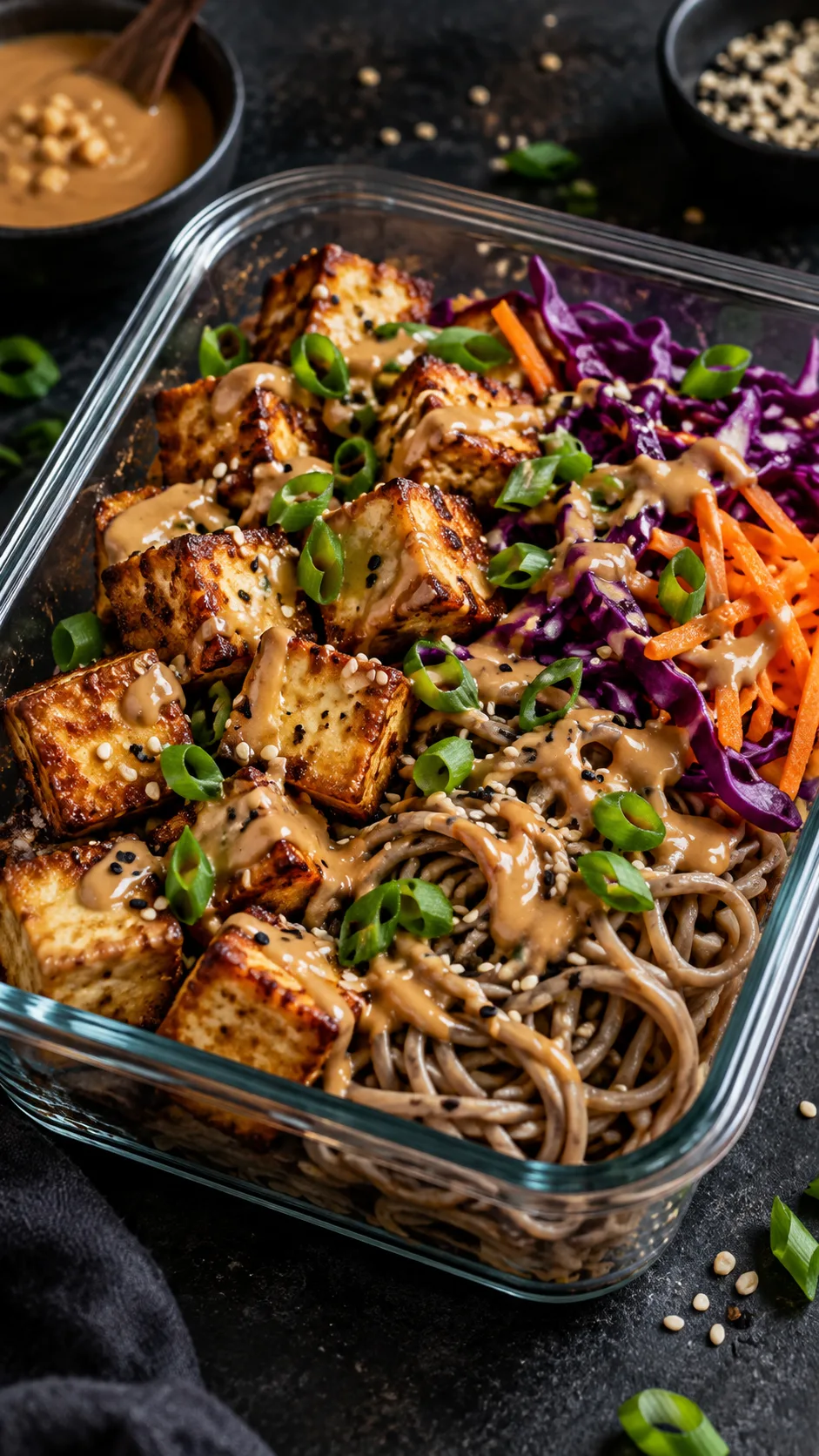
8. Crispy tofu and peanut noodle bowls (32g protein)
Press extra-firm tofu, toss in cornstarch, air fry at 400°F for 15 minutes. Serve with soba noodles, shredded cabbage, carrots, and peanut sauce.
Plant-based folks, this one’s for you. Add edamame to push it past 40 grams.
9. Chicken shawarma wraps (43g protein)
Marinate chicken thighs in yogurt, lemon, cumin, coriander, turmeric, and garlic overnight. Roast, slice, and stuff into whole wheat wraps with pickled onions and garlic sauce.
Wrap assembly trick: store the filling separately and assemble each morning. It takes 90 seconds and saves you from the dreaded soggy wrap.
10. Lentil and sausage soup (28g protein per bowl)
Chicken sausage, brown lentils, carrots, celery, tomatoes, spinach. One pot, freezes beautifully, and tastes better on day three than day one.
Lentils bring 18 grams of protein per cooked cup plus 15 grams of fiber. That fiber and protein combo is the real fullness cheat code.
Watch this before your next prep session
If you learn better by watching, this walkthrough covers the assembly-line method that cuts prep time nearly in half.
The protein cheat sheet: what to buy and what it delivers
Bookmark this section. It answers “how do I hit 40 grams?” faster than any app.
Animal proteins (per 100g cooked)
- Chicken breast: 31g protein, 165 calories
- Chicken thigh: 26g protein, 209 calories (worth it for flavor, IMO)
- Lean ground beef (93/7): 26g protein, 182 calories
- Salmon: 25g protein, 208 calories
- Canned tuna in water: 26g protein, 116 calories
- Shrimp: 24g protein, 99 calories
- Greek yogurt (nonfat): 10g per 100g
- Cottage cheese (2%): 11g per 100g
- Eggs: 6g each
Plant proteins (per cooked cup)
- Lentils: 18g protein, 15g fiber
- Black beans: 15g protein, 15g fiber
- Chickpeas: 15g protein, 12g fiber
- Edamame: 18g protein
- Extra-firm tofu: 22g per cup cubed
- Tempeh: 34g per cup
- Quinoa: 8g protein (complete amino acid profile)
Cooking with different regional ingredients? This breakdown of 36 high protein foods in Nigeria covers options you won’t find on standard Western lists: beans, fish, and local staples that punch way above their weight.
Food safety: the part nobody talks about (but should)
Meal prep only works if your food stays safe. I once ate day-seven chicken. Do not recommend. Zero stars.
The rules I follow religiously
- Cool food fast. Get cooked food into the fridge within 2 hours. Spread it on a sheet pan first to speed up cooling.
- Use the 3-4 day rule. The USDA FoodSafety.gov guidelines cap cooked meat and poultry at 3-4 days refrigerated.
- Freeze days 4-7. Prep five meals, refrigerate two, freeze three. Move them to the fridge the night before.
- Reheat to 165°F (74°C). Not “warm.” Properly hot. A $12 instant-read thermometer solves this forever.
- Keep your fridge at 40°F (4°C) or below. Most home fridges run warmer than people assume.
Rice deserves a special warning. Cooked rice can harbor Bacillus cereus spores that survive cooking and multiply at room temperature. Cool it quickly, refrigerate it promptly, and don’t leave it sitting on the counter for three hours while you watch Netflix.
Container strategy (yes, it matters more than you think)
The wrong container ruins good food. Here’s what works after years of trial and error.
- Glass with locking lids: doesn’t stain, doesn’t hold odors, goes straight in the microwave and oven. My pick.
- Compartment containers: essential for anything with sauce or crunchy elements
- 2oz sauce cups: the single best $10 you’ll spend on meal prep
- Wide-mouth mason jars: perfect for layered salads and soups
- Silicone freezer bags: for portioned raw proteins and flat-freezing soups
Here’s my unpopular opinion: plastic containers are a false economy. They warp, they stain orange from tomato sauce, and they hold onto a permanent garlic funk. Glass costs more once. Plastic costs less repeatedly.
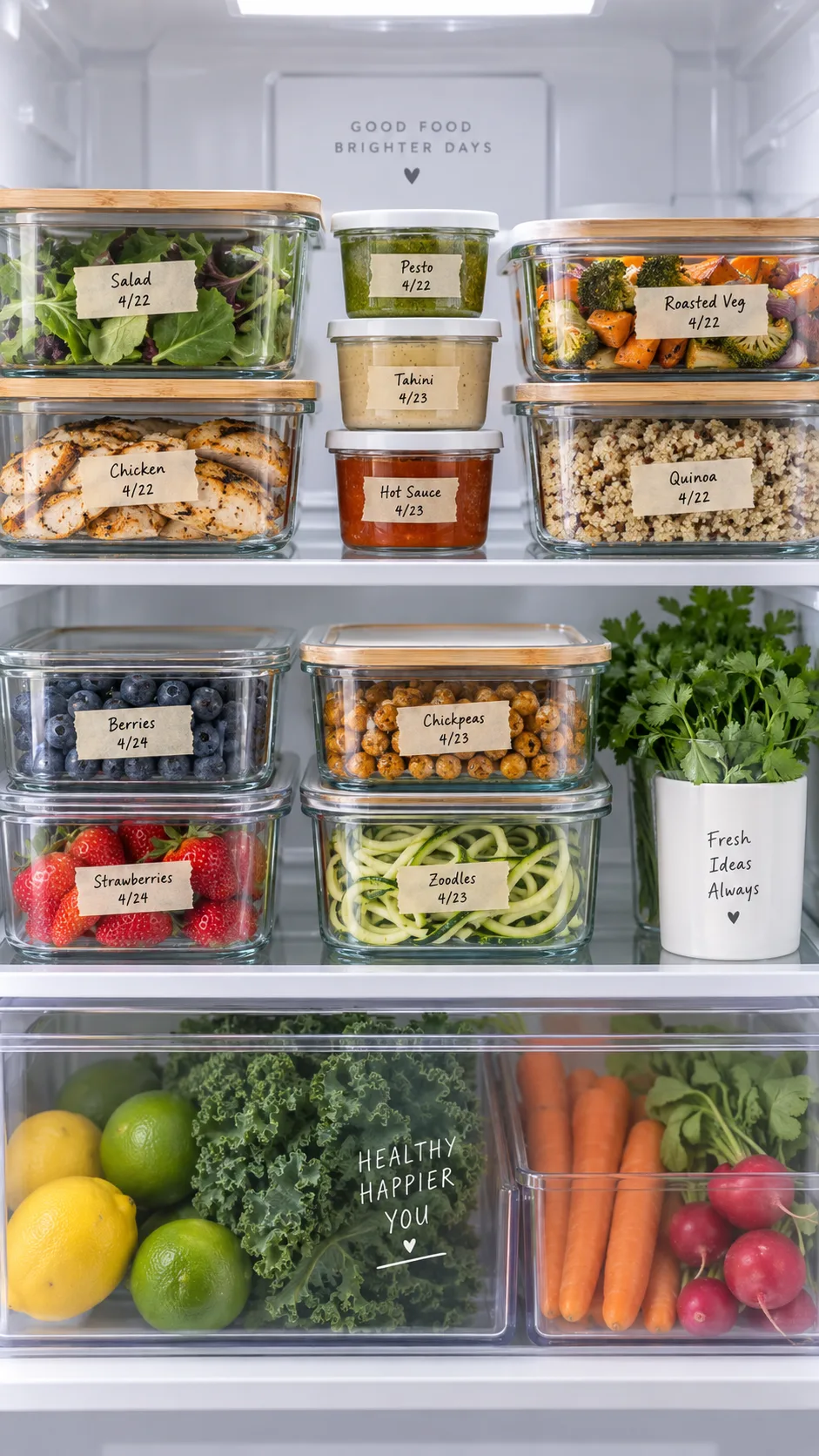
How to prep 5 lunches in under 90 minutes
Efficiency isn’t about cooking faster. It’s about cooking in parallel.
The timeline
- 0:00: Preheat the oven to 425°F. Start rice or quinoa in a rice cooker or pot.
- 0:05: Season proteins. Sheet pan one: chicken. Sheet pan two: vegetables.
- 0:10: Both pans into the oven. Set a timer.
- 0:15: Make sauces and dressings while things cook. This is dead time you should never waste.
- 0:30: Pull the vegetables. Chop fresh items: cucumber, tomatoes, herbs.
- 0:40: Pull the chicken. Rest it 10 minutes before slicing. This step is non-negotiable for juicy meat.
- 0:55: Spread everything on the counter and assemble in one line.
- 1:15: Label with masking tape and a marker. Date everything.
- 1:25: Wash up. Done.
Two sheet pans and one pot. That’s the whole operation. If you want more variety across the week without more work, look at these high protein meal prep recipes that take overlapping base ingredients in different flavor directions.
The mistakes that sabotage most people
Making five identical meals
Flavor fatigue is real. By Wednesday you’d rather eat cardboard. Prep two proteins and two sauces, then mix and match. Same effort, four times the variety.
Under-seasoning because it’s “healthy”
Salt is not the enemy of a home-cooked meal. Season aggressively. Cold food tastes blander than hot food, so your meal prep needs more seasoning than a fresh-cooked dinner, not less.
Forgetting fiber
Protein alone isn’t the whole picture. Fiber slows digestion and feeds your gut bacteria. Aim for 8-10 grams of fiber per lunch from beans, vegetables, and whole grains. Protein plus fiber is the combination that kills the 3pm crash.
Skipping breakfast prep
If you’re starving by noon, lunch has an impossible job. A protein-forward morning meal changes that, and these high protein breakfast meal prep ideas pair well with the lunches above.
Prepping for seven days on day one
Food quality drops hard after day four. Do a Sunday and Wednesday split, or freeze the back half of the week. Your Thursday self will thank you.
Budget reality check
High protein doesn’t mean expensive. Here’s where the value lives:
- Chicken thighs: cheaper than breast, more flavor, nearly impossible to overcook
- Eggs: still one of the cheapest complete proteins on earth
- Canned tuna and sardines: shelf-stable, zero prep, loaded with protein
- Dried lentils and beans: pennies per serving
- Frozen vegetables: same nutrition as fresh, a third of the price, no spoilage
- Whole chickens: roast one, get 4-6 meals plus stock from the carcass
I switched from breast to thighs three years ago and never looked back. Cheaper AND better? Sign me up.
Putting it all together
You don’t need a new diet. You need lunches that hold you until dinner without a mid-afternoon snack raid.
The formula is simple:
- Hit 30-40g of protein per lunch. Measure it until you can eyeball it.
- Add 8-10g of fiber from vegetables, beans, and whole grains.
- Never skip the sauce. Flavor is what keeps you consistent.
- Respect food safety: 3-4 days in the fridge, freeze the rest.
- Prep two proteins, not five identical meals. Variety beats monotony.
Start with one recipe this week. Just one. Make the burrito bowls, eat them for three days, and notice how different 3pm feels when your lunch did its job.
Want more variety once you’ve got the basics down? These healthy lunch meal prep ideas expand the rotation without adding complexity.
Your future self is sitting at a desk at 3pm right now, either focused or fantasizing about vending machine chips. You decide which one on Sunday afternoon. Go cook.