

You stand in the breakroom. Four people stand ahead of you in line for a crusty microwave that smells like burned popcorn and reheated fish. Your lunch break lasts thirty minutes, and you just spent twelve of them watching the digital timer tick down on someone else’s frozen burrito. That routine drains your patience.
Microwaves ruin good food. Reheating turns chicken rubbery, stinks up the entire floor, and turns crisp greens into warm mush. You deserve a better midday meal.
Cold meal prep solves these headaches immediately. You open your bag, uncap your container, and dig right in. You skip the line, skip the weird textures, and avoid awkward small talk by the sink. When you pack lunches meant to stay cold, you get crisp vegetables, clean flavors, and stress-free mornings. This weekly system keeps your food fresh, your mornings simple, and your lunch hour entirely your own.
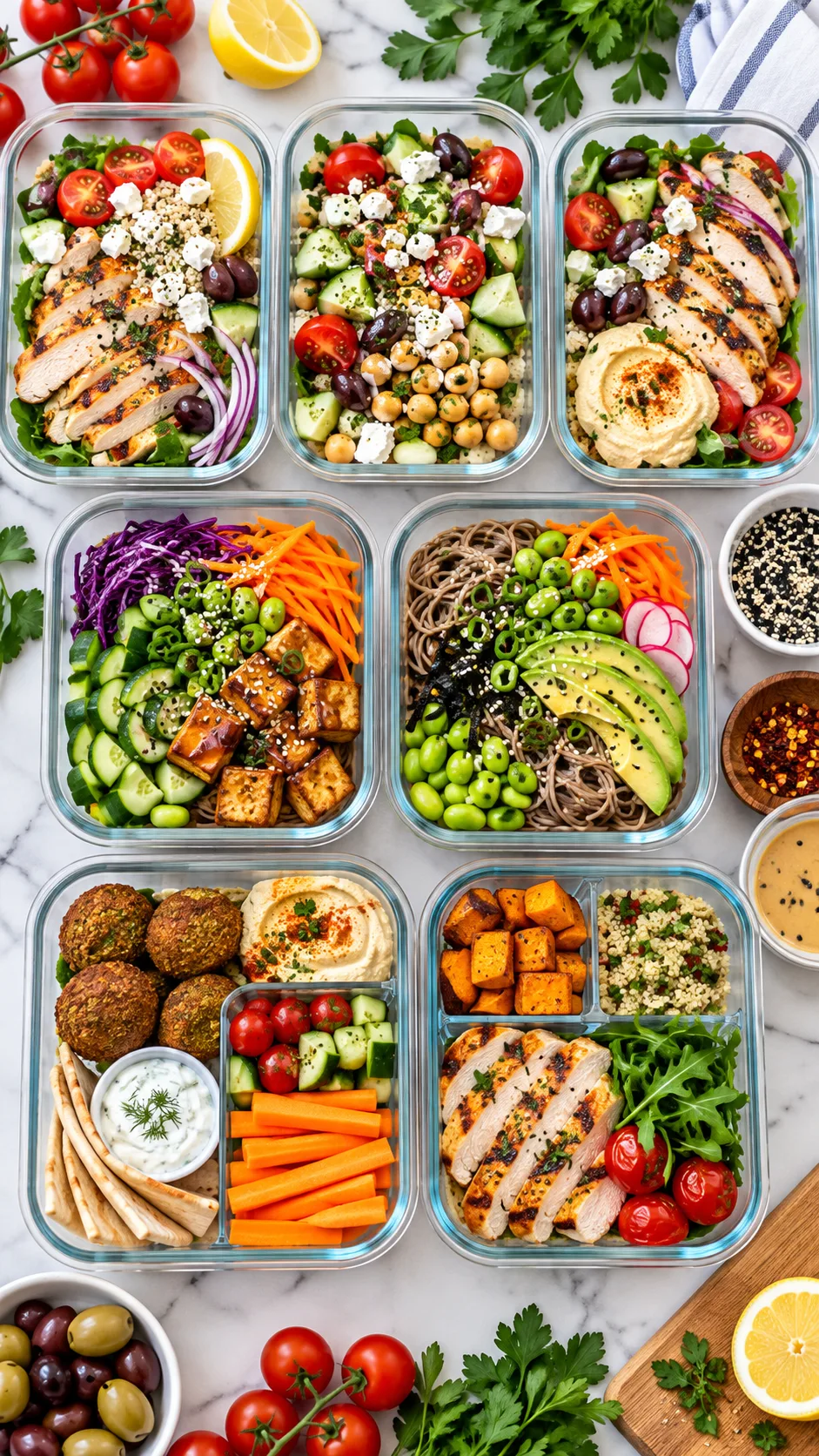
The science of packing cold: how to defeat soggy food
Why do so many cold lunches turn into mushy disasters by Wednesday? Most people pack their ingredients backward. They mix warm food together, douse it in vinegar, snap on a lid, and wonder why their cucumbers taste like wet sponges two days later.
Moisture control dictates your success. When you seal warm food inside a tight container, condensation builds up fast. That trapped steam wilts tender vegetables and invites rapid spoilage. Always cool your cooked grains and roasted meats before you pack them into containers. If you toss hot grilled chicken directly onto cold greens, the heat wilts the leaves into brown slime within a day.
Container architecture solves this issue. Follow this simple rule: pack heavy, wet ingredients at the bottom, and keep delicate ingredients at the very top. As we explain in our guide on Meal Prep for the Week Made Simple, proper layering preserves crunch.
- The dressing base: Pour your vinaigrette into the bottom of a mason jar, or store it in a tiny silicone cup.
- The sturdy barrier: Drop firm vegetables like diced carrots, radishes, chickpeas, or cucumbers straight into the dressing layer. These vegetables hold their bite and absorb good flavor without softening.
- The grain and protein center: Pile your cold quinoa, farro, lentils, or shredded chicken right over the chopped vegetables.
- The dry canopy: Finish with salad greens, pita chips, roasted pumpkin seeds, or tender herbs at the very top. These delicate ingredients stay dry until you shake the container before eating.
Treat your lunch container like an architectural build. Give every ingredient its own spot, and your food will taste just as crisp on Friday as it did on Sunday.
7 cold lunch recipes that taste great straight from the fridge
Ditch dry turkey sandwiches and boring iceberg lettuce. These seven recipes rely on bright citrus, healthy fats, crunchy produce, and hearty grains that taste better chilled.
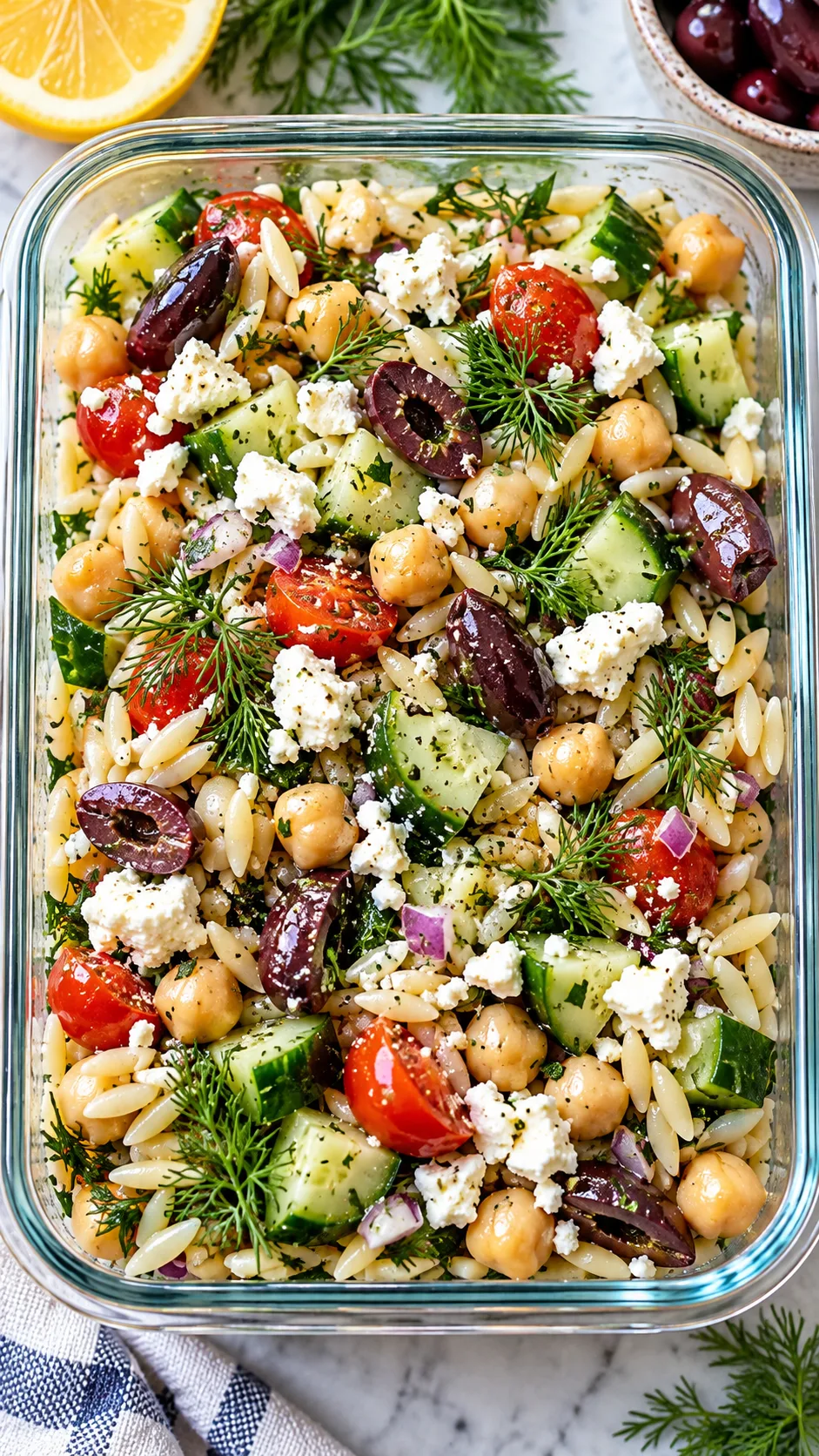
1. Mediterranean chickpea and orzo salad with lemon-herb dressing
This pasta salad brings bold flavor and never gets soggy in the fridge. Cold orzo absorbs vinaigrette without turning mushy, while chickpeas deliver plant protein that keeps its bite all week.
- Base: 1.5 cups cooked orzo pasta, cooled completely.
- Crunch and protein: 1 can rinsed chickpeas, 1 cup diced Persian cucumbers, 1 cup halved cherry tomatoes, and 1/2 cup pitted Kalamata olives.
- Flavor accents: 1/2 cup crumbled sheep’s milk feta cheese, 1/4 cup chopped flat-leaf parsley, and 2 tablespoons chopped fresh dill.
- Dressing: Whisk 1/4 cup extra virgin olive oil, juice from 1 large lemon, 1 minced garlic clove, 1 teaspoon dried oregano, salt, and black pepper.
Toss the cold orzo, chickpeas, cucumbers, and tomatoes with most of the dressing. Divide the mixture across three containers. Scatter the feta and fresh herbs over the top right before you seal the lids. The olive oil coats the pasta, and the fresh lemon juice keeps every bite crisp.
2. Sesame peanut soba noodle bowls with crispy tofu
Buckwheat soba noodles offer an earthy flavor that matches cold peanut sauce. Unlike wheat pasta, chilled soba keeps a firm bite and will not clump into a dense block.
Press a block of extra-firm tofu, dice it into cubes, and pan-sear it until golden. Let the tofu cool while you boil four bundles of soba noodles for four minutes. Rinse the cooked noodles under cold tap water to wash away excess starch. That rinse stops the cooking and prevents sticky noodles.
Whisk 1/3 cup smooth peanut butter, 2 tablespoons tamari, 1 tablespoon pure maple syrup, 1 tablespoon toasted sesame oil, 1 teaspoon grated fresh ginger, and two tablespoons warm water. Toss the noodles with shredded red cabbage, carrot matchsticks, and shelled edamame. Store the peanut sauce in small side cups. Pour the sauce over your noodles at lunch, shake the bowl, and enjoy a fresh meal right at your desk.
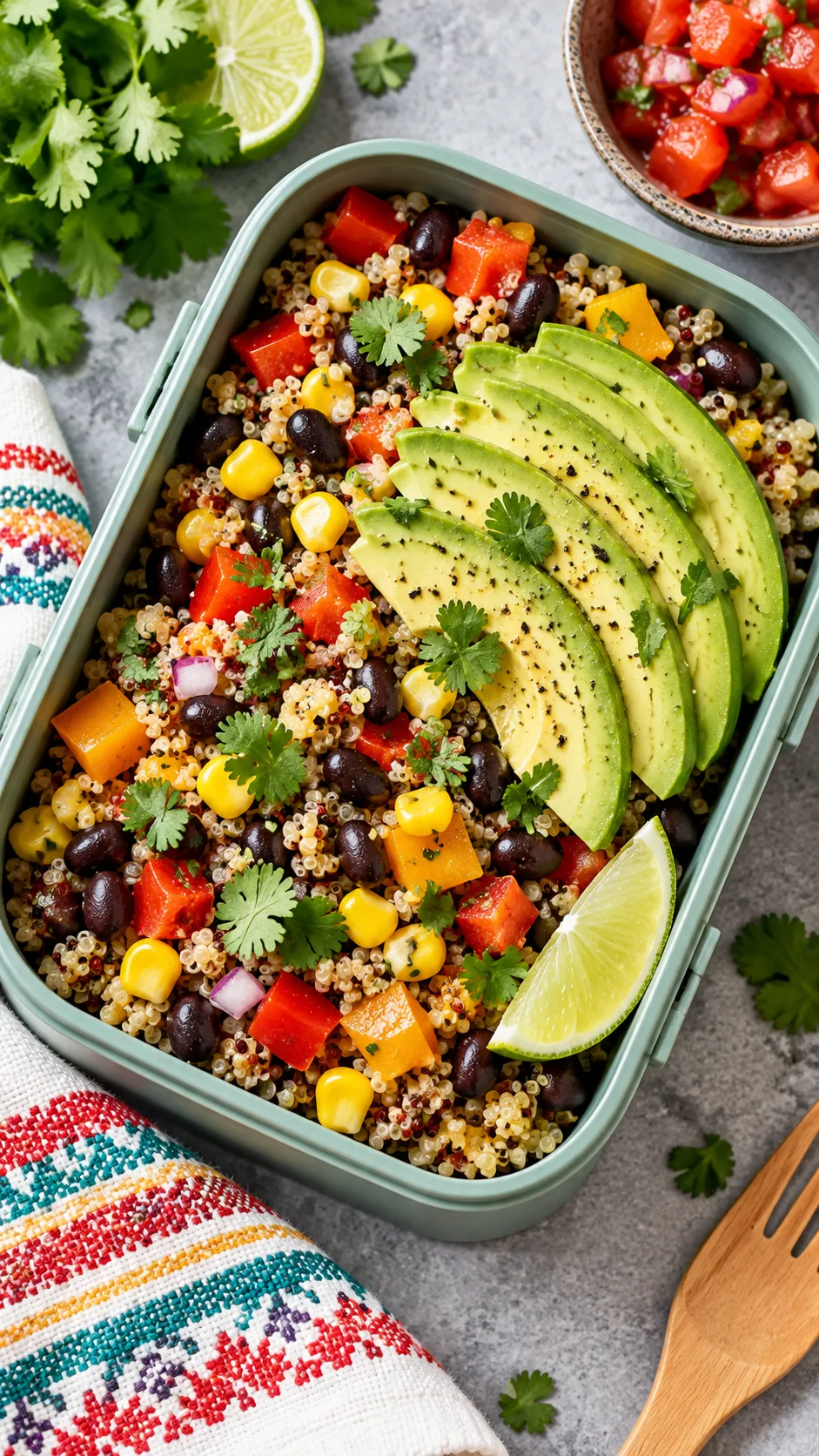
3. Fiesta black bean and quinoa bowl with lime crema
Quinoa provides steady afternoon energy without a mid-afternoon crash. It carries complete plant proteins, and black beans deliver filling fiber that keeps you full through long shifts.
Mix two cups of chilled cooked quinoa with one can of rinsed black beans, one cup of sweet corn, diced red bell pepper, and chopped green onions. Blend a quick crema using 1/2 cup plain Greek yogurt, juice from two fresh limes, one chipotle pepper in adobo sauce, and a pinch of salt.
Greek yogurt adds protein and delivers great tang without heavy mayonnaise. If you track your nutritional phases, steady carbs like quinoa make meal planning easy. You can read more about balancing meals by cycle syncing your nutrition during different weeks of the month.
4. Herbed Greek yogurt chicken salad lettuce cups
Store-bought chicken salad swims in greasy mayonnaise. This recipe swaps heavy mayo for whole-milk Greek yogurt, Dijon mustard, and fragrant fresh tarragon.
Shred three cups of cold roast chicken breast. Fold in 3/4 cup plain Greek yogurt, 1 tablespoon Dijon mustard, 1 cup halved red grapes, 1/2 cup diced celery, and 1/3 cup toasted sliced almonds. Spoon the chicken salad into the main section of your meal prep box.
Wash and dry crisp Romaine leaves, then pack them in a separate bag with a paper towel to absorb stray moisture. At lunchtime, spoon the chicken salad directly into the lettuce leaves. You get pure crunch, lean protein, and clean flavor without heavy oils.
5. Smoked turkey, apple, and white cheddar bento box
Some days you want finger foods instead of a fork meal. Bento boxes work well when your workday runs wild and you must eat between back-to-back phone calls. Skip processed deli meats and assemble simple, wholesome ingredients instead.
Grab a multi-compartment bento container and fill each section:
- Section 1: Roll up thick slices of smoked turkey breast alongside sharp white cheddar cubes.
- Section 2: Toss crisp Honeycrisp apple slices with a few drops of lemon juice to stop browning, then add a handful of seedless grapes.
- Section 3: Pack whole-grain seeded crackers or sourdough crisps.
- Section 4: Fill a small cup with stone-ground mustard, raw walnut halves, and baby carrots.
This layout gives you complete control over your portions. You can graze slowly or clear the container in minutes. The sharp cheese cuts through the sweet fruit, and the stone-ground mustard adds punchy spice without artificial additives.
6. Spicy tuna and avocado sushi salad bowl
Takeout sushi costs a fortune, and supermarket rolls often hide dry, hard rice. This deconstructed sushi bowl delivers the flavors of a spicy tuna roll for a fraction of the price.
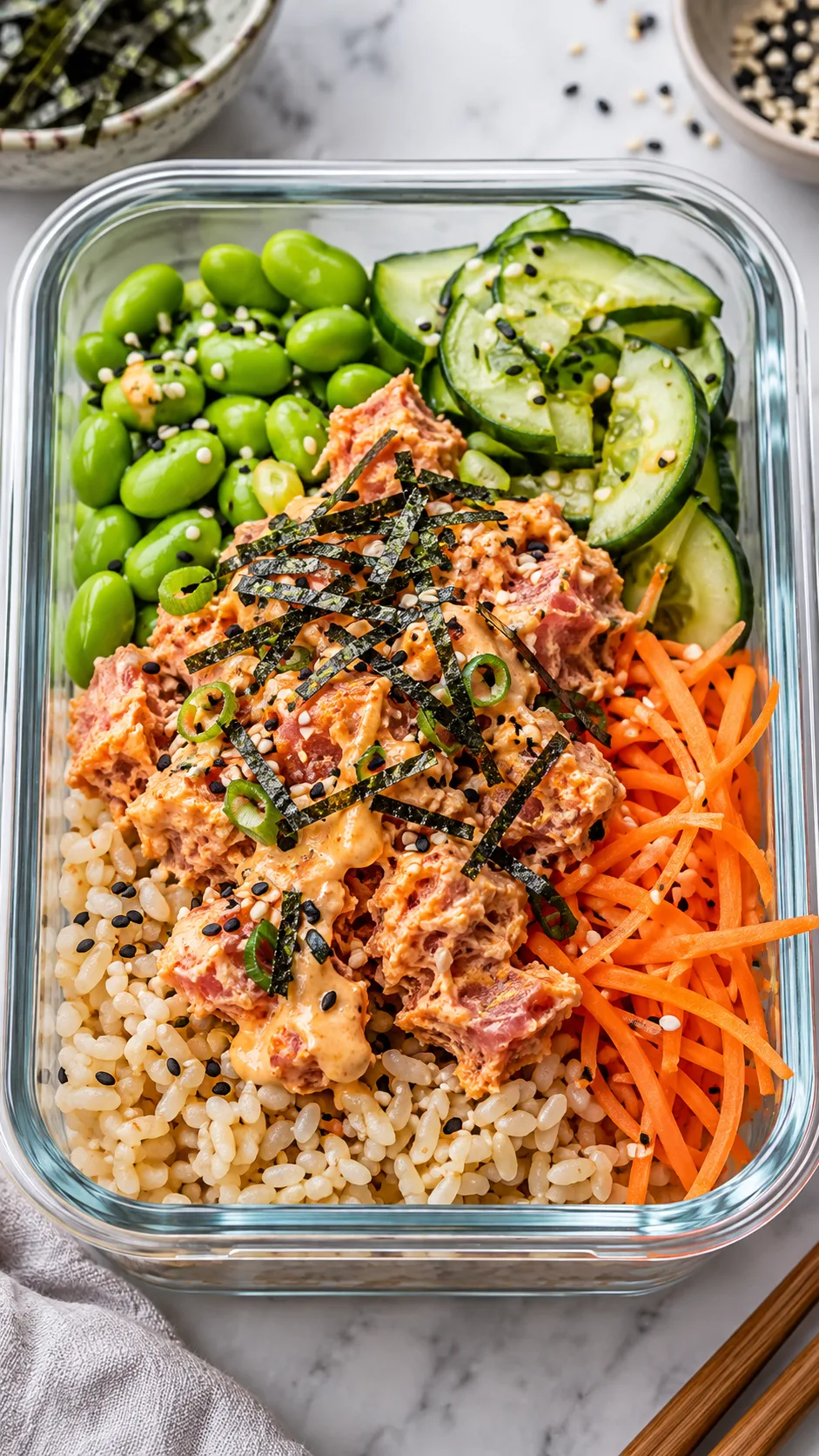
Drain two cans of solid albacore tuna. Flake the fish with a fork, then stir in 1 tablespoon sriracha, 1 tablespoon avocado oil mayonnaise, a dash of tamari, and a splash of rice vinegar. Spread seasoned short-grain brown rice across the bottom of your container. Top the rice with diced Persian cucumbers, shredded carrots, pickled ginger, and toasted nori strips.
Pack a lime wedge and half an avocado in its skin. Slice the avocado right when you sit down to eat, place it over the tuna, and squeeze fresh lime juice over the top. This trick prevents brown discoloration and keeps the avocado creamy.
7. Roasted sweet potato, kale, and lentil power bowl
Cold meals do not limit you to raw salads. Many roasted root vegetables taste rich and sweet cold. Roasted sweet potatoes offer deep caramel notes that balance earthy brown lentils and leafy greens.
Roast diced sweet potatoes with olive oil, smoked paprika, and salt until tender, then cool them completely. Massage lacinato kale leaves with olive oil and lemon juice for two minutes. Massaging breaks down stiff plant fibers and softens the leaves for easier chewing. Researchers at the Harvard School of Public Health note that eating dark leafy greens supports overall health and cardiovascular wellness.
Layer the massaged kale with cooked brown lentils, chilled sweet potato cubes, and dried cranberries. Drizzle a simple tahini-maple dressing over top. Because kale has thick cell walls, the leaves stay firm. The salad tastes even better after two days because the kale absorbs the nutty dressing.
Cold food safety: how to keep lunch crisp and safe
Leaving perishable food on your desk invites trouble. Bacteria multiply rapidly between 40°F and 140°F (4°C to 60°C). The USDA Food Safety and Inspection Service calls this temperature span the “Danger Zone.” Perishable food sitting out longer than two hours presents real health risks.
If your office lacks a clean refrigerator or you work out of a vehicle, you need an unbroken cold chain.
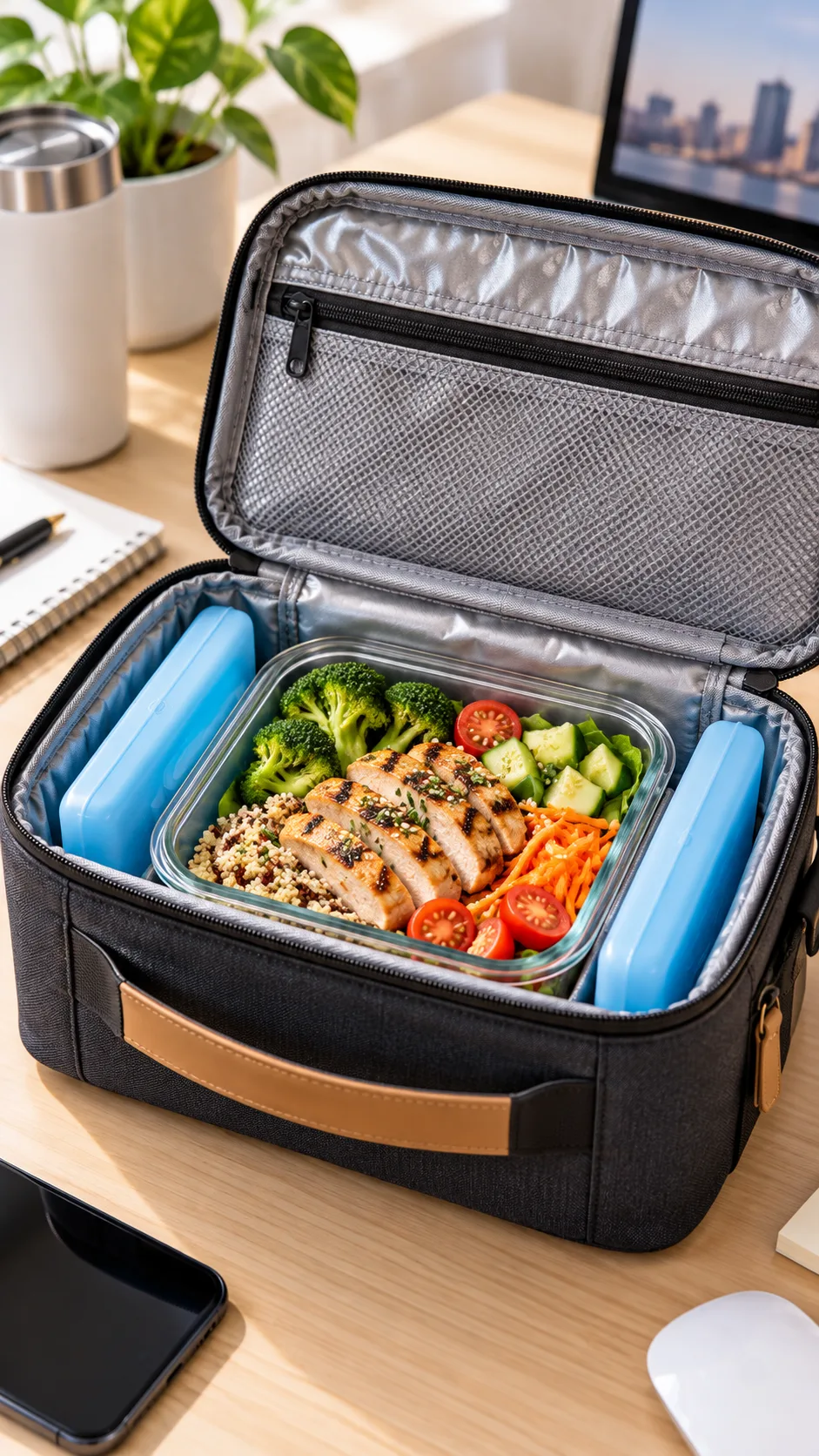
Pack your meals in an insulated lunch bag rather than a thin paper sack. Always pack two reusable ice packs: place one under your lunch container and one directly on top. Cold air sinks, so placing an ice pack on top creates a reliable cooling pattern that holds your food under 40°F until lunchtime.
You can also use stainless steel vacuum jars for cold foods. People usually fill them with hot soup, but steel jars hold cold temperatures exceptionally well. Chill your empty food jar in the freezer for ten minutes, add your cold pasta or chicken salad, and screw the lid on tight. Your meal stays ice-cold for hours.
Cold proteins: hit your numbers without reheating
Cold, congealed beef fat tastes awful. Certain cuts turn greasy and unappetizing once they cool down. If you want protein that tastes great straight from the fridge, pick lean options that thrive at low temperatures.
Build your meals around these dependable cold proteins:
- Hard-boiled eggs: Boil your eggs for seven minutes for tender yolks, plunge them into ice water, and peel them right before eating. Each egg supplies six grams of complete protein.
- Shredded chicken breast: Pulled chicken absorbs vinaigrettes and yogurt dressings far better than thick, dry slices. Shred leftover roast chicken into cold salads for instant moisture.
- Canned beans and lentils: Chickpeas, black beans, and brown lentils cost little, stay firm for days in the fridge, and supply complex carbohydrates alongside protein.
- Tinned seafood: Quality canned salmon, skipjack tuna, and sardines require zero cooking and offer abundant omega-3 fats.
- Cottage cheese: Scoop cottage cheese into savory bowls alongside roasted sweet potatoes for an easy fifteen grams of protein. If you follow a high-protein meal plan to support your training, cold dairy and pre-cooked legumes keep your nutrition targets on schedule.
Skip fatty cuts of beef or bone-in meats for cold packing. Choose lean poultry, canned fish, boiled eggs, and legumes for pleasant textures and quick digestion.
The right gear: containers that keep food fresh
Flimsy plastic tubs warp in the dishwasher and leak dressing into your bag. Reliable containers turn weekly food prep into an easy, rewarding habit.
Equip your kitchen with these three tools:
- Borosilicate glass dishes with locking lids: Glass never holds old food smells, handles dishwasher heat easily, and keeps acidic dressings away from plastic surfaces. Buy divided containers to keep your wet and dry ingredients separate.
- Silicone dressing pods: Never dress your greens hours ahead of time. Store vinaigrettes in small silicone cups inside your main lunch box. Pop the lid, pour the sauce, and toss your salad right before you eat.
- Wide-mouth mason jars: Jars take up minimal shelf space in crowded refrigerators. Their vertical shape naturally organizes ingredients into distinct layers, keeping your greens far away from bottom dressings.
Wash and dry your gear thoroughly. Inspectors at the U.S. FDA Safe Food Handling Guidelines recommend drying container seals completely. Moisture gathers under removable rubber lid rings, so pop them out and let them air dry after each wash.
Your 60-minute Sunday prep plan
You do not need to spend your entire Sunday afternoon cooking. Follow this straightforward one-hour plan to prepare five complete cold lunches.
- Minutes 0 to 10 (Oven and water prep): Heat your oven to 400°F (200°C). Bring two pots of water to a boil on your stove. Dice a sweet potato into small cubes, toss the pieces with oil and salt on a baking tray, and slide the tray into the oven.
- Minutes 10 to 25 (Grains and eggs): Pour your quinoa into one pot and your soba noodles or pasta into the other. Set your timers. Boil six eggs in a small saucepan on the side.
- Minutes 25 to 40 (Cooling and slicing): Pull your grains and eggs off the stove. Plunge the eggs into cold ice water. Drain the noodles and rinse them with cold water. Dice your cucumbers, slice cherry tomatoes, shred purple cabbage, and wash your salad greens. Spread your cooked grains across a baking sheet so they cool quickly.
- Minutes 40 to 50 (Dressings): Whisk your lemon vinaigrette and peanut sauce in small bowls. Divide the dressings into individual silicone cups.
- Minutes 50 to 60 (Assembly): Line up your glass containers. Layer your chilled grains, beans, proteins, and cut produce. Snap the lids shut, pack your dressing cups alongside them, and place everything into the fridge.
In one quick hour, you turned basic groceries into a week of satisfying lunches and simplified your upcoming workdays.
Skip the breakroom microwave
Why waste your lunch hour waiting in line to heat up rubbery food? Cold meal prep frees you from the breakroom microwave, simplifies your morning routine, and gives you crisp, flavorful food every day.
Pick two recipes from this guide for your next prep day. Grab a few glass containers, stock up on fresh vegetables and lean proteins, and spend one focused hour in the kitchen. While your coworkers stand around waiting for the office microwave on Wednesday, you can sit outside in the fresh air and enjoy a crisp, delicious lunch on your own schedule.