

You do not need to eat bland boiled chicken breasts or bitter kale salads to drop excess body fat. Nobody wants to chew on plain lettuce when the aroma of smoky chicken satay drifts down the street every evening. You can hit your fitness targets while enjoying the rich, savory, and spicy meals you grew up eating.
Most commercial diet plans ignore cultural reality. They demand that you abandon your culinary heritage and fill your cart with expensive imported berries, asparagus, and quinoa. That approach fails every single time because misery never builds lasting habits.
Indonesian food packs some of the most nutrient-dense ingredients on earth. Fermented foods like tempeh, fresh herbs, wild seafood, and fiery chili peppers create an outstanding foundation for healthy fat loss. You simply need to adjust your cooking methods and balance your plate proportions.
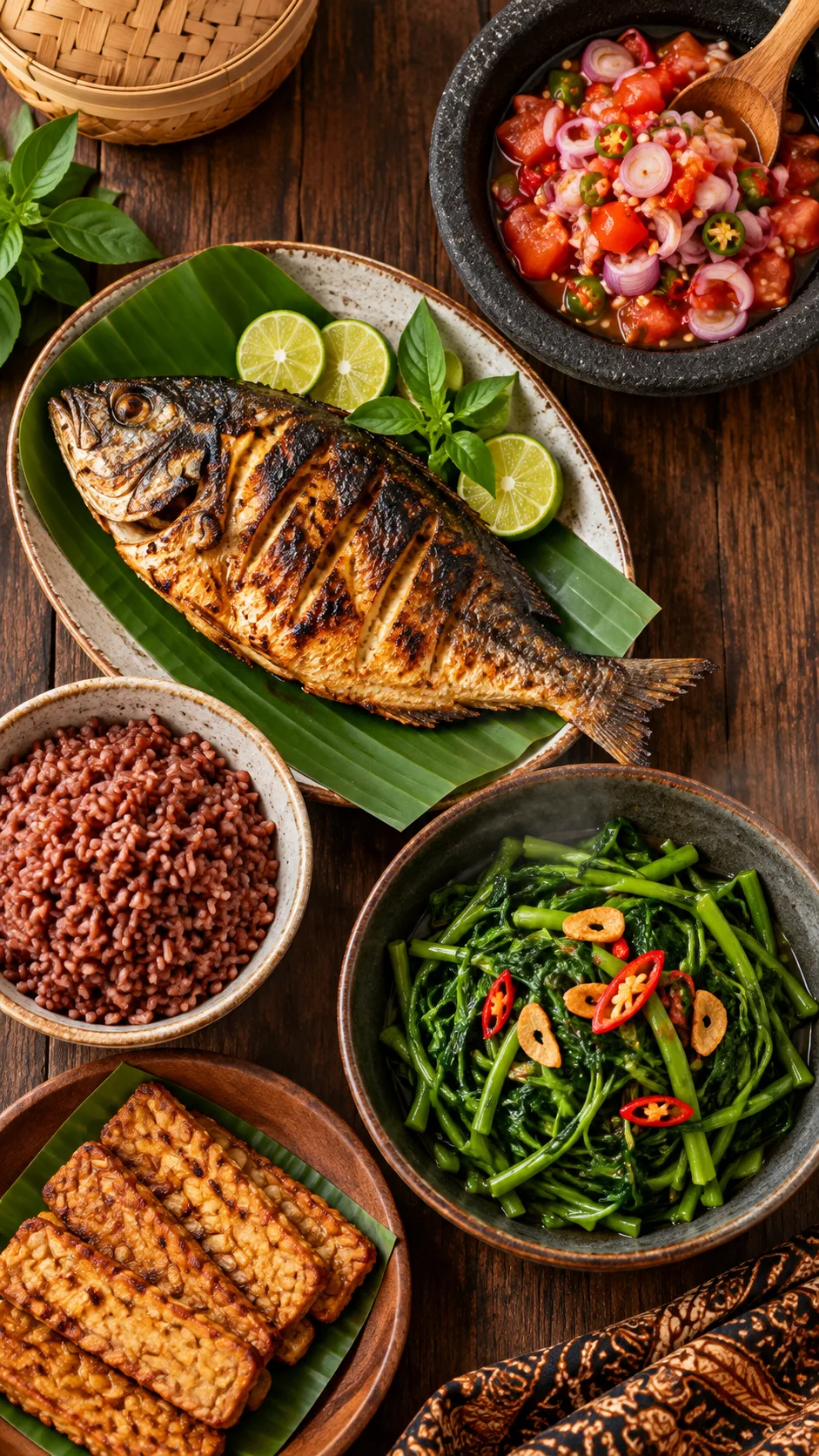
Why standard Western diets fail in Indonesia
Eating cold canned tuna and steamed broccoli for five straight days drains your enthusiasm fast. Western meal plans force an unnecessary divide between healthy eating and social life.
Food in Indonesia means connection, family, and shared joy. When you step out for lunch with coworkers, nobody heads to a raw salad bar. Everyone gathers around the local warteg (warung tegal) or orders noodle bowls. Handing someone an unseasoned turkey sandwich under those circumstances feels absurd.
Standard diets also label traditional Asian staples as harmful without understanding nutrition. Rice does not make you gain weight. Huge portions, heavy cooking fats, and sugary drinks cause excess body fat. Once you understand this fact, you regain full control over your plate.
If you pair local meals with a strategic intermittent fasting schedule, you burn fat while still enjoying dinner with your family. Your metabolism responds to consistency, not extreme restriction.
The 4 golden rules to diet-proof Indonesian food
You can turn almost any traditional Indonesian recipe into a fat-loss meal with four practical adjustments. Keep these habits in mind before you turn on the stove or order lunch.
- Slash the white rice mountain: Typical Indonesian restaurants serve enough white rice to fuel an athlete through an entire marathon. Keep your carbs in check by shrinking your rice portion to the size of your fist. Swap white rice for fiber-filled brown rice, red rice (beras merah), or shirataki rice when you cook at home. High dietary fiber improves fullness and stabilizes blood sugar, according to research from the Harvard T.H. Chan School of Public Health.
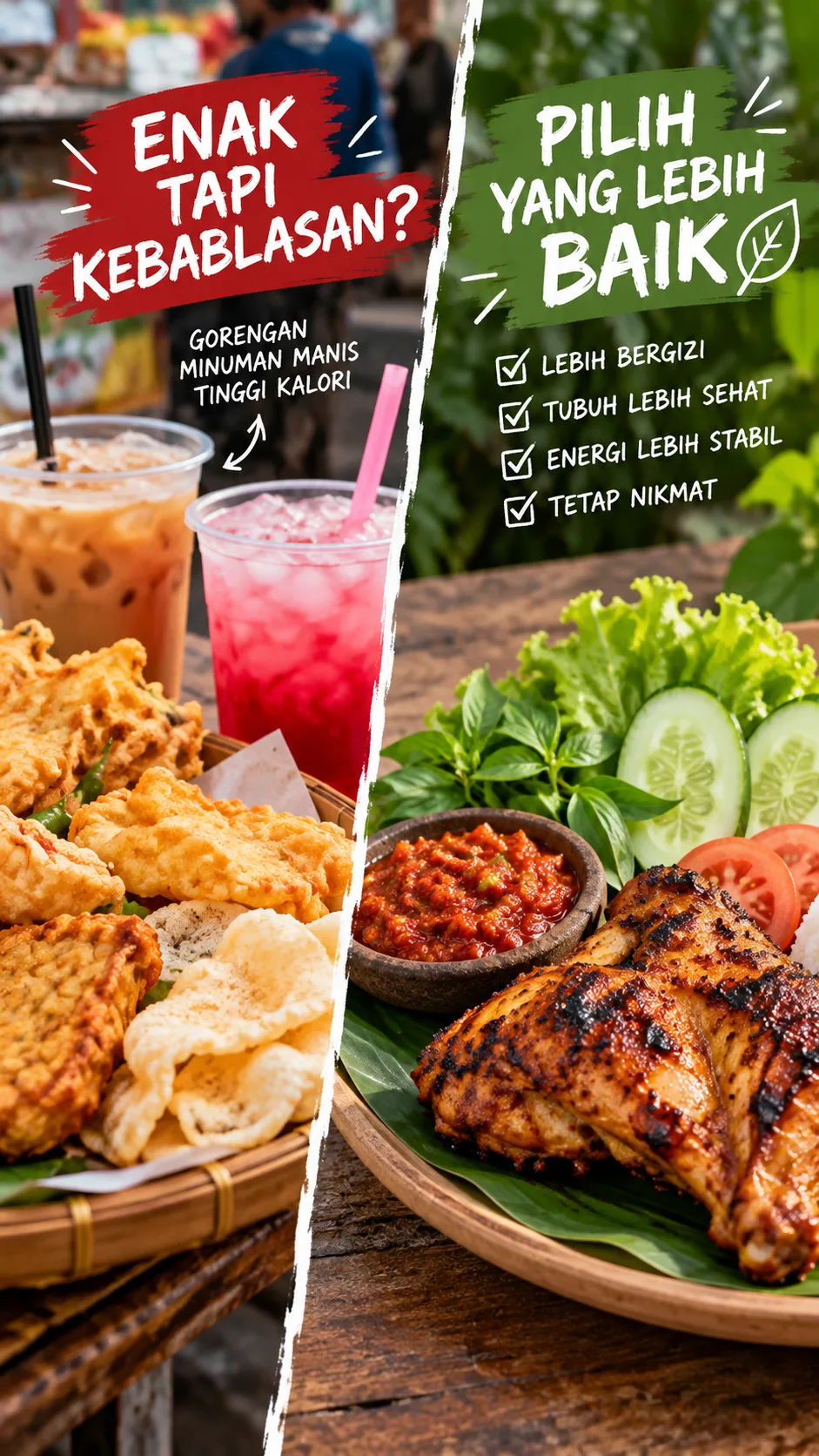
- Ditch the deep fryer for grilling and steaming: We love gorengan (fritters), but deep frying covers lean meat in hundreds of empty calories. Choose bakar (grilled), pepes (steamed in banana leaves), panggang (roasted), or sop (clear soup) options instead. You cut over 300 calories from a single meal with this simple change.
- Lighten the santan (coconut milk): Rich coconut milk gives curries and stews great depth, but it drives up the calorie count fast. When you prepare soto or sayur lodeh, cut the coconut milk with clear broth, or use unsweetened almond milk. You keep the rich texture while dropping excess calories.
- Eat fresh sambal for a metabolic lift: Do not fear spicy chilies. Fresh chili peppers contain capsaicin, a natural compound that temporarily raises energy expenditure and curbs appetite. Clinical trials from the National Institutes of Health (NIH) show that capsaicin boosts fat oxidation. Avoid store-bought bottled sambals that hide palm oil and processed sugar in their ingredient lists.
The complete 7-day Indonesian weight loss meal plan
This plan keeps your intake between 1,400 and 1,600 calories each day. That range delivers steady fat loss for most people. Each day provides solid protein, complex carbohydrates, healthy fats, and heaps of vegetables to keep hunger away.
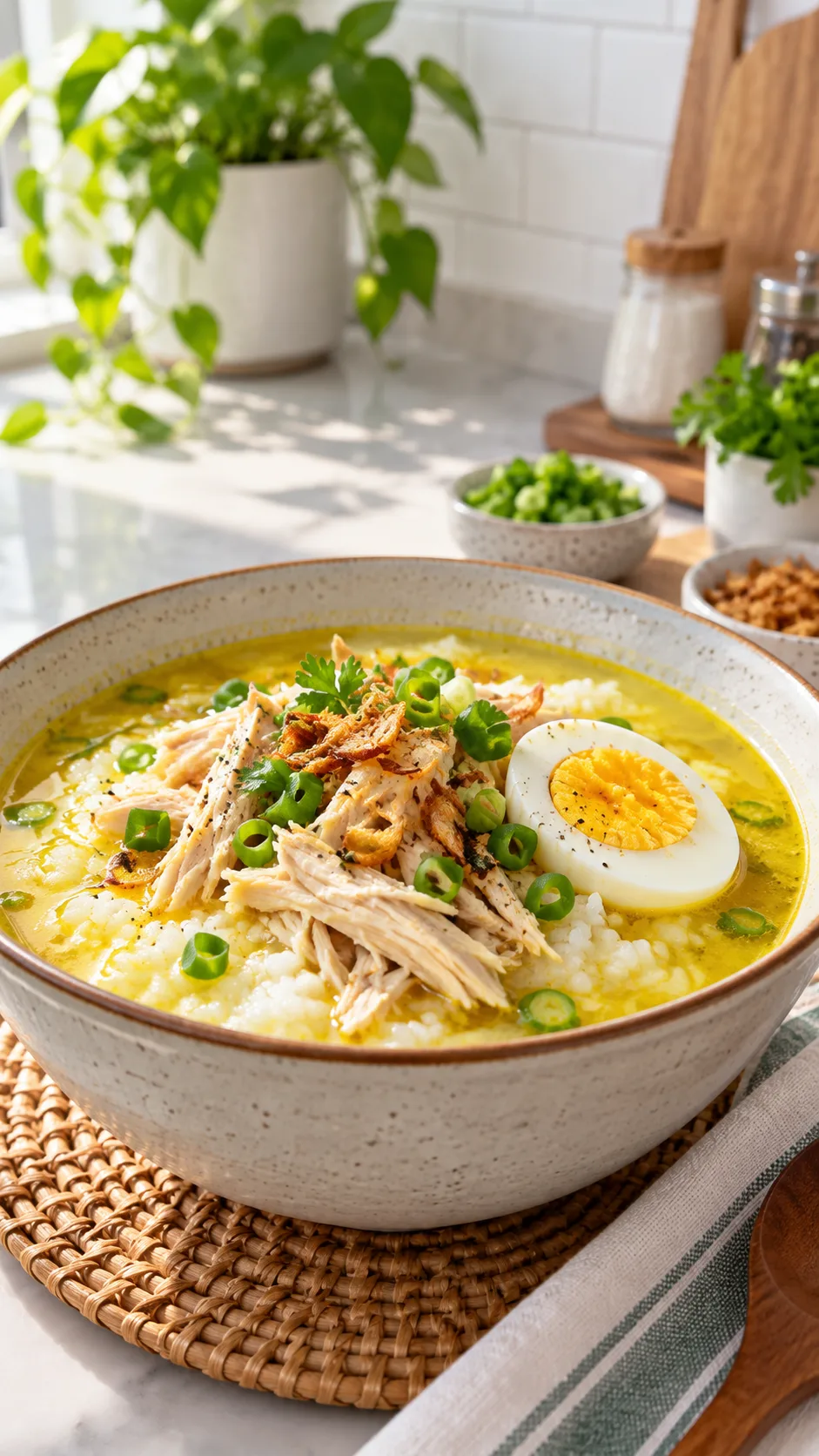
Day 1: Start the calorie deficit
- Breakfast (approx. 320 kcal): Light Bubur Ayam. Pour a modest bowl of rice congee, then top it with shredded poached chicken breast, half a boiled egg, sliced scallions, and yellow turmeric broth. Skip the fried crackers (kerupuk) and fried cakwe to avoid empty cooking oil.
- Lunch (approx. 450 kcal): Gado-Gado with tempeh. Steam a big bowl of spinach, long beans, bean sprouts, and cabbage. Add a hard-boiled egg and 100 grams of pan-seared tempeh. Mix two tablespoons of peanut sauce with warm water and lime juice instead of palm sugar, then pour it over top.
- Snack (approx. 120 kcal): Slice one crisp green apple and dust it with sea salt and chili flakes.
- Dinner (approx. 430 kcal): Pepes Ikan Mas or Pepes Nila (Steamed Spiced Fish). Wrap whole freshwater fish in banana leaves with lemongrass, basil (kemangi), tomatoes, and shallots, then steam it through. Eat it with half a cup of red rice and fresh cucumber slices (lalapan).
Day 2: Fiber and poultry
- Breakfast (approx. 310 kcal): Simmer rolled oats in unsweetened soy milk with a drop of pandan extract, then top the bowl with sweet papaya slices. Papaya contains natural enzymes that assist smooth digestion.
- Lunch (approx. 480 kcal): Ayam Bakar Kuning (Grilled Turmeric Chicken). Marinate skinless chicken breast in crushed garlic, shallots, coriander, and turmeric, then grill it over medium heat. Eat it with half a cup of brown rice and stir-fried kangkung cooked in minimal oil.
- Snack (approx. 100 kcal): Steam a small bowl of edamame pods and season them with coarse sea salt.
- Dinner (approx. 380 kcal): Soto Ayam Bening (Clear Chicken Soup). Simmer a clear chicken broth with lemongrass, lime leaves, and garlic. Add shredded chicken breast, shirataki noodles, sliced cabbage, celery, and fresh lime juice. Finish with fresh crushed chili sambal.
Day 3: Fresh fish and plant protein
- Breakfast (approx. 340 kcal): Scramble two whole eggs with diced tomatoes, shallots, and red chili peppers. Serve the scramble on a slice of whole-wheat sourdough bread.
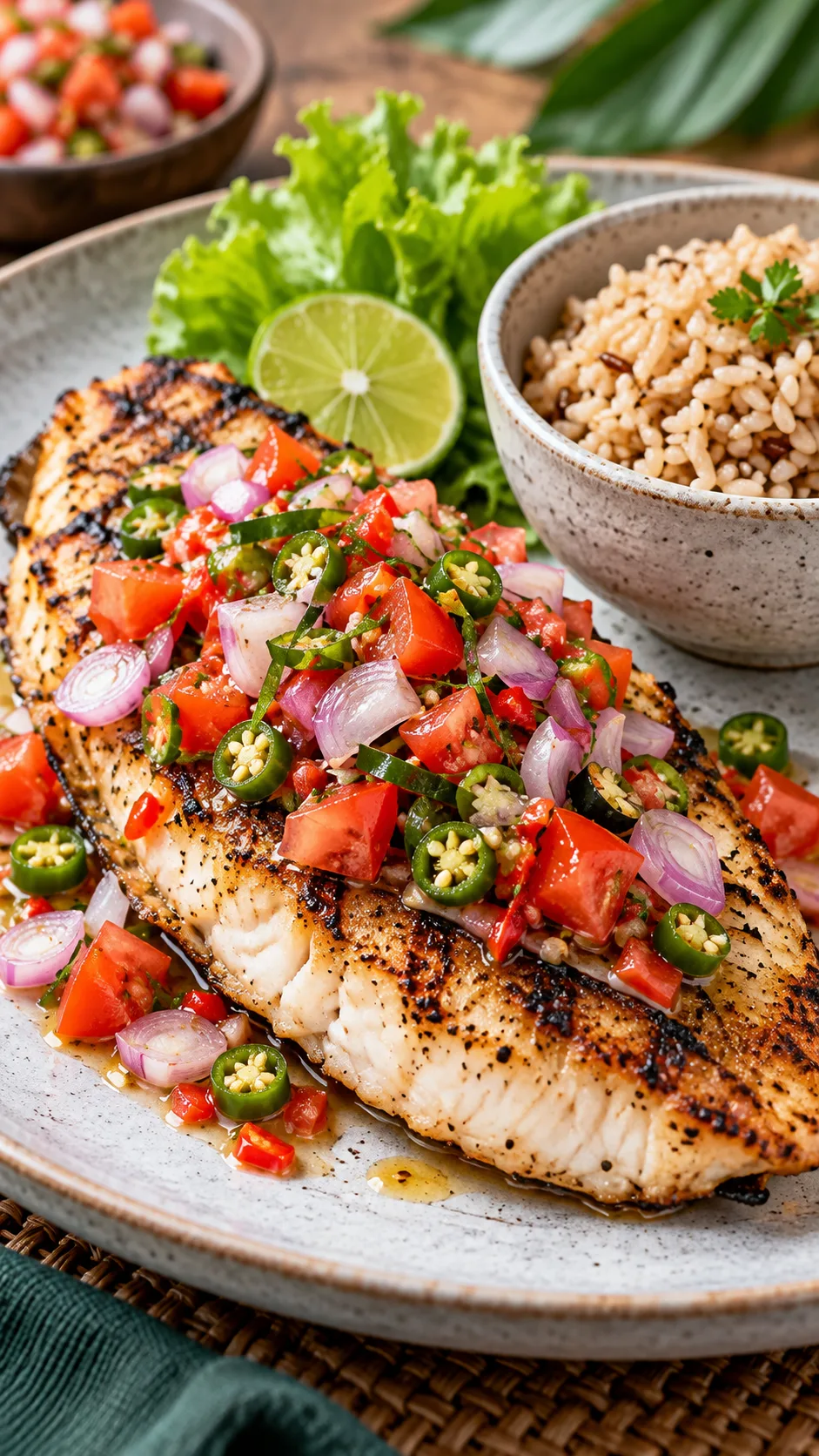
- Lunch (approx. 460 kcal): Grilled Snapper with Sambal Dabu-Dabu. Season a fresh snapper fillet with sea salt and lime, then grill it. Spoon fresh dabu-dabu over the fish (diced shallots, bird’s eye chilies, green tomatoes, calamansi juice, and a few drops of olive oil). Add half a cup of red rice and steamed green beans.
- Snack (approx. 140 kcal): Rujak Buah. Cut fresh pineapple, cucumber, and jicama into chunks. Dip the fruit lightly into a thin tamarind sauce.
- Dinner (approx. 410 kcal): Tahu & Tempe Bacem with Sayur Bening Bayam. Simmer firm tofu and tempeh in coconut water, garlic, and coriander, then sear them in a dry pan. Pair them with a bowl of clear spinach and sweet corn soup.
Day 4: Lighter comfort staples
- Breakfast (approx. 330 kcal): Telur Balado. Roll two hard-boiled eggs in a skillet with fresh blended tomatoes, shallots, garlic, and red chilies. Serve them alongside steamed green beans.
- Lunch (approx. 470 kcal): Nasi Campur Slim Edition. Plate half a cup of red rice with 90 grams of shredded spicy chicken breast, grilled tofu, and a large portion of urap sayur (steamed vegetables tossed with freshly grated seasoned coconut).
- Snack (approx. 110 kcal): Drink fresh coconut water straight from the shell with a wedge of lime.
- Dinner (approx. 390 kcal): Sup Ikan Kemangi (Clear Fish Soup). Cook white fish in a broth seasoned with sour starfruit (belimbing wuluh), fresh turmeric, ginger, lemongrass, and sweet basil leaves. This soup supplies clean protein with very few calories.
Day 5: A lighter Padang plate
You can eat famous Padang food and still lose body fat if you choose your items wisely. Healthy living does not require you to skip great regional cooking.
- Breakfast (approx. 290 kcal): Blend baby spinach, half a frozen banana, unsweetened almond milk, and one scoop of plain protein powder into a thick morning shake.
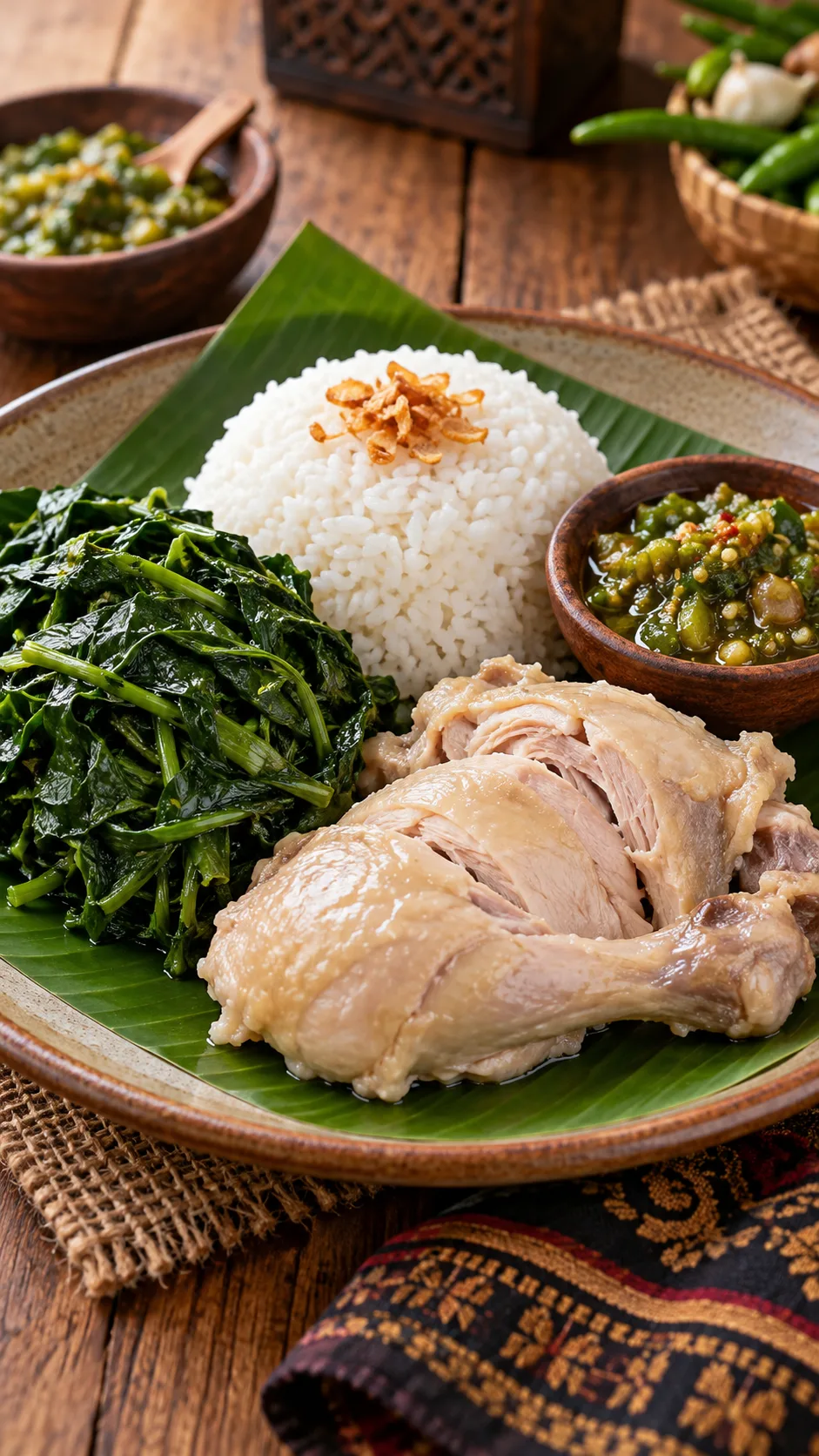
- Lunch (approx. 510 kcal): Healthy Padang plate. Choose Ayam Pop (steamed chicken cooked in coconut water) and pull off the loose skin. Ask for double boiled cassava leaves (daun singkong), sliced cucumber, green chili sambal (sambal ijo), and three tablespoons of white rice. Skip the thick curry gravies (kuah gulai) to keep excess oil off your plate.
- Snack (approx. 130 kcal): Eat a small handful of dry-roasted cashews or peanuts.
- Dinner (approx. 420 kcal): Lean Rawon (Black Beef Soup). Simmer lean beef shank in dark keluak broth seasoned with garlic, shallots, and lemongrass. Skim the melted fat off the broth before serving. Top the soup with raw bean sprouts, salted duck egg white, and sambal terasi.
Day 6: Healthier street food
- Breakfast (approx. 320 kcal): Tofu omelet. Whisk two eggs with 80 grams of crumbled firm tofu, scallions, and white pepper. Cook the mixture in a skillet with a quick spray of olive oil until golden.
- Lunch (approx. 480 kcal): Sate Ayam (Chicken Skewers). Order eight skewers of grilled skinless chicken tenderloin. Ask for sweet soy sauce (kecap manis) and sliced chilies on the side instead of peanut paste. Eat the chicken with raw cucumber slices and half a cup of brown rice.
- Snack (approx. 90 kcal): Enjoy diced red dragon fruit dressed with fresh lime juice.
- Dinner (approx. 400 kcal): Capcay Kuah Seafood. Cook shrimp, squid, broccoli, carrots, and bok choy in a quick garlic broth. This dish delivers plenty of micronutrients and clean protein that supports muscle recovery overnight.
Day 7: Guilt-free weekend meals
- Breakfast (approx. 350 kcal): Light Nasi Goreng Kampung. Sauté half a cup of chilled brown rice with garlic, shallots, red chili, one egg, and a teaspoon of sweet soy sauce. Fold in sliced mustard greens (sawi hijau) to fill out the plate.
- Lunch (approx. 490 kcal): Ikan Bakar Jimbaran (Balinese Grilled Fish). Coat sea bass with a paste of shallots, garlic, coriander, and tomato, then grill it over hot coals. Eat it with Plecing Kangkung (water spinach tossed with tomato sambal).
- Snack (approx. 120 kcal): Spoon diced mango into plain unsweetened yogurt.
- Dinner (approx. 390 kcal): Clear Sup Buntut (Lighter Oxtail Soup). Cook lean beef shank or tail in a clear broth scented with nutmeg, cloves, cinnamon, carrots, and potatoes. Chill the broth in advance, skim the hardened fat off the surface, and reheat the soup. You enjoy deep heritage flavor without heavy calories.
High protein meals keep your appetite steady throughout the day. If hunger catches you off guard during long afternoons, review meal structures that support satiety hormones to help manage cravings and stop late-night snacking.
The hidden drink trap: why sweet tea ruins your diet
You can manage your meals with precision, but sugary drinks destroy your calorie deficit before midday. Liquid calories bypass your natural satiety signals, leaving your stomach empty while adding unwanted body fat.
Examine typical Indonesian drink habits. A glass of es teh manis (sweet iced tea) from a food stall often contains three to four tablespoons of white sugar. That single glass adds nearly 150 empty calories. Drink three glasses across a hot workday, and you undo the entire calorie burn from your morning workout.

Bottled iced coffee drinks like kopi susu gula aren create an even bigger obstacle. When coffee stalls combine espresso with sweetened condensed milk and heavy palm sugar syrup, that cup carries up to 400 calories. That drink matches the caloric weight of an entire balanced meal.
Take control of your daily drinks with these alternatives:
- Air Putih Dingin: Drink cold water throughout the day. Add lemon wedges, cucumber, or mint leaves if plain water tastes flat.
- Teh Tawar Hangat / Dingin: Order unsweetened tea at every restaurant. It costs very little, satisfies thirst, and contains zero calories.
- Jamu Kunyit Asam (Tanpa Gula): Drink traditional herbal jamu made from turmeric and tamarind without added brown sugar. Turmeric contains curcumin, an active compound that reduces swelling and inflammation. Researchers in Frontiers in Pharmacology note curcumin’s role in improving metabolism and reducing metabolic inflammation.
- Americano or Kopi Hitam Tubruk: Drink your coffee black. You gain caffeine’s natural energy benefits without loading on excess calories.
How to order at a traditional warteg
When you run out of prepared meals at home, do not stress over the glass display at the local warteg. You can build a great fat-loss meal at any warung if you order with a clear strategy.
Start by telling the cook: “Nasi setengah porsi saja, Pak/Bu.” Asking for half a portion of rice instantly cuts 150 calories of simple carbohydrates from your plate.
Next, pick your protein centerpiece:
- Ayam Bakar or Ayam Panggang (grilled or roasted chicken, skin removed)
- Ikan Kembung Bakar (grilled mackerel with lean protein and omega-3 fatty acids)
- Telur Rebus Balado (boiled egg tossed in spicy chili paste)
- Tahu / Tempe Orek Basah (pick the lightly braised wet version, not the sugary deep-fried dry version)
Fill the rest of your plate with vegetables. Ask for tumis buncis (sautéed green beans), sayur capcay, or oseng tauge (stir-fried bean sprouts). Add two spoonfuls of fresh sambal terasi. You walk away with a filling meal that costs very little money and supports your fitness plan. A smart warteg plate beats an overpriced salad counter any day.
Before you spend money on detox teas or random powders, check the only weight loss supplements that actually work. Whole foods and steady daily habits deliver the real results over time.
3 common diet mistakes that stall weight loss
If you track your meals without seeing results on the scale, check your routine for these common habits.
- Treating crackers like zero-calorie food: Kerupuk feels light, but deep frying turns every cracker into a sponge for cooking oil. Two large pieces of kerupuk putih hold up to 200 calories of pure starch and palm oil. Leave the cracker tin closed.
- Drowning fresh salads in sweet peanut sauce: Local salads like gado-gado, karedok, and lotek provide great nutrients from fresh vegetables. Many vendors mix heavy palm sugar and deep-fried peanuts into the sauce, turning a light meal into an 800-calorie gut bomb. Ask for your peanut dressing on the side and use it sparingly.
- Drinking sweetened fresh fruit juices: Fruit stalls advertise avocado, mango, and soursop juices as healthy drinks. The vendor then adds condensed milk and sugar syrup straight into the blender. Eat whole fruit instead of drinking liquid sugar.
Frequently asked questions
Can I eat Indomie while trying to lose weight?
You can fit instant noodles into a calorie deficit once in a while, but they make weight management tougher. A package of fried instant noodles contains processed oil, refined flour, and half your daily sodium limit with minimal fiber. When you crave them, boil half the noodle block, discard the seasoning oil, and add mustard greens, lean chicken breast, and an egg.
Is coconut milk off limits during fat loss?
You do not need to ban coconut milk from your diet. Coconut milk supplies medium-chain triglycerides (MCTs), which your body uses for energy. It also packs heavy caloric density. One cup of coconut cream contains over 450 calories. Enjoy traditional curries by diluting the broth with water, limiting your portion size, and balancing your daily calories.
Do I need to stop dining out with friends?
No. Cutting off social life kills motivation faster than a slip-up on your diet. When you eat out at Indonesian restaurants, pick grilled or steamed dishes, ask for dressings on the side, choose unsweetened drinks, and share rice portions with a friend. You enjoy your social life while keeping your progress on track.
Consistency wins over deprivation
Weight loss does not require you to drop your heritage or suffer through bland meals. Indonesian cooking offers fragrant herbs, lean proteins, spices, and fresh vegetables that feed your body well.
Focus on smart adjustments instead of total deprivation. Cut your rice portions down, skip the fried fritters, avoid sugary teas, and use fresh sambal for flavor. Use this 7-day plan to reset your plate this week. Once you see how straightforward healthy eating feels with local food you love, you will never look back.