

You know that familiar 3:00 PM wall. Your eyelids suddenly weigh forty pounds, your brain turns into instant oatmeal, and a tiny voice whispers that a chocolate chip cookie will fix all your problems. You grab the treat, swallow the guilt, enjoy ten fleeting minutes of euphoria, and crash twice as hard ninety minutes later. We have all walked that loop.
You do not lack willpower. Your brain simply runs on a chemical rollercoaster that corporate food scientists designed to hijack your reward pathways. When you abruptly quit cold turkey, your physiology rebels with headaches, sharp mood swings, and persistent cravings that send you sprinting straight back to the pantry.
I failed four separate attempts to slash sugar out of my routine before I learned an honest truth: deprivation creates obsession, but strategic substitution creates freedom. This low sugar diet plan cuts sweet foods out of your life without stripping away the pleasure of eating. You get stable all-day energy, clearer skin, and zero afternoon brain fog.
Why cold turkey sugar detoxes always backfire
Most diet books treat sugar reduction like an aggressive military boot camp. They tell you to throw away every carbohydrate in your house, banish fruit forever, and subsist on plain chicken breasts and steamed broccoli until your soul leaves your body. Very few people last more than three days on a routine like that.
When you aggressively cut every speck of sugar overnight, your dopamine levels plummet. Your brain treats sugar withdrawal much like chemical withdrawal because sweet foods trigger the exact same neural pathways as addictive substances. You feel miserable, cranky, and physically exhausted.
Worse, severe restriction spikes your cortisol levels. High stress triggers survival mechanisms that demand fast-burning fuel, which means your biology screams for refined carbs. If chronic stress already drives your snacking habits, you can reset your stress eating triggers while retooling your daily plates.
This plan skips the drama. Instead of white-knuckling through starvation, you crowd out refined sugars by adding hearty proteins, healthy fats, and prebiotic fiber. You starve the cravings while feeding your cells real, sustained energy.
The science: what sugar does to your bloodstream
Every time you eat refined carbohydrates or down a sugary drink, your digestive system rapidly dumps glucose into your blood. Your pancreas notices this sudden tidal wave and pumps out insulin to clear the excess sugar out of your circulation.
Insulin drives that circulating glucose into your muscle cells and liver for storage. When those storage tanks fill up, insulin shunts the remaining excess directly into your fat cells. That explains why refined sugar makes weight loss feel impossible, no matter how many miles you log on the treadmill.
The real trouble starts right after insulin does its job. Because your body overcompensates with a massive insulin surge, your circulating blood sugar drops through the floorboard. Scientists call this reactive hypoglycemia. You call it wanting to raid the nearest vending machine for a candy bar.
Research published by the Harvard T.H. Chan School of Public Health shows that chronic sugar spikes accelerate cellular inflammation, increase your risk for cardiovascular issues, and speed up liver fat accumulation. Stabilizing your glucose line changes everything. You eliminate the crash, so you eliminate the craving.
The 4 golden rules of an effortless low sugar diet
You do not need a spreadsheet, a master degree in nutritional biochemistry, or a pocket scale to pull this off. You only need four fundamental rules that anchor every meal you eat.
1. Anchor every meal with protein and healthy fat
Protein stimulates satiety hormones like peptide YY and glucagon-like peptide-1 (GLP-1), while fats slow down stomach emptying. When you pair your carbohydrates with wild salmon, grass-fed beef, eggs, or avocado, you build a digestive barrier that trickles glucose slowly into your bloodstream. Building your plate around smart high-protein meals keeps you full for four to six hours without effort.
2. Never drink your sugar
Liquid sugar delivers the fastest metabolic blow to your liver. Soda, sweetened iced tea, fancy caramel coffees, and commercially bottled green juices bypass normal digestive satiety cues. Liquid sugar enters your bloodstream within minutes, triggering massive insulin surges without registering as real food in your stomach. Quitting liquid sugar alone often shaves 300 to 500 empty calories from your day.
3. Put clothes on your carbs
Never eat naked carbs. If you want an apple, slice it up and spread two tablespoons of creamy almond butter across the slices. If you want a slice of sourdough bread, top it with smoked salmon, cream cheese, and sliced cucumbers. The fat and fiber coat the glucose molecules during digestion, transforming a sharp spike into a gentle, rolling metabolic hill.
4. Adopt the added vs natural rule
We do not fear whole blueberries, crisp green apples, or carrots here. Whole fruit delivers fructose wrapped inside a protective mesh of insoluble fiber, water, polyphenols, and micronutrients. The World Health Organization strictly differentiates between intrinsic sugars in whole produce and the destructive free sugars manufacturers dump into boxed foods. Target zero added refined sugars, but welcome sensible servings of real, fibrous fruit.
The 4-phase system: weaning off the sweet stuff
You set yourself up for failure when you attempt to overhaul forty years of dietary habits in twenty-four hours. Instead, progress through four distinct, manageable phases over four weeks. This gentle ramp gives your tastebuds time to adapt without triggering a revolt.
-
Phase 1: The liquid elimination (Week 1)
Keep eating your regular meals during week one, but eradicate every drop of liquid sugar. Swap out soda for club soda with fresh lime wedges. Replace that 60-gram sugar vanilla latte with black coffee topped with unsweetened almond milk and ground cinnamon. Cinnamon improves your insulin sensitivity, making every cup work double time for you. -
Phase 2: Breakfast re-engineering (Week 2)
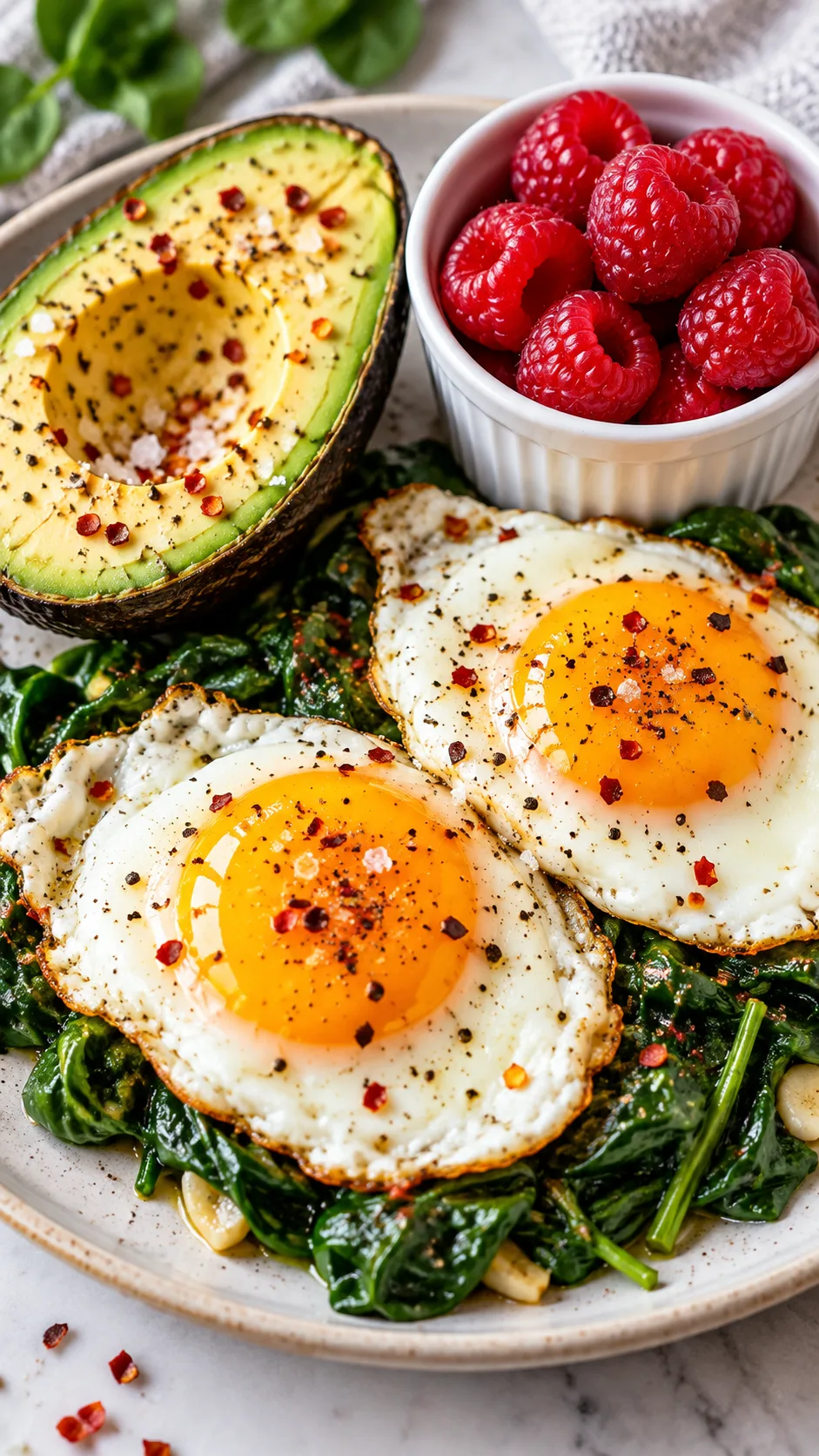
Standard morning foods are desserts masquerading as nutrition. Bagels, fruit yogurts, granola bars, and waffles blast your blood sugar before you sit down at your desk. In week two, transform your breakfast into a savory meal. When you start your morning with zero sugar, you silence sugar cravings for the rest of the day. -
Phase 3: The sneaky pantry sweep (Week 3)
Turn your detective eye toward condiments, salad dressings, and savory processed foods. Manufacturers hide sugar under dozens of clever aliases inside barbecue sauces, marinara jars, sandwich breads, and salad dressings. Swap store-bought dressings for simple extra-virgin olive oil and apple cider vinegar. -
Phase 4: Whole food recalibration (Week 4 and beyond)
By week four, your tastebuds complete their neural recalibration. A regular strawberry will taste like pure candy. You now enter maintenance, enjoying treats on special occasions without spiraling back into daily binges.
The 7-day low sugar meal plan (real food, zero misery)
Here is an exact roadmap for your first full week. This menu features nutrient-dense ingredients that banish hunger pangs, stabilize your mood, and help beat chronic belly bloat within a few short days.
Day 1
- Breakfast: Three pasture-raised eggs scrambled in grass-fed butter with baby spinach, cherry tomatoes, and half an avocado.
- Lunch: Grilled chicken breast over a large bed of mixed field greens, sliced cucumbers, kalamata olives, crumbled feta cheese, and extra-virgin olive oil.
- Snack: A handful of raw walnuts and a small bowl of fresh blackberries.
- Dinner: Pan-seared wild salmon fillets with roasted asparagus and garlic cauliflower mash.
Day 2
- Breakfast: Full-fat unsweetened Greek yogurt topped with raw pumpkin seeds, chia seeds, and half a cup of fresh blueberries.
- Lunch: Wild canned tuna mixed with avocado mayo, diced celery, and sea salt, served inside crisp romaine lettuce boats with a side of carrot sticks.
- Snack: Two hard-boiled eggs sprinkled with everything bagel seasoning.
- Dinner: Grass-fed beef stir-fry with broccoli florets, bell peppers, and snap peas, tossed in coconut aminos, sesame oil, and fresh minced ginger.
Day 3
- Breakfast: Omelet stuffed with sliced mushrooms, goat cheese, and fresh baby kale.
- Lunch: Roasted turkey breast slices wrapped around avocado spears, paired with cucumber slices dipped in garlic tahini.
- Snack: Celery sticks with unsweetened almond butter.
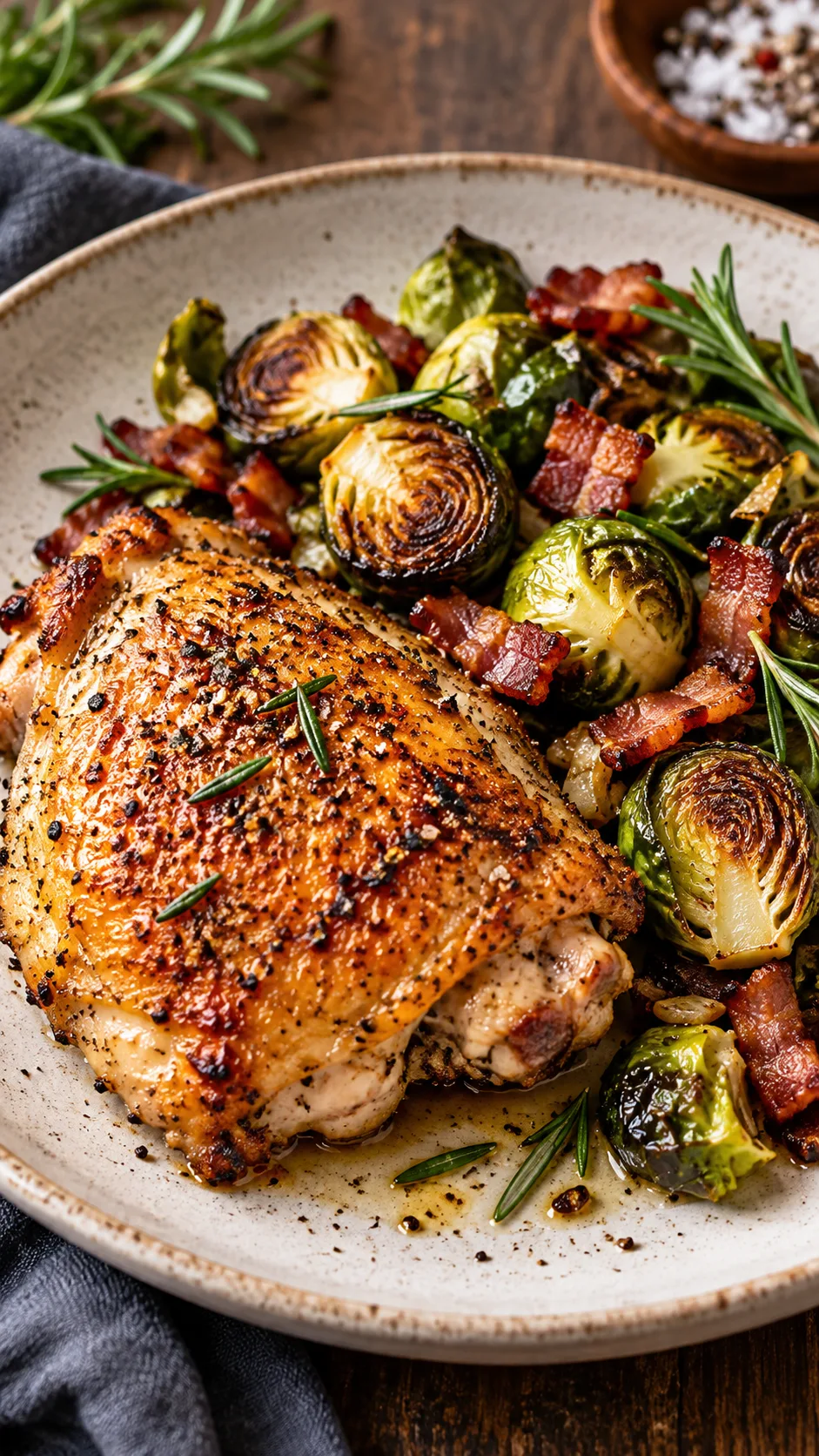
- Dinner: Baked chicken thighs with crispy skin, served alongside roasted Brussels sprouts tossed with diced bacon pieces.
Day 4
- Breakfast: A thick green smoothie made with unsweetened almond milk, a scoop of stevia-sweetened protein powder, spinach, frozen avocado chunks, and a sprinkle of unsweetened cocoa powder.
- Lunch: Warm bowl of bone broth alongside a Mediterranean salad featuring shredded chicken, chopped bell peppers, parsley, red onion, and olive oil.
- Snack: A small square of 85% to 90% dark chocolate with a handful of raw macadamia nuts.
- Dinner: Ground turkey cooked with cumin, coriander, and garlic, served over cilantro cauliflower rice and topped with fresh guacamole and salsa verde.
Day 5
- Breakfast: Two poached eggs resting atop sauteed asparagus spears and smoked salmon slices.
- Lunch: Leftover Mexican ground turkey burrito bowl with cauliflower rice and extra avocado.
- Snack: Sliced bell peppers dipped in unsweetened whole-milk cottage cheese.
- Dinner: Grilled ribeye or sirloin steak served with roasted zucchini rounds and melted garlic-herb butter.
Day 6
- Breakfast: Chia seed pudding made overnight with full-fat canned coconut milk, unsweetened vanilla extract, and topped with chopped pecans and raspberries.
- Lunch: Big chef salad featuring sliced ham, smoked turkey, hard-boiled eggs, cucumbers, and a simple olive oil and mustard dressing.
- Snack: Roasted seaweed snacks and a handful of dry-roasted almonds.
- Dinner: Baked white fish (such as cod or halibut) topped with a Mediterranean tapenade of crushed olives, capers, and tomatoes, served with roasted broccolini.
Day 7
- Breakfast: Sunday morning scramble with pastured eggs, chorizo sausage, onions, cilantro, and sliced avocado.
- Lunch: Hearty vegetable soup made with chicken bone broth, shredded cabbage, carrots, zucchini, and pulled chicken meat.
- Snack: Fresh cucumber rounds topped with mashed avocado and flaky sea salt.
- Dinner: Slow-cooked pork shoulder carnitas served in crisp cabbage wraps with fresh lime juice, diced jalapeño, and cilantro.
Unmasking the 56 sneaky aliases of sugar
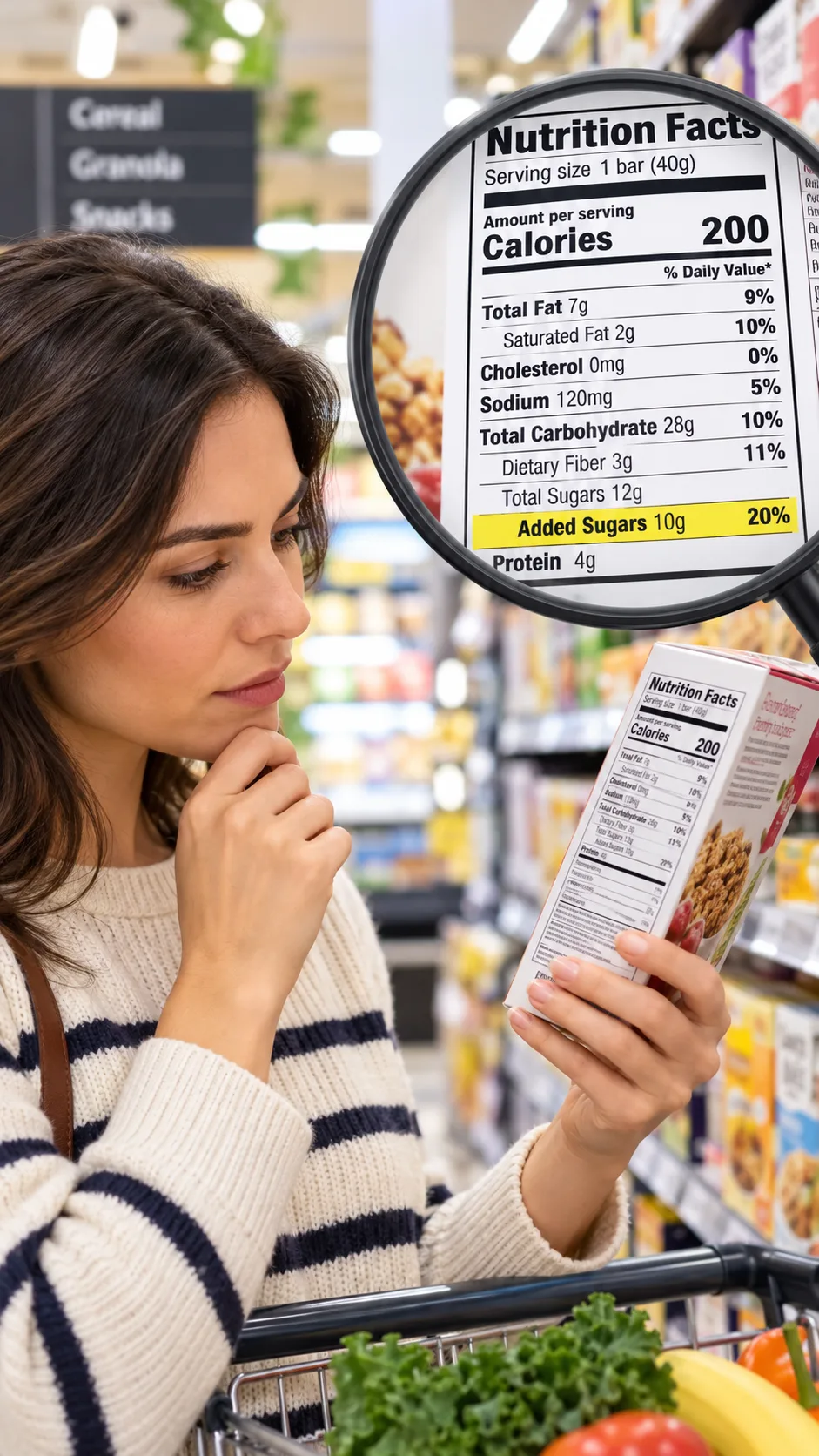
You walk down the grocery aisle, pick up a bottle of barbecue sauce or a loaf of multi-grain bread, and scan the nutrition panel. The front label boldly claims “All Natural” and “Heart Healthy,” but flip the package around. Manufacturers purposely break down sugars into three or four different types so no single sugar tops the ingredient list.
The American Heart Association recommends a strict ceiling of no more than 25 grams (6 teaspoons) of added sugar per day for women and 36 grams (9 teaspoons) for men. Yet, one single bottle of commercial teriyaki sauce can exceed that limit in two tablespoons.
Watch out for these frequent troublemakers lurking on the ingredient panel:
- The syrups: High fructose corn syrup, malt syrup, agave nectar, maple syrup, rice syrup, and carob syrup.
- The oses: Dextrose, fructose, glucose, lactose, maltose, and sucrose.
- The traps with innocent names: Cane juice crystals, fruit juice concentrate, turbinado sugar, coconut palm sugar, molasses, and barley malt.
Do not fall for the marketing around unrefined alternatives. Your liver processes organic agave nectar or coconut blossom crystals with the exact same biochemical strain as plain white table sugar. Sugar is sugar. Treat them all with the same healthy skepticism.
Emergency protocols: crushing 3 PM and 9 PM sugar cravings
What happens when you follow the rules perfectly, yet 3:30 PM arrives and your mind demands a warm cinnamon bun with the force of an oncoming freight train? You do not cave. You employ these practical psychological and biological habits to silence the noise.
Drink electrolytes and sea salt immediately
Dehydration frequently mimics acute hunger and sugar cravings. When insulin levels drop on a low-sugar eating pattern, your kidneys naturally dump sodium and water. Your body registers this electrolyte dip as an emergency energy shortage. Stir a pinch of high-quality sea salt or an unsweetened electrolyte mix into twelve ounces of cold water, drink it down, and wait ten minutes. The craving vanishes nine times out of ten.
Deploy the 15-minute movement rule
Are you hungry, or are you just bored, stressed, or avoiding a tedious spreadsheet? Cravings typically peak and dissolve within a fifteen-minute neurological window. Put on your sneakers, step outside, and walk briskly around the block for a quarter of an hour. Movement floods your system with endorphins and redirects blood flow, disrupting the dopamine craving loop.
Keep bitter foods on deck
Herbalists know a trick modern medicine often overlooks: bitter flavors shut down sweet receptors on your tongue almost instantly. Sip on a strong cup of unsweetened peppermint tea, chew on a sprig of fresh parsley, or drink sparkling water with a heavy dash of aromatic cocktail bitters. The intense bitter sensation resets your palate and snaps your brain out of its sugar trance.
Smart swaps: transform your kitchen overnight
You never have to feel deprived if you keep your pantry stocked with satisfying, rich alternatives. Use this direct cheat sheet when you tackle your next grocery run:
- Swap sugary breakfast cereal: Eat full-fat plain Greek yogurt with cinnamon, crushed walnuts, and fresh organic raspberries.
- Swap sweetened coffee creamers: Use heavy whipping cream, coconut cream, or unsweetened almond milk whipped with a splash of pure vanilla extract.
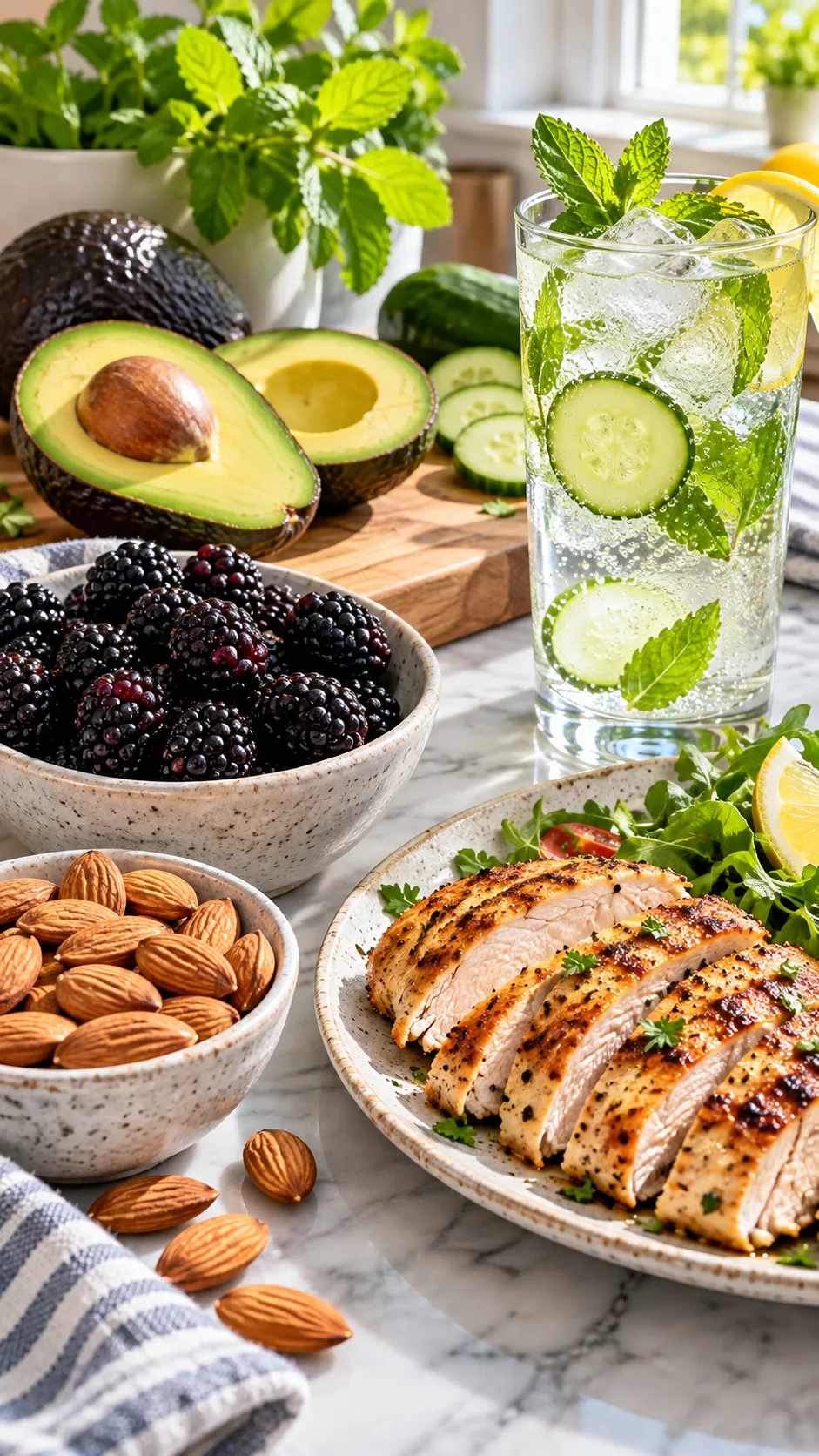
- Swap sugary soda and juices: Drink ice-cold sparkling water infused with fresh mint sprigs, crushed blackberries, and a squeeze of fresh lime.
- Swap milk chocolate: Choose 85% to 90% dark chocolate or unsweetened cocoa nibs paired with toasted almonds.
- Swap bottled barbecue and teriyaki sauces: Pick spicy mustard, chimichurri, guacamole, salsa verde, or extra-virgin olive oil with fresh herbs.
- Swap jam and jelly: Mash fresh berries with a fork and simmer them for three minutes with whole chia seeds until thickened.
Frequently asked questions
Can I eat fruit on a low sugar diet?
Yes, absolutely. Stick primarily to low-glycemic, high-fiber fruits like blackberries, raspberries, strawberries, blueberries, and green apples. Avoid large portions of dehydrated dried fruits (like raisins and dates) or tropical fruits like mangoes and pineapples in the early weeks, because they pack concentrated glucose punches without the bulk hydration of whole berries.
What about artificial sweeteners like aspartame or sucralose?
Tread carefully here. While artificial zero-calorie sweeteners do not technically spike blood glucose, they can confuse your metabolic signaling. They blast your tongue with sweetness hundreds of times more intense than natural sugar, keeping your brain hooked on hypersweet flavors. If you need a sweetener occasionally, stick to 100% pure monk fruit extract or organic stevia leaf.
How long do sugar withdrawal symptoms last?
Most individuals experience mild fatigue, slight irritability, or dull headaches for roughly three to five days after dropping their added sugar intake. By day seven, your body shifts toward fat burning, your insulin levels normalize, and your brain fog lifts dramatically. Stay hydrated, eat adequate salt, and sleep eight hours nightly to glide through this brief window comfortably.
Will this diet help me lose stubborn belly fat?
Yes. Visceral belly fat responds directly to circulating insulin levels. Because chronic high sugar intake forces insulin to remain elevated around the clock, your body stays locked in a metabolic fat-storage mode. Dropping sugar lowers baseline insulin, enabling your body to access and burn stored belly fat for daily fuel.
Your sweet-free freedom starts right now
Freeing yourself from the sugar cycle does not require suffering, bland meals, or endless social isolation. You do not need to wait until next Monday, the first of the month, or New Year’s Day to take back control of your energy and health.
Forget the all-or-nothing mindset that derailed your previous attempts. Start small. Cut the liquid sugar today, transform your breakfast into a savory meal tomorrow, and watch how quickly your cravings dissolve. Your brain clears up, your energy stays steady all afternoon, and food tastes genuinely delicious again.
Take your first step with your very next meal. Choose the savory option, prioritize real protein and healthy fats, and experience how easy sustained energy feels.