

You open the fridge on a Wednesday night, exhausted, and somehow the only thing staring back at you is a sad block of cheese and leftover takeout from three days ago. Sound familiar? Meal prepping fixes that. And it’s nowhere near as complicated as the Instagram crowd makes it look.
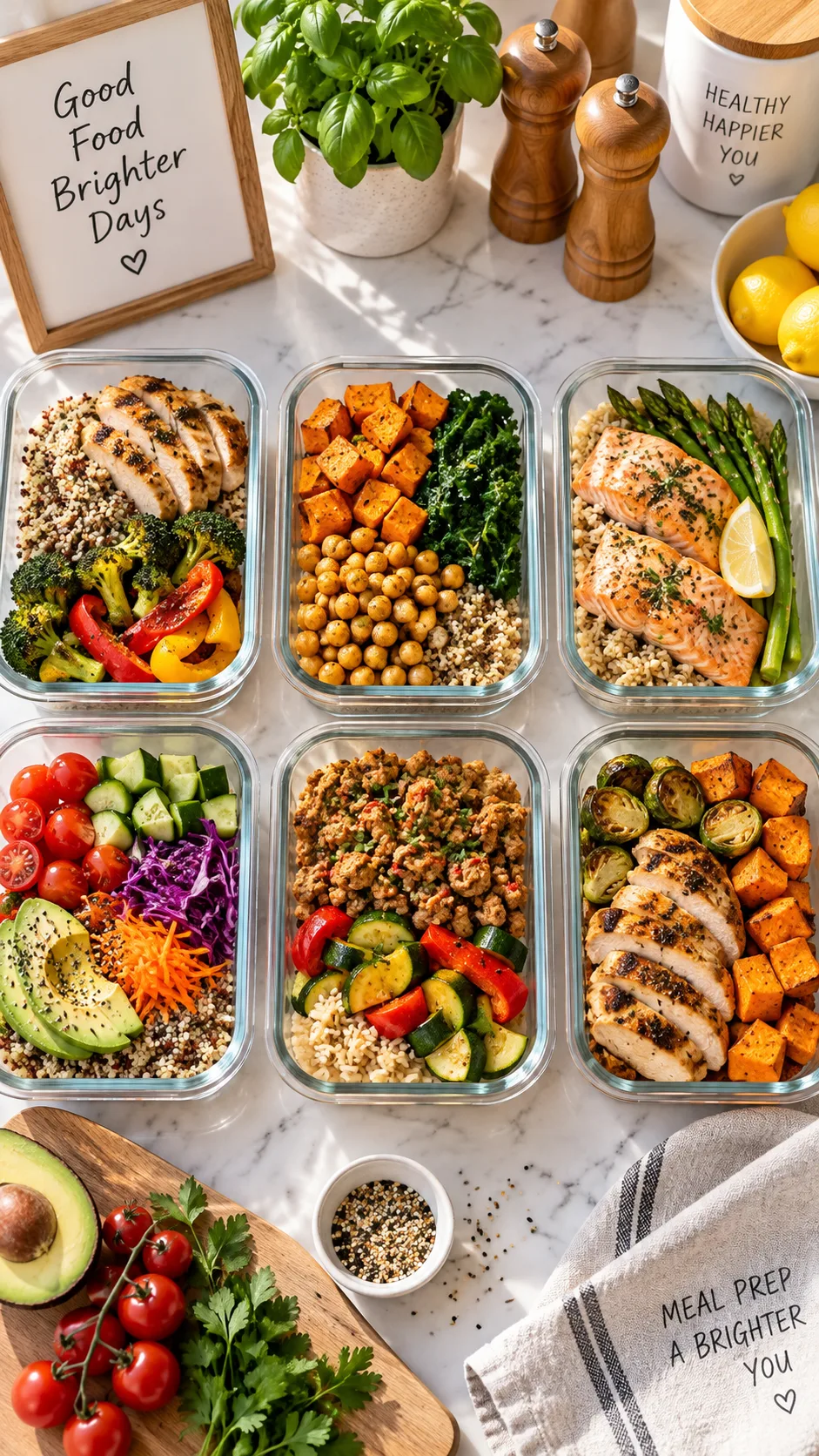
Why most beginners quit meal prep (and how not to be one of them)
Most people go too big too fast. They plan seven breakfasts, seven lunches, and seven dinners on their first attempt, spend six hours in the kitchen, and swear off meal prep forever by Monday. That’s not a you problem. That’s a strategy problem.
Start with just three to four meals, not a full week’s worth. Cover your lunches, maybe your dinners, and let the rest sort itself out. Once that feels easy, you scale up. Momentum beats perfection every single time.
Research from the Harvard T.H. Chan School of Public Health shows that people who plan and prepare meals at home eat healthier, spend less money, and maintain a more consistent calorie intake. The data backs what every meal prepper already knows from experience.
What you need to get started
You don’t need a fancy kitchen or a chef’s arsenal. Here’s the honest list of gear that makes meal prep work:
- Glass or BPA-free plastic containers, ideally a uniform size so they stack neatly
- A large sheet pan for roasting multiple veggies at once
- A big pot for batch-cooking grains and soups
- A sharp chef’s knife (a dull knife triples your prep time, no exaggeration)
- A kitchen scale, optional but useful if you’re tracking macros
That’s genuinely it. You can build out from there, but those five items cover about 90% of what beginner meal prep requires.
The beginner’s weekly meal prep blueprint
Here’s the framework that works. Pick one day. Sunday is the classic choice, but Saturday works just as well. Block two to three hours. That’s your meal prep window.
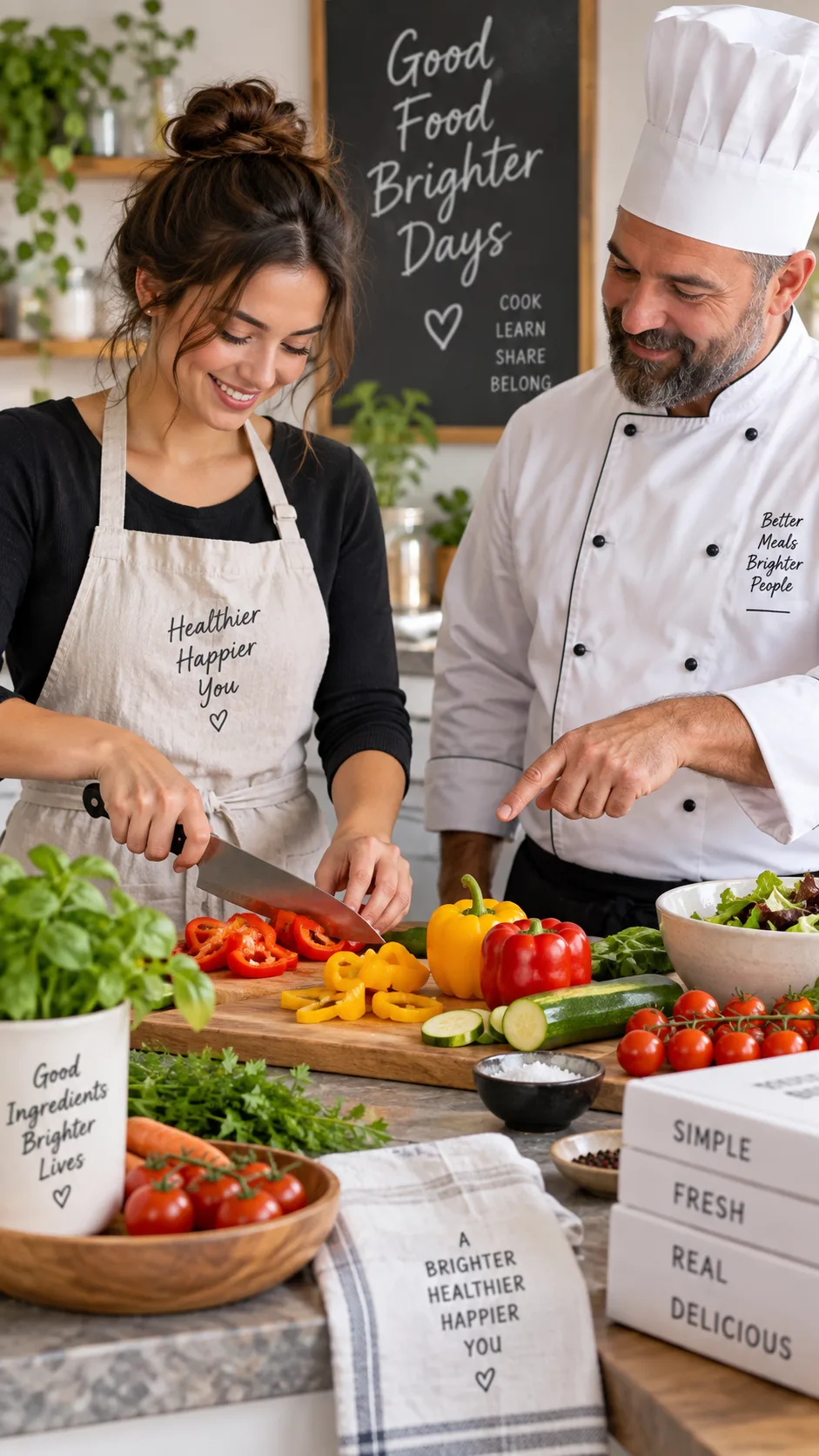
Step 1: Plan before you shop
Never walk into a grocery store without a list. Decide on two to three proteins, two to three carb sources, and a mix of vegetables. Write it down. Stick to it. Impulse buys are the enemy of a clean, usable meal prep haul.
A simple formula: pick one protein that works hot and cold (like grilled chicken or hard-boiled eggs), one grain that stores well (brown rice, quinoa, farro), and two vegetables that roast fast. That alone gives you dozens of meal combinations without any extra effort.
Step 2: Batch cook your proteins first
Proteins take the longest, so they go in first. Season a tray of chicken thighs or salmon, slide it into the oven at 400°F, and set a timer. While that cooks, you move on to everything else. Multi-tasking in the kitchen is the skill that separates fast preppers from slow ones.
Worth noting: chicken thighs hold up far better than chicken breasts over multiple days in the fridge. They stay moist and flavorful on day four, while breasts turn into cardboard. This one swap makes your meal prep taste noticeably better all week.
Step 3: Cook your carbs and roast your veggies simultaneously
Get a pot of rice or quinoa going on the stove while your protein finishes in the oven. Throw your vegetables (broccoli, bell peppers, zucchini, sweet potato) on a second sheet pan with olive oil and salt, and roast at the same temperature as your protein. You just cooked a full week of food in under an hour.
The FDA’s food safety guidelines recommend storing cooked food in the refrigerator within two hours of cooking and eating it within three to four days. For anything beyond that, freeze it. Label your containers with the date. Future you will thank present you for this.
The best foods to meal prep as a beginner
Not all foods survive a week in the fridge gracefully. Here’s what to prep and what to skip:
Great meal prep foods
- Grains: brown rice, quinoa, oats, farro. They all reheat perfectly.
- Proteins: chicken thighs, hard-boiled eggs, ground turkey, canned tuna, lentils
- Roasted vegetables: broccoli, cauliflower, sweet potatoes, bell peppers, Brussels sprouts
- Legumes: chickpeas, black beans, edamame. Cheap, filling, and endlessly versatile.
- Sauces and dressings: prep these separately to keep everything from going soggy
Foods to prep fresh instead
- Avocado, which browns and turns sad within hours
- Dressed salads, because the greens wilt (keep dressing separate)
- Fried foods, which lose their texture completely by day two
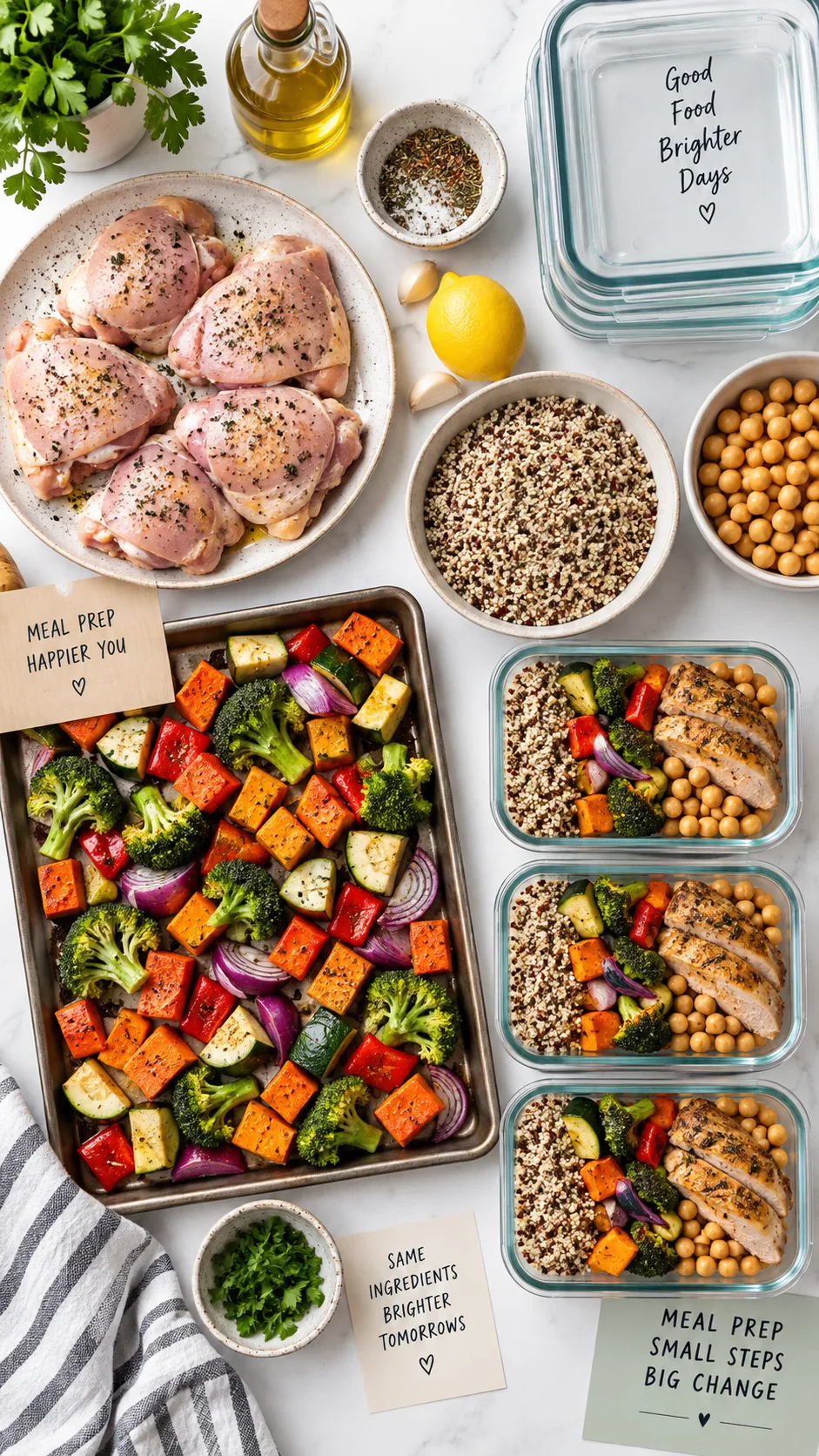
How to build meals that don’t bore you to tears
Here’s where most beginner meal preppers go wrong: they prep the same meal combination and eat the exact same thing five days in a row. By day three, they’re ordering pizza. You can avoid this with the mix-and-match method.
Prep your components separately. Proteins in one container, grains in another, vegetables in another. Then combine them differently each day. Grilled chicken over rice on Monday becomes a chicken grain bowl with tahini on Tuesday and a chicken wrap on Wednesday. Same prep, three completely different meals.
According to MyFitnessPal’s nutrition team, this modular approach is one of the most effective strategies for meal prep consistency because it reduces food fatigue without requiring extra cooking time.
Meal prep and your fitness goals go together
Whether you’re trying to lose weight, build muscle, or just eat cleaner, meal prep is one of the highest-leverage habits you can build. When you control what’s in your fridge, you control what goes into your body. It really is that straightforward.
If you’re pairing meal prep with a new fitness routine, check out the beginner gym workout guide, which covers the weekly training structure that works alongside a solid nutrition plan. For women specifically looking to build lean muscle, the strength training guide for women is worth a read alongside your meal prep habit.
In my experience, the combination of structured eating and structured training creates a positive feedback loop faster than either habit alone. You eat better, so you train better, so you feel better. The whole thing compounds.
Common meal prep mistakes (and how to skip them)
- Over-prepping on week one: Start small. Three to four meals max.
- Not seasoning properly: Bland food is how meal prep diets fail. Season every layer.
- Skipping the planning step: Without a list, you buy random stuff that doesn’t combine into meals.
- Using poor containers: Cheap containers leak, stain, and make reheating miserable.
- Forgetting snacks: Prep healthy snacks too (cut fruit, portioned nuts, Greek yogurt) or hunger will strike between meals.
The USDA’s nutrition resources offer free meal planning templates that beginners can use to structure their weekly prep more intentionally. Definitely worth bookmarking.
And if you’re building out your full fitness routine alongside better eating habits, the gym tips for beginners guide covers the common mistakes that keep new exercisers stuck in their first month. A solid companion read to this one.
Your first meal prep week, a simple starting point
- Pick your prep day and block two hours on your calendar
- Choose two proteins, two carb sources, and two vegetables
- Write your grocery list and shop with intention
- Cook proteins and carbs first; roast vegetables simultaneously
- Store components separately in clearly labeled containers
- Mix and match throughout the week to keep meals interesting
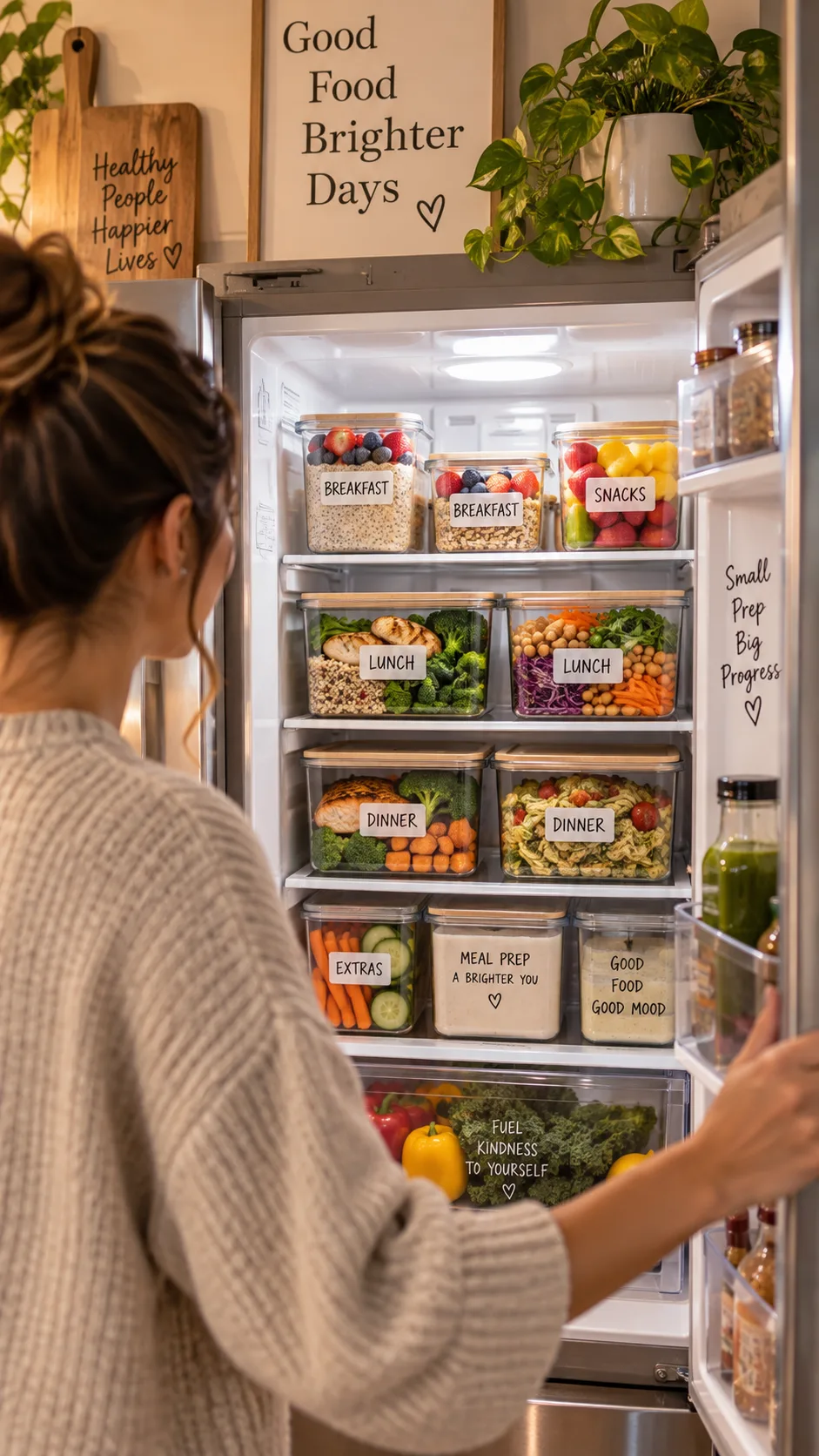
The bottom line
Meal prep works because it removes the hardest decision of every weekday: what am I eating? When that decision is already made and the food is sitting in your fridge, you default to the healthy option out of convenience, not willpower.
Start simple. One prep day. A handful of components. Label your containers. See how it feels by Friday. Most people who try this once never fully go back to winging it every night, and that’s the whole point. Your future self, standing at the fridge on Wednesday at 7pm, will genuinely thank you for it.
Build the habit first. Optimize it later. The best meal prep routine is the one you keep doing.