

Your couch makes a strong case. It feels soft, demands nothing, and never asks for one more rep. Still, you want to exercise, feel stronger, and quit restarting every Monday.
You do not need endless motivation to exercise consistently. You need a few ways to make that first move easier. Once you get moving, your brain usually stops acting like a tiny lawyer arguing for the sofa.
Why you do not feel like working out
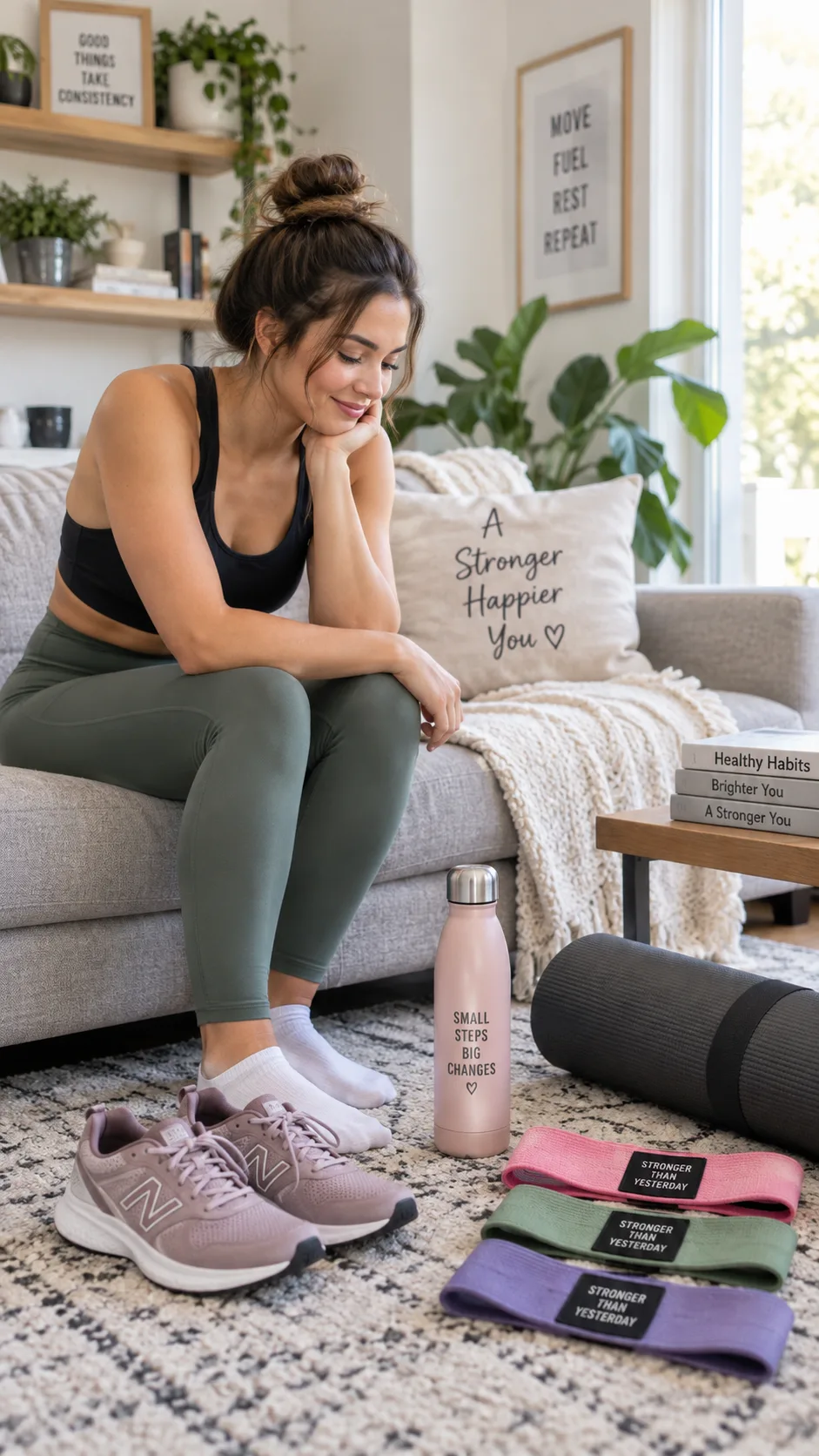
Most people do not skip workouts because they lack discipline. Exercise often feels harder than scrolling, snacking, or watching “just one more” episode. Your brain likes fast rewards, and the couch provides them very efficiently.
Stress, poor sleep, packed schedules, and unrealistic plans can drain your desire to exercise. If you expect an intense hour of training after a rough workday, you create a daily argument with yourself. Nobody looks forward to that.
Lower the gap between “I should work out” and “I’m moving.” Action creates motivation far more often than motivation creates action.
Stop waiting for the perfect feeling
You may picture motivated people jumping out of bed, tying their shoes, and enjoying every burpee. Plenty of people who exercise regularly feel reluctant before they begin. They follow their routine before their mood can object.
I have started plenty of workouts feeling flat, tired, or deeply committed to doing nothing. Ten minutes later, I usually feel better. On the occasional day when I still feel terrible, I stop or ease up without guilt.
You only need enough motivation to begin. You do not need enough motivation to finish the whole workout before you put on your shoes.
Make starting ridiculously easy
When you want to motivate yourself to work out, focus on the first two minutes. Put the full session aside for now. Ask yourself, “Can I just put on my workout clothes?”
That step may feel almost laughably easy. That is why it helps. Your brain resists a hard task, but it rarely fights a small action. It may feel sneaky. It works.
Use the 10-minute workout rule
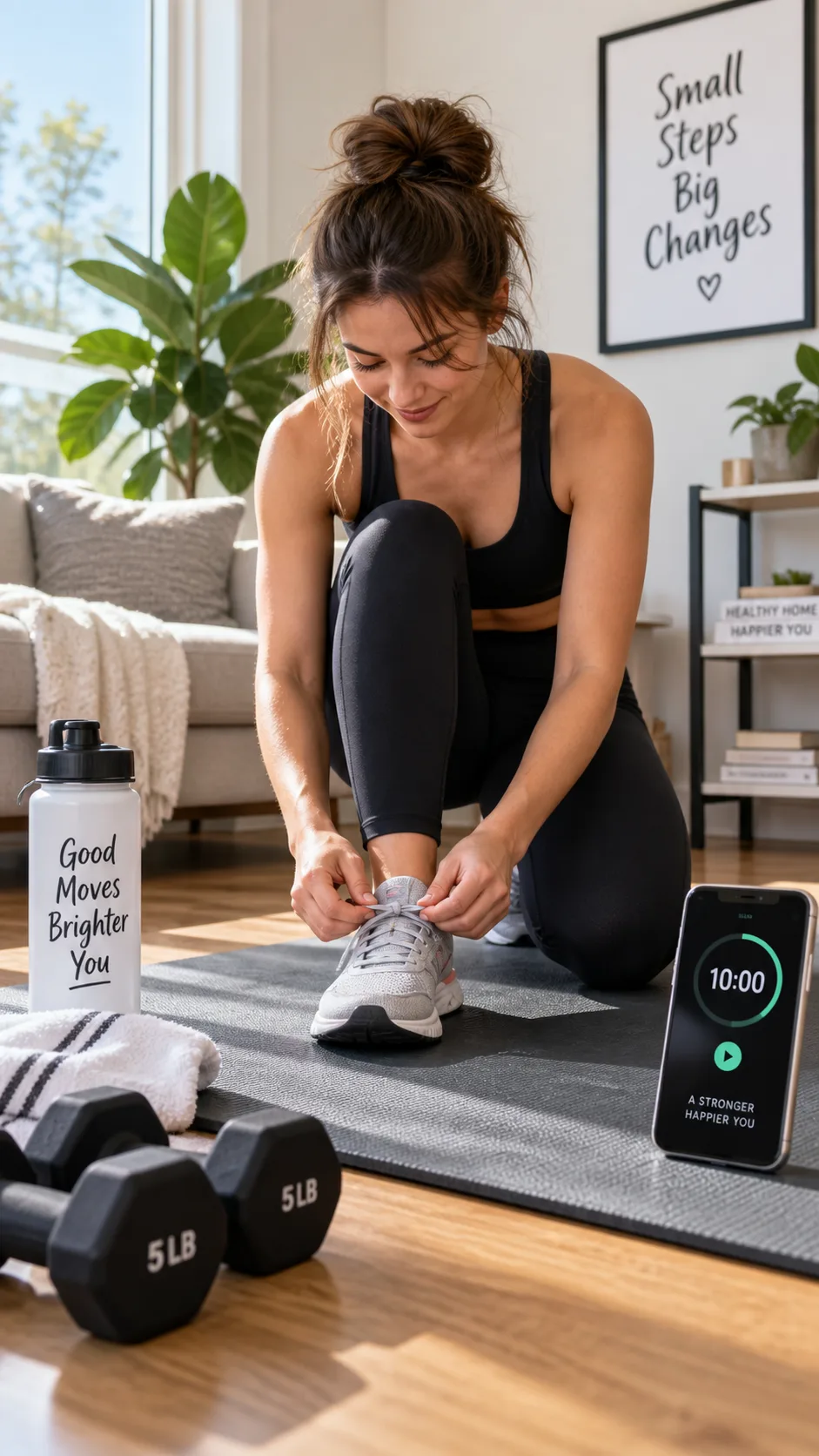
Promise yourself 10 minutes of movement. Walk outside, do bodyweight squats, ride a bike, stretch, or follow a short workout video. After 10 minutes, you can stop if you truly want to.
Many people continue because movement can shift their energy and mood. Even if you stop after 10 minutes, you still practice the habit. A short workout beats a skipped workout every single time.
- Choose one simple activity: walking, lifting, yoga, cycling, or a quick home workout.
- Set a 10-minute timer: skip the negotiation with yourself.
- Give yourself permission to stop: take away the pressure to perform.
- Celebrate the win: you showed up, and that matters.
If you want a plan that cuts down on decision fatigue, try this workout guide for building a routine that sticks. A clear plan saves you from standing in your kitchen at 6 p.m. and wondering whether push-ups count as a personality.
Create a workout routine that fits your real life
A perfect workout plan means little if you never follow it. Build your routine around your real energy, schedule, and preferences. You do not need to copy someone who trains at 5 a.m. unless you enjoy waking up before the birds file their paperwork.
Start with specific workout days and times. “I’ll exercise sometime this week” leaves plenty of room to put it off. “I’ll walk at 6:30 p.m. on Tuesday and Thursday” puts a real appointment on your calendar.
Match your workout to your energy
Plan intense sessions for days when you usually feel strong. Pick walks, mobility work, or lighter strength training when your energy runs low. This approach lets you stay consistent without treating each workout like a final exam.
The Centers for Disease Control and Prevention recommends that adults aim for at least 150 minutes of moderate activity each week, plus muscle-strengthening work on two or more days. You can break that movement into manageable chunks, so you do not need marathon gym sessions.
- Busy day: Take a 10 to 20 minute brisk walk.
- Low-energy day: Do gentle mobility work or easy yoga.
- Normal day: Complete your planned strength or cardio session.
- High-energy day: Add a little intensity, but skip the punishment session.
Three full-body strength workouts each week can build solid momentum. This three-day full body workout plan gives you structure when you want results without living at the gym.
Remove excuses before they show up
Your future self likes convenience. Make exercise easy to begin before your tired evening brain takes over. Put your workout clothes where you will see them, pack your gym bag, and choose your session the night before.
A little preparation protects your workout plans. You make fewer choices and face less resistance. Your couch still exists, sadly, but it loses some of its pull.
Build an easy environment
Set up your home so movement feels like the obvious next step. Keep dumbbells near the living room, place your walking shoes by the door, or leave a yoga mat open in a corner. Those visible reminders can nudge you toward the habit you want.
You can put the couch to work, too. Keep a resistance band nearby and do a few rows, glute bridges, or stretches during a show. That will not replace every workout, but it turns “nothing” into “something.”
- Lay out your clothes before bed.
- Fill your water bottle ahead of time.
- Save a workout playlist or video.
- Write down tomorrow’s exact workout.
- Put your phone across the room when you begin.
Find a type of exercise you like
You do not need to love running, CrossFit, spin classes, or heavy lifting. Find movement that you can repeat without dreading it. Enjoyment builds consistency better than punishment does.
Try walking with a podcast, dancing in your kitchen, swimming, hiking, boxing, climbing, Pilates, or strength training. Give an activity a few weeks before you judge it. Your first attempt may feel awkward because every new skill does.
The best workout is the one you will do again next week. It may look simple and unglamorous, which can feel inconvenient in a fitness world that loves extreme plans.
Use accountability without making it weird
Accountability can help when you find it easy to break promises to yourself. Meet a friend for a walk, join a class, hire a trainer, or tell someone your weekly goal. Many people dislike canceling on someone else more than they dislike doing a few squats.
You can track workouts on a calendar, too. Mark an X after each session and try to keep the chain going. Seeing those marks reminds you that you already act like a person who exercises.
Focus on identity, not only outcomes
Instead of saying, “I need to lose weight,” try saying, “I’m becoming someone who takes care of my body.” That change can shape your choices. You stop chasing a distant finish line and practice that identity today.
Ask yourself one useful question: “What would an active person do for the next 10 minutes?” Maybe that person walks around the block. Maybe they stretch. Maybe they do one set and count it as a win.
Give your training decent sleep, too. The National Heart, Lung, and Blood Institute explains that sleep loss can affect mood, focus, and daily performance. You cannot expect much workout energy when you treat sleep like an optional software update.

Reward yourself for showing up
Your brain learns from rewards, so give it something pleasant after exercise. Take a hot shower, listen to a favorite podcast during your walk, make good coffee afterward, or check off your workout tracker. Keep the reward simple and immediate.
Avoid making food your only reward, especially if it starts a guilt cycle. Let exercise feel like self-care rather than a transaction. Movement supports your life; it does not earn your right to enjoy it.
You can measure wins beyond the scale. Notice better sleep, more energy, stronger legs, less stress, or the confidence to carry every grocery bag in one trip. That last one deserves respect, IMO.
Know when to rest instead
Motivation does not mean pushing through pain, illness, or total exhaustion. Rest can support your progress when your body needs it. Smart training makes room for recovery, mobility work, and lighter days.
Stop and seek medical advice if you feel chest pain, dizziness, severe shortness of breath, or sudden unusual pain during exercise. If you return after an injury or manage a health condition, talk with a qualified healthcare professional before you increase intensity.
Use good form and build gradually when you train. These practical ways to prevent workout and gym injuries can help you stay active without turning enthusiasm into an avoidable setback.
Final thought: Start before you feel ready
You will not feel motivated every day, and you do not need to. Make workouts smaller, simpler, and easier to begin. Choose movement you enjoy, prepare ahead, and give yourself credit for every effort.
Put on your shoes, set a 10-minute timer, and begin. The couch will survive without you for a little while 🙂