

You bought three pounds of bacon, tossed your bread into the trash, and promised yourself a flat stomach by next month. Four days later, your head pounds, your energy crashes, and you find yourself staring at a stray saltine cracker on your coworker’s desk.
You just hit the keto wall. Most newcomers run into this barrier because online influencers promote a lazy fantasy: eat endless butter, drop thirty pounds without effort, and feel like a superhero.
Human biology rejects that fantasy. When you set up keto incorrectly, you do not burn clean energy. You simply starve your brain of glucose while failing to produce ketones. A few practical adjustments solve that problem fast.
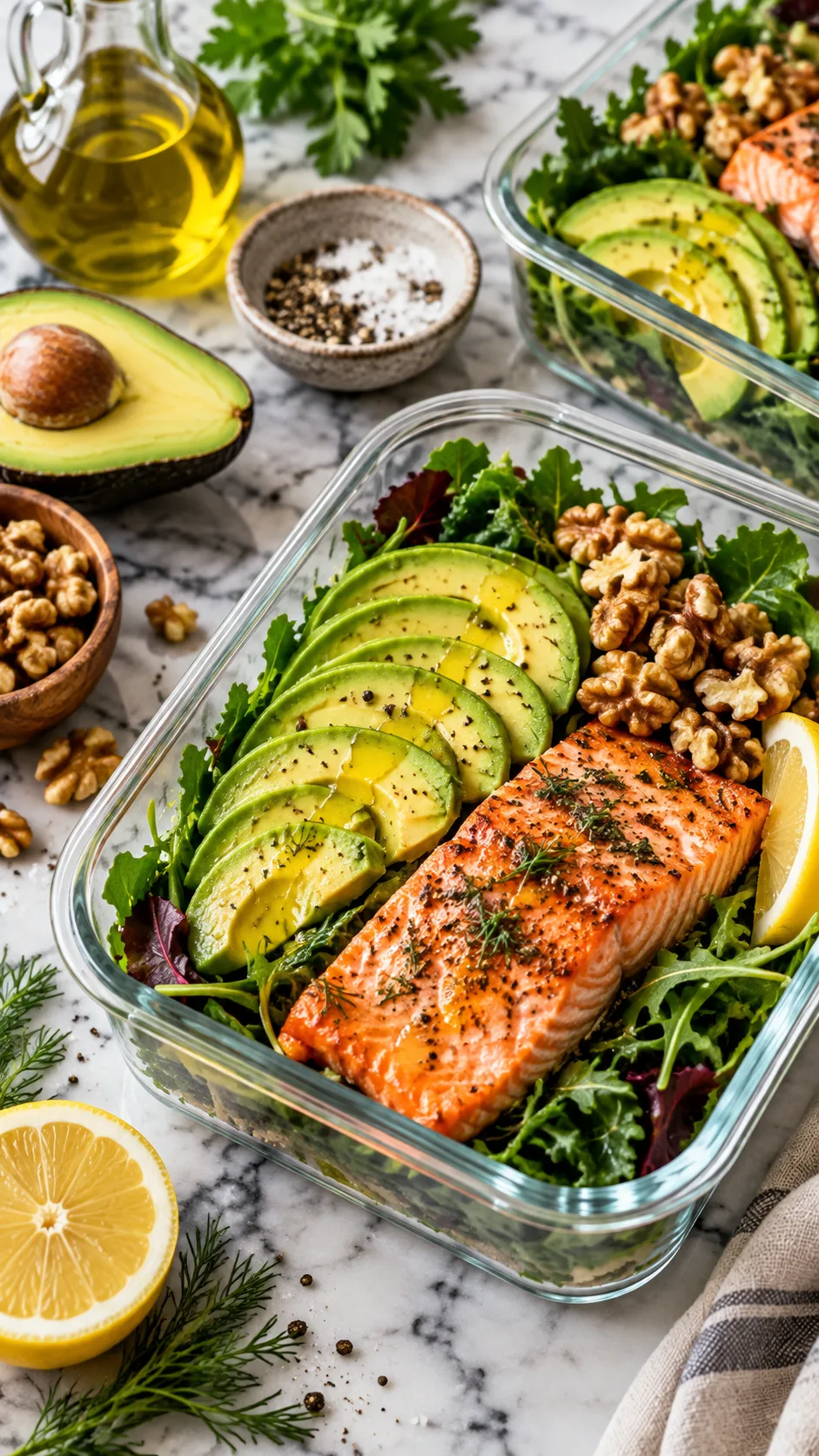
What is ketosis, really? (Beyond the social media hype)

Your body prefers convenience. For decades, you supplied your cells with glucose from oats, pasta, bread, and fruit. Your pancreas released insulin, moving that glucose into muscle cells or storing the surplus as body fat.
When you restrict carbohydrates below 20 to 50 net grams each day, you cut off that primary fuel. Your liver burns through its stored glycogen within 24 to 48 hours, forcing your metabolism to adapt.
Your liver begins breaking down fatty acids into molecules known as ketones (beta-hydroxybutyrate, acetoacetate, and acetone). Your heart, muscles, and brain readily burn these ketones for fuel. Researchers at StatPearls (National Center for Biotechnology Information) explain how this metabolic shift delivers fasting-like benefits while you still eat filling meals.
Ketosis is not magic. It is an ancient backup system that supermarket shelves taught you to ignore.
Five mistakes beginner keto dieters make
Most beginners do not fail keto through a lack of willpower. Bad advice sets them up for misery. Avoid these five common blunders if you want to burn fat and keep your sanity.
1. The “dirty keto” trap
You can technically enter ketosis on processed cheese slices, microwave bacon, and diet soda. You will also feel terrible and irritate your gut.
Refined seed oils, factory meats loaded with sodium nitrates, and zero-carb junk foods trigger body-wide inflammation. To lose fat steadily, build your meals around whole foods. Many people who swap processed keto foods for an anti-inflammation diet meal plan shed excess water weight without fighting constant fatigue.
Choose simple whole foods instead: pasture-raised eggs, wild fish, olive oil, grass-fed beef, avocados, and dark leafy greens. Your digestive system will reward you.
2. Neglecting electrolytes (The true cause of “keto flu”)
Beginners usually blame carbohydrate withdrawal for their headaches, nausea, and muscle cramps. Carbohydrate withdrawal plays a small role, but plunging insulin levels cause most of the trouble.
When you restrict carbs, your pancreas produces far less insulin. Lower insulin prompts your kidneys to shed water and stored sodium rapidly. That fluid loss pulls potassium and magnesium out with it.
If you skip replacing these minerals, you run right into the common keto flu:
- Sodium: Prevents brain fog, lightheadedness when standing, and midday crashes.
- Potassium: Balances fluid inside cells and keeps your heart rhythm steady.
- Magnesium: Prevents painful night cramps and supports restful sleep.
Salt your food generously. Drink salty bone broth twice a day. Do not fear sodium when your body actively flushes it out.
3. Fear of dietary protein
Online message boards often spread a persistent myth: extra protein instantly turns into glucose. This belief unnecessarily frightens beginners away from chicken breast and lean steak.
People misunderstand gluconeogenesis, which is the metabolic process where the liver produces small amounts of glucose from amino acids when specific tissues require it. The body runs this process on demand, not on supply. Your liver will not flood your bloodstream with sugar just because you ate an eight-ounce ribeye.
If you skimp on protein during keto, your body breaks down your own muscle tissue to secure amino acids. That loss lowers your metabolic rate. Eat adequate protein or adopt the structure of a high-satiety protein diet plan to protect your muscle.
4. Blindness to hidden carbs
Do you measure the heavy cream in your morning coffee? Most people pour far more than a single tablespoon, easily adding several grams of dairy sugar. Restaurant dressings present another hazard, as commercial kitchens routinely use corn syrup or flour to thicken sauces.
Carbohydrates often hide in everyday staples:
- Garlic and onion powders contain surprisingly high carbohydrate counts per tablespoon.
- Cashews and pistachios pack significantly more carbs than pecans, macadamias, or walnuts.
- Balsamic vinegar carries concentrated sugars compared to apple cider or red wine vinegar.
- Commercial low-carb breads frequently use modified starches that still raise blood glucose in many people.
Read ingredient labels carefully. If a company hides sugar under any alternative name among the first few ingredients, leave the product on the shelf.
5. Chasing ketone numbers instead of fat loss
Many beginners test their blood several times a day, chasing high readings on their meter. They celebrate a 3.5 mmol/L reading while their waistline remains unchanged for a month.
High ketone numbers do not ensure body fat loss. When you douse meals in MCT oil or melt sticks of butter into morning coffee, your liver creates ketones from those dietary fats. You end up burning the butter from your mug rather than the stored fat on your hips.
Keep added fats moderate if you want to lose weight. Ketosis controls hunger and stabilizes energy, but a calorie deficit still drives fat loss. If your weight refuses to drop despite deep ketosis, compare your intake against a targeted diet plan for belly fat loss to regain your balance.
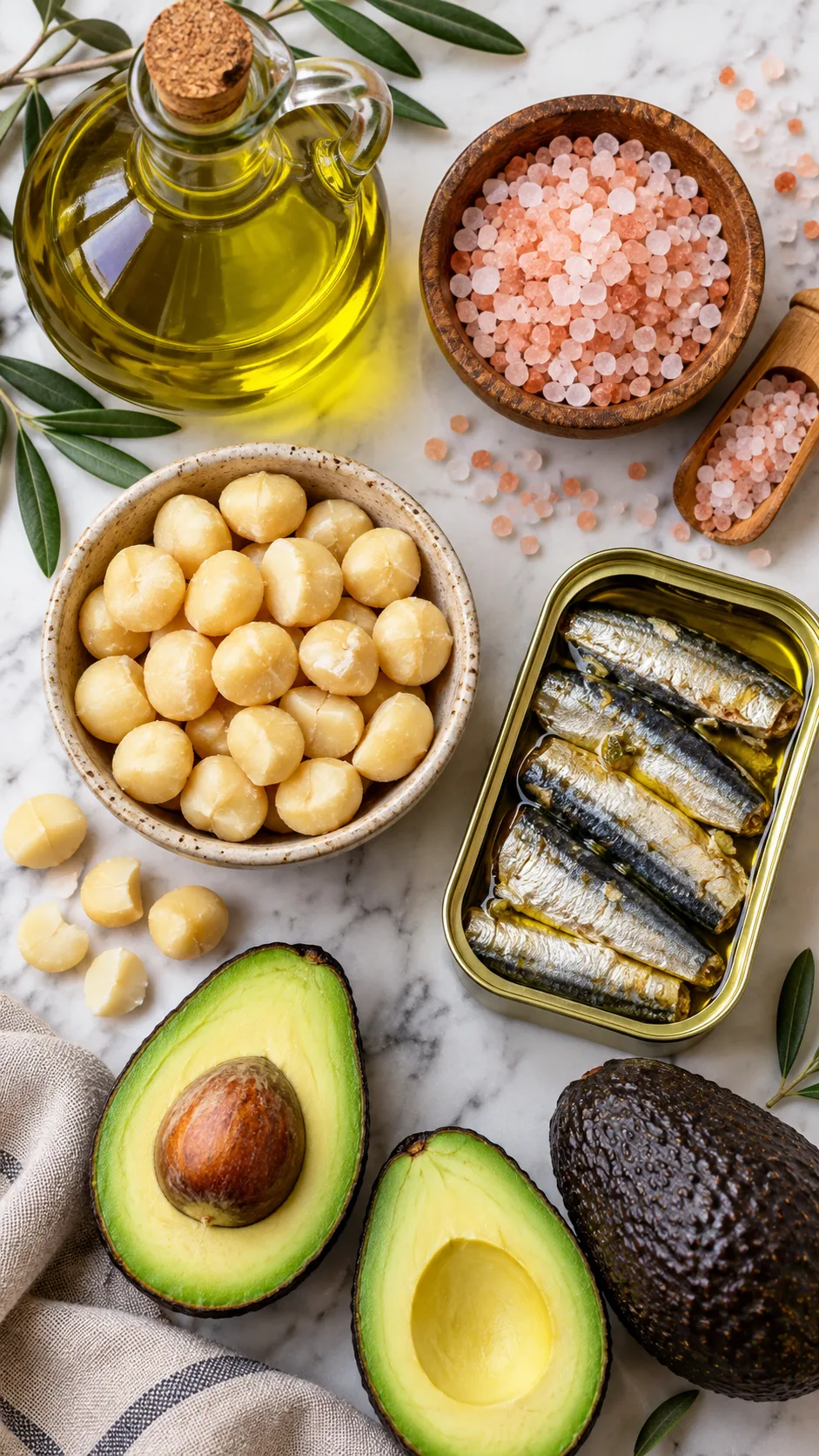
The step-by-step blueprint to make keto work
Clear out the noise and establish a routine that suppresses appetite and supports steady energy. Follow this four-step plan.
Step 1: Calculate your daily macronutrient targets
Avoid broad percentages like 75 percent fat, 20 percent protein, and 5 percent carbohydrates. Percentages confuse daily meal planning. Calculate precise gram targets based on your goals instead:
- Carbohydrates: Cap net carbs at 20 to 25 grams daily (calculate net carbs by subtracting fiber and non-caloric sugar alcohols like erythritol from total carbohydrates).
- Protein: Aim for 0.8 to 1.0 grams per pound of your target body weight. If your target weight is 160 pounds, eat 130 to 160 grams of protein daily.
- Fat: Use healthy fats to control appetite. Stop adding oil or butter once you feel satisfied.
Step 2: Follow a daily electrolyte protocol
Do not wait for a headache to hit before reaching for salt. Mix a simple electrolyte drink each morning:
- 500 milliliters of water
- 1/2 teaspoon of sea salt or pink rock salt (about 1,150 milligrams of sodium)
- 1/4 teaspoon of potassium chloride salt alternative (about 350 milligrams of potassium)
- A squeeze of fresh lemon juice
Drink this mixture slowly over two hours. Take 300 to 400 milligrams of magnesium glycinate or magnesium malate before bed. Avoid magnesium oxide, which absorbs poorly and upsets the stomach.
Step 3: Build plates around three foundational items
Keep meal planning simple. Build each meal around three wholesome components without processed shortcuts:
- Protein: Six to eight ounces of steak, salmon, chicken thighs, pork chops, or four whole eggs.
- Low-carb vegetables: Two full cups of spinach, arugula, roasted broccoli, cauliflower, or asparagus.
- Healthy fat: Half an avocado, a tablespoon of extra virgin olive oil, or an ounce of goat cheese.
This approach cuts out artificial keto treats, processed meal bars, and excessive fat bombs made with cream cheese and artificial sweeteners.
Step 4: Understand the first week of adaptation
Many people find the first seven days challenging as their metabolism shifts. Learning how the body adapts day by day removes unnecessary guesswork and stress.
A realistic 3-day beginner keto meal plan
You do not need complicated recipes to eat well on keto. This three-day framework keeps net carbs under 25 grams daily while providing satisfying meals.
Day 1: The reset
- Breakfast: Three eggs scrambled in a tablespoon of butter, served with a handful of baby spinach and half an avocado.
- Lunch: Mixed greens salad topped with six ounces of grilled chicken thighs, cucumber slices, olive oil, and red wine vinegar.
- Dinner: Eight ounces of wild salmon pan-seared in ghee, served with roasted asparagus and sea salt.
- Snack (Optional): A handful of raw macadamia nuts or two celery stalks with unsweetened almond butter.
Day 2: Steady energy
- Breakfast: Unsweetened coconut yogurt with a scoop of unflavored collagen peptides, chia seeds, and four fresh blackberries.
- Lunch: Grass-fed beef burger patty topped with cheddar cheese, bacon, red onion, and mustard wrapped in romaine lettuce leaves.
- Dinner: Ground turkey cooked in sesame oil with shredded cabbage, fresh ginger, garlic, and coconut aminos.
- Snack (Optional): Two hard-boiled eggs sprinkled with salt and paprika.
Day 3: Deep adaptation
- Breakfast: Three-egg omelet filled with sauteed mushrooms, bacon pieces, and Swiss cheese.
- Lunch: Tuna salad made with avocado oil mayonnaise, diced celery, and dill pickles, served inside halved bell peppers.
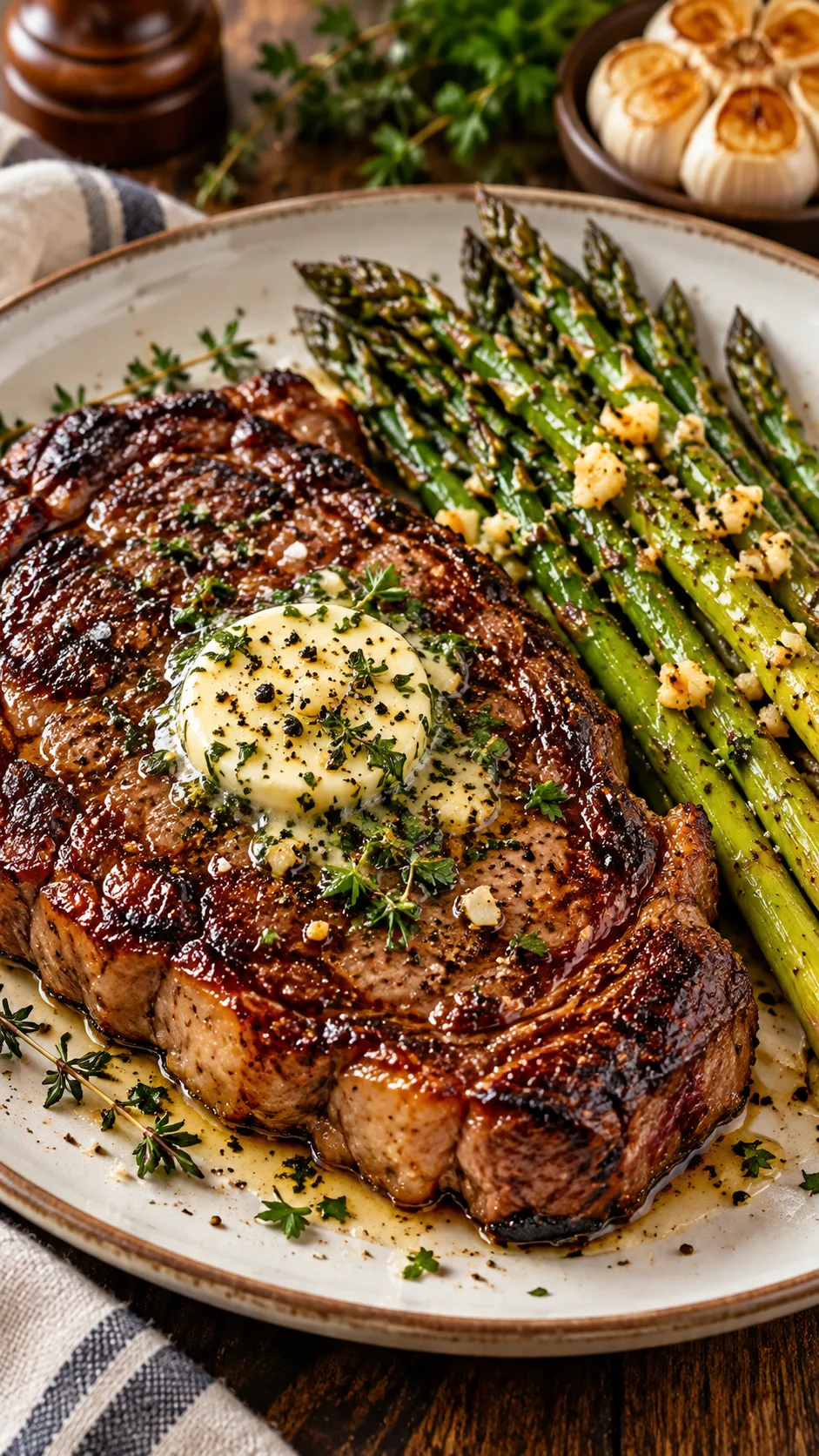
- Dinner: Cast-iron seared ribeye steak topped with herb butter, paired with cauliflower mash whipped with heavy cream and pepper.
- Snack (Optional): Sliced cucumber rounds with fresh guacamole.
Troubleshooting: What to do when the scale stops moving
You follow every rule for three weeks, drop several pounds of water, and then the scale stalls. Weight plateaus happen during any diet transition. Researchers at Harvard T.H. Chan School of Public Health note that while low-carbohydrate diets trigger quick early reductions, lasting progress requires consistent habits over time.
Run through this quick checklist before you slash calories drastically:
Audit your dairy intake
Cheese tastes great and offers convenience, but it also carries dense calories. An extra handful of shredded cheddar quietly adds 200 calories to your day. Heavy cream and cream cheese can also trigger overeating for certain individuals. Limit dairy to small portions for a week and monitor your progress.
Cut out artificial sweeteners and packaged low-carb snacks
Packaged keto bars, monk-fruit baked goods, and sugar alcohols preserve sweet cravings. Eating processed dessert substitutes trains your brain to seek sweet foods after every meal. Drop the packaged treats and let your palate adjust to the taste of whole foods.
Assess your sleep and stress
Persistent stress drives up cortisol levels. Cortisol encourages the liver to create glucose and causes cells to hold onto fluid. You might shed body fat during the week, but high stress hormones mask that loss through water retention. Prioritize eight hours of sleep each night to help your body shed held water.
Track daily non-exercise movement
When you reduce carbohydrates, your body sometimes responds by moving less. You sit down more often, skip household chores, or avoid the stairs. That subconscious drop in daily activity can reduce your energy expenditure by hundreds of calories. Aim for 8,000 steps daily regardless of energy dips.
Who should avoid the ketogenic diet?
Ketogenic protocols help many people control blood sugar and manage persistent hunger. However, this way of eating does not suit everyone. Speak with a doctor before starting if you have any of the following conditions:
- Type 1 diabetes: Ketosis carries serious risks of diabetic ketoacidosis unless doctors monitor insulin doses carefully.
- Absence of a gallbladder: Without a gallbladder to store bile, digesting larger amounts of dietary fat often causes stomach pain and poor nutrient absorption.
- Genetic metabolic disorders: Conditions such as carnitine palmitoyltransferase deficiency prevent cells from processing fatty acids into fuel.
Pay attention to your body. If two months of clean keto leave you feeling constantly exhausted, ill, or weak despite proper hydration and minerals, change your approach. Healthy eating should improve your daily life, not become a rigid dogma.
Final thoughts: Focus on the long game
Do not treat keto as a quick two-week punishment after a weekend of overeating. Approach the diet as a tool to stabilize insulin levels, steady your energy, and regain control over your food choices.
Skip the processed convenience foods. Take your electrolytes consistently. Eat enough quality protein to protect your muscle, and give your body time to adapt to burning fat. When you base your nutrition on sound biological principles, your body responds accordingly.
Fill your kitchen with real ingredients, drink your salt water, and let your metabolism do the work.