

Gray mush on a plate is not your only option. If a doctor, surgeon, dentist, or speech-language pathologist just put you on a pureed diet, you probably picture baby food and sadness. Good news: you can eat real flavor on a pureed diet, and this guide shows you how.
We’ll cover who needs pureed food, what the texture should look like, how to hit your protein goals, and how to make every spoonful taste like something you’d choose. Ready to fix the mush problem?
What is a pureed diet, exactly?
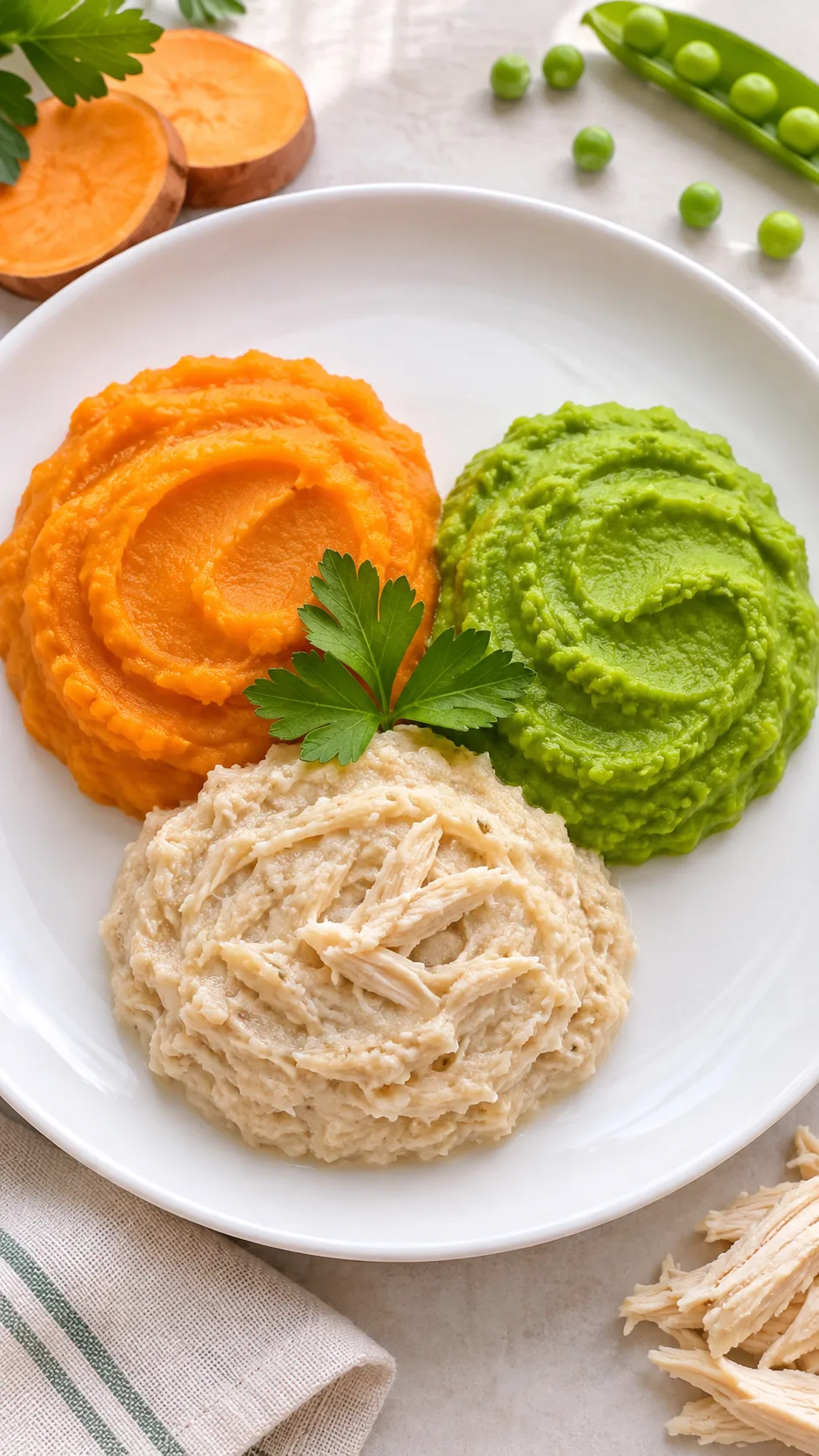
A pureed diet includes foods you blend or process until they turn smooth and free of lumps. You eat them with a spoon, and you don’t need to chew. Doctors often prescribe this diet when chewing or swallowing becomes painful or unsafe.
Who typically needs it?
Many different situations lead to pureed eating. These are the most common:
- Dysphagia (swallowing difficulty) after a stroke, or from Parkinson’s disease, dementia, or head and neck conditions
- Recovery after surgery, especially bariatric, jaw, throat, or dental surgery
- Dental problems, such as new dentures, extractions, or severe gum issues
- Cancer treatment side effects like mouth sores or a dry mouth
- Digestive conditions that need a short break from rough textures
The National Institute on Deafness and Other Communication Disorders explains that swallowing problems can affect people of any age, though they show up more often in older adults. Never self-prescribe a pureed diet for a swallowing problem. A speech-language pathologist should test your swallow and tell you which texture level you need.
Know your texture: the IDDSI framework in plain English
Clinicians around the world use the International Dysphagia Diet Standardisation Initiative (IDDSI) framework to describe food and drink textures. It uses numbered levels from 0 to 7. Pureed food sits at Level 4.
Level 4 food should:
- Look smooth, with no lumps, skin, or bits of fiber
- Hold its shape on a spoon instead of flowing like a liquid
- Stay unsticky, so it doesn’t glue itself to the roof of your mouth
- Need no chewing at all
Want a quick home check? Try the fork drip test. Scoop some puree onto a fork. It should sit in a mound on top and should not flow through the prongs in a continuous stream. If it runs like soup, it’s too thin. If it clumps like wallpaper paste, it’s too thick or sticky.
Your care team may want a different level for you, so follow their specific instructions.
Why pureed food tastes bad (and how to fix it)
Most pureed meals fail for the same reasons: nobody seasons them, nobody plans any contrast, and nobody puts much thought into them. Someone boils everything in plain water, blasts it in a blender, and plops it on a plate. Of course it tastes like regret.
Cook with flavor from the start
Flavor never appears at the blender. It starts in the pan. Follow these habits:
- Roast vegetables instead of boiling them. Roasting caramelizes natural sugars and builds depth.
- Simmer proteins in broth, not water. Low-sodium stock adds savory flavor without a salt bomb.
- Sauté onion, garlic, or ginger first, then blend them in.
- Blend with the cooking liquid, not plain water. You keep the nutrients and the taste.
Season after blending, too
Blending dulls flavor. Taste the puree and adjust it before you serve. A squeeze of lemon, a splash of vinegar, a pinch of smoked paprika, or fresh herbs can wake up a flat puree in seconds. Acid and herbs do the heavy lifting here.
If your doctor limits sodium, lean on herbs, spices, citrus, and roasted garlic instead of the salt shaker.

Keep each food separate
I have a strong opinion on this one: never blend your whole dinner into one bowl. Chicken, carrots, and potatoes blended together make one beige blob, and your brain loses interest fast. Puree each item separately instead.
Separate portions give you different colors and flavors, and they make the plate feel like a real meal. You can also taste each food on its own, which matters when your appetite runs low. Many people eat more when the plate looks appealing.
Shape it like you mean it
Use a piping bag, a silicone mold, or even a zip-top bag with the corner snipped. Pipe the puree into little mounds or shapes that resemble the original food. Food-safe molds come in shapes like chicken drumsticks, broccoli florets, and carrots. Is it a little extra? Sure. Does it make people want to eat? Absolutely.
Nutrition: don’t let calories and protein slip
People on pureed diets often eat less than they need. Pureed food can run lower in calories and protein by volume, especially when cooks add lots of water. Weight loss, fatigue, and slow healing can follow.
A registered dietitian can set your exact targets. The Academy of Nutrition and Dietetics offers a directory to help you find one. In the meantime, try these strategies.
Boost protein without adding bulk
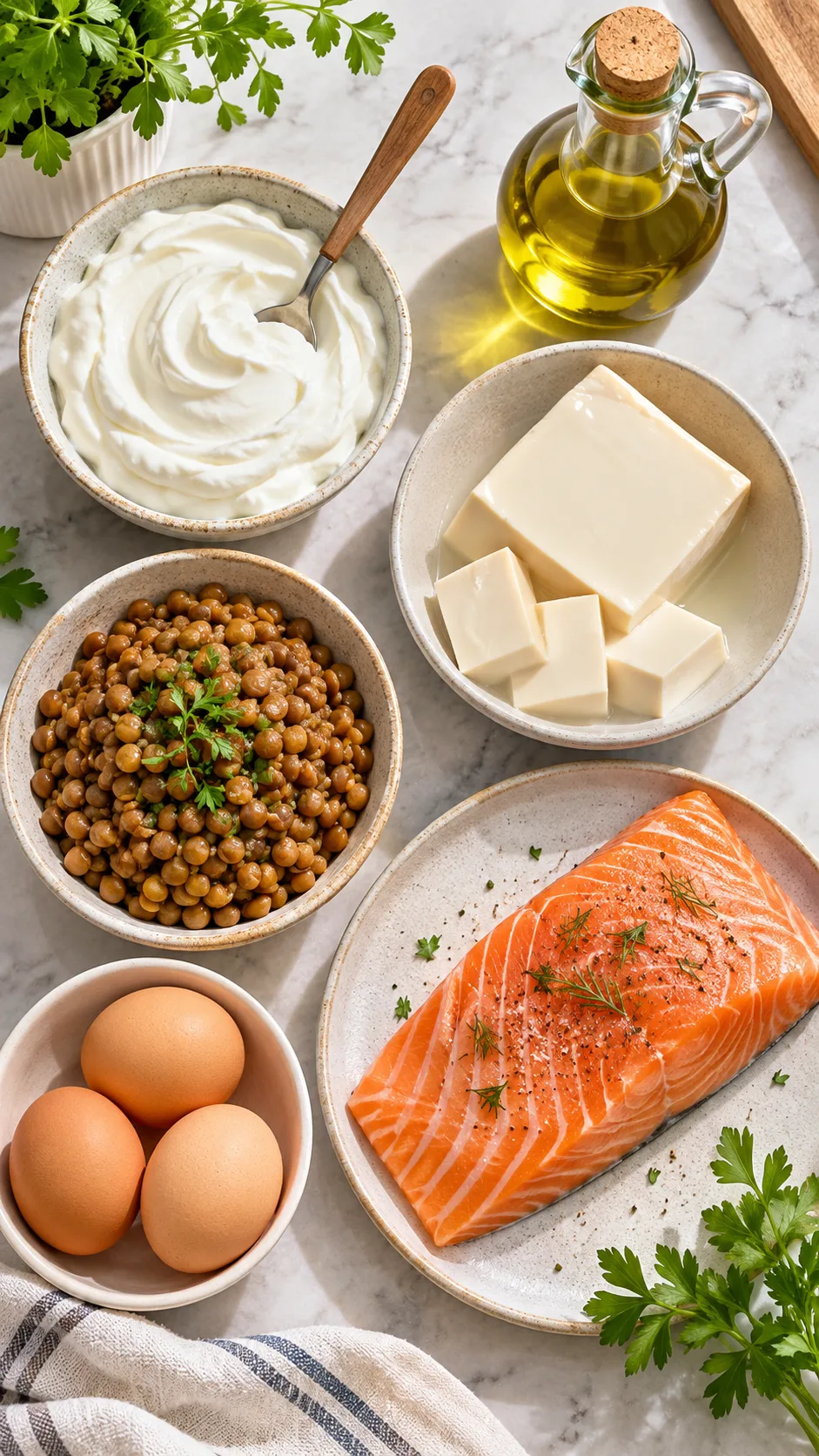
- Blend Greek yogurt, silken tofu, or cottage cheese (smooth, no curds) into fruit or savory purees.
- Stir unflavored protein powder into soups and oatmeal if your care team approves.
- Puree beans and lentils into soups for plant protein and fiber.
- Use whole eggs in smooth custards or well-blended scrambles, if your texture level allows.
- Choose tender fish like salmon or cod and blend it with broth and a little olive oil.
If you love chicken, your regular cooking habits will help. Our healthy chicken meal prep recipes show you how to cook big batches. Just remember to blend portions smooth with broth before you serve them on a pureed diet.
Add calories the smart way
Stir in olive oil, butter, ghee, cream, or nut butters (smooth only, and only if allergies and your care team allow). One tablespoon of olive oil adds roughly 120 calories. That’s a lot of fuel hiding in a mashed sweet potato.
Watch hydration
Pureed meals often contain plenty of water, but you still need to track your fluids. If you have dysphagia, ask your clinician whether you need thickened liquids. Thin liquids can enter the airway for some people, so don’t guess on this one.
The tools that make life easier
You don’t need a pro kitchen, but a few tools save serious time and frustration.
- A high-powered blender makes the smoothest texture, especially with fibrous vegetables and meats.
- A food processor handles larger batches and works well with cooked proteins.
- An immersion blender purees soups right in the pot, so you wash fewer dishes.
- A fine-mesh sieve catches stray fibers, seeds, and skins, so you can strain any puree that still feels gritty.
- Silicone molds and piping bags turn plain puree into appealing plates.
- Freezer trays and containers let you portion and store meals ahead of time.
In my opinion, a decent blender pays for itself within a month. Cheap ones leave lumps, and lumps defeat the whole purpose.
A sample day of pureed eating
Not sure what a full day looks like? This sample menu gives you a starting point. Adjust it for your allergies, medical needs, and your clinician’s guidance.
Breakfast
- Smooth oatmeal: blend it with milk, a spoonful of nut butter, and cinnamon.
- A banana-berry yogurt puree with no seeds (strain the raspberries first)
Lunch
- Pureed chicken: blend it with warm broth, olive oil, and a pinch of thyme.
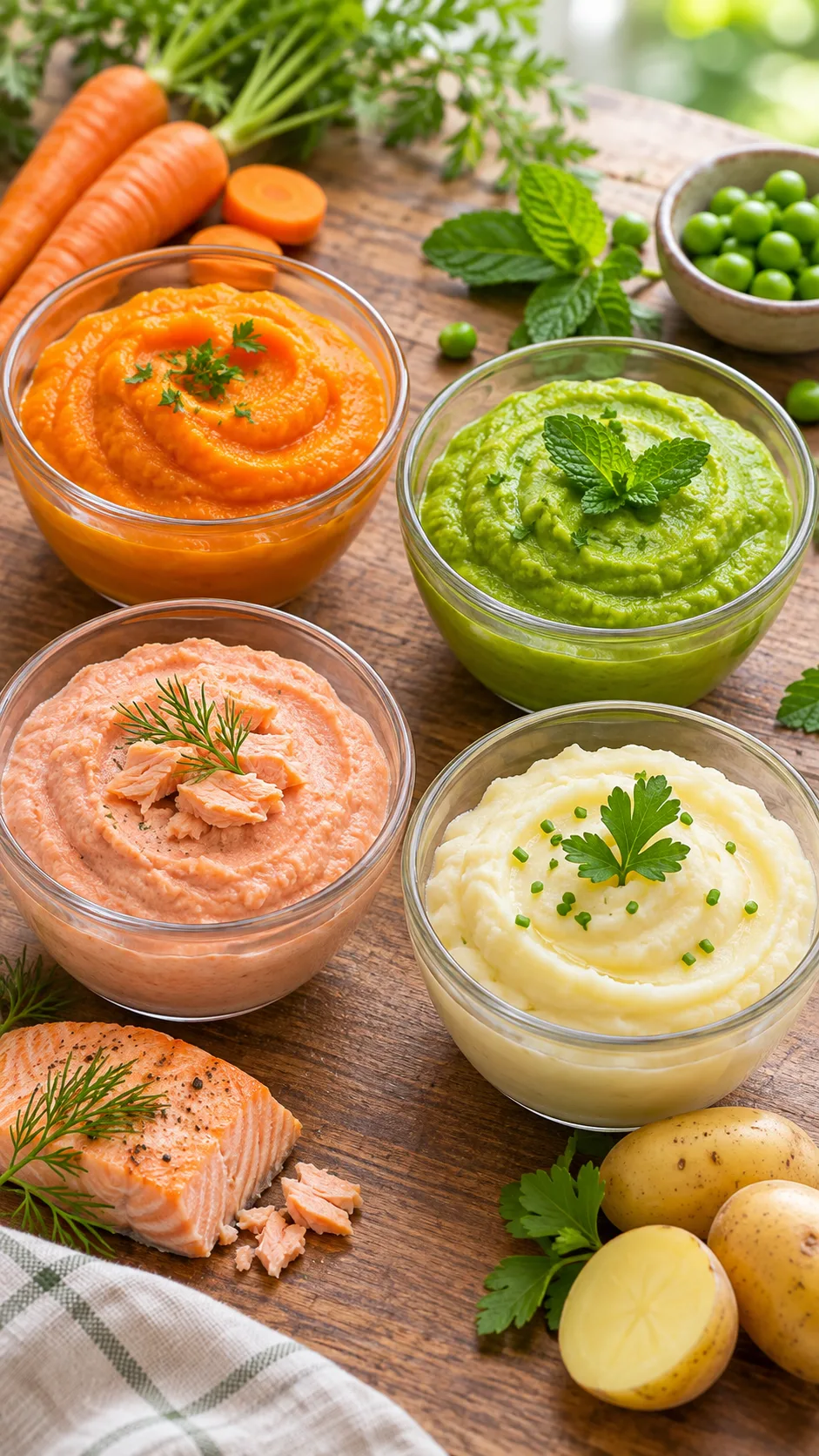
- Roasted carrot puree with a touch of orange juice and ginger
- Potato: mash it, then blend it with butter and whip it until silky.
Snack
- Smooth chocolate pudding or a mango-yogurt blend
Dinner
- Pureed salmon with lemon, dill, and a little cream
- Pea and mint puree for a bright green contrast
- Sweet potato puree with cinnamon and butter
Evening
- Creamy tomato soup: strain it and blend in white beans for extra protein.
Notice the color variety? That’s deliberate. Orange, green, pink, and white on one plate look far better than five shades of beige.
Three flavor-packed recipes to try
1. Roasted garlic chicken puree
Roast boneless chicken thighs with olive oil, garlic, and thyme until they cook through. Blend the chicken with warm low-sodium broth, a spoonful of olive oil, and the roasted garlic. Add broth gradually until the mixture turns smooth and holds its shape. Thighs work better than breasts because they stay juicier and blend more easily.
2. Maple cinnamon sweet potato
Roast sweet potatoes until they collapse when you press them. Scoop out the flesh and blend it with butter, a little milk, cinnamon, and a drizzle of maple syrup. Pass it through a sieve if you notice any stringy bits. It tastes like dessert but delivers vitamin A and fiber.
3. Creamy pea and mint puree
Simmer frozen peas in broth for a few minutes. Blend them with fresh mint, a squeeze of lemon, and a splash of cream. Strain the puree to remove the tough pea skins, which often leave tiny gritty bits. You get a bright, fresh-tasting side in under ten minutes.
Want a warm, comforting option? Our bone broth diet plan gives you ideas for rich, nourishing broths that work beautifully as a base for blended soups and purees. Check with your care team first, though, to confirm the texture suits your needs.
Common pureed diet mistakes to avoid
Even well-meaning cooks trip up. Watch for these:
- Adding too much water. It dilutes flavor and nutrition. Use broth, milk, or cream instead.
- Skipping the sieve. Tiny fibers and seeds can cause problems for people with swallowing difficulty.
- Serving food too thick or sticky. Mashed potatoes turn gluey if you overwork them.
- Ignoring salt and spice limits. Follow your doctor’s guidance on sodium, especially with heart conditions.
- Forgetting fat. A little healthy fat adds calories, flavor, and a silky mouthfeel.
- Serving only beige foods. Color affects appetite more than most people admit.
If you manage high cholesterol alongside a pureed diet, choose your fats carefully. Our guide to high cholesterol diet mistakes explains which habits keep LDL high, and you can use olive oil or avocado puree instead of heavy butter and cream.
Storing and reheating pureed meals safely
Batch cooking saves energy, especially when you or a loved one feels tired. Follow these safety basics:
- Cool food quickly and refrigerate it within two hours of cooking.
- Eat refrigerated purees within about three days for the best safety and quality.
- Freeze portions in silicone trays or small containers. Most purees keep well for up to three months.
- Label everything with the date and contents.
- Reheat until steaming hot, stir well, and let the food cool slightly before serving. Test the temperature, because hot spots can burn a sensitive mouth.
Purees sometimes separate after freezing. Give them a quick whisk or a short blend to restore the texture. Check that the consistency still matches the level your clinician recommended.
Make mealtimes feel normal
Food affects mood and dignity, and it connects people. A pureed diet can make someone feel isolated, especially at the family table. So make it feel like a real meal.
- Use a real plate, not a plastic baby bowl.
- Serve the same flavors as the family meal. Blend a portion of tonight’s dinner instead of cooking something separate.
- Sit together and eat at the same time.
- Ask for feedback. Does it need more salt, more lemon, more heat? People with dulled taste often want stronger seasoning.
Ever noticed how much better food tastes when someone puts effort into it? That effect doesn’t disappear on a pureed diet. It matters even more.
When to call your care team
A pureed diet works best with professional oversight. Contact your doctor, dietitian, or speech-language pathologist if you notice any of these signs:
- Coughing or choking during or after meals
- A wet or gurgly voice after swallowing
- Unplanned weight loss
- Fever or chest infections that keep coming back
- Refusing food or showing fear around mealtimes
These signs can point to aspiration or malnutrition, and both need prompt attention. Don’t wait it out.
Final thoughts: soft food, big flavor
A pureed diet doesn’t have to feel like a punishment. Texture changes, but flavor, color, and comfort can stay. Roast your vegetables, cook with broth, season boldly, and puree each food separately.
To recap:
- Follow your clinician’s texture level, and use IDDSI Level 4 as your guide for pureed food.
- Build flavor before and after blending.
- Boost protein and calories with yogurt, oils, fish, and legumes.
- Present food with color and shape so it looks worth eating.
- Store food safely and call your care team when something feels off.
Start with one recipe this week. Roast something, blend it with a good broth, finish it with lemon or herbs, and taste the difference. Your spoon will thank you.