

You just gave yourself your weekly injection, yet you still stare into the refrigerator wondering what your stomach will tolerate. Semaglutide quiets the constant food chatter in your mind, but the medication cannot hold your fork for you. When you ignore your daily nutrition, you invite brutal nausea, deep fatigue, and stubborn constipation.
Many people treat GLP-1 medications like an eraser for calories. They barely eat during the day, nurse an iced coffee, nibble on a dry cracker, and wonder why their hair sheds three months later. That pattern ruins your health. You can fix it today.
I learned this lesson the hard way during my own time on GLP-1 therapy. During my first month, I cheered for a ten-pound drop on the scale until I realized I lost mostly water and muscle. Once I aligned my daily meals with the way semaglutide slows digestion, my results turned around. The scale kept dropping, my energy returned, and the stomach pain disappeared completely.
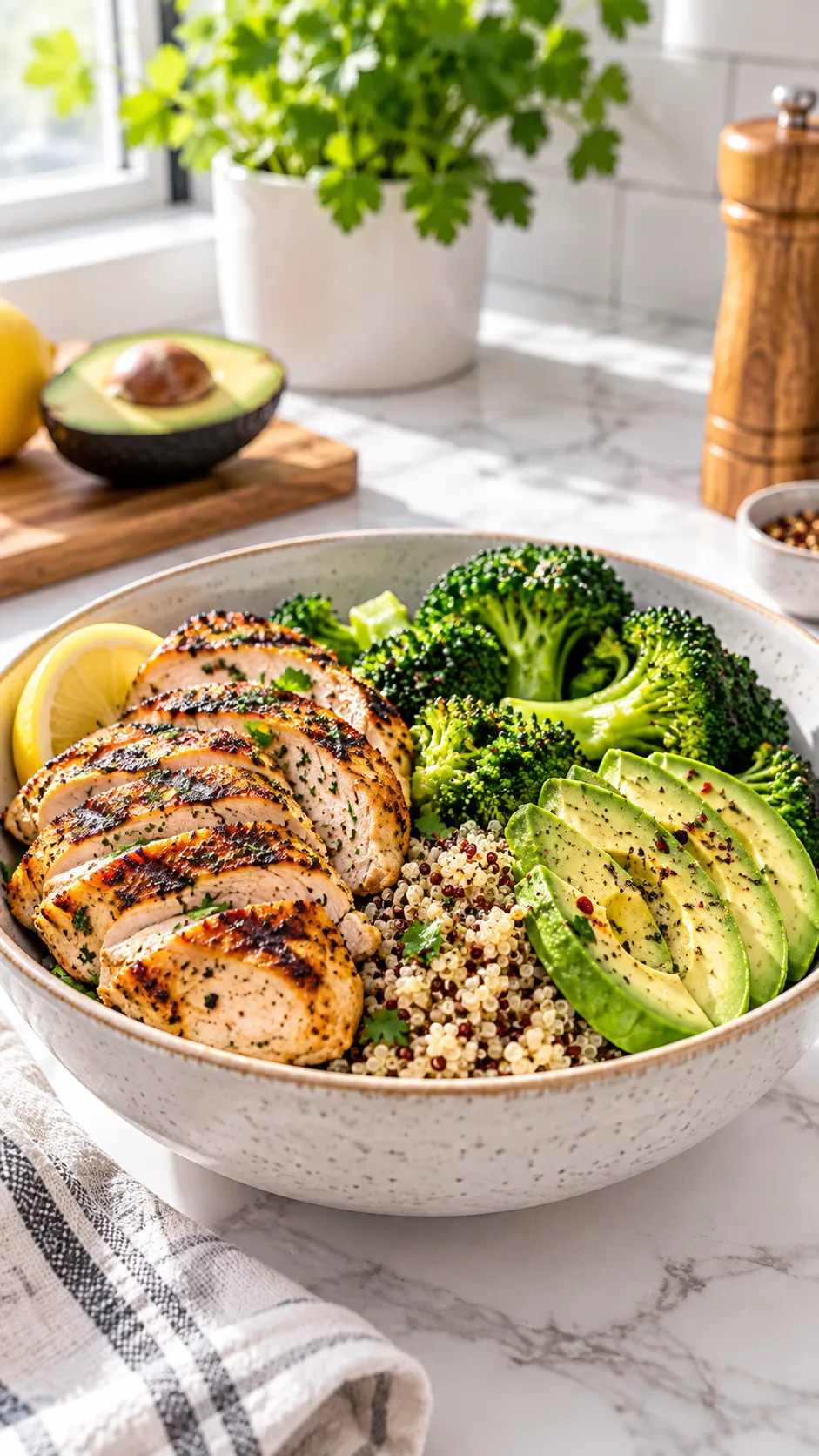
Why your food choices dictate your semaglutide results
Semaglutide mimics the native GLP-1 hormone your intestines release after you eat. This peptide tells your pancreas to produce insulin, signals fullness to your brain, and delays gastric emptying. In plain terms: food sits in your digestive tract for hours longer than usual.
Because your stomach empties slowly, heavy meals sit like lead weights in your gut. When you consume greasy takeout, that fat stays in your upper digestive tract, producing sulfur burps and waves of nausea. When you eat nutrient-dense whole foods that digest easily, your body runs smoothly.
Clinical trials also reveal a serious problem that many doctors overlook. Research in The New England Journal of Medicine shows that rapid weight loss strips away substantial lean muscle alongside body fat. When you starve your body on semaglutide, your metabolism burns muscle tissue for fuel. You end up with a slower metabolic rate and a depleted physique.
You can read our detailed breakdown in The GLP-1 Meal Plan That Finally Makes Weight Loss Feel Effortless to learn how balanced macronutrients protect your muscles. To maximize every expensive dose of medication, you must make every single bite count.
The 4 non-negotiable rules of the semaglutide diet
To avoid injection-day crashes, you must build your daily meals around four foundational biological habits.
1. Center every meal around high-quality protein
Protein protects your lean muscle tissue while your body sheds fat. Target at least 1.2 to 1.6 grams of protein per kilogram of body weight every single day. If you weigh 180 pounds, aim for roughly 100 to 130 grams of protein daily.
Because semaglutide shrinks your stomach capacity, you cannot finish an eight-ounce steak in one sitting. Divide your protein across three small meals and one mini-snack. Focus on chicken breast, egg whites, Greek yogurt, tofu, and hydrolyzed whey protein.
2. Prioritize soluble fiber without overwhelming your gut
Patients report constipation more than any other symptom on GLP-1 therapy. When gut motility slows down, your colon absorbs extra water from waste, turning bowel movements into dry bricks. Fiber keeps your stools soft and easy to pass.
Do not dump 40 grams of raw broccoli and kale into your intestines on day one. Increase your fiber intake gradually to 25 to 30 grams per day. Rely on chia seeds, peeled apples, berries, cooked oatmeal, and tender leafy greens.
3. Hydrate with fluids and electrolytes
Semaglutide suppresses your thirst mechanism just as aggressively as it suppresses your appetite. Many patients simply forget to drink during the day. Dehydration causes bad headaches, brain fog, and severe fatigue that people wrongly blame on the medication itself.
Drink at least 2.5 to 3 liters of water every day. Stir a pinch of sea salt or a zero-sugar electrolyte packet into your morning bottle to support your kidneys and maintain steady blood pressure.
4. Cut heavy fats and excess sugar
Refined sugars spike your blood glucose, causing crashes that leave you shaky and irritable. Deep-fried foods sit in your stomach for hours, triggering acid reflux and vomiting episodes. Remove seed oils, fried meats, and pastries from your regular rotation.
How many calories should you eat?
Many patients drop their intake below 800 calories per day because they feel no hunger. This severe restriction slows your thyroid, weakens bone density, and damages your metabolic rate. You need a sensible deficit, not a starvation routine.
Most adults on semaglutide feel their best eating between 1,400 and 1,700 calories per day, depending on height, sex, and activity levels. If you want structured portion guides, review our advice in The Simple 1500 Calorie Meal Plan That Actually Keeps You Full All Day to maintain steady fat loss without running out of energy.
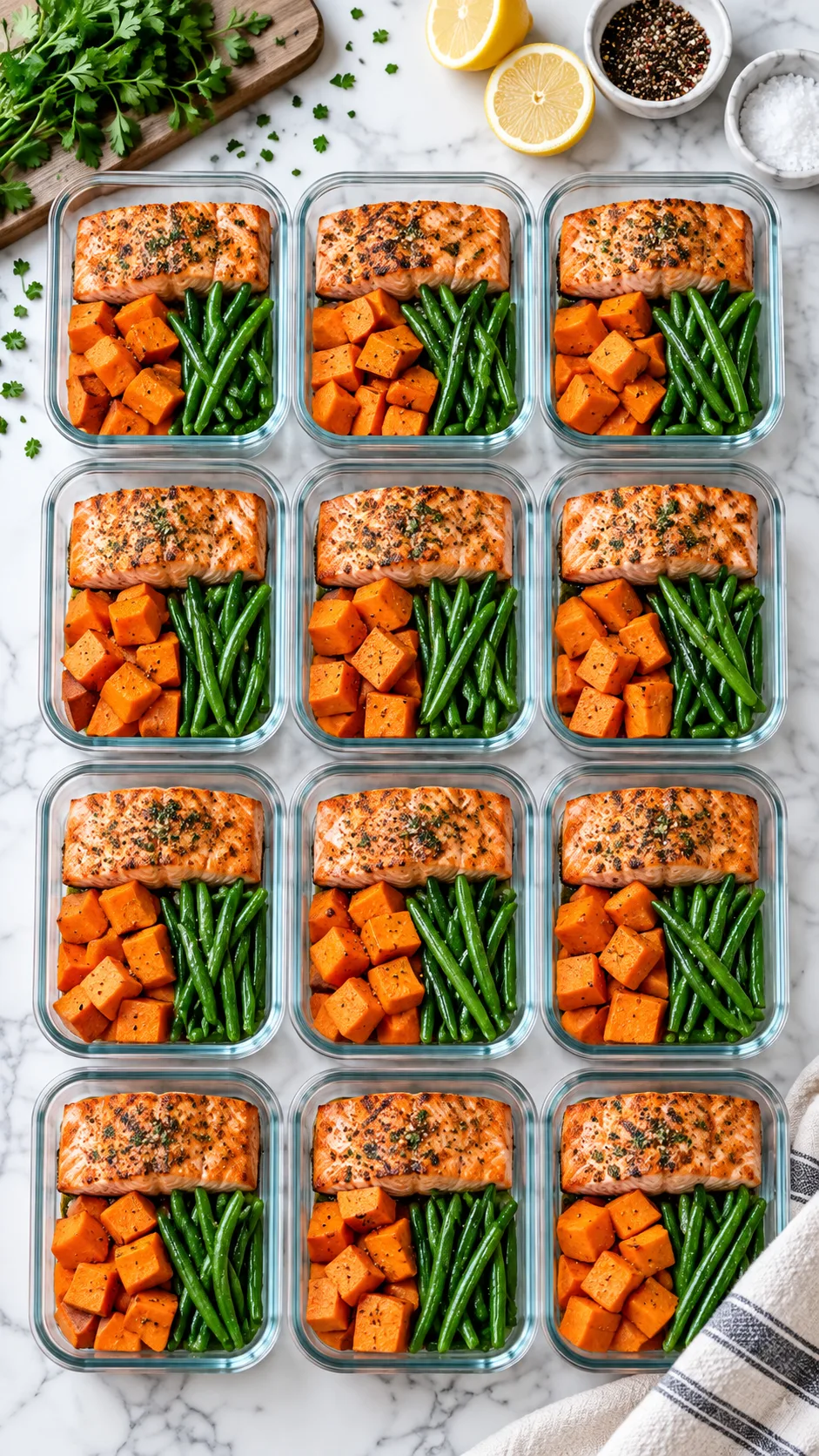
The 7-day high-protein semaglutide meal plan
This meal plan provides compact, nutrient-dense portions that respect your slowed digestion. It features lean proteins, easily digested carbohydrates, and anti-inflammatory fats. Swap meals or repeat days according to your schedule.
Day 1: Injection day (gentle and digestible)
- Breakfast: 1 cup of plain non-fat Greek yogurt with 1/2 cup of blueberries and 1 tablespoon of ground chia seeds (30g protein).
- Lunch: 4 ounces of shredded rotisserie chicken breast over butter lettuce with sliced cucumbers and 1 tablespoon of light vinaigrette (32g protein).
- Snack: One scoop of whey protein isolate blended with 8 ounces of unsweetened almond milk and half a frozen banana (25g protein).
- Dinner: 4 ounces of baked wild cod with 1/2 cup of steamed zucchini and 1/3 cup of soft jasmine rice (28g protein).
Day 2: Steady energy protocol
- Breakfast: Two scrambled eggs with two extra egg whites, 1/4 cup of baby spinach, and one slice of sourdough toast (26g protein).
- Lunch: Turkey bowl made with 4 ounces of 93/7 ground turkey, 1/2 cup of cooked quinoa, 2 tablespoons of mild salsa, and 2 tablespoons of mashed avocado (30g protein).
- Snack: 3/4 cup of low-fat cottage cheese with sliced strawberries (21g protein).
- Dinner: 4 ounces of grilled chicken tenders with steamed green beans and 1/2 baked sweet potato without skin (32g protein).
Day 3: Anti-inflammatory focus
Mid-week digestive irritation responds well to calm, soothing meals. If you struggle with chronic inflammation during weight loss, explore extra recipe ideas in The Anti Inflammation Diet Meal Plan Beginners Actually Stick To.
- Breakfast: Overnight oats made with 1/3 cup rolled oats soaked in unsweetened oat milk, 1 scoop vanilla collagen peptides, and 1 teaspoon flaxseed (24g protein).
- Lunch: Canned wild tuna mashed with 1 tablespoon olive oil mayonnaise and fresh lemon juice, scooped onto cucumber rounds (28g protein).
- Snack: String cheese with one small peeled apple (8g protein).
- Dinner: 4 ounces of pan-seared salmon fillet over 1 cup of sautéed spinach with soft parsnip puree (27g protein).
Day 4: Peak drug concentration day
Semaglutide concentrations reach their highest level in your blood roughly 48 to 72 hours after your shot. Keep your meals light in volume today to avoid stomach pressure.
- Breakfast: Smoothie with 1 scoop vanilla whey isolate, 1 cup spinach, 1/2 cup frozen papaya for digestive enzymes, and plain coconut water (27g protein).
- Lunch: 1 cup chicken bone broth with 3 ounces of shredded turkey breast and plain rice crackers (26g protein).
- Snack: Two hard-boiled eggs with sea salt and black pepper (12g protein).
- Dinner: 4 ounces of thinly sliced lean sirloin steak, chewed thoroughly, with 1/2 cup of soft roasted carrots (30g protein).
Day 5: Gut-rebuilding day
- Breakfast: 1 cup of low-sugar kefir blended with 1/2 scoop vanilla protein powder and fresh raspberries (26g protein).
- Lunch: 4 ounces of grilled chicken breast with 1/4 cup chickpeas, diced Persian cucumbers, and 1 tablespoon tahini dressing (33g protein).
- Snack: 1/3 cup of roasted edamame (14g protein).
- Dinner: 4 ounces of baked shrimp skewers with 1/2 cup steamed asparagus tips and 1/3 cup brown rice (25g protein).
Day 6: Activity and endurance fuel
- Breakfast: Protein pancakes made from 1 banana, 2 egg whites, and 1 scoop protein powder, cooked without butter (28g protein).
- Lunch: 1 cup of lentil soup mixed with 3 ounces of shredded chicken breast for gentle fiber and protein (32g protein).
- Snack: Nitrate-free turkey jerky with a small palmful of raw walnuts (18g protein).
- Dinner: 4 ounces of grilled pork tenderloin with roasted butternut squash and steamed green peas (29g protein).
Day 7: Pre-injection replenishment
As the medication concentration drops near the end of your weekly cycle, your appetite may return. Use this window to supply your body with clean micronutrients.
- Breakfast: Three-egg omelet using one whole egg and two whites, filled with diced mushrooms, goat cheese, and parsley (22g protein).
- Lunch: Chopped salad with 4 ounces of grilled chicken breast, diced sweet peppers, pumpkin seeds, and apple cider vinaigrette (34g protein).
- Snack: 1 cup of Greek yogurt with a dash of cinnamon (20g protein).
- Dinner: 4 ounces of poached halibut with vegetable broth soup and steamed red potatoes (28g protein).
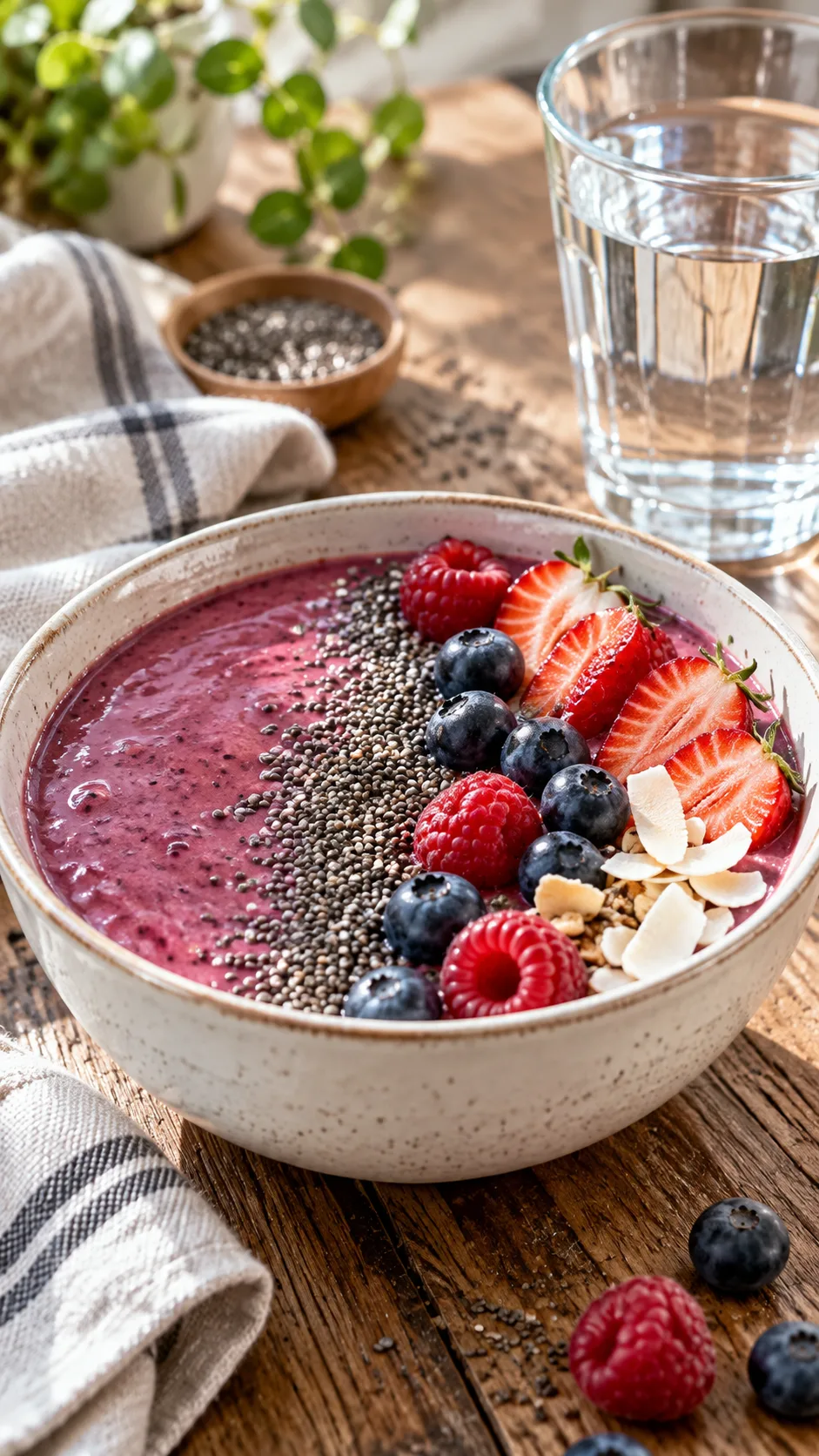
How to sidestep side effects with food
Clinical data from the Cleveland Clinic shows that simple dietary changes resolve more than 80% of mild stomach issues on GLP-1 medications. Apply these four tactics immediately.
- Eat chilled or room-temperature meals to stop nausea: Steaming food releases strong aromas that quickly trigger nausea receptors in your brain. Choose chilled protein shakes, cold chicken salad, or room-temperature bowls when your stomach feels unsettled.
- Separate your drinks from your solid meals: Gulping water while you chew distends your stomach walls and triggers reflux. Stop drinking 20 minutes before you eat, and wait 30 minutes after your meal before drinking again.
- Remove foods that cause sulfur burps: Egg-scented burps mean food is fermenting in your digestive tract. Cut out broccoli, cauliflower, carbonated water, and fatty cuts of beef for 48 hours after your shot. Drink peppermint or ginger tea instead.
- Eat two green kiwis daily to relieve constipation: Green kiwis contain actinidin, an enzyme that speeds up digestion and softens waste without causing cramping. Two kiwis per day stimulate natural bowel motility better than harsh laxative pills.
Targeted supplements that support your meal plan
Whole food forms your foundation, but the right supplements fill the nutritional gaps created by a smaller appetite.
Take a broad-spectrum digestive enzyme with protease and lipase during your main meals. These enzymes accelerate food breakdown in your stomach and reduce uncomfortable fullness.
Take 300 to 400 mg of magnesium citrate or glycinate before bed. Magnesium calms your muscles, supports deep sleep, and pulls moisture into your colon to ensure regular bowel movements in the morning.
Use sugar-free electrolyte formulas rather than convenience sports drinks. Electrolyte powders containing potassium, sodium, and magnesium keep your muscles firing and protect your hydration levels throughout the week.
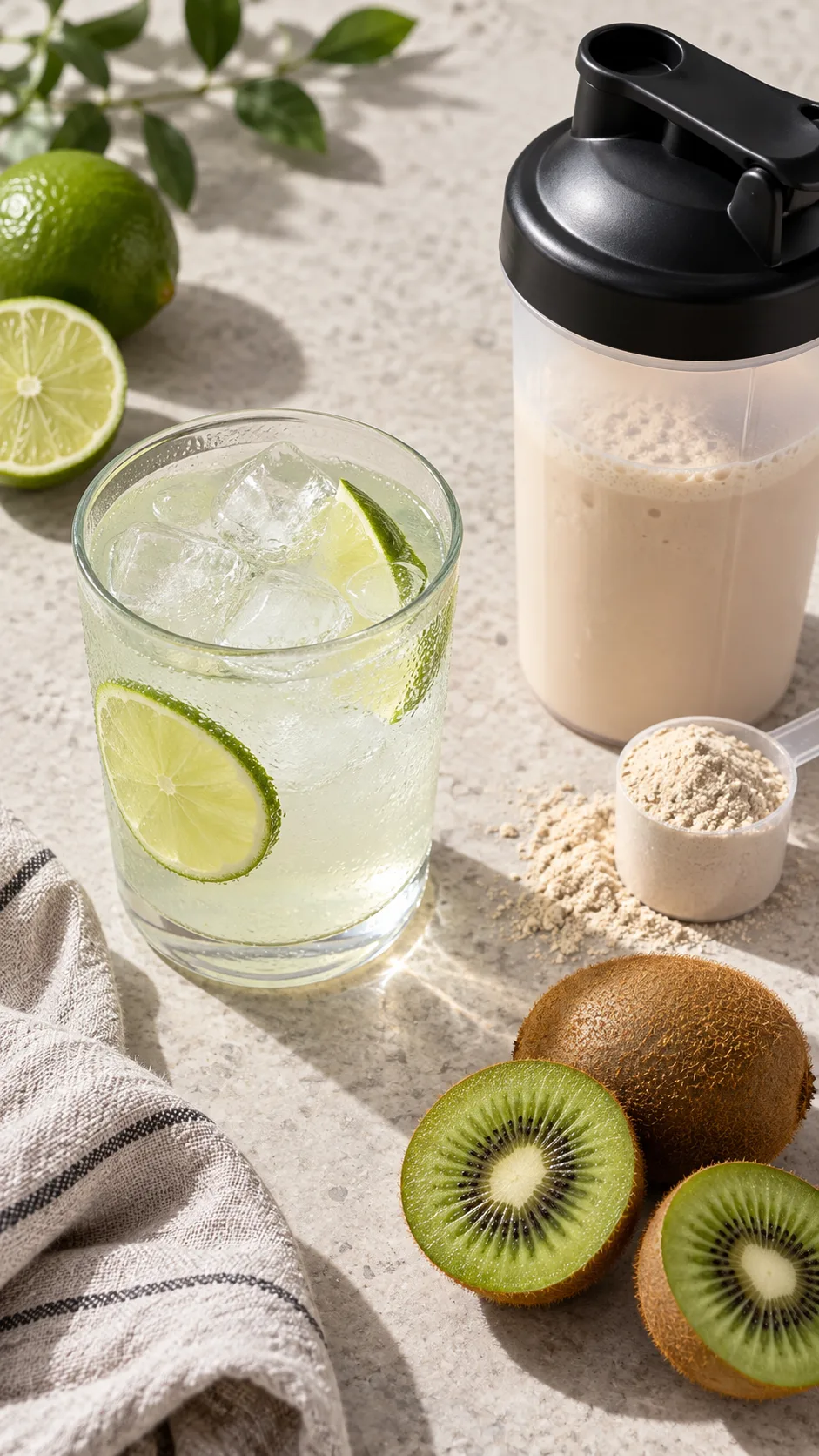
3 common mistakes that stall weight loss on GLP-1 medications
If you hit a sudden plateau despite your weekly doses, check for these three common habits.
Drinking liquid calories without noticing
Because solid food creates immediate fullness, people often turn to liquid calories. Sugary coffee drinks, bottled smoothies, and sweetened teas deliver 400 to 600 calories without stretching your stomach walls. Stick to water, plain tea, and measured protein shakes.
Ignoring strength training
Cardio burns fuel while you move, but resistance exercise protects your lean mass. When you lose 30 pounds without lifting weights, your body sheds up to 10 pounds of muscle tissue. Lift weights three times each week so every lost pound comes directly from fat stores.
Eating right before bed
Your stomach empties much slower on semaglutide. If you finish dinner at 8:00 PM and lie down at 10:00 PM, that food remains sitting high in your digestive tract. Stomach acid creeps into your esophagus, causing bad heartburn and restless sleep. Eat your final meal at least three to four hours before you sleep.
Frequently asked questions
Can I drink alcohol on this semaglutide meal plan?
Limit alcohol severely or skip it entirely. Semaglutide impairs liver gluconeogenesis, which raises your risk of sudden low blood sugar when you drink on an empty stomach. Alcohol also irritates your stomach lining and frequently causes intense bouts of nausea.
What should I eat if I have zero appetite all day?
Choose liquid protein over dense solid foods. Drink 8 ounces of bone broth mixed with collagen peptides, or shake unflavored whey protein into unsweetened almond milk. Never skip protein completely, because your muscles require amino acids every day.
How do I handle hunger that returns late in the week?
Your appetite often rises as the drug concentration dips toward day six or seven. Treat this as practice for long-term nutrition habits. Satisfy your hunger with an extra portion of grilled poultry and fibrous vegetables rather than refined carbs.
Make your injection work twice as hard
Semaglutide gives you an exceptional tool for metabolic health, but your daily plate determines your long-term success. When you drastically starve yourself or rely on processed foods, you waste your weekly financial and physical investment.
Treat your body with care. Fill your meals with lean protein, support your digestion with smart fiber choices, drink fluids consistently, and lift weights every week. Take control of your kitchen, follow this plan, and build lasting strength alongside your weight loss.