

You want to eat more plants. You also don’t want to spend Sunday afternoon chopping 14 vegetables while your phone buzzes with “quick” recipes that need 22 ingredients.
A vegetarian diet plan doesn’t need to feel like homework. It needs a simple structure, a short grocery list, and a few meals you can repeat without getting bored. This guide gives you all three.
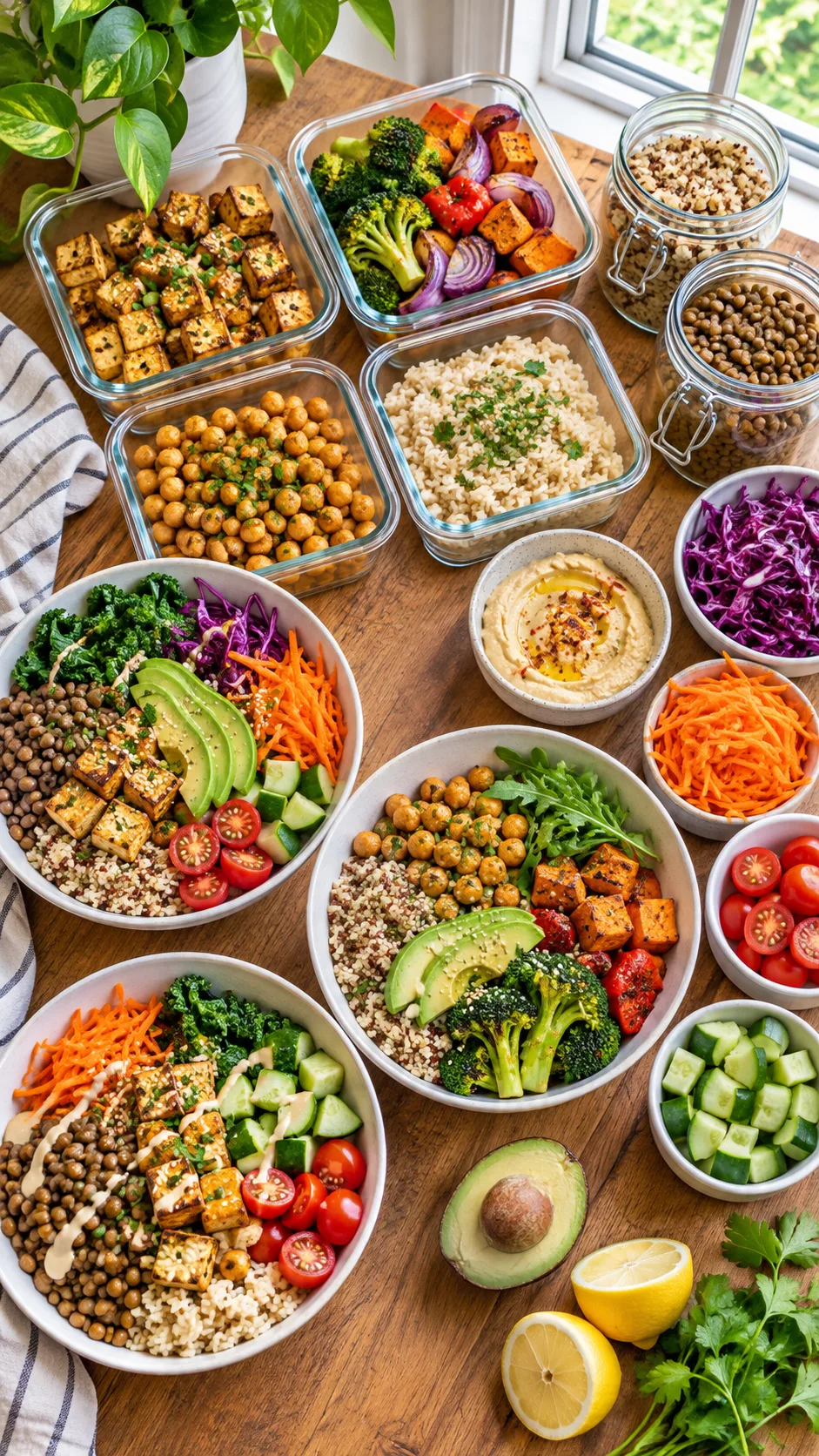
Why most vegetarian meal plans fall apart by day four
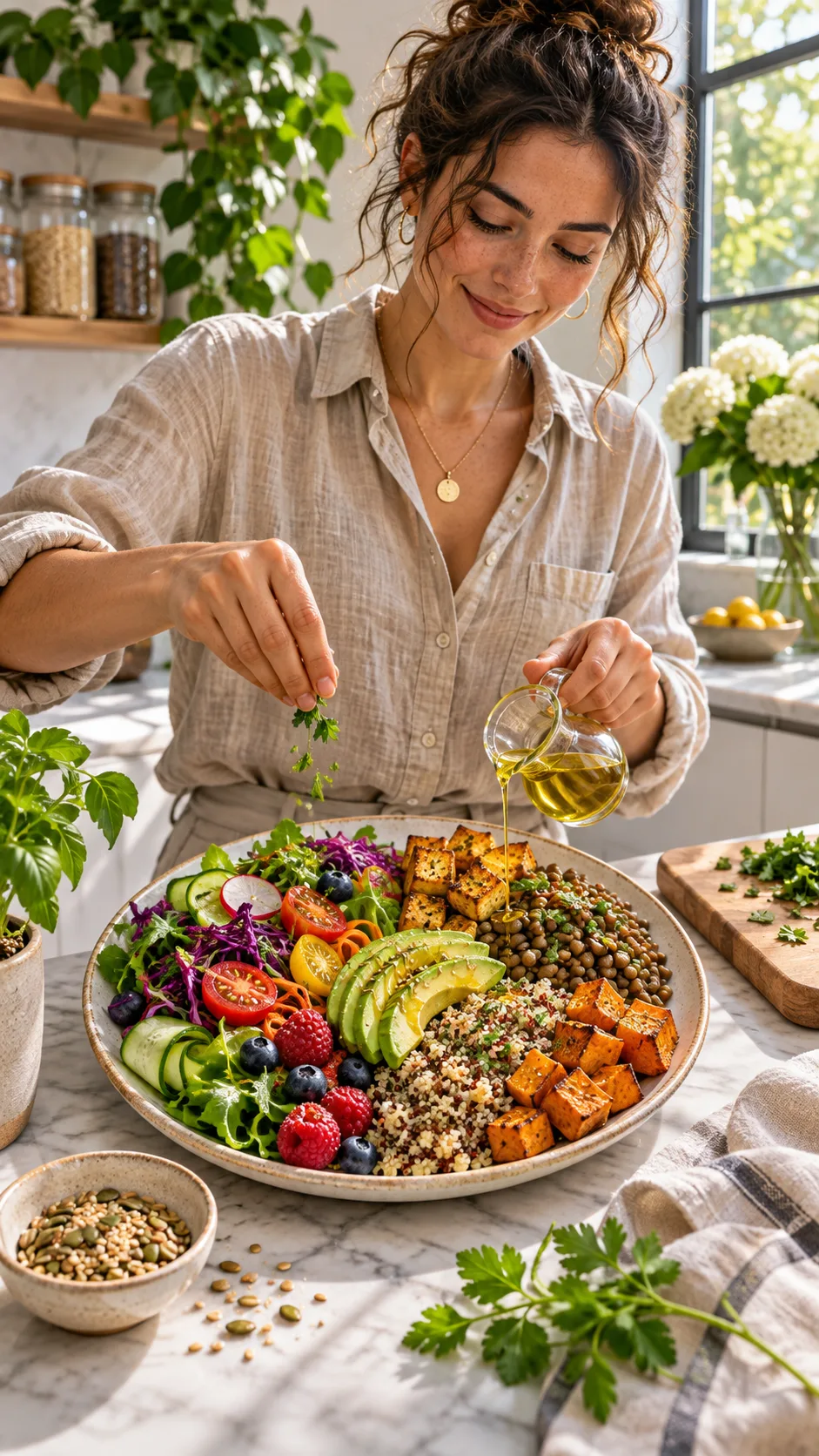
Ever noticed how a new plan starts with a burst of enthusiasm and ends with cereal for dinner? I’ve watched this happen to friends, and I’ve done it myself. The plan usually fails for three boring reasons.
- Too many recipes. Seven dinners with seven different ingredient lists will wear you out fast.
- Too little protein. Pasta and salad leave you hungry again within two hours.
- No prep strategy. Healthy eating collapses the moment you walk in tired and find nothing ready in the fridge.
So we’ll fix all three. We’ll build meals from a repeatable formula, load them with plant protein, and prep a few base ingredients that carry you through the week.
What “vegetarian” means (and which type fits you)
Vegetarian covers a few different styles. Pick the one that matches how you already eat, because the easiest diet is the one you don’t fight.
- Lacto-ovo vegetarian: You eat dairy and eggs but skip meat, poultry, and fish. This is the most common version, and I use it in the sample plan below.
- Lacto vegetarian: You eat dairy but skip eggs.
- Ovo vegetarian: You eat eggs but skip dairy.
- Vegan: You skip all animal products. You can swap tofu, soy yogurt, and fortified plant milks into every meal here.
Does the label matter? Not much. You need to build balanced plates and cover your nutrient bases. The Academy of Nutrition and Dietetics states in its position paper that well-planned vegetarian diets suit all stages of life, including pregnancy, childhood, and athletic training. Notice the phrase “well-planned.” We’re about to handle that part.
The plate formula that makes planning effortless
Forget counting every gram. Use one visual rule instead and apply it at every meal.
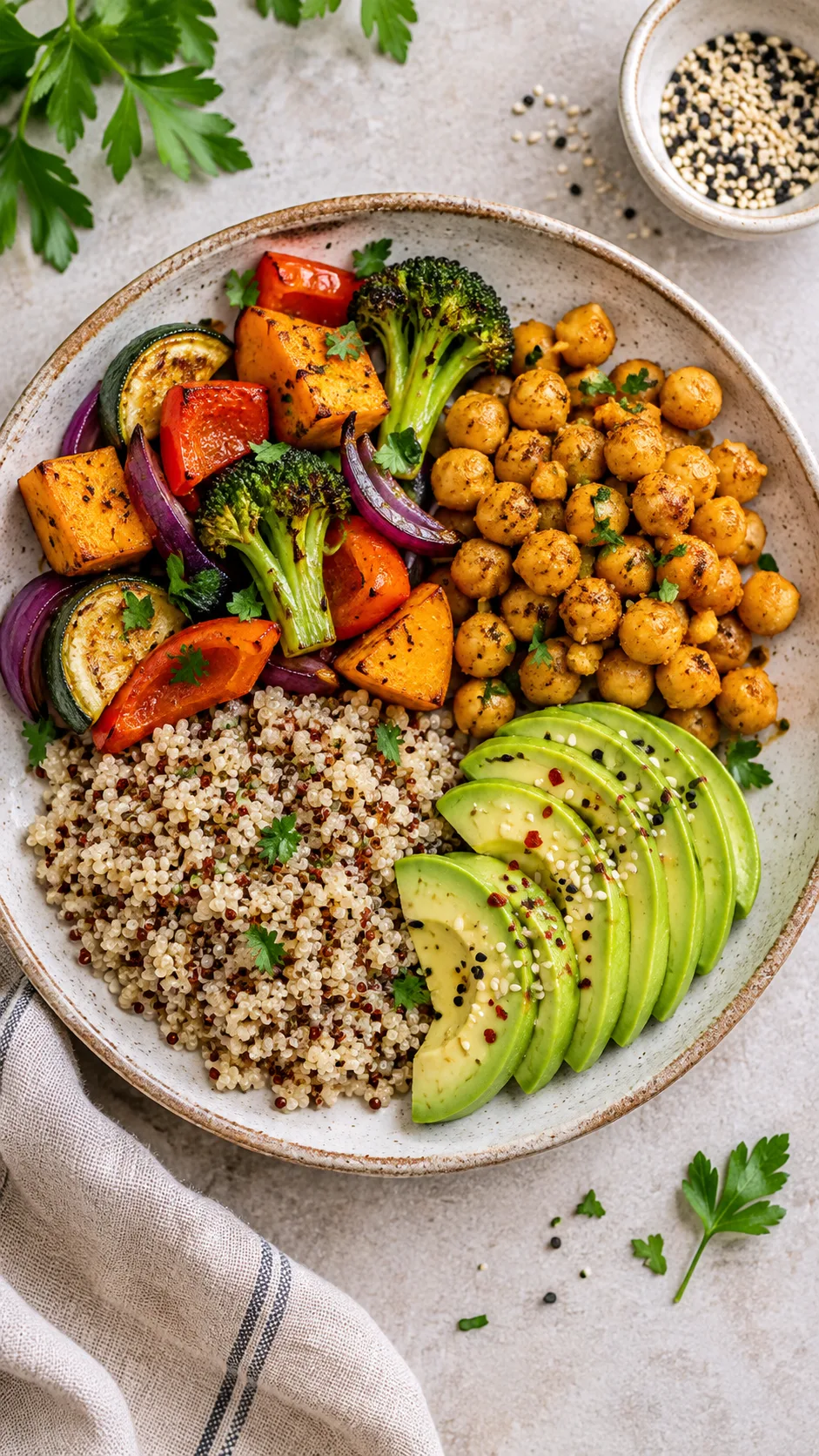
Build every plate with four pieces
- Half the plate: vegetables and fruit. Go for color: leafy greens, peppers, tomatoes, broccoli, berries.
- A quarter: protein. Lentils, beans, tofu, tempeh, eggs, Greek yogurt, or cottage cheese.
- A quarter: whole grains or starchy vegetables. Brown rice, quinoa, oats, whole-wheat pasta, or sweet potato.
- A thumb of healthy fat. Olive oil, avocado, nuts, seeds, or tahini.
Four pieces, no calculator. If you want more structure, the USDA MyPlate site offers a similar visual framework and useful portion guidance.
If your plate looks like a beige pile of pasta and bread, add a vegetable and a protein. Problem solved.
Protein: the part everyone worries about
“Where do you get your protein?” Every vegetarian hears this question about 400 times. Here’s the truth: you can hit your protein needs easily if you plan for it.
The standard adult RDA sits at 0.8 grams per kilogram of body weight. Many active people and dietitians aim a bit higher, especially for muscle maintenance or fullness. Plant proteins also come with fiber, which keeps you full longer.
Protein sources with rough numbers
- Lentils (1 cup cooked): about 18 g
- Chickpeas (1 cup cooked): about 14-15 g
- Greek yogurt (1 cup, plain): about 17-20 g
- Firm tofu (½ cup): roughly 10-20 g, depending on the brand
- Tempeh (3 oz): about 16-18 g
- Eggs (1 large): about 6 g
- Cottage cheese (1 cup): about 24-28 g
Check labels, because brands vary. Aim for 20-30 grams of protein at each main meal, and you’ll rarely feel that mid-afternoon “I could eat my desk” hunger.
The nutrients worth watching
Vegetarian eating has a few pitfalls, and they’re easy to manage once you know them. Which ones deserve your attention?
Vitamin B12
Plants don’t reliably supply B12. Eggs and dairy help, but many vegetarians still benefit from a fortified food or a supplement. The NIH Office of Dietary Supplements lists 2.4 mcg daily as the adult recommendation and explains who faces a higher risk of deficiency. If you’ve gone years without a plan, ask your doctor to check your levels.
Iron
Plant iron (non-heme) absorbs less efficiently than iron from meat. The Institute of Medicine suggests vegetarians aim for about 1.8 times the standard iron intake. Pair iron-rich foods with vitamin C to boost absorption. Try lentils with tomatoes, or spinach with lemon juice.
Omega-3 fats
Flaxseed, chia, hemp seeds, and walnuts supply ALA, a plant omega-3. Your body converts only a small fraction of it into EPA and DHA. Some vegetarians take an algae-based supplement to get DHA and EPA directly. Talk it over with your healthcare provider.
Calcium, vitamin D, and zinc
- Calcium: Eat dairy, calcium-set tofu, fortified plant milks, kale, and bok choy.
- Vitamin D: Get sun when you safely can, eat fortified foods, and ask about testing in winter.
- Zinc: Pumpkin seeds, lentils, chickpeas, and whole grains supply it. Soaking beans and grains can improve absorption.
For more evidence-based detail on plant-heavy eating, Harvard’s Nutrition Source offers solid, readable guidance.
Your 7-day vegetarian meal plan
This plan follows a lacto-ovo style. It repeats ingredients on purpose, because repetition makes eating effortless. You cook once and eat twice.
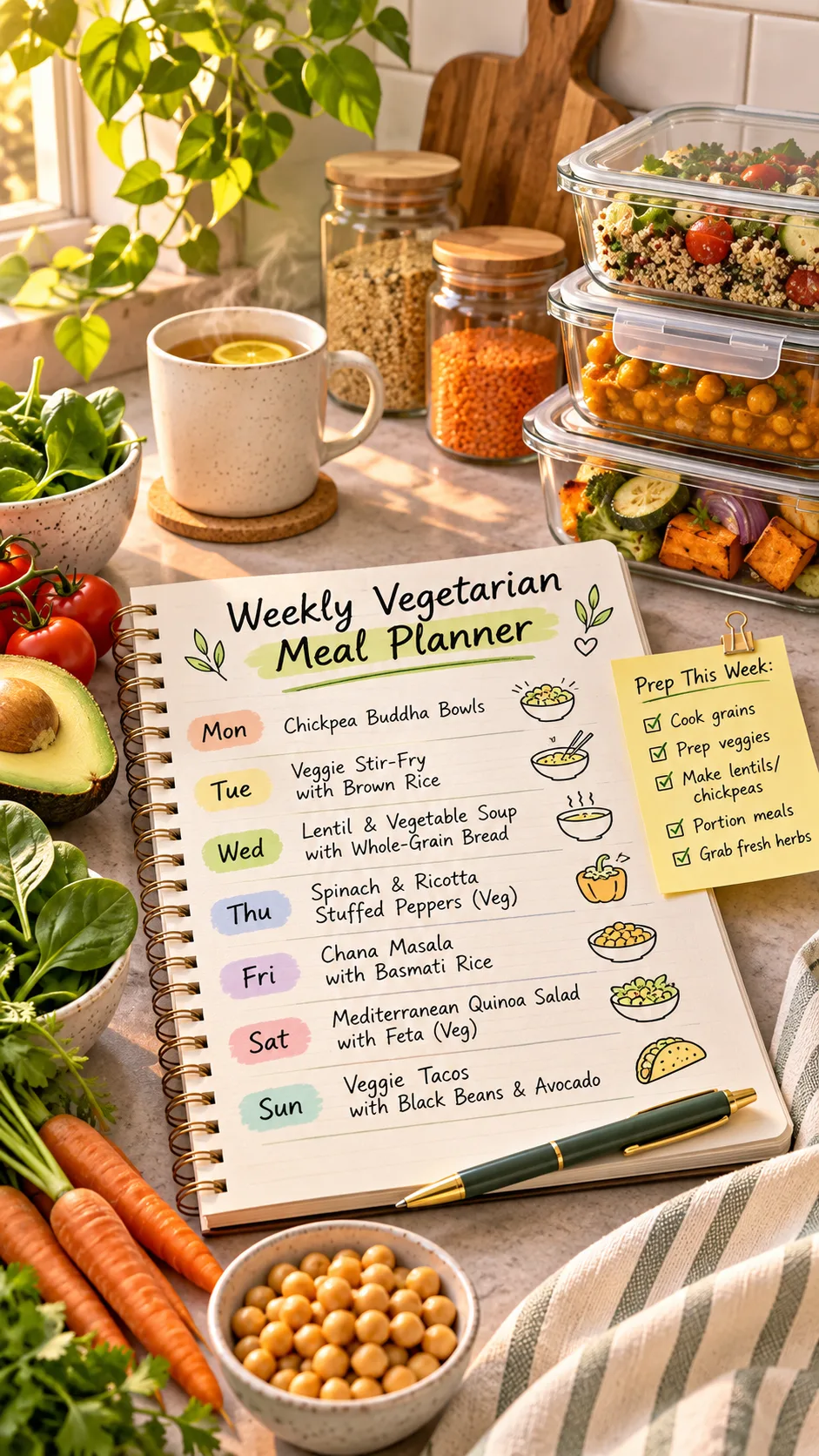
- Day 1
Breakfast: Overnight oats with chia, berries, and walnuts
Lunch: Lentil and roasted veggie grain bowl with lemon-tahini dressing
Dinner: Tofu and broccoli stir-fry over brown rice
Snack: Apple with peanut butter - Day 2
Breakfast: Greek yogurt parfait with pumpkin seeds and fruit
Lunch: Smashed chickpea salad wrap with spinach
Dinner: Sweet potato and black bean chili (make a double batch)
Snack: Carrots and hummus - Day 3
Breakfast: Veggie scramble on whole-grain toast
Lunch: Leftover chili with a side salad
Dinner: Whole-wheat pasta with lentil bolognese
Snack: Cottage cheese with cherry tomatoes - Day 4
Breakfast: Spinach, banana, and flaxseed smoothie with yogurt
Lunch: Falafel bowl with cucumber, tomato, and hummus
Dinner: Chickpea and spinach curry with quinoa
Snack: Handful of almonds and an orange - Day 5
Breakfast: Overnight oats (repeat Day 1, because why not?)
Lunch: Leftover curry over rice
Dinner: Burrito bowls with beans, corn, peppers, avocado, and salsa
Snack: Boiled egg and a few crackers - Day 6
Breakfast: Whole-grain pancakes with ricotta and berries
Lunch: Buddha bowl with roasted sweet potato, kale, edamame, and tahini
Dinner: Homemade veggie pizza on whole-wheat crust with a big side salad
Snack: Yogurt with honey and walnuts - Day 7
Breakfast: Shakshuka (eggs poached in spiced tomato sauce) with toast
Lunch: Big vegetable and white bean soup
Dinner: Tempeh tacos with cabbage slaw and lime
Snack: Fruit and a small handful of dark chocolate chips
Need fewer calories or more? Adjust the portions of grains, fats, and snacks first. If you’re targeting a specific calorie range, check our simple 1500 calorie meal plan for portion ideas that keep you full.
The 60-minute Sunday prep that saves your week
Meal prep sounds intimidating, but you don’t need to cook every meal ahead. You just need building blocks. Spend one hour on Sunday and your weeknights get much easier.
Your prep checklist
- Cook a big pot of grains. Brown rice or quinoa keeps about four days in the fridge.
- Simmer a batch of lentils or beans. Canned works fine too, so skip the guilt.
- Roast two trays of vegetables. Sweet potatoes, broccoli, peppers, and onions all roast well together.
- Mix one sauce. Tahini-lemon, peanut, or a simple vinaigrette makes the same base taste different each day.
- Wash and chop raw veggies. Carrots, cucumbers, and cabbage turn into snacks and salads in seconds.
Sweet potatoes earn special praise here. They roast, mash, and stuff into almost anything. If you love them as much as I do, try these sweet potato meal prep ideas for more ways to use them.
A grocery list you can use
Short lists beat sprawling ones. This lean shopping list covers the week above.
Produce
- Spinach, kale, broccoli, bell peppers, onions, garlic
- Sweet potatoes, tomatoes, cucumbers, carrots, cabbage
- Bananas, apples, oranges, berries, lemons, avocados
Protein and dairy
- Firm tofu, tempeh, eggs
- Plain Greek yogurt, cottage cheese, ricotta
- Dried or canned lentils, chickpeas, black beans, white beans, edamame
Pantry
- Rolled oats, brown rice, quinoa, whole-wheat pasta, whole-grain bread and tortillas
- Chia seeds, flaxseed, walnuts, almonds, pumpkin seeds, peanut butter, tahini
- Olive oil, canned tomatoes, hummus, curry paste, salsa, spices
Buy dried beans and frozen vegetables whenever you can. They cost less, last longer, and match fresh produce on nutrition. Frozen broccoli never judged anyone.
Common mistakes (I made most of them)
Plenty of new vegetarians trip over the same stones. Dodge these and you’ll save yourself weeks of frustration.
- Living on cheese and pasta. It tastes great and keeps you fed, but it won’t give you balanced nutrition. Add beans, vegetables, and seeds.
- Overdoing processed meat substitutes. Veggie burgers and nuggets help once in a while, but they often pack sodium and refined ingredients. Treat them as a convenience, not a base.
- Skipping B12 and iron checks. In my view, one blood test beats months of guessing.
- Ignoring flavor. Bland lentils make people quit. Use spices, citrus, fresh herbs, and good sauces.
- Going all-in on day one. If the full switch feels huge, start with three or four vegetarian dinners a week.
How to stay consistent when life gets messy
Perfect weeks don’t exist. Travel happens, kids get sick, and work explodes. What do you do then?
Keep emergency meals on hand
Stock your freezer and pantry with backup dinners. Frozen veggie stir-fry mix, canned beans, instant brown rice, and eggs make a solid meal in ten minutes. Add soy sauce and chili flakes and you have dinner.
Eat out without stress
Most restaurants offer a vegetarian option. Look for bean-based dishes, Indian dals, Mediterranean mezze, or Thai tofu curries. If you like plant-heavy food with deep flavor, our beginner Mediterranean meal plan pairs well with this approach, since it leans on legumes, vegetables, olive oil, and whole grains.
Make it social
Cook with friends, swap recipes, or host a bean chili night. Food tastes better with company, and accountability helps more than willpower does.
Does a vegetarian diet help with weight and health?
Research links well-planned vegetarian diets with lower risks of heart disease and type 2 diabetes, and with healthier body weights on average. Several factors drive those results. People who eat more plants tend to take in more fiber and less saturated fat, and they often move more too.
A vegetarian diet still doesn’t guarantee health. Fries, soda, and cookies all count as vegetarian. The quality of your food matters more than the label. Focus on whole foods most of the time and enjoy treats without drama.
If you manage a health condition such as diabetes, kidney disease, or anemia, talk to a registered dietitian before you change your diet. They can tailor this plan to your labs, medications, and goals.
Common questions
Can I build muscle on a vegetarian diet?
Yes. Eat enough total protein, spread it across your meals, and lift regularly. Dairy, eggs, soy, and legumes all support muscle growth.
Do I need supplements?
Maybe. B12 is the most common one. Vitamin D, algae-based omega-3s, and iron depend on your diet and your lab results, so test before you guess.
How fast will I feel different?
Many people notice better digestion and steadier energy within two to three weeks, mostly because of the extra fiber. Increase beans and whole grains gradually and drink water, and your gut will adjust.
The bottom line: make it boring (in the best way)
An effortless vegetarian diet plan doesn’t rely on fancy recipes. It relies on a simple plate formula, 20-30 grams of protein per meal, one hour of prep each week, and attention to B12, iron, and omega-3s.
Start small. Pick three dinners from the plan above, shop once, and cook extra so lunch handles itself. Then repeat what works and ditch what doesn’t.
Healthy eating shouldn’t demand heroic effort. So which meal will you cook first this week?