You want results fast. Fair enough. Nobody starts a new eating plan because they secretly enjoy measuring almonds or reading labels under supermarket lighting.
But the “best diet for fast results” question has a sneaky answer: the eating style that gets results fastest is the one you can follow long enough to create a consistent calorie deficit, protect muscle, and avoid the classic weekend rebound.
Low carb, intermittent fasting, high protein, Mediterranean, plant-based, whole foods: each plan can work. The real question is more useful: which diet fits your appetite, routine, budget, health needs, and real life?
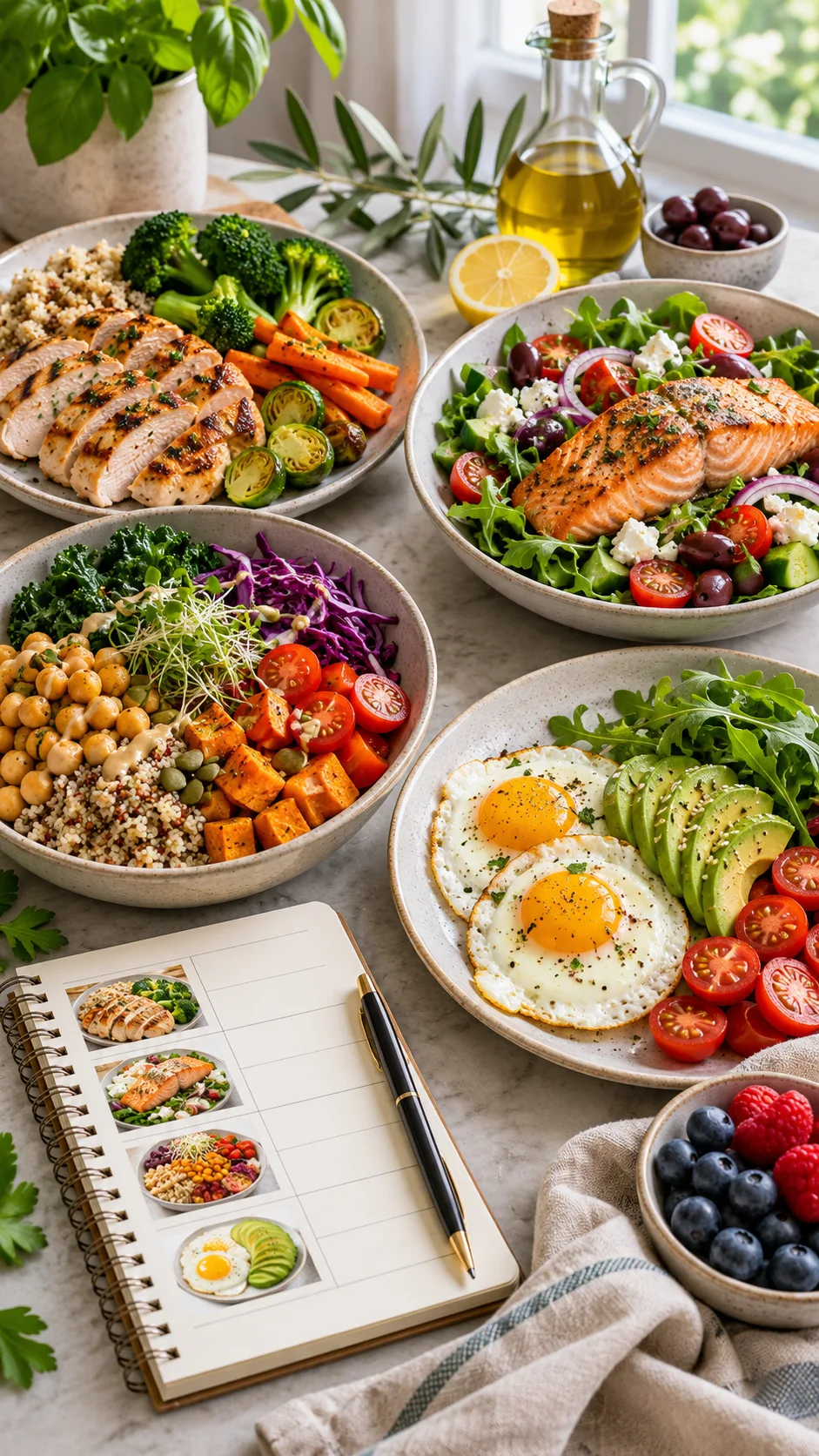
The short answer: speed comes from consistency, not diet drama

If you compare diets head to head, most sensible plans help you lose fat when they get you to eat fewer calories than you burn. Your body does not award bonus points because your meal plan has a dramatic name and a 47-page rulebook.
Calorie intake drives weight loss, protein supports fullness and muscle, and consistency decides whether your progress lasts. That combination beats diet hopping almost every time.
Research from the National Institute of Diabetes and Digestive and Kidney Diseases supports a practical truth: many eating patterns can support weight loss when people can maintain them. So should you pick the fastest plan on paper, or the plan you can still handle on a stressful Thursday night?
IMO, pick Thursday-night proof every time.
What faster results really mean
Before you compare keto versus fasting or high protein versus plant-based eating, define your result. Do you want a lower number on the scale, a smaller waist, better energy, improved blood sugar, fewer cravings, or all of the above?
The scale can move quickly for reasons that have nothing to do with fat loss. Low-carb diets often cause a fast drop during the first week because your body releases stored glycogen and water. That feels exciting, and it can motivate you, but you did not lose several pounds of body fat overnight.
Fast scale loss versus fast fat loss
Fast scale loss can include water, food volume, and glycogen changes. Fast fat loss requires a meaningful calorie deficit over time while you keep up your protein, resistance training, and sleep, and hold onto some basic sanity.
For many adults, a healthy, sustainable rate lands around one to two pounds per week, though your starting weight, health status, medication, activity, and food intake all matter. The Centers for Disease Control and Prevention notes that gradual weight loss often gives people a better shot at keeping weight off.
Could you lose more during the first couple of weeks? Sure. Should you treat that early drop as a promise from the universe? No.
Results you can notice without a scale
Use more than one progress marker. The scale tells one part of the story, while your habits tell the part that usually matters most.
- Measure your waist under the same conditions every two to four weeks.
- Track your reps, weights, or workout performance to see whether you are getting stronger.
- Notice whether you can make it to your next meal without turning feral.
- Watch for steadier afternoons and fewer snack attacks.
- Count how many days you followed your core habits, not how many days looked “perfect.”
Low-carb diets: fast early wins, tougher long game for some
Low-carb plans cut back on bread, pasta, sweets, sugary drinks, and sometimes fruit or starchy vegetables. Keto takes that approach much further and pushes carbohydrate intake very low.
These plans often produce quick scale changes because lower carbohydrate intake drains stored glycogen and water. Many people also eat less without trying, since protein, fat, and fibrous vegetables make meals more filling.
Who usually does well on low carb?
Low carb can suit you if sweets trigger nonstop cravings, if you enjoy eggs, fish, meat, yogurt, cheese, and vegetables, and if you do not mourn rice like a lost relative. It also simplifies decisions because it removes many snack foods from the menu.
However, low carb can feel rough if you love fruit, beans, oats, potatoes, or high-intensity exercise. Some people also replace carbs with huge amounts of calorie-dense fats, then wonder why the scale refuses to cooperate. Butter is still delicious, but it does not turn into weight-loss confetti.
If you feel curious about an animal-based approach, read carnivore diet before-and-after results for women with a critical eye. Personal stories can inspire you, but they cannot replace bloodwork, medical guidance, or a plan that covers your nutrient needs.
The low-carb bottom line
Low carb can produce fast early scale loss and strong appetite control. It works best when you enjoy the food choices and keep the plan flexible enough for restaurants, travel, family meals, and real life.
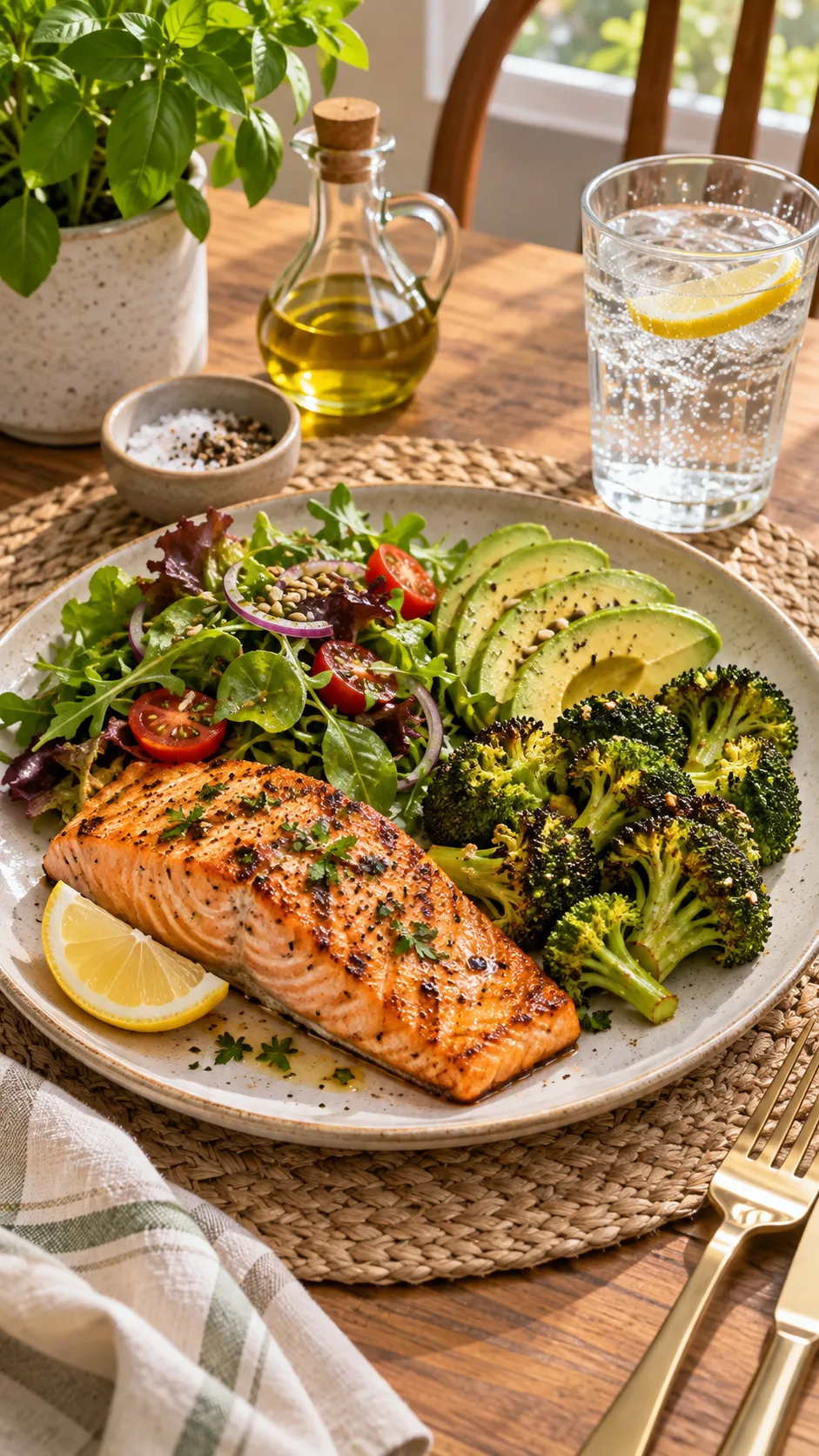
Intermittent fasting: simple rules, no magic metabolism
Intermittent fasting changes when you eat instead of telling you what to eat. A common setup uses a 16-hour fast and an 8-hour eating window, while others simply skip late-night snacking or squeeze three meals into a shorter window.
Fasting can work because it reduces your chances to eat. If you skip breakfast and stop grazing after dinner, you might naturally cut hundreds of calories without counting every bite. That convenience explains the appeal.
But fasting does not override calorie balance. You can still eat a full day’s worth of energy in six hours with takeout, cocktails, “healthy” nut butter, and an aggressively optimistic serving of granola.
Who should consider fasting?
Fasting often works well for people who dislike breakfast, hate constant meal prep, or snack mindlessly at night. It draws a clean boundary: kitchen closed, episode over, move along.
It may not suit people with a history of disordered eating, people who take glucose-lowering medication, pregnant or breastfeeding people, adolescents, or anyone who gets dizzy, obsessive, or ravenous around food restriction. If you manage a health condition, talk with a qualified clinician before you try it.
The Nutrition.gov overview of intermittent fasting offers a useful reminder: research continues, and fasting does not fit everyone. Why force a schedule that makes your day harder?
The fasting bottom line
Intermittent fasting can speed up results when it stops unplanned snacking and helps you control calories. It fails when it turns you into a hungry goblin who raids the pantry at 8 p.m.
High-protein diets: the most reliable option for hunger control
If I had to pick one nutrition lever that helps most people lose fat with less misery, I would pick protein. Protein keeps you full, protects muscle while you lose weight, and makes meals feel like meals instead of a sad audition for rabbit food.
A high-protein diet does not require you to eat plain chicken breast until you lose the will to live. You can build protein around Greek yogurt, cottage cheese, eggs, tofu, tempeh, lentils, fish, lean meat, edamame, protein shakes, and beans.
Why protein helps you lose weight
Protein makes a calorie deficit easier because it fills you up more than many refined carbohydrates and snack foods. It also helps you keep muscle when you pair it with strength training, and muscle helps you stay strong and active during fat loss.
Your ideal target depends on body size, training, age, health history, and total calories. Many active adults aiming for fat loss do well with roughly 1.2 to 1.6 grams of protein per kilogram of body weight daily, although some people need individualized guidance.
Want a less math-heavy approach? Start by adding a palm-sized protein source to each meal and a protein-rich snack when you need one. Our protein diet plan guide shares practical ways to stay full without counting every calorie.
The high-protein bottom line
High protein wins by making hunger easier to manage, not by riding hype. You can combine it with low carb, Mediterranean eating, calorie counting, plant-based meals, or intermittent fasting.
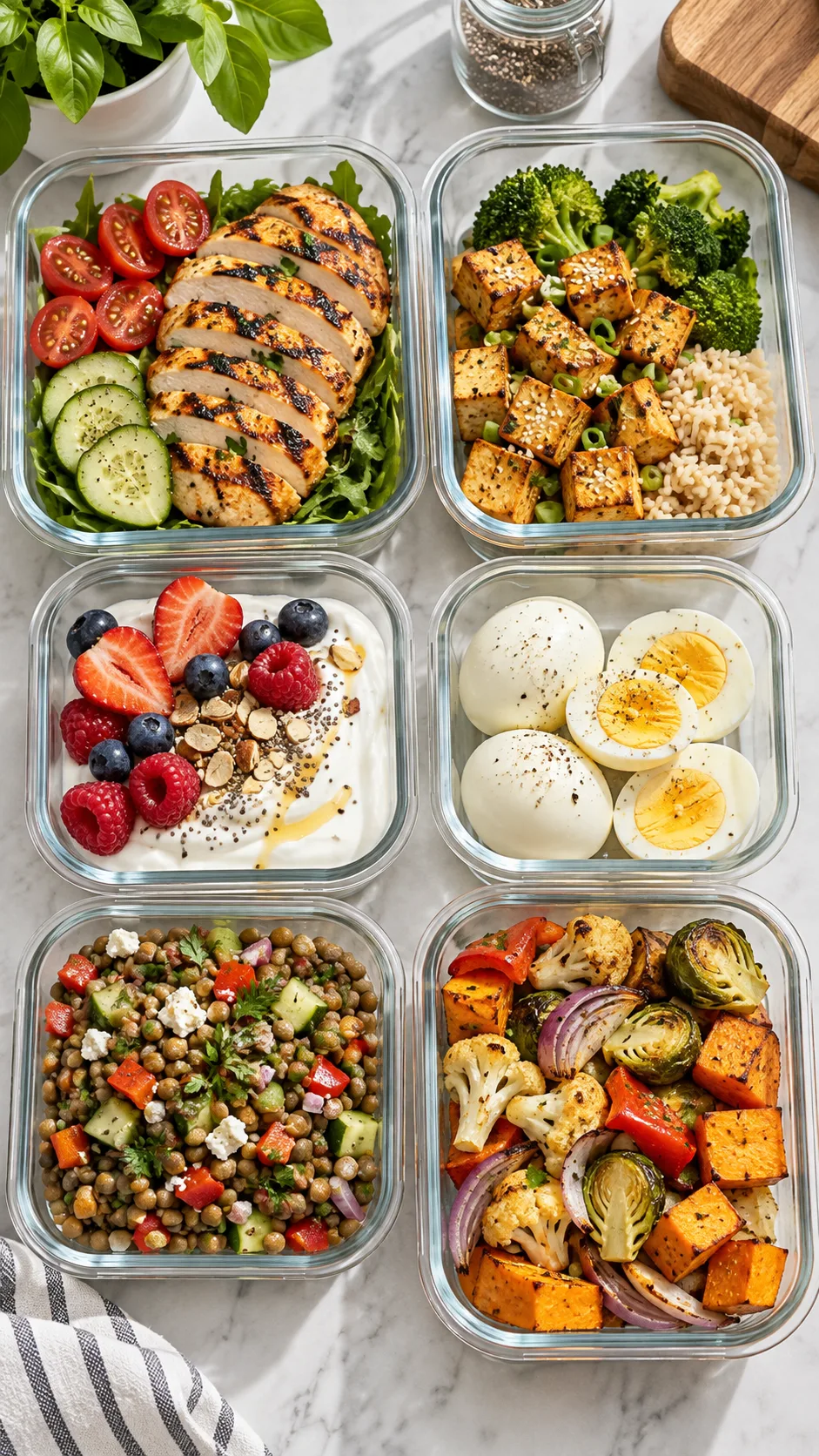
Mediterranean and whole foods diets: slower hype, stronger staying power
The Mediterranean diet centers on vegetables, fruit, beans, whole grains, fish, olive oil, nuts, herbs, and moderate amounts of dairy, poultry, and other foods. It does not ban every food with a personality, which explains why many people stick with it.
Whole food eating follows a similar idea: build most meals from foods that look close to their original form. Think potatoes instead of chips, oats instead of sugary cereal, chicken or tofu instead of mystery nuggets, and fruit instead of a neon “fruit-flavored” situation.
Why this style works
Whole foods usually give you more fiber, volume, and nutrients per calorie than ultra-processed foods. Portions feel generous, and you control your energy intake without white-knuckling every meal.
The Mediterranean pattern also supports heart health. The American Heart Association points to its focus on vegetables, whole grains, legumes, fish, and healthy fats.
This approach may not trigger the dramatic first-week scale drop that low carb can create. Yet many people get better long-term results because they can eat this way at home, at work, on vacation, and at a normal birthday dinner.
For an easy starting point, check out common whole-foods diet mistakes and how to avoid them. Small upgrades work far better than a pantry purge that leaves you eating air by Wednesday.
Plant-based diets: great for fiber, not automatically low calorie
Plant-based eating can help with weight loss when you center meals on vegetables, fruit, beans, lentils, tofu, whole grains, and minimally processed foods. Fiber adds bulk and helps you feel full, while legumes give you a budget-friendly mix of protein and carbohydrates.
But “plant-based” does not automatically mean “fat-loss friendly.” Vegan cookies are still cookies. Coconut-oil desserts, oversized smoothie bowls, fries, and vegan cheese can pack plenty of calories, even if the label looks morally superior.
Make plant-based meals more filling
Build each meal around a solid protein source. Tofu, tempeh, seitan, edamame, lentils, beans, soy yogurt, and protein powder all help.
- Start with vegetables or a broth-based soup for volume.
- Add a protein source at every meal.
- Use high-fiber carbohydrates such as beans, oats, potatoes, and whole grains.
- Measure calorie-dense extras like oils, nuts, tahini, and avocado when progress stalls.
- Consider a vitamin B12 supplement if you follow a fully vegan diet, and ask a clinician about your individual needs.
Plant-based eating works brilliantly when you plan protein and portions. It works poorly when every meal turns into beige carbs with a tiny sprinkle of nutritional yeast.
So which diet gets results faster? A direct comparison
No single diet wins every matchup. Your best choice depends on the obstacle that keeps knocking you off track.
| Eating style | Best for | Common trap |
|---|---|---|
| Low carb | Quick early scale changes and reduced sugar cravings | Overeating fats or missing favorite foods |
| Intermittent fasting | People who snack late or prefer fewer meals | Overeating during the eating window |
| High protein | Hunger control, muscle support, and flexible meals | Choosing only processed protein foods |
| Mediterranean or whole foods | Long-term health and sustainable everyday eating | Ignoring portions of oils, nuts, and restaurant meals |
| Plant-based | Fiber, variety, and people who enjoy legumes and produce | Low protein and too many refined vegan foods |
The fastest diet for you tackles your biggest problem. Do you snack all night? Try a structured eating window. Do you feel hungry two hours after lunch? Increase protein and fiber. Do sweets control your day? Lower your refined carbs and build regular meals.
A simple 14-day plan to find your best eating style
You do not need to marry a diet on day one. Run a two-week experiment and collect useful information instead of chasing social media certainty.
- Pick one structure: high protein, a 12-hour overnight fast, low carb, or mostly whole foods. Do not stack every rule at once.
- Build three repeatable meals with protein, produce, and a satisfying carbohydrate or fat source.
- Anchor your day with protein at breakfast, lunch, and dinner.
- Walk daily. Set a realistic step goal, even if you begin with 20 minutes.
- Strength train two or three times a week with weights, machines, resistance bands, or bodyweight moves.
- Track hunger, sleep, cravings, digestion, energy, and your weekly weight trend.
- Adjust one thing at a time. If you feel constantly hungry, add protein or fiber. If progress stalls, review portions and liquid calories before you slash food.
This process sounds almost too sensible, right? That is exactly why it works. Sensible habits lack flashy marketing, but they keep showing up long after the “30-day shred” enthusiasm quietly disappears.
Red flags: when fast results cost too much
A diet should improve your life, not shrink it into a stressful list of forbidden foods. Watch for warning signs that your approach asks too much from your body or your mind.
- You feel faint, exhausted, irritable, or unable to focus.
- You obsess over food, calories, or “perfect” eating all day.
- You cut whole food groups without a medical reason or a nutrition plan.
- You binge after strict restriction.
- You lose strength, sleep poorly, or stop enjoying normal social meals.
- You manage diabetes, kidney disease, digestive conditions, pregnancy, or medication changes without professional support.
If any of those signs show up, pause and get help from a registered dietitian or healthcare professional. Fast weight loss never deserves a bigger bill from your health later.
Final verdict: choose the diet you can repeat
Low carb may give you the fastest early scale drop. Intermittent fasting can cut snacking. High protein can crush hunger. Mediterranean, plant-based, and whole food approaches can make healthy eating feel normal enough to continue for years.
But the winner rarely comes from the trendiest label. The best diet for faster results gives you a manageable calorie deficit, enough protein, plenty of minimally processed foods, and a routine you can repeat without hating your life.
Pick one approach, follow it for two honest weeks, and check your real results. Your future self does not need another extreme reset. Your future self needs a plan that survives pizza night, work deadlines, and the snack aisle.