

You clicked this because some article, a doctor, or an annoyingly glowing coworker told you the Mediterranean diet changes everything. Now you’re staring at words like “extra virgin,” “legumes,” and “sardines,” wondering if you signed up for a lifestyle your bank account can’t handle.
Take a breath. The Mediterranean diet is the least demanding “diet” on the planet, mostly because it barely qualifies as one. No calorie app. No weigh-in day. No sad plastic container of steamed chicken.
I changed how I eat about four years ago, and the biggest surprise had nothing to do with blood work. I stopped thinking about food all day long. That shift is the whole point of this guide.
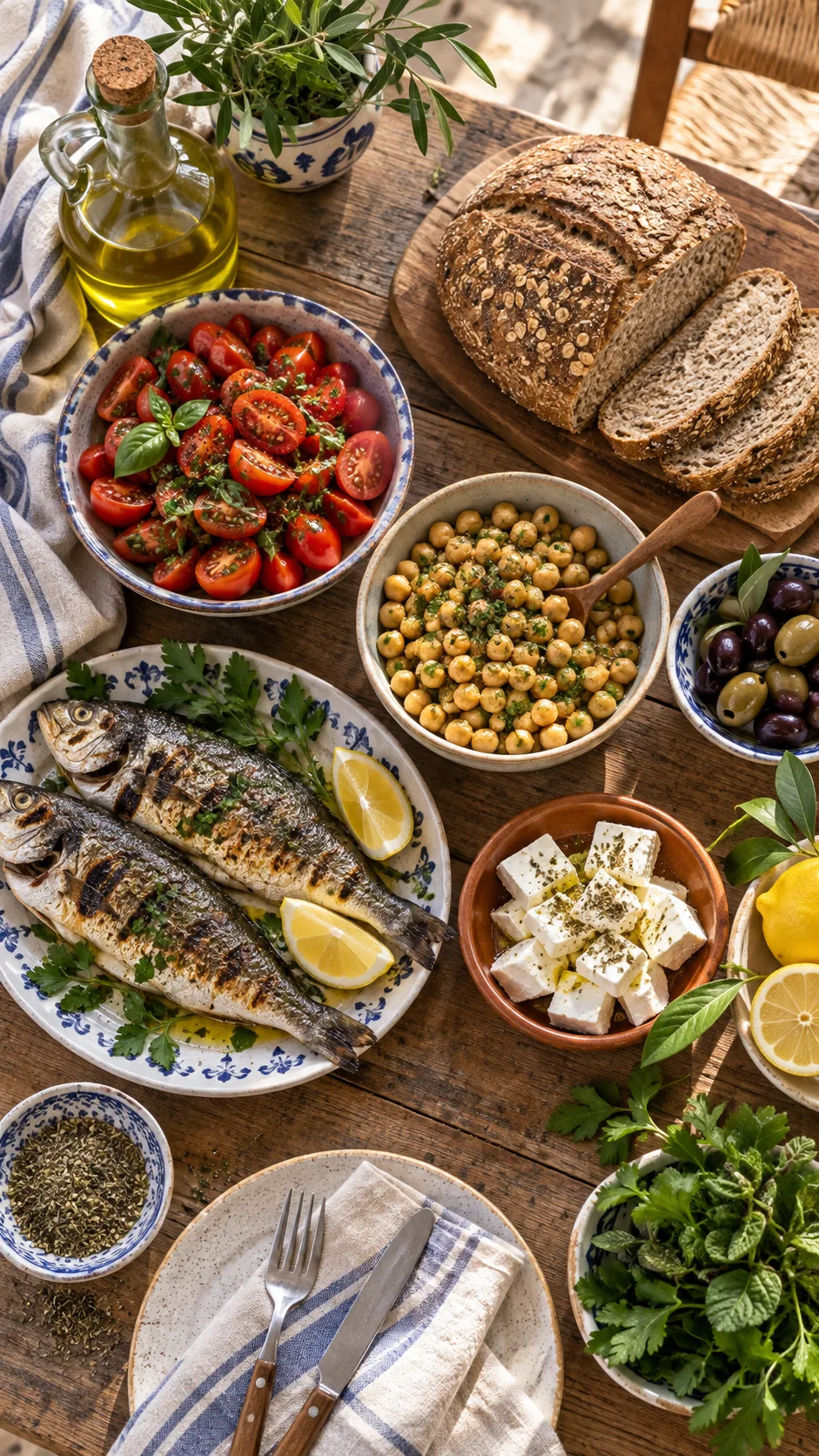
What the Mediterranean diet really is (and what it definitely isn’t)
The Mediterranean diet describes how people in Greece, southern Italy, Spain, and nearby coastal regions ate around the middle of the twentieth century. Researchers noticed those populations lived longer and had far fewer heart attacks. Scientists have chased that pattern ever since.
Here’s the part people miss: it’s an eating PATTERN, not a rulebook. Nobody in a Greek village counted macros. They ate vegetables because vegetables grew nearby, and they cooked with olive oil because olive trees stood in the backyard.
UNESCO even added it to the Intangible Cultural Heritage list, which tells you something. No meal plan built around protein shakes has ever earned cultural heritage status.
What it is NOT
- Not low-carb. Bread, pasta, and grains stay on the table.
- Not low-fat. Roughly 35 to 40% of calories come from fat, mostly olive oil and nuts.
- Not vegetarian. Fish, poultry, eggs, and dairy all turn up regularly.
- Not a 30-day challenge. If you “finish” it, you did it wrong.
Why doctors keep recommending it (the evidence, quickly)
I get suspicious when every health headline points the same direction. This one earns the attention, and the research runs deep.
The PREDIMED trial, published in the New England Journal of Medicine, followed roughly 7,400 people at high cardiovascular risk. Participants eating a Mediterranean diet supplemented with extra virgin olive oil or nuts had about a 30% reduction in major cardiovascular events compared with the low-fat control group. The summary sits on the NEJM site.
Harvard’s Nutrition Source ties the same pattern to lower rates of type 2 diabetes, better cognitive aging, and healthier body weight. U.S. News & World Report has ranked it the number one overall diet for eight years running through 2025.
Does it melt fat by magic? No. But it beats almost everything else on the metric that matters most: people keep doing it.

The 8 simple rules that make it stick
Forget the food pyramid diagrams. I’ve trimmed the whole thing down to eight rules you can memorise during a coffee break.
- Make olive oil your default fat. Cook with it, drizzle it, dress salads with it. Retire the butter for most jobs.
- Put vegetables on every plate, breakfast included. Tomatoes on toast counts. Nobody’s judging.
- Eat beans or lentils at least three times a week. Cheapest health upgrade money can buy.
- Choose fish twice a week, ideally oily ones. Sardines, salmon, mackerel, anchovies.
- Snack on nuts, not chips. A small handful, not the family-size bag.
- Swap refined grains for whole ones. Whole wheat bread, farro, barley, brown rice.
- Treat red meat as a guest, not a resident. Once a week or less works fine.
- Eat slowly, with other people, without a screen. This one sounds soft. It isn’t.
Notice what’s missing? No portion scales. No “eliminate” lists. The Mediterranean approach piles on good food until the junk quietly loses its spot on the plate. That’s psychological judo, and it works far better than restriction.
The plate method: your cheat sheet for every single meal
When people ask me how to start, I skip the theory and draw a plate. Here’s the layout I use daily:
- Half the plate: vegetables and fruit, cooked, raw, roasted, whatever you’ll really eat
- A quarter: whole grains or starchy vegetables
- A quarter: protein such as beans, fish, eggs, chicken, or a modest amount of cheese
- Over the top: olive oil, herbs, lemon, garlic, a crack of black pepper
Build that plate and you’ve nailed 90% of the diet without reading another word. Wondering why Mediterranean food tastes so good despite being “healthy”? Fat plus acid plus salt plus herbs. That combination turns vegetables into a reward instead of a punishment.
The “flavour base” trick I steal constantly
Start almost any meal with olive oil, onion or garlic, and a pinch of salt in a warm pan. Throw in whatever vegetables sit in your fridge. Finish with lemon juice, herbs, and something crunchy.
That formula produces dinner from near-empty shelves. I’ve built entire meals out of a sad zucchini, half an onion, and a tin of chickpeas. Nobody complained.
Your first week: a realistic starter plan
Most beginners fail because they try to overhaul everything on a Monday. Then Wednesday arrives, work explodes, and they order pizza with a side of guilt. Here’s how to dodge that.
Days 1 and 2: change one thing
Swap your cooking fat for extra virgin olive oil. That’s it. Buy a decent bottle, keep it next to the stove, and use it everywhere.
Days 3 and 4: add, don’t subtract
Add a vegetable or a piece of fruit to two meals a day. You aren’t removing anything yet. Your brain won’t fight you when nothing disappears.
Days 5 and 6: introduce the bean
Make one legume meal. Lentil soup, chickpea salad, white beans with garlic and greens. Twenty minutes, about two dollars.
Day 7: fish day
Cook salmon, or crack open tinned sardines on toast with lemon and chilli flakes. Tinned fish is genuinely excellent Mediterranean eating: cheap, sustainable, shelf-stable, and it needs no cooking at all.
After week one, repeat with a little more ambition. Small, boring, repeatable changes beat dramatic overhauls every time. The same principle applies in the gym, which is why a simple weekly training plan outperforms the six-day program you’ll quit by Thursday.
What to buy: the beginner shopping list
Print this, screenshot it, whatever works. These items cover roughly 95% of Mediterranean cooking.
Pantry staples
- Extra virgin olive oil (a big bottle, because you’ll use more than you think)
- Tinned tomatoes, chickpeas, white beans, lentils
- Tinned sardines, anchovies, tuna in olive oil
- Whole grains: farro, bulgur, brown rice, whole wheat pasta
- Nuts: walnuts, almonds; seeds: sesame, sunflower
- Garlic, onions, dried oregano, cumin, paprika, black pepper
- Red wine vinegar and lemons
Fresh weekly
- Leafy greens: spinach, rocket, kale
- Tomatoes, cucumbers, peppers, zucchini, eggplant
- Seasonal fruit, whatever looks good and costs least
- Fresh herbs: parsley, mint, basil
- Greek yoghurt, feta, a hard cheese like parmesan
- Fish twice a week, eggs, the occasional chicken
Budget note: people assume this diet costs a fortune. Look at that list again. Beans, tinned fish, seasonal vegetables, and grains sit among the cheapest calories in any supermarket. The olive oil stings once a month, then you forget about it.
The mistakes beginners make (I made most of them)
Mistake 1: treating olive oil like medicine
I once measured a teaspoon of olive oil onto a salad as if I were dosing cough syrup. Meanwhile, real Mediterranean cooks pour the stuff. Use 2 to 4 tablespoons a day across your meals and stop panicking.
Mistake 2: buying the wrong olive oil
Look for “extra virgin,” a harvest date, and a dark glass bottle. It should taste slightly peppery at the back of your throat. That peppery kick comes from polyphenols, the compounds doing the heavy lifting.
Mistake 3: thinking pasta is banned
Italians eat pasta. Shocking, I know. The difference sits in portion size and what goes on top: vegetables, beans, seafood, olive oil, rather than a lake of cream.
Mistake 4: ignoring the lifestyle half
Researchers keep pointing to the social and movement side of the pattern: shared meals, daily walking, decent sleep. You can eat perfect food and still feel terrible if you sit for 14 hours and sleep five.
Mistake 5: quitting after one bad week
You’ll eat a kebab at midnight. So will I. The Mediterranean diet has no streak to break. The next meal resets everything.
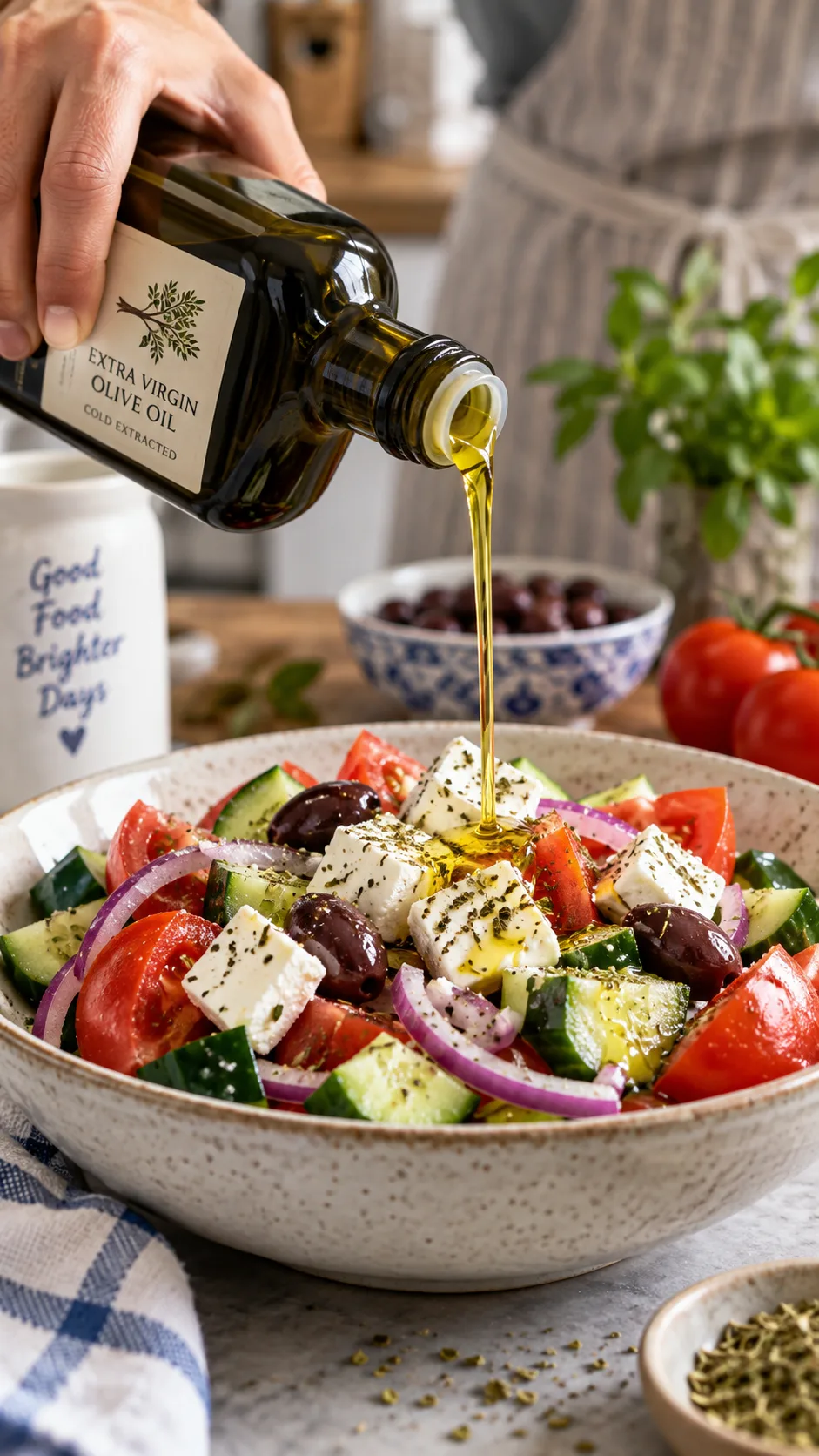
Watch this before you start
If you learn better by watching someone cook than by reading lists, this breakdown covers the basics clearly and without the hype:
Five meals you can make tonight
No exotic ingredients. No 40-minute prep. These make up my real weekly rotation.
- Chickpea and tomato stew. Olive oil, garlic, tinned tomatoes, tinned chickpeas, cumin, paprika. Simmer 15 minutes. Finish with yoghurt and parsley.
- Sardines on toast. Whole grain bread, tinned sardines, lemon, chilli flakes, sliced tomato. Ninety seconds, genuinely.
- Greek-ish salad bowl. Cucumber, tomato, red onion, olives, feta, oregano, plenty of olive oil. Add leftover grains to bulk it out.
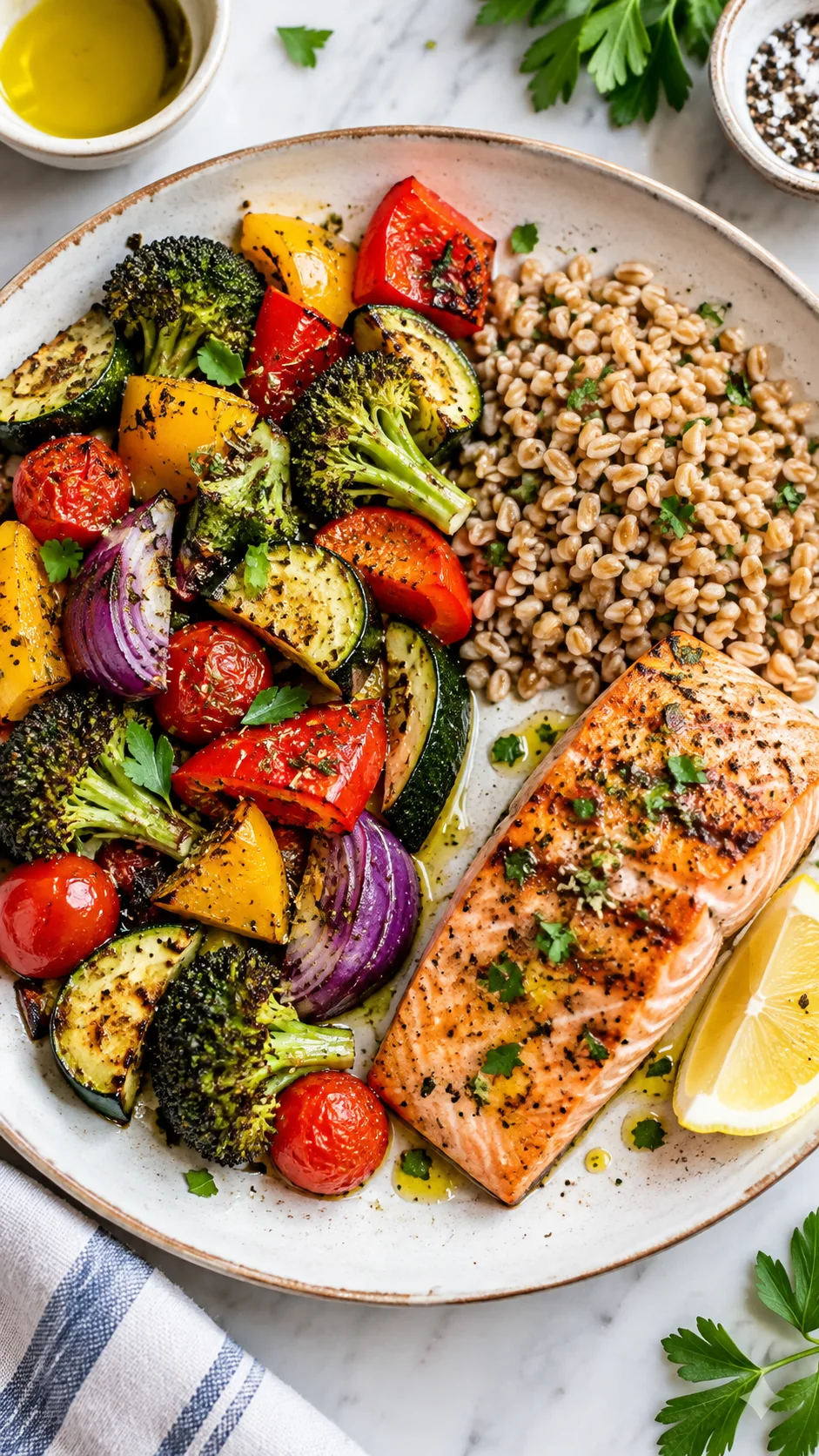
- Lemon garlic salmon with roasted vegetables. One tray, 200°C, 20 minutes. Minimal washing up.
- Pasta with greens and white beans. Whole wheat pasta, spinach, cannellini beans, garlic, olive oil, parmesan, black pepper.
Batch tip: cook a pot of grains and a pot of beans on Sunday. Those two containers turn any weeknight into a five-minute meal.
Pairing it with movement (because food alone won’t cut it)
Mediterranean populations ate well and moved constantly. Walking to the market, working outdoors, climbing hills that mock your calves.
You don’t need a punishing program. Daily walking plus two or three strength sessions covers most of the benefit. If you want a structured on-ramp, the walk-to-run approach pairs beautifully with this way of eating, since you’ll have real fuel instead of running on fumes and coffee.
Starting strength training instead? Read up on the mistakes that stall new lifters before month one derails you. Good food plus bad programming still equals frustration.
Frequently asked beginner questions
Do I have to drink red wine?
No. Traditional patterns included a small glass with meals, but health organisations including the World Health Organization confirm that no level of alcohol counts as risk-free. If you don’t drink, don’t start. The diet works perfectly without it.
Will I lose weight?
Many people do, slowly, without tracking a thing. Fibre and fat keep you full, so you eat less on your own. Nobody stress-eats their way through a bowl of lentils at 11pm.
Can I follow it without fish?
Yes. Lean harder on legumes, walnuts, and flaxseed for omega-3s. A vegetarian Mediterranean pattern still performs brilliantly in research.
How fast do I feel a difference?
Energy and digestion shift within two weeks for most people. Blood markers like cholesterol and blood pressure usually need 8 to 12 weeks. Patience, friend.
The bottom line
The Mediterranean diet sticks because it asks you to add good things rather than delete everything you enjoy. Olive oil, vegetables, beans, fish, whole grains, nuts, and meals eaten slowly with people you like. That’s the entire framework.
Forget perfection. Nail the plate method most days, keep good ingredients within arm’s reach, and let the pattern build itself over months instead of forcing it in a week.
Your move: buy one bottle of decent extra virgin olive oil and one tin of chickpeas this week. Cook one meal from the list above. That single dinner starts a habit that could outlast every diet you’ve ever abandoned, and it tastes far better than the alternatives.