

You slept nine hours and still feel like someone unplugged you at 2pm. Your hair collects in the shower drain like it’s paying rent there. Your thyroid labs look “fine” according to someone who glanced at them for four seconds. Sound familiar?
I’ve sat in that exact chair. Hashimoto’s thyroiditis slows your thyroid, and it also hijacks your energy, your mood, your digestion, and your patience. Food alone won’t cure an autoimmune disease (anyone promising that deserves serious side-eye), but the right eating pattern genuinely dials down inflammation, steadies your energy, and helps your medication do its job.
This guide walks you through a practical Hashimoto’s diet plan: what to eat, what to skip, what to test, and what nobody bothers telling you. No 47-supplement protocol. No celery juice cult. Just stuff that works.
First, what’s happening inside your body?
Hashimoto’s disease is an autoimmune condition. Your immune system mistakes your thyroid gland for an intruder and attacks it, slowly damaging the tissue that produces your thyroid hormones. Over time, that damage tips you into hypothyroidism.
Here’s the part that matters for your plate: this is an immune problem first and a thyroid problem second. Your thyroid is the victim, not the villain. So the smartest dietary strategy targets what drives the attack: chronic inflammation and immune overactivation.
According to the National Institute of Diabetes and Digestive and Kidney Diseases, Hashimoto’s is the most common cause of hypothyroidism in the United States, and it hits women roughly eight times more often than men. Fun statistic, right? :/
Why you feel exhausted even on medication
Levothyroxine replaces the hormone your thyroid can’t make. It does NOT switch off the autoimmune attack. It also does nothing for gut inflammation, nutrient gaps, blood sugar chaos, or the cortisol rollercoaster most people with Hashimoto’s ride daily.
That gap between “normal labs” and “feeling normal” is exactly where food does its best work.
The core principles of a Hashimoto’s diet plan
Forget rigid rulebooks for a second. Every effective Hashimoto’s eating approach rests on five pillars. Nail these and you’ve done 80% of the work.
- Lower the inflammatory load. Cut ultra-processed foods, refined seed oils, and added sugar. These fuel the immune chaos you’re trying to calm.
- Feed your gut. Roughly 70% of your immune tissue lives in your gut lining. Fix the terrain, calm the system.
- Stabilise blood sugar. Glucose spikes trigger cortisol surges, and cortisol suppresses the conversion of T4 into active T3.
- Close nutrient gaps. Selenium, zinc, iron, vitamin D, and B12 all play direct roles in thyroid function.
- Protect your medication absorption. Timing and mineral interactions matter more than most people realise.
Notice what’s missing? A ban on nightshades, a 30-day water fast, and a $200 “thyroid support” powder. Good.
Foods that genuinely help (eat these often)
Let’s get specific. These foods earn their place through actual mechanisms, not vibes.
Selenium-rich foods: the non-negotiable
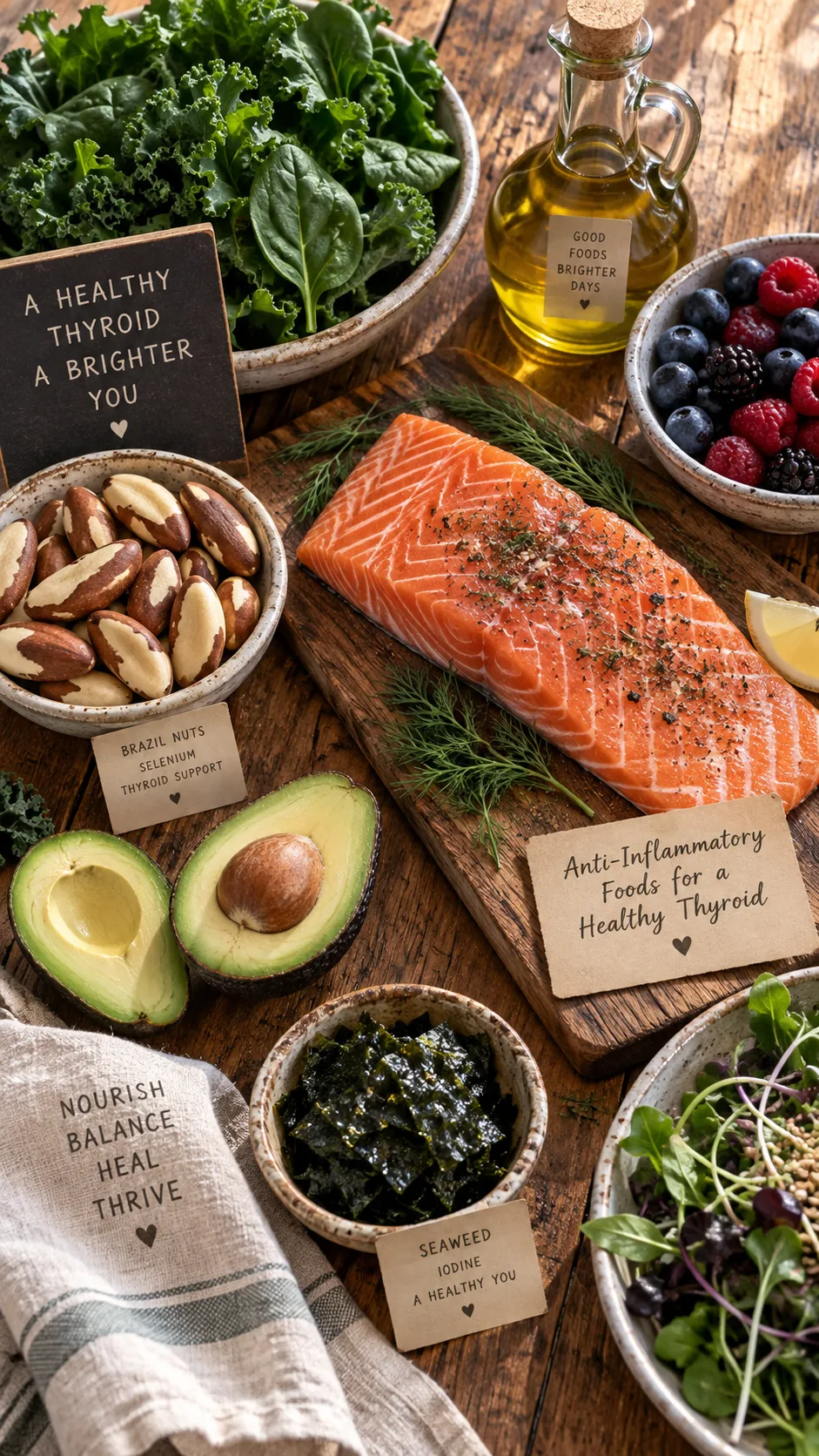
Selenium sits at the top of the list for a reason. Your thyroid holds more selenium per gram than any other organ, and research shows selenium supplementation can reduce thyroid peroxidase (TPO) antibodies in people with Hashimoto’s.
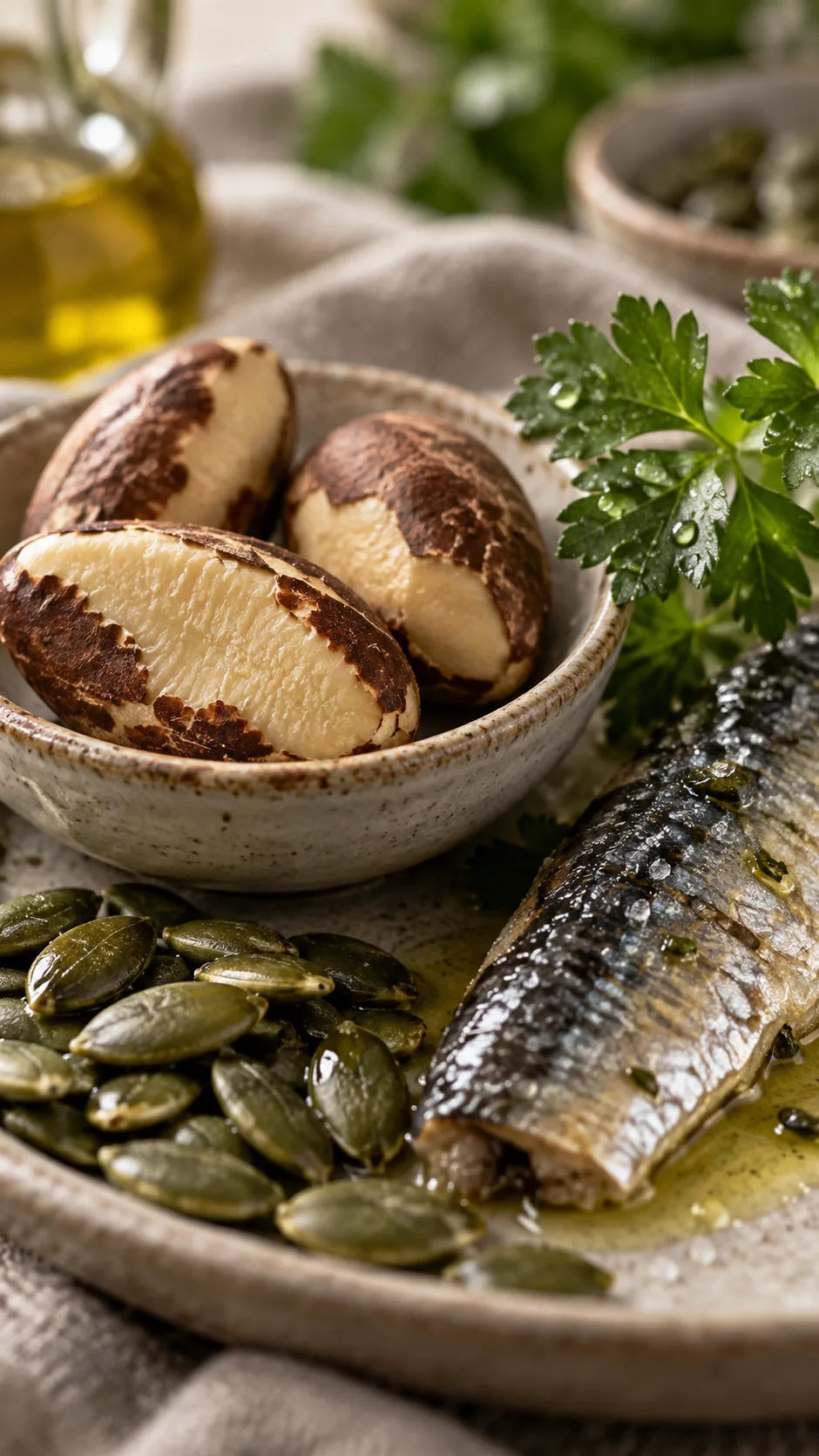
- Brazil nuts. Two or three per day covers you. Don’t eat ten. Selenium toxicity exists and it’s unpleasant.
- Wild-caught sardines, tuna, and salmon
- Pasture-raised eggs (the yolk holds the selenium)
- Sunflower seeds and mushrooms
Zinc and iron
Zinc helps convert T4 into the active T3 your cells use. Iron deficiency, which shows up constantly in women with Hashimoto’s, blunts thyroid hormone production at the source. Oysters, beef, lentils, pumpkin seeds, and dark poultry meat all deliver.
Pair plant-based iron with vitamin C. A squeeze of lemon over lentils does more than you’d think.
Omega-3 fats
Fatty fish twice a week changes things. Omega-3s reduce inflammatory cytokines, the same messengers driving your joint aches and brain fog. Salmon, mackerel, sardines, anchovies, and herring lead the pack. Walnuts, chia, and flax help, but conversion rates from plant sources stay low.
Colourful plants and fibre
Polyphenols from berries, olive oil, green tea, and dark leafy greens feed beneficial gut bacteria and reduce oxidative stress. Aim for 30 different plant foods per week. Herbs, spices, nuts, and seeds all count toward the tally.
Foods worth removing (at least temporarily)
Here’s where the internet loses its mind. Let me sort the evidence from the noise.
Gluten: the one with real backing
People with Hashimoto’s carry a significantly elevated risk of celiac disease, and studies suggest coeliac occurs in roughly 2 to 5% of Hashimoto’s patients versus about 1% of the general population. Beyond celiac, some research indicates a gluten-free diet reduces thyroid antibody levels in Hashimoto’s patients.
My honest take: get tested for celiac BEFORE you remove gluten (the test needs gluten in your system to work). Then trial a strict gluten-free period of 8 to 12 weeks and judge for yourself. I felt the difference around week five, when the afternoon brain fog lifted like someone opened a window.
Dairy
Lactose intolerance shows up frequently in Hashimoto’s, and one study found that treating lactose intolerance improved TSH levels in patients on levothyroxine. Casein sensitivity also overlaps with gluten sensitivity for some people. Try removing it for six weeks, then reintroduce and watch what happens.
Ultra-processed food and added sugar
No nuance needed here. Industrial seed oils, refined sugar, and processed meats drive inflammation in literally everyone. With an autoimmune condition, you simply have less margin for error.
What about soy, cruciferous vegetables, and iodine?
Ah, the greatest hits of thyroid panic. Let’s be reasonable:
- Cruciferous vegetables (broccoli, kale, cabbage): the goitrogen concern applies to enormous raw quantities. Cooking deactivates most goitrogenic compounds. Eat your broccoli. Seriously.
- Soy: moderate amounts of whole soy (edamame, tofu, tempeh) pose no real problem, but keep it 4 hours away from your thyroid medication, since soy interferes with absorption.
- Iodine: this one deserves caution. Excess iodine can worsen Hashimoto’s and increase antibody levels. Skip high-dose iodine and kelp supplements unless your doctor specifically prescribes them.
I’ve watched people wreck their labs chasing an iodine protocol from a YouTube video. Please don’t be that person.
Should you try the autoimmune protocol (AIP)?
The AIP diet strips things down hard: no grains, dairy, legumes, eggs, nuts, seeds, nightshades, alcohol, or refined sugar. Then you methodically reintroduce foods one at a time.
A 2019 pilot study published in Cureus followed women with Hashimoto’s through a 10-week AIP protocol and found meaningful improvements in quality-of-life scores and reductions in the inflammatory marker CRP. Small study, no control group, but promising.
Who should consider AIP?
- You’ve already cleaned up your diet and still feel awful
- You suspect multiple food triggers but can’t identify them
- You have the bandwidth for 6 to 10 weeks of serious cooking
Who should skip it? Anyone with a history of disordered eating, anyone under crushing stress, and anyone who’d end up eating chicken and zucchini for two months out of sheer exhaustion. AIP is an elimination diagnostic tool, not a forever diet. The reintroduction phase matters just as much as the elimination phase.
A realistic 7-day Hashimoto’s meal framework
Rather than a rigid day-by-day script you’ll abandon by Wednesday, here’s a flexible template. Build each meal from these slots.
Breakfast (protein-forward, always)
- Pasture-raised eggs with sautéed spinach, avocado, and roasted sweet potato
- Coconut yoghurt with berries, chia, and 2 Brazil nuts
- Leftover salmon with greens (yes, fish for breakfast: half the world does it)
Rule: hit 25 to 30g protein before 10am. This single change flattens your afternoon energy crash more than any supplement.
Lunch
- Big salad with grilled chicken, olive oil, pumpkin seeds, and roasted vegetables
- Lentil and vegetable soup with a side of sardines on gluten-free toast
- Grass-fed beef bowl with quinoa, cucumber, herbs, and tahini
Dinner
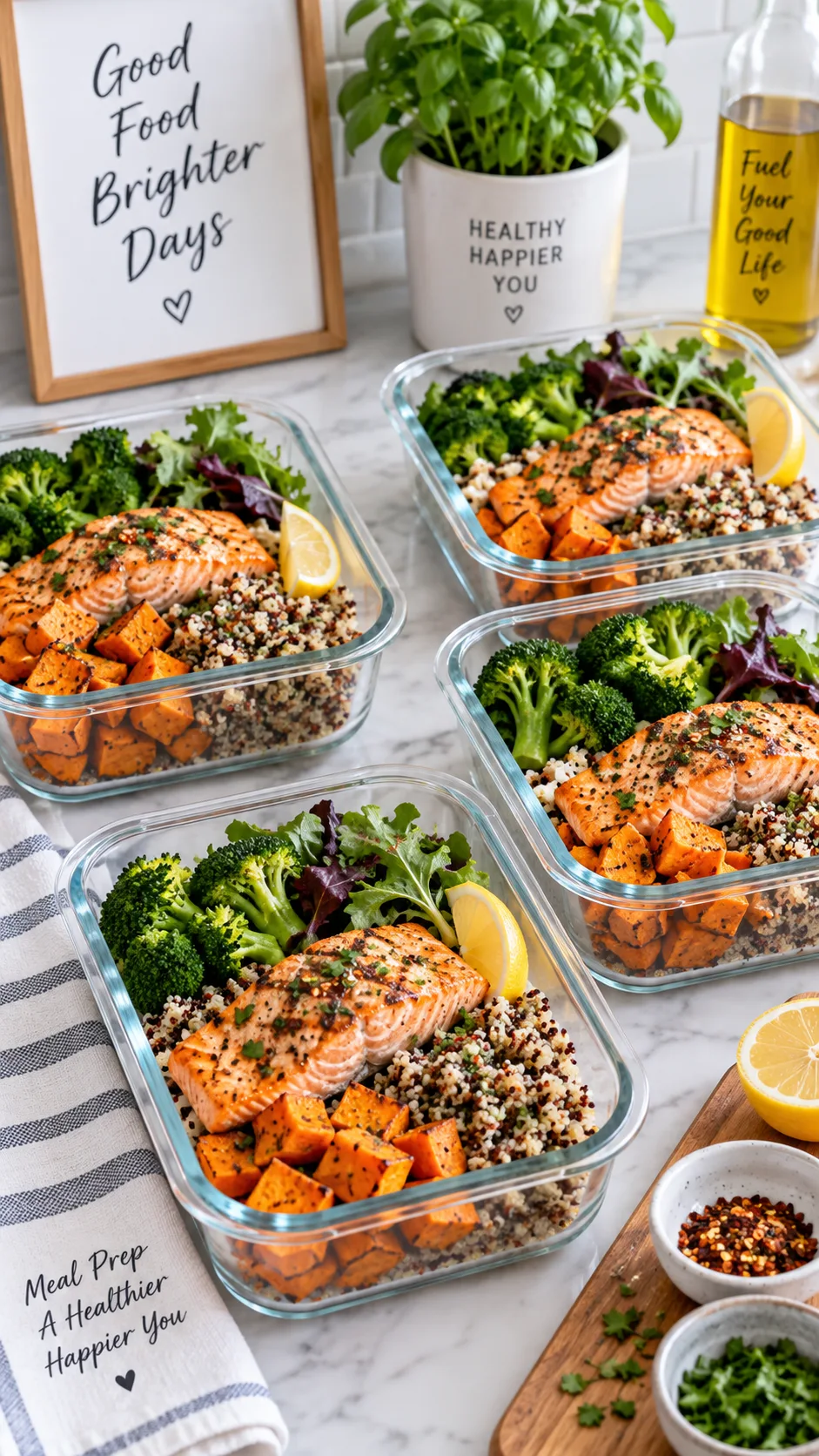
- Baked salmon, roasted broccoli, and mashed cauliflower
- Slow-cooked lamb with root vegetables and a green salad
- Turkey meatballs with courgette noodles and a tomato-free basil pesto (if nightshades bother you)
Snacks
- Apple with almond butter
- Olives and a boiled egg
- A handful of pumpkin seeds
Notice the pattern? Protein, fibre, and healthy fat at every single meal. That combination keeps blood sugar steady, which keeps cortisol calm, which lets your thyroid hormones do their job. If cortisol chaos sounds like your life, this cortisol-focused eating approach pairs beautifully with a thyroid protocol.

Medication timing: the detail everyone gets wrong
You can eat perfectly and still feel terrible if your levothyroxine never makes it into your bloodstream. The American Thyroid Association gives clear guidance here, and it’s worth respecting.
- Take it on an empty stomach, 30 to 60 minutes before breakfast (or at bedtime, 3+ hours after your last meal).
- Wait 4 hours before taking calcium, iron, or magnesium supplements.
- Separate it from coffee by at least 30 to 60 minutes. Coffee measurably reduces absorption. Yes, I know. I was devastated too.
- Keep soy, high-fibre supplements, and antacids at a distance.
- Stay consistent. Same time, same conditions, every day. Your labs depend on it.
The gut connection you can’t ignore
Ever wondered why so many Hashimoto’s patients also battle bloating, constipation, and reflux? Low thyroid hormone slows gut motility. Slow motility encourages bacterial overgrowth. Bacterial overgrowth drives inflammation. Inflammation fuels autoimmunity. Round and round it goes.
Research also links Helicobacter pylori infection and small intestinal bacterial overgrowth (SIBO) with autoimmune thyroid disease. If your digestion has gone rogue, tackle it directly. The crossover with IBS-friendly eating strategies is significant.
Gut-supporting habits that move the needle
- Fermented foods daily. Sauerkraut, kimchi, coconut kefir, kombucha (watch the sugar)
- Prebiotic fibre. Garlic, onions, leeks, asparagus, green bananas
- Bone broth or collagen. It supports the gut lining, and it’s genuinely comforting
- Chew properly and eat sitting down. Unglamorous, wildly effective
- Consider a targeted probiotic. One study found a multi-strain probiotic improved thyroid hormone levels in hypothyroid patients
Nutrients worth testing (not guessing)
Please stop buying supplements based on Instagram. Ask your doctor for these instead:
- Vitamin D (25-OH). Deficiency correlates strongly with higher thyroid antibodies
- Ferritin. Aim above 70 ng/mL for healthy hair and energy, not just “above deficient”
- Vitamin B12. Pernicious anemia frequently travels with Hashimoto’s
- Selenium and zinc
- Full thyroid panel. TSH, free T4, free T3, TPO antibodies, and thyroglobulin antibodies. Not just TSH. Never just TSH.
FYI, if your doctor refuses to check antibodies or free T3, you’re allowed to find a different doctor. That’s not rudeness, that’s advocacy.
Lifestyle factors that make or break the diet
Food does heavy lifting, but it can’t outwork a life spent running on four hours of sleep and adrenaline.
- Sleep 7 to 9 hours. Thyroid hormone conversion happens best when you’re not chronically sleep-deprived.
- Move gently. Walking, strength training, yoga. High-intensity training often backfires during a flare.
- Manage stress deliberately. Chronic cortisol suppresses T4-to-T3 conversion and raises reverse T3.
- Reduce alcohol. It irritates the gut lining and disrupts sleep architecture.
Hormones talk to each other constantly. If your cycles, mood, and energy all feel off at the same time, a broader hormone-balancing nutrition approach gives you a wider lens.
What to expect (set realistic timelines)
Nobody transforms in a week. Here’s a more honest timeline based on what I’ve seen and experienced:
- Weeks 1 to 2: Digestion settles. Energy dips slightly as you adjust. Totally normal.
- Weeks 3 to 6: Brain fog lifts. Afternoon crashes soften. Sleep improves.
- Weeks 8 to 12: Joint aches reduce. Hair shedding slows. Mood stabilises.
- Months 4 to 6: Antibody levels may begin dropping. Retest here, not sooner.
Keep a simple symptom journal. Memory is an unreliable narrator, and patterns only appear when you write things down.
Final thoughts: progress beats perfection
Here’s what I wish someone had told me at the start: a Hashimoto’s diet isn’t a punishment, it’s a negotiation. You’re figuring out which foods your immune system tolerates and which ones it picks fights with. That takes experimentation, patience, and a willingness to be wrong occasionally.
Start with the basics. Remove ultra-processed food. Add protein to breakfast. Trial gluten-free for three months. Test your nutrients. Fix your medication timing. Sleep more. Those six moves alone deliver most of the results people chase with elaborate protocols.
And if you slip up at a birthday party and eat the cake? Eat the cake, enjoy it, move on. Chronic stress about food causes its own inflammation. 🙂
Your next step: pick ONE change from this article and start it tomorrow morning. Not five. One. Then build from there, because the plan you follow always beats the perfect plan you abandon by Friday.
This article shares general nutrition information and does not replace personalised medical advice. Always discuss dietary changes and medication timing with your endocrinologist or a registered dietitian who understands autoimmune thyroid disease.