

You tried the 1,200-calorie plan you found on some random blog. You survived three days, then demolished a large pizza at midnight. Sound familiar?
Nobody says this part out loud: most diet plans for men fail because they’re built for people with no job, no stress, and no taste buds. You don’t need more willpower. You need a plan that fits the life you already have.
So let’s build one. No starving. No weighing lettuce. No arguing with yourself about whether a protein shake counts as “clean.”

Why most diet plans for men crash and burn
Ever wonder why you can bench your bodyweight but can’t get through a Tuesday without snacks? That’s not a character flaw. That’s biology plus bad planning.
Men usually carry more lean muscle mass than women, which pushes up resting metabolic rate. Translation: you burn more calories doing nothing, so you need more fuel. Cut yourself down to 1,400 calories and your body answers by making you miserable, foggy, and obsessed with bread.
The three killers of every “perfect” plan
- Too aggressive, too fast. Cutting 1,000 or more calories a day tanks your energy and your training.
- Zero flexibility. A plan that bans beer, jollof rice, or pizza forever will lose. Every time.
- No protein strategy. Low protein means you drop muscle along with fat. Congrats, you’re now “skinny fat.”
I coached a guy named Marcus who lost 18 pounds in six weeks on a brutal cut. He put 24 back on within four months. Why? He never learned how to eat. He only learned how to suffer.
Step 1: Find your real calorie number (two minutes, tops)
Ignore the apps that tell every man alive to eat 1,500 calories. Do the math that respects your size instead.
Quick formula: Multiply your bodyweight in pounds by 14 to 16 to get your maintenance calories. Desk job? Use 14. On your feet all day or training hard four or more times a week? Use 16.
- Fat loss: Subtract 400 to 500 calories from maintenance
- Muscle gain: Add 250 to 350 calories
- Recomposition (lose fat, build muscle): Eat at maintenance with high protein
Example: a 200-pound man with a desk job sits at roughly 2,800 maintenance calories. For fat loss, he eats around 2,350. Notice that isn’t starvation. That’s the whole point.
The CDC recommends losing 1 to 2 pounds per week for results that stick. A 500-calorie daily deficit lands you right in that range. Slow is boring. Slow also works.
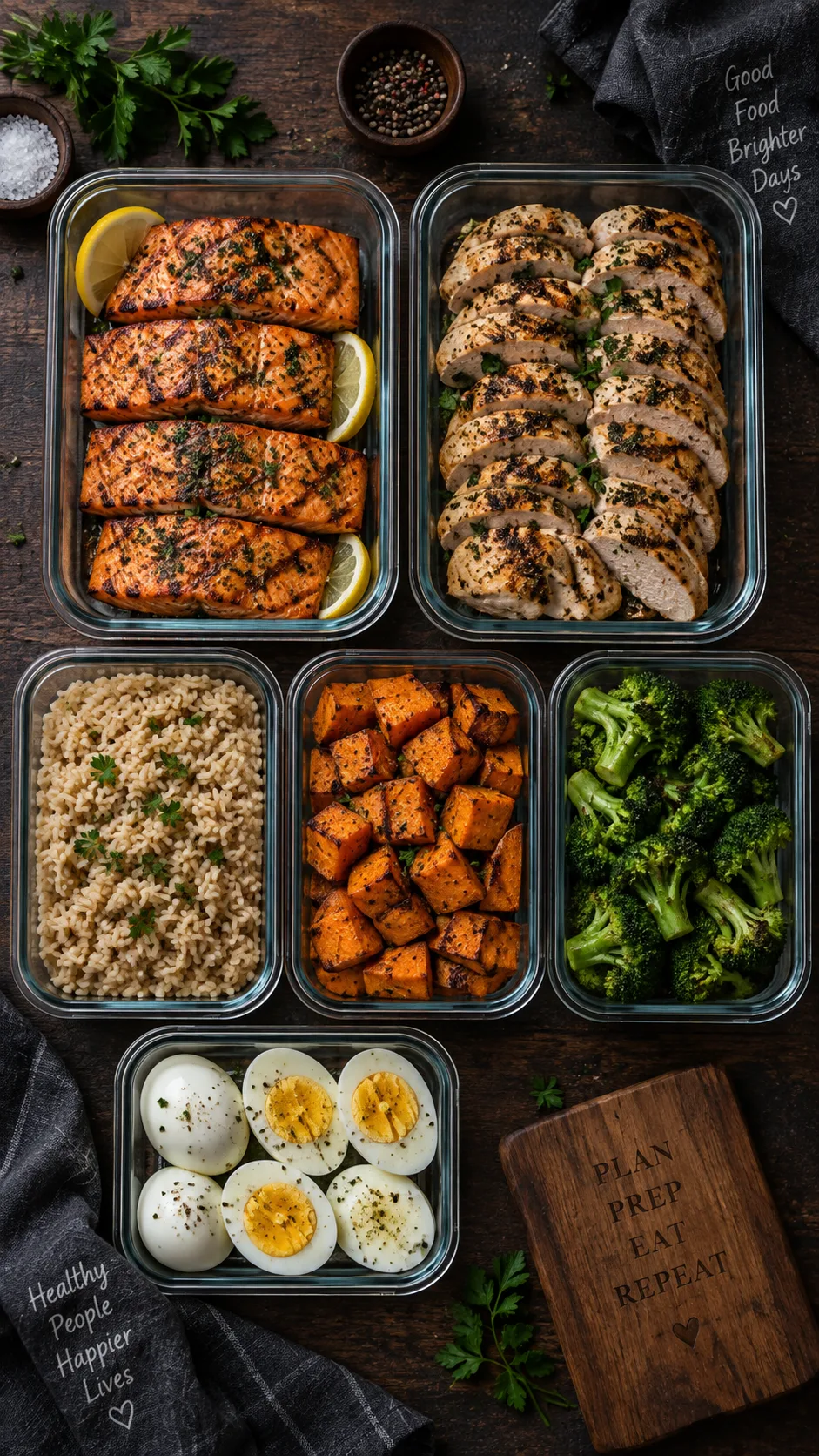
Step 2: Nail your protein (the single biggest lever)
If you change one thing after reading this, make it protein. It’s the closest thing to a cheat code anyone has found.
Target: 0.7 to 1 gram of protein per pound of bodyweight. For that 200-pound guy, that’s 140 to 200 grams a day. Research published in the British Journal of Sports Medicine found protein intake around 1.6g per kilogram (roughly 0.73g per pound) gets you the most muscle from resistance training.
Why protein does the heavy lifting
- It keeps you full. Protein triggers satiety hormones better than carbs or fat.
- It protects muscle. In a deficit, protein tells your body to burn fat instead of biceps.
- It costs calories to digest. Your body burns 20 to 30% of protein calories just processing it.
Protein sources that don’t taste like punishment
- Chicken thighs: more flavor than breast, barely more calories
- Whole eggs: 6g protein each, plus vitamin D and choline
- Greek yogurt: 20g per cup, and it passes as dessert
- Lean ground beef (90/10): iron, zinc, creatine, and it tastes like beef
- Canned tuna and salmon: cheap, fast, omega-3s included
- Whey protein: 25g in 30 seconds when your day falls apart
- Cottage cheese: underrated, 28g per cup, great before bed
I eat eggs and Greek yogurt almost every day and I stopped apologizing for being boring a long time ago. Boring is repeatable. Repeatable wins.
Step 3: Stop fearing carbs and fat
Carbs didn’t make you fat. Eating 3,400 calories a day while walking 4,000 steps made you fat. Split the difference sensibly instead.
Carbs: your training fuel
Aim for 1.5 to 2.5 grams per pound of bodyweight depending on how much you move. Lifting heavy? Go higher. Sedentary week? Pull back. Carbs refill muscle glycogen, which explains why your squats feel like garbage on day four of keto.
- Rice, potatoes, oats, and pasta: yes, all of them
- Fruit: bananas work genuinely well pre-workout (here are 13 science-backed banana benefits for men)
- Beans and lentils: fiber plus protein, doing double duty
Worth knowing: a few everyday staples quietly wreck progress. If you want to know which ones, this breakdown of foods that make you fat works as a decent reality check.
Fat: the hormone department
Men who crash their fat intake often crash their testosterone with it. Keep fat at 20 to 30% of total calories minimum. That comes out to roughly 60 to 90 grams for most guys.
- Olive oil, avocado, nuts: monounsaturated and friendly to your heart
- Fatty fish: omega-3s calm inflammation and help you recover
- Egg yolks and whole dairy: cholesterol is a testosterone precursor, not an enemy
The American Heart Association recommends leaning on unsaturated fats and keeping saturated fat under 6% of calories. Balance, not banishment.
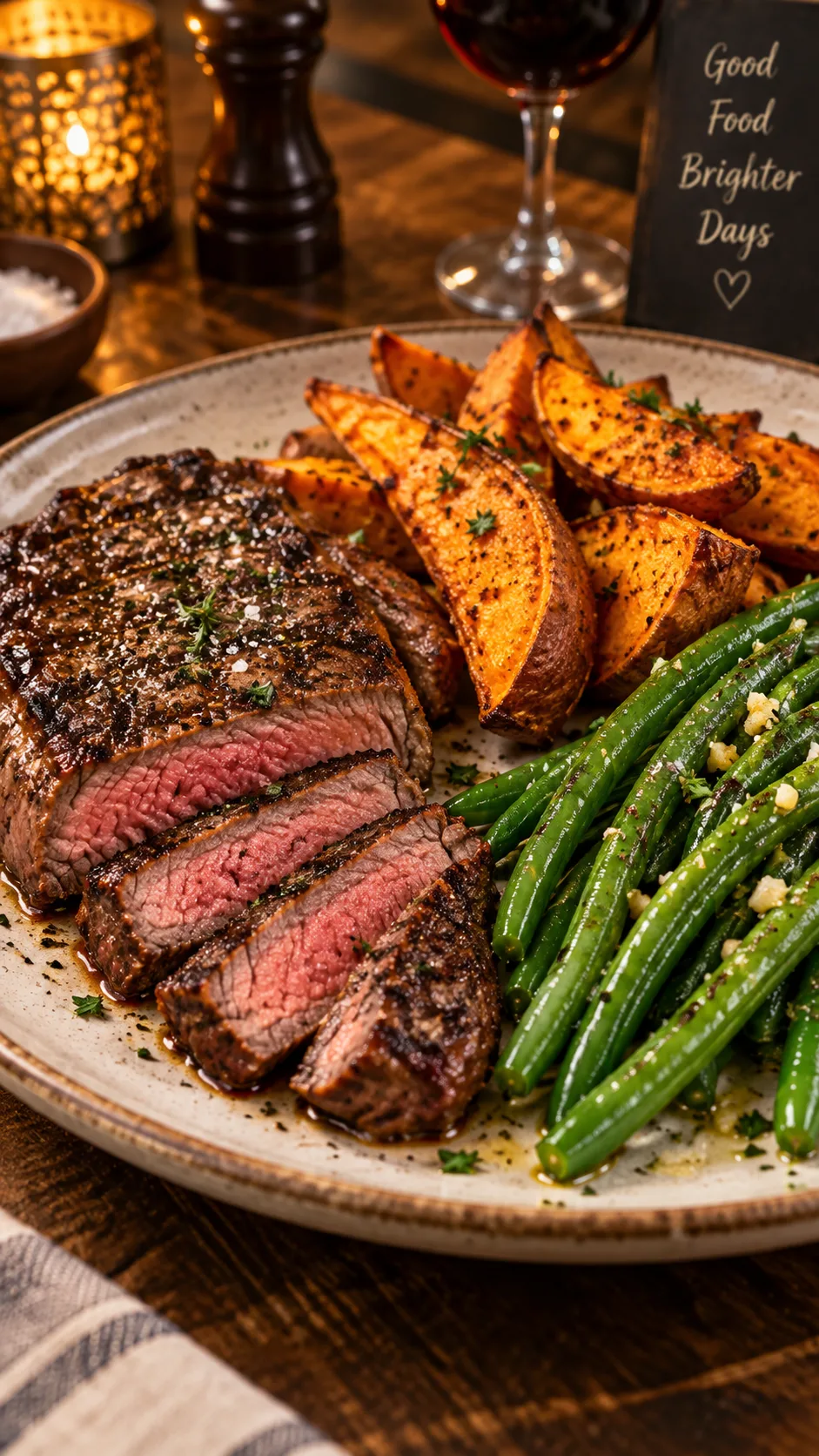
Step 4: Build your plate without a food scale
Tracking every gram works for about 11 days. Then you get tired and quit. So use the hand-portion method, which scales to your body size on its own.
- Protein: 1 to 2 palm-sized portions per meal
- Vegetables: 1 to 2 fist-sized portions per meal
- Carbs: 1 to 2 cupped-hand portions per meal
- Fats: 1 to 2 thumb-sized portions per meal
Bigger guy? Bigger hands. The portions adjust themselves. You don’t need an app, a scale, or a spreadsheet to run this.
A real 7-day diet plan for men (roughly 2,300 calories, 180g protein)
Treat this as a template, not a prison sentence. Swap proteins, rotate carbs, repeat whatever you like.
Monday
- Breakfast: 3 whole eggs, 2 slices whole grain toast, 1 banana
- Lunch: Grilled chicken thigh, 1.5 cups rice, mixed greens with olive oil
- Snack: Greek yogurt with berries and honey
- Dinner: Salmon fillet, roasted potatoes, steamed broccoli
Tuesday
- Breakfast: Oats with whey protein, peanut butter, sliced apple
- Lunch: Ground beef and bean chili with rice
- Snack: Cottage cheese with pineapple
- Dinner: Stir-fried shrimp, noodles, peppers and onions
Wednesday
- Breakfast: Omelette with cheese and spinach plus 2 slices toast
- Lunch: Tuna wrap with avocado and salad
- Snack: Protein shake and a handful of almonds
- Dinner: Baked chicken, sweet potato mash, green beans
Thursday through Sunday
Repeat your favorites from the first three days. Seriously. Variety matters far less than consistency. Save one dinner for whatever you genuinely want: a burger, pizza, a proper plate of jollof. Fit it into your calories and move on.
FYI: that flexible meal isn’t a “cheat.” Calling it a cheat implies you did something wrong. You didn’t. You ate food.
Step 5: Handle the stuff that wrecks diets
Alcohol
Beer isn’t evil, but it delivers 150 calories of nothing. Four beers equal a full meal you never ate. Cap it at 2 to 4 drinks per week during a fat loss phase and pick spirits with zero-calorie mixers if you want the most room to play with.
Alcohol also blunts muscle protein synthesis and shreds your sleep quality. Ever noticed how your Sunday workout goes after a big Saturday? Right. That.
Late-night eating
The clock doesn’t turn calories magical. But boredom eating after 9pm is where most men lose the plot. Load your protein earlier in the day and you’ll rarely raid the fridge.
Stress
Chronic stress raises cortisol, and high cortisol drives cravings for salt, sugar, and fat. I have watched guys with flawless macros gain weight purely because work was destroying them. If that sounds like you, this guide on the cortisol detox diet goes straight at the stress-eating loop.

Step 6: Train so the diet has somewhere to go
A diet without resistance training turns you into a smaller version of the same shape. You want to look different, not just lighter.
- Lift 3 to 4 times per week. Build it around squats, deadlifts, presses, rows, and pull-ups.
- Progressive overload. Add weight or reps every week or two. Non-negotiable.
- Walk 8,000 to 10,000 steps daily. The most underrated fat loss tool on earth.
- Sleep 7 to 9 hours. Poor sleep raises ghrelin (hunger) and lowers leptin (fullness).
Research from the National Institutes of Health ties sleep deprivation to bigger appetite and higher calorie intake. You can’t out-diet four hours of sleep. Nobody can.
Supplements: what deserves your money
Ninety percent of the supplement aisle is expensive urine. This short list survives scrutiny:
- Creatine monohydrate (5g daily): the most researched sports supplement ever made. Strength, power, muscle. Cheap.
- Whey or casein protein: convenience, not magic. It helps you hit your protein target.
- Vitamin D3 (1,000 to 2,000 IU): most men who live indoors run low. It supports testosterone and mood.
- Omega-3 fish oil: worth it if you skip fatty fish twice a week.
That’s the whole list. No fat burners, no “test boosters,” no detox teas. If you want a deeper breakdown, this honest take on the only 3 weight loss supplements you’ll ever need will save you a pile of cash.
What progress really looks like
Here’s where most men self-destruct: they expect a straight line. Bodies don’t work that way.
- Weeks 1 and 2: Fast drop, mostly water and glycogen. Don’t get cocky.
- Weeks 3 to 6: Steady 1 to 1.5 lbs per week. This part is the real work.
- Weeks 7 and 8: Plateau. Completely normal. Hold the line.
- Weeks 9 to 12: Visible changes. Clothes fit differently. People notice.
Weigh yourself daily and average the week. Daily swings of 2 to 4 pounds mean nothing, since that’s sodium, water, and whether you’ve been to the bathroom. Weekly averages tell the truth.
Track a few other things too: waist measurement, gym performance, energy levels, and photos every four weeks. The scale gives you one data point, not a verdict on your worth.
The mistakes I see every single week
- Going too low, too fast. Big deficits crush energy, sleep, and libido.
- Skipping breakfast then binging at night. It works for some guys and blows up on most.
- Drinking calories. Juice, sodas, fancy coffees: 600 calories before noon.
- Zero vegetables. Fiber controls hunger and keeps digestion running.
- Quitting after one bad weekend. One meal doesn’t undo a week. One week doesn’t undo a month.
- Chasing complexity. You don’t need carb cycling. You need 12 consistent weeks.
My honest opinion after years of watching this play out: the guys who succeed win on patience far more than discipline. They accept slow progress and refuse to quit.
Wrapping it up
You don’t need a magic diet. You need calories that match your body, protein that protects your muscle, and a plan you can run for months without hating your life.
Your entire action list:
- Calculate maintenance (bodyweight times 14 to 16), then subtract 400 to 500 for fat loss
- Hit 0.7 to 1g protein per pound every single day
- Keep carbs and fats in the plan, because fuel and hormones matter
- Lift 3 to 4 times weekly and walk daily
- Sleep 7 hours or more and manage stress like it’s part of the program (it is)
- Track weekly averages instead of daily noise
Start Monday. Better yet, start with your next meal. Twelve weeks from now you’ll have results or excuses. Which one sounds better?
Pick the plan you can still be running in six months. That’s the one that works.