

You know that moment around 9 PM when your brain decides you deserve dessert? Not needs. Deserves. I’ve lost more diets to that one moment than to any birthday cake or holiday buffet.
Then I found the jello trick. And no, I’m not about to tell you that a wiggly cup of gelatin burns fat. It doesn’t. But it fixed a problem willpower never fixed for me: it made cutting calories stop feeling like punishment.
So why is a dessert your grandma served out of a 1974 copper mold one of the smartest tools in a calorie deficit?
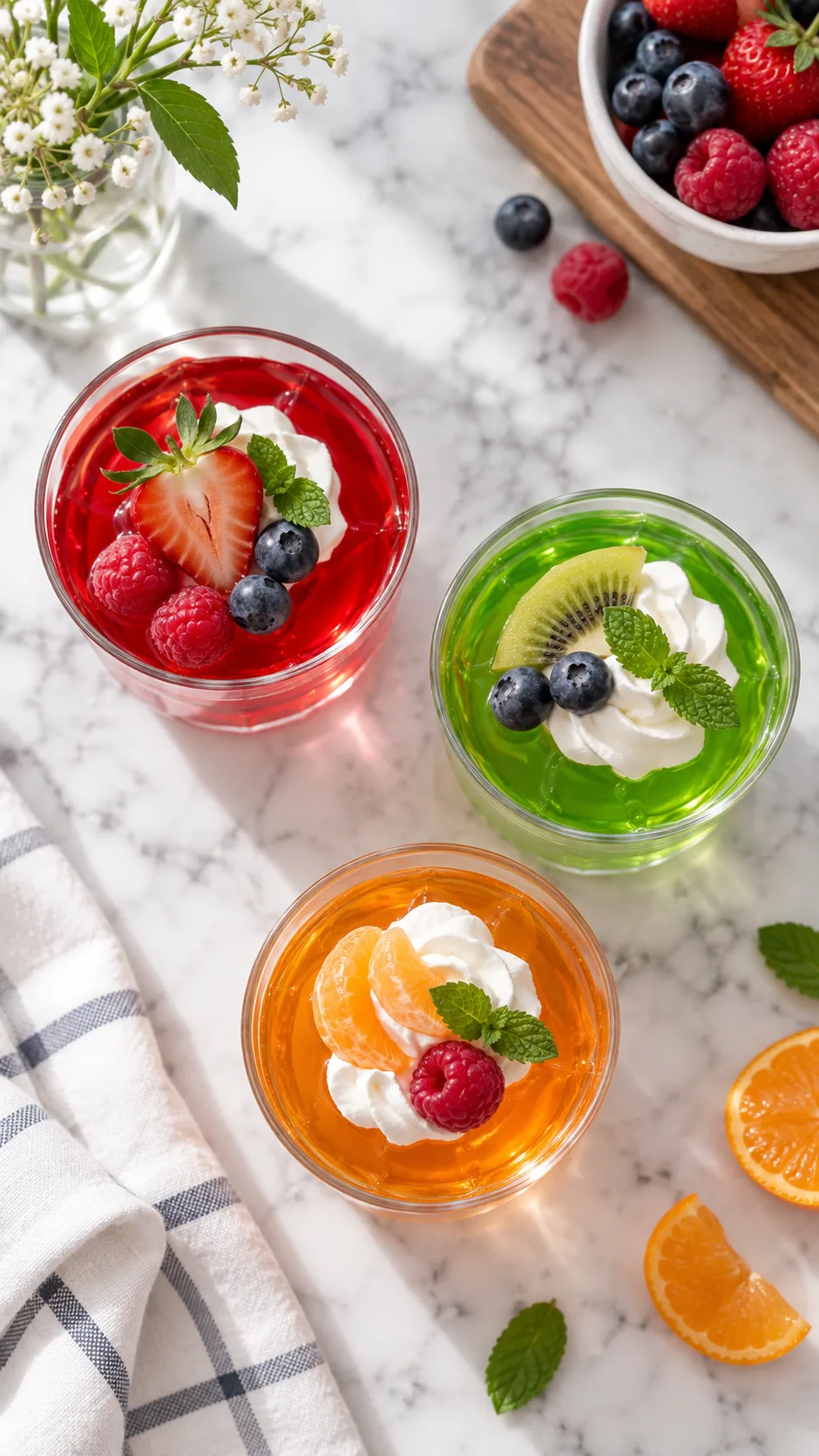
First, what exactly is the “jello diet trick”?
The trick is dead simple: you swap your high-calorie dessert or evening snack for sugar-free gelatin, usually beefed up with extra protein or fiber. That’s it. No cleanse, no 3-day jello fast, no detox nonsense.
A standard cup of sugar-free jello runs about 10 calories. A half-cup of ice cream runs 140 to 250. Make that swap five nights a week and you’ve quietly erased somewhere between 650 and 1,200 calories from your week without once staring longingly at a spoon.
Why does that beat “having more willpower”? Because willpower falls apart over months. Substitution beats subtraction every single time.
The version people get wrong
Let me kill the bad version right now. Some corners of the internet push a “jello diet” where gelatin becomes a meal replacement for days at a stretch. That’s not a diet, that’s a nutrient deficiency with a fun texture.
Gelatin is an incomplete protein, missing tryptophan, one of the essential amino acids. You cannot live on it. Use it as a tool inside a balanced plan, never as the plan itself.
Why your brain falls for it (the real science)
Your hunger isn’t one signal. It’s a committee. And jello bribes several members of that committee at once.
1. Volume beats calories
Researchers call it “volumetrics”: we feel full partly because of the sheer volume of food in the stomach, not just the calories in it. Dr. Barbara Rolls at Penn State built decades of research around this, and it holds up well in controlled trials.
Jello is mostly water held in a jiggly structure. You get physical bulk in your stomach for almost zero calorie cost. Your stretch receptors fire, your brain gets the “okay, something’s happening down there” memo, and the gnawing feeling backs off.
2. The sweet taste closes the loop
A craving isn’t purely about calories. It’s often about sensory closure: you want the taste, the cold, the spoon, the ritual of finishing a meal with something sweet.
Jello delivers all four. Sweet? Check. Cold? Check. Spoon-worthy? Check. Ritual? Absolutely, especially once you make it a nightly thing. I look forward to mine now, which is a sentence past-me would find deeply embarrassing.
3. It takes time to eat
You can inhale a handful of chips in 40 seconds. You cannot inhale jello. It slips, it wobbles, it demands small spoonfuls. Slower eating gives your satiety hormones time to catch up, and research consistently shows slower eaters eat fewer total calories.
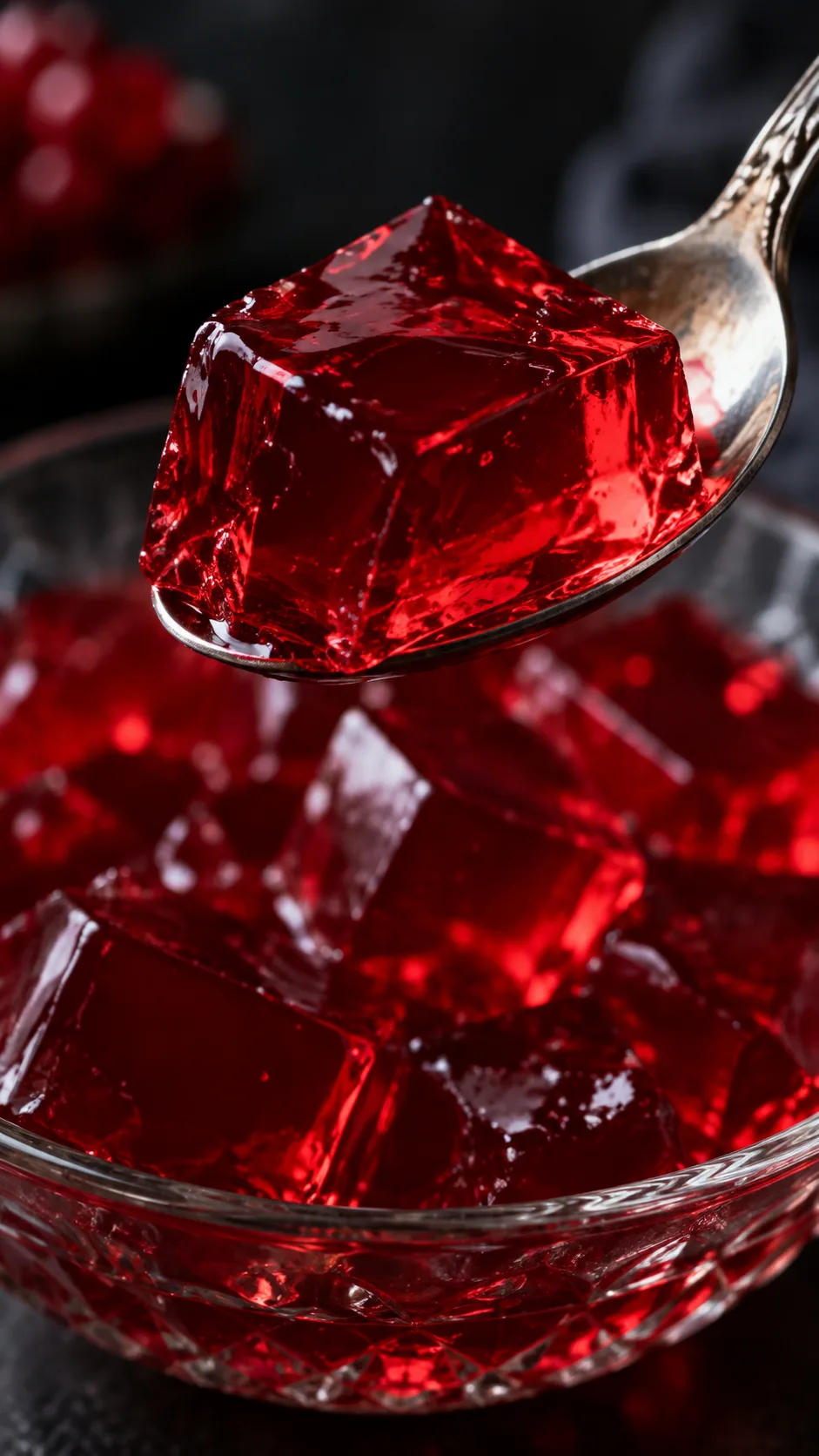
The upgrade that changes everything: protein jello
Plain sugar-free jello is fine. But it’s flavored water with a texture upgrade, and it won’t hold you long. The real move? Turn it into a protein dessert.
Protein fills you up more than any other macronutrient. It blunts ghrelin (your hunger hormone) and raises GLP-1 and peptide YY, the ones that tell you you’re done. Combine that hormonal punch with jello’s volume and you’ve built something that works.
My go-to protein jello recipe
- Dissolve one box of sugar-free jello in 1 cup of boiling water. Stir until the liquid runs fully clear, with no grit at the bottom.
- Let it cool for 10 minutes. Everyone skips this step. Add protein powder to boiling liquid and you’ll get lumpy curdled sadness.
- Whisk in 1 or 2 scoops of unflavored or vanilla whey isolate (or collagen peptides if dairy bugs you).
- Add ½ cup cold water or, better, ½ cup Greek yogurt for a creamy mousse texture.
- Chill 3 to 4 hours. Portion it into small cups so you’re not eating a family-sized bowl at midnight.
Macros on that: roughly 180 to 220 calories for the whole batch with 35 to 45g of protein, split across 3 or 4 servings. That’s a dessert that helps you hit your protein target. Try getting that from a brownie.
Collagen vs. whey: which one?
- Whey isolate: complete protein, higher leucine, better for holding onto muscle during a cut. Best choice if you lift.
- Collagen peptides: they dissolve beautifully and go down easier on a sensitive stomach, plus they help skin and joints. Incomplete protein, so don’t lean on it alone.
- Casein: digests slowly, sets thicker, and works well before bed if overnight hunger wakes you up.
I rotate. Whey on training days, collagen on rest days. If you want the deeper breakdown on how gelatin itself affects digestion and cravings, I went down that rabbit hole in the gelatin diet trick guide.
Making it feel like cheating, not dieting
This is the part that separates people who stick with it from people who quit on day four. Presentation matters more than you think.
Eat jello out of the plastic snack cup while standing over the sink and it feels like diet food. It feels like punishment. Layer it in a wine glass with berries and a swirl of light whipped topping and it becomes dessert, and your brain buys it completely.
Seven upgrades that cost almost nothing
- Whipped layer. Two tablespoons of light whipped topping adds about 15 calories and doubles the “treat” factor.
- Berries suspended in the set. Drop raspberries in before it firms up. Looks fancy, adds fiber.
- Greek yogurt swirl. Fold it in halfway through setting for a marbled panna cotta effect.
- Sparkling water instead of cold water. It leaves tiny bubbles in the set. Weirdly delightful.
- A pinch of salt. Yes, really. It sharpens sweet flavors dramatically.
- Vanilla or almond extract. A few drops make cheap jello taste expensive.
- Freeze into cubes. Half-frozen jello takes forever to eat, which is the entire point.

The sugar-free question nobody wants to answer honestly
Time for the elephant. Sugar-free jello uses aspartame or sucralose, and the internet has opinions about that.
The FDA lists aspartame as safe within an acceptable daily intake of 50 mg per kg of body weight. For a 150-pound adult, that works out to roughly 75 packets of tabletop sweetener a day. Two jello cups won’t get you close.
That said, the WHO called aspartame “possibly carcinogenic” in 2023 while keeping the same safe intake limit, which confused everyone. The evidence for harm at normal intakes stays thin.
Prefer to skip artificial sweeteners?
Totally fair. Make your own:
- 1 tbsp unflavored gelatin powder (grass-fed if you care about sourcing)
- 2 cups of unsweetened fruit juice or brewed fruit tea. Hibiscus gives you a deep ruby jelly.
- Monk fruit or allulose to taste. Neither is artificial, and neither spikes blood sugar.
- Optional: a splash of lemon juice to brighten everything
Bloom the gelatin in cold liquid for 5 minutes, then warm it gently until it dissolves. Do NOT boil gelatin, because high heat weakens its setting power and leaves you with soup. FYI, fresh pineapple, kiwi, papaya, and mango carry enzymes that destroy gelatin entirely. Canned fruit works fine, since the canning heat kills those enzymes.
Where the jello trick fits in a real diet
I want to be clear about something, because I’ve watched people take this too far. Jello is a support act, not the headliner.
Your results come from total calorie intake, enough protein, enough fiber, and sleeping like an adult. The jello trick removes one specific obstacle: the evening craving that historically torpedoes your day. That’s a big obstacle. But it’s one obstacle.
The framework I use
- Protein at every meal. Aim for 0.7 to 1g per pound of goal bodyweight. Non-negotiable in a deficit.
- Fiber from real food. 25 to 35g daily. Vegetables, beans, berries, oats.
- A modest deficit. 300 to 500 calories below maintenance. Aggressive cuts fail, consistently.
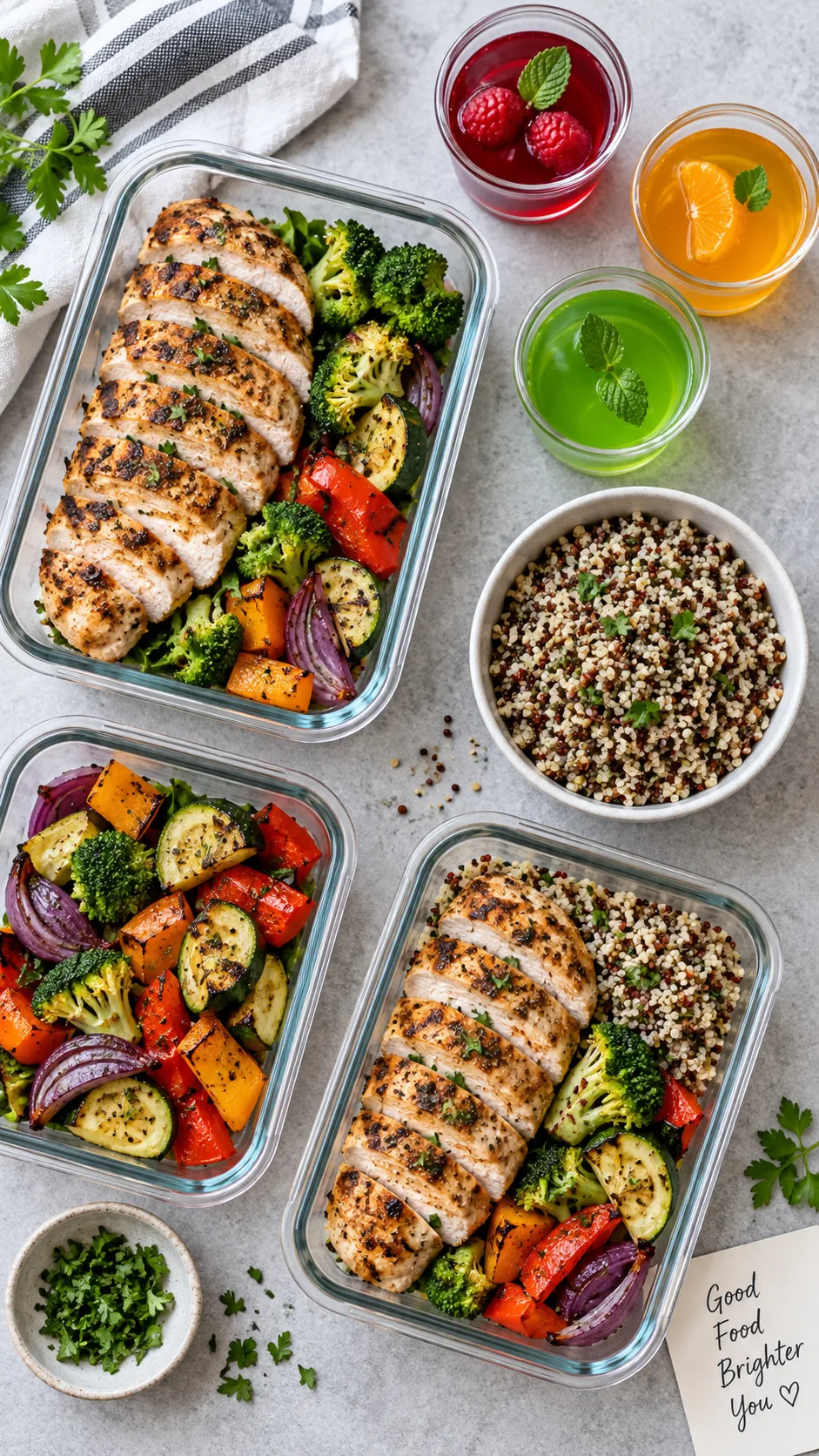
- Low-calorie volume foods on purpose. Jello, broth, salad, popcorn, watermelon.
- One planned indulgence weekly. Real dessert. Not a “cheat,” just food.
If you’re chasing a flatter midsection specifically, know that gelatin desserts won’t do anything about bloating while other mistakes are still in play. I broke those down in the flat stomach diet plan guide. And if you’re building rather than cutting, the same volume logic runs in reverse, which I covered in the weight gain diet plan.
Who should skip this trick
Not everyone should hop on the jello train. Be honest with yourself here.
- Anyone with a history of disordered eating. Replacing food with near-zero-calorie filler can reinforce restrictive patterns. Talk to a professional first.
- People with IBS or FODMAP sensitivity. Sugar alcohols and certain sweeteners set off symptoms in sensitive guts. Some readers juggle this alongside reflux-friendly eating, where trigger foods matter enormously.
- Vegetarians and vegans. Gelatin comes from animal collagen. Use agar-agar instead. It sets firmer and holds at room temperature.
- Anyone already undereating. If you’re at 1,200 calories and exhausted, you don’t need fewer calories. You need more food and probably a different plan.
A note on agar-agar
Agar comes from seaweed and behaves differently from gelatin. It needs a real boil to activate, sets much firmer, and doesn’t melt in your mouth the same way. Use about 1 teaspoon of agar powder per cup of liquid versus 1 tablespoon of gelatin. Start there and adjust.
Real talk: what happened when I tried it
I started this in January, obviously, because I’m a cliché, and I expected to hate it. Diet desserts have historically tasted like disappointment with a hint of chemical.
Week one went badly. Plain sugar-free jello didn’t touch my ice cream craving. I ate the jello AND the ice cream. Net result: I added 10 calories to my day. Genius.
Week two I added protein powder and Greek yogurt, and everything shifted. The protein version kept me full. The craving didn’t come back 20 minutes later. By week four I’d stopped thinking about ice cream, which still surprises me.
Eight weeks in, my calorie average had dropped by about 180 per day with no conscious effort beyond the swap. That’s a pound of fat roughly every three weeks. Not dramatic. Extremely sustainable. IMO that combination beats dramatic every time.
Common mistakes that kill the results
- Eating it when you’re truly hungry for a meal. Jello doesn’t replace dinner. It replaces dessert. Huge difference.
- Making one giant bowl. Portion it. Unportioned food becomes unlimited food.
- Adding the protein powder to boiling liquid. Lumps. Every time. Let it cool.
- Using fresh pineapple or kiwi. The enzymes dissolve the gel and you get fruit soup.
- Treating it as the whole strategy. Your diet still needs protein, fiber, vegetables, and sleep.
- Skipping the bloom step with unflavored gelatin. Cold liquid first, always, or the texture turns grainy.
The bottom line
The jello trick works because it stops fighting your psychology and starts working with it. You still get dessert. You still get the ritual. You just stop paying 200 calories for it.
Add protein and it moves from “clever low-calorie hack” to “genuinely useful tool that helps you hold onto muscle while you cut.” That’s a meaningful upgrade.
Just remember what it is: a support tool, not a miracle. It removes one of the most common reasons diets collapse, and it does that precisely because it’s realistic.
Your move: make one batch of protein jello tonight. Portion it into four cups. See if it survives your 9 PM brain. If it does, you’ve solved the problem that’s been quietly sabotaging you for years, using a dessert that costs less than a banana.
Small swaps, repeated forever, beat heroic efforts that last nine days. Every single time.