

You bought the salmon. It’s sitting in your fridge, judging you silently, slowly ticking toward its expiry date. Sound familiar?
I’ve been there more times than I’d like to admit. But here’s the thing: salmon is one of the easiest proteins to meal prep, and most people overcomplicate it into oblivion. Let’s fix that right now.
By the end of this article, you’ll have a repeatable system, a handful of recipes you’ll make more than once, and the confidence to stop treating salmon like some fragile luxury ingredient that demands a culinary degree.
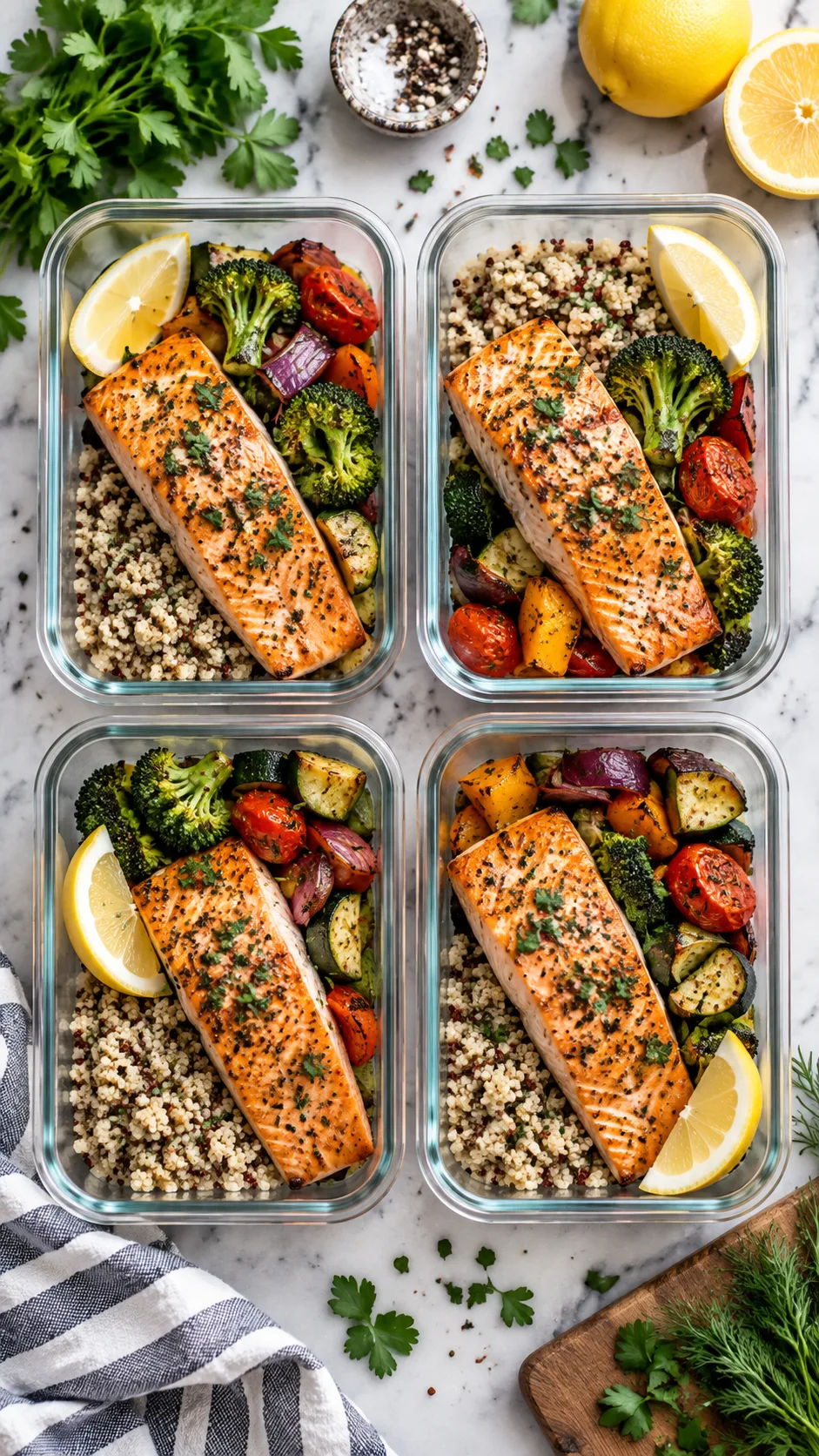
Why salmon is the MVP of meal prep (and why most people get it wrong)
Salmon cooks in 12 minutes. It tastes good hot, cold, flaked, chunked, or smashed into a salad. And it beats chicken breast on nutrition without breaking a sweat.
A 3.5-ounce (100g) serving of cooked salmon gives you roughly 22 to 25 grams of protein plus a serious dose of omega-3 fatty acids. The American Heart Association says two servings of fatty fish per week support cardiovascular health. Two servings. That’s it. Meal prep makes hitting that number embarrassingly easy.
The mistake almost everyone makes
People overcook salmon into a dry, chalky brick, then blame the fish. Salmon hits a moist, medium finish at an internal temperature of 125 to 130°F (52 to 54°C). The FDA recommends 145°F for food safety, which gives you a firmer, fully cooked fillet. That works fine for meal prep, since reheating adds heat anyway.
My personal rule? Pull it at 130°F if I’m eating it cold later, 140°F if I’m reheating it. Carryover cooking does the rest. A $12 instant-read thermometer solved 90% of my salmon problems, and it’s the single best kitchen purchase I’ve made.
Buying salmon without getting fleeced
Ever stood at the fish counter wondering if someone’s scamming you? Fair instinct. Here’s how to shop smart.
- Frozen is fine. Frozen is often BETTER. Most “fresh” salmon at the counter sat in a freezer at some point anyway. Vacuum-sealed frozen fillets go through flash freezing at sea, often within hours of the catch.
- Buy skin-on when you can. The skin shields the flesh during cooking and keeps the fillet moist. Peel it off afterward if you don’t like it.
- Wild versus farmed is a nuance, not a moral test. Wild sockeye runs leaner with a deeper flavor. Farmed Atlantic salmon carries more fat, which makes it far more forgiving for beginners.
- Look for center-cut fillets of even thickness. Tail pieces cook faster and dry out while the thick end sits raw. Uneven fillets ruin hands-off cooking.
- Check the price per pound, not per package. Big frozen bags routinely beat the counter by 30 to 40%.
For sustainability nerds (respect), the Monterey Bay Aquarium Seafood Watch keeps an updated guide on which salmon sources rank best. Bookmark it.
The base method: one tray, 12 minutes, four meals
This is the backbone of every salmon meal prep I do. Master it and everything else is just seasoning.
The sheet pan method
- Heat your oven to 400°F (205°C). Line a sheet pan with parchment. Future you will thank present you at dish time.
- Pat the fillets bone dry with paper towels. Wet fish steams. Dry fish roasts. Big difference.
- Rub with olive oil, then season generously. Salt, pepper, garlic powder, smoked paprika. Done.
- Roast 10 to 14 minutes depending on thickness. Rule of thumb: 4 to 6 minutes per half-inch of thickness.
- Check the temp. Pull it. Let it rest 5 minutes before you touch it.
Want the whole meal on one pan? Throw broccoli, asparagus, or cherry tomatoes on the tray, but give the vegetables a 10-minute head start. Vegetables and salmon do not cook at the same speed, and pretending otherwise gives you crunchy broccoli and sad, overdone fish.
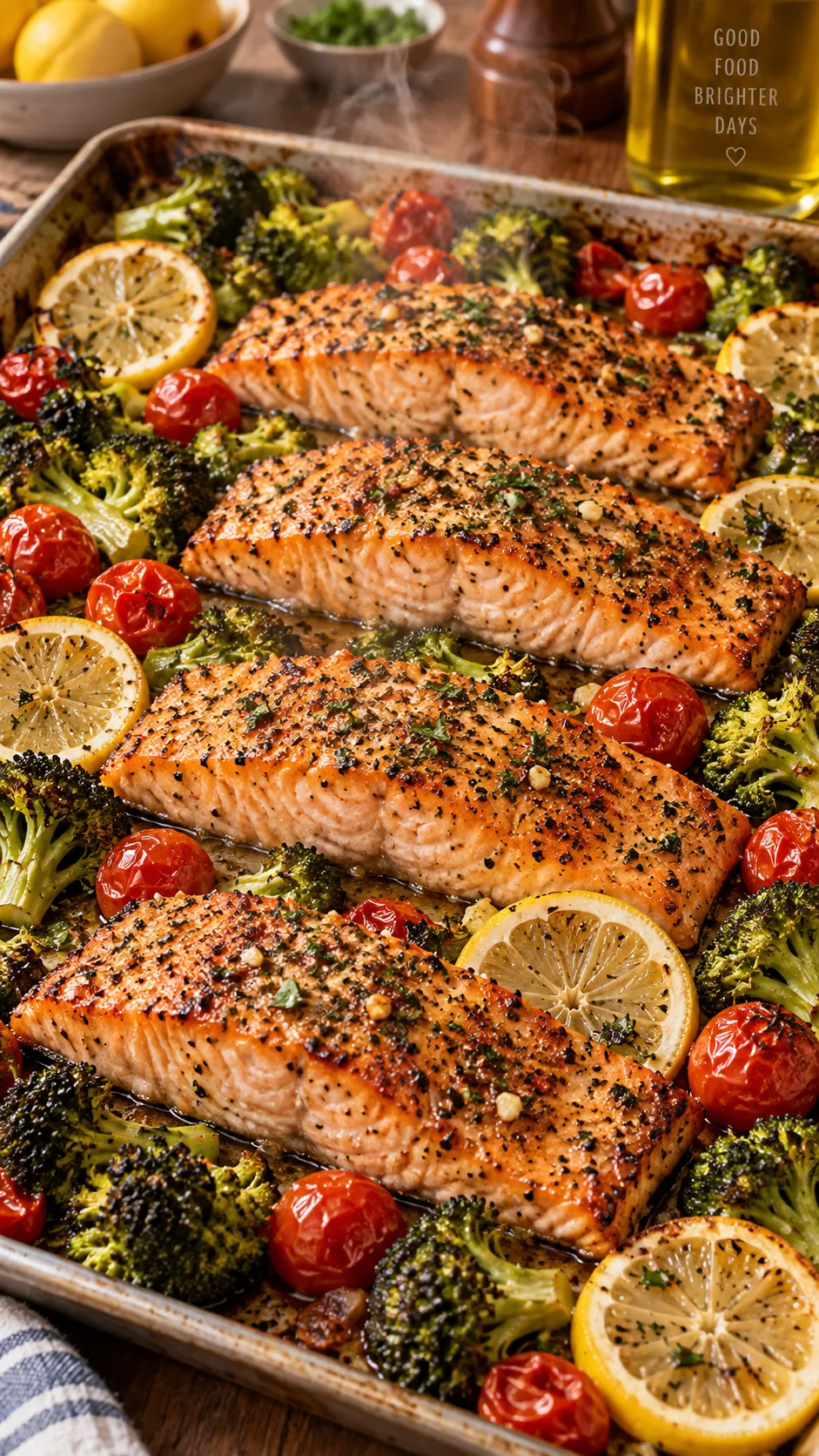
The air fryer method (my weeknight cheat code)
Air fryer salmon at 390°F for 7 to 9 minutes builds a better crust than the oven and dirties one basket. I use this when I’ve got two fillets and zero patience. The edges caramelize, the center stays silky, and I’m eating in under 15 minutes.
6 salmon meal prep ideas you’ll make again
These aren’t Pinterest fantasies. I’ve cooked each of them at least a dozen times, and they survive three to four days in the fridge without turning into a science experiment.
1. Honey garlic salmon rice bowls
Sweet, savory, and weirdly addictive. Whisk 3 tbsp honey, 3 tbsp soy sauce, 4 minced garlic cloves, and 1 tbsp rice vinegar. Brush half on before roasting, reduce the other half in a pan and drizzle after.
Pack with jasmine rice, shredded carrots, cucumber ribbons, and a sprinkle of sesame seeds. Store the extra sauce separately so your rice doesn’t turn into sludge by Wednesday.
2. Mediterranean salmon grain bowls
Lemon, oregano, olive oil, garlic. Roast the salmon, then build over farro or quinoa with kalamata olives, cucumber, red onion, cherry tomatoes, and a scoop of tzatziki on the side.
This one eats beautifully COLD. No microwave, no office fish smell, no passive-aggressive notes from Karen in accounting.
3. Teriyaki salmon with broccoli and brown rice
The classic. Simple, high in protein, and about 480 calories per portion depending on your rice scoop. The glaze caramelizes in the last 3 minutes under the broiler, so watch it like a hawk. Sugar goes from golden to charcoal in roughly 40 seconds.
If you’re building an entire week around protein targets, this pairs well with the strategies in our guide to high protein meal prep for the week.
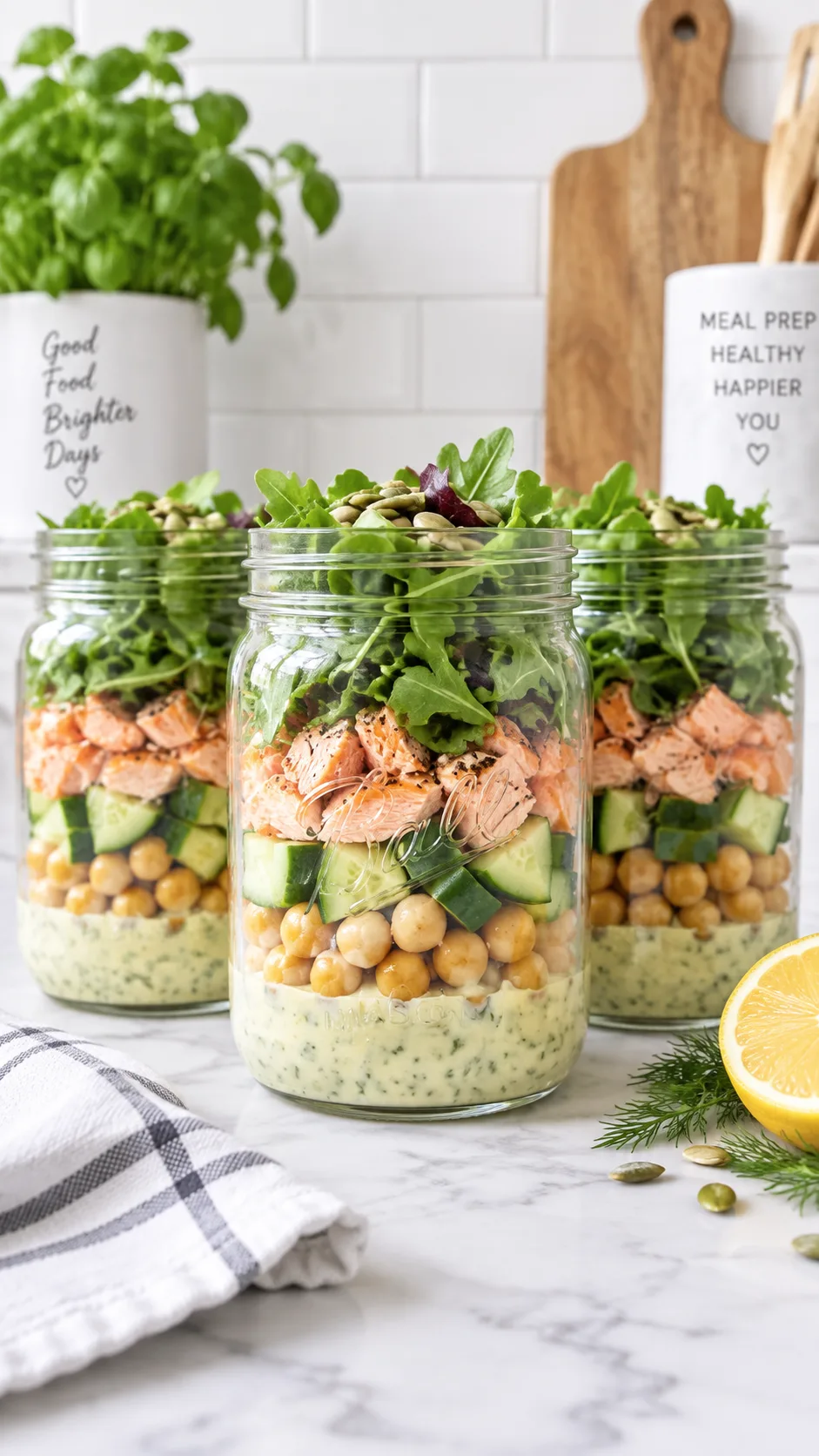
4. Salmon salad jars (the no-reheat hero)
Flake cooled salmon over greens in a wide-mouth mason jar. Dressing goes on the bottom. Always. Then the hardy stuff (chickpeas, grains, cucumber), then salmon, then greens on top.
Shake it out onto a plate at lunch and it looks like you tried way harder than you did. We cover more layering logic in our meal prep salad recipes if you want to go deeper on the jar method.
5. Smashed salmon patties (use the leftovers)
Got a stray fillet? Flake it, mix with 1 egg, ¼ cup breadcrumbs or almond flour, 2 tbsp mayo, scallions, dijon, and lemon zest. Form patties, pan-fry 3 minutes per side.
These freeze exceptionally well. I keep a stash for those nights when cooking feels like a personal attack. If freezer strategy is your thing, our freezer meal prep system walks through it properly.
6. Miso butter salmon with sweet potato
Mash 2 tbsp white miso with 2 tbsp softened butter and smear it over the fillets before roasting. The miso browns, the butter bastes the fish as it melts, and the umami hit is ridiculous for how little work it takes.
Serve with roasted sweet potato cubes and wilted spinach. This is the one I make when I want to feel fancy on a Tuesday.
Watch the technique in action
Reading about salmon doneness is one thing. Seeing it is another. This walkthrough covers the timing and visual cues that matter most.
Storage rules that keep salmon safe and edible
Here’s where meal prep either works or turns into a food safety gamble. Pay attention to this part.
- Cool it fast. Get cooked salmon into the fridge within 2 hours, or 1 hour if your kitchen sits above 90°F. The USDA FoodSafety.gov cold storage chart lists cooked fish as good for 3 to 4 days refrigerated.
- Use airtight glass containers. Glass doesn’t absorb odor the way plastic does. Your future lunches won’t taste like last week’s curry.
- Store sauces separately. Small condiment cups cost pennies and save every single bowl from sogginess.
- Freeze cooked salmon up to 3 months, though the texture degrades. I’d rather freeze it RAW and cook fresh.
- Thaw raw salmon in the fridge overnight, never on the counter. In a rush, drop the sealed bag in cold water for 30 minutes.
How to reheat salmon without ruining it
The microwave is salmon’s natural enemy. It blasts the proteins, releases those infamous odor compounds, and hands you rubber. If you must microwave, go 50% power for 60 to 90 seconds, covered, with a splash of water.
Better option? Oven at 275°F for 10 to 12 minutes, loosely covered with foil. Low and slow keeps it moist. Best option? Eat it cold. Cold salmon tastes great, and I’ll defend that opinion in any comment section.
Building a full week without eating the same thing twice
Salmon every single day gets old fast, and your wallet will notice too. Here’s how I structure a realistic week.
The 2-2-1 rotation
- Two salmon lunches (one hot bowl, one cold salad, with different flavor profiles)
- Two alternate protein meals (chicken, turkey, beef, or beans)
- One flexible night for leftovers, takeout, or whatever chaos the week delivers
This keeps salmon feeling like a treat instead of a sentence. Rotate in something like healthy chicken meal prep recipes on alternate days and the whole week stays interesting.
Prep day timeline (90 minutes, start to finish)
- 0:00 Oven to 400°F. Rice or grains on the stove.
- 0:05 Chop all vegetables. Everything, all at once.
- 0:20 Vegetables into the oven on sheet pan one.
- 0:30 Season salmon. Whisk sauces and dressings.
- 0:35 Salmon into the oven on sheet pan two.
- 0:48 Everything out. Rest 10 minutes.
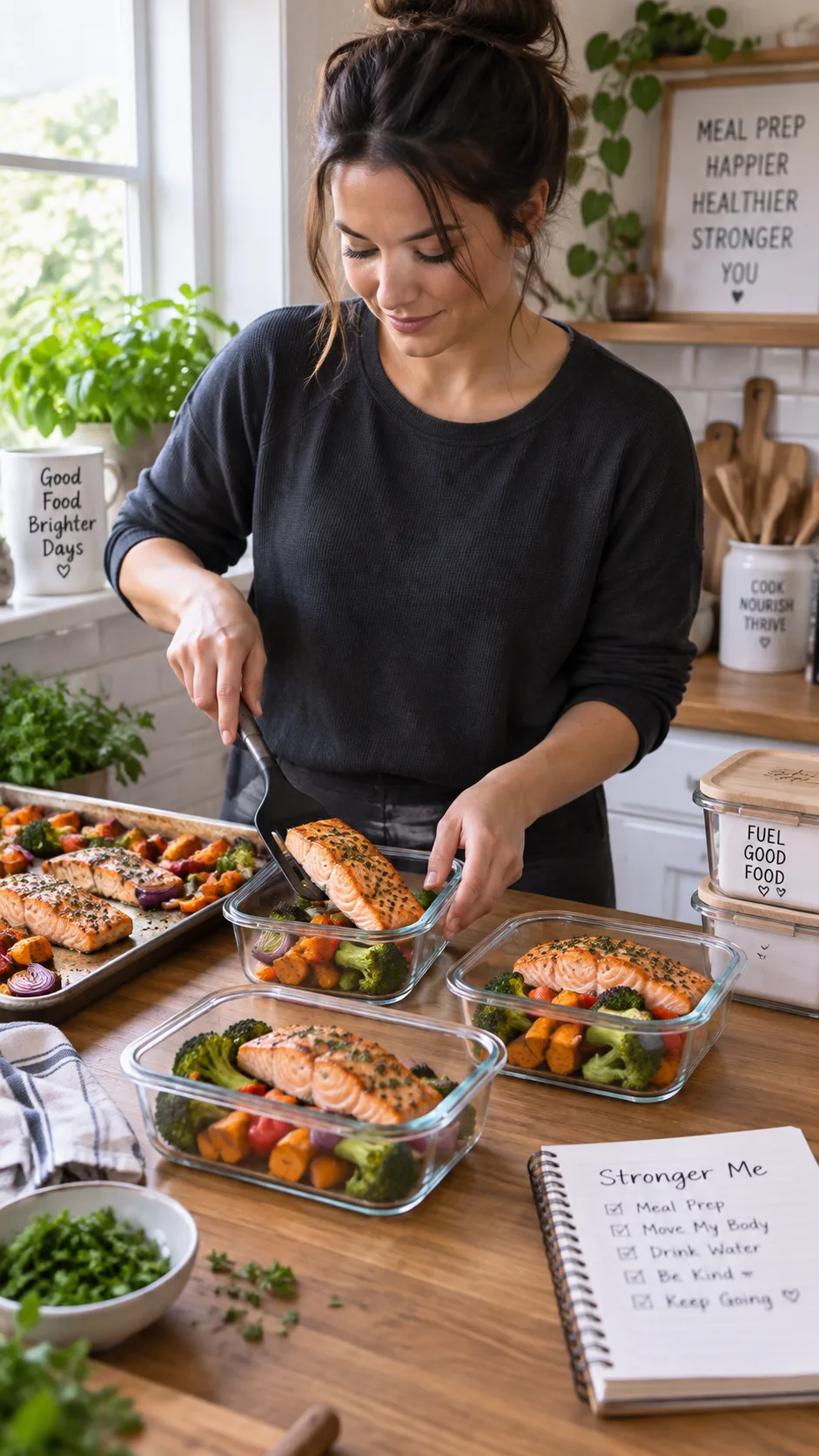
- 1:00 Portion into containers. Sauces in separate cups.
- 1:20 Label with dates. Fridge. Done.
Budget tricks that make salmon sustainable (for your wallet)
Salmon is not cheap. Let’s not pretend otherwise. But you can bring the cost down in legitimate ways.
- Buy frozen in bulk bags. A 2 to 3 lb bag of individually vacuum-sealed fillets often runs 30 to 40% cheaper per pound than the fresh counter.
- Use canned salmon for patties and salads. It arrives cooked, it costs little, it carries calcium from the soft bones, and nobody can tell once it’s in a patty.
- Stretch it with volume. A 4-ounce fillet over a bowl loaded with grains, greens, and beans still feels generous.
- Buy whole sides when they go on sale. Portion them yourself, vacuum seal, freeze. You’ll save real money and the knife work takes 10 minutes.
- Watch for markdowns. Fish near its sell-by date works perfectly well if you cook or freeze it that day.
Common salmon meal prep mistakes (I’ve made all of these)
Cooking it Sunday for a Friday lunch
Cooked fish holds 3 to 4 days, tops. If you want salmon on Friday, freeze the raw portion and cook it Thursday night. Don’t push your luck with seafood. Your gut will send a strongly worded complaint.
Skipping the acid
Cold salmon can taste flat. A squeeze of lemon, a splash of vinegar, or a spoonful of yogurt sauce wakes the whole thing up. Acid is the difference between “leftover fish” and “actual meal.”
Ignoring portion math
Six ounces raw shrinks to about four and a half ounces cooked. Plan for roughly 6 oz raw per serving if you want a solid 30+ grams of protein per meal.
Using sad, wet containers
Moisture ruins everything. Line containers with a paper towel under leafy greens, and never seal warm food. Condensation will steam your lunch into mush overnight.
Quick answers to questions people ask
Can I meal prep salmon raw and cook it later? Absolutely, and IMO it beats the alternative. Marinate portions in freezer bags, freeze flat, thaw overnight, cook in 12 minutes.
Does salmon smell up the office microwave? Yes. That’s why cold salmon bowls exist. Pack a lemon-dressed grain bowl and skip the drama entirely.
How much salmon per week is safe? The FDA and EPA classify salmon as a “Best Choice” low-mercury fish and recommend 2 to 3 servings per week for most adults, including pregnant people.
Is the skin worth eating? Crispy skin tastes fantastic fresh but turns leathery in the fridge. Remove it before storing if you’re prepping ahead.
Wrapping it up
Salmon meal prep isn’t complicated. It’s a handful of habits stacked together. Buy frozen, cook to temperature, store sauces separately, and eat it within four days.
The real win? You stop deciding what to eat every single day. That decision fatigue wrecks most healthy eating attempts, not a lack of willpower or fancy recipes.
Pick ONE recipe from this list. Make it this Sunday. Don’t try to overhaul your entire life in one afternoon, because that’s how people burn out by Wednesday and end up ordering pizza with a side of guilt.
Your fridge full of ready-to-eat salmon bowls is about 90 minutes away. The only thing standing between you and Thursday-you saying “thanks, that was easy” is one sheet pan and a thermometer. Go get the salmon.