

You hit the gym five days a week, push through brutal leg sessions, and sweat through your shirts. Yet, your reflection looks the same as it did last month. Some self-proclaimed gym guru probably convinced you that building lean muscle requires plain, dry chicken breast and constant hunger.
Starving yourself does not chisel your physique. It burns through your muscle tissue and slows your metabolic rate. If you want to build serious muscle mass, you must feed your body like an athlete.
I wasted two full years in my early twenties eating 1,500-calorie salads. My bench press stalled and my energy tanked. The moment I increased my calories, added clean carbs, and prioritized protein, my lifts surged and my body changed fast. This practical gym diet plan builds dense muscle while keeping you full every single day.
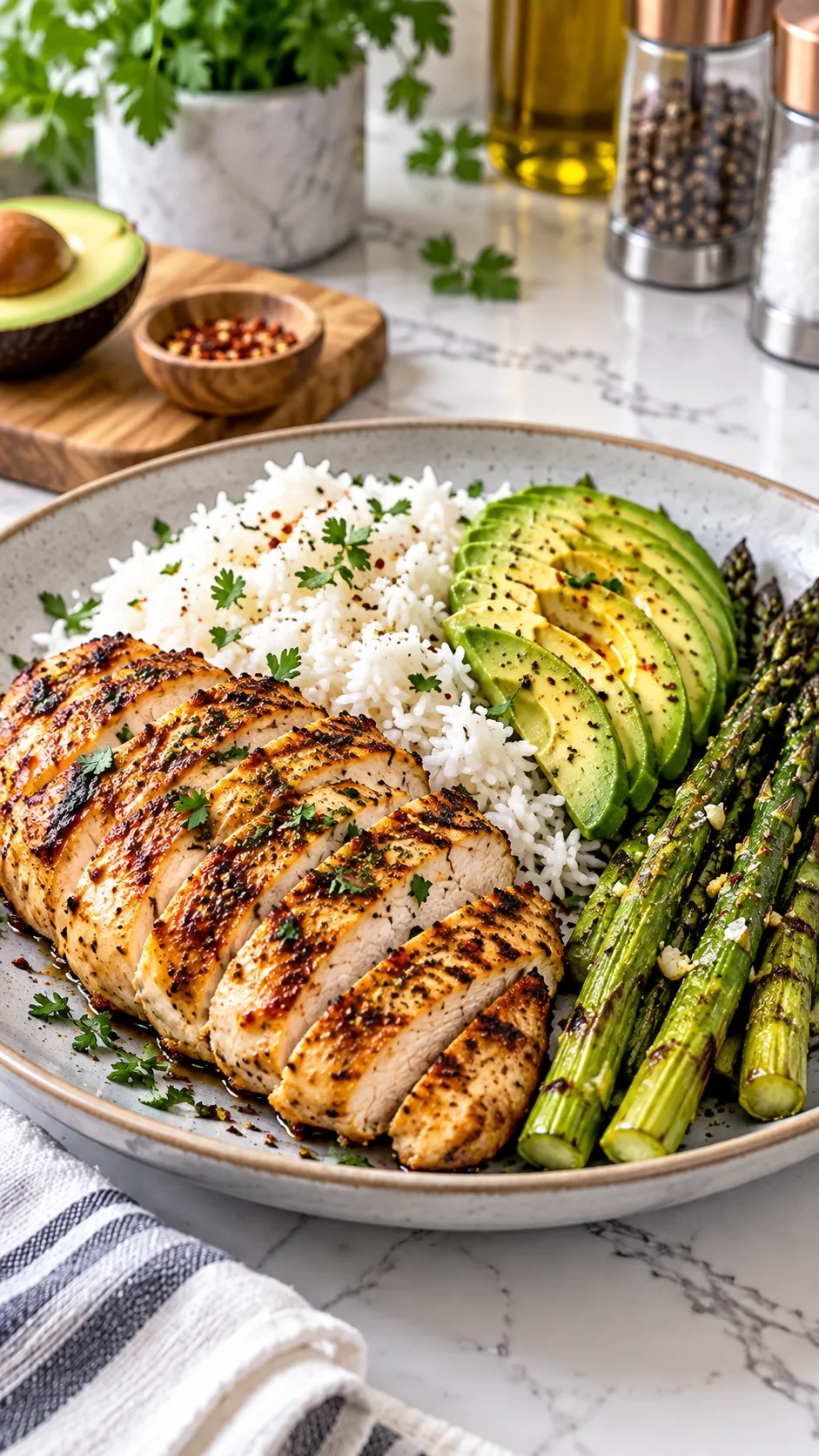
The science of muscle growth: why undereating destroys your progress
Your body prioritizes survival over physical appearance every second of the day. When you create an aggressive caloric deficit, your brain perceives starvation and downregulates secondary functions. Muscle tissue demands large amounts of energy just to exist, so your body breaks down muscle protein to supply vital organs with glucose.
Muscle protein synthesis drives your gains. When muscle protein synthesis exceeds muscle protein breakdown, you build muscle. If you slash your food intake, breakdown wins the battle, leaving you weaker and softer over time.
To maximize growth, aim for a slight caloric surplus of roughly 200 to 300 calories above your maintenance level. You can also hold a strict caloric maintenance if you want body recomposition. Research in the Journal of the International Society of Sports Nutrition shows that steady energy intake supports strength gains while minimizing unwanted body fat.
You do not need to sacrifice months of heavy deadlifts just to look depleted and feel tired. You need purposeful fuel instead of starvation.
The master macro formula: fueling your body
Calories establish your baseline weight, but your macronutrient ratio determines whether you build dense muscle or gain extra body fat. Skip the complex spreadsheets and follow this simple framework.
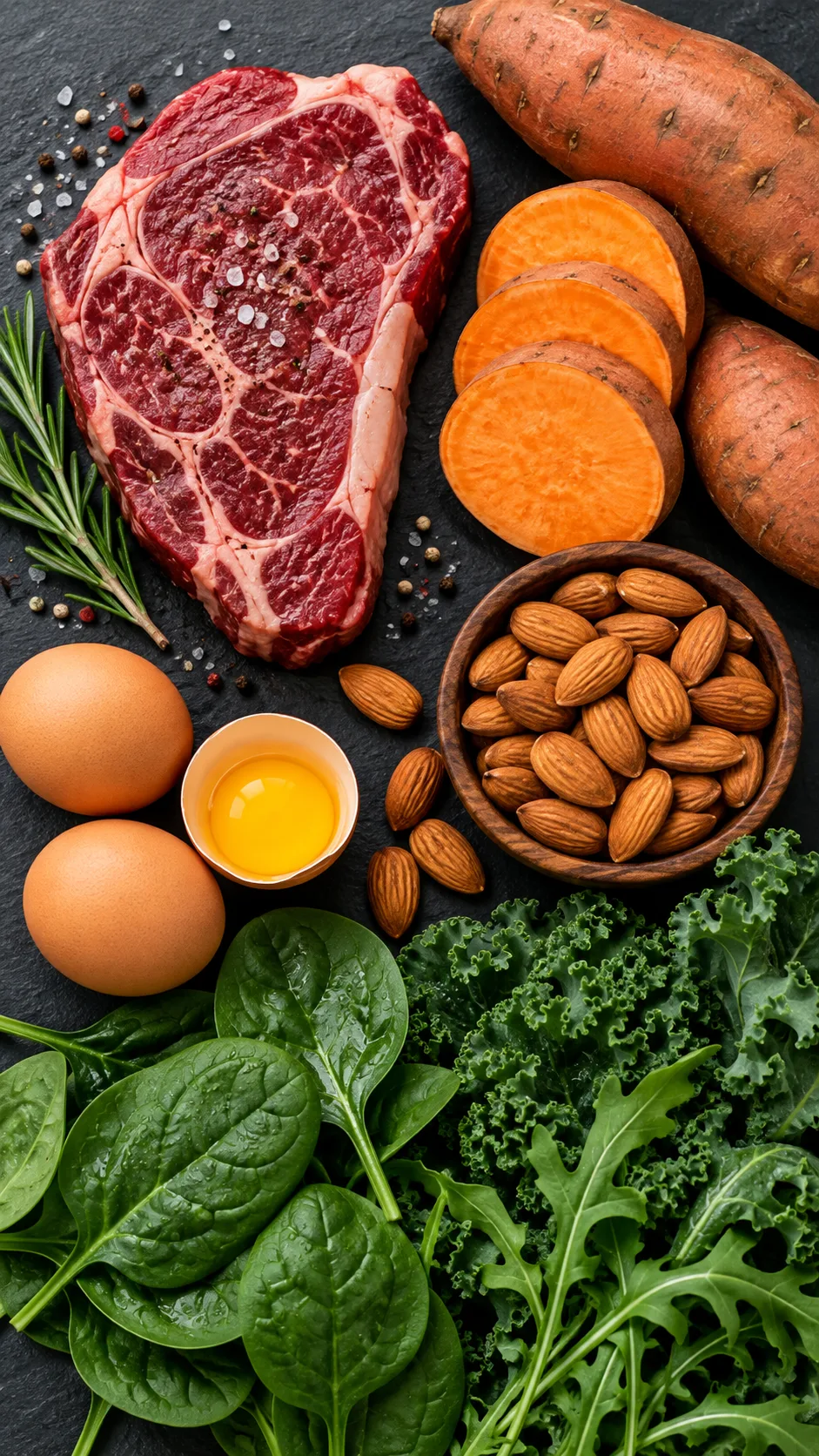
1. Protein: the structural base
Protein supplies the amino acids that repair micro-tears in your muscle fibers after heavy lifting sessions. Skimping on protein stalls your progress and slows your recovery.
- The target: Eat 1.6 to 2.2 grams of protein per kilogram of body weight (about 0.8 to 1.0 gram per pound).
- Top sources: Salmon, lean ground beef (90/10 or leaner), chicken thighs, eggs, Greek yogurt, cottage cheese, tempeh, and whey isolate.
- Tip: Space your protein intake across 4 or 5 meals throughout the day to keep muscle protein synthesis high. If you struggle to hit your numbers, read our guide on the high protein diet plan that keeps you full.
2. Carbohydrates: your high-output fuel
Carbohydrates are your friend in the gym. They provide direct fuel for intense resistance training. When you lift heavy weights, your muscles run on stored glycogen.
- The target: Eat 3.0 to 5.0 grams of carbohydrates per kilogram of body weight based on your daily training volume.
- Top sources: Basmati rice, sweet potatoes, rolled oats, sourdough bread, quinoa, bananas, and berries.
- Direct advantage: Complex carbs raise insulin moderately. This hormone drives amino acids straight into muscle cells while lowering cortisol production after training.
3. Healthy fats: the hormone regulator
Cut your fats too low and your testosterone and growth hormone levels drop. Dietary fat regulates your endocrine system, protects your joints, and helps you absorb fat-soluble vitamins (A, D, E, and K).
- The target: Keep dietary fats at 0.8 to 1.0 gram per kilogram of body weight (roughly 20% to 30% of total daily calories).
- Top sources: Extra virgin olive oil, whole avocados, raw almonds, chia seeds, egg yolks, and natural peanut butter.
- Warning: Avoid industrial trans fats and processed seed oils, which trigger inflammation and slow your recovery.
The 7-day meal plan for real growth
This 7-day meal plan delivers approximately 2,600 to 2,800 calories per day with at least 160 to 180 grams of protein. Adjust portion sizes up or down based on your body weight and metabolic rate. Men looking for specific macro targets can also check our tailored diet plan for men.
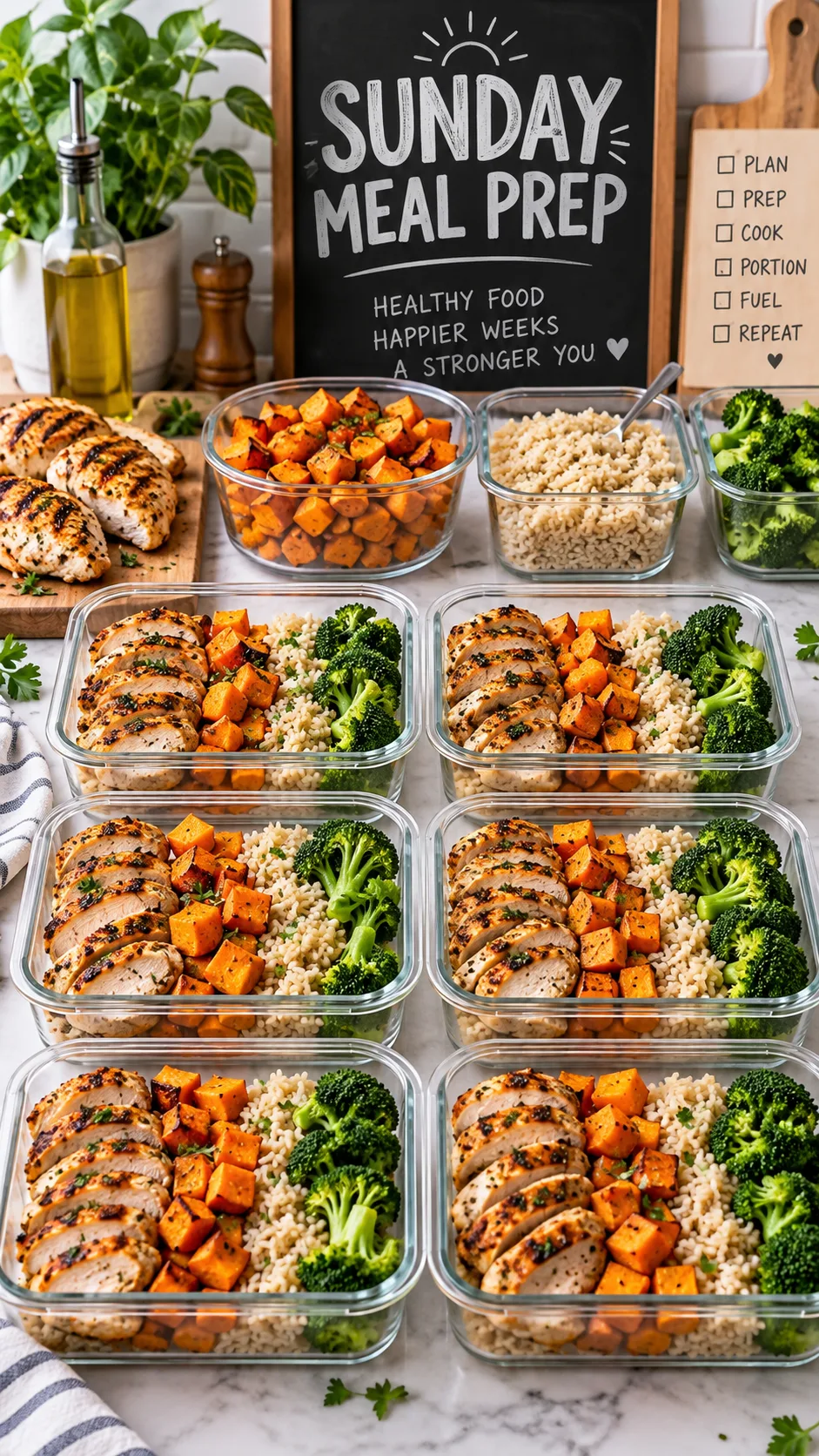
Monday: push day
- Breakfast: 3 whole eggs scrambled with baby spinach, 2 slices of toasted sourdough with 1/4 sliced avocado, and 1 medium orange.
- Mid-morning snack: 1 cup of 2% Greek yogurt with a handful of blueberries and 1 tablespoon of raw honey.
- Lunch: 180g grilled chicken breast, 1.5 cups cooked basmati rice, and 1 cup roasted zucchini drizzled with 1 teaspoon extra virgin olive oil.
- Pre-workout (60 minutes prior): 1 large banana with 1 tablespoon natural peanut butter.
- Dinner: 200g lean ground turkey (93/7) seasoned and cooked, served over 1 cup black beans, 1 cup diced bell peppers, and 2 tablespoons salsa.
Tuesday: pull day
- Breakfast: Protein oatmeal: cook 80g rolled oats in water, stir in 1 scoop whey isolate, and top with 1 diced green apple and cinnamon.
- Mid-morning snack: 2 hard-boiled eggs and a handful of raw walnuts.
- Lunch: 180g canned tuna or salmon mixed with Greek yogurt, wrapped in a large whole-wheat tortilla with romaine lettuce and tomatoes.
- Pre-workout: 2 rice cakes topped with 1 tablespoon almond butter and sliced strawberries.
- Dinner: 200g baked cod, 250g roasted sweet potato wedges, and a large green salad with olive oil and lemon juice dressing.
Wednesday: leg day
- Breakfast: 3-egg omelet with mushrooms and feta cheese, 2 slices of sprouted-grain toast, and 1 glass of fresh orange juice.
- Mid-morning snack: Protein smoothie: blend 1 scoop chocolate whey, 1 cup unsweetened almond milk, 1 frozen banana, and 1 tablespoon ground flaxseed.
- Lunch: 200g flank steak strips, 1.5 cups cooked quinoa, and 1 cup steamed broccoli florets.
- Pre-workout: 1 toasted English muffin with 1 tablespoon fruit preserves.
- Dinner: 180g skinless chicken thighs, 1.5 cups roasted red potatoes, and grilled asparagus spears.
Thursday: rest and recovery
- Breakfast: 1 cup low-fat cottage cheese mixed with pineapple chunks and 2 tablespoons crushed pumpkin seeds.
- Mid-morning snack: 1 low-sugar beef jerky stick and 1 medium apple.
- Lunch: Turkey chili: simmer 200g lean minced turkey, kidney beans, crushed tomatoes, onions, and garlic.
- Afternoon snack: 1 cup raw carrots and cucumber slices with 3 tablespoons traditional hummus.
- Dinner: 200g pan-seared salmon fillet, 1 cup wild rice, and sauteed kale with garlic.
Friday: upper body
- Breakfast: Protein French toast: dip 3 slices of whole grain bread in 3 egg whites whisked with vanilla extract and cinnamon, cook until golden, and top with fresh raspberries.
- Mid-morning snack: 1 cup Greek yogurt layered with 20g crushed almonds and dark chocolate chips.
- Lunch: 180g grilled chicken tenderloins, 1.5 cups cooked jasmine rice, and 1 cup roasted Brussels sprouts with balsamic vinegar.
- Pre-workout: 1 medium bagel with 1 teaspoon butter or honey.
- Dinner: 200g lean sirloin steak, 1 large baked russet potato topped with 1 tablespoon Greek yogurt and chives, and steamed green beans.
Saturday: lower body and core
- Breakfast: 3 scrambled eggs, 2 slices turkey bacon, 1 slice sourdough toast, and 1/2 grapefruit.
- Mid-morning snack: Trail mix: raw almonds, pumpkin seeds, dried cranberries, and unsweetened coconut flakes (40g total).
- Lunch: 200g ground bison patty on a brioche bun with lettuce, tomato, onion, and baked sweet potato fries.
- Pre-workout: 1 small bowl of cream of rice mixed with 1/2 scoop whey protein.
- Dinner: 180g baked chicken breast with marinara sauce and light mozzarella over 100g cooked high-protein pasta and zucchini.
Sunday: meal prep day
- Breakfast: Breakfast wrap: scramble 2 whole eggs and 3 egg whites with black beans, diced peppers, and salsa inside a warm corn tortilla.
- Mid-morning snack: 1 scoop whey protein in cold water with a small handful of cashews.
- Lunch: 180g lemon-herb roasted chicken thighs, 1.5 cups roasted butternut squash, and steamed cauliflower.
- Afternoon snack: 1 sliced pear with 30g sharp cheddar cheese.
- Dinner: 200g grilled shrimp skewers over 1.5 cups vegetable fried rice cooked with peas, carrots, and sesame oil.
Every single day delivers hearty, tasty meals. You will not crave junk food when your daily meals taste great and stabilize your blood sugar. If you want to gain weight quickly on the scale, combine this template with our practical weight gain diet plan so you avoid gaining unnecessary fat.
Watch: the science-based muscle building diet
Elite strength coaches use specific food structures for natural lifters. Watch this video to see how meal timing and total calories affect your gym performance:
Nutrient timing: does the anabolic window exist?
For decades, lifters panicked if they missed drinking a protein shake within thirty seconds of racking a dumbbell. Many runners sprinted straight to their locker out of fear that their muscles would shrink on the spot.
Nutrition science gives us a much simpler answer today. Your total daily intake of calories and macros dictates 85% of your progress. Timing provides the final 15% edge. Follow these basic guidelines:
- The pre-workout meal (90 to 120 minutes before training): Eat 30 to 40 grams of slow-digesting complex carbs with 25 to 35 grams of lean protein. This meal tops off muscle glycogen and releases amino acids into your blood before you touch a barbell.
- Intra-workout hydration: Drink water mixed with sodium, potassium, and magnesium. Even a 2% drop in hydration cuts muscle power by over 10%, according to research from the National Institutes of Health.
- The post-workout meal (within 2 hours after training): Eat 30 to 50 grams of high-grade protein and 40 to 80 grams of moderate or fast-acting carbs. Your body replenishes glycogen rapidly after hard training, kickstarting recovery.
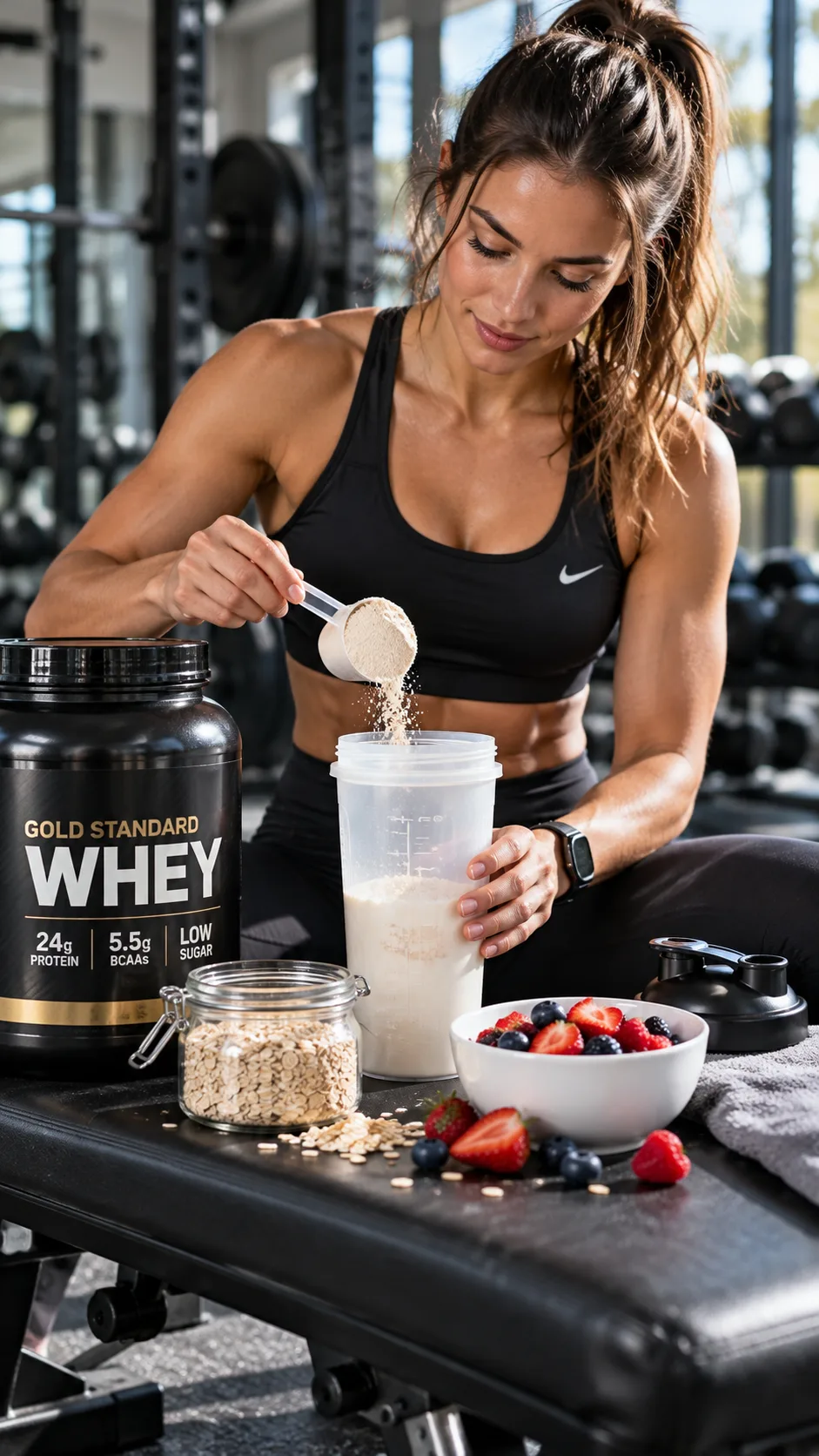
Four supplements worth buying
The fitness supplement industry pushes thousands of powders that only waste your money. Ignore the heavy marketing. Only a handful of compounds carry solid clinical backing for muscle growth.
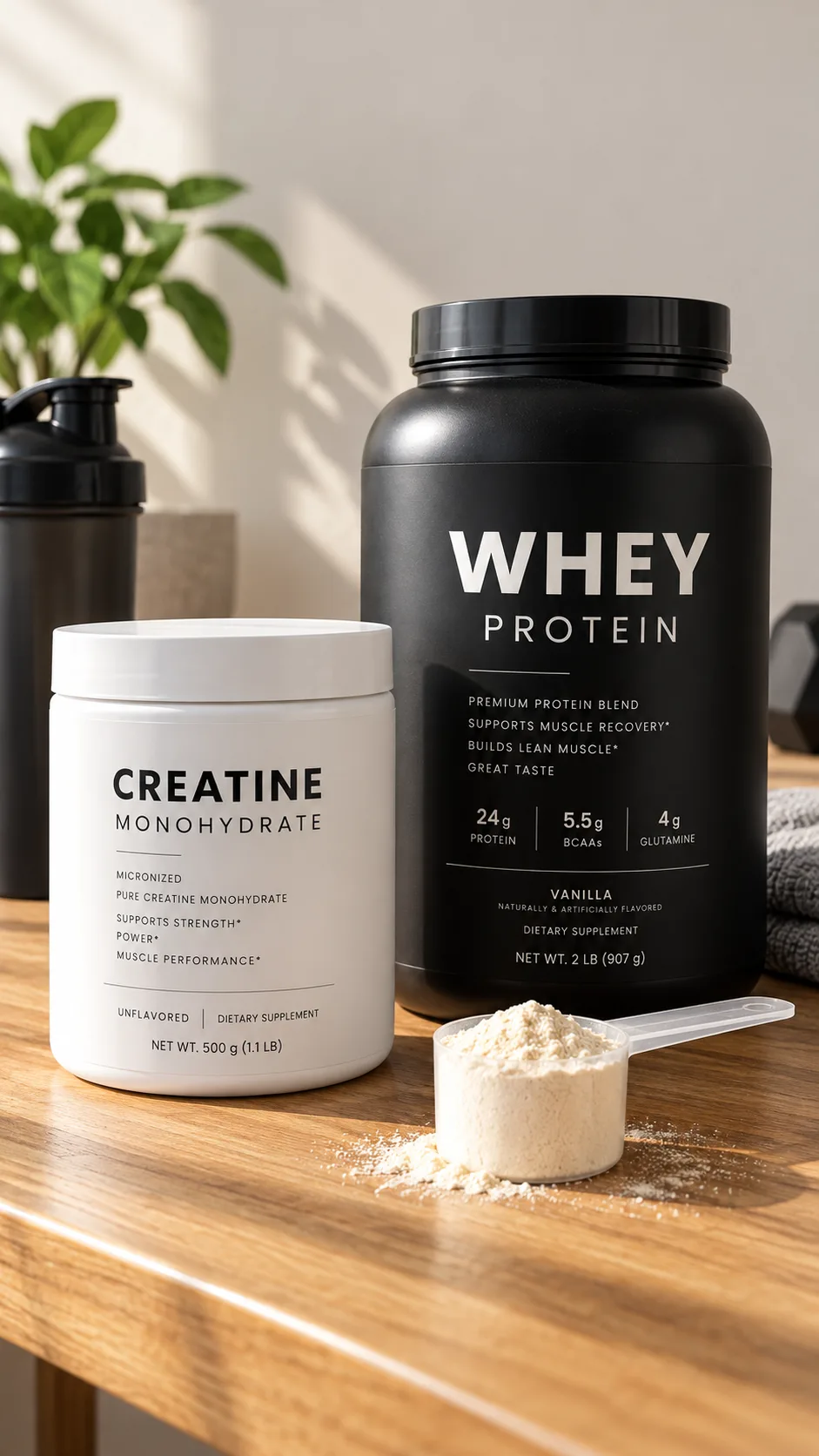
1. Creatine monohydrate
Creatine sets the benchmark for lifting supplements. It recharges cellular adenosine triphosphate (ATP) stores, which helps you squeeze out 2 or 3 extra reps on heavy sets. Take 5 grams daily at any time. You do not need a loading phase or expensive patented formulas. Standard micronized creatine monohydrate works best.
2. Whey protein isolate
Whey does not build more muscle than whole food, but it offers quick convenience and a rich leucine profile. Leucine acts as the main chemical trigger for muscle protein synthesis. Use whey to hit your daily totals when you lack time to cook.
3. Caffeine
A cup of black coffee or a standard pre-workout drink 30 to 45 minutes before training stimulates your nervous system, lowers perceived effort, and increases training drive. Keep your daily intake under 400mg to protect your sleep.
4. Vitamin D3 and omega-3 fish oil
Unless you work outdoors in direct sunlight every day, you probably carry low vitamin D levels. Vitamin D acts like a hormone in your body, directly supporting testosterone production and immune defense. Take it alongside 2 to 3 grams of omega-3 fish oil to manage joint inflammation and aid protein recovery.
Grocery store guide: shop like a lifter
Nutrition plans succeed or fail in the grocery store aisles. If you stock your pantry with junk food, you will eat it when willpower fades. Keep your kitchen full of these staple foods:
| Category | Primary Staples | Budget-Friendly Swaps |
|---|---|---|
| Proteins | Chicken breast, 93/7 ground beef, salmon, whole eggs | Canned tuna, cottage cheese, dried lentils, chicken thighs |
| Carbohydrates | Jasmine rice, sweet potatoes, rolled oats, sourdough | Bulk white rice, russet potatoes, bananas, whole wheat pasta |
| Fats | Avocados, extra virgin olive oil, raw walnuts | Natural peanut butter, sunflower seeds, whole eggs |
| Micros & Fiber | Baby spinach, fresh blueberries, asparagus, bell peppers | Frozen mixed berries, frozen broccoli florets, carrots, apples |
Three diet mistakes that stop muscle gains
Dedicated lifters often fall into predictable eating traps. Avoid these three common errors to keep making progress:
Mistake 1: eating clean without tracking total food intake
You can eat clean foods like boiled chicken, sweet potatoes, and organic broccoli, but if your total calories sit 600 calories below your maintenance level, you will not build muscle. Clean eating improves digestion and health markers, but energy balance still dictates growth. You must supply enough raw calories to build new muscle tissue.
Mistake 2: cutting carbs out of fear
Low-carb diets work fine for sedentary individuals who want to drop scale weight quickly. For someone squatting heavy weights, low-carb eating creates problems. Inadequate carbohydrates raise stress hormones, flatten muscle bellies, reduce your training stamina, and slow your recovery. Eat quality carbs so your muscles stay full and powerful.
Mistake 3: letting weekends fall apart
Many lifters maintain strict discipline from Monday to Friday afternoon. Then Friday night arrives. They skip planned meals, drink several beers, order greasy takeout, and skip Sunday breakfast. In forty-eight hours, they wipe out their weekly protein targets and upset their digestion. Consistent eating across all seven days builds your physique.
How to break through a plateau
Your progress will stall eventually because your body adapts to physical workloads and regular calorie intake. When your scale weight stays flat for three straight weeks and your gym lifts stall, use this checklist:
- Check your tracking: Weigh and record everything honestly for seven days. Check whether you skip snacks, guess serving sizes, or forget cooking oils. Correct small tracking mistakes first.
- Increase carbohydrates: Add 25 to 30 grams of carbohydrates to your pre-workout or post-workout meals (about 100 to 120 calories). This change provides extra fuel without adding unwanted body fat.
- Prioritize sleep: If you sleep less than seven hours per night, your body resists muscular growth. Deep sleep releases growth hormone and repairs muscle fibers. Fix your sleep habits before changing your diet again.
- Check results after two weeks: Look for visual fullness in the mirror, track your training logbook for strength gains, and watch for a modest scale increase of roughly 0.25 to 0.5 pounds per week. That pace represents solid, lean muscle growth.
Conclusion: eat to grow
Building a muscular physique should never feel like constant starvation on bland food. Extreme deficits strip away muscle tissue, sap your motivation, and ruin your appetite control. Food functions as your strongest training tool when you use it properly.
Calculate your maintenance calories, add a small surplus, hit your daily protein numbers, and fill your plate with clean carbs and fats. Train hard, prioritize deep sleep, and build the muscular body you want. Put enough food on your plate and start growing today.