

Your alarm sounds at 6:00 AM. You hit snooze twice, stumble into the kitchen, and stare blankly into the refrigerator. You could fry an egg, but that means scrubbing a greasy skillet before running to catch the train. You could grab a blueberry muffin from the drive-thru, but that path leads straight to a sugar crash and a growling stomach before mid-morning meetings end.
Morning rushes derail healthy intentions fast. When you rush out the door in a panic, nutrition drops to the bottom of your priority list. I lived that frantic cycle for years before switching to a simple routine: breakfast bowls meal prep.
By spending 45 minutes on Sunday cooking basic, wholesome ingredients, you assemble grab-and-go bowls that keep you full straight through to lunch. You skip the dirty pans on Tuesday morning. You skip the sugary pastries. You open the fridge, grab your container, and start your day with real food. Here is the framework, the nutritional logic, and the practical recipes that make weekday mornings effortless.
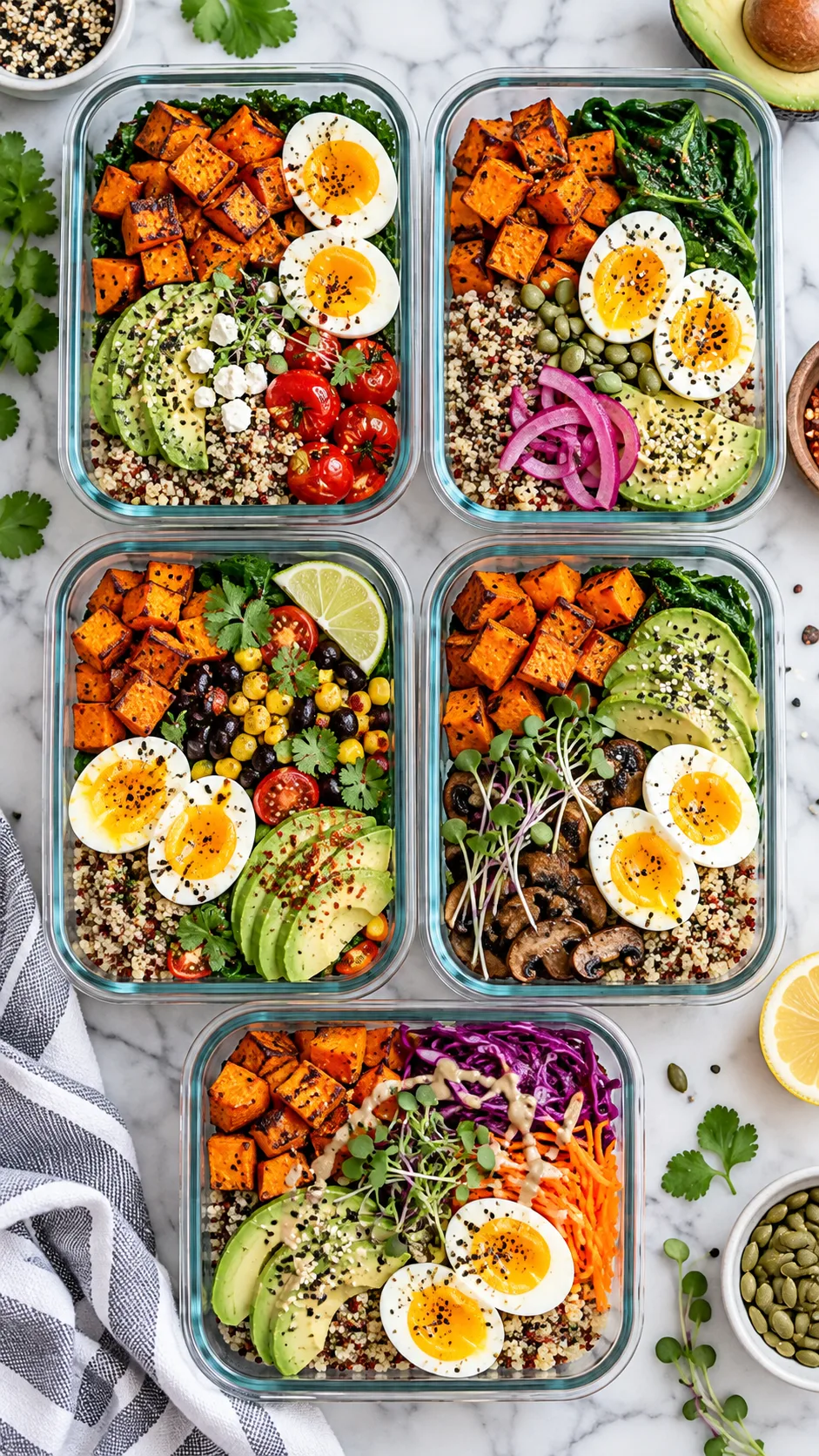
Why Most Breakfasts Fail You by 10:00 AM (The Satiety Formula)
A giant bowl of cereal leaves you ravenous two hours later because of how your body processes simple starches. Typical breakfast items (bagels, sweetened cereals, toast, fruit juices, and pastries) flood your system with refined carbohydrates while offering almost no protein or fiber.
Your digestive tract breaks those carbohydrates down into glucose almost instantly. Your pancreas responds by flooding your bloodstream with insulin to pull those sugar levels down, which triggers a rapid energy crash. Data from the Harvard T.H. Chan School of Public Health shows that dietary protein and complex fiber slow gastric emptying while prompting satiety hormones like peptide YY and GLP-1. Put simply, protein and fiber tell your brain that your body has enough fuel.
To assemble a breakfast bowl that carries you through the entire morning, include four specific components:
- Quality Protein (25 to 35 grams): Protein steadies blood sugar levels, maintains muscle mass, and keeps hunger away longer than any other macronutrient.
- Slow-Digesting Fiber (8 to 12 grams): Soluble and insoluble fiber from vegetables, whole grains, and legumes slows digestion and supports gut health.
- Healthy Fats (10 to 15 grams): Fats slow down stomach emptying and help your body absorb fat-soluble vitamins like A, D, E, and K.
- Vegetable Volume: Greens and roasted root vegetables physically fill your stomach without loading your meal with empty calories.
When you omit any of these elements, morning hunger shows up early. Breakfast bowls let you layer all four pieces into one simple dish. For extra morning inspiration beyond these bowls, explore our collection of easy healthy breakfast meal prep ideas.
The 4 Pillars of a Bulletproof Breakfast Bowl
You do not need complicated restaurant techniques to build great breakfast bowls. You only need a dependable modular system. Once you understand the four building blocks, you can combine whatever ingredients you happen to have in your refrigerator.
1. The Foundation (Complex Carbohydrates & Greens)
Skip refined flour breads. Anchor your container with nutrient-dense complex carbohydrates or sturdy greens. Cooked quinoa, roasted sweet potatoes, brown rice, farro, and black beans provide steady, long-lasting energy. If you prefer fewer carbohydrates, build your base with chopped kale, baby spinach, riced cauliflower, or shredded cabbage.
2. The Protein Anchor
Target at least 25 grams of protein for each meal. Whole eggs and egg whites work well, but you have plenty of other options. Cooked chicken breast, lean ground turkey sausage, smoked salmon, pan-seared tofu, edamame, and Greek yogurt all deliver substantial morning protein. If you want to increase your daily protein intake across the board, combining these morning bowls with broader high protein meal prep recipes simplifies your weekly routine.
3. Roasted Vegetable Volume
Vegetables work wonderfully at breakfast. Roasting a full sheet pan of vegetables on the weekend brings out natural sweetness while loading your bowls with dietary minerals and plant compounds. Broccoli, bell peppers, zucchini, red onions, mushrooms, and asparagus all hold up well in the fridge throughout the workweek.
4. The Flavor Accelerator (Fats & Sauces)
Dry food tastes dull, and dull food sends you running to the office vending machine. Always add healthy fats and a punchy sauce. Diced avocado, toasted pumpkin seeds, tahini dressing, homemade chimichurri, fresh salsa, and crumbled goat cheese all add character. A single spoonful of rich dressing turns basic roasted produce into a memorable meal.
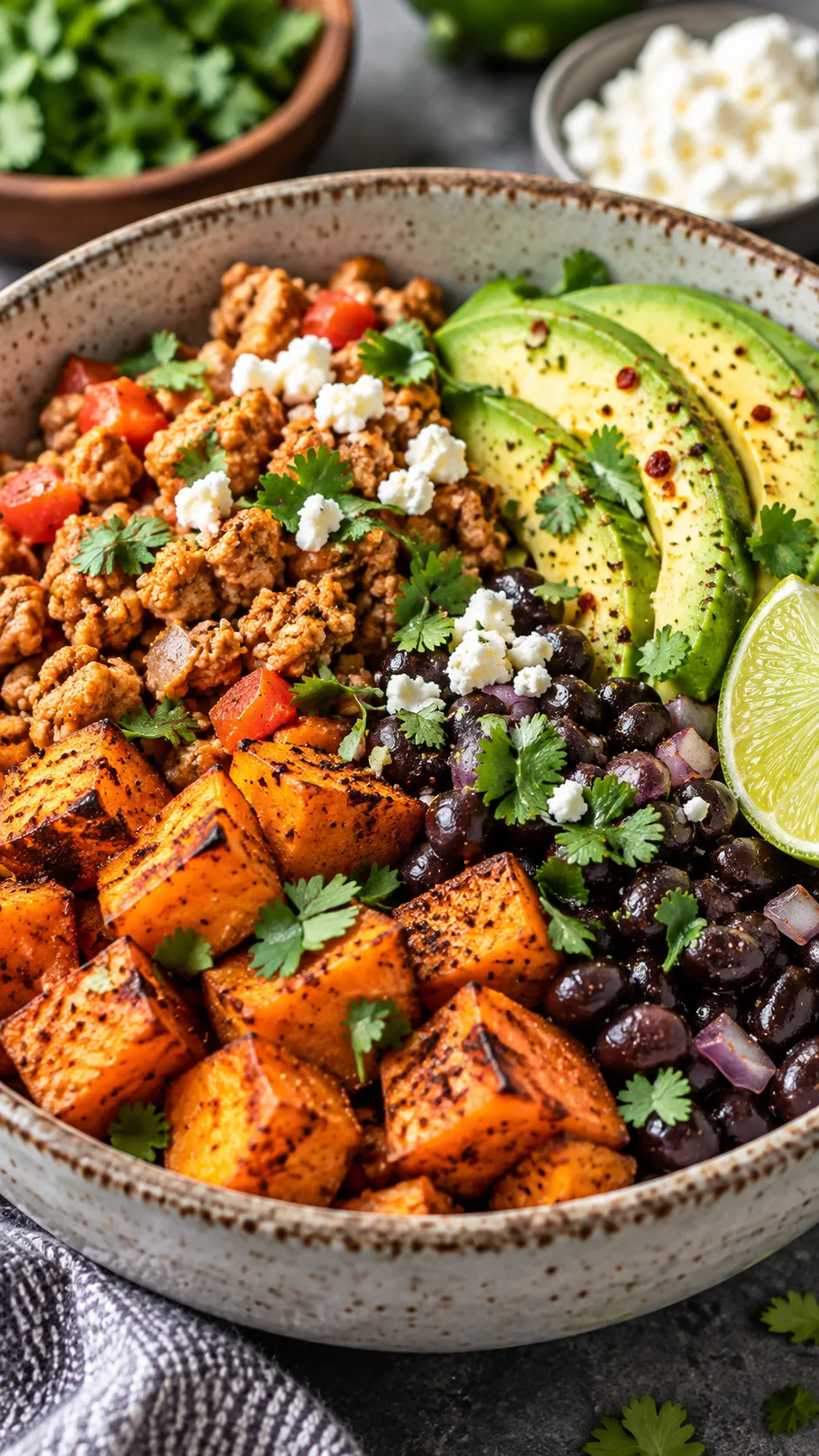
5 Make-Ahead Breakfast Bowls That Keep You Satisfied for Hours
These five make-ahead breakfast bowls hold their flavor and texture in the refrigerator for up to four days. Cook the components during your weekend prep session, pack your containers, and enjoy quick, satisfying breakfasts all week.
Recipe 1: The Southwestern Sweet Potato & Turkey Sausage Bowl
This savory bowl combines Mexican-inspired seasoning with 32 grams of lean protein. The sweetness of roasted sweet potatoes balances the spicy turkey sausage.
- Yield: 4 servings
- Estimated Prep Time: 15 minutes
- Estimated Cook Time: 30 minutes
- Protein: 32g | Fiber: 9g | Healthy Fats: 14g
Ingredients:
- 2 medium sweet potatoes, scrubbed and cut into 1/2-inch cubes
- 1 pound lean ground turkey (93/7)
- 1 tablespoon olive oil
- 1 packet low-sodium taco seasoning (or a mix of cumin, chili powder, garlic powder, and smoked paprika)
- 1 can (15 oz) black beans, rinsed and drained
- 1 cup fire-roasted corn kernels (frozen or canned)
- 4 large eggs (hard-boiled or baked into patties)
- 1/2 cup fresh pico de gallo
- 1 lime, cut into wedges
- 1/4 cup chopped fresh cilantro
Step-by-Step Instructions:
- Heat your oven to 400°F (200°C). Toss diced sweet potatoes with olive oil, salt, and black pepper on a baking sheet. Roast for 25 to 30 minutes until tender.
- Place a skillet over medium-high heat. Add the ground turkey and taco seasoning, breaking the meat into bite-sized bits. Cook for 8 to 10 minutes until no pink remains.
- Warm the black beans and corn in a small saucepan over medium heat for 3 minutes.
- Divide the roasted sweet potatoes, cooked turkey, black beans, and corn evenly between four glass containers.
- Top each portion with a sliced hard-boiled egg and fresh cilantro. Store the salsa and lime wedges in separate condiment cups to keep the base fresh.
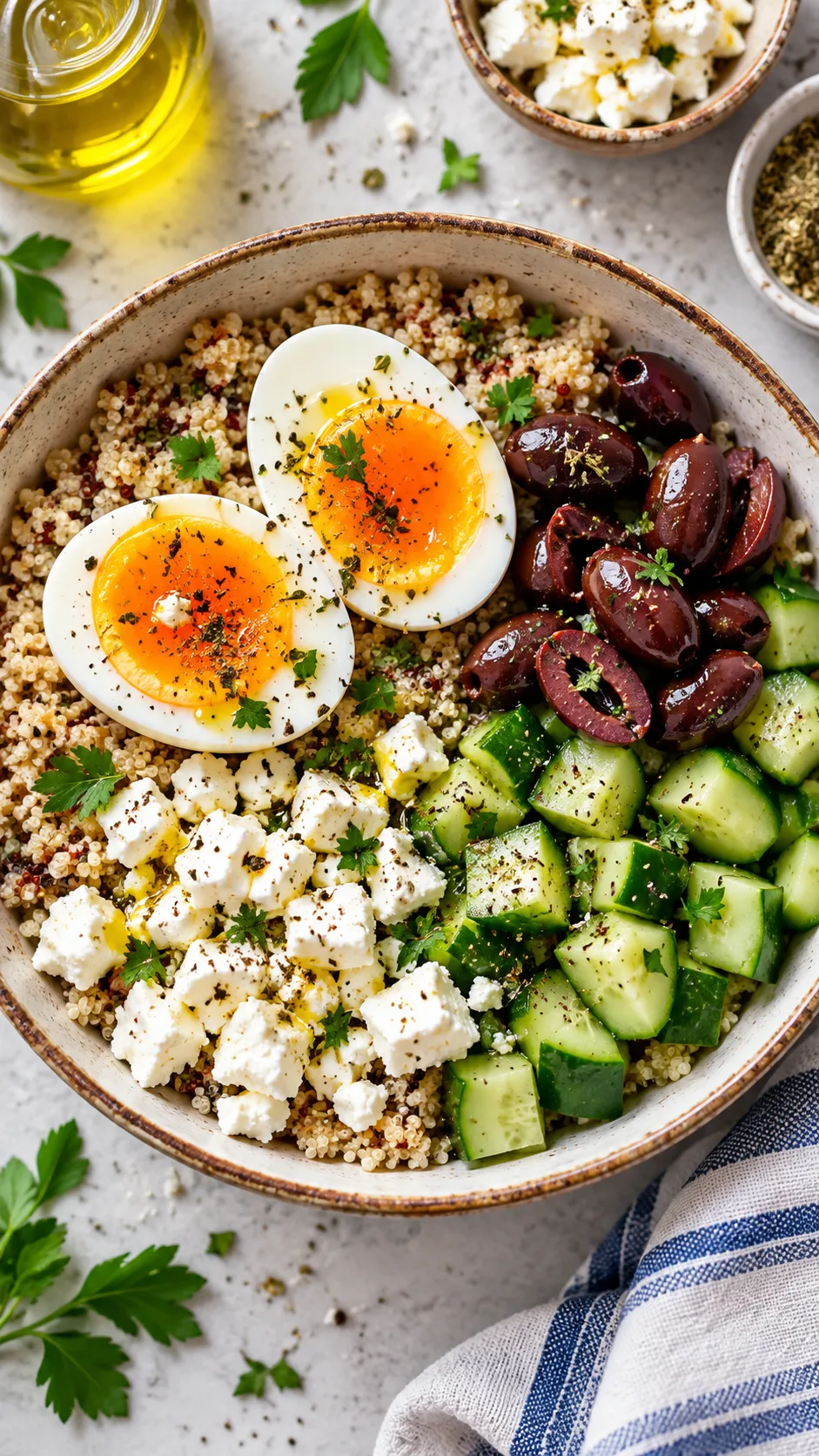
Recipe 2: The Mediterranean Quinoa & Jammy Egg Power Bowl
Fresh herbs and sharp lemon brighten this Mediterranean bowl. Quinoa and fresh cucumbers supply plenty of fiber to support smooth digestion all morning.
- Yield: 4 servings
- Estimated Prep Time: 15 minutes
- Estimated Cook Time: 20 minutes
- Protein: 26g | Fiber: 8g | Healthy Fats: 16g
Ingredients:
- 1 cup dry quinoa (cooked in vegetable broth)
- 8 large eggs
- 2 cups cherry tomatoes, halved
- 1 English cucumber, diced
- 1/2 cup pitted Kalamata olives, halved
- 1/2 cup crumbled feta cheese
- 4 cups fresh baby spinach or arugula
- 1/4 cup extra virgin olive oil
- 2 tablespoons fresh lemon juice
- 1 garlic clove, minced
- 1 teaspoon dried oregano
Step-by-Step Instructions:
- Cook quinoa in vegetable broth according to package instructions. Fluff the grains with a fork and cool completely.
- Bring a pot of water to a rolling boil. Lower eight eggs into the water. Boil for 6 minutes and 45 seconds for soft yolks, or 9 minutes for firm yolks. Transfer the eggs to an ice bath for 10 minutes, then peel them.
- Whisk olive oil, lemon juice, minced garlic, oregano, salt, and pepper in a small bowl to make the dressing.
- Place a layer of spinach in each container. Add the cooled quinoa, tomatoes, cucumbers, and Kalamata olives.
- Scatter feta cheese over each bowl. Slice the eggs just before eating, and pour the dressing over top.
Recipe 3: The Roasted Veggie & Crispy Tofu Breakfast Scramble Bowl
Plant-based breakfasts often lack the protein needed to curb morning hunger. This scramble solves that problem using pressed tofu, nutritional yeast, and roasted vegetables.
- Yield: 4 servings
- Estimated Prep Time: 20 minutes
- Estimated Cook Time: 25 minutes
- Protein: 24g | Fiber: 10g | Healthy Fats: 12g
Ingredients:
- 1 block (14 oz) extra-firm tofu, drained and pressed
- 2 tablespoons nutritional yeast
- 1/2 teaspoon ground turmeric
- 1/2 teaspoon garlic powder and onion powder
- 2 bell peppers, diced
- 1 zucchini, sliced into half-moons
- 1 small red onion, diced
- 2 cups cooked brown rice or farro
- 1 can (15 oz) chickpeas, rinsed and drained
- 2 tablespoons tahini mixed with 1 tablespoon warm water and fresh lemon juice
Step-by-Step Instructions:
- Heat the oven to 400°F (200°C). Toss the bell peppers, zucchini, red onion, and chickpeas with olive oil, salt, and pepper. Spread everything on a baking sheet and roast for 25 minutes.
- Crumble the pressed tofu into a skillet over medium heat with a fork or potato masher.
- Add nutritional yeast, turmeric, garlic powder, onion powder, and two tablespoons of unsweetened almond milk. Cook for 7 to 9 minutes until the tofu looks light and yellow.
- Divide the brown rice evenly across four meal prep dishes. Add equal shares of the tofu scramble and roasted vegetables.
- Pack the tahini sauce in small cups and drizzle over the bowl after heating your food.
Recipe 4: Smoked Salmon, Everything Bagel & Roasted Potato Bowl
If you love bagel and lox brunches but want to skip the midday food coma, make this bowl instead. It offers savory, smoky flavor with crisp potatoes instead of heavy refined dough.
- Yield: 4 servings
- Estimated Prep Time: 15 minutes
- Estimated Cook Time: 25 minutes
- Protein: 28g | Fiber: 6g | Healthy Fats: 15g
Ingredients:
- 1.5 pounds baby potatoes, quartered
- 8 ounces sliced smoked salmon
- 4 hard-boiled eggs, quartered
- 2 cups steamed asparagus pieces
- 1/2 cup plain Greek yogurt
- 1 tablespoon fresh lemon juice
- 2 tablespoons minced fresh dill
- 2 tablespoons everything bagel seasoning
- 1 tablespoon olive oil
Step-by-Step Instructions:
- Toss quartered potatoes with olive oil, salt, and black pepper. Roast on a baking sheet at 400°F (200°C) for 25 minutes until the edges turn crisp.
- Stir Greek yogurt, chopped dill, lemon juice, and a pinch of salt together in a small bowl to build your sauce.
- Place roasted potatoes and cooked asparagus into each container.
- Add smoked salmon slices and hard-boiled egg quarters beside the vegetables.
- Dust the eggs and salmon generously with everything bagel seasoning. Eat cold, or warm the potatoes and asparagus separately before adding the cold fish.
Recipe 5: High-Protein Chia, Berry & Overnight Oat Power Bowl
If you prefer sweet flavors in the morning, this bowl delivers 31 grams of protein and 13 grams of dietary fiber without relying on refined sugar.
- Yield: 4 servings
- Estimated Prep Time: 15 minutes
- Estimated Cook Time: 0 minutes
- Protein: 31g | Fiber: 13g | Healthy Fats: 11g
Ingredients:
- 2 cups rolled oats
- 4 tablespoons chia seeds
- 2 scoops unflavored or vanilla protein powder
- 2 cups unsweetened almond milk or soy milk
- 1 cup plain Greek yogurt
- 2 cups fresh mixed berries
- 1/4 cup sliced almonds or chopped walnuts
- 1 teaspoon pure vanilla extract
- 1/2 teaspoon ground cinnamon
Step-by-Step Instructions:
- Whisk the oats, chia seeds, protein powder, cinnamon, and vanilla extract in a large mixing bowl.
- Pour in the almond milk and Greek yogurt. Stir until the mixture looks uniform with no dry clumps.
- Pour the mixture into four wide glass jars or storage bowls.
- Seal the containers and refrigerate for at least four hours so the oats and chia seeds thicken.
- Scatter fresh berries and sliced nuts over the top right before eating.
The 45-Minute Sunday Batch-Prep Blueprint
Cooking five individual breakfasts on five separate mornings wastes time and fills your sink with dirty dishes. Batch cooking solves that problem. By running multiple tasks at once, you prepare an entire workweek of breakfasts quickly.
Use this timeline to finish four or five days of meals in 45 minutes:
- Minutes 0 to 5 (Oven & Water Prep): Set your oven to 400°F (200°C). Place a pot of water on the stove over high heat to boil eggs.
- Minutes 5 to 15 (Chop & Roast): Chop sweet potatoes, bell peppers, or zucchini. Toss them with oil, salt, and spices, spread them across two baking sheets, and slide them into the oven for 25 minutes.
- Minutes 15 to 25 (Stovetop Cooking): Lower your eggs into boiling water for 7 minutes, then move them directly into an ice bath. Brown your turkey sausage or tofu scramble in a skillet while cooking quinoa or rice on a back burner.
- Minutes 25 to 35 (Sauces & Toppings): Whisk sauces, chop herbs, and measure toppings like seeds and cheese into small condiment cups while the stove and oven run.
- Minutes 35 to 45 (Assembly & Storage): Remove roasted vegetables from the oven. Arrange four or five glass dishes on your counter. Divide grains, proteins, and vegetables across the containers. Let the food reach room temperature, secure the lids, and put everything in the fridge.
To use this batch routine for your lunches and dinners too, check out our full meal prep for the week blueprint.
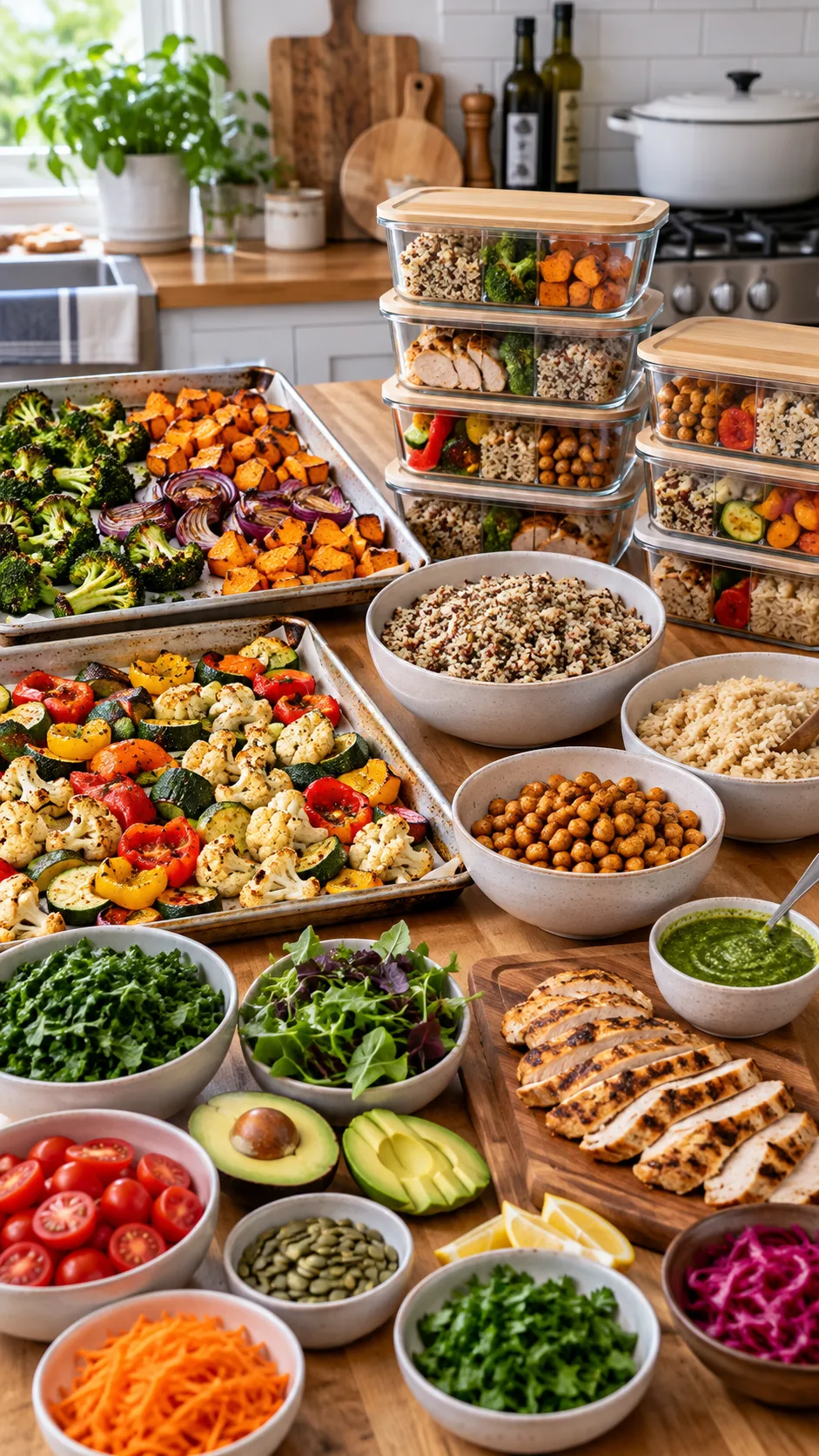
Storage, Reheating, and Egg Texture: Solving Common Meal Prep Pitfalls
Rubbery eggs and soggy greens make meal prep unappealing. Simple kitchen habits keep your prepped containers tasting fresh through Thursday.
How to Prevent Rubbery Meal-Prep Eggs
Microwaving cooked scrambled eggs often makes them watery and rubbery because high heat contracts delicate egg proteins and squeezes out moisture. Three methods prevent this problem:
- Bake Frittata Slices: Whisk eggs with whole milk or Greek yogurt, bake them in a greased baking dish at 350°F, and cut them into portions. Dairy fat insulates the protein from high microwave heat.
- Use Boiled Eggs: Keep peeled boiled eggs whole in your container. Remove the cold egg before heating, warm your grains and vegetables for 60 seconds, and slice the egg over the warm base.
- Under-cook Scrambled Eggs Slightly: Pull scrambled eggs off the burner while they still look glossy and soft. Residual heat completes the cooking process, which prevents dryness when reheating later.
The Sauce Separation Rule
Keep dressings, salsas, and vinaigrettes off your greens and grains until mealtime. Acids soften plant cell walls and turn crisp greens into mush. Pour sauces into separate silicone or stainless steel cups, and add them only after reheating your bowl.
Food Safety and Container Selection
Guidelines from the USDA Food Safety and Inspection Service state that you must store cooked poultry, meats, and egg dishes at 40°F (4°C) or lower and consume them within three to four days. If you prep five days of food on Sunday, freeze your Friday portion right away and move it to the fridge on Wednesday evening to thaw.
Pick borosilicate glass containers with locking lids. Glass withstands rapid temperature shifts, keeps plastics out of hot food, and cleans up in the dishwasher without trapping garlic or onion odors.
Customizing Your Bowls for Specific Diets
Breakfast bowls work with any nutritional protocol. You can tailor these recipes to match your personal macro goals without losing flavor.
Low-Carb and Ketogenic Adjustments
To keep net carbohydrates under 10 grams per bowl, remove sweet potatoes, oats, and quinoa. Build your base with riced cauliflower, wilted spinach, sautéed zucchini, or shredded kale. Add healthy fats like diced avocado, crumbled bacon, aged cheddar cheese, and olive oil vinaigrettes.
Plant-Based and Vegan Tweaks
Replace meat and eggs with dense plant proteins. Tempeh strips, marinated firm tofu, hemp hearts, edamame, and cooked brown lentils deliver solid amino acid profiles. Nutritional yeast supplies savory depth alongside vitamin B12.
Gluten-Free Protocols
Whole foods give you a natural gluten-free foundation. Buy certified gluten-free oats to prevent grain mill cross-contamination, and read taco seasoning labels carefully to avoid wheat-based thickeners.
Nutritional Breakdown Comparison
See how home-cooked prep bowls compare against standard convenience breakfasts:
| Breakfast Choice | Protein (g) | Fiber (g) | Refined Sugar (g) | Satiety Rating |
|---|---|---|---|---|
| Coffee Shop Blueberry Muffin | 5g | 1g | 38g | Very Low (Crash in 90 mins) |
| Bagel with Cream Cheese | 11g | 2g | 6g | Low (Hungry by 10 AM) |
| Cereal with Low-Fat Milk | 8g | 2g | 22g | Low |
| Southwestern Turkey & Potato Bowl | 32g | 9g | 3g | Exceptional (Full until 1 PM) |
| Mediterranean Quinoa Bowl | 26g | 8g | 2g | Exceptional (Full until 1 PM) |
Higher protein and dietary fiber stabilize your energy and change how you feel throughout the workday.
Frequently Asked Questions About Breakfast Bowl Meal Prep
Can I freeze breakfast bowls with cooked eggs?
You can freeze bowls that include baked frittata cups or scrambled eggs rolled into burritos, but avoid freezing hard-boiled eggs. Freezing turns hard-boiled egg whites watery and unpleasantly rubbery. Store boiled eggs in the refrigerator instead.
How long do breakfast bowls stay good in the fridge?
Cooked breakfast bowls stay fresh for three to four days when you keep them between 38°F and 40°F in sealed containers. If you prep on Sunday, eat your refrigerated portions by Thursday morning. For Friday, freeze a portion on Sunday or cook a fresh meal Wednesday night.
What is the best way to reheat breakfast bowls at the office?
Take off cold ingredients like avocado or fresh salsa and set them aside. Cover your container with a damp paper towel to trap steam and prevent dry grains. Heat at 70% power for 90 to 120 seconds, stirring midway through. Top with your cold ingredients and sauce after heating.
Can I eat these breakfast bowls cold?
Yes. The Mediterranean Quinoa Bowl, the Smoked Salmon Bagel Bowl, and the Overnight Chia Oat Bowl taste great straight out of the refrigerator. If you lack access to a microwave during your workday, rely on those recipes.
Reclaim Your Mornings One Bowl at a Time
You do not need to wake up at dawn to cook a full breakfast. You also do not need to settle for drive-thru pastries that leave you tired and unfocused before lunchtime.
Spending 45 minutes on Sunday to roast vegetables, prepare grains, and cook lean protein sets you up for a smooth week. You take control of your mornings, stop hunger crashes, and give your body lasting energy.
Pick one recipe from this guide, add the items to your grocery list, and prepare your containers this Sunday. Your weekday mornings will run much smoother as a result.