

Try living on watery chicken broth for three straight days. Your empty stomach echoes through your ribs like a vacant hallway. Liquid diets carry an awful reputation because most people do them completely wrong.
When my surgeon put me on a strict full liquid regimen after jaw surgery a few years ago, I expected three weeks of misery. By day two, I wanted to chew through a leather belt out of desperation. Then I looked at the food science. I stopped sipping glorified flavored water and started preparing nutrient-dense, thick, filling liquid meals.
You do not need to suffer through gnawing hunger pangs while your body heals. With the right ingredients, targeted macronutrient balances, and proper blending techniques, you can feel satisfied and stay energized. Here is how you build a menu that sustains your body and keeps your sanity intact.
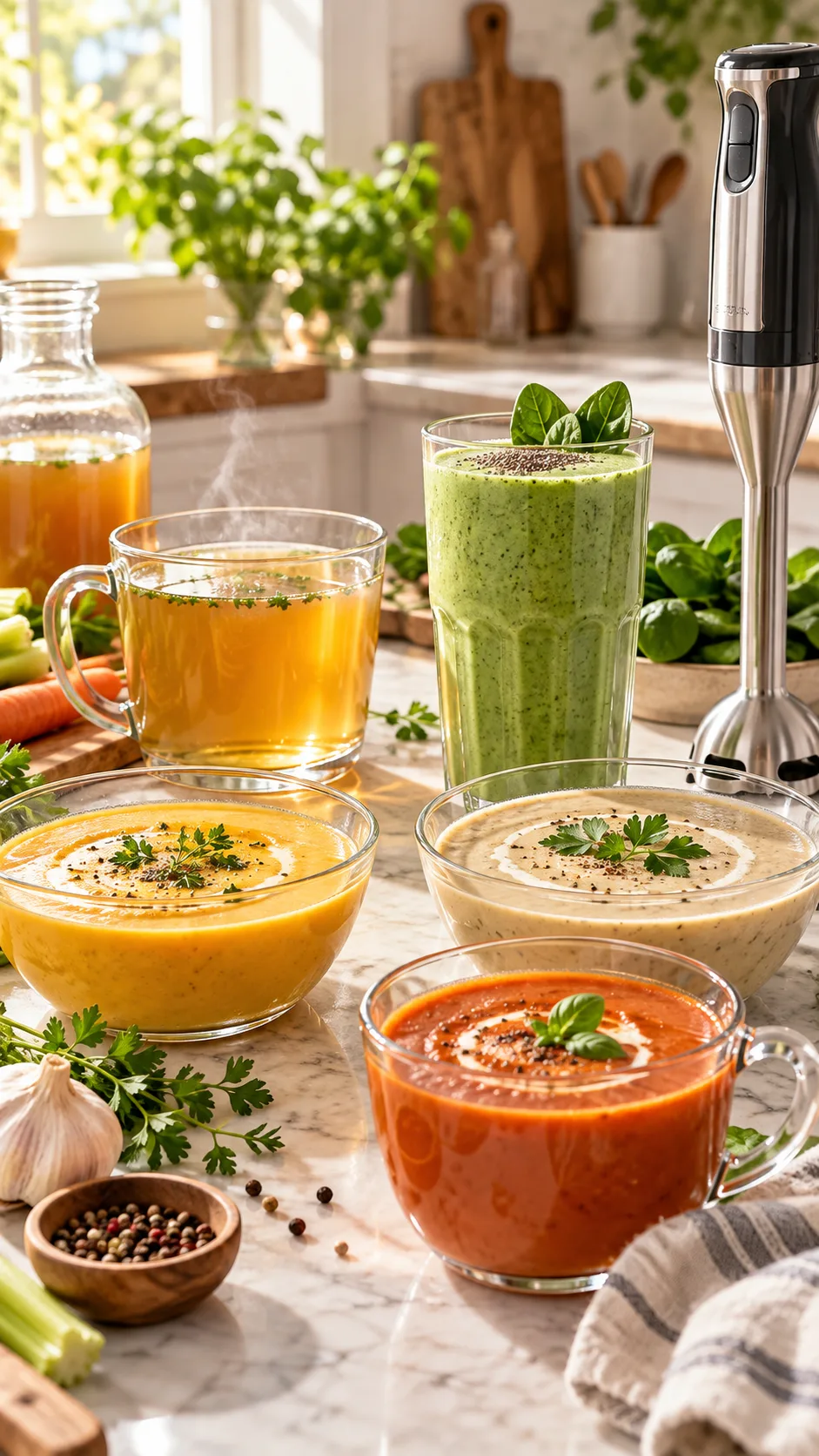
What qualifies as a full liquid diet?
Many people confuse a clear liquid diet with a full liquid diet. The difference between them marks the line between constant hunger and real nourishment.
A clear liquid diet permits only transparent fluids: black coffee, plain apple juice, basic gelatin, and clear broth. Doctors prescribe clear liquids before colonoscopies or immediately after intestinal operations because your gastrointestinal tract needs minimal digestive friction. The U.S. National Library of Medicine notes that clear liquids supply water and electrolytes but lack calories and protein.
A full liquid diet steps up your nutritional intake. This dietary stage includes any food that exists as a liquid or melts into a liquid at room temperature. It permits dairy products, smooth pureed vegetable bases without seeds or chunks, plant milks, strained porridges, and fortified liquid nutrition.
Doctors recommend this protocol for specific situations:
- Pre-op and post-op bariatric surgery stages
- Recovery after oral, dental, or jaw surgery
- Acute flares of diverticulitis, Crohn’s disease, or severe gastritis
- Dysphagia (difficulty swallowing) management
- Transitioning back toward solid food before advancing to a soft food diet after surgery
The basic rule is simple: if you must chew it, spit it out. If a fork cannot pick it up, and it passes through a fine mesh strainer without leaving grit or chunks behind, you can eat it.
Why most people starve on liquid meals (and how to fix it)
Why do standard liquid meals leave your stomach growling twenty minutes after finishing a massive bowl? Liquids empty from your stomach far faster than solid food. Solid food requires mechanical churning, gastric acid baths, and slow breakdown before passing into your small intestine.
Liquids bypass most of that mechanical delay. When you drink pure fruit juice or low calorie broth, your stomach releases that liquid straight into your intestines within minutes. Your blood sugar spikes, insulin rushes out, your glucose crashes, and your brain demands immediate calories. If you struggle with metabolic swings, adopting the principles of an insulin resistance diet plan helps you keep blood sugar steady during liquid phases.
To stay full on a full liquid diet, include three foundational components in every bowl:
- Sufficient Protein: Aim for 15 to 25 grams per meal. Protein triggers the release of peptide YY (PYY) and cholecystokinin (CCK), hormones that signal fullness directly to your brain.
- Healthy Emulsified Fats: Fats slow down digestion. Stir in small amounts of heavy cream, MCT oil, smooth nut butters, or blended avocado to keep the meal in your stomach longer.
- Viscosity: Thick liquids stimulate oral and gastric stretch receptors far more effectively than thin water. High viscosity convinces your brain that you ate real food.
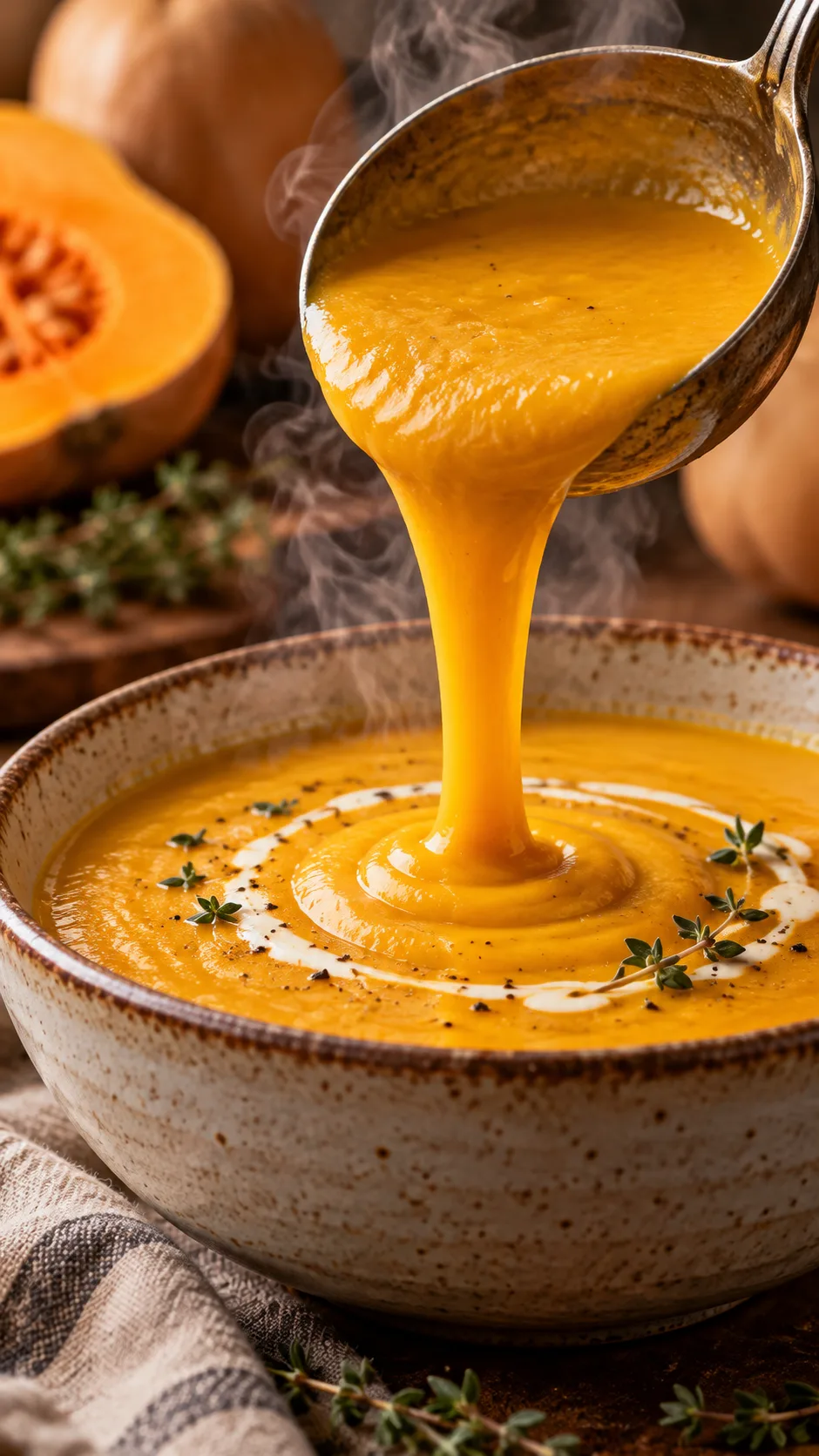
Savory full liquid meal ideas (say goodbye to sweet overload)
Most commercial liquid diet plans push vanilla shakes morning, noon, and night. By day four, you crave salt, garlic, and umami. These savory options deliver warm comfort while meeting every strict liquid criterion.
1. High-protein cream of roasted cauliflower and garlic
Roast cauliflower florets and peeled garlic cloves until golden brown. Simmer them in rich chicken bone broth until fork tender. Transfer everything into a high speed blender, add two scoops of unflavored whey protein isolate or egg white powder, and pour in two tablespoons of heavy cream.
Blend the mixture on maximum speed for two full minutes. Always pour the soup through a fine mesh sieve to catch any stray bits of fiber. This soup tastes like restaurant comfort food while supplying 24 grams of protein.
2. Silky Thai coconut curry broth
Do you miss bold culinary flavors? Whisk full fat canned coconut milk into strained vegetable or chicken bone broth. Stir in mild yellow curry paste, a splash of fish sauce, and a squeeze of lime juice.
Simmer the mixture on medium heat for ten minutes so the spices meld. Whisk in collagen peptides. They dissolve instantly without altering the silky texture or clumping under heat. This broth supplies plenty of calories, healthy medium chain fats, and rich flavor.
3. Golden turmeric bone broth elixir
Heat eight ounces of beef bone broth in a small saucepan. Whisk in half a teaspoon of ground turmeric, a pinch of black pepper to boost curcumin absorption, half a teaspoon of ground ginger, and a tablespoon of grass fed butter.
Pour the hot broth into your blender and blend for thirty seconds. The butter emulsifies with the broth, creating a frothy latte texture that coats your stomach lining and helps soothe inflammation.
4. Strained Tuscan tomato bisque
Combine canned crushed San Marzano tomatoes with chicken bone broth, dried basil, oregano, and sea salt. Simmer for fifteen minutes. Stir in three tablespoons of mascarpone cheese or whole milk Greek yogurt for richness.
Puree the soup in a high speed blender, then press it through a sieve with the back of a spoon to catch the seeds and skins. Tomato seeds irritate sensitive digestive tracts, so never skip the straining step.
Creamy and sweet liquid meals (without the sugar crash)
Sweet liquid meals work well for breakfast or midday snacks, provided you avoid sugary syrups that cause energy crashes. Build your shakes around whole food fats, slow digesting proteins, and nutrient dense additions.
1. The velvety chocolate avocado frosty
Avocado creates a rich, silky texture without making the drink taste like salad. Combine these ingredients in your blender:
- 1 scoop Dutch chocolate whey or casein protein powder
- 1/4 ripe Hass avocado
- 1 cup unsweetened almond milk or whole milk
- 1 tablespoon unsweetened dark cocoa powder
- A dash of liquid stevia or pure monk fruit
- 3 small ice cubes
Blend until smooth. The monounsaturated fats from the avocado slow down digestion, keeping you satisfied for hours.
2. Cinnamon roll cottage cheese nectar
Cottage cheese sounds lumpy, but a blender smooths out every trace of texture within sixty seconds. Blend half a cup of 4% milkfat cottage cheese with half a cup of whole milk, half a teaspoon of ground cinnamon, a splash of vanilla extract, and a teaspoon of maple syrup.
Cottage cheese contains high levels of casein protein. Research from the Harvard T.H. Chan School of Public Health shows that dairy proteins like casein clot in the stomach, releasing amino acids slowly over several hours. This recipe makes an ideal bedtime snack to stop midnight hunger.
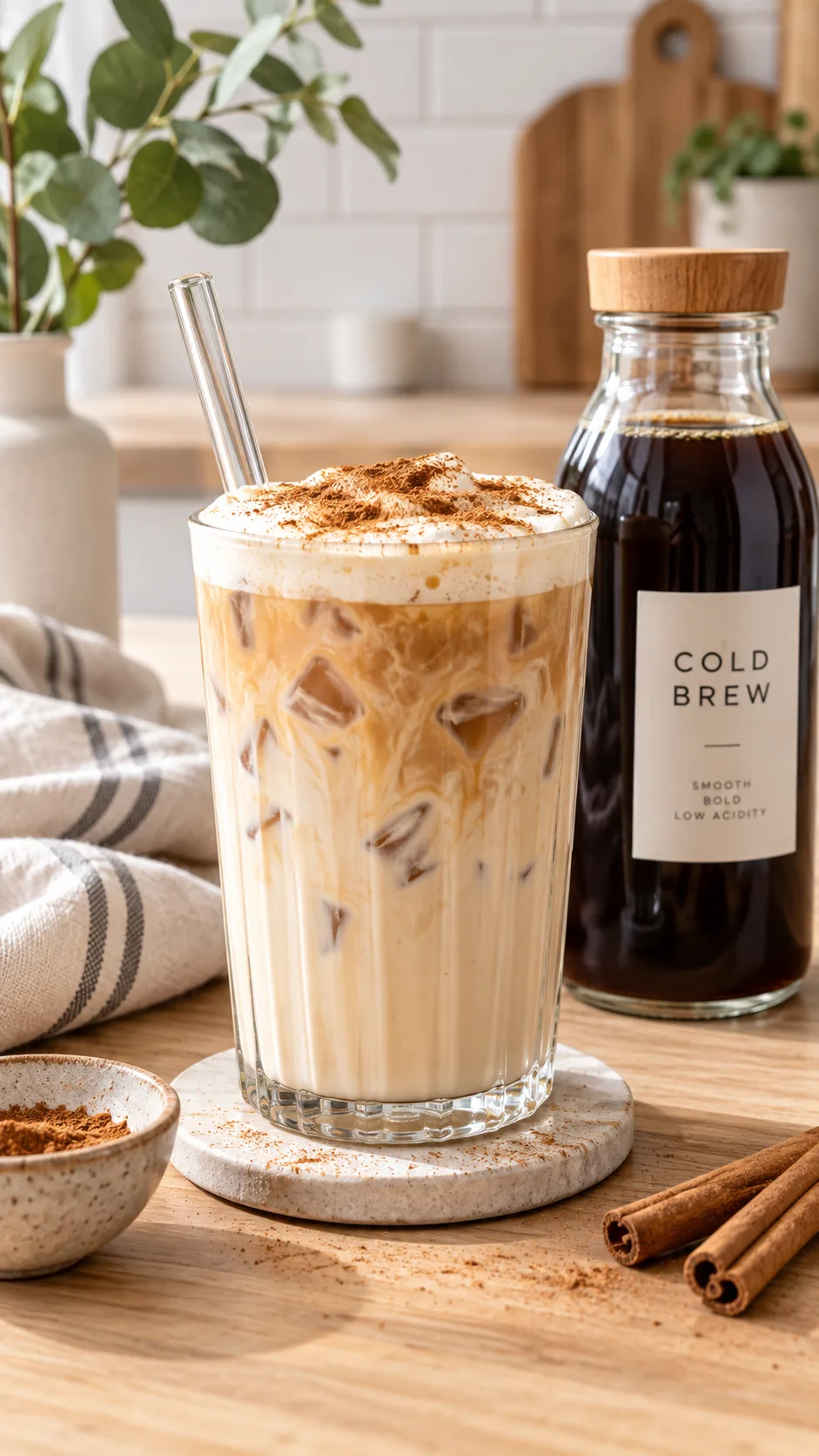
3. Cold brew protein morning fuel
Skip chalky canned meal replacements and make fresh iced coffee instead. Combine four ounces of smooth cold brew concentrate with four ounces of lactose free whole milk. Whisk in one scoop of vanilla whey isolate and one tablespoon of smooth almond butter.
Blend with two ice cubes. The caffeine provides early morning energy, while the fats and dairy proteins keep you full.
The high-protein strained cereals you forgot about
You can eat grains on a full liquid diet, but you must prepare them the right way. Standard oatmeal contains coarse rolled flakes that irritate healing tissues. In contrast, strained hot cereals supply warm comfort and easy calories.
Cream of Wheat made with bone broth or whole milk
Most people cook farina or Cream of Wheat with water, yielding bland paste without nutritional value. Instead, cook your farina in whole milk or savory chicken bone broth.
Whisk the grain continuously while cooking to prevent clumps. Once cooked, thin the mixture with extra warm broth or milk until it matches the consistency of heavy cream. Pour it through a fine mesh sieve into your bowl. This simple bowl settles sensitive stomachs.
Smooth strained congee
Asian culinary traditions rely on congee (rice porridge) during convalescence. Boil jasmine rice in chicken broth at a 1:10 ratio for two hours until the rice grains disintegrate completely into a thick, milky liquid. Strain the liquid through cheesecloth or a fine sieve, discarding the leftover rice pulp.
Season the strained rice broth with a drop of toasted sesame oil and fine sea salt. This liquid calms irritated intestines while supplying quick energy to support recovery.
How to batch-prep liquids without losing your mind
Drinking every meal takes time. If you blend, strain, and wash appliances six times every day, you will exhaust yourself within forty-eight hours. Smart meal planning protects your rest. Applying sensible cheap meal prep ideas keeps your grocery bill low while keeping your fridge stocked.
Follow this prep routine to streamline your days:
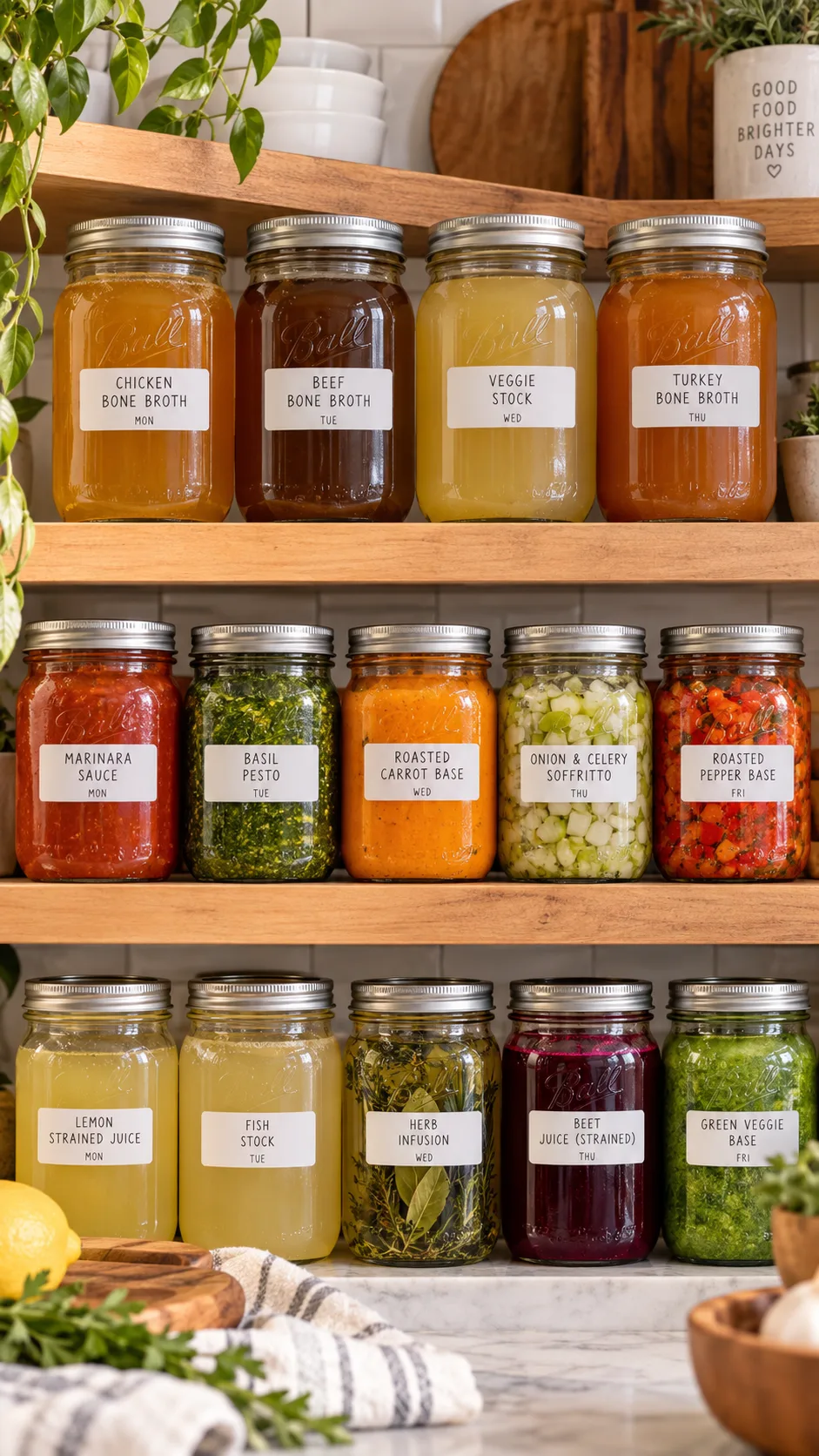
- Cook large savory bases in advance: Simmer a stockpot of vegetable-infused bone broth. Divide it into small glass mason jars. Keep half in the fridge and freeze the rest.
- Strain directly into a dedicated pitcher: Never pour hot soup into a small bowl, or you will spill it across your counter. Rest a wide fine mesh strainer over a wide mouth pitcher instead.
- Rinse blender jars right away: Dried protein powder and milk residue stick like glue within ten minutes. Rinse the pitcher with hot water and soap right after pouring your meal.
- Use an immersion blender: An immersion blender lets you puree soups right in your saucepan, saving you from washing extra appliance parts.
Vital health rules: avoid nutritional pitfalls
Liquid diets change your digestion quickly. Without solid food to slow down transit time, your intestines process fluids much faster. Follow these safety rules to protect your hydration and mineral balance.
1. Watch out for dumping syndrome
If you recently underwent gastric bypass or sleeve gastrectomy, liquids loaded with simple sugars can trigger dumping syndrome. Your body shifts water rapidly into your intestines to dilute concentrated sugar, causing nausea, cold sweats, heart palpitations, and diarrhea.
Keep your simple sugars low. Read labels carefully. Avoid concentrated fruit juices, sweetened yogurts, and regular soda. Choose unsweetened bases and gentle sweeteners instead.
2. Count your electrolytes, not just plain water
Drinking liters of plain water without dietary sodium and potassium washes essential electrolytes out of your system. You can end up with brain fog, muscle weakness, and leg cramps. The National Institute of Diabetes and Digestive and Kidney Diseases advises patients on liquid regimens to include mineral-rich broths and electrolyte solutions every day.
Salt your broths well. Add unsweetened coconut water to smoothies for potassium. If your doctor approves, sip balanced electrolyte powders without added dye.
3. Sip slowly; never use a straw
Drinking through a straw pulls excess air into your digestive tract. Swallowed air creates painful gas and bloating, which can strain healing incisions along your stomach or esophagus.
Drink your meals from an open mug or use a soup spoon. Take small, measured sips. Spend 20 to 30 minutes finishing an eight-ounce portion. Eating slowly gives your stomach hormones enough time to tell your brain you are full.
Sample 1-day full liquid menu plan
Here is an example schedule that provides roughly 1,400 calories and more than 85 grams of protein while staying within strict full liquid guidelines.
| Meal Time | Liquid Menu Item | Macronutrient Totals |
|---|---|---|
| 8:00 AM (Breakfast) | Cinnamon Roll Cottage Cheese Nectar (blended smooth with whole milk and vanilla). | 22g Protein / 8g Fat / 14g Carbs |
| 10:30 AM (Snack) | Warm turmeric bone broth whisked with 1 scoop unflavored collagen peptides. | 15g Protein / 2g Fat / 1g Carbs |
| 1:00 PM (Lunch) | High-Protein Strained Cauliflower Soup (with unflavored whey and cream). | 24g Protein / 12g Fat / 10g Carbs |
| 3:30 PM (Snack) | Cold Brew Protein Morning Fuel blended with unsweetened almond butter. | 18g Protein / 9g Fat / 5g Carbs |
| 6:30 PM (Dinner) | Silky Thai Coconut Curry Broth with chicken bone base and coconut cream. | 16g Protein / 16g Fat / 6g Carbs |
| 8:30 PM (Nightcap) | Warm thinned chamomile tea with raw clover honey and hydrolyzed collagen. | 10g Protein / 0g Fat / 8g Carbs |
Drink plenty of water or herbal tea between these scheduled meals to support kidney function and stay hydrated.
Transitioning away from liquids without upsetting your stomach
When your doctor clears you to leave the liquid phase, avoid rushing into heavy meals. Eating dense solid food too soon can cause intense stomach cramps.
Your digestive system slows down enzyme production when processing only fluids. Heavy solids irritate your stomach lining after days without chewing. Ease into soft foods over several days.
Start by thickening your purees with mashed potatoes or cooked winter squash. Introduce soft scrambled eggs, ricotta cheese, and flaky mashed fish in small portions. If your stomach cramps or bloats, pause and return to high protein liquids for another day or two before trying again.
Stay satiated and heal strong
A post surgical liquid diet tests your patience, but you do not have to endure constant hunger. When you swap sugary drinks for protein rich broths, healthy fats, and strained soups, you protect your muscle mass and stay comfortable while you recover.
Pull out your blender, grab a sturdy fine mesh strainer, and stock your kitchen with nourishing broths, curries, and creamy purees. Give your body the time and fuel it needs to heal, and you will move through this recovery phase with confidence.