

Most people who watched the Victoria’s Secret Fashion Show in the 2010s wondered how those women sustained themselves. Backstage interviews routinely glorified nine-day liquid cleanses, powdered egg whites, and near-zero carbohydrate intakes. Nobody needs to faint in a grocery store checkout line to fit into a pair of jeans.
Throw that outdated routine away. Today, runway models work alongside sports dietitians, lift heavy weights, and build muscle. They eat dense, whole food because starvation ruins skin health, wrecks thyroid function, and crashes metabolic rate. Real food builds lean muscle and sustains energy throughout long days.
I tested this routine for four weeks before writing this guide. A well-built VS model diet meal plan produces clear results while silencing mid-afternoon hunger completely. Here is how modern runway athletes fuel their daily training.
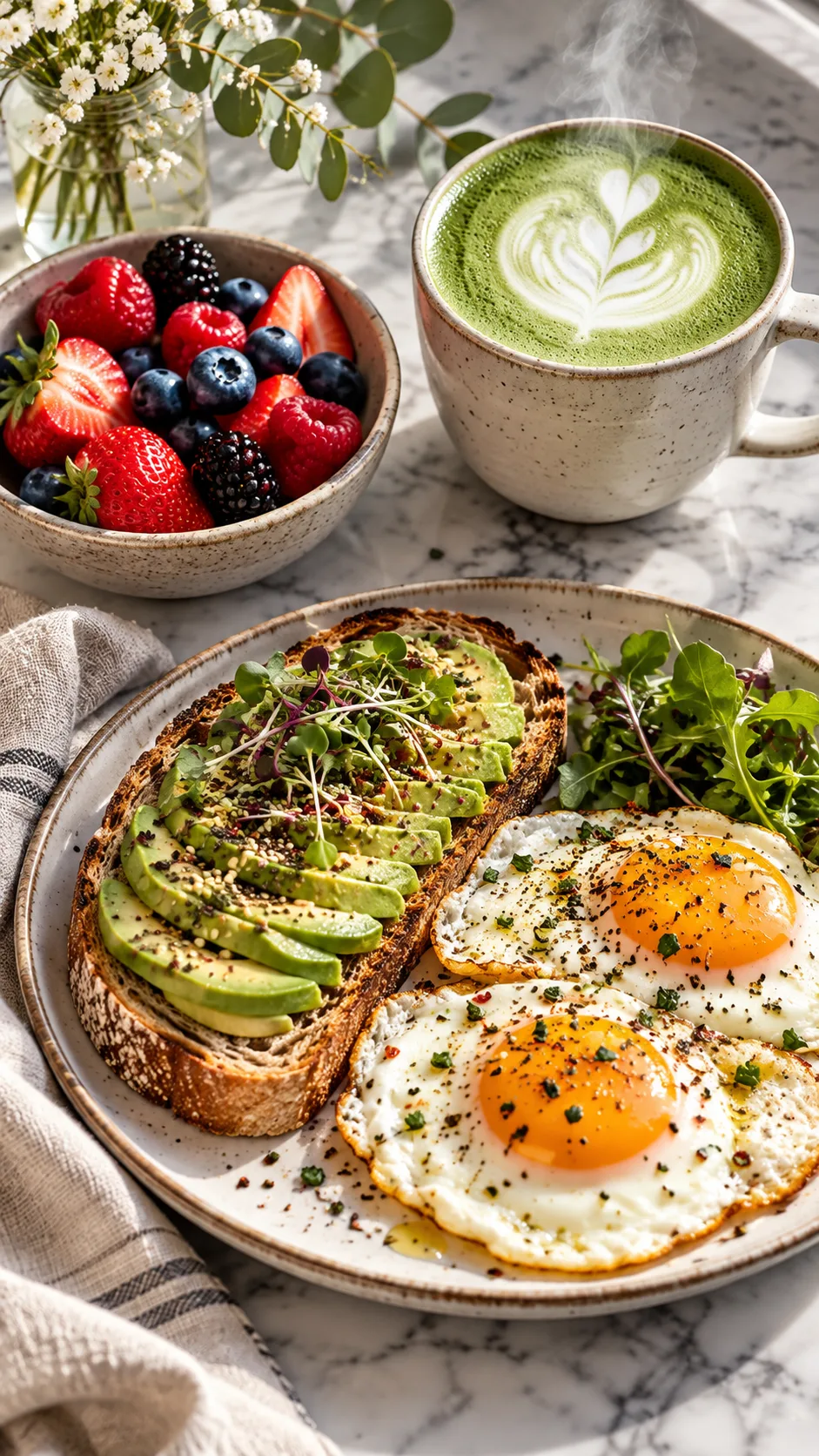
The old runway myth vs. the modern model reality
The modeling world overhauled its nutritional playbook over the past decade. Ten years ago, runway prep revolved around severe calorie cuts and hours of steady cardio. Today, top runway stars train like sprinters and pilates instructors.
Severe calorie deficits cannibalize lean tissue and tank the resting metabolic rate. When you starve the body, it consumes muscle before burning fat. Trainers like Justin Gelband and Megan Roup now direct their clients toward whole-food, clean eating meal plans packed with micronutrients, healthy fats, and complete proteins.
Trainers look for firm skin elasticity, minimal water retention, and sharp muscle definition. A leaf of iceberg lettuce and lemon water will never build sculpted shoulders or strong glutes. Real food creates that shape. Modern runway models consume between 1,700 and 2,200 calories daily during intensive training blocks, adjusted for height and training volume.

The science of satiety: why you will never starve on this plan
A 400-calorie plain bagel leaves you starving sixty minutes later, yet 400 calories of wild salmon and asparagus keeps you satisfied for four hours. Gut peptides, blood sugar stability, food density, and gastric stretch explain this difference.
This meal structure relies on the Protein Leverage Hypothesis, published through the National Institutes of Health. The human body drives appetite until it absorbs a specific threshold of amino acids. Low-protein meals leave that biological quota unfilled, causing continuous hunger signals throughout the day.
Four primary mechanisms control this satiety response:
- Leptin and ghrelin balance: Protein intake lowers ghrelin, the primary hunger hormone, while raising peptide YY and GLP-1 to signal fullness directly to the brain.
- Gastric volume stretch: High-volume leafy vegetables physically stretch the stomach wall. Mechanoreceptors along your gastric lining detect this tension and send instant fullness signals through the vagus nerve.
- The thermic effect of food: Your digestive tract burns roughly 20 to 30 percent of all protein calories simply cleaving amino acid bonds. Carbohydrates demand only 5 to 10 percent, and dietary fats require barely 0 to 3 percent.
- Blood sugar stabilization: Blood sugar swings trigger intense cravings. Combining dietary fiber with healthy fats slows carbohydrate absorption, preventing sharp insulin spikes and steadying daytime energy.
If your fat loss stalls, review our guide to the carb cycling meal plan that breaks plateaus. Alternating higher-carbohydrate training days with lower-carbohydrate rest days supports thyroid hormone output and speeds up fat oxidation.
The 4 golden rules of the runway plate
Before cooking, apply these four dietary rules. Top coaches use these benchmarks to build symmetrical, lean physiques without tracking every gram of seasoning.
- Anchor every plate with 25 to 35 grams of complete protein: Do not consume carbohydrates in isolation. Build every meal and snack around whole amino acid sources such as wild salmon, pasture-raised eggs, roasted chicken breast, or organic tempeh.
- Double vegetable volume with water-rich greens: Fill half of every plate with dark leafy greens, zucchini, cucumbers, radishes, or broccoli florets. Chewing fibrous vegetables increases meal duration, creates physical fullness, and delivers intracellular hydration.
- Rely on anti-inflammatory fats: Natural dietary fats do not make you gain weight, but degraded industrial oils create water retention and systemic inflammation. Models choose cold-pressed extra virgin olive oil, wild seafood, avocados, and raw seeds to keep skin clear under bright production lights.
- Finish dinner three hours before bed: Digestion elevates core body temperature and disrupts restorative sleep cycles. Deep sleep facilitates cortisol clearance, which controls whether your body retains fluid around the midsection by morning.
The 7-day VS model meal plan that keeps you full
Here is a seven-day meal schedule prioritizing crunchy textures, healthy digestion, and long-lasting fullness. Swap days or repeat preferred meals based on your personal routine.
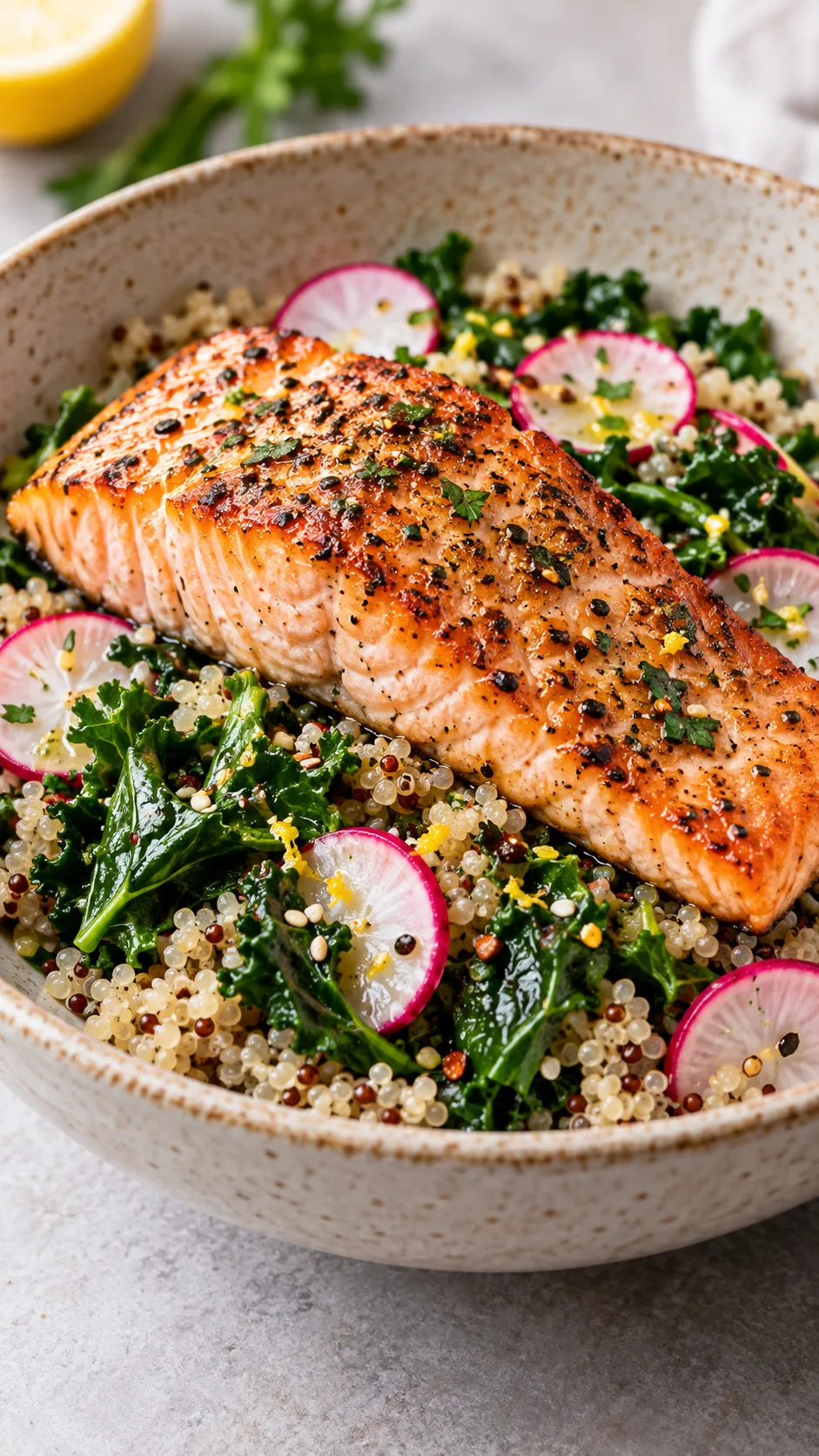
Day 1: Kickoff and gut reset
- Breakfast: Two whole pasture-raised eggs soft-scrambled in grass-fed ghee, served over one cup of warm baby spinach with half a sliced avocado and a pinch of Celtic sea salt. Pair with unsweetened ceremonial matcha whisked into hot water with a splash of unsweetened almond milk.
- Lunch: Tuscan kale salad with 5 ounces of grilled chicken breast, half a cup of rinsed chickpeas, sliced cucumbers, kalamata olives, and two tablespoons of extra virgin olive oil and lemon juice dressing.
- Afternoon Snack: One cup of 2% plain Greek yogurt with one tablespoon of ground chia seeds and fresh blueberries.
- Dinner: 6 ounces of baked wild sockeye salmon with lemon slices, one cup of roasted asparagus, and half a baked Japanese sweet potato drizzled with cold-pressed coconut oil.
Day 2: High energy and volume focus
- Breakfast: Green smoothie: Blend one scoop of grass-fed whey or pea protein isolate, one cup of unsweetened almond milk, a large fistful of baby spinach, half a frozen green banana, one tablespoon of almond butter, and a small slice of fresh ginger root.
- Lunch: Mediterranean quinoa bowl: Combine half a cup of cooked quinoa, 5 ounces of canned skipjack tuna, diced bell peppers, chopped fresh parsley, cherry tomatoes, and two tablespoons of tahini garlic dressing.
- Afternoon Snack: Sliced English cucumber rounds topped with mashed avocado, hemp hearts, and pink Himalayan salt.
- Dinner: Ground turkey skillet: Sauté 5 ounces of 93% lean ground turkey with shredded cabbage, zucchini ribbons, coconut aminos, sesame oil, and toasted sesame seeds.
Day 3: Deep muscle recovery
- Breakfast: An omelet made from three egg whites and one whole egg, filled with button mushrooms, torn basil, and cherry tomatoes. Serve with one slice of toasted sourdough bread brushed with extra virgin olive oil.
- Lunch: Mixed herb salad with 5 ounces of poached chicken tenders, shredded red cabbage, shaved fennel, pumpkin seeds, and an olive oil apple cider vinegar vinaigrette.
- Afternoon Snack: One small green Granny Smith apple sliced thin and dipped in one tablespoon of raw cashew butter.
- Dinner: Pan-seared cod or sea bass fillet served over cauliflower parsnip puree with garlic-sautéed broccolini.
Day 4: Midweek glow booster
- Breakfast: Chia seed pudding: Soak three tablespoons of chia seeds in one cup of unsweetened coconut milk overnight. Top with a scoop of marine collagen peptides, chopped raw walnuts, and fresh raspberries.
- Lunch: Butter lettuce wraps: Wrap 5 ounces of sliced roasted turkey breast inside butter lettuce leaves with sliced avocado, pickled red onions, and stone-ground mustard. Add a side of raw fermented sauerkraut.
- Afternoon Snack: Two hard-boiled eggs seasoned with za’atar spice, served with two celery stalks.
- Dinner: Five ounces of grilled flank steak served with roasted Brussels sprouts tossed in balsamic glaze and minced garlic.
Day 5: Anti-bloat pre-weekend protocol
- Breakfast: Warm protein oats: Cook one-third cup of rolled oats in water. Stir in one scoop of vanilla plant protein after pulling the pot off heat, then top with one teaspoon of flaxseed oil and fresh blackberries.
- Lunch: Chilled shrimp salad: Toss 6 ounces of steamed shrimp with fresh arugula, hearts of palm, diced Persian cucumbers, mint leaves, and a lemon-dill dressing.
- Afternoon Snack: Bone broth mug: Sip 12 ounces of warm chicken bone broth seasoned with ground turmeric, black pepper, and lemon juice.
- Dinner: Six ounces of baked skinless chicken thighs served alongside roasted kabocha squash cubes and steamed baby zucchini.
Day 6: Movement and endurance fuel
- Breakfast: Avocado toast: Toast one slice of sprouted grain bread. Top with half a mashed avocado, two poached eggs, microgreens, and red pepper flakes.
- Lunch: Seared ahi tuna steak (5 ounces) served over warm shredded bok choy, edamame, grated ginger, and a light tamari dressing.
- Afternoon Snack: A palm-sized serving of raw macadamia nuts and unsweetened dried tart cherries.
- Dinner: Slow-cooked shredded chicken breast served over roasted spaghetti squash with no-sugar-added marinara and freshly grated pecorino cheese.
Day 7: Rest, digest, and restore
- Breakfast: Scrambled eggs: Whisk two whole eggs with two tablespoons of unsweetened almond milk. Fold in 3 ounces of wild smoked salmon ribbons, capers, and chopped fresh dill. Serve with half a pink grapefruit.
- Lunch: Roasted protein bowl with leftover chicken or steak, roasted mixed vegetables, baby arugula, half an avocado, and fresh lemon juice.
- Afternoon Snack: Protein chocolate pudding: Blend half an avocado with one scoop of chocolate protein powder, two tablespoons of raw cacao powder, and unsweetened almond milk until thick.
- Dinner: Grilled lamb loin chops (two small chops) served with a Greek salad of cucumbers, tomatoes, red onion, fresh oregano, and sheep feta cheese.
This meal design removes all feelings of deprivation by providing three substantial meals and a filling snack daily. If you practice time-restricted eating, read the 16:8 intermittent fasting meal plan that keeps you full to align your daily meals with your circadian rhythm.
Pre- and post-workout fueling secrets
Runway models avoid strenuous fasted training. High-intensity resistance training on an empty stomach spikes cortisol, encouraging the female body to conserve body fat while breaking down hard-earned muscle tissue.
Coaches structure carbohydrate intake around workouts. Before tough pilates reformer or strength sessions, models eat light, fast-digesting carbohydrates. Half a banana with a teaspoon of almond butter 45 minutes before training provides immediate glucose for muscular contractions without upsetting digestion or causing a mid-workout energy crash.
The post-workout window requires amino acids to halt exercise-induced muscle breakdown. Drink a shake with 25 grams of whey or plant protein within forty-five minutes of finishing your workout. Blend the powder with unsweetened coconut water. The natural potassium and sodium in coconut water restore electrolyte balance quickly, keeping muscle tissue full and hydrated.

The runway hydration and debloat protocol
Many people wake up with a flat stomach only to notice abdominal swelling by evening. Cutting water intake makes this problem worse. Dehydration triggers aldosterone release from the adrenal glands, which forces the body to retain fluids under the skin.
Runway models drink 3 to 3.5 liters of mineral-rich water every day. They manage water balance through deliberate hydration habits rather than dehydration pills.
Use these strategies to reduce water retention and prevent muscle cramps:
- Replace standard table salt with Celtic sea salt: Refined salt provides pure sodium chloride stripped of minerals. Celtic or Himalayan salts provide dozens of trace minerals that draw fluid inside muscle cells instead of pooling it under the skin.
- Drink roasted dandelion root tea: Dandelion root acts as a gentle herbal diuretic. It supports liver function and natural fluid balance without depleting potassium.
- Increase dietary potassium: Potassium counters excess sodium. Regularly eat avocados, spinach, coconut water, and wild salmon to support cellular fluid balance.
- Avoid sugar alcohols: Sweeteners such as erythritol, maltitol, and xylitol ferment in the gut, causing rapid bloating and fluid shifts. Always check ingredient labels on packaged protein bars.
The emergency craving toolkit: what models grab
Late-night cravings hit everyone. Successful runway models do not raid cupboards for ultra-processed sweets when hunger strikes at night. Instead, they pick high-satiety foods that satisfy sweet or salty cravings while supporting their body composition.
Keep these three snacks prepped in your kitchen:
1. The frozen berry crunch bowl
Pour one cup of frozen blueberries into a bowl and add two tablespoons of cold, unsweetened almond milk. The milk freezes on contact with the cold fruit, forming an icy shell similar to shaved gelato. Sprinkle raw cacao nibs on top to satisfy chocolate cravings without refined sugar.
2. The savory bone broth latte
When you crave salty chips or fries, heat a cup of rich beef bone broth. Froth in half a teaspoon of grass-fed butter, a dash of garlic powder, and a pinch of sea salt with a milk frother. The dietary collagen coats the stomach while the rich broth satisfies salty cravings.
3. Tart cherry and magnesium elixir
Mix two tablespoons of pure tart cherry juice with sparkling mineral water and one scoop of magnesium bisglycinate powder. Clinical research cited by the Sleep Foundation shows Montmorency cherries naturally raise circulating melatonin levels. This drink settles sugar cravings while calming your nervous system before sleep.
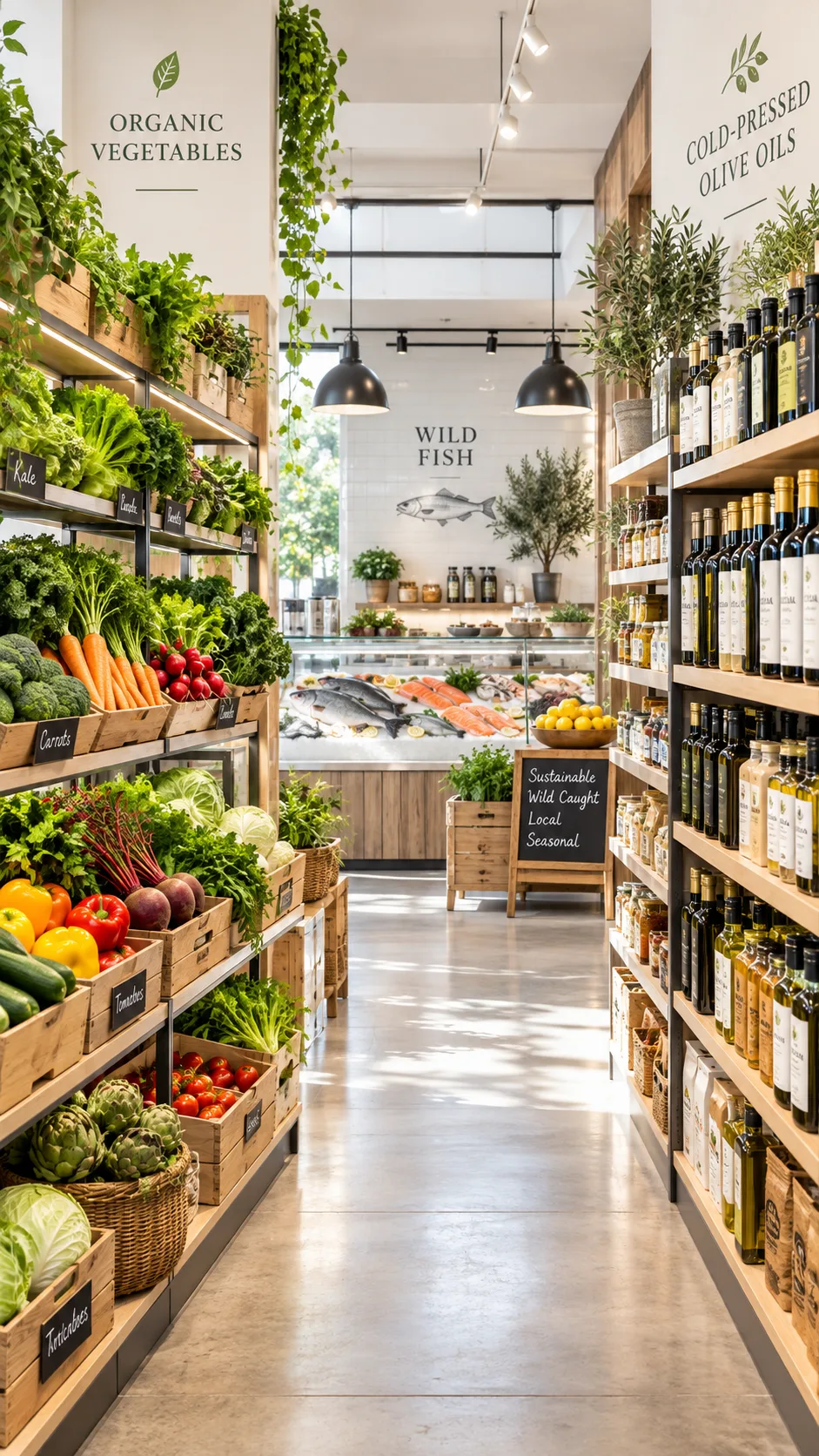
Your runway grocery haul checklist
Never enter a supermarket without a clear shopping list. Food manufacturers engineer center-aisle products to trigger overeating. Stick to the store perimeter and load your cart with these whole staples.
Clean animal and plant proteins
- Wild Alaskan sockeye salmon fillets
- Pasture-raised eggs
- Skinless chicken breasts and thighs
- Canned skipjack tuna in spring water
- 93% lean ground turkey
- Plain 2% Greek yogurt or skyr
- Liquid bone broth
Fiber and volume produce
- Baby spinach and lacinato kale
- Persian seedless cucumbers
- Japanese sweet potatoes
- Broccolini, asparagus, and Brussels sprouts
- Fresh ginger root, mint, dill, and cilantro
- Wild blueberries and fresh raspberries
- Fresh lemons and limes
Metabolic healthy fats
- Extra virgin olive oil in dark glass bottles
- Haas avocados
- Raw pumpkin seeds and chia seeds
- Raw walnuts and almonds
- Grass-fed ghee
How to make this plan work for your real life
Runway models train for single-day events. You want a strong, lean body that fits into a normal life. You do not need absolute perfection 365 days a year.
Follow the 85/15 rule. Eat high-protein, nutrient-rich meals 85 percent of the time. Reserve the other 15 percent for fresh pasta at a neighborhood restaurant, a glass of red wine, or dessert on the weekend. Sustainable habits outlast rigid perfection.
Cutting industrial seed oils, prioritizing dietary protein, hydrating with electrolytes, and protecting deep sleep will help your body shed excess fat without starvation. You do not need to crash-diet on celery juice. Eat nutrient-rich whole foods, lift weights, and let your body perform at its best.