

You tried going vegan before, didn’t you? You cleared out your fridge, bought twenty pounds of raw kale, stared mournfully at a block of cold tofu, and quit by day four because you felt famished and cranky. Many people run into this exact roadblock. Most beginner vegan plans read like punishment manuals designed by people who hate flavor.
You do not need to starve yourself on watery celery sticks or choke down fake meat patties that taste like salted cardboard to make this work. You just need a plan that satisfies your biological hunger cues while keeping your meals delicious.
This guide gives you a grounded framework for lasting results. You will learn how to build filling meals, handle cravings, cover your nutrient bases, and make plant foods a normal part of your routine.
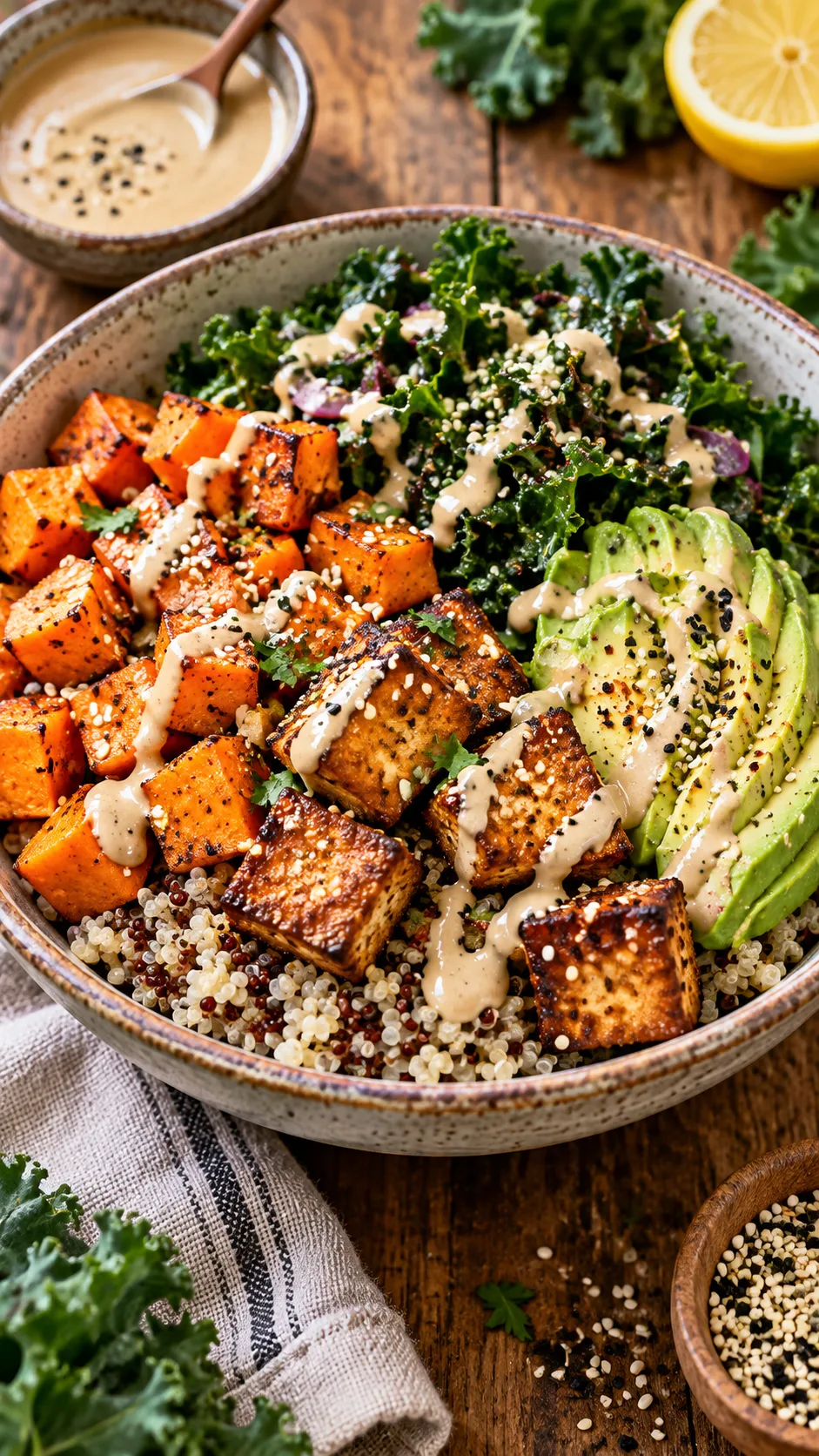
Why most vegan beginner plans fail (the calorie trap)
Why do so many beginners drop plant-based eating within their first two weeks? Willpower rarely causes the drop-off. The real culprit is basic energy math.
Meat, dairy, and eggs pack high caloric density into small volumes. When you swap a 700-calorie bacon cheeseburger for a 150-calorie raw garden salad, your body demands fuel. Your blood sugar drops, your hunger hormones spike, and your brain demands quick calories. You run straight to the pantry for whatever snacks you can find.
Newcomers usually stumble into two common traps:
- The salad trap: You eat only watery raw greens, run low on energy, and blame the lack of meat for your fatigue. In reality, you underate calories.
- The processed trap: You replace every animal food with hyper-processed vegan cheeses, pastries, and frozen meat substitutes. These items help during busy social nights, but relying on them around the clock leads to sluggish digestion and an expensive grocery bill.
For sustainable habits, focus on calorie-dense, unrefined whole foods. Fill your kitchen with potatoes, whole grains, lentils, beans, and nuts. When you eat enough energy through real food, physical cravings stop. The equation stays straightforward.
The crowding out method: a painless transition
Most diet plans push you to toss half your pantry into the trash overnight. That cold-turkey shift creates friction and leads straight to burnout. Instead of focusing on what you remove, focus on what you add.
Many dietitians recommend the crowding out approach. You do not ban your regular comfort foods right away. Instead, you load your plate with hearty plant foods first. Your stomach fills up, leaving far less room for heavy animal products.
Start with three simple steps:
- Change your breakfast first: Keep your lunches and dinners identical to your usual routine, but make your morning meal entirely plant-based. Make a thick bowl of rolled oats with peanut butter, chia seeds, sliced bananas, and soy milk.
- Follow the 50% split: Fill half your dinner plate with seasoned lentils, black beans, or baked tempeh before dishing up anything else. If you used our pescatarian diet for beginners guide, you know how small adjustments build lifelong routines.
- Switch your milk: Pour creamy oat milk into your morning coffee and use unsweetened soy milk for dinner recipes. Oat milk froths easily, so you keep your morning latte ritual intact.
Plant-based protein without the headache
You can retire the old myth right now: you will not develop a protein deficiency on a balanced vegan diet. Athletes and marathoners train hard on plant fuel every day. When you eat enough total calories across balanced meals, you hit your daily protein numbers naturally.
You also do not need to stress over pairing specific proteins at every single lunch or dinner. Decades ago, outdated texts claimed you had to swallow rice and beans in the same bite to make a complete amino acid profile. The Harvard T.H. Chan School of Public Health dismissed that claim long ago. Your liver maintains an amino acid pool all day, pulling components together as your body builds tissue.
If you track targets with our Macros Diet for Beginners framework, you know these numbers accumulate quickly. Keep these reliable staples in your kitchen:
- Tempeh (31g protein per cup): Made from fermented soybeans, tempeh gives you a firm texture, nutty taste, and easy digestion.
- Seitan (25g protein per 3 ounces): Known as wheat meat, seitan mimics the bite of poultry and delivers serious protein density.
- Lentils (18g protein per cooked cup): Lentils cost pennies per serving. They simmer tender in twenty minutes without prior soaking and absorb sauces like a sponge.
- Edamame (17g protein per cup): Keep frozen edamame bags on hand. Steam them for five minutes, sprinkle them with sea salt, and eat them as a quick snack.
- Tofu (10-15g protein per 3 ounces): Press out the water, coat the cubes in cornstarch and tamari, and bake them until crispy. Good seasoning turns plain tofu into an incredible dinner.
Combine these with whole grains like quinoa, farro, and brown rice to stay full between meals. If your goals include muscle gain, see our breakdown in The Protein Diet Plan That Actually Keeps You Full to hit your numbers easily.
Essential micronutrients: your non-negotiables
A plant-forward pattern reduces systemic inflammation and protects cardiovascular health, but plants do not make every micronutrient your body uses. Skipping basic supplements can lead directly to low energy and poor blood counts.
Keep these baseline nutrients on your checklist:
1. Vitamin B12
Bacteria in soil and water produce Vitamin B12, not animals or plants. Modern municipal water treatment filters these microbes out, so commercial farms feed B12 supplements directly to livestock. Skip that middle step and take your own supplement. Buy a bottle of cyanocobalamin or methylcobalamin. The National Institutes of Health (NIH) confirms that your body needs B12 for healthy red blood cells and nerve tissues. Take 2,000 mcg weekly or 250 mcg daily.
2. Iron and Vitamin C pairing
Plant foods contain non-heme iron, which absorbs differently than the heme iron found in meat. You can increase absorption by pairing plant iron with Vitamin C. Squeeze lemon juice over warm spinach, or drop sliced bell peppers into a skillet of black beans. This simple combination speeds up your iron uptake.
3. Algae-based omega-3 fats (DHA and EPA)
Flaxseeds, chia seeds, and walnuts contain ALA, an essential plant fat. However, human enzymes convert ALA into EPA and DHA slowly. Fish build their tissue levels because they consume microalgae. Take an algae-oil softgel to support your brain, joint function, and heart health directly.
4. Vitamin D3 and iodine
Unless you spend your days outside under strong sunlight, your body probably produces less Vitamin D3 than it needs. Choose vegan D3 sourced from lichen instead of sheep wool lanolin. For iodine, season your food with regular iodized table salt, or sprinkle dulse flakes onto your rice bowls.

The 7-day satisfying vegan meal blueprint
This plan skips raw juice cleanses, overpriced protein powders, and rare ingredients. Every day relies on satisfying, familiar meals filled with complex carbohydrates, whole proteins, and nourishing fats.
Day 1: Comfort food kickoff
- Breakfast: Peanut butter banana oatmeal prepared with soy milk, chopped walnuts, and a pinch of cinnamon.
- Lunch: Chickpea salad sandwich with mashed avocado, Dijon mustard, capers, and chopped celery on toasted sourdough.
- Dinner: Smoky lentil sauce poured over rigatoni pasta, finished with nutritional yeast for savory flavor.
- Snack: Sliced apples with almond butter.
Day 2: Tex-Mex favorites
- Breakfast: Tofu scramble seasoned with turmeric, cumin, nutritional yeast, and diced bell peppers, served with warm corn tortillas and salsa.
- Lunch: Leftover lentil pasta from the previous night.
- Dinner: Burrito bowl with brown rice, black beans, roasted corn, grilled fajita onions, pico de gallo, and guacamole.
- Snack: Roasted cashews and dark chocolate squares.
Day 3: Warm curries
- Breakfast: Protein smoothie made with frozen berries, one banana, pea protein powder, spinach, chia seeds, and oat milk.
- Lunch: Leftover burrito bowl rolled into a whole-wheat wrap.
- Dinner: Chickpea and spinach curry simmered with coconut milk, crushed tomatoes, ginger, and garam masala, served over jasmine rice.
- Snack: Stovetop popcorn tossed in olive oil and nutritional yeast.
Day 4: Fast and fresh
- Breakfast: Whole-grain toast topped with mashed avocado, hemp seeds, red pepper flakes, and sea salt.
- Lunch: Leftover chickpea curry with warm pita bread.
- Dinner: Crispy pan-seared sesame garlic tofu cubes tossed with broccoli florets, snap peas, and tamari over quinoa.
- Snack: Steamed edamame pods sprinkled with coarse sea salt.
Day 5: Comfort classics
- Breakfast: Overnight oats mixed with rolled oats, ground flaxseed, cocoa powder, maple syrup, and soy milk, topped with raspberries.
- Lunch: Leftover sesame garlic tofu and vegetables.
- Dinner: Butternut squash and white bean soup served with a warm baguette.
- Snack: Sliced cucumbers and carrots dipped in garlic hummus.
Day 6: Weekend meals
- Breakfast: Whole-wheat banana pancakes with pure maple syrup and fresh blueberries.
- Lunch: Mezze plate with warm pita, hummus, kalamata olives, marinated artichoke hearts, and sliced cucumbers.
- Dinner: Sheet-pan pizza topped with tomato sauce, sautéed mushrooms, caramelized onions, spinach, and almond ricotta.
- Snack: Medjool dates filled with creamy peanut butter.
Day 7: The prep day
- Breakfast: Savory rice bowl with warm brown rice, leftover tofu scramble, steamed greens, avocado slices, and sriracha.
- Lunch: Leftover vegetable sheet-pan pizza and a side salad.
- Dinner: Three-bean sweet potato chili topped with crushed corn tortilla chips and scallions.
- Snack: Trail mix with raw almonds, pumpkin seeds, and dried cranberries.
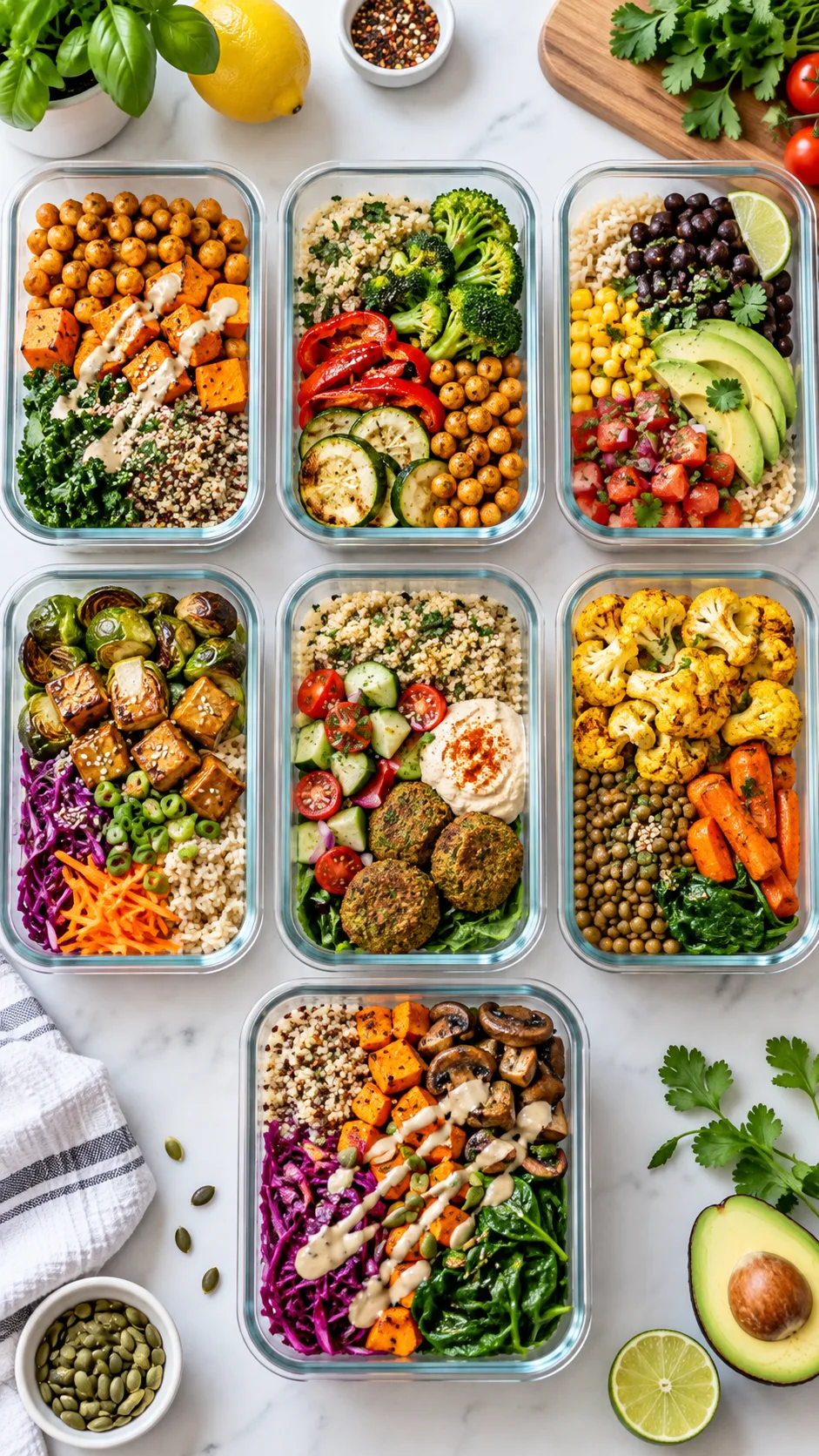
Smart grocery shopping: your survival cart
Grocery aisles often distract new shoppers with expensive boxed items and fancy specialty labels. Leave those displays behind. You can build great plant meals using basic, budget-friendly pantry staples found in every neighborhood market.
Organize your grocery trips around these four zones:
The budget pantry shelf
- Canned beans: Black beans, chickpeas, kidney beans, and cannellini beans.
- Whole grains: Brown rice, rolled oats, quinoa, whole-wheat pasta, and farro.
- Fats and spreads: Peanut butter, tahini, extra virgin olive oil, and raw walnuts.
- Seasonings: Nutritional yeast for savory depth, soy sauce or tamari, smoked paprika, garlic powder, and vegetable bouillon paste.
The freezer section
Frozen vegetables deliver excellent nutrient quality, matching fresh produce according to data from the Academy of Nutrition and Dietetics. Fill your cart with frozen broccoli florets, shelled edamame, green peas, and berries. When fresh produce runs low late in the week, your freezer keeps you from spending money on takeout.
Fresh produce basics
- Greens: Baby spinach and kale (spinach wilts into hot soups and stir-fries quickly without changing the base flavor).
- Tubers and aromatics: Sweet potatoes, russet potatoes, garlic, and yellow onions.
- Fruits: Bananas, fresh lemons, crisp apples, and seasonal fruit.
How to handle social dinners without awkward conversations
Cooking plant meals in your own kitchen is easy. Eating dinner at a summer family cookout can test anyone. You do not need to deliver speeches about food production systems to explain your plate. Keep your interactions friendly and relaxed.
Try these three practical approaches:
- Bring a hearty dish for everyone: Show up with a pot of three-bean chili, an herb pasta salad, or a big bowl of guacamole with corn tortilla chips. Other guests will enjoy good food, and you will have a solid meal waiting for you.
- Read restaurant menus ahead of time: Check menus online before you sit down with a group. Most kitchens can adjust simple plates on request. If a menu lacks a plant entree, ask the kitchen to combine their vegetable and grain sides onto one plate. Thai, Indian, Mexican, and Ethiopian restaurants provide easy plant choices without special requests.
- Keep explanations brief and upbeat: When relatives ask about your habits, skip the lectures. You can say: “I feel energetic and sleep great eating this way, so I stick with it.” People rarely argue against your personal physical comfort.
The mindset: consistency beats perfection
Did you eat a dinner roll that had milk powder in the recipe? Did you order late-night takeout pizza after a tough shift? Take a breath. You did not ruin your health goals, and you did not erase your work.
Obsessing over strict perfection leads to unnecessary frustration. If you eat 21 meals in a week and 20 of them rely on whole plant ingredients, you did an exceptional job. Let the slip-up go, move on, and make a warm bowl of oatmeal for breakfast tomorrow.
Your long-term health responds to what you do across months and years, not what happened at a single party. Give yourself room to learn while your cooking habits and digestion settle into the rhythm.
Your next move
Adopting a plant-based routine does not call for extreme restriction or bland plates. It requires good calories, attention to a few base nutrients, and a pantry full of foods you enjoy cooking.
Skip the habit of waiting for next Monday to start over. Go to your pantry today. Pick one morning meal from our weekly list, write down the ingredients, and make it tomorrow morning. Once you experience how full and energized you feel through the afternoon, the rest falls into place.