

You drink two full liters of water every morning, yet you still feel completely drained by 11:00 AM. Your head throbs, your energy drops, and your stomach demands salty chips or sweet pastries. For decades, conventional diet advice told people to chug plain water by the gallon and eliminate salt entirely. Health columnists warned that sodium ruins arteries and inflates waistlines.
Modern nutritional science offers a very different perspective. Health advocates, researchers, and physicians now drop raw Himalayan rock salt into their morning glasses. People call this the pink salt diet trick, and the habit can change how your body operates from sunrise to sunset. I was skeptical when my coach first handed me a glass of warm saltwater years ago. I expected bloating and an upset stomach. Instead, I noticed steady focus, easy digestion, and an end to morning cravings.
Before raiding your spice cabinet, look at basic human physiology rather than internet hype. You do not need powdered detox cleanses or starvation fasts to manage your hunger. You only need to give your body the basic minerals it uses to regulate fluid, support metabolic rate, and stabilize appetite signals.
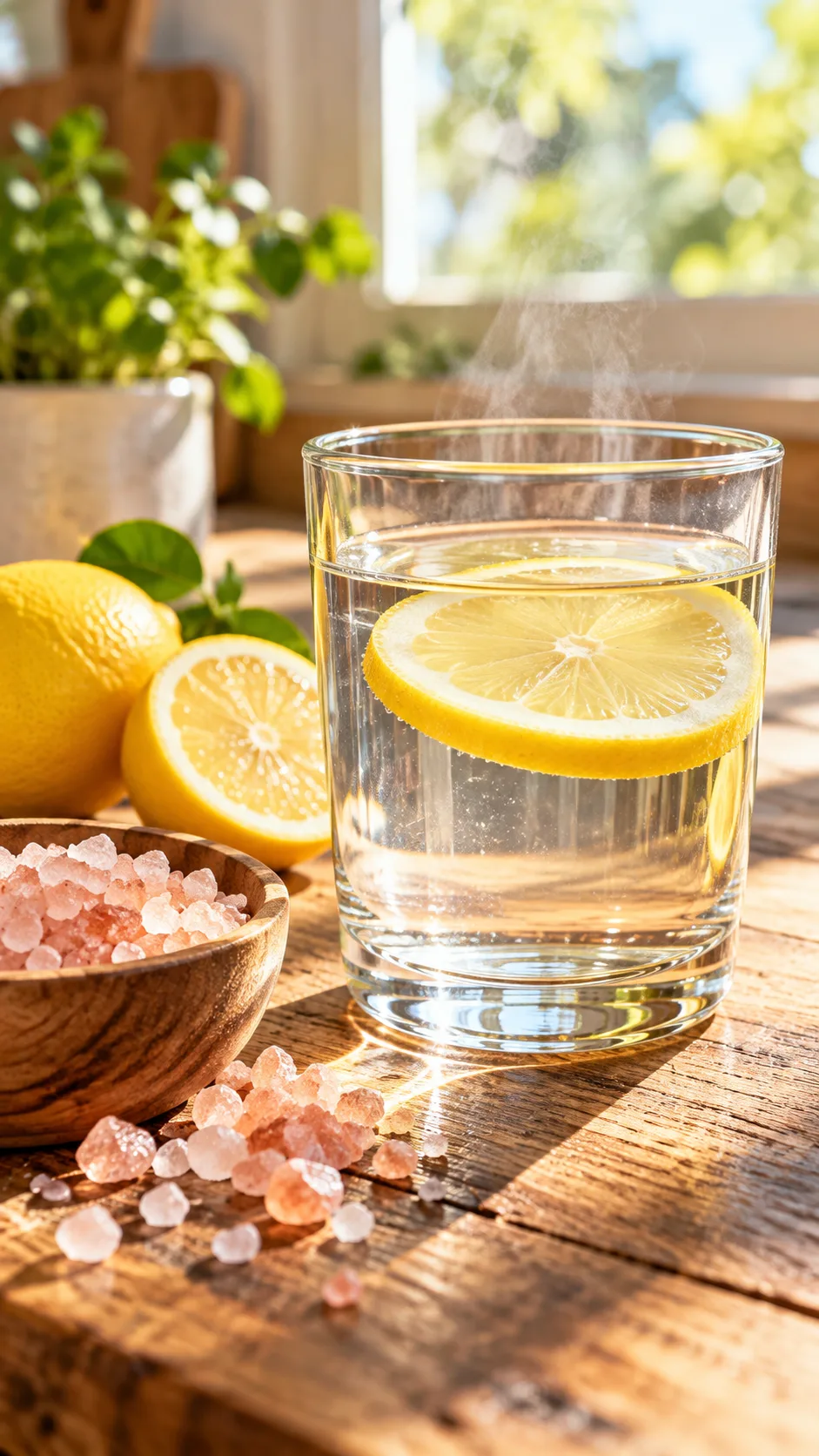
What exactly is the pink salt diet trick?
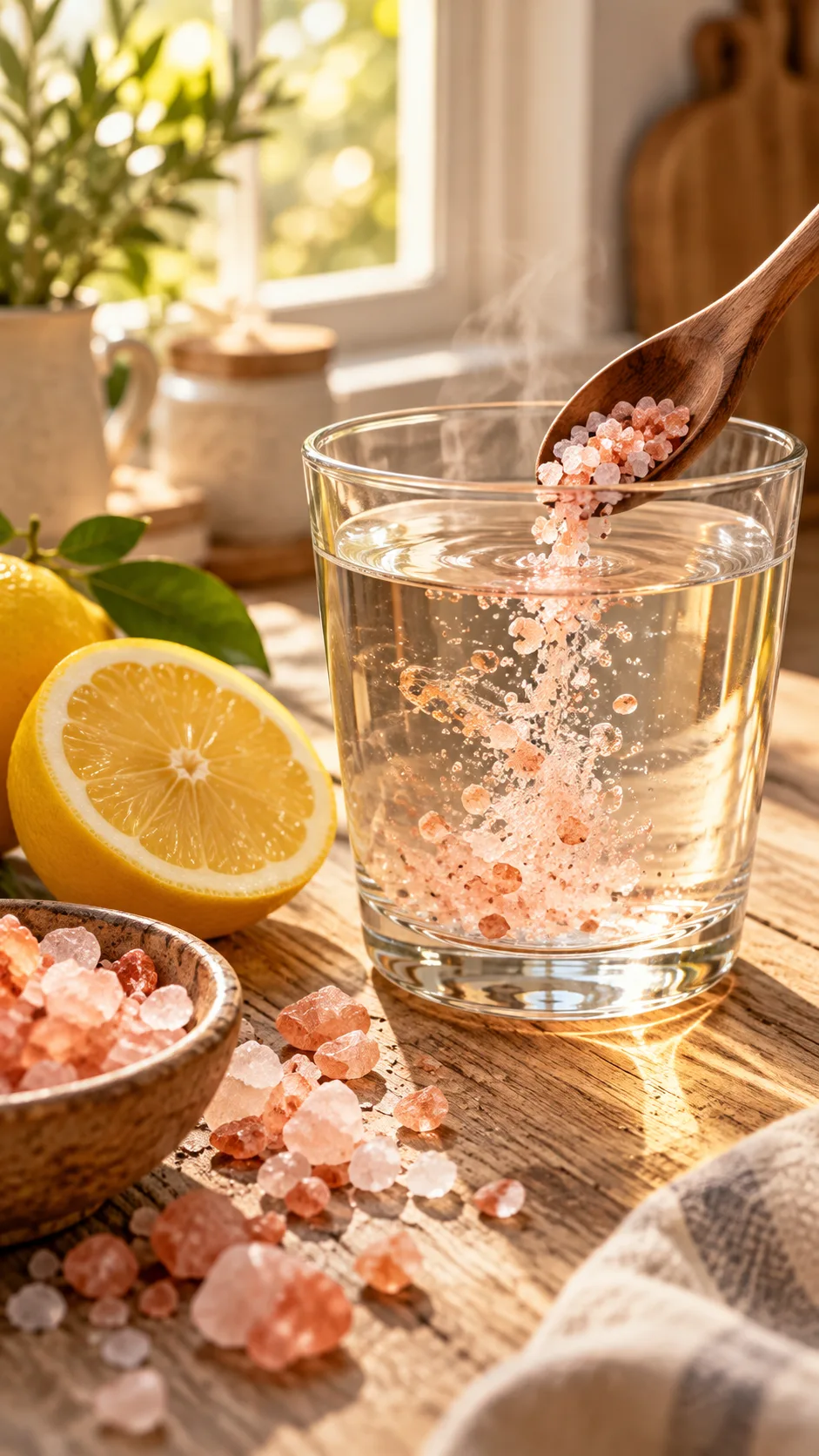
The routine requires almost zero effort: you stir a pinch of unrefined Himalayan pink salt into warm water right after waking up, usually adding fresh lemon juice. Some call the mixture a morning electrolyte tonic, while Ayurvedic traditions call a saturated version Sole (pronounced so-lay).
You drink this mineral water on an empty stomach twenty minutes before having breakfast or coffee. This habit does not function like commercial weight loss teas that act as harsh laxatives, nor does it melt fat out of thin air. Instead, it restores cellular hydration before morning work drains your physical energy.
During seven or eight hours of sleep, your lungs expel moisture and your skin loses fluid. You wake up low on both water and minerals. Gulping down a huge glass of plain, filtered tap water dilutes the remaining electrolytes in your bloodstream. Your kidneys immediately dump that excess fluid into your bladder, sending you to the bathroom repeatedly before noon without quenching your thirst.
A pinch of unrefined pink salt solves that issue. The sodium and trace elements turn plain water into a balanced solution your gut absorbs immediately. You pull water directly into your cells instead of flushing it straight down the drain.
Why Himalayan pink salt beats standard table salt
Why avoid the common blue container of white table salt in your pantry? Industrial food processing strips standard table salt of its natural mineral content. Processors bleach the crystals, heat them past 1,200 degrees Fahrenheit, and add anti-caking agents like sodium aluminosilicate so the grains never clump.
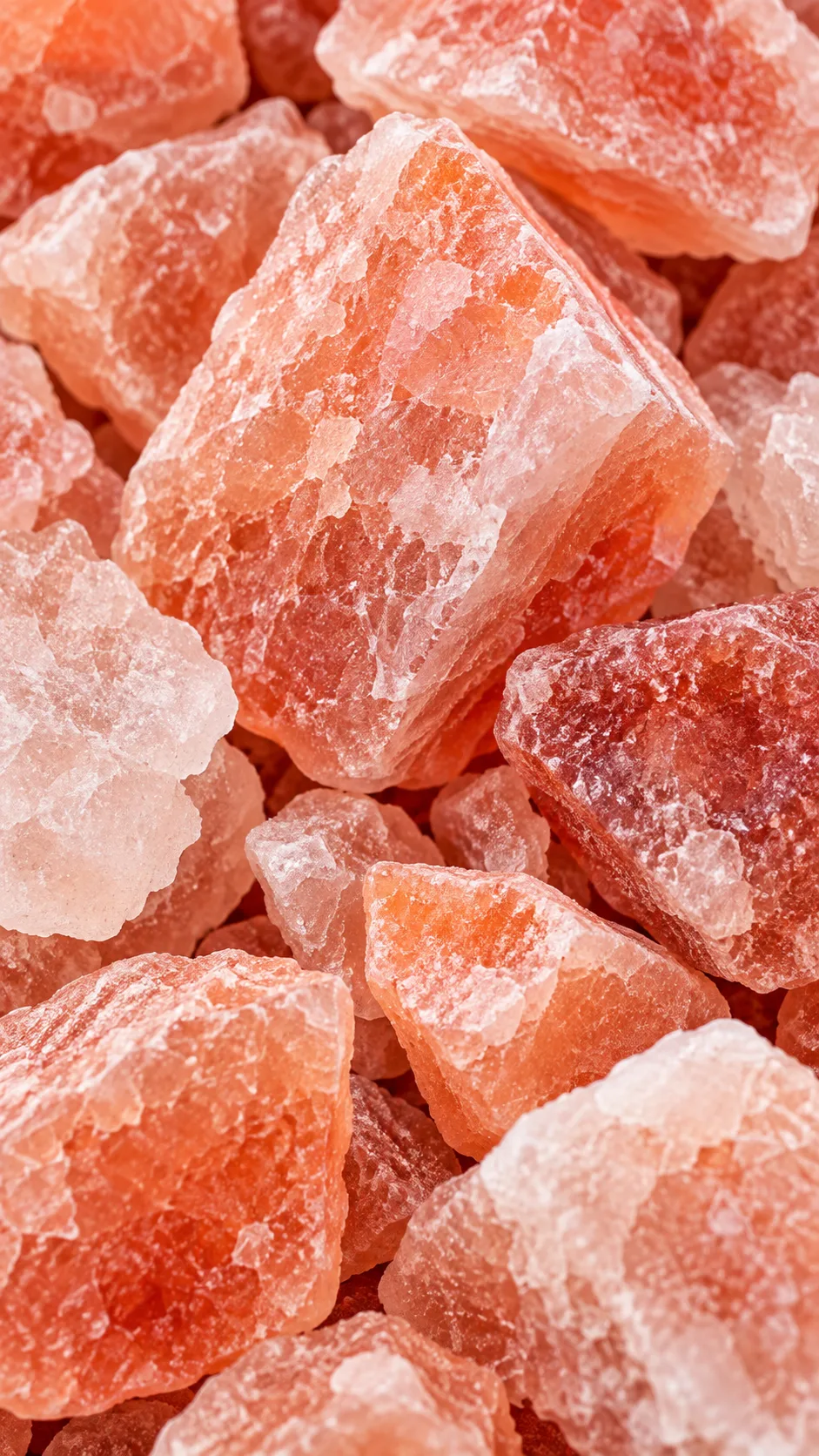
Himalayan pink salt forms through a completely different geological process. Miners extract the raw crystals from seabed deposits inside the Khewra Salt Mine in Pakistan. These rock beds settled millions of years ago, before modern industrial waste polluted the oceans. Iron and other embedded trace minerals give the crystals their characteristic pink color.
Compare the nutritional composition of both salts:
- Commercial table salt: Contains about 99% pure sodium chloride, chemical flow agents, and synthetic iodine. Heavy refining removes every natural trace mineral from the raw rock.
- Raw Himalayan pink salt: Contains roughly 96% to 98% sodium chloride alongside up to 84 trace minerals, including magnesium, potassium, calcium, and iron. It contains no bleaches or chemical conditioners.
These trace minerals support basic metabolic health. Magnesium relaxes blood vessel walls, potassium balances fluid inside cells, and calcium drives muscle contractions throughout your intestines. Pairing these minerals with a sensible program like our Fat Loss Diet Plan That Actually Works helps your body utilize stored energy efficiently.
How this morning habit supports digestion and metabolism
Several distinct biological mechanisms explain why salted water shifts daily energy levels and appetite.
1. It restores stomach acid production
Many people experience reflux, gas, or slow digestion after eating protein. While patients often blame excess stomach acid, clinical publications from sources like Harvard Health Publishing show that inadequate stomach acid causes most of these complaints. The stomach lining requires two building blocks to produce hydrochloric acid: hydrogen and chloride.
Himalayan salt supplies natural chloride ions. When you sip salt water early in the day, the parietal cells in your stomach take up those chloride ions to synthesize hydrochloric acid. Strong stomach acid breaks down animal and plant proteins, destroys ingested pathogens, and signals the pancreas to release digestive enzymes during meals. Complete digestion prevents gas and improves nutrient absorption.
2. It activates the sodium-glucose transport mechanism
Your small intestine uses a transport gateway called the sodium-glucose cotransporter (SGLT1) to move fluids into circulation. This protein requires sodium ions to carry water across the intestinal wall into the bloodstream.
When you drink demineralized water from reverse-osmosis filters, your gut absorbs fluid slowly. Pink salt delivers the sodium ions needed to activate this transport mechanism immediately. Water enters your bloodstream faster, expands plasma volume, and supports healthy blood circulation. With adequate blood volume, your heart circulates oxygen without straining.
3. It controls hunger and sugar cravings
The human brain frequently confuses sodium deficiency with sugar cravings. When blood sodium drops, the adrenal glands release aldosterone and adrenaline to retain fluid. This stress signal prompts your central nervous system to seek fast calories, steering you toward bagels, pastries, and sweetened coffee drinks.
Supplying sodium and minerals upon waking satisfies your physiological drive for electrolytes before appetite hormones like ghrelin surge. People managing calorie intake through our Macros Diet for Beginners frequently report that a salted morning drink eliminates mid-morning snack impulses.
The adrenal connection: why salt calms morning jitters
Many people wake up feeling tense and overwhelmed before starting their day. Cortisol rises naturally within forty-five minutes of waking to promote alertness. Chronic stress, however, leads the adrenal system to release excess aldosterone alongside cortisol.
Aldosterone directs how your kidneys manage sodium and potassium balance. When daily stress taxes adrenal function, the kidneys excrete sodium into urine too quickly. That sodium loss forces the body to release adrenaline to maintain blood pressure, creating the rapid heart rate and jittery nervousness that disrupt peaceful mornings.
A quarter teaspoon of raw Himalayan salt prevents this chain reaction. The mineral intake helps maintain blood volume, halts unnecessary adrenaline spikes, and stabilizes resting heart rate. Within days of starting this habit, I watched my morning tension turn into steady focus.
How to make the morning pink salt tonic
Do not dump a whole spoonful of salt into cold water and chug it. A heavy dose of salt draws water into the intestines rapidly and causes sudden diarrhea. Follow these instructions to prepare the drink properly.
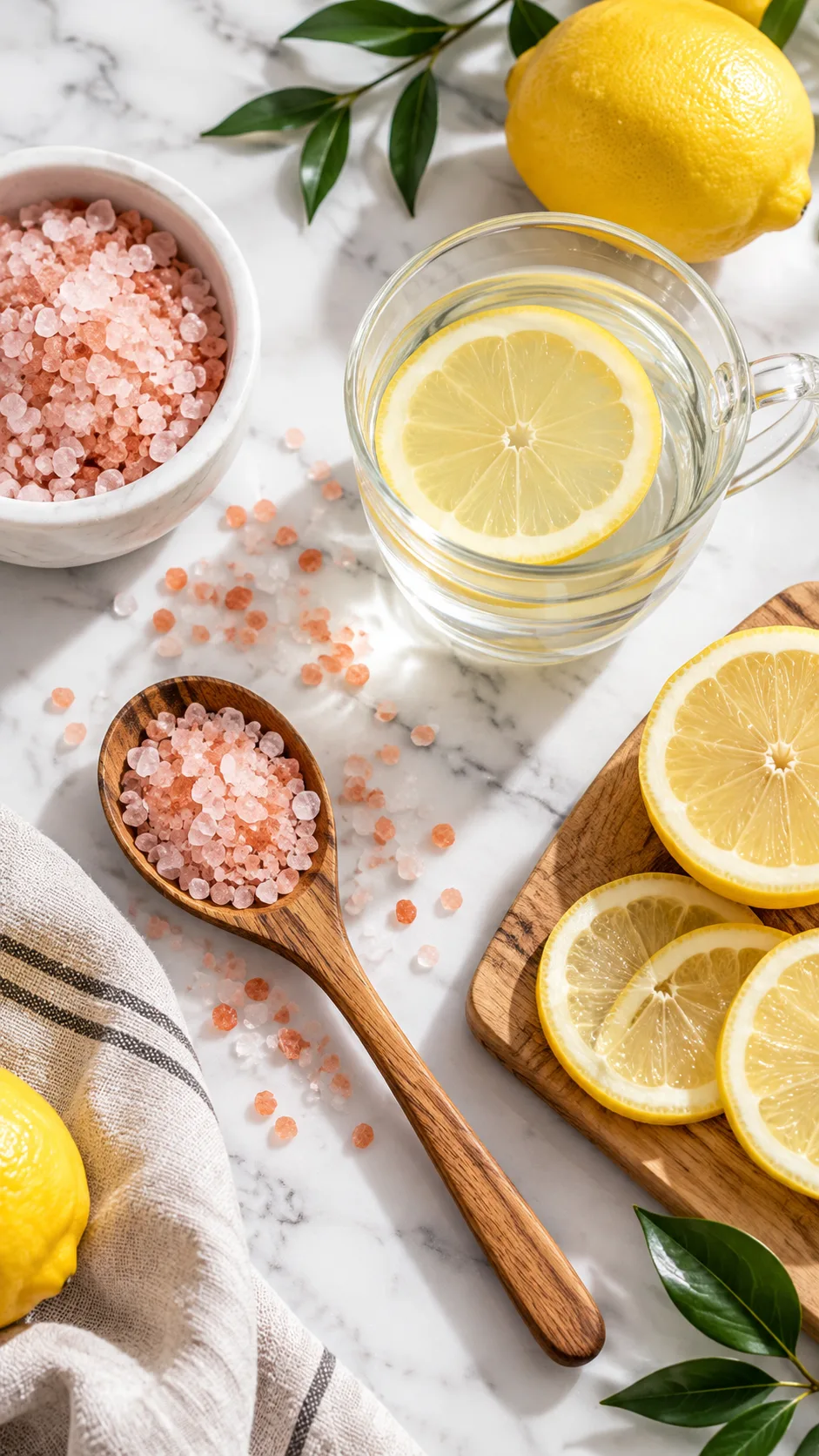
- Gather ingredients: Measure 12 to 16 ounces of warm filtered water, one-quarter teaspoon of fine Himalayan pink salt, and two teaspoons of fresh lemon juice.
- Stir thoroughly: Add the salt to the warm water and stir until the crystals dissolve completely. Warm water breaks down mineral crystals much faster than cold water.
- Add lemon: Squeeze in the lemon juice. Lemon contributes potassium and vitamin C while balancing the mineral flavor of the salt.
- Drink gradually: Sip the tonic over five to ten minutes. Avoid chugging the full glass at once.
- Wait before eating: Wait twenty to thirty minutes before consuming breakfast or coffee. This break lets your digestive system absorb the electrolytes without interference from food.
The water should taste mild and savory, resembling a light broth. It should never taste like seawater. If the drink tastes uncomfortably salty, stir in more warm water.
Salt and blood pressure: reviewing the evidence
Public health guidelines have warned against dietary sodium for decades, claiming that salt uniformly harms cardiovascular health. Recent cardiology studies paint a much more complex picture.
Research available through the National Institutes of Health (NIH) indicates that extreme sodium restriction often worsens insulin sensitivity, raises resting pulse rates, and elevates LDL cholesterol. While individuals with salt-sensitive hypertension must control their intake, broad sodium bans can create unintended metabolic issues for healthy adults who eat whole foods.
Most excess sodium in modern diets comes from packaged convenience meals, boxed dinners, canned goods, and fast food. Those commercial foods combine refined white salt with industrial seed oils and sugars.
When you cook whole foods at home, your sodium intake drops substantially. Adding unrefined Himalayan salt restores needed minerals without delivering industrial additives. For a closer look at common misconceptions, explore The Low Sodium Diet Mistakes Most Beginners Make to learn how mineral ratios affect cardiovascular function.
Pink salt for fasting, keto, and exercise
For anyone practicing intermittent fasting or following a ketogenic diet, morning salt intake serves a functional purpose. Restricting carbohydrates fundamentally changes how the kidneys regulate mineral reserves.
When you cut carbohydrate intake, circulating insulin drops. Lower insulin prompts the kidneys to shed excess water, taking essential sodium, potassium, and magnesium with it. This mineral loss triggers the classic symptoms of “keto flu”: headaches, muscle cramps, dizziness, and sudden fatigue.
Taking pink salt in the morning prevents these symptoms before they start. The minerals supply the electrolytes your nervous system uses to contract muscle fibers and transmit neural impulses. Endurance runners and strength athletes frequently use pink salt instead of sugary commercial sports drinks to maintain hydration without spiking blood glucose.
Common mistakes to avoid
A few common preparation errors can disrupt your results. Keep these points in mind:
- Using too much salt: Do not exceed the recommended dose. Consuming a full tablespoon draws water into your digestive tract and triggers rapid diarrhea. Stick to one-quarter teaspoon.
- Buying counterfeit products: Some manufacturers dye refined table salt pink and market it as Himalayan salt. Check the packaging to confirm the salt comes directly from Pakistan.
- Using ice water: Cold water can cause cramping and slows down stomach emptying. Use warm or room-temperature water instead.
- Salting water all day long: Do not add salt to every beverage you consume. Your kidneys need plain water throughout the afternoon to regulate fluid balance properly.
Who should avoid this habit?
Different bodies handle sodium differently. What benefits an active person with healthy kidneys can cause problems for someone managing medical conditions. Consult your doctor or avoid this habit if you deal with any of the following:
- Advanced chronic kidney disease: Impaired kidneys struggle to excrete excess electrolytes, leading to dangerous fluid build-up.
- Salt-sensitive high blood pressure: Anyone on strict sodium restrictions or potassium-sparing medications must follow their physician’s guidance.
- Congestive heart failure: Sodium can cause fluid retention that strains a compromised heart.
Healthy individuals who stay active and eat whole foods generally clear and utilize these minerals without issue.
Frequently asked questions
Will drinking pink salt water break an intermittent fast?
No. Pink salt contains zero calories, protein, or carbohydrates, so it triggers no insulin response. Replenishing electrolytes often makes fasting easier by preventing headaches and suppressing false hunger pangs.
Can you use sea salt instead of Himalayan pink salt?
Unrefined Celtic sea salt works well as a substitute. Avoid standard white sea salt, which undergoes heavy processing. Many modern sea salt brands also carry traces of microplastics from ocean water. Himalayan rock deposits formed long before modern plastics entered the environment.
Does this drink cause fat loss?
Salt water does not burn fat directly. It supports fat loss indirectly by reducing sugar cravings, supporting adrenal function, and making workouts more productive. Sustained fat loss still depends on eating balanced meals and maintaining an appropriate calorie intake.
What if the saltwater upsets your stomach?
Nausea usually means you used too much salt or drank the mixture too quickly. Cut the salt dose down to one-eighth of a teaspoon, use warm water, and sip the drink slowly over ten minutes.
How long does it take to feel results?
Many people notice clearer thinking and steady energy on their first morning. Broader improvements, including fewer cravings and better exercise endurance, generally appear after a week of daily use.
Final verdict: a simple habit with measurable benefits
Sustainable nutrition does not require expensive supplement powders or rigid food restrictions. Simple daily adjustments often deliver the clearest benefits. This habit succeeds because it works directly with basic human physiology: your cells require sodium for hydration, stomach acid requires chloride for digestion, and your nervous system needs electrolytes to operate.
Tomorrow morning, pause for twenty minutes before brewing coffee. Fill a mug with warm filtered water, stir in a quarter teaspoon of unrefined Himalayan salt, add fresh lemon juice, and drink it slowly. Your adrenals, your digestion, and your focus will feel the difference.