

You cannot out-supplement a life built around panic, skipped lunches, and four coffees before noon. Food can, however, send your body a steadier message: you are safe, fuel is available, and we can stop sounding every alarm.
A sensible low cortisol diet plan will not “flush stress hormones” by Friday. Put that claim in the same category as detox foot pads and miracle belly-fat tea. This approach focuses on steady blood sugar, better sleep, digestion, exercise recovery, and the nutrients your stress-response system uses.
Have you noticed how everything feels louder when hunger, jitters, and exhaustion hit at once? Cortisol may play a part. Make your plate work for you instead of piling another impossible rule onto your day.
First: What cortisol does
Cortisol is not the enemy. Your adrenal glands release this hormone during your body’s stress response. Cortisol helps you wake up, manage blood pressure, regulate blood sugar, fight inflammation, and access energy when you need it.
Your body usually follows a daily cortisol rhythm. Levels rise around the time you wake up, then fall gradually as bedtime approaches. Stress, poor sleep, illness, hard training, under-eating, alcohol, and long gaps without food can disrupt that rhythm.
A low cortisol diet does not try to force cortisol down all day. You want a healthy rise in the morning and a calmer decline at night. Your body needs cortisol, just as a car needs brakes.
The National Institute of Diabetes and Digestive and Kidney Diseases explains that cortisol helps your body respond to stress and affects many body systems. Read its practical overview of cortisol and Cushing’s syndrome for the medical basics.
When stress turns into a food problem
Chronic stress can pull people into a rough cycle. They skip meals, grab sugar for quick energy, crash later, then reach for more caffeine or snacks. That cycle does not mean you lack discipline. Your brain wants fast fuel when it thinks trouble has arrived.
Food cannot erase a toxic workload, a family crisis, financial pressure, or a health condition. Regular, nourishing meals can still remove one major source of strain: your body’s uncertainty about when the next source of energy will arrive.
Signs your routine may need a cortisol-friendly reset
No single symptom can diagnose “high cortisol.” Social media loves that phrase because it sells powders, but your symptoms deserve more care than a 15-second reel. Talk with a qualified clinician if symptoms persist, worsen, or interfere with daily life.
Many people feel better with a steadier eating pattern when stress and exhaustion pile up. Watch for patterns instead of blaming every bad afternoon on hormones.
- You feel shaky, irritable, foggy, or ravenous after long gaps between meals.
- You rely on coffee to function, then struggle to sleep at night.
- You crave sweets or salty snacks most intensely after stressful days.
- You wake during the night and cannot easily fall back asleep.
- You train hard while eating very little, then feel drained for days.
- You experience digestive upset, headaches, low energy, or mood swings alongside erratic meals.
Many things can cause these symptoms, including anemia, thyroid disorders, anxiety, depression, diabetes, medication effects, sleep disorders, and nutrient deficiencies. Do not diagnose yourself with an endocrine condition from a checklist.
Get medical advice promptly if you notice easy bruising, new wide purple stretch marks, major muscle weakness, rapid unexplained weight changes, severe fatigue, fainting, very high blood pressure, or persistent irregular periods. A clinician can decide whether you need hormone testing. Random “saliva cortisol kits” rarely provide the clear answers their marketing promises.
The core rules of a low cortisol diet plan
Think of this plan as a steady-energy eating pattern, not a punishment menu. You do not need perfect meals, expensive superfoods, or a pantry that resembles a wellness influencer’s sponsored ad. You need enough food, decent timing, and a rhythm you can keep.
1. Eat regular meals before emergency hunger hits
Start with three meals on most days, then add one or two snacks if your hunger, activity level, pregnancy, breastfeeding, or schedule calls for them. Many people feel better when they eat every three to five hours while awake, though your needs may differ.
Regular meals can head off the intense hunger that makes a sleeve of cookies seem like a reasonable dinner. They also give you more chances to eat protein, fiber, and micronutrients through the day.
If breakfast makes you queasy, start small instead of forcing down a huge plate at 6 a.m. Try yogurt and fruit, toast with eggs, or a smoothie with protein. Build from there.
2. Build meals around protein, fiber, and healthy fats
Protein helps you stay full and supplies amino acids for tissue repair and other essential work. Fiber slows digestion, supports gut health, and can smooth out blood sugar swings. Dietary fats help meals stick with you and help your body absorb vitamins A, D, E, and K.
A simple visual rule can help: fill half your plate with vegetables or fruit, add a palm-sized protein source, choose a fist-sized high-fiber carbohydrate, and include a small source of fat. You do not need a food scale. Your kitchen does not need to become a laboratory.
- Protein: eggs, fish, chicken, turkey, Greek yogurt, cottage cheese, tofu, tempeh, beans, lentils, or lean beef.
- High-fiber carbs: oats, brown rice, quinoa, potatoes, sweet potatoes, whole-grain bread, beans, fruit, and corn.
- Healthy fats: avocado, olive oil, nuts, seeds, nut butter, olives, and oily fish.
- Plants: leafy greens, berries, peppers, tomatoes, carrots, broccoli, cabbage, oranges, and any produce you can afford and enjoy.
Need an easy starting point? These healthy breakfast meal prep ideas can make mornings less chaotic and put more real food on the table.
3. Stop treating carbohydrates like villains
Your brain and muscles use glucose for energy. Very low-carb eating may work for some people in the right circumstances, but it can leave others tired, cranky, and fixated on bread. That feels less like wellness and more like a hostage negotiation.
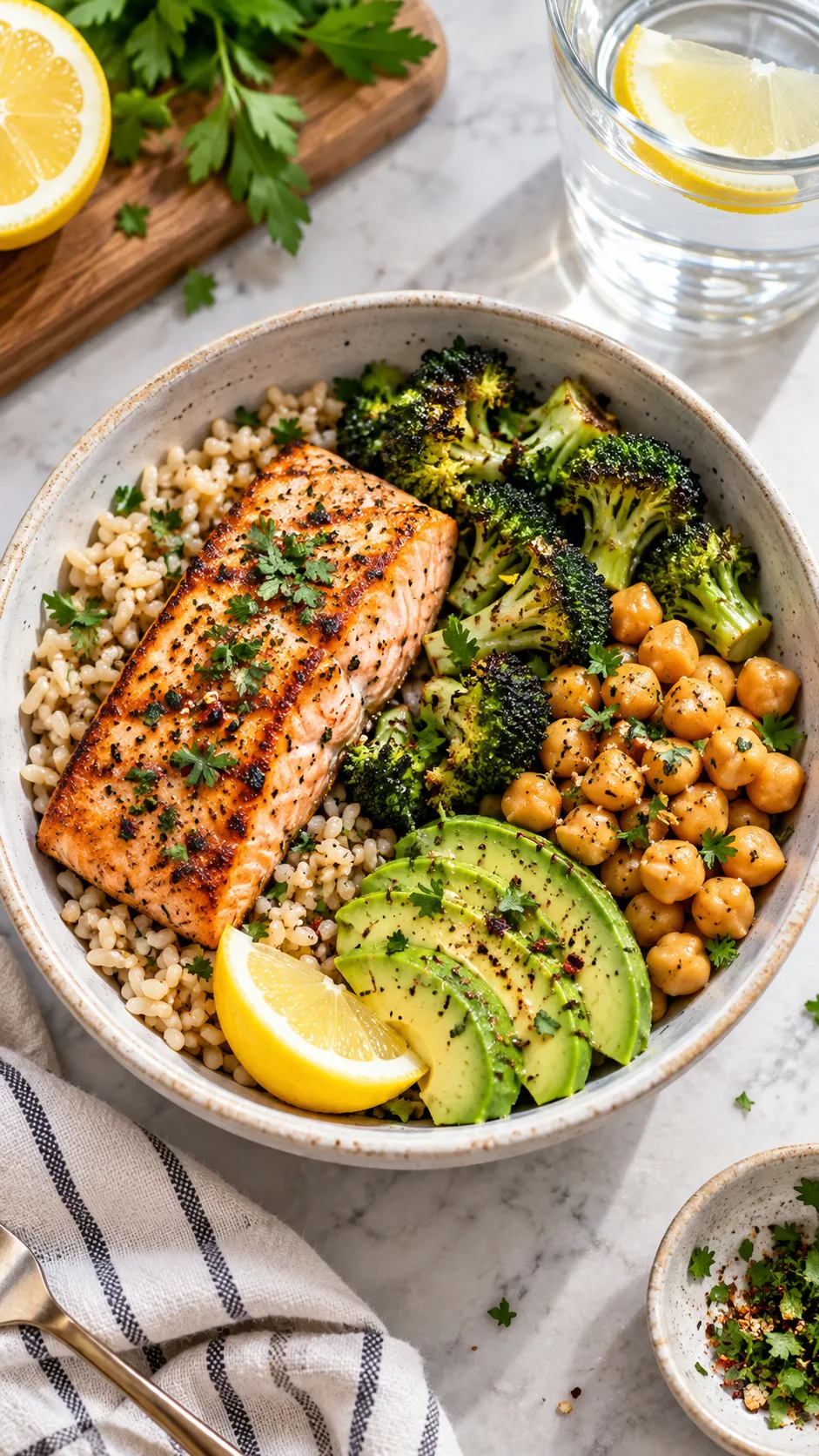
Choose carbohydrates that provide fiber and nutrients, then eat them with protein and fat. Try oats with yogurt and berries, rice with salmon and vegetables, or a baked potato with chili and avocado.
Carbohydrates may also help sleep when you include them in a balanced evening meal. You do not need a giant bowl of pasta at midnight to find out. A normal dinner can do the job.
4. Hydrate consistently, not dramatically
Dehydration can worsen fatigue, headaches, poor concentration, and that feeling that your brain has opened 37 browser tabs. Drink water regularly during the day, especially in hot weather or around exercise.
Let thirst, urine color, activity level, and climate guide you. Pale yellow urine often suggests that many people have had enough fluid. Fruit, soup, cucumber, tomatoes, and yogurt can also help you take in more fluid.
If you sweat heavily, have vomiting or diarrhea, or follow a fluid restriction for kidney, heart, or liver disease, ask your clinician for personal advice. Drinking more water does not always improve health.
Best foods for stress hormone support
Nutrition works through overall patterns, not magic ingredients. Several food groups provide nutrients that support energy metabolism, nervous system function, sleep, and recovery. Eat them regularly, but do not expect one blueberry to fix your inbox.
Magnesium-rich foods
Magnesium helps your body carry out hundreds of processes, including nerve and muscle function. Many adults do not get the suggested amount, so food-first choices offer a practical place to start.
- Pumpkin seeds, almonds, cashews, peanuts, and peanut butter
- Spinach, Swiss chard, edamame, black beans, and lentils
- Oats, whole grains, avocado, bananas, and dark chocolate with a high cocoa content
Work magnesium-rich foods into ordinary meals: add seeds to oatmeal, put beans in a grain bowl, or fold spinach into eggs. Supplements may help some people, but they can also cause diarrhea and interact with medications. Ask your pharmacist or clinician before taking one.
Vitamin C-rich foods
Your adrenal glands hold high concentrations of vitamin C, and this nutrient supports immune function and iron absorption. Bell peppers, citrus fruit, kiwi, strawberries, broccoli, tomatoes, and cabbage all offer good options.
Eat fruit with breakfast or snacks, and add colorful vegetables to lunch and dinner. If you eat plant-based iron sources, pair them with vitamin C-rich foods to help your body absorb the iron. Our guide to Nigerian foods rich in iron offers practical ideas if you want more meals that support iron intake.
Omega-3 fats
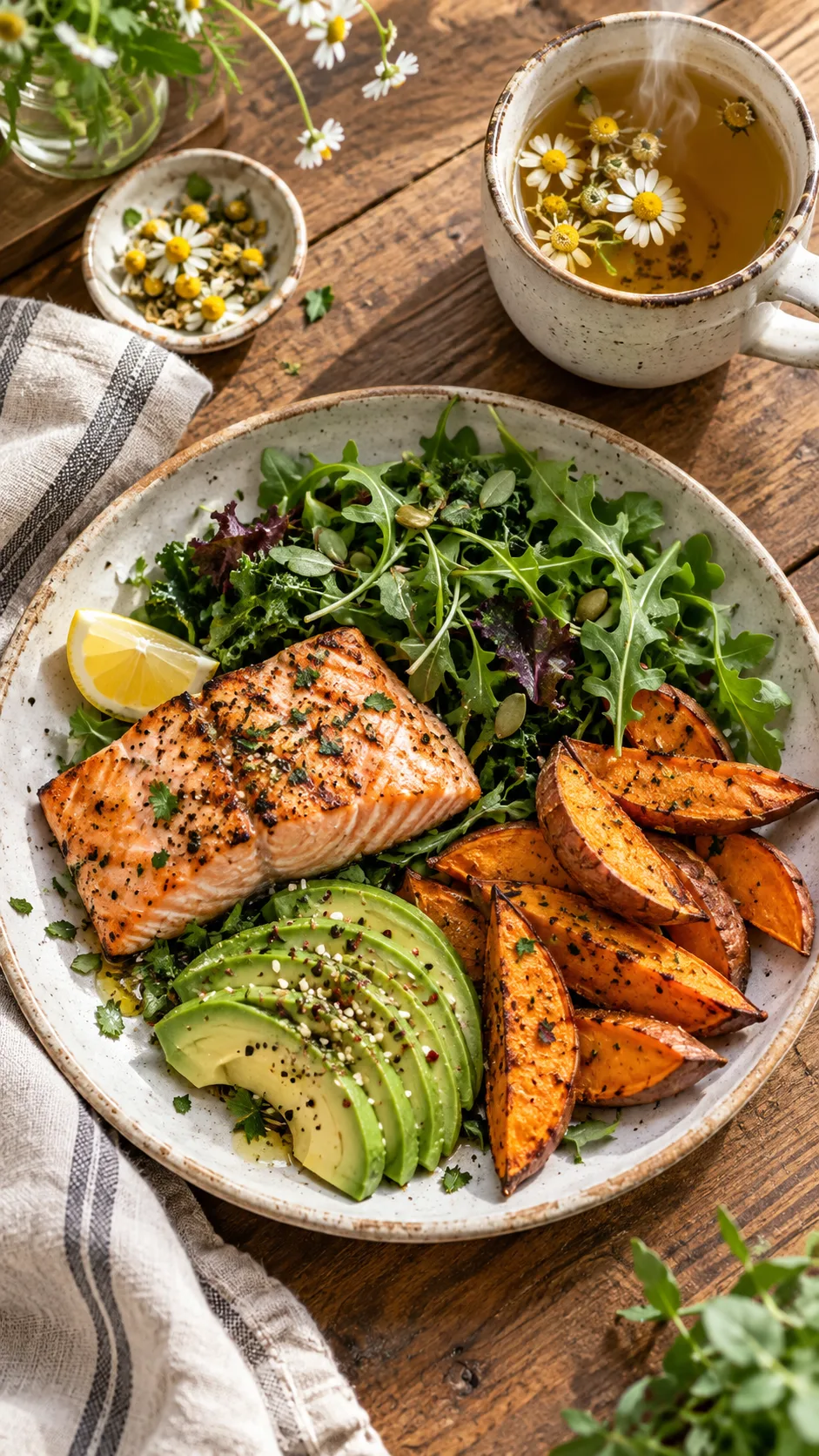
Fatty fish such as salmon, sardines, trout, herring, and mackerel provide omega-3 fats. These fats support heart and brain health, and they fit easily into a cortisol-friendly diet.
Aim for fish a couple of times each week if you eat it. If you do not, try walnuts, chia seeds, flaxseed, hemp seeds, and soy foods for plant sources of omega-3 fats. Your body converts plant omega-3s less efficiently, but these foods still provide solid nutrition.
Fermented and fiber-rich foods
Your gut and brain communicate through nerves, immune signals, and hormones. Scientists continue to study that connection, so nobody should sell probiotic yogurt as a cure for anxiety. A varied fiber intake can still support a healthy gut environment.
Choose yogurt or kefir with live cultures if you tolerate dairy. Add beans, lentils, vegetables, fruit, oats, and whole grains slowly if fiber currently upsets your stomach. Going slowly beats spending an afternoon negotiating with your intestines.
The Harvard T.H. Chan School of Public Health offers an evidence-based explainer on dietary fiber and gut health. Aim for variety, not perfection.
Foods and habits that can keep you wired
You do not need to ban every food that brings joy. A few habits can worsen jitters, energy crashes, poor sleep, and stress eating. Notice what affects your body, then make changes with curiosity rather than shame.
Too much caffeine, too late
Caffeine can sharpen focus and ease you into the morning. It can also worsen anxiety, raise your heart rate, trigger reflux, and disrupt sleep, especially late in the day. Poor sleep then leaves you wanting more caffeine tomorrow. A cute little trap, right?
Try drinking coffee after you eat instead of on an empty stomach. Consider stopping caffeine eight to ten hours before bed, since it can linger longer than you expect. The U.S. Food and Drug Administration says that up to 400 milligrams a day appears safe for most healthy adults, though tolerance varies widely.
Pregnant people, people with anxiety or heart rhythm concerns, and anyone taking certain medications may need less. Read the FDA guidance on caffeine intake and discuss concerns with your healthcare professional.
Alcohol as a sleep tool
Alcohol may make you sleepy at first, but it can break up your sleep later in the night. It also affects hydration, appetite regulation, mood, and blood sugar. That “nightcap for relaxation” often collects interest at 3 a.m.
If you drink, keep it modest and do not rely on alcohol as your main way to manage stress. Choose alcohol-free evenings when sleep feels fragile, stress runs high, or you keep waking overnight.
Restrictive dieting and under-fueling
Severe calorie restriction can increase food preoccupation, fatigue, irritability, and binge-restrict cycles. Hard training while under-eating can also hurt recovery and menstrual health. Your body reads chronic scarcity as stress because it is stress.
If weight loss matters to you, choose a moderate plan you can sustain, with enough protein, produce, carbohydrates, fats, and calories. You can learn more about building satisfying meals in our whole foods diet beginner’s guide.
Your 7-day low cortisol diet plan
This flexible seven-day plan offers balanced meal ideas, not rigid rules. Adjust portions for your hunger, body size, activity, health conditions, cultural preferences, budget, and goals. Add snacks whenever you need them.
Each day follows the same simple structure: protein + fiber-rich carbohydrate + colorful produce + healthy fat. That mix can support steadier energy without turning meals into a spreadsheet.
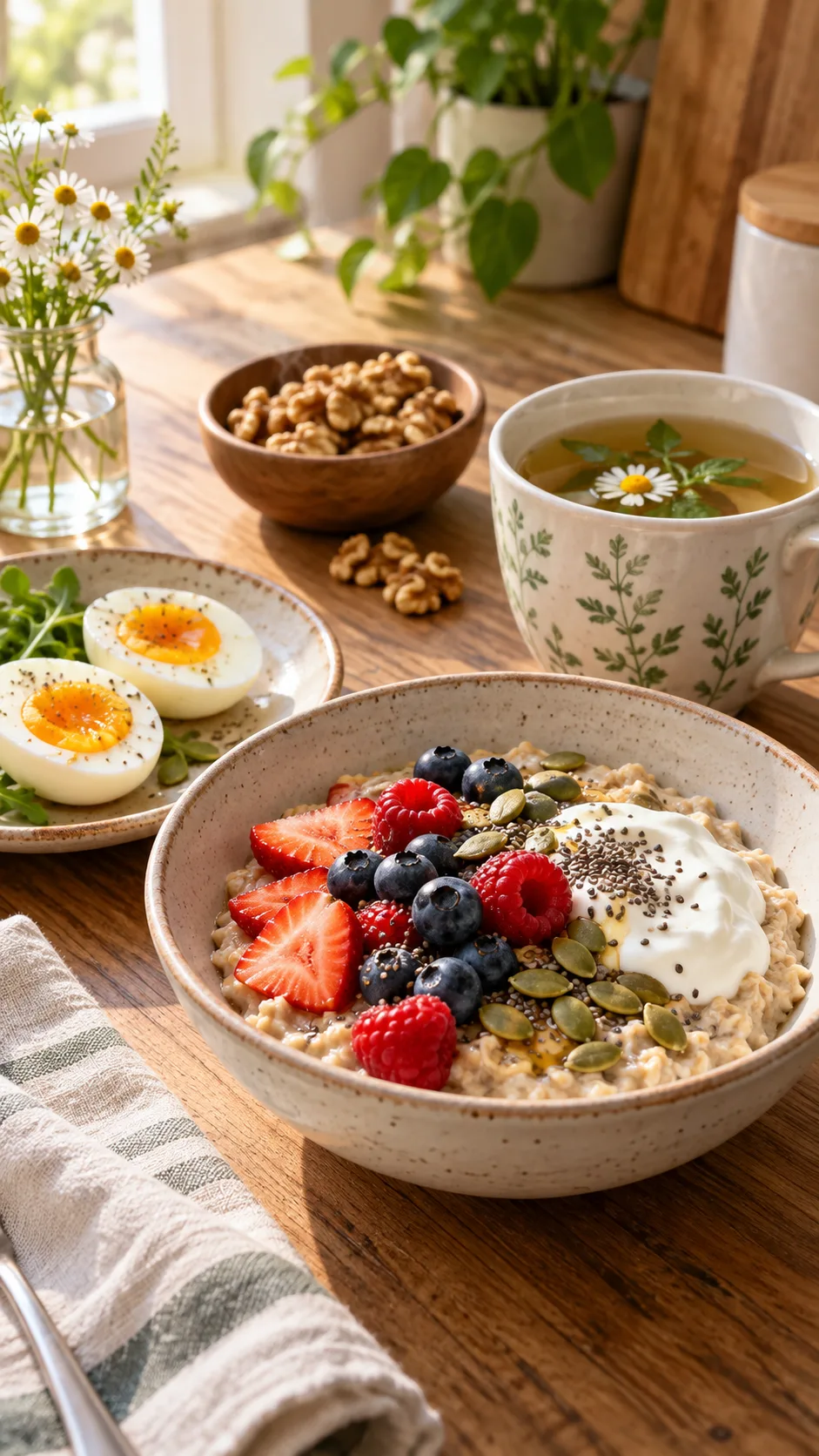
- Day 1: Eat oatmeal with Greek yogurt, berries, and pumpkin seeds for breakfast. Have a chicken, quinoa, cucumber, tomato, and olive oil salad for lunch. Make salmon, sweet potato, and broccoli for dinner. Snack on an apple with peanut butter.
- Day 2: Start with eggs, whole-grain toast, avocado, and an orange. Enjoy lentil soup with a side salad at lunch. Eat turkey or tofu stir-fry with brown rice and mixed vegetables for dinner. Choose yogurt with walnuts for a snack.
- Day 3: Blend a smoothie with milk or soy milk, berries, spinach, oats, and nut butter. Make a tuna and chickpea wrap with crunchy vegetables for lunch. Serve bean chili over a baked potato for dinner. Snack on dark chocolate and strawberries.
- Day 4: Try cottage cheese or soy yogurt with banana, cinnamon, and chia seeds. Eat leftover chili or a grain bowl for lunch. Make chicken thighs, roasted carrots, green beans, and rice for dinner. Snack on hummus with peppers.
- Day 5: Have overnight oats with kefir or yogurt, pear, and almonds. Eat a black bean burrito bowl with corn, salsa, avocado, and lettuce for lunch. Make whole-wheat pasta with turkey meatballs or lentils, spinach, and tomato sauce for dinner. Snack on edamame.
- Day 6: Make scrambled eggs with spinach, mushrooms, and toast. Have sardines or grilled tofu with potatoes and a tomato salad for lunch. Enjoy coconut chickpea curry with vegetables and brown rice for dinner. Snack on a kiwi and a handful of cashews.
- Day 7: Eat whole-grain pancakes with yogurt and berries. Make a salmon or chickpea salad sandwich for lunch. Roast chicken or tempeh with squash, cabbage, and quinoa for dinner. Snack on popcorn with a piece of fruit.
Low cortisol snacks for busy, stressful days
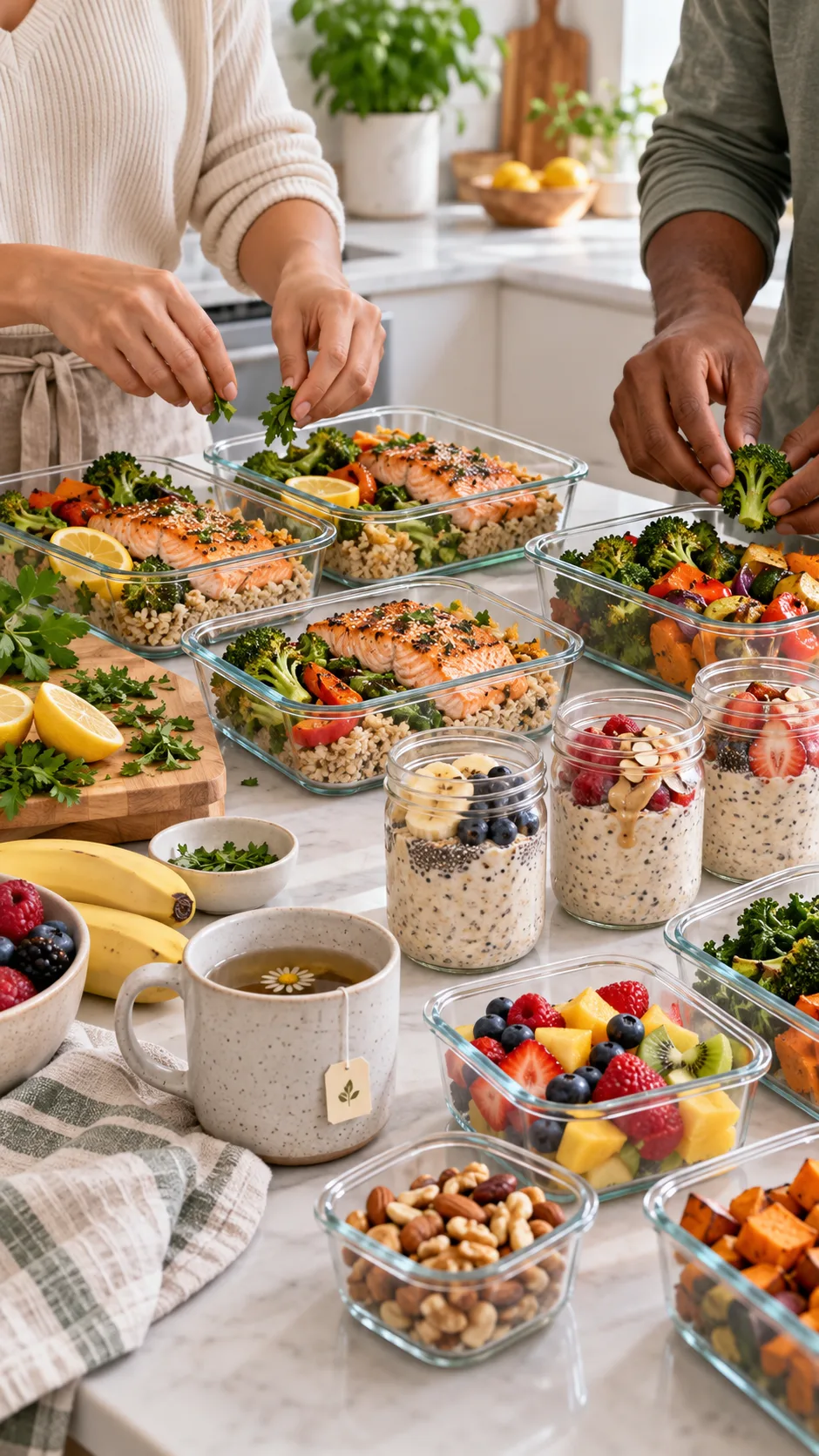
A snack can carry you between meals and prevent the “I will eat anything that cannot outrun me” moment. Choose options with protein, fiber, or fat instead of depending on candy or another espresso.
- Greek yogurt or soy yogurt with berries and seeds
- Apple, pear, or banana with peanut or almond butter
- Hummus with carrots, cucumber, or whole-grain crackers
- Hard-boiled eggs with fruit
- Trail mix with nuts, seeds, and dried fruit
- Cottage cheese with tomatoes and whole-grain toast
- Edamame with a pinch of salt and lemon
- Roasted chickpeas with a piece of fruit
Pack one snack before you leave home if your days often run long. That small habit can keep you from getting home so hungry that dinner turns into an event. Emergency almonds in a bag count as self-care.
Food helps, but your daily rhythm matters too
A cortisol-friendly diet works best alongside basic habits that support stress management. You do not need a five-hour morning ritual, a cold plunge, and a moon journal. You need a few ordinary habits that you do consistently.
Protect your sleep window
Adults generally need at least seven hours of sleep, and many people feel better with more. Keep your bedtime and wake time fairly regular, dim the lights before bed, and move your phone away from your pillow if scrolling sends your brain into overdrive.
The Centers for Disease Control and Prevention shares clear advice on how much sleep adults need. Start with one change, such as a caffeine cutoff or going to bed 20 minutes earlier.
Move in a way that leaves you feeling better
Walking, strength training, yoga, cycling, dancing, and gentle stretching can support mood and stress management. Intense workouts can feel great too, but your body also needs food, rest, and recovery. More punishment does not automatically produce more progress.
If you feel constantly exhausted, sore, dizzy, or unable to recover, ease up on training and talk with a healthcare professional. A daily walk after meals offers an easy place to start, especially when motivation plays hide-and-seek.
Create a pause before stress eating
Stress eating does not make you weak. Food comforts people because it can work quickly, at least for a moment. Instead of demanding perfect control, pause and ask: “Am I hungry, overwhelmed, tired, lonely, or avoiding something?”
Then address the real need when you can. Eat a balanced snack if hunger drives the urge. Take five slow breaths, text a friend, step outside, or make a proper meal if stress grabbed the steering wheel.
When to get professional help
Nutrition advice cannot replace medical care. See a doctor, registered dietitian, or qualified mental health professional if you suspect an endocrine issue, struggle with disordered eating, experience persistent anxiety, or cannot sleep despite lifestyle changes.
A registered dietitian can tailor a stress-supportive meal plan around diabetes, PCOS, food allergies, digestive conditions, pregnancy, athletic training, or medications. Personal guidance beats copying a stranger’s “what I eat in a day” video every time.
If stress feels unmanageable or you have thoughts of harming yourself, contact local emergency services or a crisis support line right away. You deserve direct support, not another wellness checklist.
Final takeaway: Feed calm, not chaos
The best low cortisol diet plan looks refreshingly ordinary: eat enough, eat regularly, include protein and fiber, choose colorful whole foods, drink water, and keep caffeine and alcohol in check. These habits can support stable energy and a healthier stress response without pretending food can solve every hard thing.
Start with one change this week. Eat a protein-rich breakfast, pack an afternoon snack, or trade your second late coffee for water and a real lunch. Small signals of safety add up, and your body notices.
You do not need a flawless diet to feel more grounded. You need a routine that makes life easier on a Tuesday when everything goes sideways. Keep that kind of wellness plan.