

A reset can do more for you than another diet. The primal diet gives you one without calorie counting or weird powders, and without a color-coded spreadsheet that makes you want to cry into your salad.
Ever wonder why your great-grandparents never needed a “wellness journey”? They ate food that looked like food. The primal diet reset borrows that idea, strips out the cave-dweller cosplay, and keeps what works.
This guide covers what to eat, what to skip, where the science backs it up, and where it gets shaky. I’ll give you my own take along the way.
What is the primal diet, exactly?
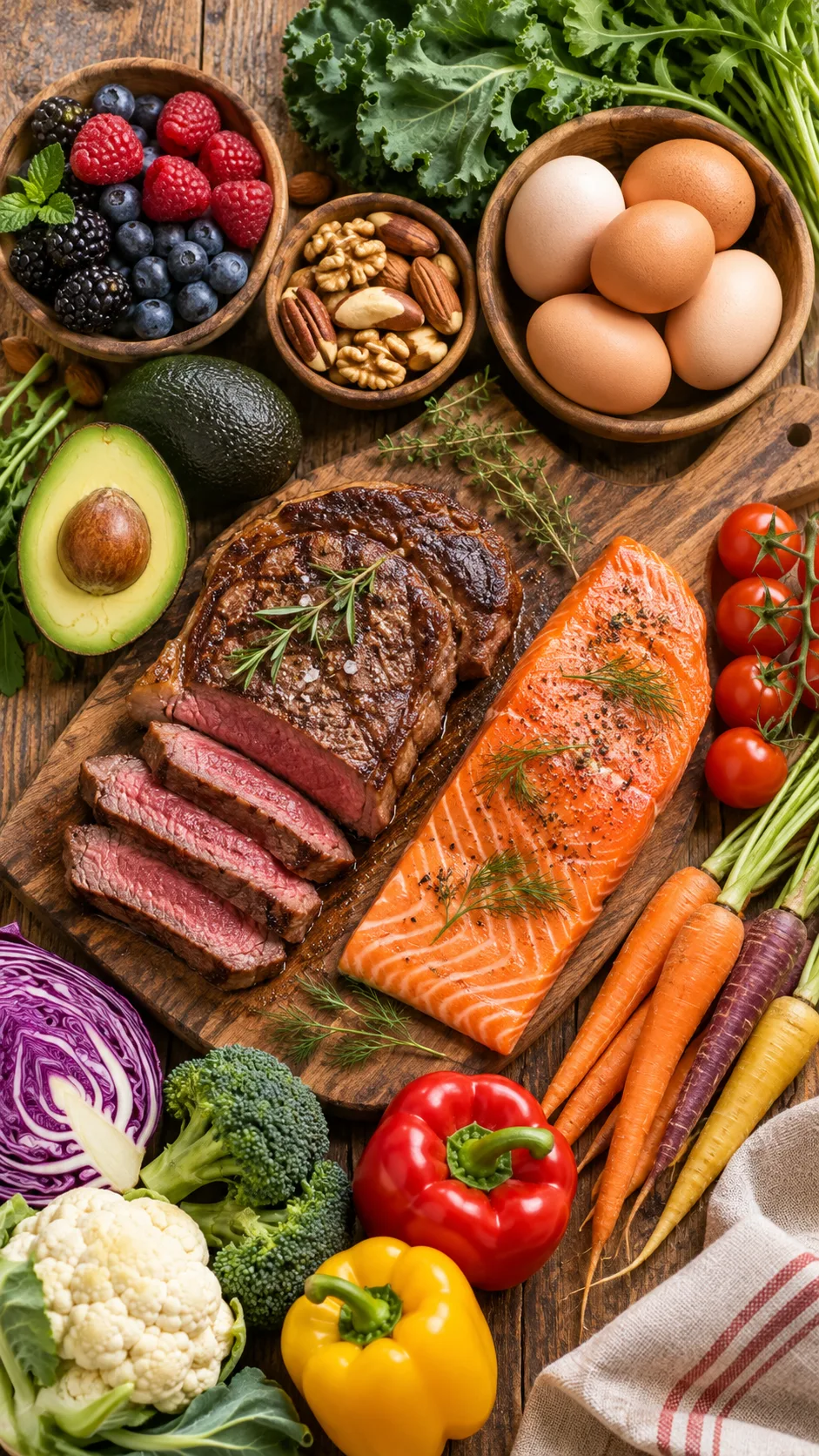
The primal diet is a whole food, minimally processed way of eating that Mark Sisson popularized through his Primal Blueprint approach. It centers on animal protein, vegetables, fruit, nuts, seeds, and natural fats. It cuts grains, added sugar, and industrial seed oils.
Sound like paleo? It’s a close cousin. The big difference is flexibility. Primal allows full fat, fermented, and quality dairy for people who tolerate it, while strict paleo bans dairy entirely.
Primal vs. paleo vs. keto
- Primal: Whole foods, dairy if you tolerate it, and moderate carbs from fruit and starchy veggies.
- Paleo: Similar foods, but no dairy and a stricter “what a hunter-gatherer would eat” rule.
- Keto: Very low carb on purpose, with fat as the main fuel. Primal doesn’t require ketosis.
Primal also cares about more than your plate. It nudges you toward walking more, lifting heavy things, sleeping well, and getting outside. Yes, sunlight counts.
Why the primal diet reset works
Forget the hype. No food magically melts fat, and no caveman ever “optimized” anything. The primal reset still works for a few practical reasons.
1. It kicks ultra-processed food to the curb
Ultra-processed foods dominate the typical grocery cart. They combine refined starch, sugar, and fat in ways that make you keep eating. Remove them and your intake often drops without effort.
The World Health Organization’s healthy diet guidance backs the core idea here: eat plenty of vegetables, fruit, nuts, and whole foods, and limit free sugars and unhealthy fats.
2. It prioritizes protein
Protein keeps you full longer than refined carbs do. That means fewer 3 p.m. vending machine raids and fewer “why am I eating cereal for dinner?” moments. Feeling full is what makes almost any diet stick.
3. It steadies blood sugar swings
When you swap white bread and soda for eggs, meat, vegetables, and nuts, your energy curve flattens out. You skip the sugar spike and the crash that follows. Most people notice steadier energy within the first week or two.
4. It loads you up on vegetables
People forget this part. A proper primal plate is mostly plants by volume. That brings fiber, potassium, magnesium, and a long list of micronutrients.

What to eat on the primal diet
Here’s your shopping list. Keep it simple, because complicated plans die by Thursday.
Protein: the anchor of every meal
- Grass-fed or pasture-raised meat: beef, lamb, bison, pork, and chicken.
- Wild-caught fish and seafood: salmon, sardines, mackerel, shrimp, and trout.
- Eggs: pasture-raised if your budget allows, regular if it doesn’t.
- Organ meats: liver, heart, and kidney, if you feel brave.
Can’t afford grass-fed everything? Don’t sweat it. Regular chicken and eggs still beat a drive-thru burger and fries in my book.
Vegetables: eat the rainbow
Pile your plate with leafy greens, broccoli, cauliflower, peppers, zucchini, asparagus, mushrooms, and onions. Add starchy options like sweet potatoes, squash, and carrots when you need more fuel. Aim for vegetables at every meal.
Fruit: nature’s candy, with limits
Berries, apples, citrus, and stone fruit all work well. Berries top the list because they pack fiber and antioxidants with less sugar. Tropical fruit and dried fruit call for smaller portions, since the sugar adds up fast.
Healthy fats: your flavor and fuel
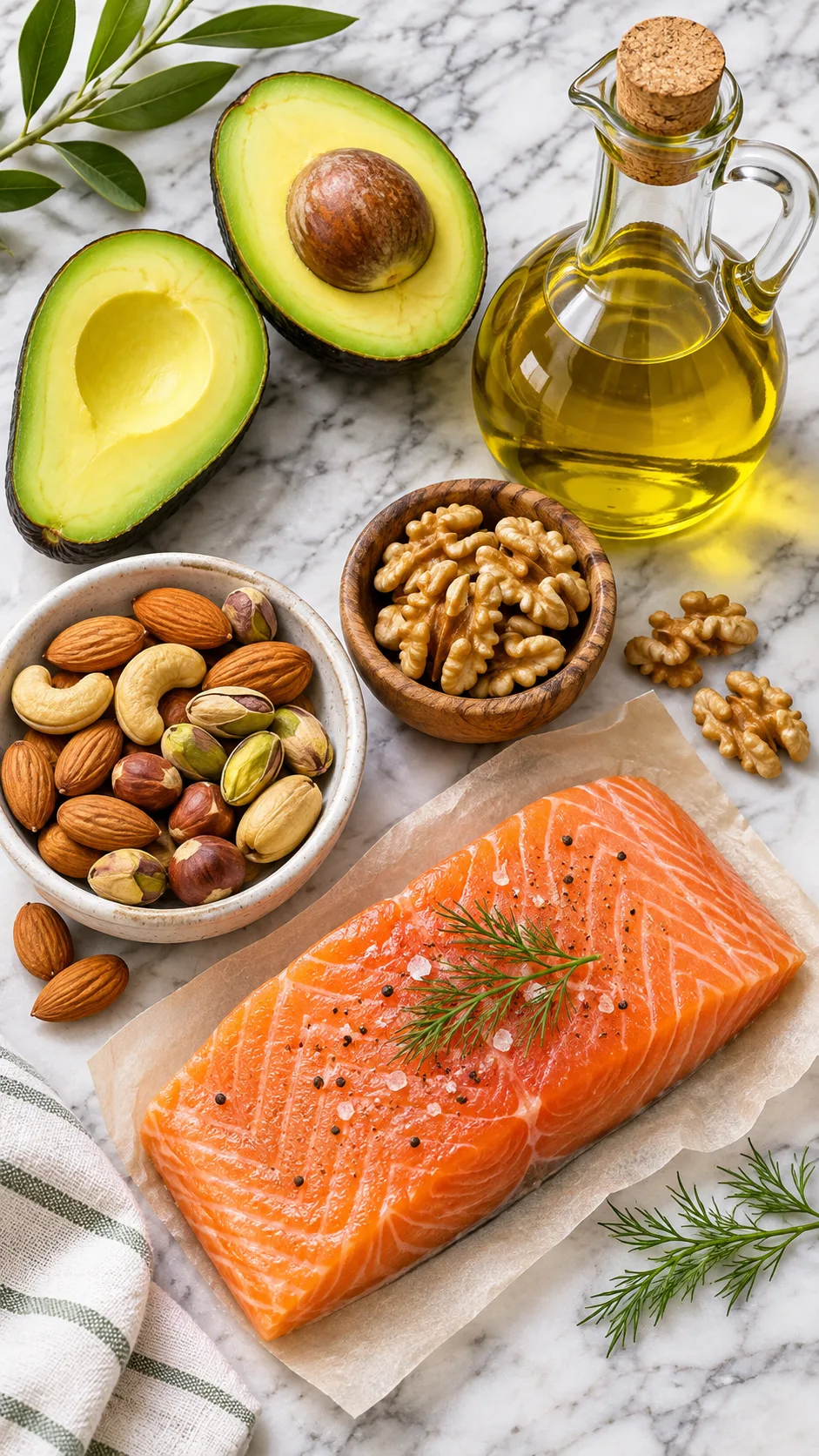
- Olive oil and extra virgin olive oil
- Avocados and avocado oil
- Nuts and seeds (almonds, walnuts, macadamias, pumpkin seeds)
- Coconut oil, plus butter or ghee from quality sources
- Fatty fish for omega-3s
Macadamias and walnuts make a great snack. Peanuts are technically a legume and sit in the gray zone, which I’ll cover below.
What to skip on the primal diet
This is where most people groan. The skip list is short, and it does most of the work in this reset.
The big no list
- Grains: wheat, bread, pasta, cereal, rice, oats, and corn products.
- Added sugar: soda, candy, pastries, sweetened coffee drinks, and “healthy” granola bars.
- Industrial seed oils: soybean, corn, canola, and sunflower oil in packaged and fried foods.
- Ultra-processed snacks: chips, crackers, frozen meals, and anything with a 40-ingredient label.
- Artificial sweeteners and additives, which keep your sweet tooth hungry.
Notice what’s missing? You don’t have to hate any food group. You just have to stop letting packaged junk run your kitchen.
The seed oil debate
Primal fans love to blame seed oils for everything. The evidence doesn’t support that level of drama. Still, these oils show up mostly in fried and packaged foods, so you cut them naturally when you cook at home.
The gray areas (where honesty matters)
Not every food fits neatly in a “yes” or “no” column. Here’s how I’d handle the tricky ones.
Dairy
Full fat yogurt, kefir, aged cheese, and butter all fit the primal framework. Try them for a few weeks and watch your body. If you bloat, break out, or run to the bathroom, drop them. Lactose intolerance is common, so skipping dairy carries no shame.
Legumes
Beans and lentils sit outside classic primal rules because of antinutrients and digestive trouble. Yet they deliver fiber and protein, and large nutrition reviews, like the ones summarized by Harvard’s Nutrition Source, generally treat them as healthy foods. If your gut handles them well, soaked and well-cooked legumes are a reasonable add-back after your reset.
Alcohol and dark chocolate
Sisson’s approach allows dark chocolate (70% cocoa or higher) and the occasional glass of red wine. Treat both as occasional extras. During a strict 30-day reset, skip the wine and keep the chocolate to a square or two.
How to run your primal diet reset
A reset needs a start date and an end date. Most people choose 21 to 30 days. That window gives your cravings time to calm down without feeling like a life sentence.
Your five steps to start
- Clear the pantry. Toss or donate the bread, cereal, sugary snacks, and cooking oils you plan to ditch.
- Stock the basics. Buy eggs, a protein or two, frozen vegetables, olive oil, nuts, and fruit.
- Plan three anchor meals. You don’t need 21 different recipes, so rotate a handful.
- Drink water first. Hydrate before you decide you’re starving.
- Track how you feel. Note your energy, sleep, mood, and digestion weekly, and look beyond the scale.
A sample day on the primal plan
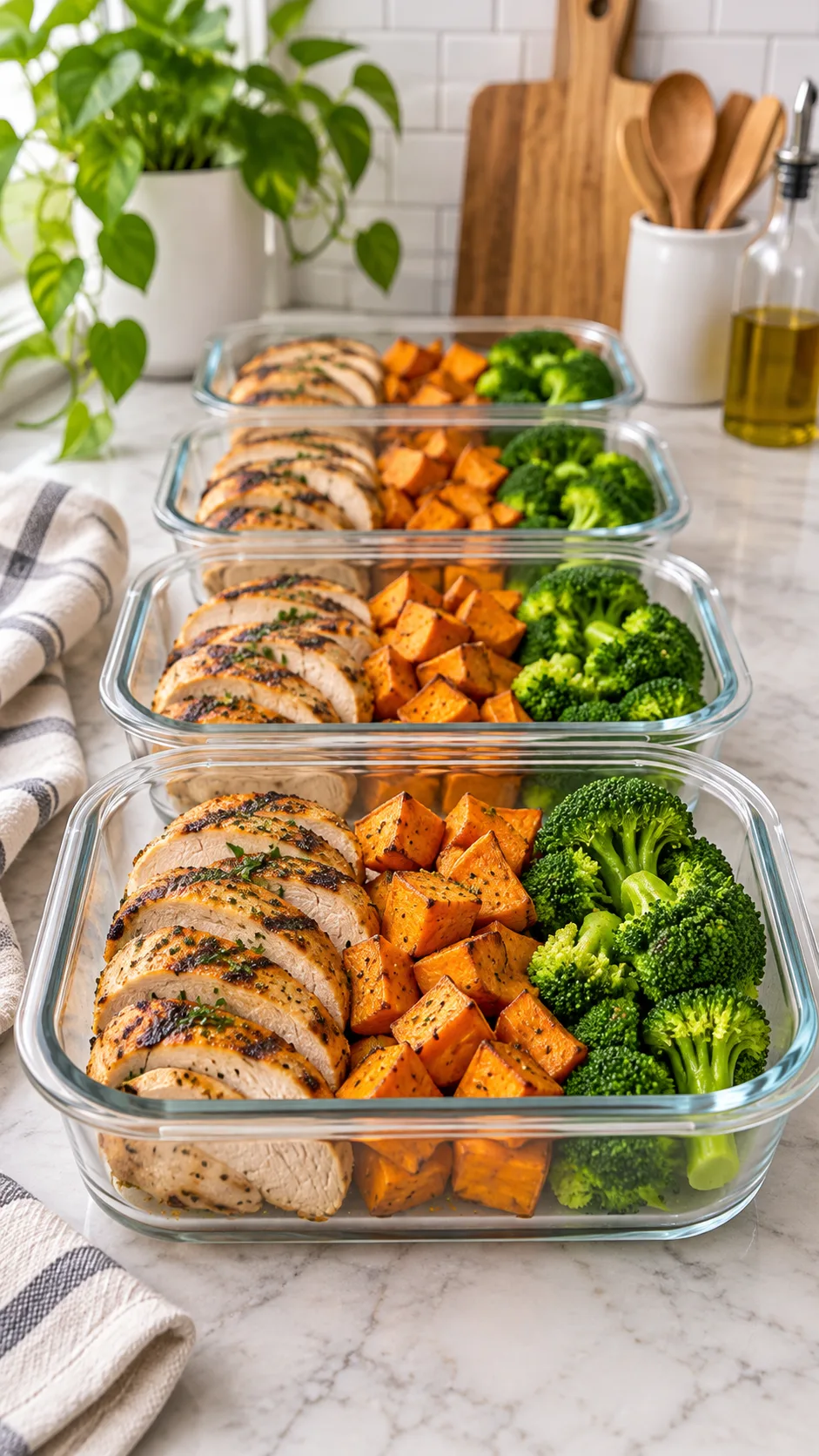
- Breakfast: a three-egg veggie scramble in butter, with berries on the side.
- Lunch: a big salad with grilled chicken, avocado, olives, and olive oil dressing.
- Snack: a handful of almonds and an apple.
- Dinner: baked salmon, roasted broccoli, and a small sweet potato.
Nothing fancy, and that’s the point. Boring meals beat perfect meals when you want consistency.
Watch: a quick primer on primal eating
Visual learner? This short video walks through the basics of primal eating.
What to expect in the first few weeks
Your body needs time to adjust. The typical arc looks like this, though everyone’s timeline differs.
Week one: the awkward phase
You might feel tired, headachy, or cranky as sugar and refined carbs leave your system. People often call this the “carb flu.” Drink water, add salt to your food, and eat enough. Under-eating makes everything worse.
Weeks two and three: things click
Cravings fade and your energy steadies. You sleep a little better, and your clothes fit differently. Ever notice how food tastes sweeter once you quit sugar? Strawberries suddenly taste like dessert.
Week four and beyond: the real test
Now you decide what to keep. Add back one food at a time, like dairy or legumes, and watch how your body responds. This reintroduction phase turns a diet into a personalized plan.
Common mistakes that wreck a primal reset
- Eating bacon at every meal. Variety matters, so balance meat with plenty of vegetables and fish.
- Skipping fiber. Vegetables, fruit, nuts, and seeds keep your digestion moving.
- Overdoing the “primal treats.” A coconut flour brownie is still a brownie.
- Ignoring sleep and stress. Poor sleep spikes hunger hormones no matter how clean you eat.
- Going all or nothing. One off-plan meal ruins nothing, but quitting afterward does.
My opinion after all this: consistency beats purity every time. An 80/20 approach, where you eat primal most of the time and relax the rest, lasts longer than a perfect plan you abandon in ten days.
Is the primal diet safe? What the evidence says
Many diet blogs skip this part. Research on the primal diet specifically remains limited, and most studies on related paleo-style diets run short and small. They show improvements in weight, waist size, and blood sugar markers for some people, but we lack strong long-term data.
The saturated fat question deserves attention too. The Mayo Clinic’s nutrition basics and major heart health groups still advise limiting saturated fat. If you have high LDL cholesterol, heart disease, kidney disease, or diabetes, talk with your doctor or a registered dietitian before you start. Lean on fish, poultry, olive oil, and nuts more than fatty cuts and butter.
If you’re pregnant, breastfeeding, or have a history of disordered eating, get personalized guidance first. No eating plan beats advice from someone who knows your health.
Make it last: pairing primal with other resets
Primal works well as a foundation, and you can borrow ideas from other approaches. If you like the “eat real food” philosophy but want more flexibility, check out this real food diet reset that keeps you full and energized. It covers the same whole food principles with a gentler rulebook.
Curious about supporting your body after a rough stretch of holiday eating or heavy drinking? Our liver detox diet plan with meals included pairs nicely with the vegetable-heavy side of primal eating. And if you want a short, structured kickstart before you commit to a full month, the Svelte 3 day meal plan gives you a low-pressure runway.

Frequently asked questions
Can I lose weight on the primal diet?
Many people do, mainly because they cut ultra-processed food and eat more protein and vegetables. Your results depend on total calories, activity, sleep, and consistency.
Do I have to buy organic and grass-fed everything?
No. Quality helps, but cooking real food at home matters far more than any label. Buy the best you can afford and move on.
Can vegetarians do a primal reset?
You can adapt it with eggs, dairy, nuts, seeds, and plenty of vegetables. You will need to plan to hit your protein and B12 needs, and a dietitian can help you build it right.
How long should I stick with it?
Start with 21 to 30 days. Then keep what works and drop what doesn’t. Aim for a sustainable way of eating that never feels like punishment.
The bottom line
The primal diet reset works because it makes you eat real food, cut the junk, and pay attention to your body. You can skip the magic and the perfection.
The quick recap:
- Eat quality protein, loads of vegetables, fruit, nuts, seeds, and natural fats.
- Skip grains, added sugar, industrial seed oils, and ultra-processed snacks.
- Test dairy and legumes, then keep what your body likes.
- Check in with your doctor if you have a health condition.
- Stay flexible, because 80/20 beats all or nothing.
So here’s your challenge: clear out one shelf of your pantry tonight and stock your next three meals with real food. Your future self, the one who isn’t crashing at 3 p.m., will thank you.