

You spent three hours cooking on Sunday. By Wednesday, your kid has rejected every container in the fridge. Sound familiar?
I get it. Meal prep for picky eaters feels like a cruel joke, because the usual advice assumes everyone at your table eats what you serve. Picky eaters don’t, and they have opinions about it.
You don’t need a magic recipe. You need a different system. This guide lays out a weekly meal prep strategy that follows how picky eaters really behave, so your effort lands on a plate instead of in the trash.
Why normal meal prep fails picky eaters
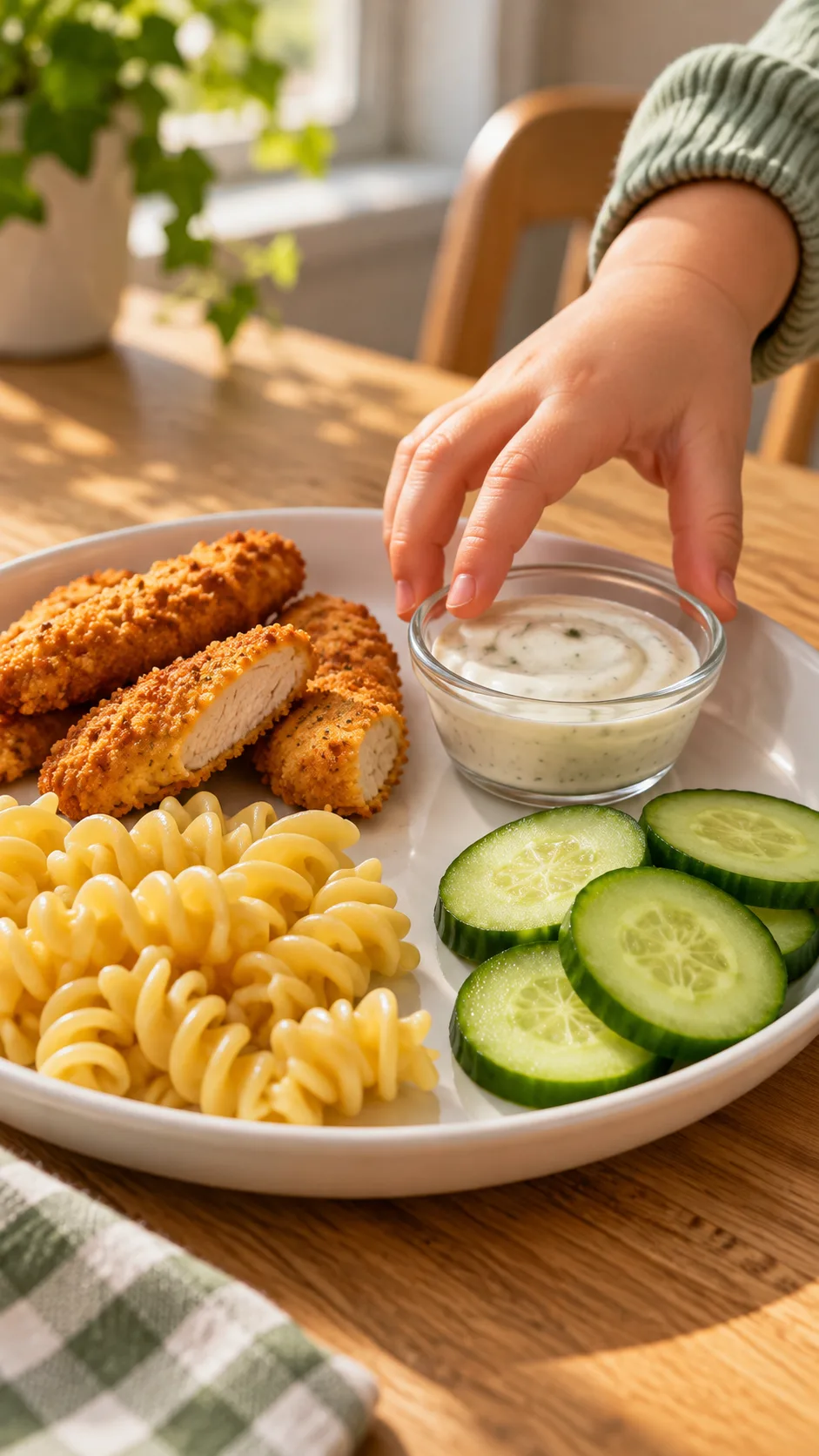
Standard meal prep gives you five identical containers: chicken, rice, broccoli, repeat. That works for adults who eat for fuel. It crashes hard with a kid who thinks sauce touching rice is a crime.
Three things usually go wrong:
- Many picky eaters reject anything that blends together, like casseroles, stir-fries, and “mystery” bowls.
- Reheated food often turns soggy or rubbery, and picky eaters notice every bit of it.
- Kids who feel cornered dig in harder. They want control over what they eat, and they push back when they don’t get it.
So we flip the model. Instead of prepping finished meals, we prep components. Then each person assembles a plate they will eat.
The core strategy: prep components instead of meals
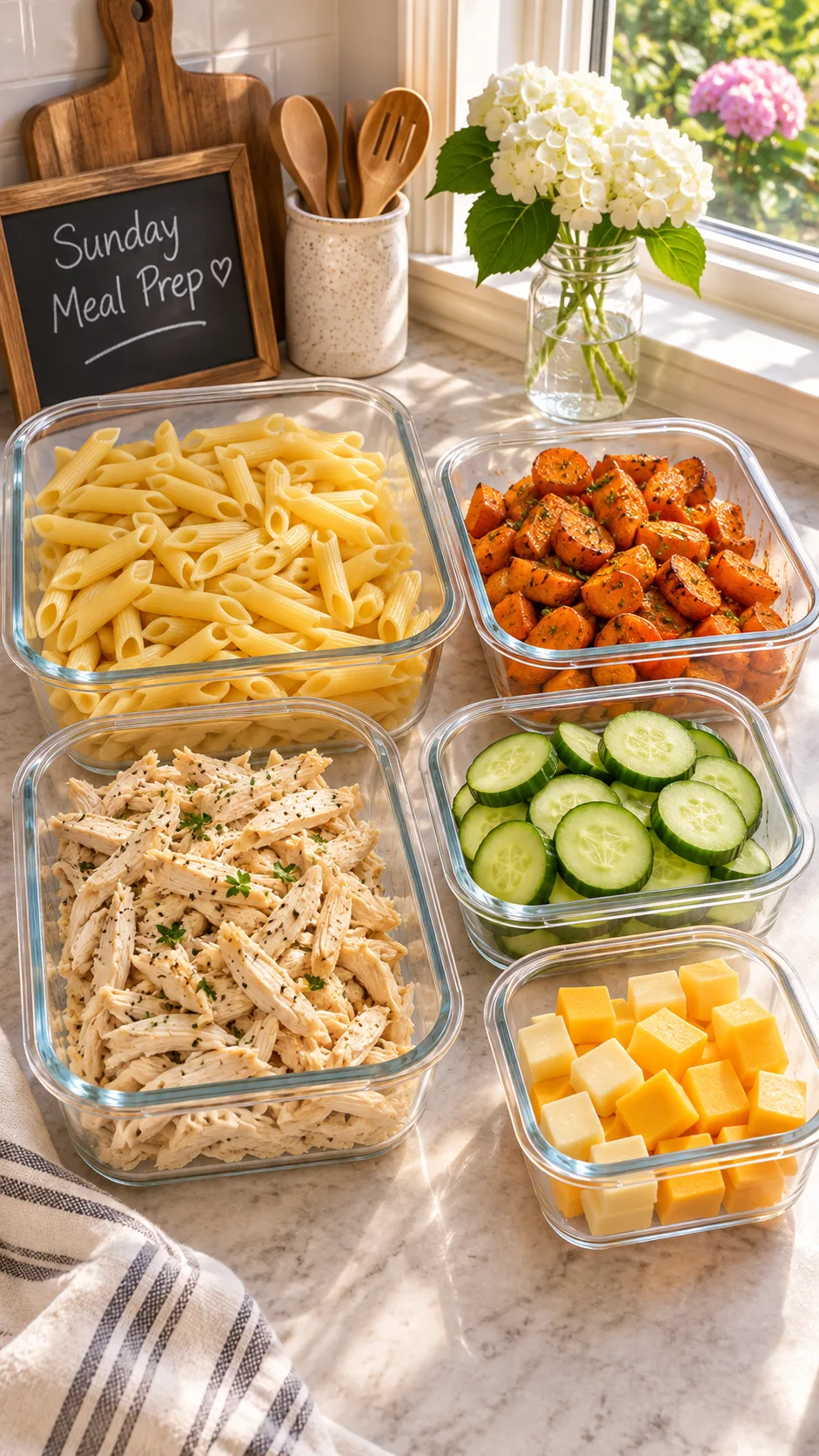
Think of your fridge as a self-serve bar. You cook a handful of simple foods, store them separately, and mix and match all week. Deconstructed meal prep keeps textures intact and lets picky eaters decide what touches what.
In my experience, this single shift fixes about 80% of the problem. Ever wondered why kids love buffets and snack plates? They get to pick, and picking feels like power.
Four buckets to fill each week
Each week, prep at least one item from each bucket:
- Protein, like shredded chicken, mini meatballs, hard-boiled eggs, baked tofu sticks, or turkey slices.
- Carb, like plain pasta, rice, mini pancakes, roasted potatoes, or soft tortillas.
- Produce, like raw veggie sticks, roasted vegetables, sliced fruit, or steamed green beans.
- Extras, like sauces, dips, cheese, crackers, and seeds, which you keep on the side.
Notice the missing piece? Fancy recipes appear nowhere on this list. Plain, separate food wins here. If you want more ideas for the carb and protein buckets, try these easy meal prep ideas that work for any household.
The safe, bridge, explore framework
This part makes the system work long term. Every week, sort your prep into three categories so you feed your kid and nudge their palate forward.
Safe foods (about 60% of your prep)
These are the foods your picky eater reliably eats. Plain pasta, chicken nuggets, apple slices, cheese quesadillas, whatever your kid loves. Put safe foods on the table at every meal so nobody leaves hungry and angry.
Yes, this feels like surrender. It isn’t. A kid who trusts the table is far more likely to try new things.
Bridge foods (about 30%)
Bridge foods sit one small step away from a safe food. They share a color, shape, flavor, or texture. For example:
- If they love chicken nuggets, try baked homemade chicken strips with the same breading.
- If they love French fries, try roasted sweet potato wedges.
- If they love plain pasta, try pasta made from chickpeas or lentils.
- If they love crackers, try crunchy roasted chickpeas.
Small jumps beat giant leaps every time.
Explore foods (about 10%)
This is your “no pressure” slot. Put one tiny serving of something new on the table or plate, then say nothing. Skip the bribes and the “just one bite” pleas, and leave the airplane noises out of it.
Kids often need around 8 to 15 exposures to a new food before they accept it. Exposure counts even when they only look at it, smell it, or poke it. So treat every rejection as progress.

Your Sunday prep routine (90 minutes, tops)
You don’t need a four-hour cooking marathon. I tried that once and ended up eating cereal for dinner, surrounded by dirty pans. Keep it tight instead.
- Pick your menu (10 minutes). Choose two proteins, two carbs, two produce items, and one explore food. Check what your picky eater accepted last week.
- Start the slow stuff first. Put sheet pans of chicken, potatoes, or veggies in the oven, and start the rice or pasta on the stove.
- Prep raw items while the rest cooks. Wash and cut cucumbers, carrots, peppers, and fruit.
- Make your sauces and dips, and keep them in small separate containers. Ranch, hummus, and mild marinara cover most bases.
- Cool everything fast. Spread food in shallow containers so it chills quickly before it goes in the fridge.
- Label the containers and group them by bucket so your kid can grab and go.
If you’re brand new to the whole concept, our guide to meal prep for the week covers the basics step by step.
A sample week that works
A real week with this system looks like the one below. Adjust everything to match your kid’s safe list.
The prep list
- Proteins: baked mini meatballs and shredded chicken
- Carbs: plain pasta and mini whole-grain pancakes
- Produce: cucumber rounds, apple slices, roasted carrots (bridge), steamed peas (explore)
- Extras: cheese cubes, mild marinara, ranch, and honey-yogurt dip
The weekly plate ideas
- Monday: Pasta with meatballs on the side, sauce in a dip cup, and cucumber rounds.
- Tuesday: Chicken quesadilla with cheese, apple slices, and a few peas for “no pressure” exposure.
- Wednesday: Snack-plate dinner with meatballs, crackers, cheese cubes, carrots, and dip.
- Thursday: Pancake “sandwiches” with shredded chicken and cheese, plus fruit.
- Friday: Leftover remix night. Your kid builds a plate from whatever remains.
Want to get better at meatballs? Our meatball meal prep guide shows how to batch them for the whole week. And if your picky eater is under four, the toddler meal prep ideas post fits that stage better.
How to keep prepped food tasting good (and safe)
Nothing kills trust faster than soggy food. Picky eaters have excellent radar for “this tastes different today,” so storage matters as much as cooking.
Tricks that save texture
- Store sauces separately. Pasta absorbs liquid and turns mushy fast.
- Undercook pasta slightly. It softens a little more when you reheat it.
- Reheat crispy foods in an oven or air fryer. The microwave turns breaded foods rubbery.
- Keep raw veggies in water or wrapped in a damp paper towel. Carrot and cucumber sticks stay crunchy longer.
- Freeze extras. Meatballs, pancakes, and chicken strips freeze beautifully.
Food safety basics
Kids get hit harder by foodborne illness than adults do, so don’t gamble. The USDA advises that cooked leftovers stay safe in the fridge for about three to four days, and your fridge should sit at 40°F or below. You can double-check timing on the FoodSafety.gov cold storage chart.
My rule: keep Monday through Wednesday portions in the fridge, and freeze the Thursday and Friday portions. Then thaw them overnight. This also keeps the later-week food tasting fresher.
Get your picky eater involved (without a meltdown)
Kids eat what they help create. That isn’t a Pinterest theory. Hands-on exposure, like washing and stirring, makes kids more willing to taste.
Start small. Give your kid one job per prep session:
- Wash the fruit.
- Stir the pancake batter.
- Pick which dip goes in which container.
- Decorate the container labels with stickers.
Does it slow you down? Yes. Does it pay off by Wednesday? Often.
Give choices instead of ultimatums
Instead of “eat your carrots,” try “do you want carrots or cucumbers?” Both options work for you, and your kid gets a win. This tiny trick cuts a surprising number of dinner battles.
Watch a parent prep for the week
Seeing a system in action often helps more than reading about it. This video shows how a parent preps deconstructed meals that kids will eat.
Common mistakes that sabotage your prep
I’ve made most of these myself, so no judgment. Avoid them and you’ll save a lot of wasted chicken.
- Prepping too many new foods at once. Introduce one explore food a week, max.
- Hiding veggies and getting caught. Blended-in spinach works occasionally, but if your kid discovers the trick, trust takes a hit. Mix sneaky and honest approaches.
- Pressuring bites. Pushing creates negative associations, and calm exposure works better.
- Prepping only “healthy” foods. A kid who sees nothing familiar will skip the meal entirely.
- Giving up after two tries. Remember the 8-to-15 exposure rule. Patience wins this game.
- Making separate meals every night. Components solve this, because everyone eats from the same prep and just assembles it differently.
Build a balanced plate without the stress
Worried about nutrition? Take a breath. Look at the week instead of a single meal. Kids often eat wildly different amounts from day to day, and they tend to balance out over several days.
The USDA’s MyPlate site offers a simple visual for balancing fruits, vegetables, grains, protein, and dairy. Treat it as a loose guide. If your child’s plate has at least a couple of food groups at each meal, you’re doing fine.
Need ideas for stronger morning options? A solid breakfast sets the tone, and our healthy breakfast meal prep guide has choices picky eaters like, such as mini muffins and pancakes.
When “picky” might be something more
Most picky eating is normal development. Sometimes it points to a bigger issue, and you should know the difference. Talk to your pediatrician if your child:
- Eats fewer than about 15 foods in total
- Loses weight or stops growing along their curve
- Gags, vomits, or panics around certain foods
- Drops foods they used to accept and doesn’t take them back
- Shows signs of nutrient deficiencies, like constant fatigue
Conditions like sensory processing differences or ARFID (avoidant/restrictive food intake disorder) call for professional support, and a better meal plan won’t fix them. The American Academy of Pediatrics offers parent-friendly guidance at HealthyChildren.org. A feeding therapist or registered dietitian can make a huge difference. Asking for help is smart parenting.
Quick FAQ on meal prep for picky eaters
How many meals should I prep for a picky eater?
Prep components for three to four days, then freeze the rest. Fresh variety midweek keeps boredom from creeping in.
What if my child eats only beige food?
Plenty of kids do. Start with their beige favorites, then add colorful sides to the plate without pressure. Slowly introduce bridge foods like sweet potato fries or yellow squash.
Can adults use this method too?
Yes. Plenty of grown-up picky eaters (hi, half my friends) thrive on component prep. It also works for partners who hate casseroles.
Should I prep school lunches this way?
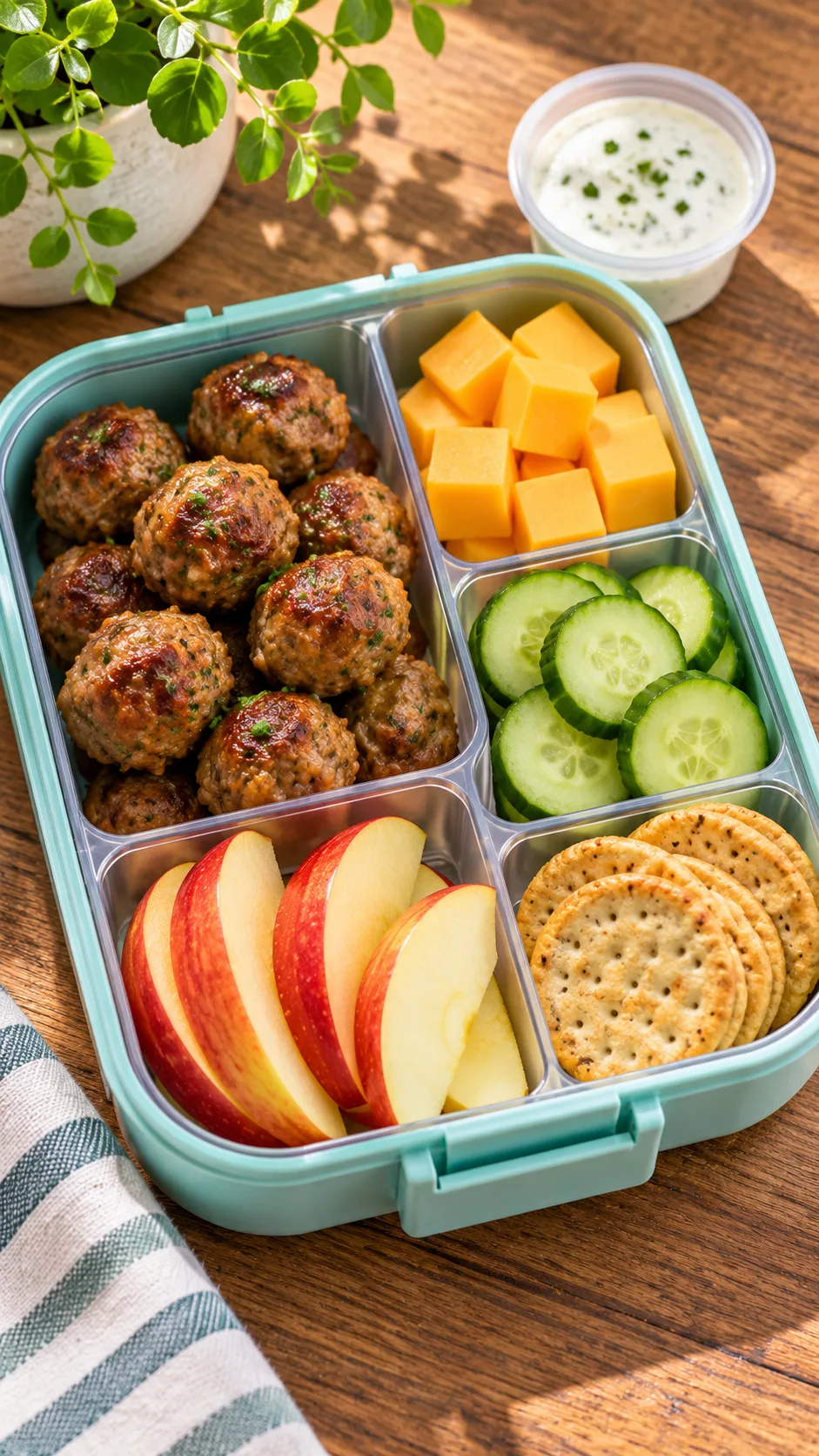
Yes. Compartment lunchboxes pair well with component prep. Pack two safe foods, one bridge food, and one tiny explore item.
The bottom line
Picky eaters don’t need perfect recipes. They need predictability and choice, with very little pressure. Prep components instead of full meals, balance safe, bridge, and explore foods, and keep textures fresh with smart storage.
A quick recap:
- Prep separate components from four buckets: protein, carb, produce, and extras.
- Follow the 60/30/10 rule for safe, bridge, and explore foods.
- Protect texture with separate sauces and smart reheating.
- Let your kid help and choose.
- Stay patient, because repeated, low-pressure exposure wins over time.
This week, pick just one change. Maybe you split the sauce from the pasta, or you add one tiny explore food. Small moves add up, and one day you’ll catch your kid munching a roasted carrot like it’s no big deal. Enjoy that moment, because you earned it.