

My gut did not need another “detox.” It needed actual food, a little patience, and far fewer sad desk lunches.
For months, I dealt with bloating, unpredictable bathroom habits, and that heavy-after-every-meal feeling that makes you question whether water somehow contains gluten. I kept searching for one magic food, but my gut health improved only when I built a consistent microbiome diet plan around fibre, fermented foods, plant variety, and realistic routines.
This plan did not promise perfection. It helped me eat in a way that gave the helpful bacteria in my gut more of what they need, while cutting back on the ultra-processed foods that left me feeling rough.
Ever wondered why one person thrives on a smoothie while another spends the afternoon regretting every sip? Your gut microbiome may play a role.
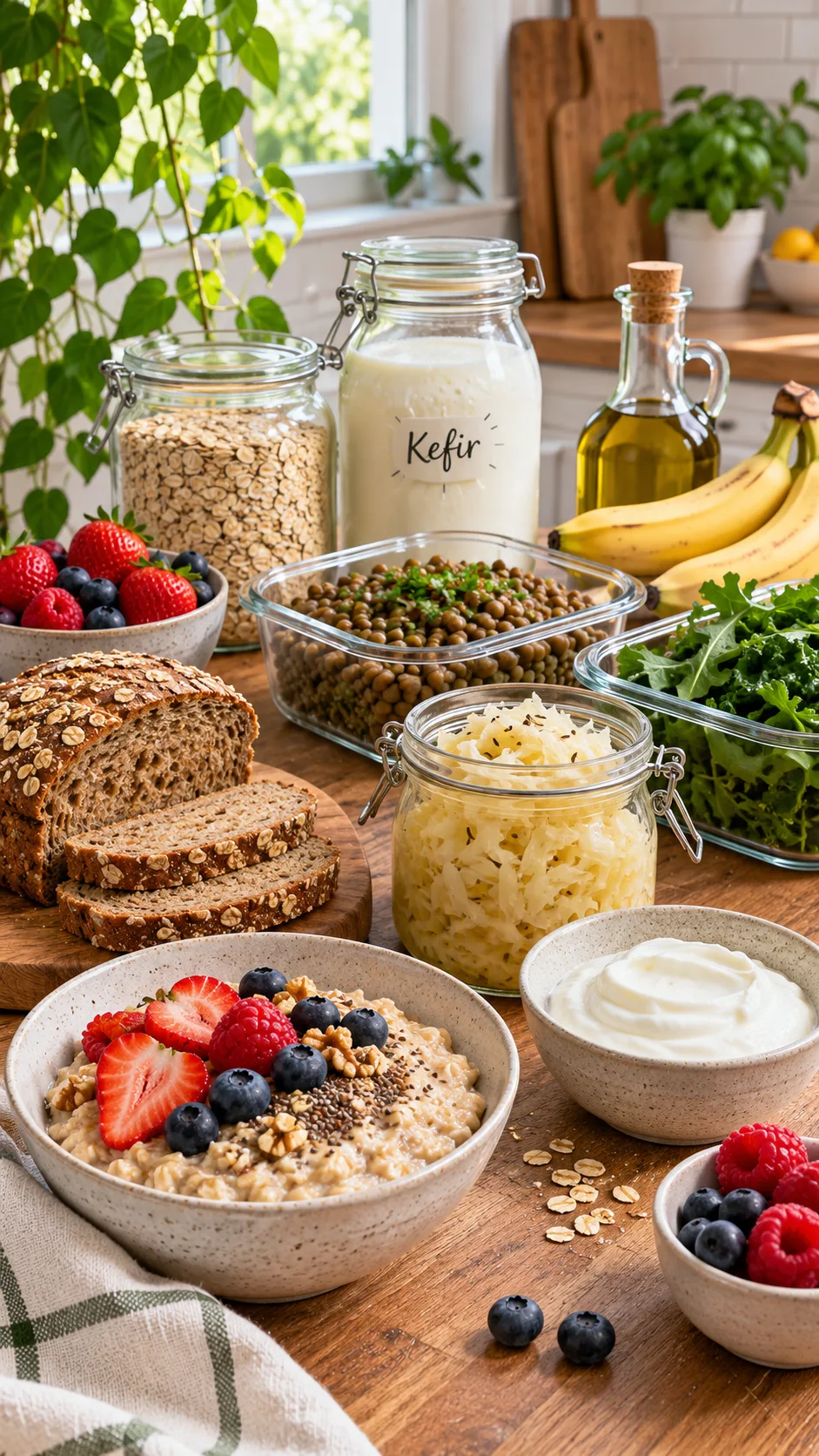
First, what is the microbiome diet plan?
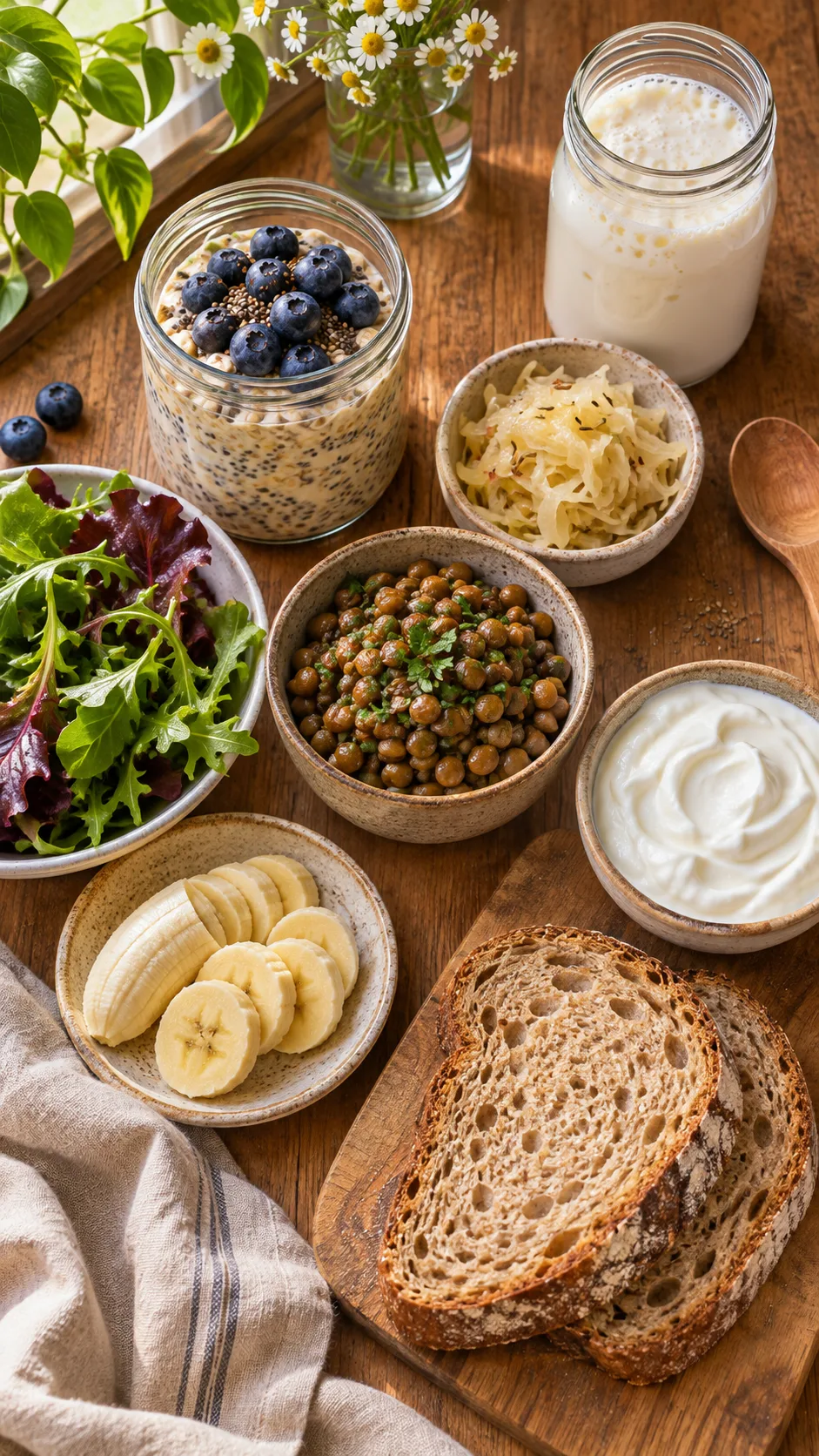
Your gut microbiome includes trillions of bacteria, fungi, viruses, and other tiny organisms that live mostly in your large intestine. That sounds mildly horrifying, I know, but many of these microbes help your body digest certain fibres, produce useful compounds, and interact with your immune system.
A microbiome diet plan focuses less on restriction and more on feeding beneficial gut microbes. You eat a wider range of plant foods, add fermented foods if they suit you, and make gradual swaps instead of launching a full-scale war against bread.
Research keeps pointing toward dietary fibre and plant diversity as major supports for a healthy gut ecosystem. The National Institute of Diabetes and Digestive and Kidney Diseases explains how the digestive system breaks down food and moves it through the gut, while your gut microbes handle some fibres that your own enzymes cannot digest.
When those microbes ferment fibre, they create short-chain fatty acids such as butyrate. Your colon cells use butyrate for fuel, which gives “eat more beans” a surprisingly impressive résumé.
What this plan does not claim
This approach does not cure inflammatory bowel disease, coeliac disease, infections, food allergies, or any other medical condition. It also cannot replace testing, diagnosis, medication, or advice from a qualified clinician.
I booked medical care when symptoms persisted, because ongoing pain, blood in stool, unexplained weight loss, fever, vomiting, anaemia, or severe diarrhoea demand more than a fancy probiotic yogurt. Please contact a healthcare professional promptly if you experience any of those red flags.
If you live with IBS, Crohn’s disease, ulcerative colitis, SIBO, or a diagnosed digestive condition, ask a gastroenterologist or registered dietitian how to adjust fibre safely. More fibre helps many people, but your gut deserves an individual plan rather than internet roulette.
Why my gut felt so bad before I changed anything

My old routine looked healthy from a distance. I grabbed coffee for breakfast, ate a low-fibre sandwich or protein bar at lunch, then inhaled whatever snack appeared near 4 p.m.
Dinner often involved takeout, minimal vegetables, and the kind of late-night grazing that starts with crackers and ends with a mysteriously empty packet. I did not lack willpower. I lacked regular meals and enough plant fibre.
I also changed my food choices too aggressively whenever bloating hit. I would cut beans, fruit, dairy, grains, and anything with flavour, then wonder why my meals looked beige and my digestion stayed moody.
My biggest lesson? Consistency beat food fear. I stopped hunting for “bad” foods and started noticing patterns: portion size, stress, sleep, meal timing, hydration, and how quickly I increased fibre.
The things that made my symptoms worse
- Skipping meals, then eating huge portions late at night.
- Eating very little fibre during the week and suddenly eating a mountain of raw vegetables on Sunday.
- Relying on protein bars, diet sweets, and sugar alcohols when I felt busy.
- Drinking too little water alongside higher-fibre meals.
- Eating quickly while scrolling, working, or arguing with my inbox.
- Trying restrictive plans without enough time to see what actually triggered symptoms.
None of those habits make you a failure. They simply make it harder to learn what your body tolerates well. Have you ever eaten lunch in seven minutes and then acted shocked when your stomach protested? Same.
The core rules of my gut health diet plan
I followed a handful of flexible rules for eight weeks. I did not count every gram, ban every treat, or pretend I suddenly loved kale chips.
- I aimed for 25 to 30 different plant foods each week. I counted vegetables, fruits, beans, lentils, whole grains, nuts, seeds, herbs, and spices.
- I increased fibre slowly. I added one meaningful fibre source at a time and gave my digestion several days to adjust.
- I included fermented foods most days. I chose plain yogurt, kefir, kimchi, sauerkraut, or miso in portions that felt comfortable.
- I built meals around plants and protein. This combination kept me fuller and made balanced meals easier to repeat.
- I drank water through the day. Fibre needs fluid, full stop.
- I kept ultra-processed foods occasional, not forbidden. Restriction usually made me obsess, so I focused on addition first.
- I tracked symptoms without becoming obsessed. I used simple notes: meals, stress, sleep, bowel changes, and bloating.
That first rule came from the idea of plant diversity, not from a need to turn dinner into a spreadsheet. A sprinkle of pumpkin seeds, cinnamon in oats, and herbs in soup all count.
The American Gut Project popularised the observation that people who ate more than 30 different plants weekly often showed greater gut microbiome diversity than people who ate fewer plants. That observation does not prove every plant count magically transforms health, but it offers a practical target that made my meals more varied.
For a science-based overview of fibre, the Harvard T.H. Chan School of Public Health guide to dietary fibre explains why whole plant foods support digestion and overall health.
What I ate in a typical day
I repeated meals on purpose. Repetition made grocery shopping easier, reduced decision fatigue, and stopped me from ordering expensive food just because I had no plan at 6:30 p.m.
I still changed the plants, flavours, and proteins across the week. That approach gave me variety without forcing me to cook fourteen different recipes like a contestant on a reality show.
Breakfast: fibre without a breakfast salad
Most mornings, I ate oats with plain Greek yogurt or kefir, berries, chia seeds, walnuts, and cinnamon. Sometimes I added a slightly green banana, which contains resistant starch that can feed certain gut microbes.
On savoury mornings, I ate eggs with sautéed spinach, mushrooms, tomatoes, and whole-grain toast. I chose breakfast based on hunger, not on a strict rule that oats possess moral superiority.
- Rolled oats with yogurt, berries, chia, and walnuts
- Whole-grain toast with eggs, avocado, tomatoes, and fruit
- Kefir smoothie with berries, oats, spinach, and peanut butter
- Overnight oats with grated apple, cinnamon, and ground flaxseed
I started with one teaspoon of chia or ground flaxseed, not three heroic tablespoons. Small changes protected me from the “healthy breakfast, chaotic morning” situation.
Lunch: the big bowl formula
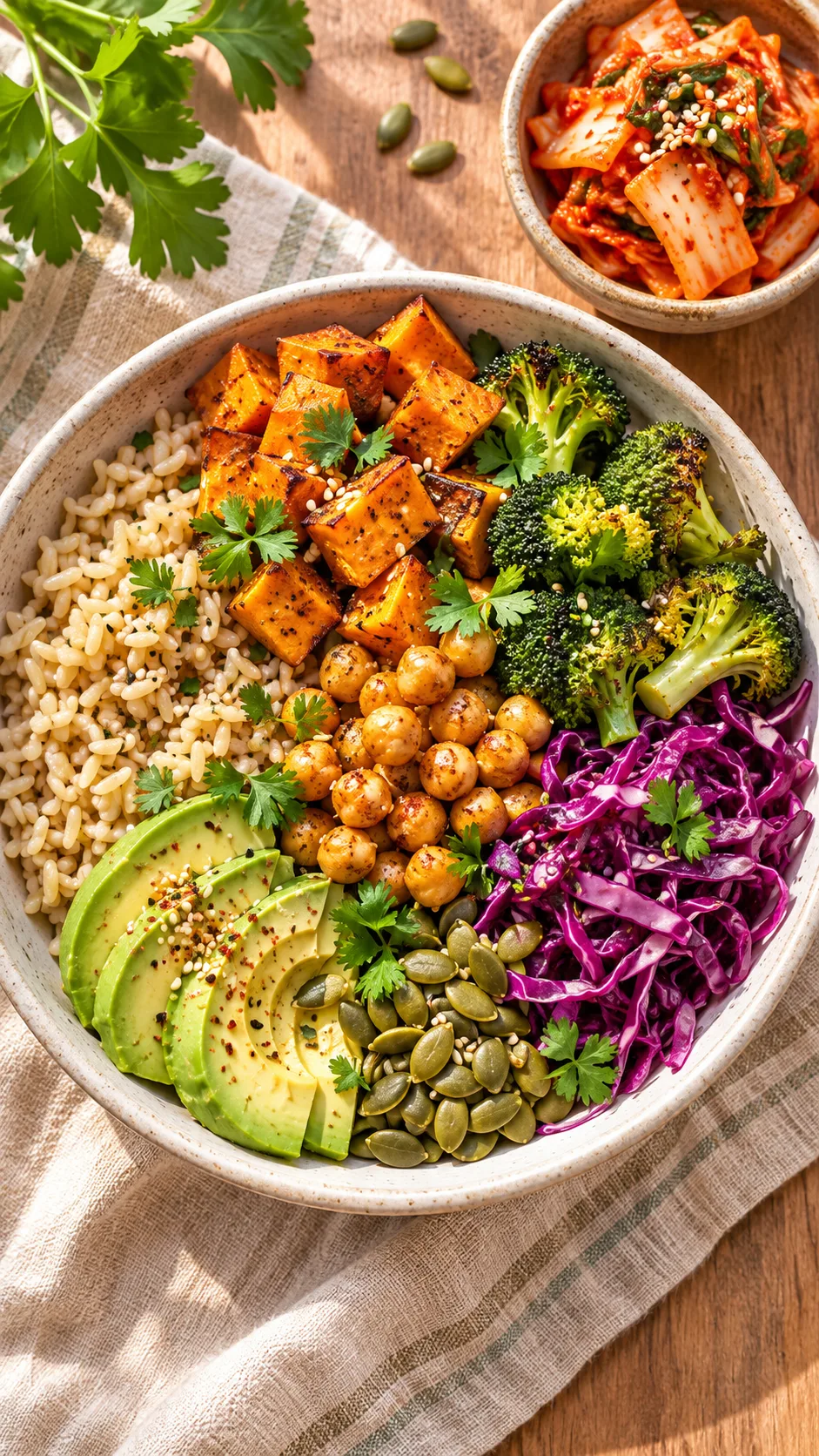
Lunch became my easiest win. I made grain bowls with a base of brown rice, quinoa, barley, or potatoes, then added lentils, chickpeas, chicken, tofu, or tinned fish, and piled on colourful vegetables.
I dressed the bowl with olive oil, lemon, tahini, yogurt, herbs, or a spoonful of hummus. I added kimchi or sauerkraut on the side a few times each week, but I kept portions modest because fermented foods pack plenty of punch.
One favourite bowl included quinoa, roasted carrots, courgette, chickpeas, arugula, pumpkin seeds, and lemon-tahini dressing. Another used leftover salmon, cooled potatoes, green beans, capers, olive oil, and a big handful of parsley.
Cooling cooked potatoes, rice, or pasta can increase resistant starch, although you do not need to build your life around cold leftovers. I simply used leftovers because they saved time and money. Revolutionary stuff.
Dinner: comfort food with more plants
Dinner never needed to look like a wellness advertisement. I made chilli with beans and vegetables, lentil bolognese, chicken stir-fry with brown rice, baked salmon with sweet potatoes, and tacos with black beans and cabbage slaw.
I used the “half a plate of vegetables” idea as a loose guide, not a courtroom order. Some nights I ate more vegetables, while other nights I made pasta and added lentils, spinach, mushrooms, and a side salad.
If bloating bothered me, I chose cooked vegetables more often than huge raw salads. Roasted carrots, sautéed greens, soups, stews, and blended sauces felt much gentler for me.
Snacks that actually helped
I stopped treating snacks as tiny desserts with protein claims on the wrapper. Instead, I combined fibre or produce with a satisfying protein or fat source.
- An apple or pear with peanut butter
- Plain yogurt with berries and seeds
- Hummus with carrots, peppers, or whole-grain crackers
- A banana with walnuts
- Edamame with sea salt and chilli flakes
- Dark chocolate with a handful of almonds
These snacks kept my hunger steady enough that I made better choices at dinner. If your afternoon hunger feels feral, your lunch may need more protein, fibre, or both.
The foods I focused on for better gut health
I did not chase one trendy “superfood.” I built my microbiome diet around several categories, because different plants offer different fibres and plant compounds.
Fibre-rich foods
Fibre gives many gut microbes something to ferment, and it also supports regular bowel movements. The U.S. Dietary Guidelines encourage adults to eat a variety of nutrient-dense foods, including vegetables, fruits, whole grains, and legumes.
- Legumes: lentils, chickpeas, black beans, cannellini beans, peas, and edamame
- Whole grains: oats, barley, brown rice, quinoa, whole-wheat pasta, rye, and whole-grain bread
- Fruit: berries, kiwis, apples, pears, oranges, bananas, and prunes
- Vegetables: leafy greens, carrots, broccoli, cabbage, onions, leeks, peppers, and squash
- Nuts and seeds: walnuts, almonds, chia, flax, pumpkin seeds, and pistachios
Beans caused some gas at first, so I began with a quarter cup and rinsed canned beans thoroughly. I increased the portion over time, and my gut adapted far better than it did when I went from zero beans to a bean burrito the size of my head.
Fermented foods
Fermented foods can add live microbes to your diet, although products vary widely and no single food works for everyone. I used plain yogurt and kefir most often because I found them easy to tolerate and easy to buy.
A small clinical trial from Stanford researchers found that a diet rich in fermented foods increased microbiome diversity and lowered several markers of inflammation in healthy adults. You can read the study summary from the Stanford School of Medicine.
I chose unsweetened yogurt with live and active cultures, then added fruit myself. Sweetened “gut health” products often bring more sugar and marketing than actual benefit, for what it’s worth.
Prebiotic foods
Prebiotics are compounds that beneficial microbes use as food. Many everyday plants contain them, so you do not need expensive powders unless a clinician suggests one.
I regularly ate onions, garlic, oats, bananas, asparagus, apples, beans, and lentils. If garlic and onions trigger your IBS symptoms, do not force them. A dietitian can help you find lower-FODMAP options that still support your nutrition.
What I cut back on, without making food miserable
I did not ban pizza, dessert, or restaurant meals. I simply stopped letting highly processed snacks dominate the spaces where filling meals should have gone.
I cut back on sugary drinks, frequent alcohol, heavily processed meats, random grazing, and giant portions of sugar-free sweets. Sugar alcohols such as sorbitol and xylitol can trigger gas or diarrhoea for some people, especially in large amounts.
Alcohol also disrupted my sleep and encouraged late-night snacking, which never helped my digestion. I kept social drinks occasional and switched to sparkling water with citrus more often.
This flexible strategy worked better than a strict elimination diet. If you also want to handle bloating more directly, our guide to flat stomach diet plan mistakes that keep you bloated covers common habits that often make symptoms worse.
How I increased fibre without making bloating worse
This part matters more than people admit. Fibre can help your gut, but a sudden massive increase can cause gas, cramps, and bloating.
I started where I stood. If you currently eat low fibre, add one change for several days before adding another: oats at breakfast, then fruit at lunch, then beans at dinner.
- Start with one extra serving of fruit or vegetables each day.
- Swap one refined grain for a whole grain several times each week.
- Add two tablespoons of beans or lentils to a meal, then increase gradually.
- Drink water consistently as you increase high-fibre foods.
- Choose cooked vegetables, soups, and stews if raw foods feel hard to digest.
- Slow down at meals and chew properly. Your stomach does not enjoy speed-running lunch.
I also paid attention to stress. My gut symptoms rose during busy weeks, even when my meals looked identical. The gut-brain connection works both ways, which means a walk, better sleep, and a calmer meal can matter as much as another scoop of probiotics.
For people who need a more targeted strategy, the American Gastroenterological Association’s IBS resources offer a useful starting point for a clinician-guided conversation.
My 7-day microbiome diet plan sample
Use this sample as inspiration, not a prescription. Adjust portions for your hunger, activity level, budget, culture, allergies, and medical needs.
- Day 1: Oats with berries and chia; chickpea grain bowl; salmon, sweet potato, and broccoli; yogurt with walnuts.
- Day 2: Eggs, spinach, and whole-grain toast; lentil soup with salad; chicken stir-fry with brown rice; pear with peanut butter.
- Day 3: Kefir smoothie with banana and oats; leftover salmon potato salad; black bean tacos with cabbage slaw; edamame.
- Day 4: Overnight oats with apple and flax; hummus veggie wrap on whole-grain bread; lentil bolognese with side salad; berries and yogurt.
- Day 5: Yogurt bowl with kiwi and pumpkin seeds; quinoa tabbouleh with chickpeas; baked chicken, roasted carrots, and barley; dark chocolate and almonds.
- Day 6: Avocado toast with eggs and tomatoes; minestrone with beans; homemade vegetable curry with brown rice; banana with walnuts.
- Day 7: Oats with pear and cinnamon; tuna and white bean salad; turkey or tofu chilli with avocado; kefir with berries.
This meal plan includes legumes, whole grains, fruits, vegetables, nuts, seeds, and fermented foods across the week. It also leaves room for real life, because no one needs a meal plan that collapses the moment a friend suggests brunch.
When to get professional help for gut symptoms
Food changes helped my everyday bloating and irregularity, but they cannot answer every health question. Please speak with a clinician if digestive symptoms last more than a few weeks, interfere with daily life, or worsen.
Seek urgent medical care for black or bloody stools, severe abdominal pain, dehydration, persistent vomiting, fainting, a high fever, or unintentional weight loss. Those symptoms need medical assessment, not a fermented-food challenge.
A registered dietitian can also help you identify food triggers without cutting out half your diet. If reflux joins your gut issues, you may find our GERD diet plan guide useful for meal ideas that support gentler eating.
The bottom line: feed your gut, don’t fight it
My microbiome diet plan worked because I made it boringly consistent: more plants, more fibre, fermented foods that suited me, enough water, and fewer ultra-processed defaults. I improved my digestion by adding nourishing foods instead of punishing myself with endless restriction.
Start small and stay curious. Add oats, beans, berries, yogurt, or an extra vegetable to meals you already enjoy, then give your body time to respond.
Your gut does not need a flawless menu. It needs steady care, a little variety, and perhaps fewer meals eaten over a laptop 🙂