You want to eat cucumbers for a week and watch the scale drop. Fair enough. The cucumber diet promises quick weight loss, crunchy snacks, big salads, and very little time at the stove.
So what happens to your body after seven days of cucumber-heavy meals? You might lose weight quickly, feel less bloated, and spend more time than expected thinking about bread. The cucumber diet can lower your calorie intake, but it can also leave major gaps in your nutrition.
A week of cucumbers will not melt fat from your body. Cucumbers can help you eat fewer calories, but your body does not hand over belly fat just because you ate a green vegetable.
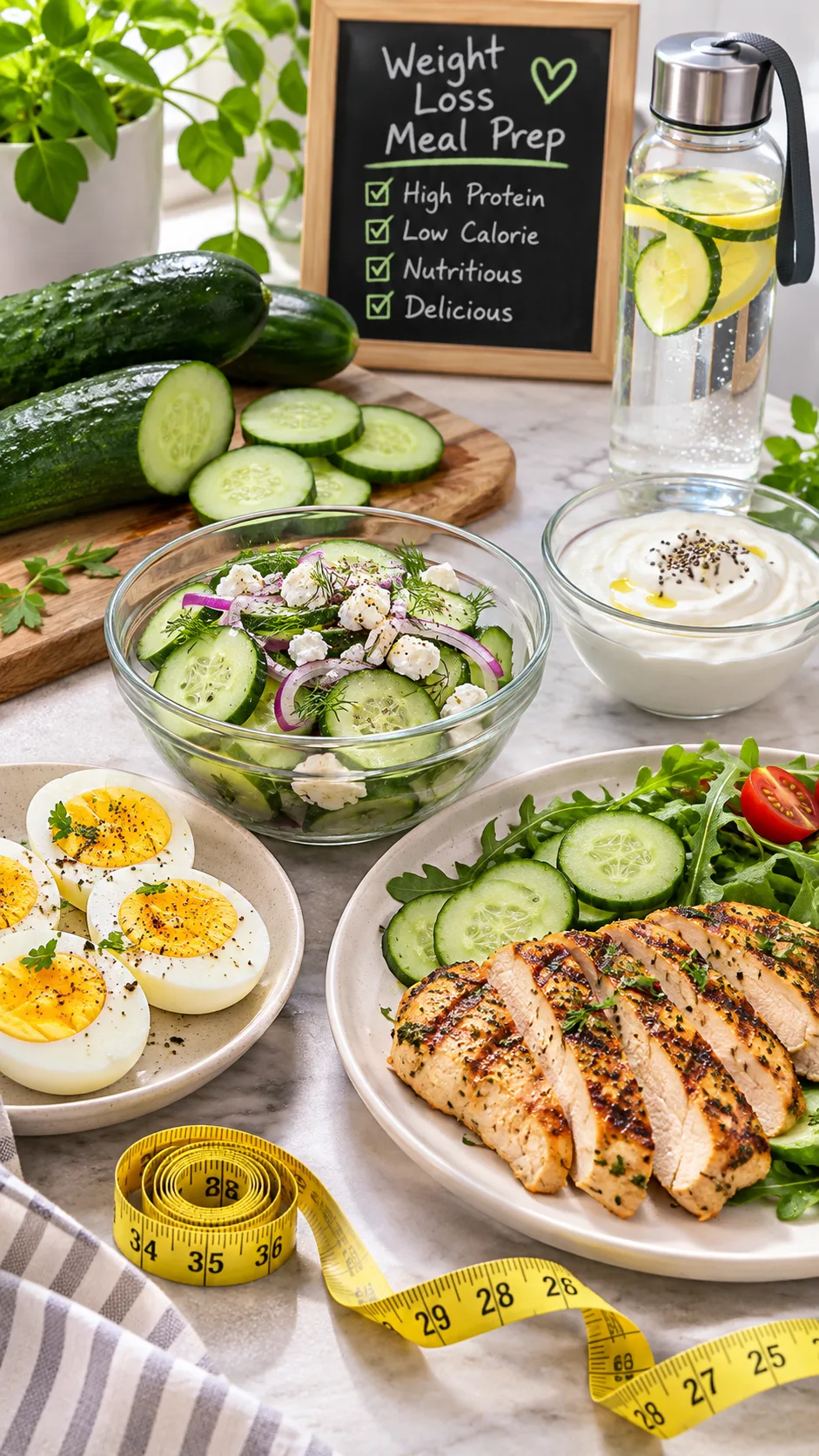
What is the cucumber diet?
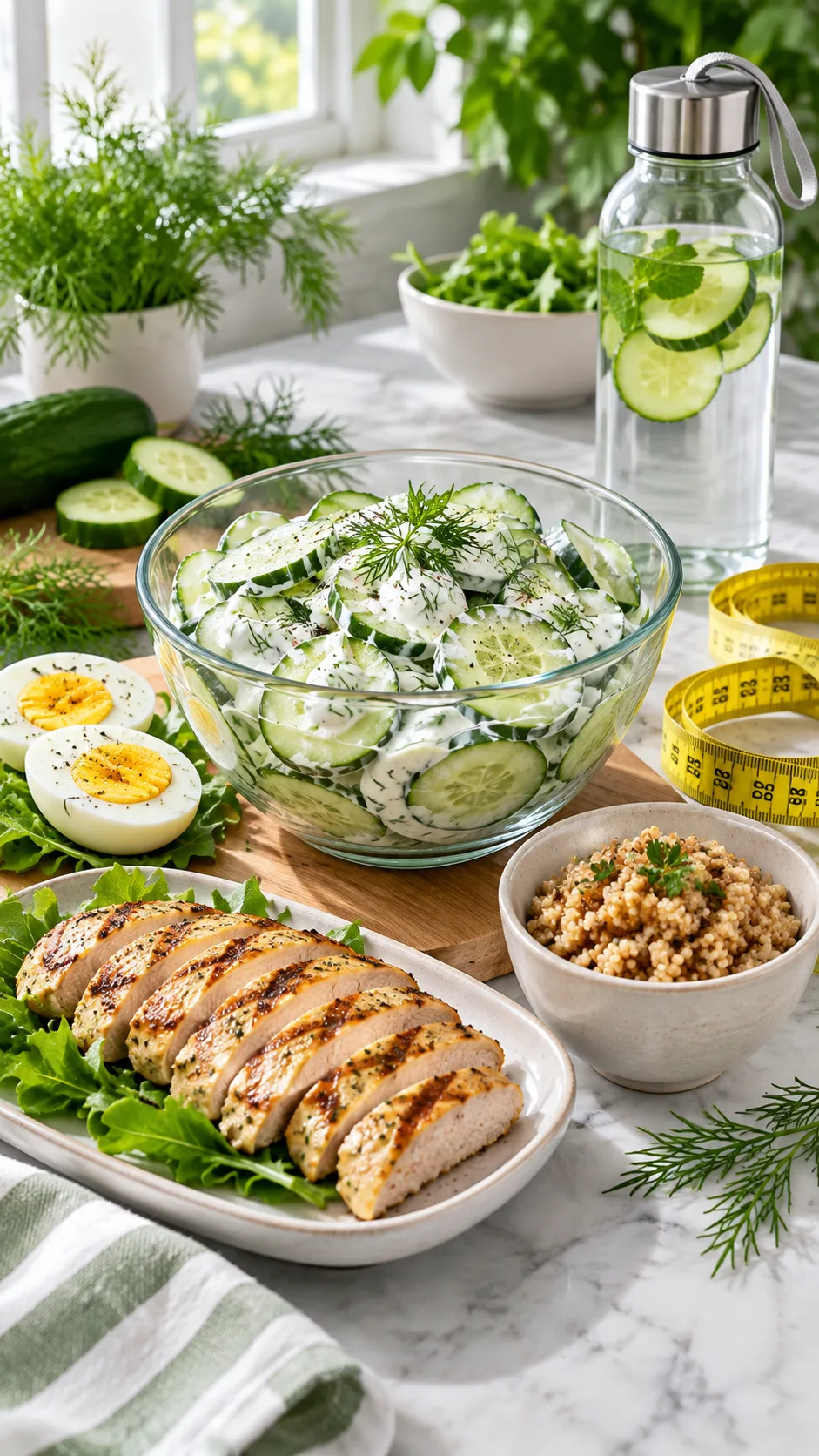
The cucumber diet usually asks you to eat cucumbers at most meals for seven to 14 days. Most versions pair them with lean protein, fruit, plain yogurt, eggs, fish, chicken, or small portions of whole grains.
Stricter versions rely almost entirely on cucumber salad, cucumber smoothies, and plain cucumber slices. You can cut calories quickly that way, but by day three, you may feel hungry, tired, and thoroughly sick of cucumbers.
Raw cucumbers contain plenty of water and very few calories. According to the USDA FoodData Central database, one large cucumber contains about 45 calories, plus water, vitamin K, potassium, and a little fiber.
Why people try it
People often try the cucumber diet because it feels simple. You do not need to count every bite, order expensive detox powders, or make an elaborate dinner after work.
- Cucumbers make meals feel bigger without adding many calories.
- Their water content can help hydration, especially if you do not drink much during the day.
- The crunch can replace casual snacking on crisps, biscuits, and sweets.
- A short plan can help reset routines after a run of takeaways or oversized meals.
Cucumbers do not burn fat on their own. Weight loss happens when you consistently eat fewer calories than your body uses. For some people, cucumbers make that calorie shortfall easier to manage.
What your body does on day 1
On the first day, your body notices the lower calorie intake more than the cucumbers. When you replace pastries, sugary drinks, fried foods, and large portions with cucumber-heavy meals, your daily calorie intake can fall fast.
You may feel good after a few lighter meals. Your stomach may feel less full, you may drink more water, and bloating from salty processed foods may ease. That early flatter-stomach feeling usually comes from less food in your gut and less sodium, rather than immediate fat loss.
Your blood sugar may feel steadier
Cucumbers contain very little sugar and few digestible carbohydrates. If you normally start the day with sweet cereal, sweetened coffee, or pastries, a breakfast with protein and cucumber may lead to fewer blood sugar swings.
Cucumbers alone cannot provide enough energy for a balanced meal. Add eggs, Greek yogurt, beans, fish, chicken, tofu, or another protein source. Your body needs protein to hold on to muscle while you lose weight.
If you eat a healthy meal and feel hungry again 30 minutes later, your meal may lack protein, fat, fiber, or enough food. That feeling does not mean you lack willpower.
What happens on days 2 and 3
By days two and three, many people notice a quick drop on the scale. That number can feel exciting, but it does not tell the whole story.
Your muscles and liver store carbohydrates as glycogen. Glycogen holds water. When you eat fewer carbohydrates and fewer calories, your body uses some glycogen and releases that water. Much of the early weight loss on a cucumber diet comes from water loss.
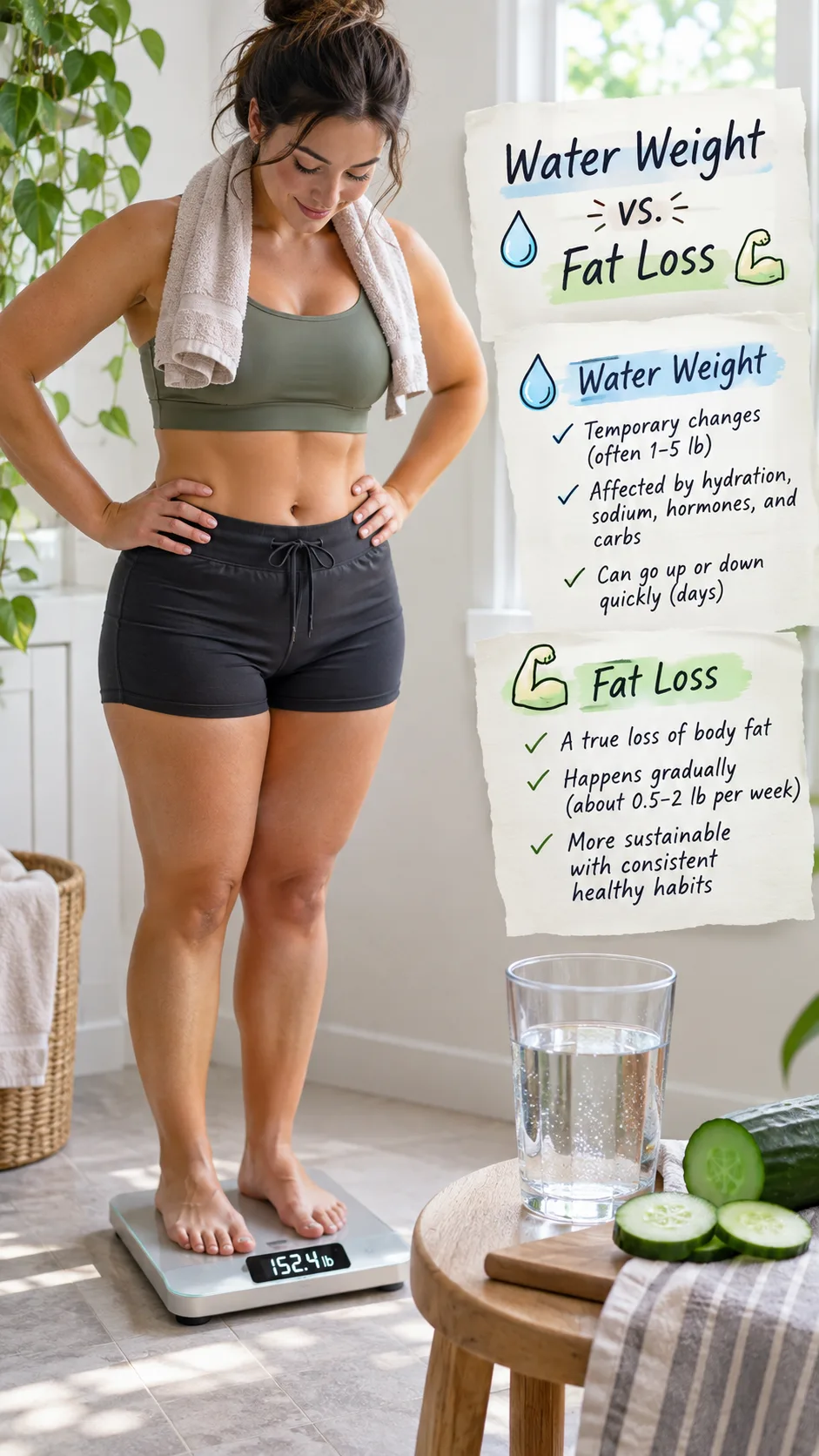
You may lose some body fat if you maintain a calorie deficit. Still, you cannot lose several pounds of pure fat in two days. Your body follows biology, not the claims in a dramatic before-and-after post.
You may visit the bathroom more often
Cucumbers contain about 95% water, so cucumber-heavy meals can raise your fluid intake. You may need to urinate more often, especially if you also drink more water, herbal tea, or coffee.
Your digestion may change too. Cucumber skin can help some people have more regular bowel movements, while a sudden increase in fiber can cause gas, rumbling, or loose stools in others. Your gut usually makes its opinion clear.
If raw cucumber makes you bloat, peel it, eat smaller portions, and add cooked vegetables such as carrots, spinach, green beans, or courgette. You do not need to suffer through a salad.
What happens on days 4 and 5
By day four, the novelty often wears off. You may feel fine if you built balanced meals around cucumbers. A very restrictive version, however, can leave you tired, irritable, cold, distracted, or very hungry.
Your body needs enough calories, protein, essential fats, iron, calcium, zinc, vitamin B12, and many other nutrients. Cucumbers offer some nutrients, but they cannot meet those needs alone.
Energy can dip
When you cut calories too sharply, your body has less energy for work, exercise, errands, and concentration. You may struggle through a workout or find yourself staring at the office vending machine for far too long.
A short calorie deficit does not automatically harm a healthy adult. An extreme deficit, though, can hurt workout performance, affect your mood, and make overeating more likely later.
The National Institute of Diabetes and Digestive and Kidney Diseases recommends gradual, sustainable weight loss instead of extreme short-term restriction. That advice may sound less exciting than “lose 5 kg by Friday,” but most bodies respond better to steady habits.
Your body may break down some muscle
Your body can use stored fat for energy during a calorie deficit. It can also break down muscle tissue when you eat too little protein and avoid resistance exercise.
Eat protein at every meal to protect your muscle. Try eggs, chicken, fish, cottage cheese, Greek yogurt, lentils, beans, tofu, or lean beef. Resistance training, including simple bodyweight exercises, also tells your body to retain more lean tissue.
- Eat cucumber slices with boiled eggs or cottage cheese.
- Add chopped cucumber to tuna, chickpea, or chicken salad.
- Combine cucumber, plain yogurt, herbs, and lemon for a protein-rich side dish.
- Eat cucumber salad with grilled fish, tofu, or beans.
If you want practical local meal ideas beyond cucumber salads, these Nigerian foods for weight loss can help you make satisfying meals without eating bland food all week.
What happens on days 6 and 7
By the last two days, most people fall into one of two groups. You may feel lighter and more in control because you followed regular meals, drank more water, and skipped ultra-processed snacks.
Or you may feel completely tired of cucumbers and start daydreaming about rice, toast, or a normal dinner. Both reactions make sense. Your long-term habits matter more than your ability to tolerate a week of green crunch.
Your hunger signals matter
Strong hunger, dizziness, headaches, weakness, poor sleep, or constant thoughts about food tell you that you need to change the plan. Do not treat those signals as proof that the diet works. Your body asks for fuel because it needs fuel.
You can improve your meals without giving up fat loss. Add protein, healthy fats, and high-fiber carbohydrates in reasonable portions. A tablespoon of olive oil, a serving of beans, a small sweet potato, or a handful of nuts can make a meal much more filling.
The Centers for Disease Control and Prevention notes that steady weight loss usually works better over time than rapid loss. Slow progress may not look impressive online, but it beats losing and regaining the same weight every few months.
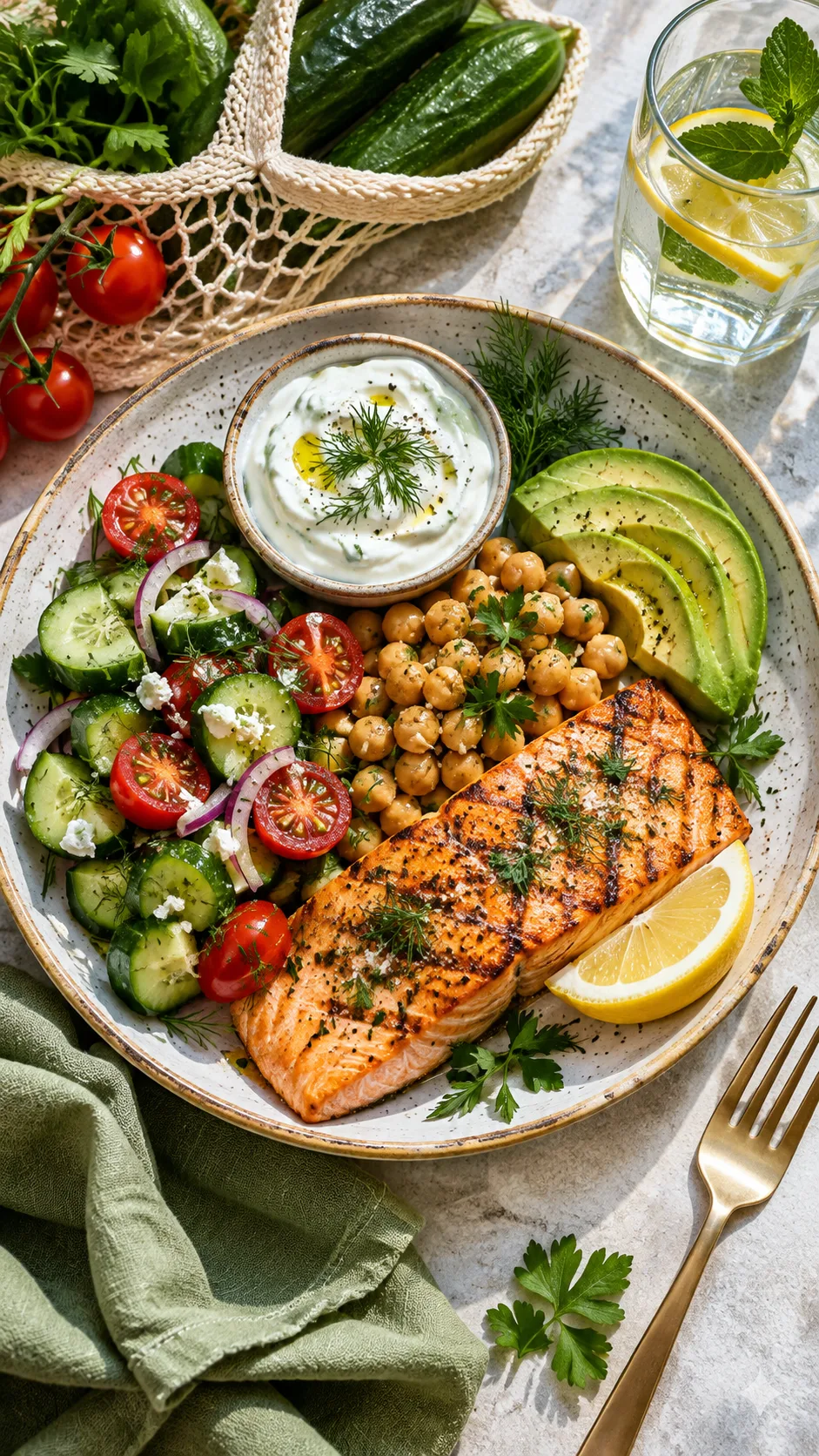
How much weight can you lose in 7 days?
Your results depend on your starting weight, usual diet, activity level, sleep, hormones, sodium intake, and calorie deficit. No honest article can promise an exact number.
Some people see the scale fall by 1 to 3 kg in a week on a restrictive cucumber diet. Water and glycogen account for much of that change, especially if someone previously ate a lot of refined carbohydrates or salty foods.
Fat loss usually happens more slowly. A moderate calorie deficit supports steadier progress and makes it easier to maintain your results. Quick scale changes can feel motivating, but they do not always reflect fat loss.
Do not confuse less bloating with fat loss
You may look less puffy after a few days of cucumber-heavy meals because you eat fewer salty foods and drink more water. That change can feel good and may encourage better habits.
Less bloating does not equal major fat loss. Track more than your body weight if you want a clearer picture. Check your waist measurement, energy, digestion, strength, sleep, and the way your clothes fit.
The main benefits of a cucumber diet
A sensible cucumber diet can offer a few benefits, particularly as a short reset. The word that matters here is sensible. Let cucumbers support your meals instead of replacing your whole diet.
- Lower calorie intake: Cucumbers take up space on your plate with very few calories.
- Better hydration: Their high water content contributes to your daily fluid intake.
- More vegetables: Many people need more produce in their usual meals.
- Less processed food: A planned week can cut down on sugary drinks, fried snacks, and late-night grazing.
- Simple meal prep: Wash, slice, season, and eat. Your chopping board can handle it.
Cucumbers also contain vitamin K, which helps with normal blood clotting and bone health. If you take warfarin or another blood thinner, keep your vitamin K intake steady and ask your clinician before making major dietary changes.
The risks and downsides you should know
The cucumber diet becomes risky when you turn it into a near-starvation plan. You cannot build a healthy long-term way of eating around one low-calorie vegetable, no matter how good it looks next to a few lemon slices.
Not enough protein and healthy fat
A cucumber-only menu gives you very little protein and almost no essential fat. Your body needs protein for muscle, immune function, enzymes, skin, and recovery. Your body also needs dietary fat for hormones and to absorb vitamins A, D, E, and K.
Build balanced meals instead of treating protein like an optional garnish. If fat loss matters to you, this weight loss diet food swap guide offers easier ways to reduce calories while still eating proper meals.
Low calories can trigger rebound eating
Extreme restriction can create a rough cycle: you eat very little, feel ravenous, overeat later, feel guilty, then start another strict plan. That pattern can drain your energy and damage your relationship with food.
A better plan leaves room for food you enjoy. Ask yourself whether you could eat this way on a busy Tuesday, at a family dinner, or after a difficult day. If the answer is “absolutely not,” you may need a different plan.
Some people should avoid it
Talk with a registered dietitian or doctor before trying a restrictive cucumber diet if you have diabetes, kidney disease, digestive conditions, low blood pressure, or a history of eating disorders. Medication can also affect how your body responds to sudden diet changes.
Pregnant people, breastfeeding people, teenagers, and anyone who struggles to eat enough calories should avoid restrictive diet challenges. They need steady nutrition, not a seven-day vegetable stunt.
A safer 7-day cucumber diet plan
You can eat cucumbers every day without making them your only food. This version supports weight loss more safely because it includes protein, fiber, healthy fats, and a wider range of produce.
Treat this plan as a flexible guide, not a food prison. Adjust portions based on your hunger, body size, health needs, and activity level.
- Breakfast: Plain Greek yogurt with berries and oats, with chopped cucumber on the side, or eggs with cucumber and tomato salad.
- Lunch: Grilled chicken, tofu, beans, or fish with a large cucumber salad, leafy greens, and a small serving of rice, potato, or whole grains.
- Snack: Cucumber sticks with hummus, cottage cheese, yogurt dip, or a boiled egg.
- Dinner: Lean protein, cooked vegetables, cucumber salad, and a satisfying serving of carbohydrates if you need it.
- Drinks: Water, sparkling water, unsweetened tea, or coffee with little added sugar.
Season cucumbers with lemon, vinegar, garlic, pepper, dill, mint, chilli, or a small pinch of salt. Good flavour makes consistency easier, and nobody needs to eat sad watery slices in silence.
How to keep the weight off after day 7
The biggest mistake often comes after the diet ends. Many people go straight back to oversized meals, sugary drinks, and constant snacking because the strict plan left them starving.
Instead, ease back into regular eating. Keep cucumbers as a snack or side dish, then bring back balanced portions of carbohydrates, protein, fats, fruit, and other vegetables.
- Fill half your lunch or dinner plate with vegetables.
- Include a protein source in every meal.
- Choose high-fiber carbohydrates more often than refined snacks.
- Walk regularly and do strength training two or three times a week.
- Get enough sleep, because poor sleep can make hunger feel stronger.
If you prefer a structured eating window over a single-food plan, this intermittent fasting schedule for weight loss offers another option. Choose the approach that fits your daily life, not the one that makes the biggest promise.
Final verdict: Is the cucumber diet worth trying?
The cucumber diet can help you lose water weight and eat fewer calories for a week, but it cannot replace a balanced weight loss plan. Cucumbers make a great addition to meals because they add water, crunch, and volume for few calories.
Use cucumbers as one tool, not your entire diet. Pair them with protein, healthy fats, fiber-rich carbohydrates, and a range of other foods so your body gets the nutrition it needs.
Keep one rule in mind: eat the cucumber, enjoy the crunch, and do not expect it to carry your entire health plan on its watery little back.