

After meals, your stomach feels bloated, unpredictable, and a little too dramatic. You want a gut reset diet plan that brings some relief without forcing you to survive on green juice and regret.
Here is the honest truth: no seven-day diet can heal every gut problem. Your digestive system needs more than a week to recover from chronic inflammation, infection, food intolerances, or conditions such as IBS and IBD. Still, seven focused days can help you spot irritants, eat more foods that support digestion, improve regularity, and build habits that make your stomach feel less chaotic.
This plan skips detox teas, starvation tactics, and costly powders with ingredient lists that look like chemistry homework. You will eat real food, drink enough water, slow down, and take a break from foods and habits that often upset digestion. It may sound basic. It often helps.
What a gut reset means
A gut reset does not clean out your intestines. Your liver, kidneys, gut lining, and immune system already work all day without a juice cleanse shouting motivational quotes at them.
A practical gut reset diet plan helps you cut back on common digestive triggers while you eat more foods that feed beneficial gut microbes. These microbes break down certain fibers, support your immune system, and make compounds that support the gut lining.
You may notice less bloating, easier bowel movements, steadier energy, and fewer urges to snack throughout the week. Or you may not notice a dramatic change right away. That still tells you something. Your gut responds better to steady routines than grand gestures.
What this 7-day plan can and cannot do
- It can: help you add fiber gradually, drink more water, and notice which foods leave you feeling unwell.
- It can: give you a calmer routine after a week of takeout, alcohol, late night snacks, or stress eating.
- It cannot: cure celiac disease, inflammatory bowel disease, ulcers, food allergies, or an infection.
- It cannot: replace medical care when you have pain, bleeding, vomiting, weight loss, or ongoing diarrhea.
Why can one person eat lentils with no trouble while another feels like a balloon after three bites? Your gut microbiome, medical history, stress, medications, and food tolerances all affect how your body responds.
The National Institute of Diabetes and Digestive and Kidney Diseases provides reliable information about digestive symptoms and conditions. Turn to trustworthy health sources instead of letting a wellness influencer diagnose your colon from a smoothie recipe.
The ground rules for your 7-day gut reset diet
You do not need to eat perfectly for this plan to help. You need a short run of simple meals, fewer irritants, and enough patience to notice what changes.
- Eat mostly whole foods. Choose vegetables, fruit, oats, rice, potatoes, beans if you tolerate them, eggs, fish, poultry, tofu, yogurt, and nuts.
- Increase fiber slowly. Fiber supports digestion, but a sudden mountain of bran can bring on gas and cramps. Start small and give your system time to adjust.
- Drink water across the day. Fiber needs fluid to move through your digestive tract comfortably.
- Limit alcohol for seven days. Alcohol can irritate your digestive tract and disrupt sleep. Your gut notices both.
- Pause ultra-processed snack foods. Skip chips, candy, sugary drinks, and fast food for one week.
- Eat without rushing. Put down your phone, chew your food, and give your brain time to catch up with your stomach.
- Track your symptoms. Note your meals, bloating, bowel movements, stress, and sleep. Those notes can reveal patterns that vague memory misses.
You do not need to cut out gluten, dairy, legumes, or every food with a personality. Restrictive diets can leave nutrient gaps and make meals more stressful than they need to be.
If lactose, gluten, onions, or another food already causes symptoms for you, adapt the menu to fit your needs. If you suspect celiac disease, ask a clinician about testing before you stop eating gluten. Testing requires regular gluten intake for accurate results.
Foods that support gut health
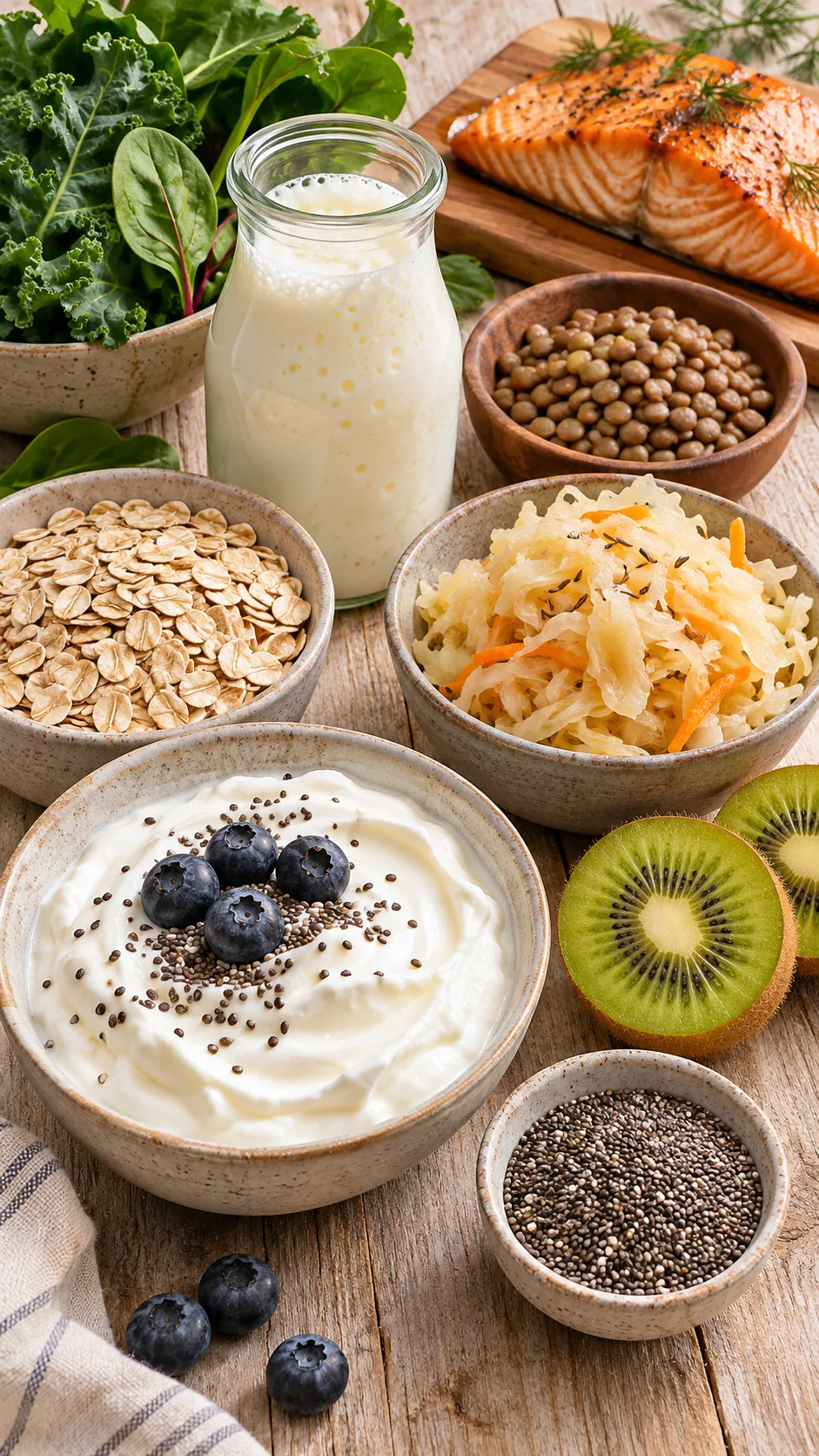
Your gut microbes benefit from variety. Research links a wider range of plant foods with a more diverse gut microbiome, so eat different colors, textures, and fiber sources over the week.
Prebiotic foods: Fuel for beneficial microbes
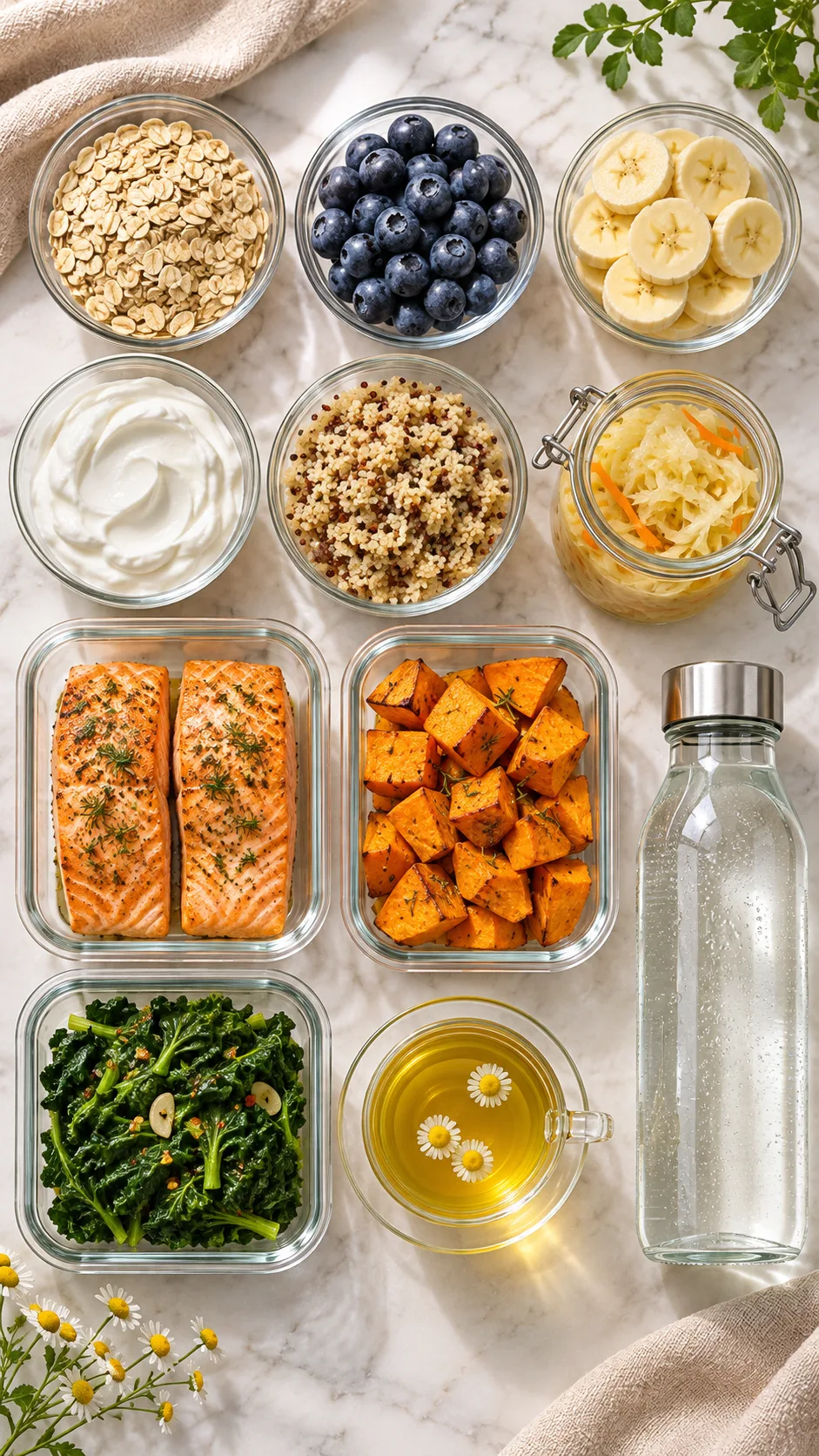
Prebiotics contain fibers that beneficial gut bacteria use for fuel. Everyday foods can provide them. You do not need an expensive supplement.
- Oats and barley
- Slightly green bananas
- Cooked and cooled potatoes or rice
- Beans, lentils, and chickpeas
- Garlic, onions, leeks, and asparagus
- Apples, berries, kiwi, and pears
- Flaxseed and chia seeds
Start with smaller portions if fiber rarely appears in your meals. Try half a cup of beans instead of a huge bowl. Your gut needs support, not an ambush.
Fermented foods: An optional addition
Fermented foods may support microbial diversity for some people. Try plain yogurt with live cultures, kefir, sauerkraut, kimchi, miso, or tempeh.
Choose unsweetened options when you can. A yogurt dessert with more sugar than protein does not become a gut health food because someone printed “probiotic” on the tub.
The Harvard T.H. Chan School of Public Health guide to the microbiome explains how eating patterns can affect gut bacteria. Start with a varied diet, then discuss supplements with your doctor or registered dietitian.
Your 7-day gut reset diet plan
This sample meal plan offers structure, not handcuffs. Adjust portions for your hunger, activity level, budget, cultural preferences, and medical needs.
Drink water, sparkling water, peppermint tea, ginger tea, or other unsweetened drinks through the day. If coffee makes your stomach flip tables, reduce it for a week or have it with breakfast instead of on an empty stomach.
Day 1: Simplify and settle in
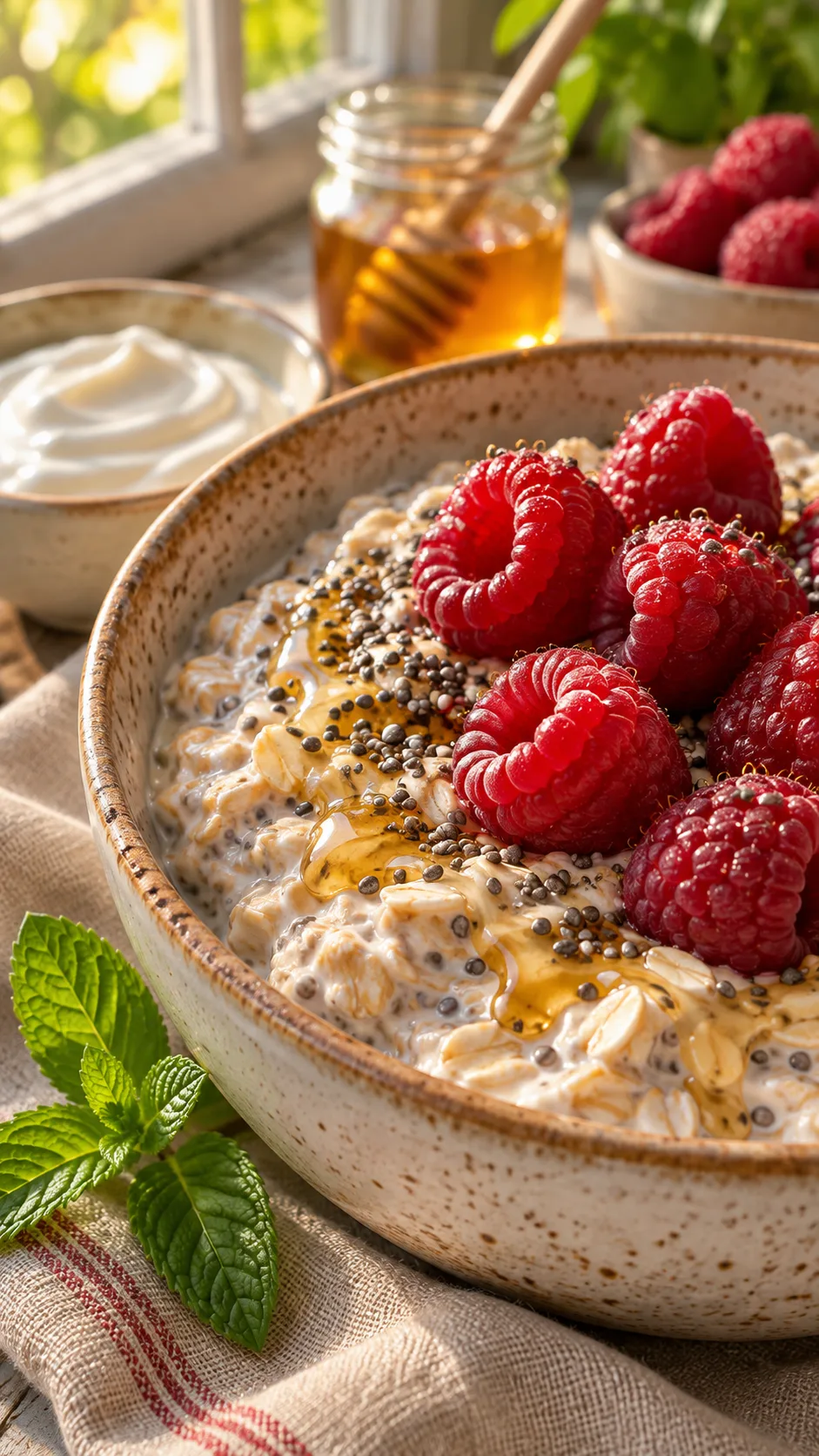
Start with oatmeal topped with blueberries, chia seeds, and plain yogurt or a dairy free alternative. For lunch, eat a turkey, tofu, or chickpea rice bowl with cucumber, carrots, spinach, and olive oil.
For dinner, make baked salmon or tofu with roasted zucchini and potatoes. Have a banana with peanut butter if you get hungry between meals. Keep things simple today and give your gut some breathing room.
Day 2: Add gentle fiber
Eat scrambled eggs with spinach and sourdough toast, or make overnight oats if you want a quicker breakfast. Have lentil soup with a side salad for lunch, but keep the lentil portion modest if beans usually bother you.
Cook chicken, tofu, or fish with rice and roasted carrots for dinner. Eat kiwi afterward if constipation gives you trouble. Some research suggests kiwi can support regular bowel movements.
Day 3: Focus on color
Blend a smoothie with plain kefir or yogurt, berries, spinach, and oats. If smoothies make you swallow too much air or leave you hungry, eat yogurt with fruit and oats from a bowl instead.
Make a quinoa bowl with roasted sweet potato, greens, pumpkin seeds, and grilled chicken or tempeh. For dinner, cook a simple vegetable omelet with a baked potato and a spoonful of sauerkraut if fermented foods agree with you.
Day 4: Support regularity
Try oats with grated apple, cinnamon, and ground flaxseed for breakfast. For lunch, eat a tuna, salmon, tofu, or chicken salad wrap with greens and avocado.
Serve a vegetable stir fry over brown rice for dinner. Season it with ginger, sesame oil, and low sodium tamari. Go easy on spicy sauces if heartburn or loose stools bother you.
Day 5: Keep things boring in a good way
Boring gets too much criticism. A calm gut often likes predictable meals, especially after a stretch of restaurant food and midnight cookies.
Eat yogurt with berries and walnuts for breakfast. For lunch, make a baked potato with cottage cheese, tuna, or beans, plus cooked greens on the side.
For dinner, roast chicken thighs or chickpeas with broccoli and rice. Drink peppermint or ginger tea afterward if you enjoy it, but skip peppermint if reflux often flares up.
Day 6: Practice a balanced weekend meal
Many people eat well Monday through Friday, then turn Saturday into a digestive obstacle course. This day lets you practice balance without making your social life miserable.
Eat eggs, avocado, and toast for breakfast. For lunch, choose a grain bowl, sushi with cooked fish or tofu, or a simple salad with protein.
For dinner, enjoy a homemade taco bowl with rice, black beans, lettuce, tomatoes, avocado, and lean protein. If you eat out, order something with protein, plants, and a carb. One oversized appetizer does not make much of a dinner.
Day 7: Review what your gut told you
Finish with oatmeal or yogurt and fruit for breakfast. Eat leftover grain bowls, soup, or a filling sandwich with protein and vegetables for lunch.
Make an easy dinner with salmon, tofu, chicken, or beans; roasted vegetables; and potatoes or rice. Then read your notes and ask yourself: Which meals left me feeling steady, satisfied, and comfortable?
That answer matters more than any influencer’s “perfect gut protocol.” Your body gives you useful feedback when you pay attention.
Common gut reset mistakes that backfire
People often make a gut reset harder by pushing too far. More supplements, more fasting, more fiber, and more rules do not always bring better results.
- Going from low fiber to extremely high fiber overnight: Add fiber in small steps and drink water.
- Using a cleanse or laxative tea: These products can cause dehydration, cramps, and rebound constipation.
- Skipping meals: Long gaps can lead to overeating later and may worsen reflux for some people.
- Eating “healthy” foods that hurt you: A food can offer nutrition and still trigger symptoms in your gut.
- Ignoring stress: Your gut and brain communicate constantly, so stress can cause cramps, nausea, constipation, or diarrhea.
- Expecting a flat stomach every hour: Everyone’s abdomen changes throughout the day. Your body digests food. It does not pose for a swimsuit ad around the clock.
If bloating frustrates you, read our guide to flat stomach diet plan mistakes that can keep you bloated. You may find a simple habit that explains more than another restrictive meal plan can.
Gut health habits beyond food
Your dinner plate matters, but your daily routine affects digestion too. This reset works better when you pair your meals with habits that reduce stress.
Walk after meals
Take a gentle 10 to 15 minute walk after lunch or dinner. Movement can support digestion and help regulate blood sugar without requiring an intense workout.
Protect your sleep
Keep a consistent bedtime and give yourself enough sleep. Poor sleep can affect appetite, food choices, stress hormones, and digestive comfort. That makes a late night scrolling marathon less harmless than it seems.
Slow down at the table
Eat while seated when you can. Take a few breaths before your first bite, chew thoroughly, and stop when you feel comfortably full rather than painfully stuffed.
It sounds almost too simple. Yet many people eat lunch while working, standing, driving, or fighting with an email thread, then wonder why their stomach feels tense.
When you need a doctor instead of a gut reset
Make an appointment with a healthcare professional if symptoms last more than a couple of weeks or interfere with daily life. A gut friendly diet can support treatment, but it cannot replace a diagnosis.
Get medical care promptly if you notice blood in your stool, black stools, severe pain, repeated vomiting, fever, unexplained weight loss, trouble swallowing, anemia, or ongoing diarrhea. These symptoms need medical attention, not another bottle of probiotic gummies.
The Centers for Disease Control and Prevention encourages balanced eating patterns with fruits, vegetables, whole grains, and protein foods. A registered dietitian can help you create a plan that fits your symptoms and preferences.
How to keep the benefits after day 7
Do not treat day eight like a food free for all. Keep eating the meals that made you feel good, then bring back less helpful foods one at a time if you want to test your tolerance.
Aim for a flexible pattern: plenty of plants, enough protein, regular meals, fiber your body handles well, and room for foods you enjoy. If weight management is also on your mind, our easy weight loss diet food swaps can help you make realistic changes without turning meals into punishment.
Gut health does not demand a flawless diet. It asks for repeated choices that support your body more often than they stress it.
Final thoughts: Give your gut a calm week, not a cruel one
This 7-day gut reset diet plan gives you a practical place to start: eat mostly whole foods, add fiber gradually, include fermented foods if they suit you, drink enough water, sleep, and pay attention to your symptoms. You do not need starvation, detox drinks, or a cabinet full of mystery powders.
Use the week to learn what helps your body feel calmer and stronger. Keep the habits that work, seek expert care for symptoms that continue, and remember that your gut responds far better to steady care than dramatic rescue missions.