

Your doctor just handed you a printout with a long list of forbidden foods. You stared at the paper, and your stomach instantly dropped. Bananas, avocados, sweet potatoes, tomatoes, beans, and nuts, basically every food that fills your belly, suddenly made the blacklist.
Plenty of patients feel that exact panic. When doctors tell you to drop potassium, they rarely hand you a practical meal plan. Instead, they give you a dreary sheet suggesting you survive on white bread, boiled chicken, and watery iceberg lettuce. Nobody wants to eat like that.
You do not need to walk around starving just to protect your kidneys or normalize your lab work. You can assemble hearty, satisfying meals while keeping your daily potassium strictly in check. You just need to understand how real satiety works.
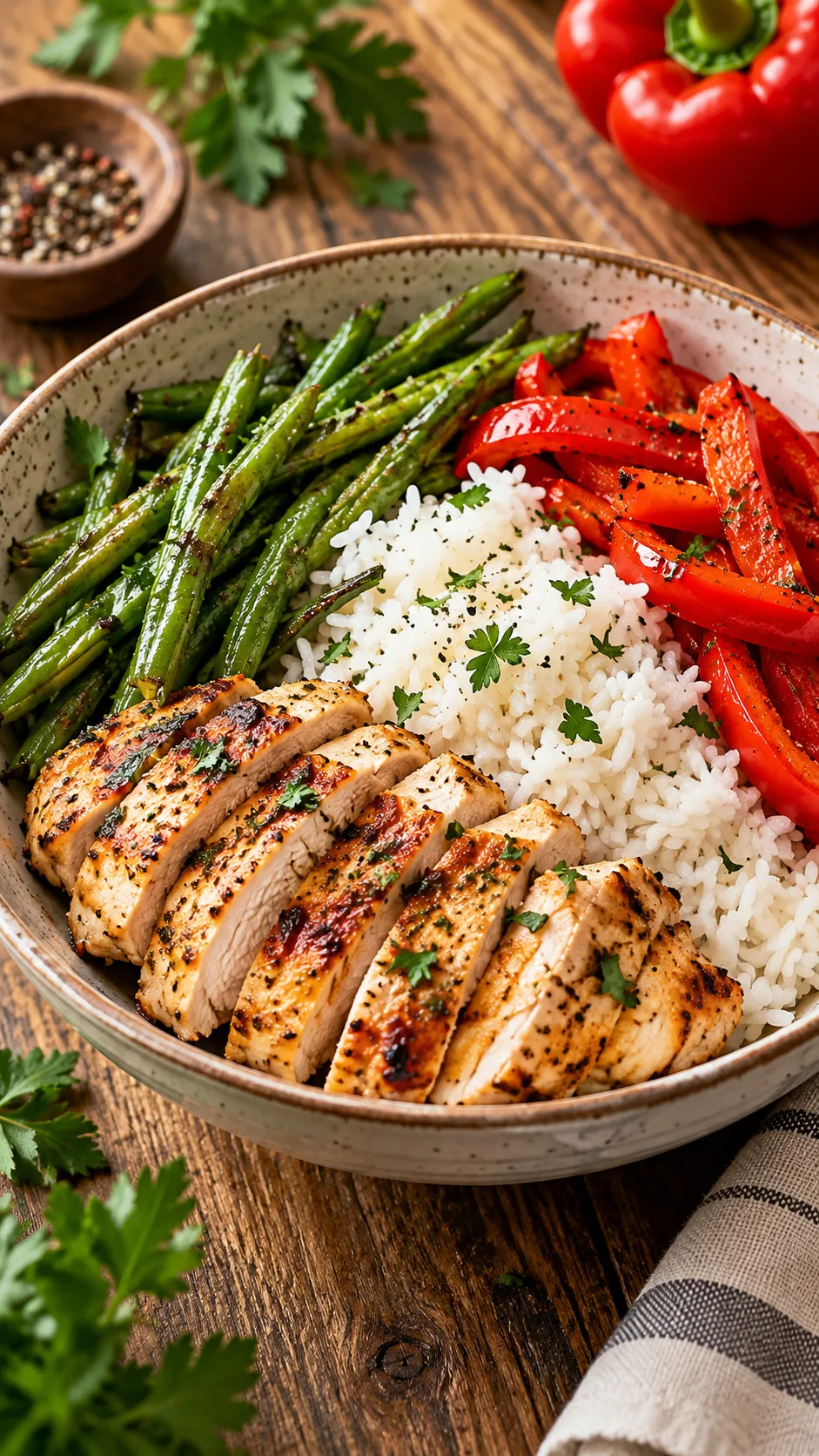
Why most low-potassium diets leave you famished and frustrated
Standard renal diet handouts fail because they tackle only one half of the equation. Dietitians want you to avoid hyperkalemia (a dangerous condition where excess potassium accumulates in your bloodstream and stresses your heart). According to the National Kidney Foundation, healthy kidneys effortlessly flush extra potassium, but compromised kidneys struggle with that task.
To keep you safe, clinic handouts strip out whole categories of hearty plant foods. Those exact foods carry the dietary fiber that stretches your stomach and signals fullness to your brain. When you replace a baked sweet potato with a plain piece of white toast, your stomach empties in forty-five minutes. Your blood sugar spikes, then it plunges, and you end up raiding the pantry.
Worse yet, fear sets in. You stop eating enough calories because you worry that every bite might wreck your blood work. You do not have to live in fear of food. When you combine the right fats, clean proteins, and lower-potassium vegetables, you regain control over your appetite.
The satiety blueprint: how to stay full on low-potassium days
Some meals keep you full for five hours, while others leave you hunting for snacks thirty minutes later. Satiety relies on protein, physical volume from fiber and water, and dietary fat. When you build meals around those elements, you stay satisfied between meals.
You can solve this problem by choosing foods that provide bulk and chewing time without loading your bloodstream with potassium ions.
1. High-volume, low-potassium vegetables
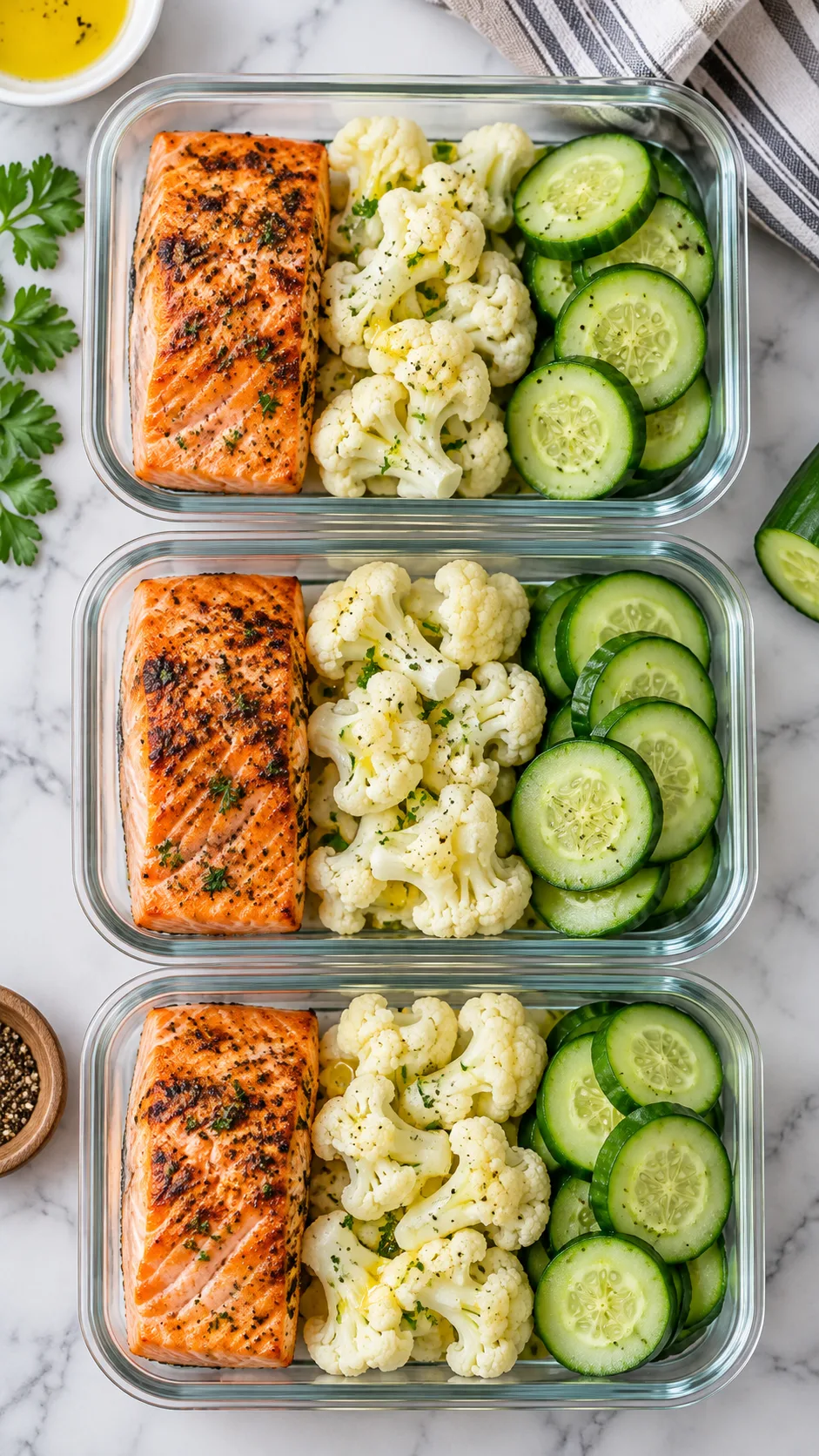
You do not need to give up vegetables. You just need to pick different ones. Cabbage, cucumber, cauliflower, zucchini, and green beans deliver crunch, stomach-filling volume, and micronutrients without excess potassium. Half a plate of charred garlic cabbage satisfies your appetite far better than a dry chicken tender ever could.
2. Healthy dietary fats
Fat carries zero potassium. Pure oils, butter, and mayonnaise contain almost no potassium at all. When you drizzle extra virgin olive oil over steamed vegetables, you slow down digestion. Food stays in your stomach longer, providing steady energy and calming hunger signals.
3. Moderate, high-quality proteins
Protein triggers peptide YY and GLP-1, the hormones that signal fullness to your brain. Chicken breast, eggs, turkey, and fresh fish curb hunger effectively. If you want ideas for pairing fats and proteins, explore our guide to healthy diet food that keeps you full.
The low-potassium swap sheet: upgrade your plate
You do not have to give up your favorite comfort meals. Simple ingredient swaps keep your meals filling and your lab numbers steady:
- Swap bananas for blueberries or strawberries: Berries provide natural sweetness, antioxidants, and fiber for a fraction of the potassium in a banana.
- Swap baked russet potatoes for leached cauliflower mash: Whip steamed cauliflower with roasted garlic, unsalted butter, and heavy cream. You get the rich, buttery texture of mashed potatoes without the potassium load.
- Swap marinara sauce for roasted red bell pepper sauce: Red bell peppers bring natural sweetness and bright color. Puree roasted red peppers with garlic and olive oil to make an alternative pasta sauce.
- Swap brown rice and quinoa for jasmine white rice or bulgur: White rice gets an unfair reputation, but it offers an energy-dense, low-potassium base for sauces and proteins.
- Swap oranges for crisp apples or pears: A cold, crisp apple delivers fiber, satisfying crunch, and very little potassium.
Check exact nutritional values for any ingredient on the USDA FoodData Central database. The database lists exact milligram counts so you know what you eat.
How leaching removes potassium from root vegetables
You do not have to give up potatoes entirely. You can reduce their potassium content right on your stove through leaching. Research from the American Kidney Fund confirms that boiling vegetables in large volumes of water extracts significant amounts of potassium.
Follow these steps whenever you prepare potatoes or dense root vegetables:
- Peel the vegetable completely: The skin holds a dense concentration of minerals, so peel it away entirely.
- Dice into small cubes: Cut the flesh into half-inch cubes or thin slices. Smaller pieces expose more surface area to the water.
- Soak in warm water: Place the cubes in a large pot of warm water for two to four hours. Drain and rinse the pieces thoroughly.
- Double-boil the pieces: Cover the cubes with fresh water, bring them to a rolling boil, and cook for five minutes. Drain that water, add fresh boiling water, and boil until tender.
Leaching removes up to fifty percent of the potassium content. You can then mash the potatoes with butter and garlic to enjoy comfort food without spiking your blood levels.
Cooking on a renal diet
This video demonstrates how everyday ingredients turn into tasty, safe plates without losing flavor or texture:
A 7-day low-potassium meal plan that keeps you full
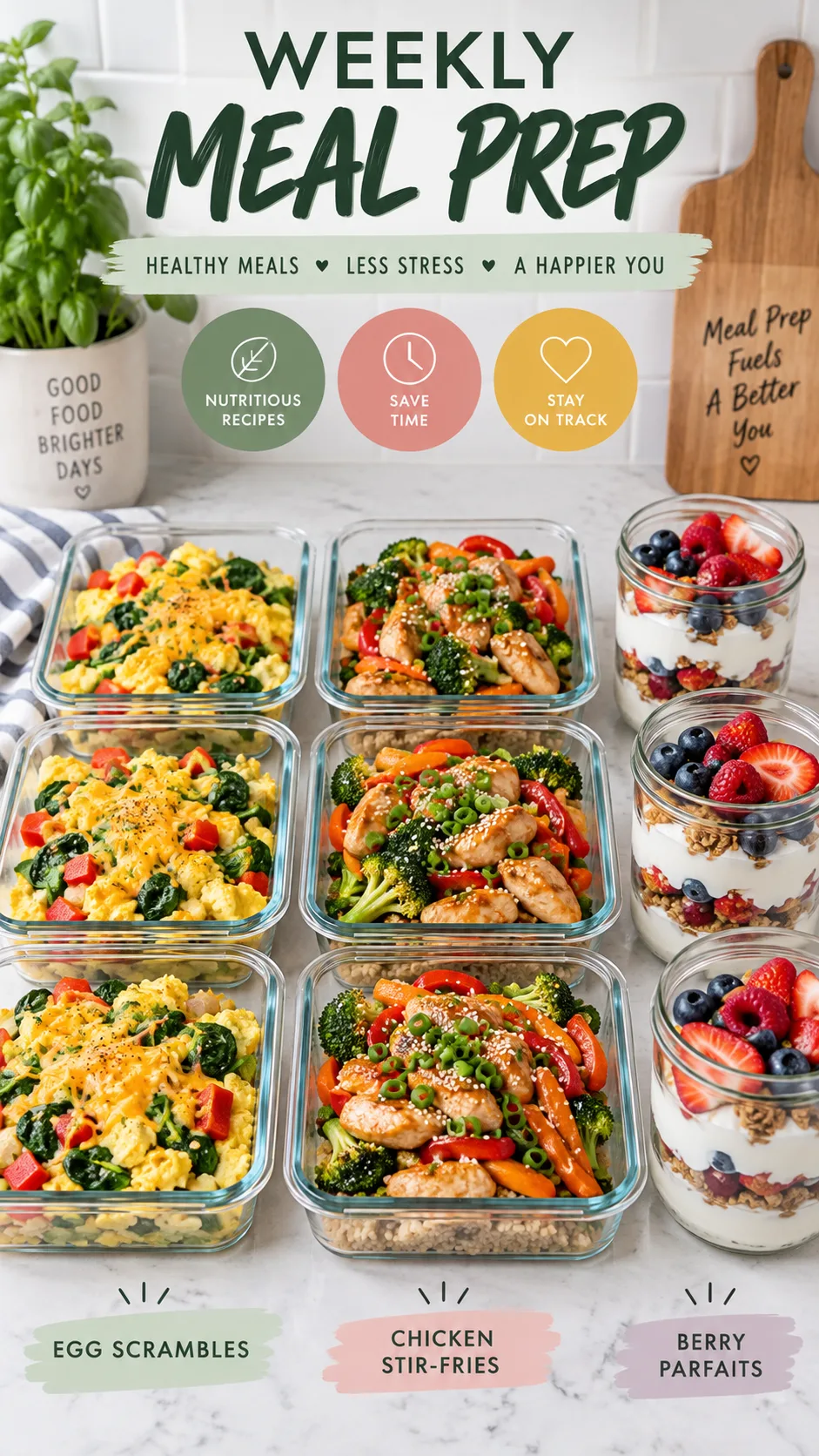
This seven-day meal plan centers on filling, whole foods. It targets 1,800 to 2,000 milligrams of potassium daily, which represents the typical range for restricted diets (always verify your specific target with your nephrologist). Each day balances protein, fat, and fiber so you stay full.
Day 1
- Breakfast: Two-egg scramble cooked in butter with half a cup of diced red bell peppers, plus one slice of toasted sourdough bread.
- Lunch: Grilled chicken wrap in a flour tortilla with shredded iceberg lettuce, sliced cucumbers, and two tablespoons of mayonnaise.
- Dinner: Pan-seared pork chop topped with warm apple chutney, alongside one cup of roasted green beans tossed in olive oil and black pepper.
- Snack: One cup of fresh blueberries topped with a splash of heavy cream.
Day 2
- Breakfast: Warm cream of rice cereal made with water, stirred with maple syrup, cinnamon, and half a cup of fresh raspberries.
- Lunch: Egg salad (three hard-boiled eggs mashed with mayonnaise, Dijon mustard, and celery) served over crisp butterhead lettuce.
- Dinner: Baked cod seasoned with garlic powder and paprika, served over one cup of jasmine white rice and steamed zucchini slices.
- Snack: Popcorn tossed with melted butter and fresh rosemary.
Day 3
- Breakfast: Sourdough French toast made with two slices of bread soaked in egg and cinnamon, fried in butter and drizzled with maple syrup.
- Lunch: Cold pasta salad made with semolina penne, diced grilled chicken, chopped cucumbers, shredded carrots, and Italian vinaigrette.
- Dinner: Ground turkey skillet cooked with diced onions, garlic, and shredded green cabbage, finished with low-sodium soy sauce and sesame oil.
- Snack: One small crisp apple with one ounce of mild cheddar cheese.
If you prefer an unprocessed approach to daily eating, explore our guide for a real food diet reset to learn how whole ingredients support steady energy levels.
Day 4
- Breakfast: Two poached eggs over buttered English muffin halves, served with half a cup of fresh strawberries.
- Lunch: Turkey and Swiss sandwich on white bread with thinly sliced radishes, romaine lettuce, and mayonnaise.
- Dinner: Pan-seared steak tips alongside leached mashed potatoes with butter, sour cream, and fresh chives.
- Snack: Rice crackers topped with cream cheese and dried dill.
Day 5
- Breakfast: Half a cup of low-potassium cottage cheese topped with fresh pineapple chunks and blueberries.
- Lunch: Shredded rotisserie chicken breast tossed with olive oil and lemon juice, stuffed into a pita pocket with shredded cabbage.
- Dinner: Grilled salmon paired with roasted cauliflower florets and buttered couscous.
- Snack: Gelatin dessert made with safe fruit juices, topped with whipped cream.
Day 6
- Breakfast: Breakfast tacos made with two flour tortillas, scrambled eggs, sour cream, and two tablespoons of mild corn salsa.
- Lunch: Tuna salad made with canned tuna, mayonnaise, and diced celery, eaten with soda crackers.
- Dinner: Chicken cutlets breaded in panko breadcrumbs, served with six roasted asparagus spears and jasmine white rice.
- Snack: Half a cup of fresh seedless grapes with a string cheese stick.
If you need higher protein targets for dialysis or strength training, read our 7-day high protein meal plan and swap in these lower-potassium vegetables.
Day 7
- Breakfast: Buttermilk pancakes topped with unsalted butter and fresh blackberry compote.
- Lunch: Chicken noodle soup made with shredded chicken, white pasta, celery, and carrots in broth.
- Dinner: Beef stir-fry with sliced flank steak, snow peas, water chestnuts, and baby corn over steamed white rice.
- Snack: Sliced fresh pear dusted with ground ginger and cinnamon.
Hidden potassium traps: salt substitutes and meat alternatives
Always read ingredient labels before buying packaged foods. Hidden potassium appears in unexpected products across standard grocery aisles.
Avoid commercial low-sodium salts and sodium-reduction seasonings. Manufacturers routinely replace sodium with potassium chloride. A single quarter-teaspoon of a potassium chloride salt substitute can deliver over 600 milligrams of potassium straight into your system. Use garlic powder, onion powder, smoked paprika, black pepper, and dried thyme to season your dishes without risk.
Watch out for packaged plant-based meat substitutes. These faux meats rely on isolated soy concentrates, potato starch extracts, and mineral additives that drive potassium counts high. Choose simple proteins like eggs, fresh poultry, and fish instead.
Check the packaging on fresh poultry and pork. Meat processors often inject raw chicken breasts with potassium phosphate solutions to increase water weight. Read the ingredient list on raw meat packages. If you see potassium anywhere on the label, leave it on the shelf.
Low-potassium snacks that crush cravings
When afternoon hunger strikes, you do not have to settle for plain rice cakes. These four snacks keep you full without driving up your potassium intake:
- Apple slices with sharp cheddar: Slice a tart Granny Smith apple and pair it with an ounce of sharp cheddar. The combination of crisp fiber, water, and dairy fat calms hunger quickly.
- Whipped berry cream: Mash half a cup of fresh raspberries with a fork and fold them into two large spoonfuls of fresh whipped cream. This combination provides a rich dessert with very little potassium.
- Garlic and herb butter popcorn: Pop three cups of plain popcorn kernels and toss them with melted butter, dried oregano, and garlic powder. Popcorn delivers fiber and crunch without mineral overload.
- Cucumber and cream cheese bites: Slice thick English cucumber rounds and spread herb-infused cream cheese on top for a cool, rich snack.
How to eat at restaurants without anxiety
Dining out on a restricted diet can feel intimidating. Menus routinely rely on tomato sauce, baked potatoes, avocado, and spinach. You can navigate restaurant menus easily once you know how to order.
Give clear, direct instructions to your server using these simple strategies:
- Order burgers with smart substitutions: Request a classic beef patty on a bun with lettuce, onion, and mayonnaise. Ask the kitchen to leave off the tomato slice. Swap French fries for steamed green beans or white rice.
- Choose garlic and olive oil pasta: Skip tomato sauces and cheese-heavy pestos. Order pasta aglio e olio (olive oil, garlic, and fresh herbs) topped with grilled chicken or shrimp.
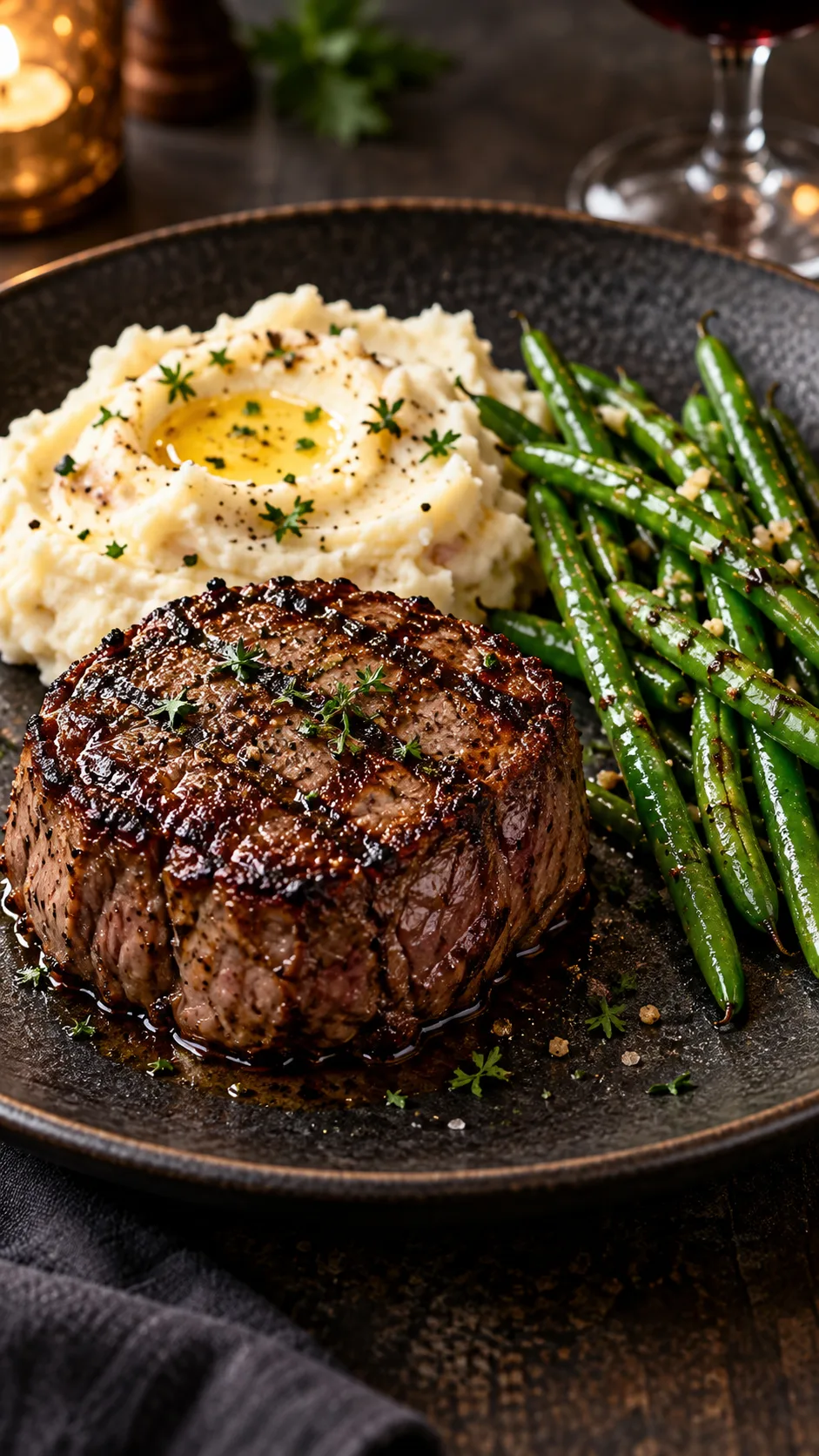
- Rely on plain steakhouse fare: Steakhouses offer some of the easiest choices for renal diets. Order a simple sirloin or filet mignon with steamed cauliflower or green beans. Ask the kitchen to prepare the meat with plain butter and salt rather than pre-mixed seasonings.
- Modify Mexican dishes: Order chicken or carnitas tacos on flour tortillas. Top them with shredded lettuce, diced white onion, cilantro, and sour cream. Skip guacamole, refried beans, and red salsa.
Clinicians at the Mayo Clinic remind patients that clear communication with restaurant staff prevents dietary mistakes. Ask your server how the kitchen prepares each dish so you can make informed choices.

Managing the mental side of dietary restrictions
Eating under strict medical limits takes a real mental toll. Watching friends eat guacamole or baskets of sweet potato fries can make you feel isolated during social events.
Focus on what you can eat instead of what you must avoid. You can still enjoy seared steaks, roasted salmon, garlic chicken, jasmine rice, butter sauces, warm apples, and sourdough bread. When you build meals from that list, the restrictions matter much less.
Log your food intake with an app like Cronometer or MyFitnessPal for two weeks. Seeing your total potassium stay well below your daily limit builds confidence. You will quickly see that staying full does not require extreme sacrifice.
Taking control of your plate
A low-potassium diet does not force you to go hungry. When you fill your plate with cabbage and green beans, add healthy fats like olive oil and butter, and leach your potatoes, you get meals that satisfy your appetite while protecting your health.
Take this seven-day meal plan, build your grocery list, and cook your next meal with confidence. You now have the practical tools to eat well, protect your kidneys, and walk away from the table full.