

Did you type “Dr. Valencia diet plan” into a search bar and get a messy pile of answers? You’re not imagining it. I’ll tell you what I can and can’t verify, then show you how to eat well no matter whose name sits on the plan.
Skip the hype. Keep the habits that work. Sound fair?
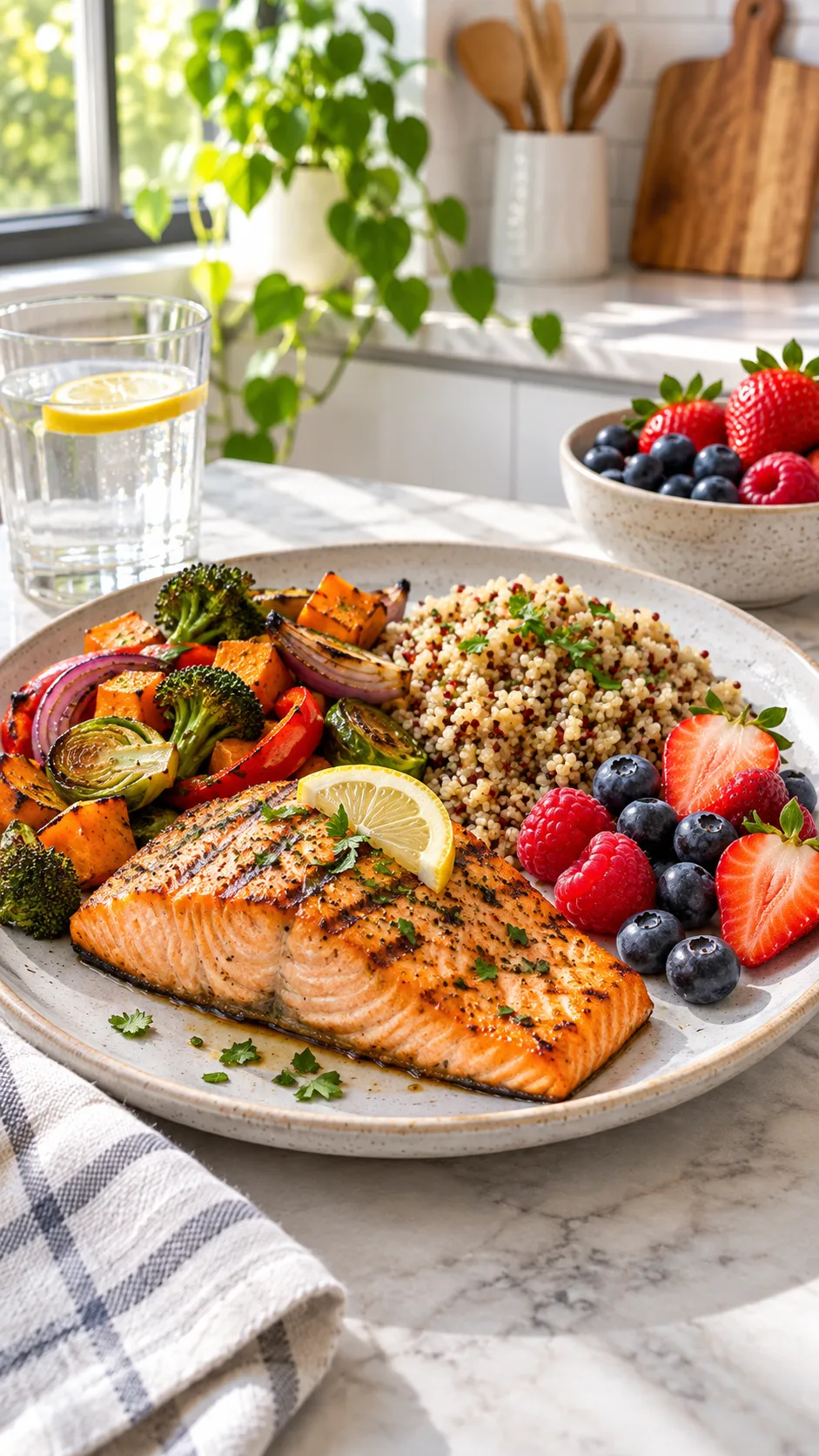
So what is the Dr. Valencia diet plan, really?
The straight answer: I couldn’t verify one single, standardized “Dr. Valencia diet” with published clinical trials behind it. The name shows up in social posts, clinic programs, and meal-plan pitches, and they don’t all describe the same thing. I won’t invent a rulebook and pass it off as official.
Why does that matter? A diet article that makes up meal rules for a real-sounding doctor does you harm. You deserve better than a confident fiction.
What most “Dr. Valencia” style plans have in common
When people describe plans with this label, the same themes keep appearing. They match what mainstream nutrition research supports:
- Whole, minimally processed foods instead of packaged snacks
- Protein at every meal to keep hunger in check
- Lots of vegetables and fiber
- Less added sugar and fewer refined carbs
- Steady meal timing instead of random grazing
Notice anything? None of that is exotic. It’s the boring, effective stuff, and I mean “boring” as a compliment.
Why diets with a doctor’s name spread so fast
A white coat sells. When someone with “Dr.” in front of their name says “eat this, not that,” millions of people listen. Ever wonder why a simple meal plan with a doctor’s face on it beats a free government guideline every time?
It comes down to clarity and accountability. A named plan gives you a starting line, a structure, and a person to trust. That feels better than “eat a balanced diet,” even though the balanced diet usually wins.
The upside
A good branded plan removes decision fatigue. You don’t have to wonder what’s for dinner at 6 p.m. when you’re tired and cranky. Structure beats willpower, and I’ll defend that opinion all day.
The downside
Branding also lets bad ideas sneak in. Some plans bolt on pricey supplements, extreme calorie cuts, or “secret” food rules with zero evidence. A secret rarely signals anything good in nutrition.

The core principles worth stealing
Whatever plan you follow, these six habits do the heavy lifting. Learn them once and you can judge any diet that crosses your feed.
- Build every meal around protein.
- Fill half your plate with vegetables.
- Choose carbs that are high in fiber.
- Cut back on added sugar.
- Pick unsaturated fats.
- Eat on a rhythm you can keep.
1. Protein first
Protein keeps you full longer than carbs or fat alone. That means fewer 3 p.m. vending machine raids. Eggs, Greek yogurt, chicken, fish, tofu, lentils, and beans all work well.
Want the full playbook? Our guide to the high protein diet plan shows how to hit your numbers without eating chicken breast four times a day.
2. Half the plate, vegetables
The Harvard Healthy Eating Plate recommends filling about half your plate with vegetables and fruit, a quarter with whole grains, and a quarter with healthy protein. It’s simple, visual, and free. You don’t need a brand.
3. Carbs high in fiber
Carbs aren’t the enemy. Refined carbs eaten alone, with nothing to slow them down, cause the trouble. Swap white bread for oats, brown rice, quinoa, or beans, and you slow digestion and smooth out your energy.
4. Less added sugar
The American Heart Association suggests no more than 25 grams (about 6 teaspoons) of added sugar a day for most women and 36 grams (about 9 teaspoons) for most men. One sugary coffee drink can blow past that before lunch. Sneaky, right?
If sugar runs your afternoons, try our low sugar diet plan. It makes cutting back feel less like a punishment.
5. Unsaturated fats
Olive oil, nuts, seeds, avocado, and fatty fish support heart health and make meals more satisfying. Fat isn’t a villain. A meal without any leaves you hungry an hour later.
6. A rhythm you can keep
Eat at roughly consistent times, and plan your snacks instead of stumbling into them. You don’t need a rigid schedule. You do want fewer “I forgot to eat, now I’ll eat the whole fridge” moments.
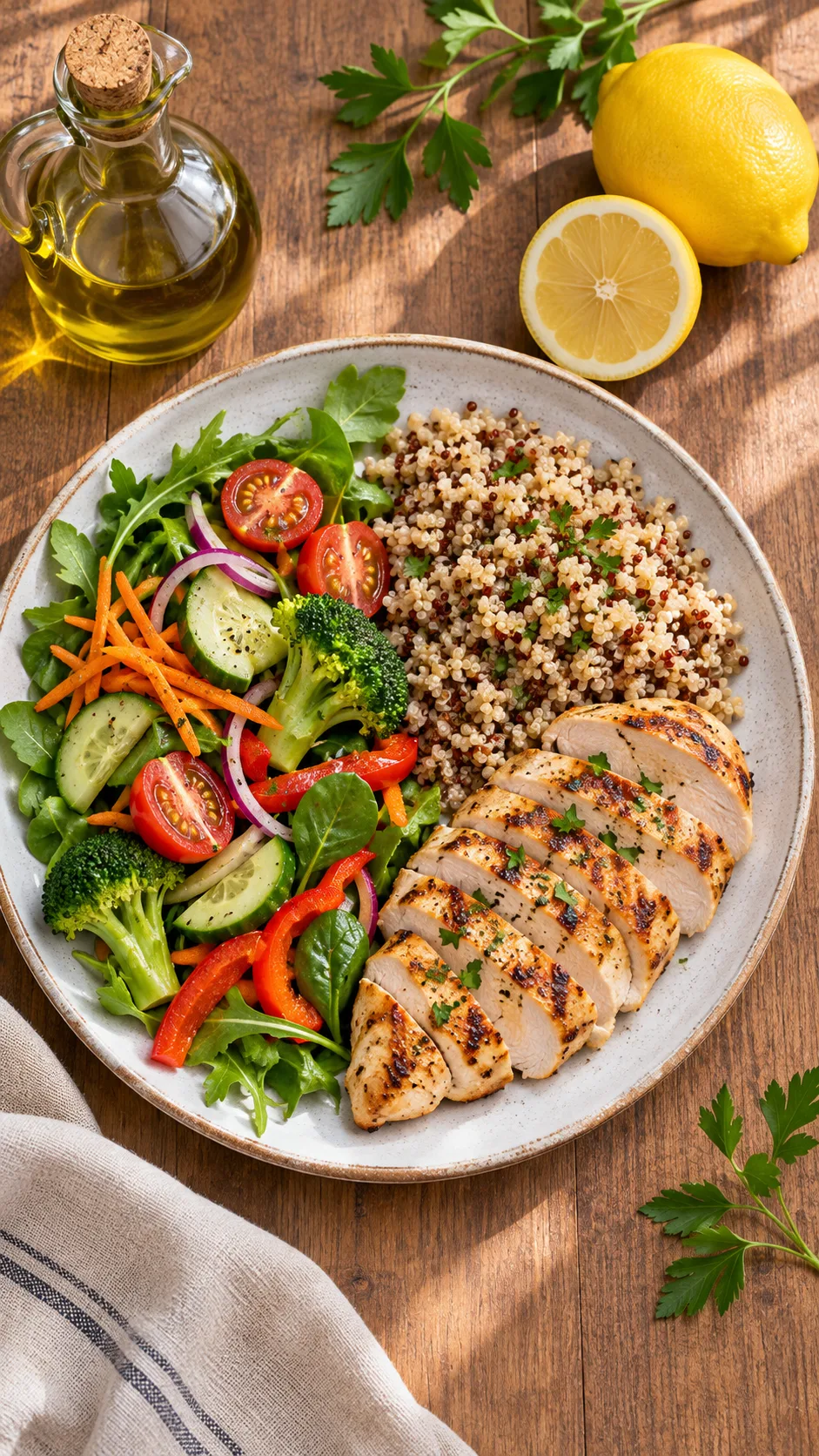
What a day of eating might look like
This sample day follows the principles above. Use it as a template, since it isn’t a prescription. Adjust portions to your body, your goals, and your doctor’s advice.
Breakfast
- Plain Greek yogurt with berries, chia seeds, and a handful of walnuts
- Black coffee or green tea
Lunch
- Big salad with grilled chicken or chickpeas, cucumber, tomato, and mixed greens
- Olive oil and lemon dressing
- A slice of whole grain bread
Snack
- An apple with almond butter, or hummus with carrot sticks
Dinner
- Baked salmon or tofu
- Roasted broccoli and sweet potato
- A small scoop of quinoa
That’s the whole day. You won’t need a specialty store or a $60 supplement bundle for any of it. Real food and real flavor add up to real results over time.
How fast should you expect results?
Slower than the internet promises. The Mayo Clinic notes that losing 1 to 2 pounds a week is a realistic, sustainable pace for most people. Faster loss often means water and muscle, and the weight often comes back.
Does that sound unsexy? Sure. But I’d rather you lose 10 pounds and keep it off than lose 20 and regain 25.
Better progress markers than the scale
- Energy levels through the afternoon
- How your clothes fit around the waist
- Sleep quality
- Lab results your doctor tracks, like blood sugar and cholesterol
Stubborn around the middle? Our breakdown of the diet plan for belly fat loss covers what to change when the scale won’t budge.
Red flags: how to vet any diet with a doctor’s name on it
Before you buy in, run the plan through this checklist. It takes five minutes and can save you months of frustration.
- Check the credentials. Does the doctor list a real license, specialty, and workplace you can verify?
- Look for evidence. Can you find published studies or clear references, or only testimonials?
- Watch for extreme promises. “Lose 20 pounds in 10 days” is a marketing line. Medicine doesn’t talk like that.
- Count the banned foods. Cutting out entire food groups without a medical reason deserves skepticism.
- Follow the money. Does the plan require you to buy proprietary shakes, powders, or pills?
- Test for flexibility. Can you follow it at a restaurant, a birthday party, or on a work trip?
If a plan fails two or more of these, walk away. Your metabolism doesn’t need the drama.
Common mistakes people make with any named diet
Following the plan perfectly for two weeks, then quitting
All-or-nothing thinking wrecks more diets than bad food does. Did you miss meal prep Sunday? Eat the next meal well and move on. One off-plan dinner never ruins a week.
Ignoring portion sizes on “healthy” food
Olive oil, nuts, and granola are healthy. They also pack a lot of calories. A “healthy” bowl can quietly hit 900 calories if you pour without measuring.
Skipping water and sleep
You can nail your macros and still feel terrible if you sleep five hours a night. Poor sleep ramps up hunger hormones, which makes every craving louder. Rude, but true.
Copying someone else’s plan without adjusting
Your body, budget, schedule, and medical history differ from the next person’s. A plan that works for a 25-year-old marathoner won’t automatically suit a 55-year-old with high blood pressure. Ever notice how rarely people mention that?

Who should talk to a professional first
Some people need a personalized plan instead of a general one. Check with your doctor or a registered dietitian before you change your eating pattern if any of these apply:
- You have diabetes or prediabetes
- You have kidney, liver, or heart disease
- You take medications that interact with food, like blood thinners or insulin
- You’re pregnant or breastfeeding
- You have a history of disordered eating
This advice goes beyond legal fine print. It keeps you safe. You can also read the federal Dietary Guidelines for Americans for baseline guidance to bring to that conversation.
My take
I think the best diet plan is the one you can repeat on a boring Tuesday. The coolest name and the most dramatic before-and-after photos don’t matter. If a “Dr. Valencia” plan pushes you toward whole foods, protein, vegetables, and less sugar, great. You’d get the same benefits from the principles alone, and you’d keep your money.
Does that mean branded plans have no value? No. Some people need a name, a structure, and a coach to stay on track. Just make sure the structure rests on evidence and not on a slick logo.
Quick FAQ
Is there an official Dr. Valencia diet book or study?
I couldn’t confirm one. If you’ve found a specific program, check the doctor’s credentials, look for published research, and ask for the full plan in writing before you pay.
Can I lose weight with these principles?
Yes, for most people. A modest calorie deficit, plenty of protein and fiber, and fewer sugary drinks produce steady loss. Your results depend on your starting point, activity, sleep, and health conditions.
Do I need supplements?
Usually not, if you eat a varied diet. Your doctor might recommend specific ones, like vitamin D or B12, based on blood work. The NIH Office of Dietary Supplements offers reliable fact sheets you can read before you spend a dime.
What if I hate cooking?
Keep it simple. Rotisserie chicken, bagged salad, frozen vegetables, canned beans, and microwaveable grains give you a decent meal in ten minutes. You don’t need anything fancy.
The bottom line
Five points sum up this article:
- I couldn’t confirm a single “Dr. Valencia diet,” so judge any version by its evidence.
- Protein, vegetables, fiber, healthy fats, and less added sugar form the backbone of nearly every plan that works.
- Aim for 1 to 2 pounds a week and track energy, sleep, and labs alongside the scale.
- Vet every plan for credentials, evidence, extreme claims, and expensive add-ons.
- Talk to your doctor or dietitian if you have a medical condition.
Your next step: pick one habit from the list and start with tomorrow’s breakfast. Add protein, add color, skip the sugar bomb. Small, boring, repeatable changes are what change how you eat.