

You ate only fruit for breakfast last week, and by 10:30 AM, your stomach growled so loudly your coworkers turned to look. Most people assume a fruit-heavy morning guarantees sudden hunger pangs, erratic blood sugar, and an intense urge to raid the pantry for bread by noon.
Eating fruit does not sentence you to perpetual hunger. When you pick the right fiber types, eat adequate volume, and pair foods intelligently, fruit keeps you full for hours. You get steady energy, clear skin, better digestion, and zero misery.
Forget the extreme routines that demand thirty bananas a day. A sustainable fruit diet works in the real world when you follow basic human biology.
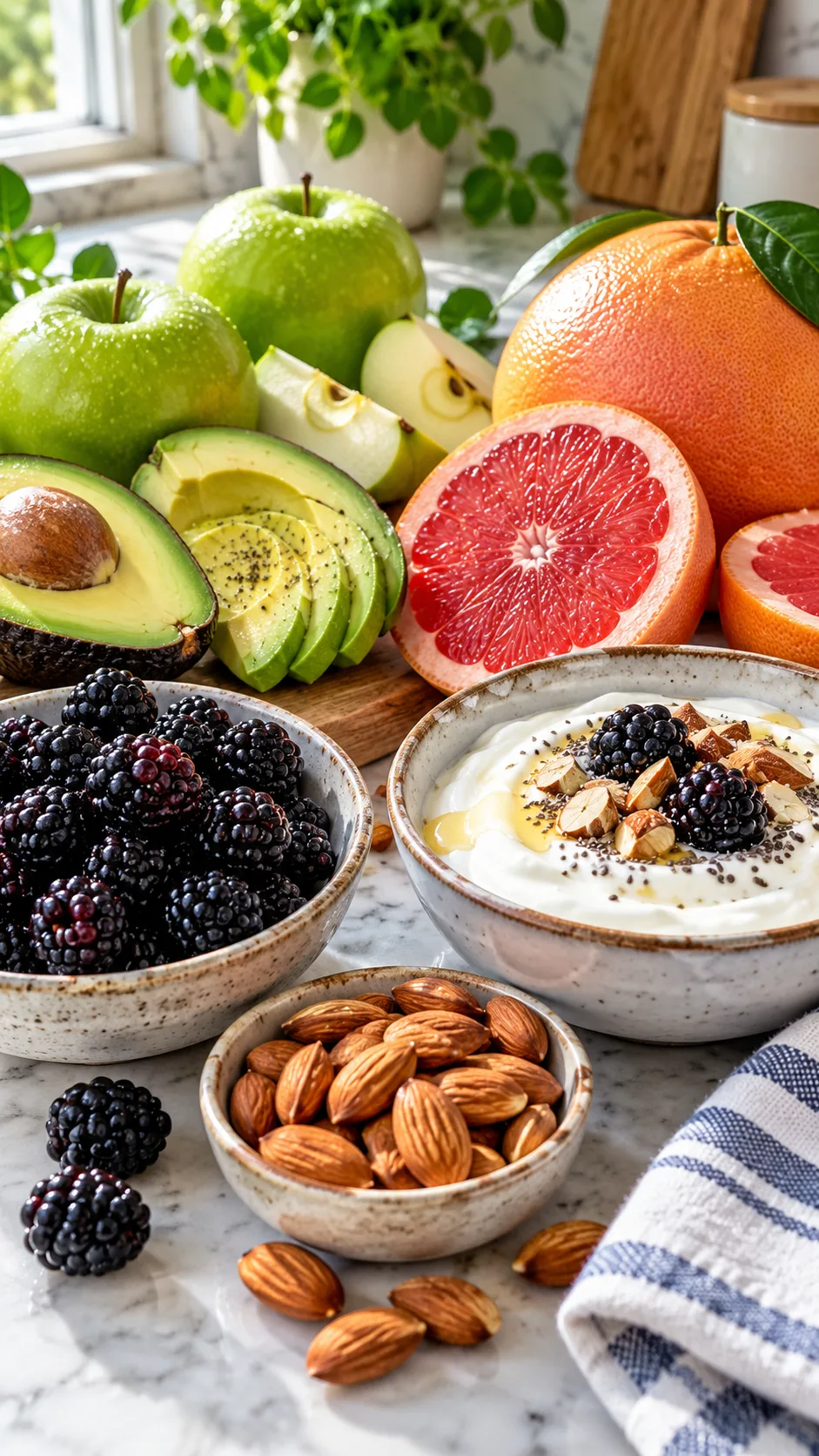
Why most fruit diets leave you starving (and how to fix it)
Why do standard fruit cleanses fail? Most people eat two bananas, drink a glass of orange juice, and wonder why their hands start shaking an hour later. The fruit is not the problem; the execution is.
Traditional cleanses fail for specific reasons:
- They strip the fiber: Juicing removes the insoluble roughage that controls digestion, turning whole fruit into liquid sugar.
- They choose low-satiety fruits: Watermelon and grapes taste great, but their low fiber-to-water ratio leaves your stomach empty within forty-five minutes.
- They ignore gastric emptying time: Simple carbohydrates leave your stomach rapidly unless you anchor them with structural fiber, healthy fats, or clean protein.
Your stomach signals fullness through two pathways: mechanical stretch receptors and chemical satiety hormones. Mechanical stretch requires physical volume. Hormonal satiety requires your gut to release peptides like peptide YY (PYY) and glucagon-like peptide-1 (GLP-1). High-sugar, low-fiber fruit routines trigger neither pathway.
If you want genuine staying power, select fruits rich in pectin and viscous soluble fiber. Pectin forms a thick gel inside your digestive tract. This gel delays stomach emptying, smooths out your glycemic curve, and calms your hunger hormones for hours.
If you have struggled with bloating from crash diets in the past, you know how quickly poor planning backfires. Just like avoiding the flat stomach diet plan mistakes that disrupt gut comfort, balancing your fruit intake demands precision rather than deprivation.
The science of satiety: four powerhouse fruit categories
Different fruits behave differently inside your digestive system. To stay full, categorize your fruit choices by their physiological impact rather than their sweetness.
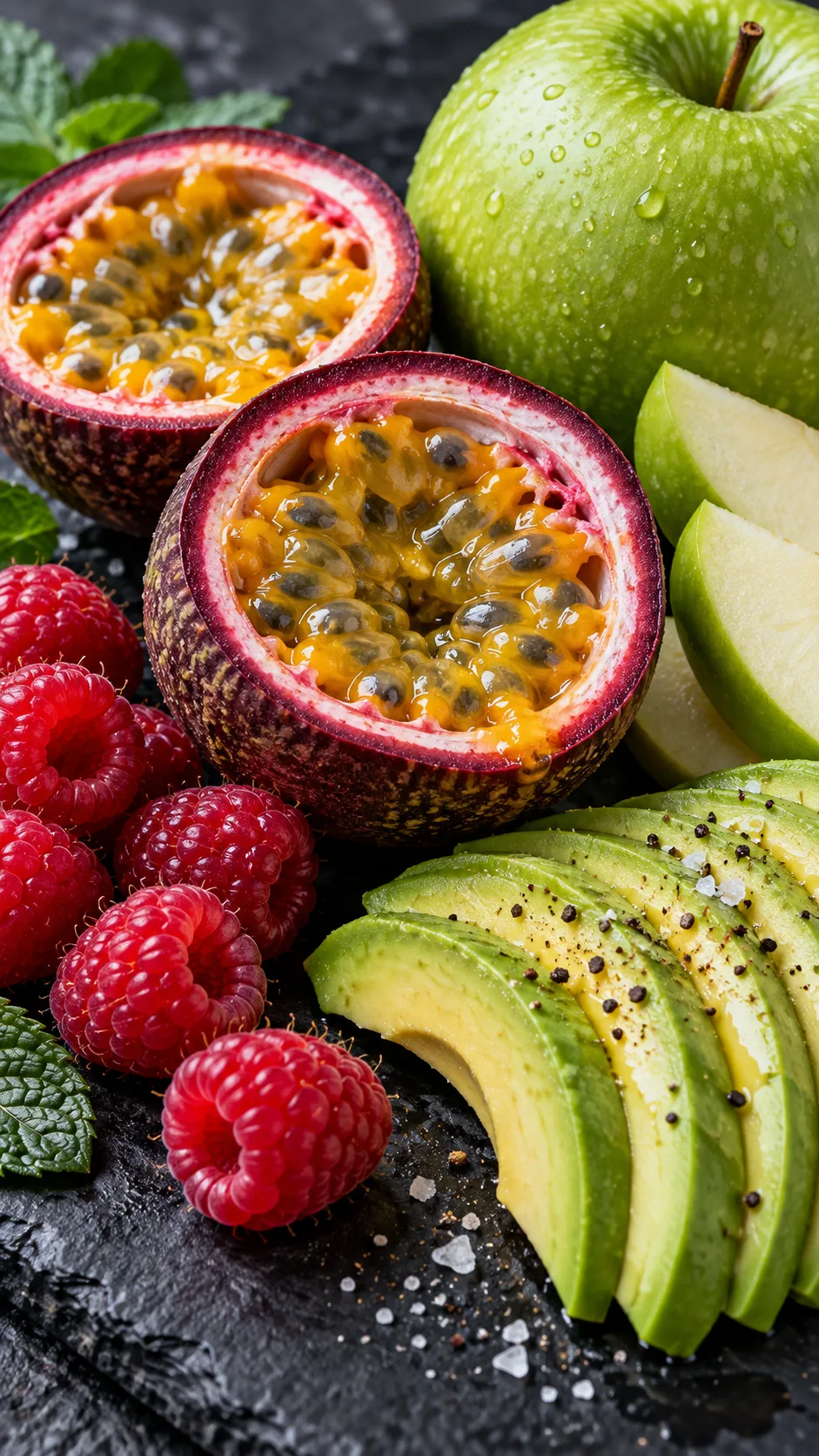
1. High-pectin satiety champions
Pectin acts like an internal brake pedal for digestion. Pears and apples carry some of the highest concentrations of dietary pectin in the plant kingdom, especially when you eat the skins. Clinical researchers at the Harvard T.H. Chan School of Public Health repeatedly point to whole apples and pears for their ability to support long-term weight management.
- Granny Smith Apples: Packed with pectin and non-digestible compounds that nourish beneficial gut bacteria.
- Bosc and Bartlett Pears: Deliver up to 6 grams of fiber per medium fruit.
- Plums and Peaches: Supply stone-fruit polyphenols alongside solid pectin structures.
2. Low-sugar, high-fiber berries
Berries provide the highest fiber-to-calorie ratio of any sweet food on earth. Raspberries and blackberries deliver 8 grams of dietary fiber per cup while staying under 65 calories. Their seeds supply insoluble roughage that physically slows the passage of food through your gut.
Blueberries and strawberries round out this group with anthocyanins. These antioxidants support cellular insulin sensitivity, according to metabolic research indexed by the National Library of Medicine. Better insulin sensitivity means fewer sudden cravings between meals.
3. Fat-rich botanical fruits
Avocados, olives, and coconuts are botanically fruits. A successful fruit plan requires them. Avocados deliver oleic acid, a monounsaturated fat that triggers oleoylethanolamide (OEA) synthesis in your small intestine. OEA signals your brain to turn down appetite signals naturally.
Half an avocado supplies roughly 7 grams of dietary fiber and 15 grams of monounsaturated fat. That combination shuts down hunger quickly.
4. High-volume hydration heavyweights
Water-dense fruits provide instant volume to stretch stomach walls. You must consume them alongside dense fiber. Grapefruit, cantaloupe, and oranges contain structured cellular water that your digestive tract absorbs more slowly than plain tap water.
Grapefruit contains naringenin, a flavonoid that aids liver metabolism and supports glucose tolerance. Eating half a pink grapefruit fifteen minutes before a meal curbs overall calorie intake without creating a sense of deprivation.
The “Fruit-First” satiety matrix
To construct fruit-centered meals without feeling ravenous two hours later, rely on the Fruit-First Satiety Matrix. Combine three elements whenever you prepare a meal on this plan:
The Core Formula: High-Fiber Fruit + Plant/Dairy Anchor + Crunchy Insoluble Booster
This formula turns an ordinary fruit snack into a four-hour satiety barrier:
- Weak Approach: One medium banana eaten on the run. (Result: Hunger arrives in 45 minutes; blood sugar spikes and crashes.)
- The Matrix Approach: One sliced green apple (pectin) paired with 3/4 cup of plain Greek yogurt or unsweetened lupini flake whip (anchor) and a tablespoon of raw chia seeds (booster). (Result: Fullness lasts for four solid hours.)
If you prefer an approach with higher daily protein, compare this method with our 7-day high protein meal plan. Strategic pairing beats restriction every time, regardless of which core food you prioritize.
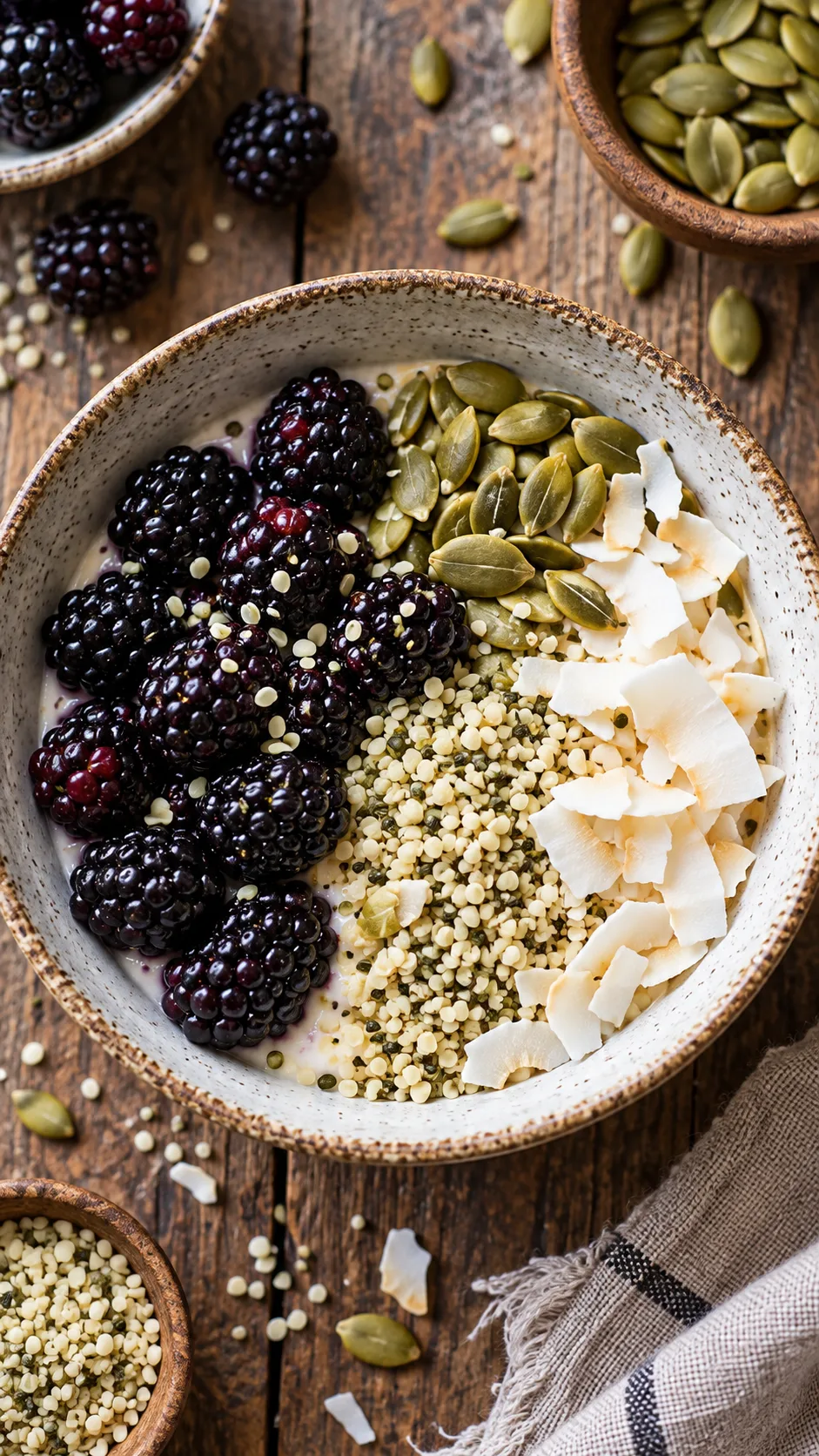
The complete 7-day satiety fruit meal plan
This plan prioritizes whole, unprocessed fruits while adding necessary proteins, healthy fats, and leafy greens. It keeps daily calories in a comfortable range (around 1,500 to 1,650 calories) without requiring a food scale for every single berry. If this energy window fits your targets, check our simple 1500 calorie meal plan for extra ideas.
Day 1: The pectin reset
- Breakfast: Pectin Power Bowl. Core: Two chopped Granny Smith apples with skins intact. Anchor: One cup of unsweetened plain Greek yogurt or thick coconut kefir. Booster: Two tablespoons of ground flaxseed and a dash of Ceylon cinnamon.
- Lunch: Citrus and avocado greens. Core: One segmented ruby red grapefruit and one sliced avocado. Anchor: Two cups of baby spinach and 4 ounces of grilled tofu or baked chicken breast. Dressing: Fresh lemon juice and cold-pressed extra virgin olive oil.
- Afternoon Snack: One whole Bosc pear paired with twelve raw almonds.
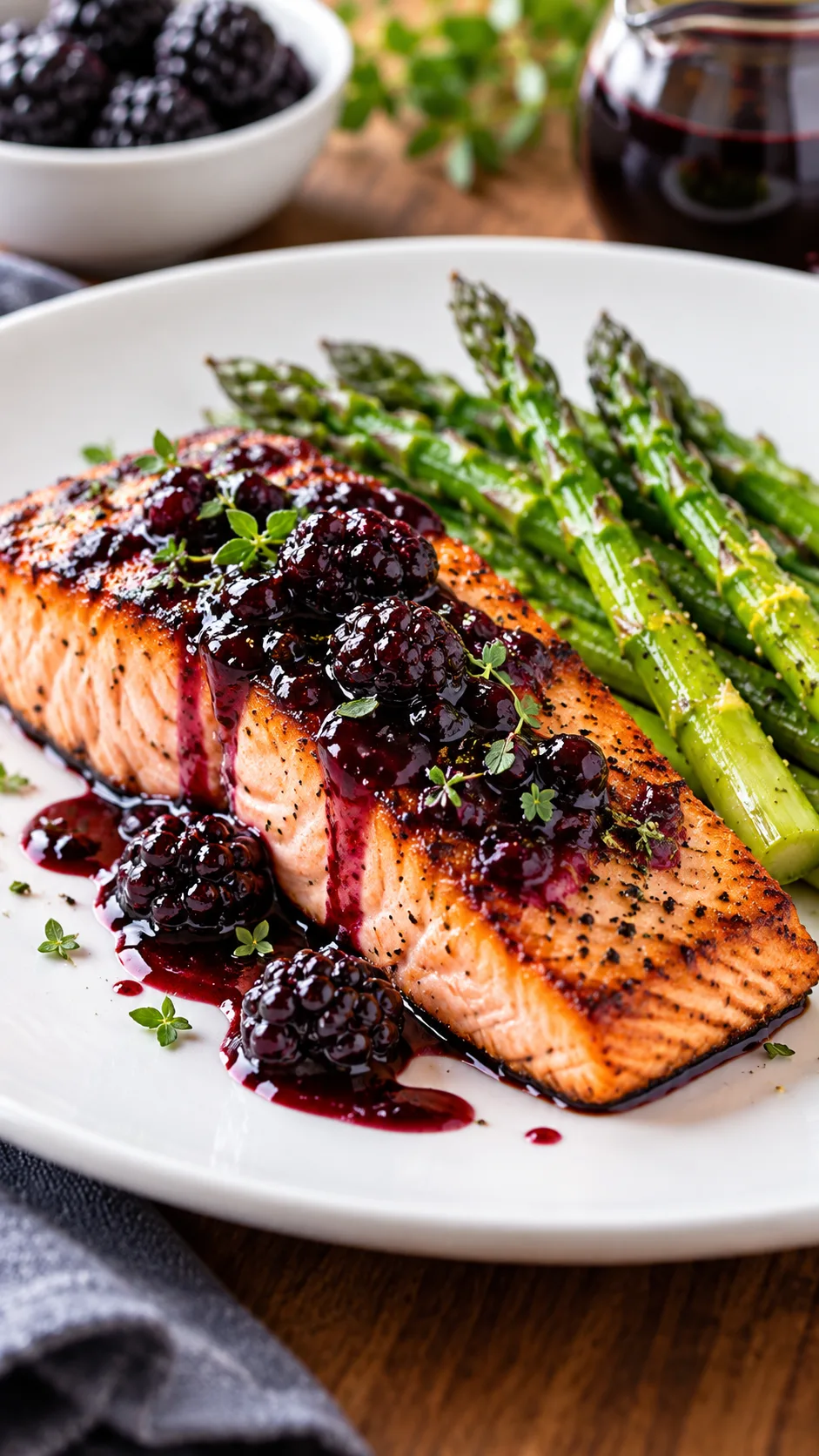
- Dinner: Berry-Glazed Wild Salmon Bowl. Core: Warm blackberry-balsamic reduction (fresh blackberries simmered with balsamic vinegar). Anchor: 5 ounces of wild sockeye salmon over steamed broccoli florets and half a cup of warm quinoa.
Day 2: The berry fiber surge
- Breakfast: Triple Berry Chia Pudding. Core: One cup of mixed blackberries and raspberries. Anchor: Three tablespoons of chia seeds soaked overnight in unsweetened almond milk with a scoop of unflavored plant protein. Booster: Crushed raw walnuts.
- Lunch: Crunchy Apple and Fennel Salad. Core: Sliced Honeycrisp apple. Anchor: Shaved fresh fennel bulb, arugula, and four ounces of flaked albacore tuna or hemp-heart-crusted tempeh. Dressing: Apple cider vinegar and walnut oil.
- Afternoon Snack: Two fresh kiwi fruits (halved and scooped with a spoon) plus one hard-boiled egg.
- Dinner: Savory Peach and Turkey Medallions. Core: Grilled fresh peach slices. Anchor: 5 ounces of grilled turkey tenderloin or seitan cutlets with roasted asparagus spears and half an avocado.
Day 3: Tropical enzyme activation
- Breakfast: Papaya Digestive Boat. Core: Half a large ripe papaya with seeds scooped out. Anchor: Fill the cavity with cottage cheese or whipped silken tofu. Booster: Two tablespoons of raw pumpkin seeds (pepitas) and a squeeze of fresh lime juice.
- Lunch: Strawberry and Spinach Plate. Core: Two cups of fresh sliced strawberries. Anchor: Three cups of baby spinach, half a cup of cooked edamame, and 1 ounce of crumbled goat cheese. Dressing: Raspberry vinaigrette.
- Afternoon Snack: One large crisp Asian pear with one tablespoon of natural unsweetened almond butter.
- Dinner: Pineapple Stir-Fry. Core: Fresh pineapple chunks (supplying bromelain to assist protein breakdown). Anchor: 5 ounces of wild shrimp or extra-firm tofu stir-fried with bok choy, snap peas, and sesame seeds.
Day 4: Polyphenol saturation
- Breakfast: Wild Blueberry Satiety Smoothie. Core: 1.5 cups of frozen wild blueberries. Anchor: One cup of unsweetened soy milk and one scoop of pea protein isolate. Booster: One tablespoon of psyllium husk and one tablespoon of almond butter. Blend thick and eat with a spoon.
- Lunch: Mediterranean Fig and Olive Plate. Core: Four fresh mission figs (or soaked dried figs). Anchor: Kalamata olives, two cups of mixed greens, cucumber ribbons, and 4 ounces of grilled chicken or white beans.
- Afternoon Snack: One small orange (peeled, leaving the white pith) plus two tablespoons of raw sunflower seeds.
- Dinner: Roasted Plum Pork Tenderloin or Portobello Caps. Core: Two dark plums roasted until tender. Anchor: 5 ounces of lean pork loin or two grilled portobello mushroom caps served over braised Swiss chard.
Day 5: Dense core hydration
- Breakfast: Cantaloupe Protein Parfait. Core: Two cups of cubed cantaloupe. Anchor: One cup of high-protein skyr or thick soy yogurt. Booster: Two tablespoons of shelled hemp seeds.
- Lunch: Blackberry Massaged Kale Salad. Core: One cup of fresh blackberries. Anchor: Finely shredded curly kale massaged with half an avocado, topped with half a cup of roasted chickpeas. Dressing: Lemon-tahini drizzle.
- Afternoon Snack: One medium crisp green apple with a tablespoon of sunflower seed butter.
- Dinner: Mango-Lime Cod Fillet. Core: Fresh mango salsa (diced mango, red onion, cilantro, jalapeño, lime juice). Anchor: 6 ounces of baked Pacific cod or pan-seared sea bass over steamed cauliflower rice.
Day 6: The low-glycemic deep clean
- Breakfast: Pomegranate Crunch Bowl. Core: Half a cup of fresh pomegranate arils and one cup of sliced strawberries. Anchor: Whipped ricotta cheese or cashew cream. Booster: Ground chia seeds and raw cacao nibs.
- Lunch: Grilled Pear and Walnut Plate. Core: Two grilled Bosc pear halves. Anchor: Four cups of mixed field greens, 3 ounces of lean sliced turkey breast or smoked tempeh, and chopped walnuts.
- Afternoon Snack: Two small purple plums and a stick of pasture-raised string cheese.
- Dinner: Raspberry-Chipotle Glazed Chicken. Core: Fresh raspberry-chipotle glaze over 5 ounces of grilled chicken breast or grilled tofu blocks. Anchor: Sautéed zucchini noodles and half an avocado.
Day 7: The sustained energy finale
- Breakfast: Golden Kiwi Satiety Plate. Core: Two golden kiwis (eat the skins for maximum fiber) and one cup of fresh blackberries. Anchor: Two scrambled pasture-raised eggs. Booster: One slice of sprouted whole-grain toast.
- Lunch: The Ultimate Satiety Cobb. Core: Diced crisp red apple and diced avocado. Anchor: Hard-boiled egg, cherry tomatoes, cucumbers, mixed romaine lettuce, and grilled chicken breast. Dressing: Cold-pressed olive oil and balsamic vinegar.
- Afternoon Snack: One cup of fresh sweet cherries (pitted) with ten raw walnut halves.
- Dinner: Orange-Ginger Wild Halibut. Core: Fresh blood orange segments and ginger reduction. Anchor: 5 ounces of pan-roasted halibut or seared tempeh steak served with roasted Brussels sprouts.
The four biggest fruit diet traps to avoid
You can execute this meal plan smoothly, or you can turn it into an unintended sugar binge. Watch out for these four common errors.
Trap 1: Drinking your fruit
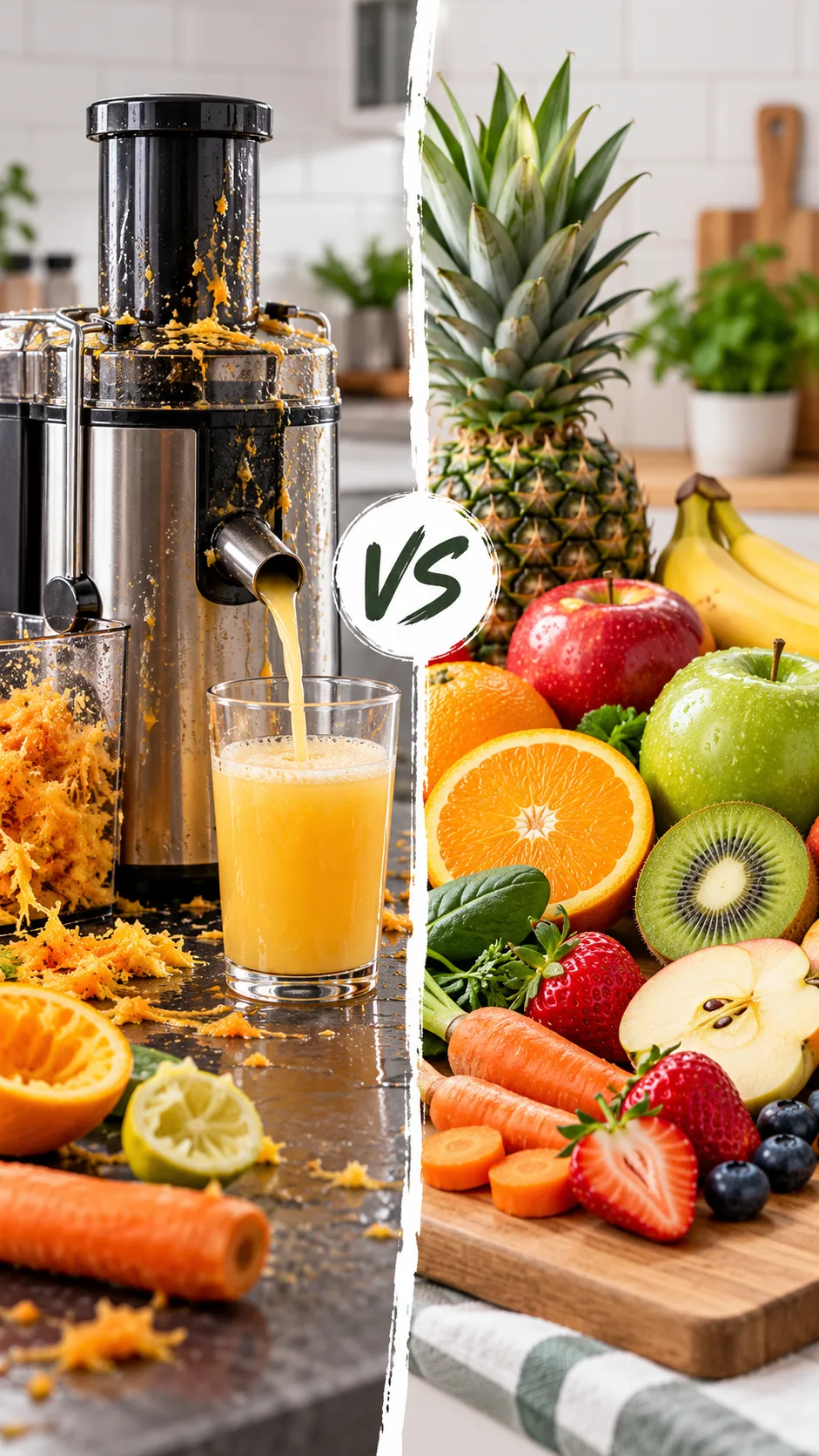
Never drink your fruit if your goal is fullness. Commercial juices discard the structural insoluble fiber. Even cold-pressed green juices pump liquid fructose straight into your portal vein without requiring your digestive tract to break anything down.
Eat your fruit whole. Chewing releases salivary amylase and signals your brain that food is entering the stomach. Chewing takes time; drinking a 400-calorie smoothie takes ninety seconds. Chew your meals every single time.
Trap 2: Stripping the peels
Peeling your apples, pears, and kiwis removes the most useful parts of the food. The peel holds the densest concentrations of insoluble fiber and polyphenols. The skin of a Granny Smith apple provides almost three times more antioxidant activity than the inner flesh, according to data from USDA FoodData Central.
Wash your produce under cold water, use a produce brush, and keep the skins on. (Golden kiwi skins have soft fuzz that goes down easily while adding roughage.)
Trap 3: Overloading on dried fruit
Dried cranberries, dates, and raisins present a major calorie trap. Dehydration removes the water while concentrating the sugar. You can easily eat five Medjool dates in three minutes, taking in over 300 calories and 80 grams of sugar without feeling full. Stick to fresh, water-rich, whole fruits.
Trap 4: Forgetting the fat and protein anchors
Fruit alone will not maintain a five-hour satiety window. It lacks the peptide-triggering power of essential amino acids and lipids. Always include an Anchor from the matrix. A modest serving of healthy fat or clean protein delays stomach emptying just enough for the fruit’s soluble fiber to form its protective gel.
Real talk: what about all that fructose?
Does the natural sugar in fruit cause insulin resistance or fatty liver issues? The clinical reality is straightforward: whole fruit does not harm healthy human metabolisms.
Isolated industrial fructose (such as high-fructose corn syrup) acts differently in your body than intrinsic whole-fruit fructose. Whole fruit bundles fructose with water, soluble fiber, insoluble fiber, vitamin C, potassium, and bioflavonoids.
This natural matrix slows intestinal absorption. Your liver processes whole-fruit fructose gradually, avoiding metabolic overload and sharp insulin spikes. Blaming whole apples for metabolic disease makes as much sense as blaming water for drowning.
Unless you manage end-stage kidney conditions or acute hereditary fructose intolerance, whole fruit supports your physical health.
Troubleshooting: what if you experience bloating?
If you jump from a low-fiber diet to 35 grams of daily fruit fiber, your microbiome will notice. Gut bacteria ferment prebiotic fiber, producing short-chain fatty acids like butyrate along with temporary excess gas.
Use these strategies to adapt smoothly:
- Scale up gradually: Introduce one extra serving of high-fiber fruit every two or three days instead of changing everything overnight.
- Drink water between meals: Drink water between meals rather than during them so soluble fiber moves smoothly through your colon.
- Cook tough stone fruits: Lightly baking or poaching pears and apples breaks down hemicellulose fibers, easing the load on sensitive stomachs.
- Chew thoroughly: Chew each bite completely before swallowing. Digestion starts in your mouth, not your stomach.
Frequently asked questions
Can I follow this plan if I have type 2 diabetes or insulin resistance?
Yes, but focus on low-glycemic fruits like blackberries, raspberries, strawberries, and Granny Smith apples. Pair them with healthy fats and proteins, and keep meal sizes consistent. Monitor your post-meal blood glucose levels to see how your body responds to specific fruits.
Can I eat bananas on this plan?
Choose slightly green, underripe bananas rather than spotted ones. Green bananas contain large amounts of resistant starch. Resistant starch acts like soluble fiber: it resists breakdown in your small intestine, nourishes large-bowel bacteria, and causes minimal blood sugar response.
Will the acids in fruit damage my tooth enamel?
Citrus fruits contain citric acid, which temporarily softens enamel. Do not brush your teeth immediately after eating grapefruit, lemons, or oranges. Rinse your mouth with plain water right after your meal, and wait thirty minutes before brushing.
How long can I stay on this meal plan?
You can follow this framework indefinitely. This plan does not cut out essential amino acids or dietary fats, so it avoids the dangers of an extreme mono-diet. It simply makes whole fruit your primary carbohydrate and micronutrient base.
Take control of your plate today
You do not need to starve on liquid cleanses to enjoy the benefits of fruit. When you align your meals with your digestive biology, you can enjoy sweet foods and leave every meal feeling light, energized, and completely satisfied.
Pick up two crisp Granny Smith apples, a carton of fresh blackberries, and an avocado on your next grocery run. Combine them using the Satiety Matrix, and see how simple sustained fullness can be.