

You wake up one morning, pull on your favorite pair of jeans, and discover they suddenly fit like sausage casing. You keep to your routine, you still hit the gym, and you still order salads with the dressing on the side. Yet the scale creeps up relentlessly, depositing every extra ounce straight onto your belly. Welcome to midlife, where standard dieting advice goes to die.
Traditional weight loss plans tell you to eat less and run more. That advice worked well in your twenties, but in your forties and fifties, it backfires spectacularly. Severe calorie cutting spikes your stress hormones, drags your metabolism to a crawl, and leaves you exhausted on the sofa. If this maddening cycle sounds familiar, you do not lack willpower. You need an entirely different biological strategy.
Dr. Mary Claire Haver, a board-certified OB/GYN, solved this hormonal puzzle when she created the Galveston Diet. Instead of punishing your body with starvation, this eating framework works with your shifting hormones to calm chronic inflammation and reset your metabolism. This guide breaks down the science, outlines the meal plan, and gives you the exact roadmap to make midlife fat loss finally click.
Why your 20s playbook fails in your 40s and 50s
Do you ever wonder why cutting carbs for three days no longer drops five pounds instantly? Blame your changing hormones. As you enter perimenopause and menopause, your ovaries produce drastically less estrogen. This hormonal drop triggers metabolic shifts that catch most women completely off guard.
First, declining estrogen alters how your cells handle glucose. Your body becomes increasingly insulin resistant, meaning your cells struggle to absorb blood sugar efficiently. Instead of burning carbohydrates for quick fuel, your liver converts those carbs into triglycerides and packs them into visceral fat stores around your abdomen. Visceral fat acts like an active endocrine organ, pumping out inflammatory cytokines that worsen insulin resistance even further.
Second, chronic low-grade inflammation creeps into your tissues. This internal fire damages cellular signaling, disrupts deep sleep, and ramps up your cravings for processed sugar. Researchers at the Harvard T.H. Chan School of Public Health found that systemic inflammation directly drives chronic metabolic dysfunction and weight gain. When you slash your calories under these conditions, your adrenals pump out excessive cortisol. High cortisol combined with low estrogen tells your biology one thing: store belly fat at all costs.
If you want a deeper look at managing these hormonal symptoms through food, explore our guide to the menopausal diet meal plan. Healing your metabolism requires extinguishing that internal inflammation, not starving yourself on lettuce leaves.
The three pillars of the Galveston Diet
Dr. Haver built the Galveston Diet around three scientific pillars. Together, they tackle the root cause of midlife weight gain rather than masking symptoms with extreme calorie deficits. You will not weigh your chicken breast down to the gram or obsess over tiny calorie counts here.
1. Anti-inflammatory nutrition
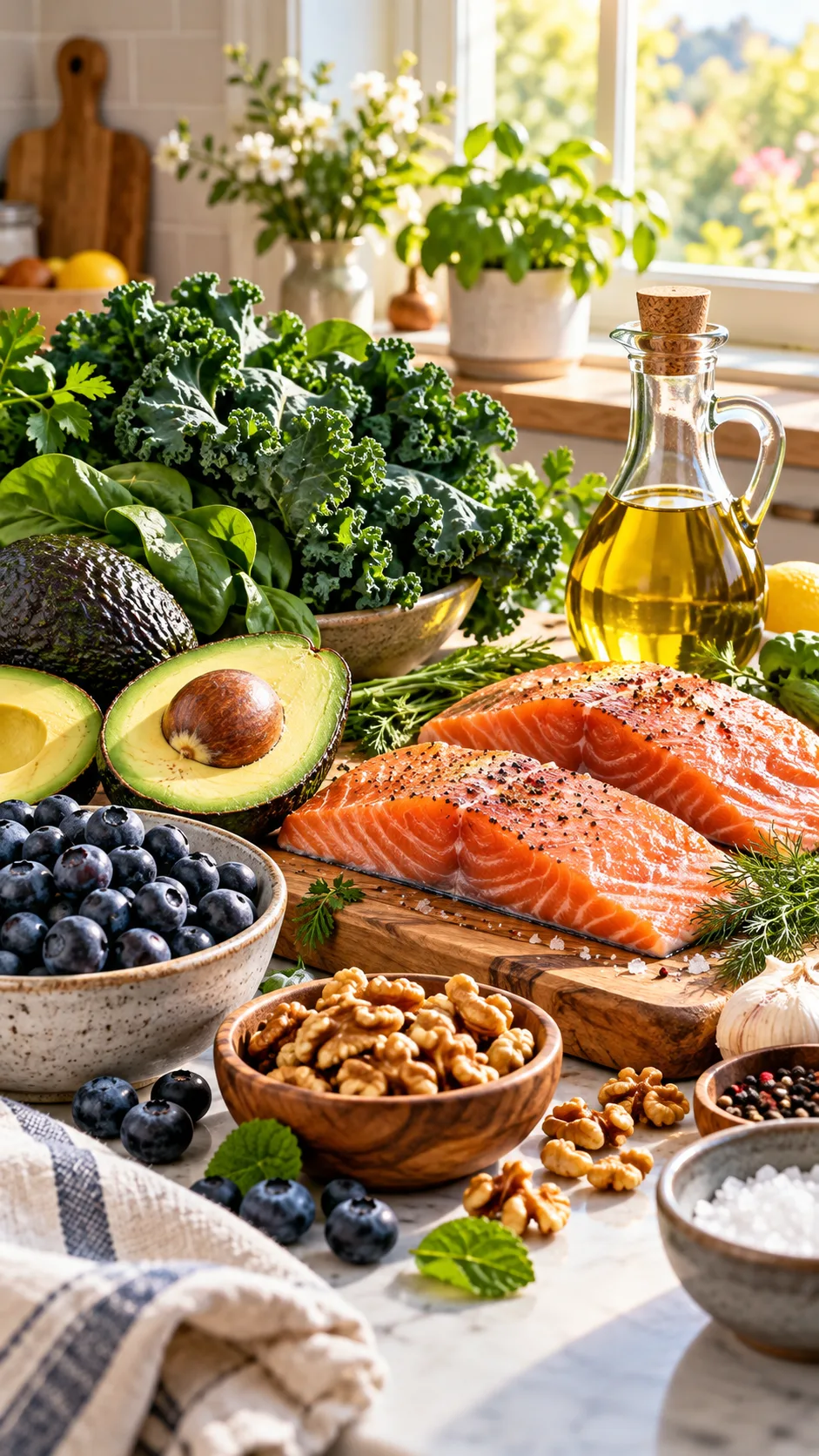
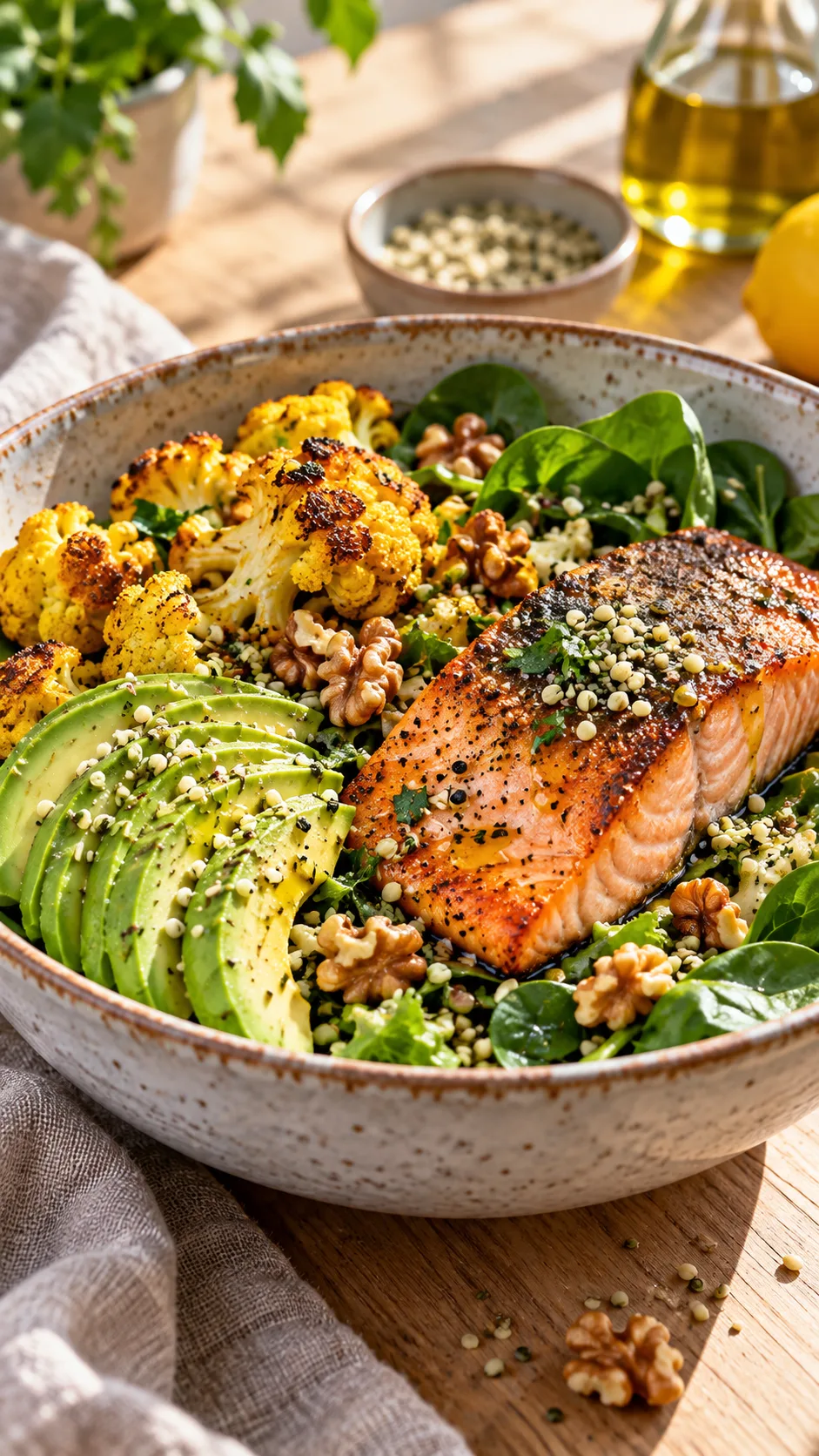
The foundation rests entirely on food quality. You fill your plate with foods that neutralize free radicals and suppress inflammatory pathways. You crowd out seed oils, refined flours, added sugars, and artificial chemicals. Instead, you eat dark leafy greens, berries, wild fish, extra virgin olive oil, and pasture-raised eggs. These whole foods signal safety to your metabolism, allowing your liver to process fats efficiently.
2. Intermittent fasting (the 16:8 protocol)
The plan incorporates daily intermittent fasting, typically a 16-hour fasting window followed by an 8-hour eating window. Skipping breakfast might sound intimidating, but it feels effortless once your blood sugar stabilizes. Fasting gives your digestive system a break, lowers baseline insulin levels, and triggers autophagy (your cells’ natural cleanup process). A clinical review in The New England Journal of Medicine shows that intermittent fasting triggers cellular repair, improves insulin sensitivity, and lowers systemic inflammation.
3. Fuel refocusing (strategic macronutrients)
Forget the outdated low-fat craze of the 1990s. The Galveston Diet flips standard diet culture on its head by prioritizing healthy fats. During the initial phase, your plate consists of roughly 70% healthy fats, 20% high-quality protein, and 10% fiber-packed carbohydrates. This macro balance trains your body to burn stored fat for fuel while keeping your blood sugar completely flat. As your metabolic flexibility improves, you gradually reintroduce more slow-burning complex carbs.
Galveston Diet vs. keto vs. Mediterranean: what sets it apart?
People often confuse the Galveston Diet with standard keto or the classic Mediterranean diet. While it borrows elements from both worlds, it solves specific problems that the others ignore.
Standard keto encourages dieters to consume unlimited bacon, heavy cream, and processed cheese as long as their net carbs stay low. While that might induce ketosis, those saturated fats and processed meats trigger major inflammation in midlife women. You end up with stubborn cholesterol spikes and lingering joint pain. If you want to compare protocols, review our beginner keto meal plan to see how keto macros operate differently.
The Mediterranean diet excels at reducing cardiovascular risk through olive oil and fish, but it often includes high-glycemic grains, pastas, and breads. Midlife women with emerging insulin resistance often struggle to lose weight on Mediterranean plans because the carbohydrate load remains too high. Dr. Haver fused the clean, anti-inflammatory whole foods of the Mediterranean coast with the fat-burning power of timed eating and low-glycemic fueling. This hybrid approach hits the sweet spot for mature metabolisms.
Foods to embrace vs. foods to ditch
Navigating the grocery store becomes remarkably simple once you learn this list. Stick to the perimeter of the store and leave processed packages on the shelf.
The anti-inflammatory powerhouses (eat generously)
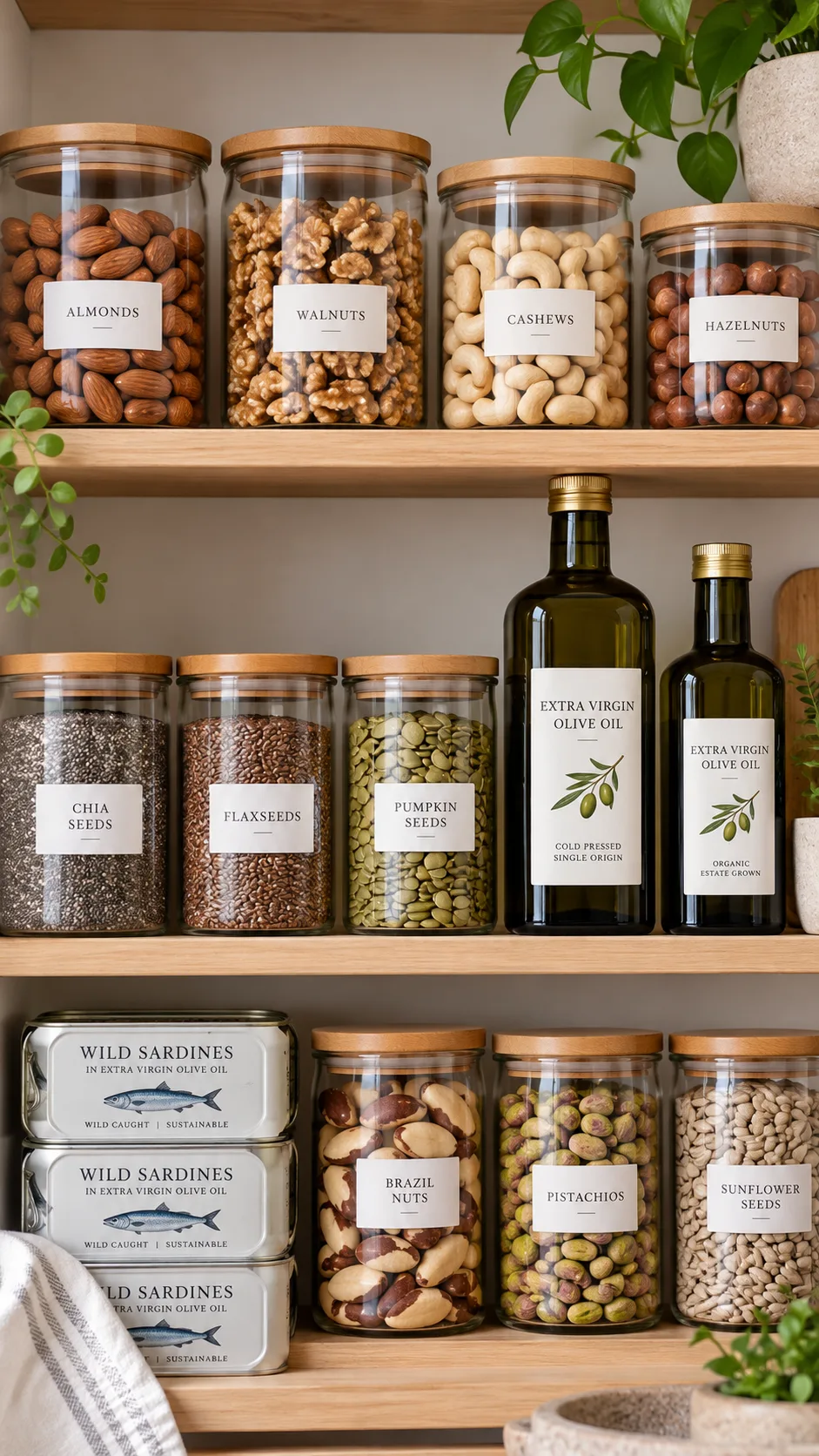
- Healthy fats: Extra virgin olive oil, avocado oil, whole avocados, walnuts, chia seeds, flaxseeds, and unsweetened coconut.
- Clean proteins: Wild Alaskan salmon, sardines, pasture-raised eggs, organic chicken breast, grass-fed beef, and bone broth.
- Antioxidant produce: Blueberries, blackberries, raspberries, spinach, kale, arugula, broccoli, cauliflower, Brussels sprouts, and red cabbage.
- Flavor and spices: Turmeric, fresh ginger, garlic, rosemary, Ceylon cinnamon, and apple cider vinegar.
The inflammatory culprits (ditch ruthlessly)
- Refined seed oils: Canola oil, soybean oil, corn oil, and sunflower oil (always check your salad dressing labels).
- Simple sugars: High fructose corn syrup, cane sugar, agave, soda, sweetened iced teas, and commercial pastries.
- Processed grains: White bread, bagels, crackers, standard wheat pasta, and boxed breakfast cereals.
- Artificial sweeteners and additives: Aspartame, sucralose, artificial food dyes, and chemical preservatives that disrupt your gut microbiome.
The complete 7-day Galveston Diet meal plan
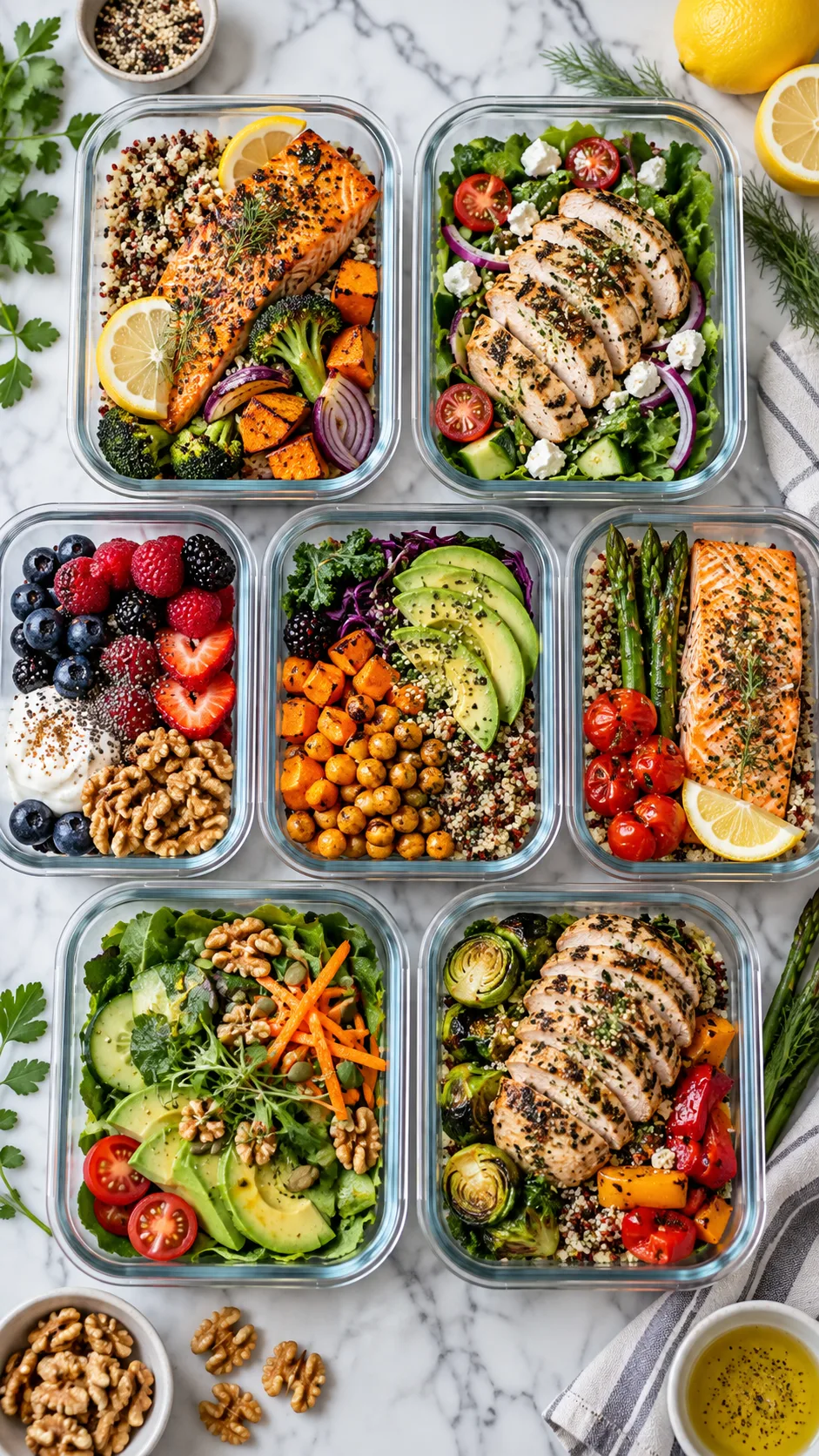
This sample meal plan follows a standard 16:8 intermittent fasting schedule. You finish your evening meal by 7:00 PM and break your fast at 11:00 AM the following morning. During the fasting window, drink water, herbal tea, or black coffee. These meals prioritize savory proteins and healthy fats over morning sweets. That choice prevents blood sugar spikes and keeps energy steady until dinner.
If you prefer a structured calorie target alongside anti-inflammatory meals, check out our high-protein 1600-calorie meal plan to see how clean macronutrient splits fit into specific caloric ranges.
Day 1: Monday
- 11:00 AM (Break-Fast): Scramble three pasture-raised eggs in a tablespoon of extra virgin olive oil with baby spinach, cherry tomatoes, and half a sliced avocado. Top with hemp hearts.
- 3:00 PM (Mid-Afternoon Fuel): Eat a handful of raw walnuts alongside half a cup of fresh organic blackberries.
- 6:30 PM (Dinner): Grill six ounces of wild salmon, top with homemade chimichurri sauce, and serve with roasted asparagus and a bowl of massaged kale dressed in lemon vinaigrette.
Day 2: Tuesday
- 11:00 AM (Break-Fast): Blend unsweetened almond milk, one scoop of clean grass-fed collagen protein, a tablespoon of chia seeds, fresh baby spinach, half an avocado, and a quarter-cup of wild blueberries.
- 3:00 PM (Mid-Afternoon Fuel): Pair sliced Persian cucumbers with two tablespoons of fresh guacamole.
- 6:30 PM (Dinner): Cook ground turkey lettuce wraps with garlic, ginger, and coconut aminos, then top with shredded purple cabbage, sesame seeds, and sliced radishes.
Day 3: Wednesday
- 11:00 AM (Break-Fast): Plate two pasture-raised hard-boiled eggs, three ounces of smoked salmon, sliced cucumber rounds, and a quarter-cup of raw pumpkin seeds.
- 3:00 PM (Mid-Afternoon Fuel): Dip celery sticks into two tablespoons of unsweetened almond butter.
- 6:30 PM (Dinner): Grill a grass-fed flank steak, roast Brussels sprouts in bacon drippings, and steam broccoli with extra virgin olive oil.
Day 4: Thursday
- 11:00 AM (Break-Fast): Toss a large Mediterranean salad using arugula, canned wild sardines or tuna packed in olive oil, kalamata olives, diced cucumbers, cold-pressed olive oil, and fresh lemon juice.
- 3:00 PM (Mid-Afternoon Fuel): Snack on one ounce of 85% dark chocolate and a dozen raw macadamia nuts.
- 6:30 PM (Dinner): Bake chicken thighs with rosemary and sea salt, whip cauliflower mash with ghee and garlic, and roast zucchini ribbons.
Day 5: Friday
- 11:00 AM (Break-Fast): Spoon full-fat unsweetened coconut yogurt into a bowl, then stir in two tablespoons of ground flaxseed, crushed pecans, and fresh raspberries.
- 3:00 PM (Mid-Afternoon Fuel): Sip a warm mug of bone broth seasoned with Celtic sea salt and a splash of coconut oil.
- 6:30 PM (Dinner): Pan-sear sea bass in roasted garlic butter, grill asparagus spears, and dress an herb salad with walnut oil.
Day 6: Saturday
- 11:00 AM (Break-Fast): Bake an anti-inflammatory frittata using pasture-raised eggs, sauteed leeks, wild mushrooms, and chopped Swiss chard. Serve with half an avocado.
- 3:00 PM (Mid-Afternoon Fuel): Dip sliced bell peppers into olive-oil tahini.
- 6:30 PM (Dinner): Layer slow-cooked pork carnitas over cauliflower rice, then top with fresh pico de gallo, chopped cilantro, and sliced avocado.
Day 7: Sunday
- 11:00 AM (Break-Fast): Reheat sliced leftover steak, fry two sunny-side-up eggs in avocado oil, and saute a handful of baby greens.
- 3:00 PM (Mid-Afternoon Fuel): Mix raw pumpkin seeds, sunflower seeds, and dried unsweetened tart cherries.
- 6:30 PM (Dinner): Saute wild-caught shrimp in grass-fed butter, garlic, and fresh parsley, then toss over spiralized zucchini noodles with roasted artichoke hearts.
Smart meal prep strategies for busy midlife women
Do you have time to chop fresh vegetables and sear wild salmon every single day? Of course not. Midlife brings career responsibilities, family demands, and aging parents. If your nutrition plan requires four hours of daily kitchen duty, you will abandon it by Wednesday.
Make meal prep fit your schedule by using the batch-and-assemble method:
- Roast vegetables in bulk: Every Sunday, spread broccoli, cauliflower florets, and Brussels sprouts across two large sheet pans. Toss them in avocado oil, roast at 400°F (200°C) until crispy, and store them in glass airtight containers. You can reheat them in an air fryer in two minutes flat.
- Batch-cook proteins: Grill five chicken breasts or brown two pounds of grass-fed ground beef at once. Keeping cold, cooked protein on hand prevents you from grabbing convenience food when your fasting window opens.
- Blend dressings in jars: Whisk three cups of extra virgin olive oil, a cup of fresh lemon juice, crushed garlic, and dried oregano in a mason jar. Shake well and leave it on your counter. You now have clean dressing ready for the entire week.
Troubleshooting common midlife hurdles
Every health shift brings a few speed bumps. When your progress slows or old habits return, use these targeted adjustments to regain momentum.
The stubborn scale plateau
If the scale refuses to move after three weeks, grab a measuring tape. Visceral fat loss often shrinks your waist circumference long before the scale registers a drop. You rebuild lean muscle tissue and drop inflammatory water weight at the same time, which keeps total body weight steady. Track how your waistband fits instead of weighing yourself every morning.
Morning hunger pangs during your fast
Do you feel ravenous by 9:00 AM? You probably need more healthy fats at dinner. If you eat a meal consisting only of lean chicken and dry greens, your body burns through that fuel rapidly. Add half an avocado, a tablespoon of extra virgin olive oil, or a handful of olives to your evening plate. Fat delays stomach emptying and stabilizes blood sugar through the night, carrying you through your 16-hour fast with ease.
The alcohol dilemma
Alcohol halts fat burning completely. When you drink a glass of wine, your liver treats ethanol as a poison and drops every other task to clear it. That pause shuts down fat oxidation immediately. Alcohol also ruins your deep sleep, which spikes morning cortisol and triggers intense sugar cravings. Save alcoholic drinks for rare celebrations if you want clear results from this plan.
Sleep disruptions and night sweats
Poor sleep disrupts weight loss faster than almost anything else. Clinical guidance from The Menopause Society shows that disrupted sleep unbalances appetite hormones like leptin and ghrelin. Keep your bedroom cool (around 66°F or 19°C), turn off screens sixty minutes before bed, and take magnesium glycinate in the evening to relax your muscles.
Frequently asked questions
Can I follow the Galveston Diet if I don’t have a gallbladder?
Yes, but you must adjust how you consume fats. Because your liver drips bile directly into your digestive tract without a gallbladder to store it, large fat portions can cause stomach distress. Spread smaller servings of avocado, olive oil, and nuts across your 8-hour window instead of eating them all at once. Digestive enzymes with ox bile also help your body break down fats smoothly.
Will 16 hours of fasting harm my thyroid?
Starvation diets damage thyroid function, but intermittent fasting with adequate calories does not. During your 8-hour window, eat plenty of nutrient-dense foods like salmon, nuts, and avocados. If you experience persistent fatigue, hair loss, or sensitivity to cold, shorten your fasting window to 14 or 12 hours until your energy rebounds.
Do I have to stay in the 70% fat phase forever?
No. Dr. Haver designed the initial high-fat phase to train your body to burn fat and end sugar cravings. Once you restore metabolic flexibility, you transition to the maintenance phase. During maintenance, you reintroduce healthy whole carbs like sweet potatoes, quinoa, lentils, and fresh fruit while keeping your 16:8 fasting schedule intact.
Give your midlife metabolism a fresh start
Midlife weight gain does not stem from personal failure. It represents a predictable hormonal transition that demands an updated nutritional approach. Starving your body on 1,200-calorie crash diets only worsens your hormone imbalance and drains your energy.
The Galveston Diet meal plan provides a realistic exit ramp from diet culture. Calming chronic inflammation, balancing your insulin levels, and eating satisfying healthy fats allows you to work alongside your biology. Pick three recipes from this meal plan, hit the grocery store this weekend, and take your first step toward feeling strong, lean, and energized in your own body again.