

You’ve seen the backstage videos. Models nibbling almonds, sipping green juice, laughing at nothing. And you’ve probably thought: “There’s no way that’s the whole story.” You’re right. It isn’t.
I’ve spent years reading nutrition research, coaching regular humans through fat loss, and yes, interrogating a few working models over coffee about what they really eat. The real answers surprised me. They’re boring. They’re repeatable. And they work whether you walk runways or walk your dog.
So here’s what genuinely keeps people lean 365 days a year, minus the crash-diet theatre that lasts three weeks before you demolish a whole loaf of bread at midnight.

First, let’s kill the myth: models don’t starve year-round
Here’s the thing nobody says out loud. Models do restrict hard, but usually only for a few days before a shoot or a show. The other 340-ish days? They eat real food, in real amounts, on a boringly consistent schedule.
That distinction matters more than any single “secret” food. The lean physique comes from the baseline, not the crash. The crash just sharpens the edges for a camera that adds visual weight anyway.
So if you’ve been treating every Monday like show week, you’ve got the strategy backwards. You’re doing the sprint and skipping the marathon.
What the baseline really looks like
- Protein at every single meal. No exceptions, no “I’ll catch up at dinner”
- Vegetables at roughly two-thirds of meals, usually the boring green ones
- A predictable eating window, same rough times daily
- Alcohol as an occasional event, not a personality trait
- Enough sleep to stop the 11pm fridge raid
That’s it. Not sexy, is it? But ask yourself, when has “sexy advice” ever kept anyone lean past February?
Secret #1: they eat absurd amounts of protein (for their size)
Every lean person I’ve interviewed eats more protein than they think they do. It’s the single most consistent thread. Not keto, not juice fasts, not celery water. Protein.
Why does this work so reliably? Three reasons, and they stack:
- Protein keeps you full longer. It hits your satiety hormones harder than carbs or fat, so you stop grazing.
- Your body burns calories digesting it. The thermic effect of protein sits around 20-30%, versus about 5-10% for carbs and 0-3% for fat.
- It protects your muscle while you lose fat. Lose muscle and your metabolism drops with it. That’s how people end up “skinny fat” and confused.
Research backs this up hard. A well-cited review in the American Journal of Clinical Nutrition found higher-protein diets consistently improve body composition and appetite control during weight loss. This isn’t gym-bro folklore.
How much should you eat?
Aim for roughly 1.6 to 2.2 grams of protein per kilogram of body weight if you’re training. If you weigh 65kg, that’s about 105-145g daily. Spread it across three or four meals rather than dumping it all into dinner.
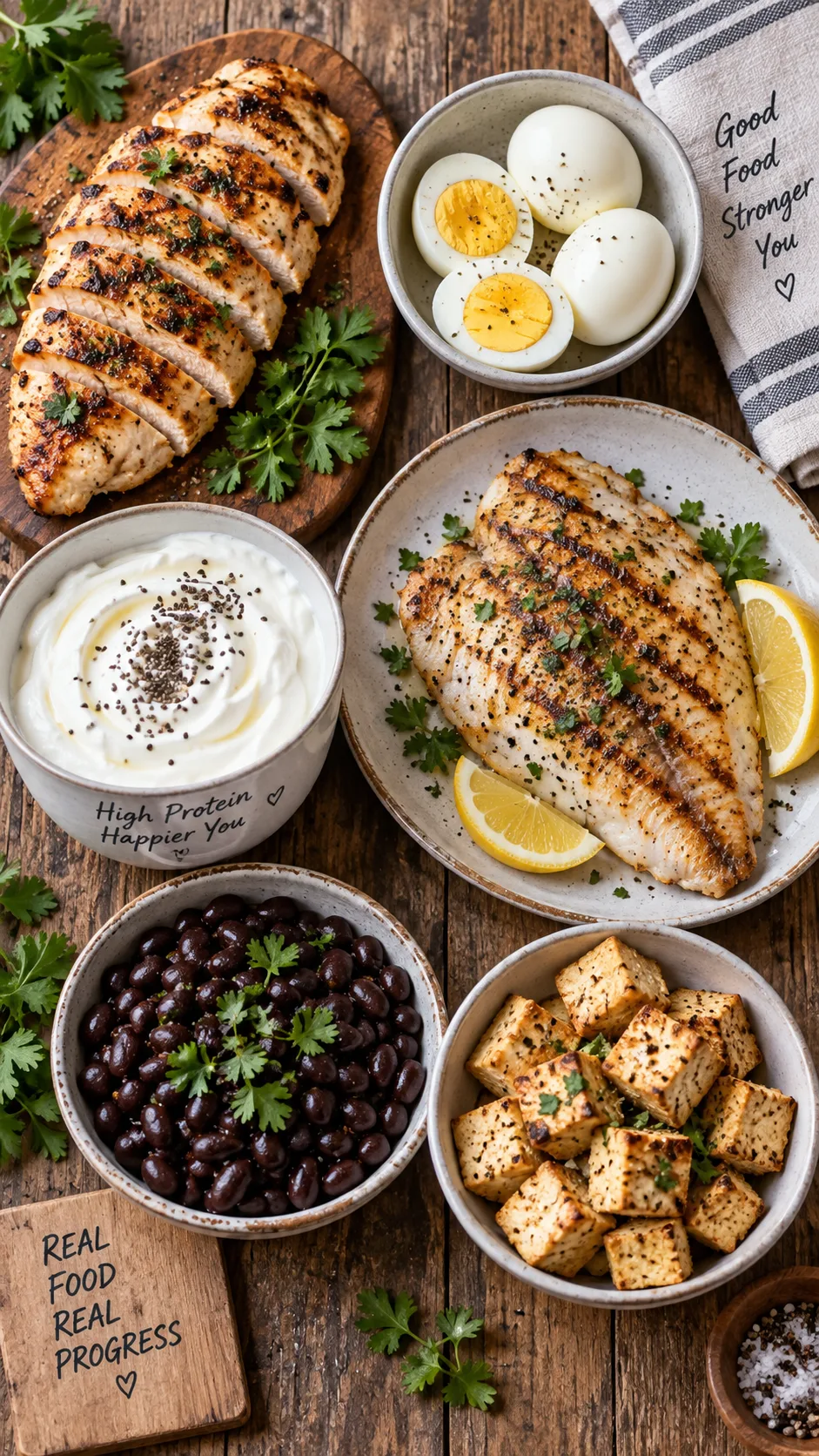
Practical translation for a Nigerian kitchen: eggs at breakfast, grilled chicken or fish at lunch, beans or moi moi as a side, and a protein-heavy dinner. Add Greek yoghurt or boiled eggs as snacks. Done.
Secret #2: they repeat meals like it’s a job
Here’s an uncomfortable truth. Variety is the enemy of leanness. Every new food on your plate is another chance to overshoot your calories without noticing.
Most lean people rotate between five and eight meals total. Same breakfast four days a week. Two lunch options. Three dinners. Weekend gets a bit loose. That’s the whole menu.
I tried this myself for three months out of pure curiosity. Same oats-and-eggs breakfast every weekday. My decision fatigue vanished, my grocery bill dropped, and I stopped “accidentally” ordering shawarma at 9pm. Boring? Absolutely. Effective? Annoyingly so.
Build your personal rotation
- Pick 2 breakfasts you genuinely enjoy and can make in under 10 minutes
- Pick 3 lunches that travel well and don’t need reheating drama
- Pick 3 dinners that feed the whole household so you’re not cooking twice
- Pick 4 snacks you keep stocked ALWAYS
Need ideas for that last one? My guide to healthy meal prep snacks that actually keep you full covers exactly what to batch on Sunday so Wednesday-you doesn’t self-destruct.
Secret #3: volume eating is their cheat code
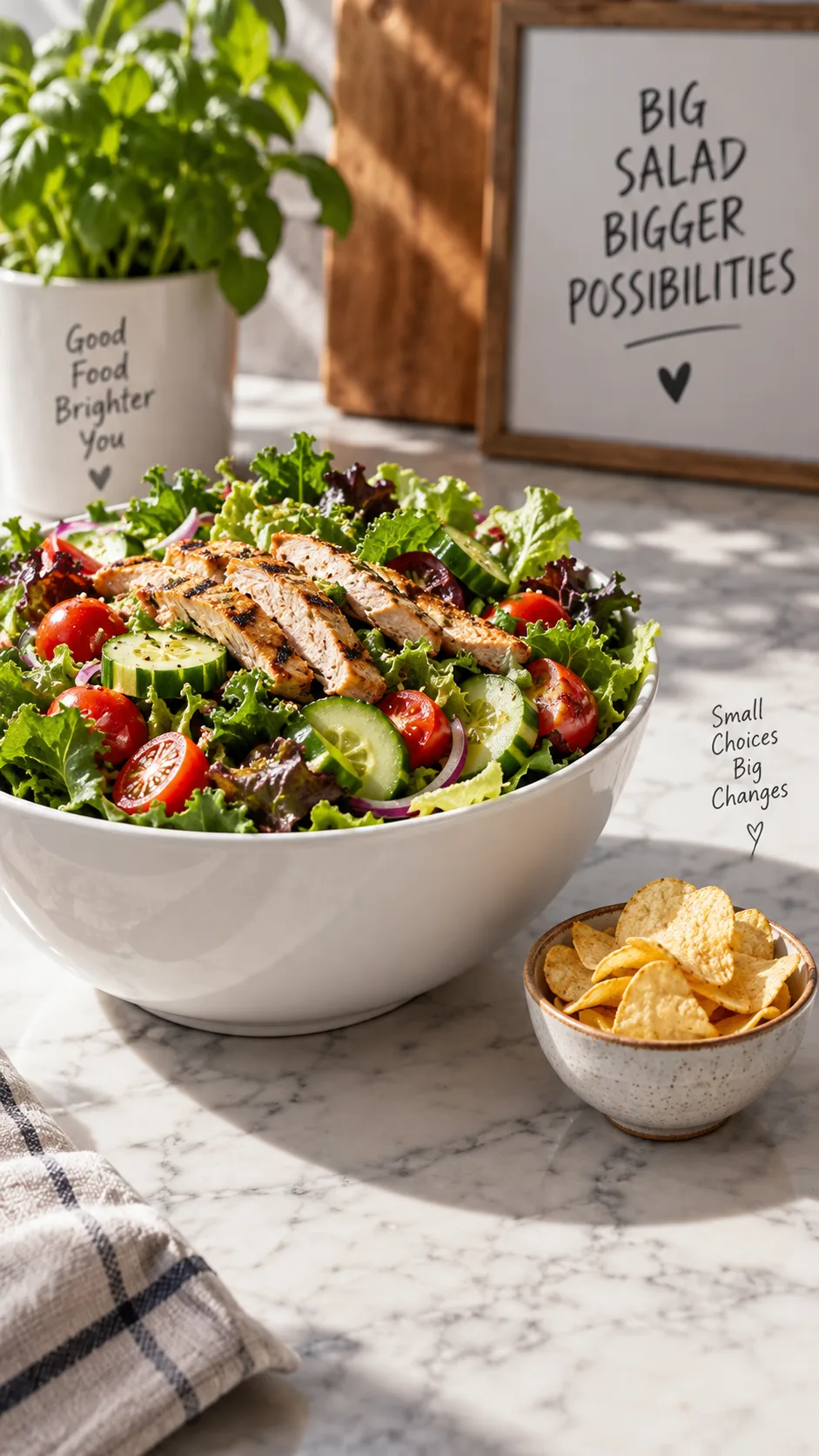
Ever wondered how someone eats a mountain of food on camera and stays lean? They picked foods with high volume and low calorie density. It’s genuinely that simple.
Your stomach responds to volume. Your waistline responds to calories. Exploit the gap between those two facts and hunger stops being your enemy.
High-volume heroes
- Leafy greens: ugwu, spinach, kale. Nearly free, calorie-wise.
- Cucumber, tomatoes, peppers: they bulk out any meal for pennies.
- Broth-based soups: the water content does the heavy lifting.
- Watermelon and berries: sweet, hydrating, hard to overeat.
- Egg whites: massive protein-to-calorie ratio.
- Okra and garden egg: fibre-dense and filling.
Okra especially deserves more credit. It’s mostly water and fibre, and it makes soup feel substantial without loading calories. This okra soup recipe works beautifully when you go easy on the palm oil. And if you want a bigger cheat sheet, the list of low-calorie Nigerian foods is basically a menu for volume eating.
Secret #4: they don’t drink their calories (mostly)
This one’s ruthless but it’s the fastest win available to anyone reading this. Liquid calories bypass your fullness signals almost entirely. Your brain barely registers them.
Think about it. A large bottle of soft drink runs about 250 calories. A creamy coffee? Another 300. Two glasses of wine? Say 250 more. That’s 800 calories before you’ve chewed anything. FYI, that’s a full meal’s worth of nothing.
The fix isn’t misery. Swap to sparkling water with lime, black coffee, herbal tea, or plain water with mint. You’ll drop hundreds of calories weekly without adjusting a single meal.
The alcohol reality check
Alcohol does three annoying things at once. It adds calories, it pauses fat oxidation while your liver deals with it, and it demolishes your judgment around food. That 2am suya run isn’t a coincidence.
Lean people don’t abstain forever. They just drink less often and stop at two. Does that sound restrictive? Maybe. Does it work? Every single time. :/
Secret #5: the 80/20 rule is structural, not optional
Perfect dieting fails. Not sometimes, reliably. Your brain treats total restriction as a threat and eventually wins the argument.
So build the slip-ups INTO the plan. Eat well 80% of the time and eat whatever you want the other 20%. That’s roughly four flexible meals out of twenty-one weekly.
The critical detail most people miss? Plan the 20%. Write it down. “Friday dinner out, Sunday jollof with the family.” Unplanned indulgence turns into a spiral. Planned indulgence turns into adherence.
My personal version: I never say no to good ofe akwu. I just plan it, eat it properly, and move on with zero guilt. Here’s the ofe akwu recipe if you want your 20% to be genuinely worth it.
Secret #6: they sleep like it’s part of the job (because it is)
Want the least glamorous fat-loss tool in existence? Sleep. Skimp on it and your hunger hormones revolt within days.
Research from the Sleep Foundation links short sleep to elevated ghrelin (hunger hormone) and suppressed leptin (fullness hormone). Translation: you get hungrier AND less satisfied. Brutal combo.
Aim for 7-9 hours. I know, easier said than done. But if you’re constantly battling cravings, fix your sleep before you buy another fat burner. The fat burner won’t help. Sleep will.

Secret #7: they lift weights, not just cardio
The “models only do pilates and yoga” thing is outdated marketing. Walk into any decent gym and you’ll find working models under a barbell.
Why? Because muscle is what makes lean look good. Lose weight without resistance training and you get smaller, softer, and flatter. Lose weight WITH resistance training and you get defined.
The minimum effective dose
- 3 full-body strength sessions weekly, 45 minutes each
- 8,000-10,000 daily steps, the underrated fat-loss weapon
- 1-2 optional cardio sessions for heart health, not punishment
- Progressive overload. Add weight or reps over time or nothing changes
Never touched a barbell? Start with this beginner gym workout guide. It’s the simple weekly structure that people actually stick to. And if arms are your focus, the 15-minute arm toning routine works from home.
Secret #8: they track, just not forever
Nobody weighs their food for life. That’s a fast track to a weird relationship with eating. But almost every lean person tracked calories at SOME point.
Why does this matter? Because tracking teaches calibration. After 3-4 weeks you can eyeball a plate and estimate within 15%. That skill never leaves you.
Track for one month. Learn what 400 calories looks like versus 900. Then stop and coast on the intuition you built. Tracking is a course, not a sentence.
What to log if full tracking feels like too much
- Protein only. Hit your number, let the rest sort itself out
- Just dinner, usually the meal where things go sideways
- Photograph every plate. Zero maths, surprisingly effective awareness tool
Secret #9: they use herbs, spices, and flavour instead of fat
Bland food kills diets. Full stop. If your meals taste like punishment, you’ll quit, and you’ll be right to.
The trick is building flavour without dumping oil everywhere. Oil hides calories better than anything else in your kitchen. One tablespoon is about 120 calories, and nobody uses one tablespoon.
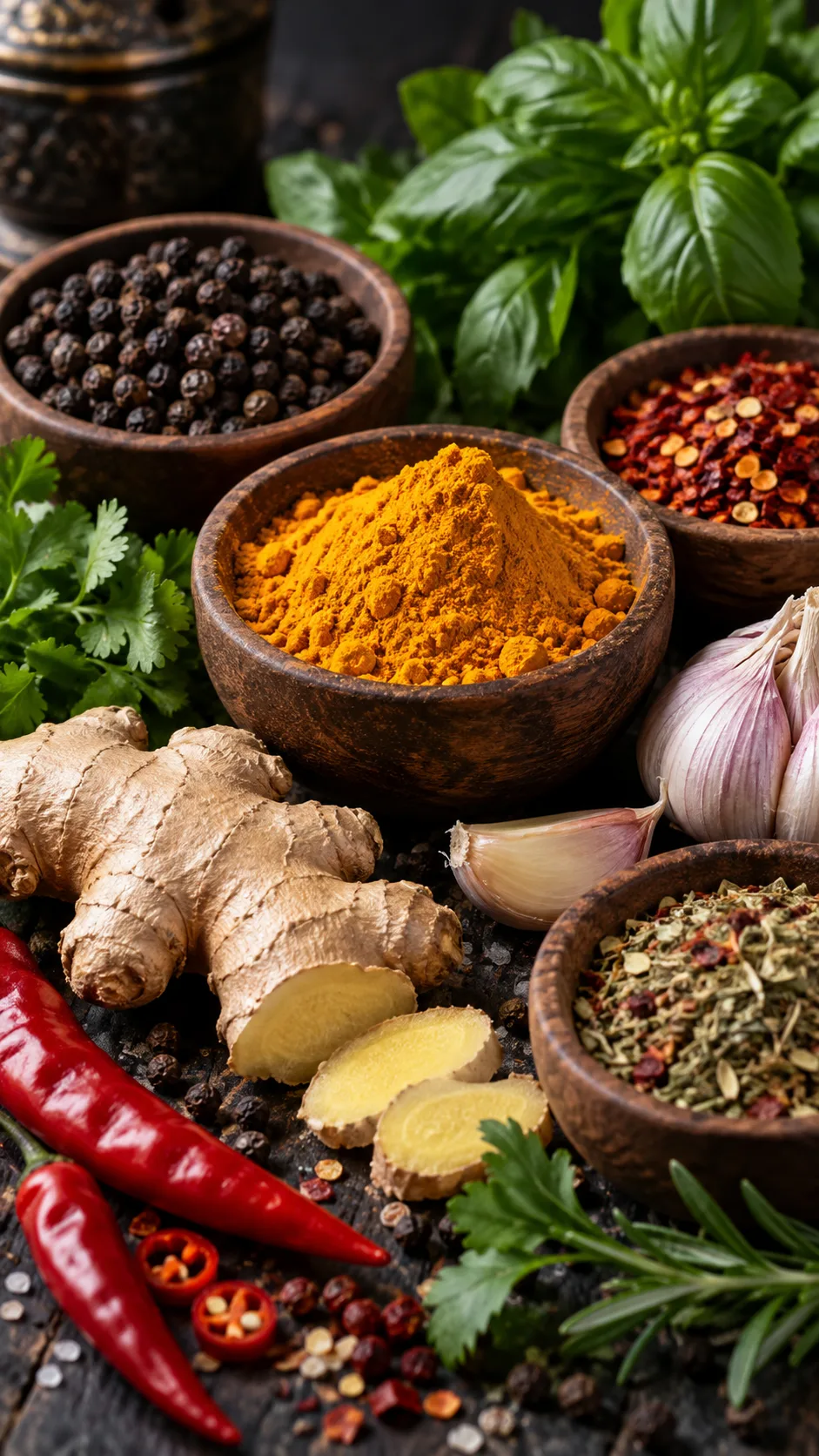
- Ginger, garlic, and chilli: free flavour, genuine metabolic perks
- Uziza, ehuru, and uda: deep aroma, essentially no calories
- Lemon juice and vinegar: they brighten anything instantly
- Fresh herbs at the end of cooking: maximum punch, minimum effort
Some spices also help with appetite and digestion. I broke down the best options in this piece on Nigerian herbs and spices for weight loss. Worth a read if your food currently tastes like sadness.
Secret #10: they don’t panic after a bad week
This is the real year-round secret and it costs nothing. Lean people have bad weeks. Holidays, stress, weddings, breakups. They just don’t turn a bad week into a bad quarter.
One heavy weekend doesn’t undo anything meaningful. Fat gain needs a sustained surplus, not a single Saturday. The damage comes from the “well, I’ve ruined it” spiral that follows.
The protocol? Next meal, back to normal. No compensatory starving, no punishment cardio, no guilt monologue. Just the next normal meal. That’s the entire recovery plan.
What about supplements and “detoxes”?
Short version: your liver and kidneys already detox you, for free, 24/7. Detox teas mostly work as laxatives, and losing water weight isn’t losing fat.
The National Center for Complementary and Integrative Health puts it plainly: there’s no compelling evidence detox programmes remove toxins or aid lasting weight loss. Save your money.
A few supplements do earn their place: vitamin D if you’re deficient, creatine for training performance, protein powder for convenience, and omega-3s if you rarely eat fish. Everything else is optional at best.
A realistic day of eating
- 7:30am: 3 eggs, sautéed spinach, one slice wholegrain bread, black coffee
- 11:00am: Greek yoghurt with berries, handful of almonds
- 2:00pm: Grilled chicken, large mixed salad, small portion of rice or yam
- 5:00pm: Boiled egg or an apple with peanut butter
- 8:00pm: Grilled fish, plenty of vegetables, light soup
Around 1,700-1,900 calories, roughly 140g protein, and genuinely satisfying. Adjust portions to your size and activity. Want exact numbers for local dishes? The Nigerian calories guide saves you a lot of guessing.
The bottom line
There’s no exotic model secret. There’s protein, volume, repetition, sleep, weights, and the emotional maturity to not lose your mind over one bad meal. IMO that last one separates people more than any macro split ever will.
Pick two things from this article. Not ten. Two. Nail them for a month, then add another. That’s how change sticks, and how you stay lean in December, not just June.
Your future self doesn’t need a crash diet in March. They need a decent breakfast tomorrow. Start there. 🙂