

You open TikTok, and within three swipes, a pastel pink video fills your screen. Soft piano music plays. A teenager films her vanity table, lines up high-end skincare bottles, and displays her daily meals: an iced black coffee, half an apple, and four baby carrots. She calls this routine “Wonyoungism,” claiming it will give you the beauty and charm of K-pop star Jang Won-young.
Starving on camera under warm ring lights does not build confidence. It dresses up severe eating disorders in ribbons and pastel stickers, selling self-harm to young girls as personal discipline.
This trend spread rapidly across social media over the past two years, and dangerous restriction still poses as healthy self-improvement. The following breakdown shows what the Wonyoungism diet demands, how it damages your internal organs, and why chronic under-eating ruins physical health.
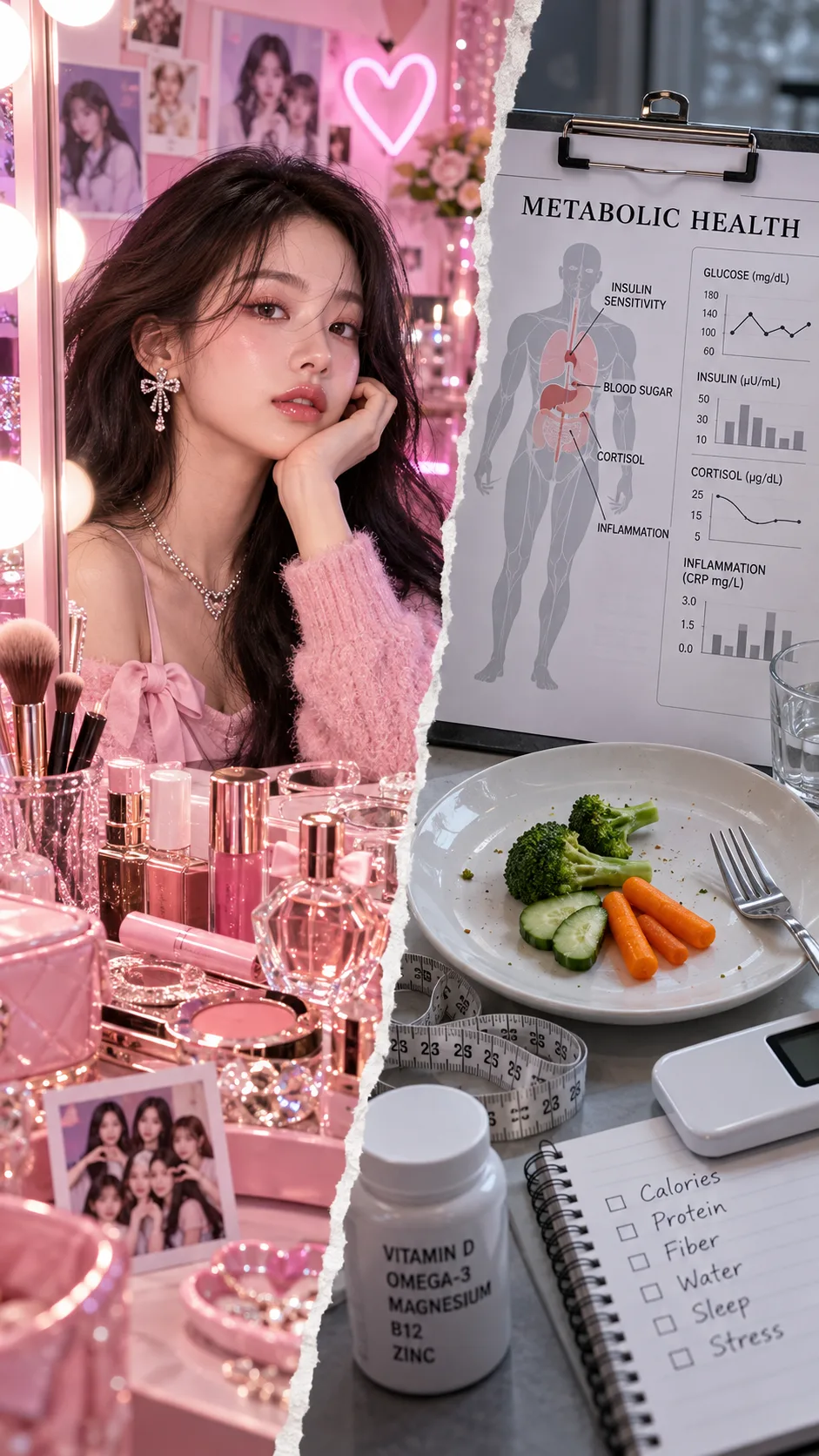
What on earth is Wonyoungism (and how did self-care turn sour)?
To understand the diet, look at the idol behind the name. Jang Won-young, a singer in the K-pop group IVE, commands huge global attention. Global fashion houses hire her. Fans admire her height, clear skin, styling, and confidence. South Korean media created the phrase “Lucky Vicky” (her English name) to describe her upbeat public attitude.
Fans started “Wonyoungism” as a self-improvement trend. Early on, the movement encouraged positive habits. Creators told followers to sit up straight, drink water, wash their faces, read books, and study hard. People wanted to emulate an idol who shows discipline and poise.
Disordered online communities quickly took over the trend. Users abandoned regular self-care and began sharing waist measurements, exposed ribcages, and starvation meal plans. Followers started fixating on Won-young’s low body weight instead of healthy routines. Much like the older IU diet, Wonyoungism morphed from a lifestyle aesthetic into an algorithmic pro-anorexia community.
The anatomy of a “Wonyoungism diet” (what followers eat)
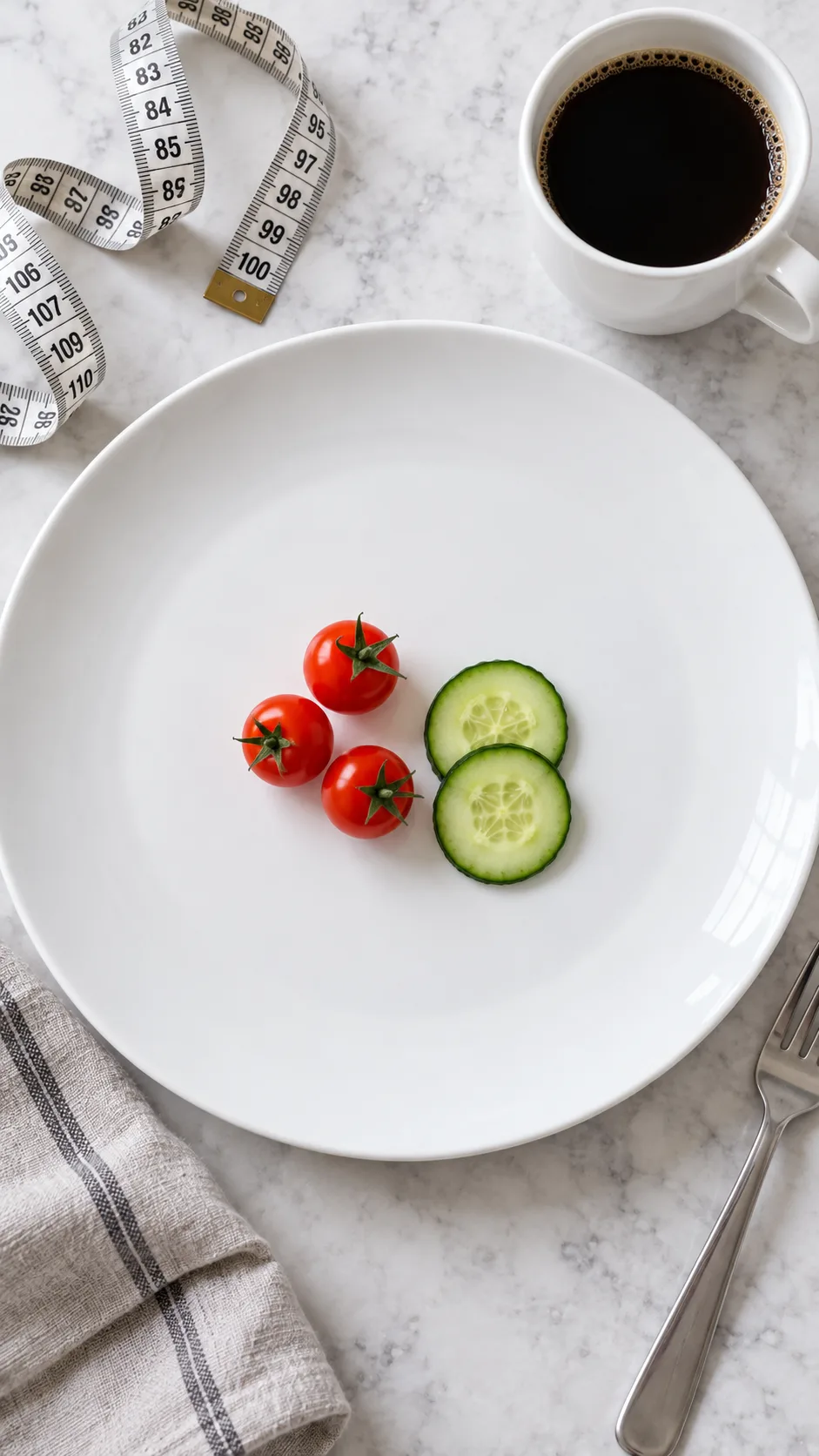
Online Wonyoungism meal plans look terrifying once you strip away the camera filters. They read like starvation rations. Most accounts document daily intakes between 400 and 800 calories.
Followers replace square meals with odd appetite suppressants. These videos routinely feature these items:
- The morning appetite killer: Black iced coffee or plain matcha tea mixed with cold water, followed by immediate body checking in a mirror.
- The clean lunch: One hard-boiled egg white, half a cucumber sliced thin, or three cherry tomatoes in a pastel bowl.
- The afternoon distraction: Liters of cold lemon water, diet soda, or green tea to quiet stomach cramps.
- The starvation dinner: Half an apple with cinnamon, a spoon of Greek yogurt, or no solid food.
These plates provide almost no essential fatty acids, minimal protein, and zero whole-food complex carbohydrates. Adherents treat food as an obstacle rather than necessary fuel for basic survival.
Starvation in slow motion: the immediate biological collapse
When you drop your food intake to starvation levels, your body panics. Your brain reads the deficit as a severe famine and starts survival protocols immediately.
Your tissues burn through glycogen stores within 48 hours. Each gram of glycogen binds to roughly three grams of water, so crash dieters drop pounds instantly. You did not lose adipose tissue. You lost water and emptied your liver fuel tanks. With glycogen gone, your liver strips down your skeletal muscle into glucose through gluconeogenesis.
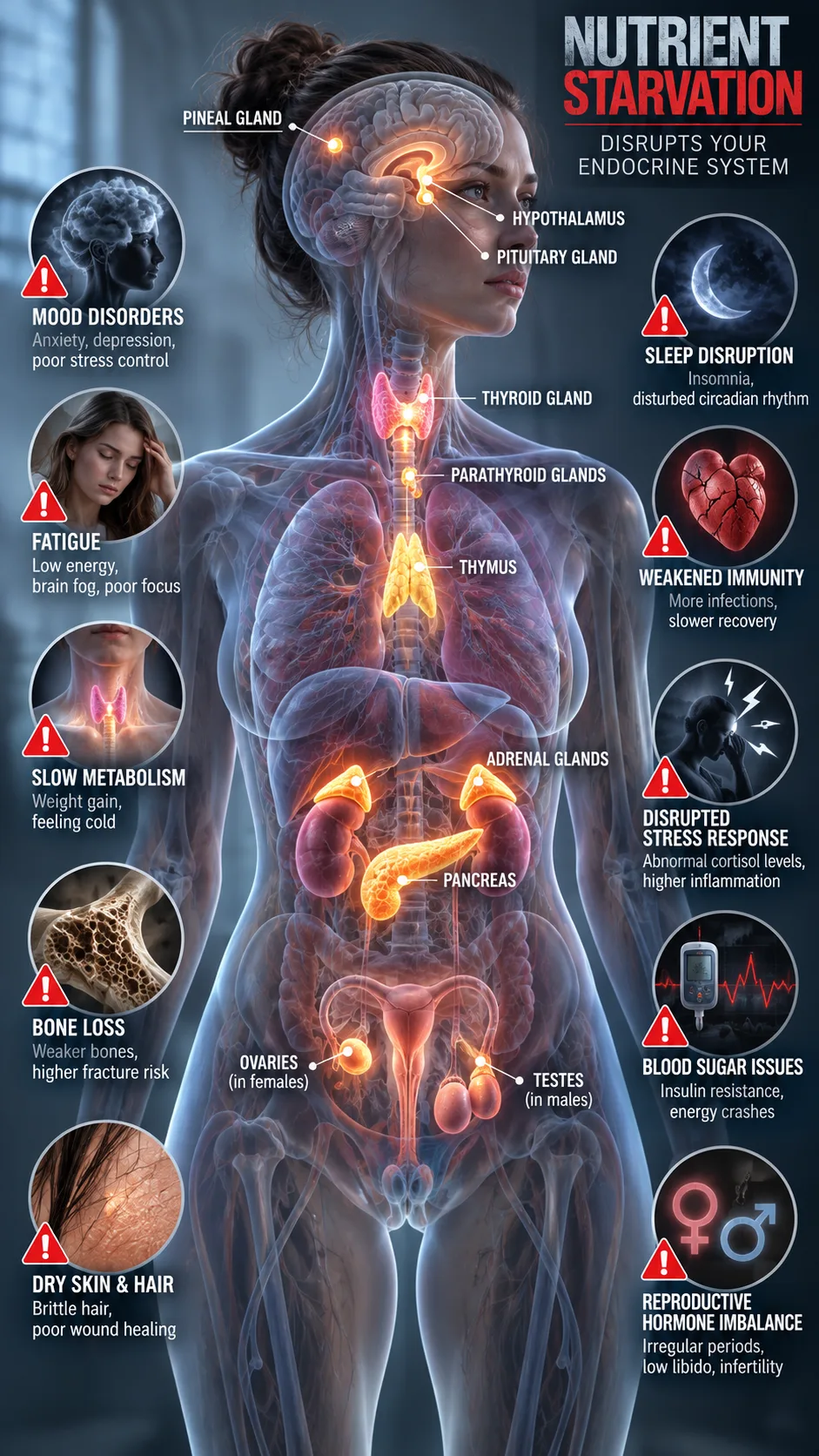
Your endocrine system then slashes your basal metabolic rate through adaptive thermogenesis. Your body shuts off non-vital processes to hoard energy. You shiver constantly because blood retreats from your hands and feet. You feel drained because your cells will not spare energy for casual movements.
Physicians at the Cleveland Clinic show that severe calorie restriction causes your thyroid gland to drop production of active T3 hormones, stalling baseline energy burn. When you eat normal meals later, your suppressed metabolic rate struggles to burn the fuel, leading to fast rebound weight gain.
The hormonal collapse: when your body shuts down reproduction
Your endocrine glands need consistent dietary fats and cholesterol to create essential hormones. Stripping fat and calories out of your diet breaks this signaling system entirely.
In women, aggressive deficits cause functional hypothalamic amenorrhea. The hypothalamus detects a fuel shortage and halts gonadotropin-releasing hormone production. Without this hormone, the pituitary gland stops telling the ovaries to mature eggs or make estrogen. Menstruation stops.
Teens online treat the loss of their period like proof of hard discipline. It actually signals reproductive failure and bone breakdown. Estrogen controls bone remodeling. Without it, your body breaks down bone faster than it can rebuild it.
Long periods without a cycle leave teenagers with brittle bones and early osteoporosis. Instead of looking healthy, you destroy your skeletal foundation. Healing this level of damage requires clinical supervision and a structured hormone balancing diet plan rich in healthy fats, minerals, and calories.
Beauty sabotage: why starvation destroys the aesthetic you chase
Here lies the contradiction: starvation ruins the exact traits fans love in Jang Won-young. The trend promises glowing skin, thick hair, high energy, and grace. Malnutrition gives you the opposite.
Look at what happens to your hair. During starvation, your metabolism routes protein, iron, and zinc away from your scalp to your heart, lungs, and brain. Two to three months into a crash diet, you trigger telogen effluvium.
A study in the National Center for Biotechnology Information (NCBI) explains that severe protein and calorie deficits shock hair follicles into an early resting state. Hair sheds in clumps in the shower. Your ponytail thins out, leaving dry, brittle strands behind.
Your skin suffers the same fate. Won-young shows off plump, hydrated skin on camera. Starvation robs your skin of fatty acids and vitamins A, D, E, and K. Your skin barrier breaks down. Your face looks dull, dry, and gray. Dark circles hollow out your eyes as thinning skin reveals the blood vessels underneath.
When your metabolism breaks down its own muscle fibers for fuel, you develop sarcopenia (muscle loss) rather than an athletic shape. Without muscle mass for structural support, your posture collapses, your skin sags, and your joints ache.
The brain on empty: orthorexia, anxiety, and cognitive fog
Nobody solves complex problems well on an empty stomach and poor sleep. Calorie deprivation hits your nervous system just as hard as your physical organs.
Your brain burns roughly 20 percent of your daily glucose. Cutting carbs leaves your brain starved of immediate energy. Serotonin drops because your gut cannot absorb enough tryptophan without food. You end up with mood swings, heavy anxiety, and intense mental fatigue.
In 1944, Dr. Ancel Keys ran the Minnesota Starvation Experiment. He placed 36 men on a semi-starvation diet of 1,500 calories a day (double what typical Wonyoungism adherents eat). These men became obsessed with food. They stared at cookbooks, talked about recipes constantly, pulled away from friends, and suffered severe emotional distress.
The National Eating Disorders Association (NEDA) warns that aesthetic dieting often leads straight into anorexia or orthorexia. You stop viewing food as nutrition; you treat meals like moral failures. Dinner with friends turns into a source of panic.
Jang Won-young versus internet fantasy
Young fans assume Won-young lives on water and fruit because social media amplifies extreme claims. The internet links extreme thinness with starvation, ignoring the demands of professional performance.
Won-young is a working performer. She runs choreography drills for eight to ten hours a day, flies across continents, lifts weights, and practices pilates. An entertainer cannot perform stadium shows on 500 calories a day without collapsing from cardiac arrhythmia.
K-pop companies hire nutritionists, doctors, personal trainers, and makeup artists to maintain an idol’s health and appearance. Won-young also has specific genetics: she stands nearly 5-foot-9 with long limbs and a fast natural metabolism.
When teenagers copy these online starvation diaries, they copy a fantasy from disordered forums rather than Won-young’s life. They destroy their health chasing an impossible standard.
How to build real health (without starvation)
You can build poise, clear skin, and high energy without damaging your organs. Real health requires dense nutrition, not starvation.
If you want better posture, clearer skin, and steady energy, change your goal. Stop asking how little you can consume. Ask how much nutrient-dense food you can feed your body. Long-term physique changes require a sensible diet for weight losing that works without triggering exhaustion.
Build your routine around these practical habits:
- Eat protein for muscle and hair: Eat 0.8 to 1 gram of protein per pound of target body weight. Protein supplies the keratin your hair needs and the building blocks your muscles require to hold an upright posture.
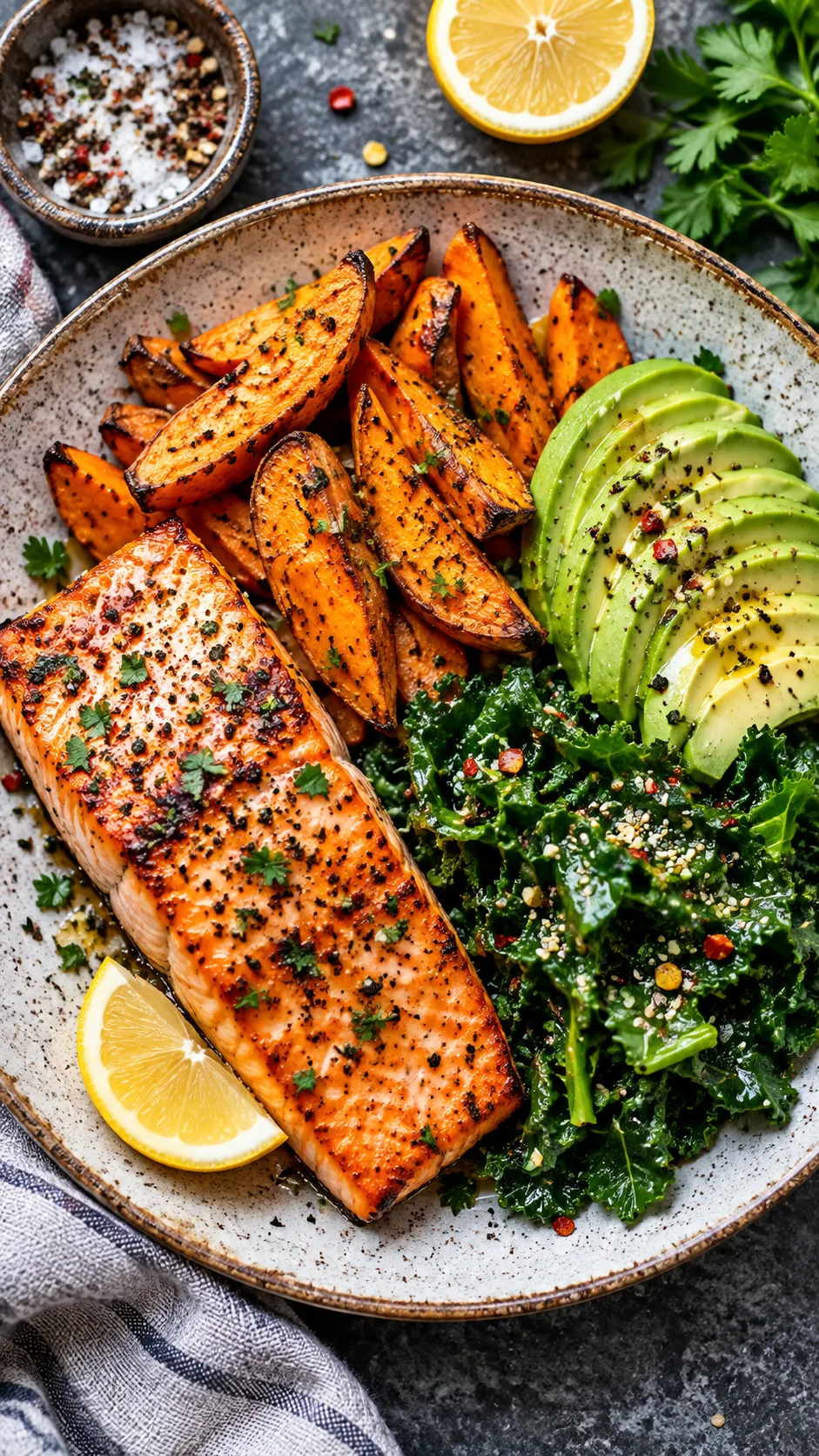
- Eat healthy fats for hormones: Add avocados, salmon, whole eggs, pumpkin seeds, and olive oil to your meals. Dietary fats support hormone production and keep your skin hydrated.
- Fuel with whole carbs: Power your days with sweet potatoes, oats, rice, and fruit. Carbohydrates provide fuel for your brain and keep your thyroid running properly.
- Build muscle for better posture: Drop the multi-hour cardio sessions. Practice pilates, lift weights, and build your back and core. Strong back muscles pull your shoulders back into the posture you see on red carpets.
- Hydrate with salt and minerals: Plain water cannot hydrate your tissues without minerals. Add a pinch of sea salt or an electrolyte packet to your water to support blood pressure and fluid balance.
True elegance does not come from an empty plate
The Wonyoungism trend promises that hunger today will buy you elegance and admiration tomorrow. Human biology does not follow internet aesthetics.
Starvation does not turn you into a K-pop idol. It gives you thinning hair, broken nails, weak bones, mental fog, and long-term metabolic issues. It traps you in cycles of anxiety that steal your time and youth.
True poise requires health. Confidence comes from an energized mind, strong muscles, and healthy hormones. Drop the restrictive meal plans, delete the starvation content, and give your body the fuel it needs. You cannot build a healthy life on an empty stomach.