

If you have ever passed a kidney stone, you know that sheer agony. You drop to your knees, you sweat through your shirt, and you pray to whatever higher power might listen. Then the ER doctor hands you a strainer, a lukewarm bottle of water, and a discharge paper telling you to drink more liquids. That advice feels insulting when you just birthed a jagged mineral spike through your urinary tract.
The numbers look bleak: without a real plan, your kidneys will likely brew another mineral deposit within five to ten years. Clinical trials show that roughly 50 percent of first-time stone formers experience a recurrence inside seven years. You do not have to accept that fate. You can stop stone formation by fixing what you put on your plate.
Most generic diet sheets floating around doctor offices offer terrible, outdated advice. They tell you to cut out calcium entirely or swear off every green vegetable on earth. That misguided approach triggers more stones, not fewer. This practical guide gives you a science-backed, sustainable kidney stone diet plan that stops recurrences while letting you enjoy real food.
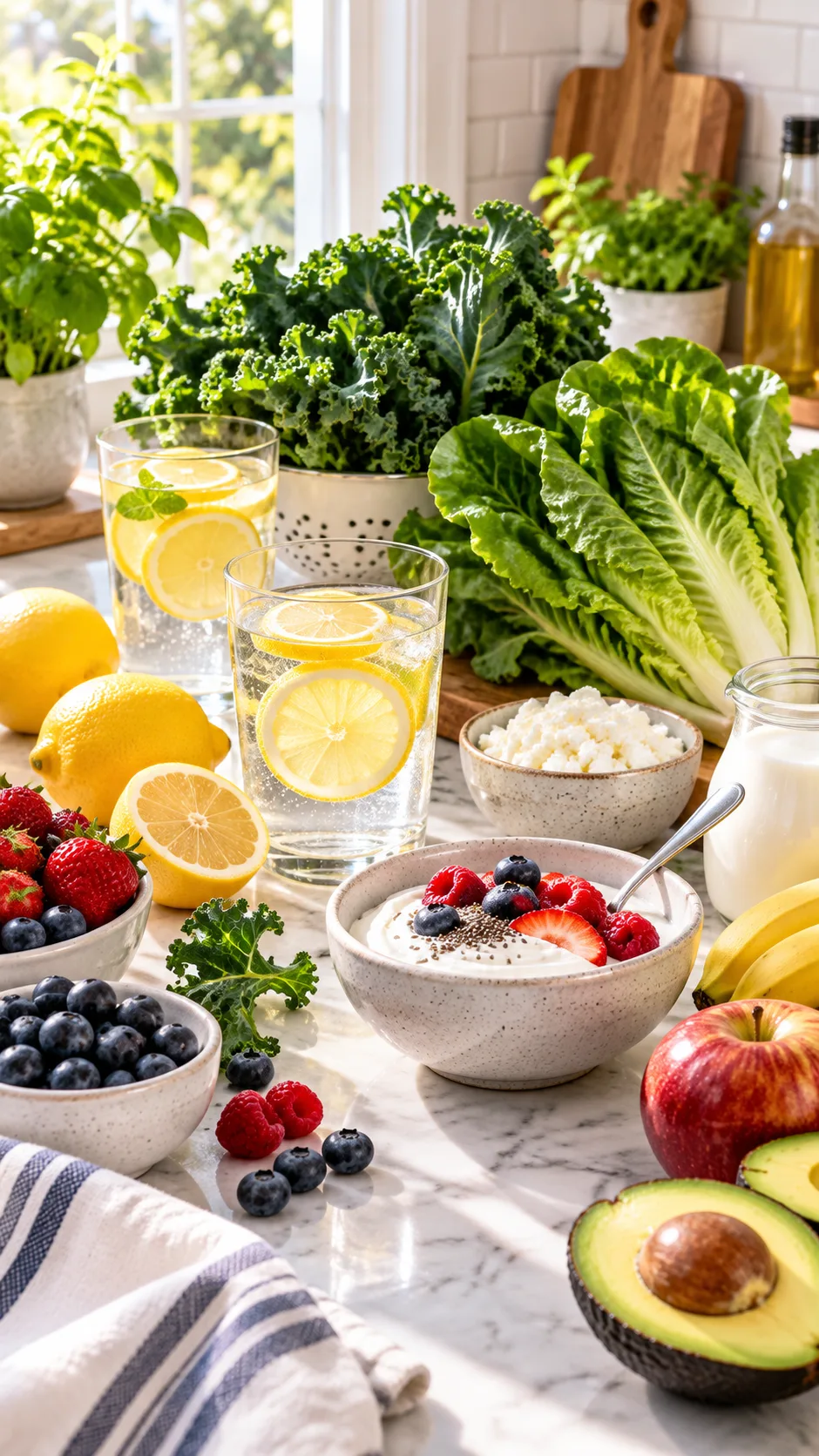
Know your enemy: what kind of stone did you grow?
You cannot solve a problem you do not understand. Did your doctor send your stone to a laboratory? If not, schedule a 24-hour urine collection test right away. Different stones require vastly different tactical dietary moves.
Kidneys filter waste from your blood, turning it into urine. When minerals concentrate beyond their saturation point, they crystallize. These microscopic crystals clump together, building hard mineral deposits over weeks, months, or years. Four primary varieties rule the stone world:
- Calcium oxalate stones: This variety accounts for nearly 80 percent of all cases. These form when calcium binds to dietary oxalate in concentrated urine.
- Uric acid stones: These make up roughly 5 to 10 percent of cases. Diets loaded with red meat and seafood lower your urinary pH, turning your urine into an acidic breeding ground for pure uric acid crystals.
- Calcium phosphate stones: Less common, these form in high-alkaline urine, often pointing toward underlying metabolic or renal tubular conditions.
- Struvite stones: These infection stones develop quickly following chronic urinary tract infections. Bacteria alter chemical balance, spawning massive, branching staghorn calculi that usually require surgical intervention.
Most patients battle calcium oxalate or uric acid varieties. Fortunately, this nutritional plan targets the precise metabolic triggers behind both.
The golden hydration rule: dilution solves the problem
Ask any nephrologist for the single most effective stone prevention habit, and they will give you the same answer: water. Dilute urine prevents chemical crystallization. Mineral ions bounce harmlessly off one another instead of locking together into razor-sharp clusters.
How much water do you need? Forget the generic eight glasses a day advice. You must produce at least 2.5 liters (about 85 fluid ounces) of urine every single 24-hour period. To yield that volume, you need to drink between 3 and 3.5 liters of total fluid daily, according to clinical guidelines from the National Institute of Diabetes and Digestive and Kidney Diseases.
Keep a marked 32-ounce water jug by your side all day. Track your refills throughout your shift. Pay close attention to your urine color; it should look like clear lemonade rather than dark apple juice.
Harness the power of citrate
Plain water works, but citrus water works much harder. Citrus fruits contain natural citrate, a compound that acts like a chemical shield in your urinary tract. Citrate binds directly to free calcium, blocking oxalate from attaching to it. It also coats existing micro-crystals, preventing them from fusing into larger stones.
Squeeze two fresh lemons or limes into your water pitchers every morning. Fresh lemon juice delivers far superior bioavailable citrate compared to bottled artificial concentrates, which often hide unwanted sugars or chemical preservatives.
The great calcium paradox: why starving yourself backfires
Decades ago, doctors made a serious mistake: they saw calcium inside stones and instructed patients to stop eating dairy. Recurrence rates skyrocketed. Why did this happen?
When you eat calcium and oxalate in the same meal, they bind together in your stomach and intestines. Your digestive tract cannot absorb that bound compound, so you excrete it through your stool. If you eliminate dietary calcium, free-floating oxalate enters your bloodstream unimpeded. Your kidneys then filter that excess oxalate, dumping it straight into your bladder where it binds with tiny amounts of urinary calcium, building new stones.
Cutting dietary calcium directly triggers kidney stones. Harvard researchers confirmed this phenomenon in nutritional studies documented by Harvard Health Publishing.
Aim for 1,000 to 1,200 milligrams of dietary calcium every day. Focus on whole-food sources rather than synthetic pills:
- Plain Greek yogurt (one cup delivers roughly 250 to 300 mg)
- Hard cheeses like Parmesan, Cheddar, and Swiss
- Cow milk or fortified plant milks like pea milk and oat milk
- Canned sardines with soft bones
- Calcium-set tofu
Avoid isolated calcium carbonate or calcium citrate supplements unless your physician explicitly prescribes them for bone density. Synthetic calcium spikes your bloodstream all at once, whereas dietary calcium releases slowly alongside your food.
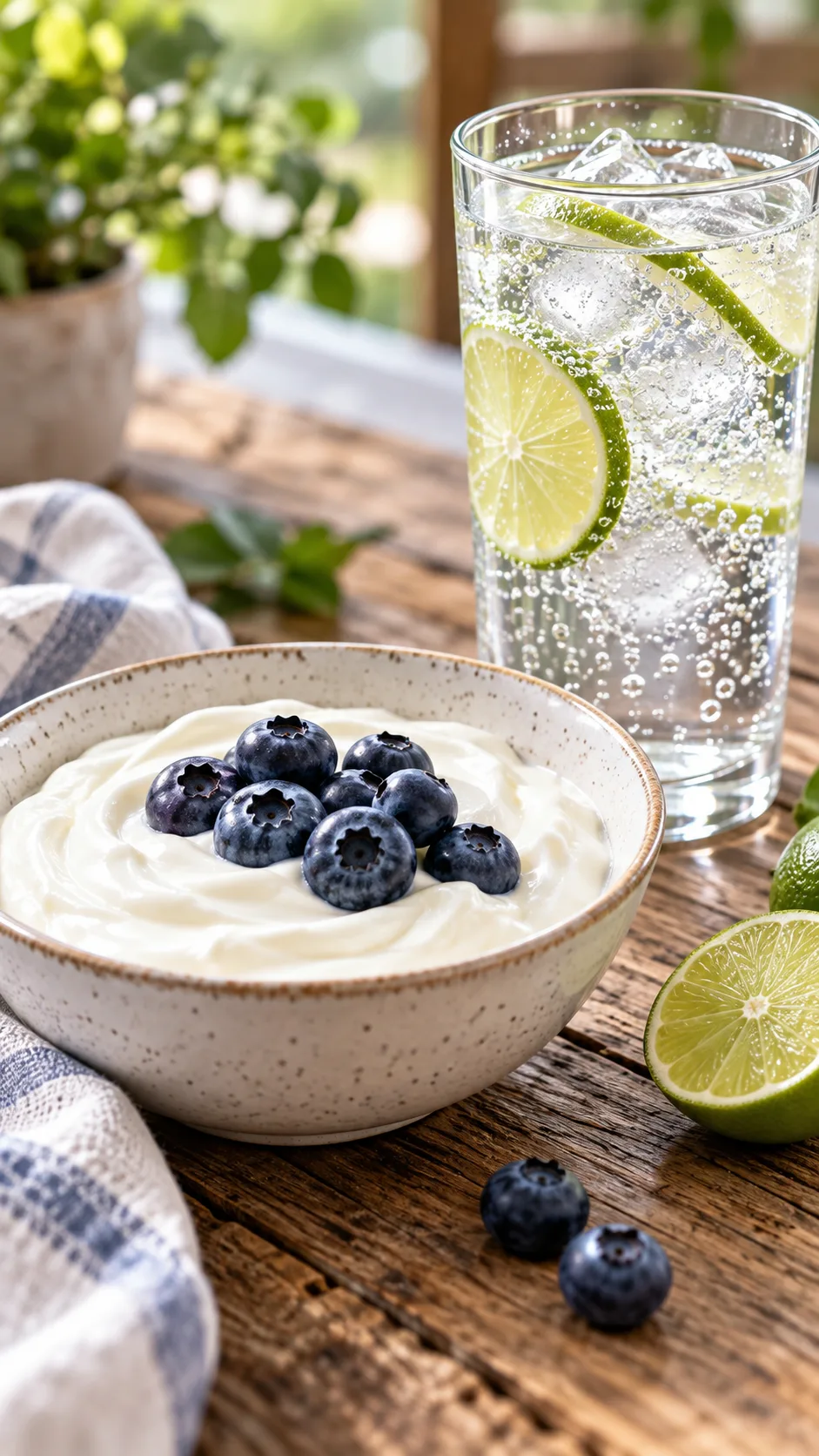
Managing oxalate: the hit list and smart swaps
Many health enthusiasts trigger stone attacks by following trendy cleanse routines. They toss gigantic handfuls of raw spinach and almond butter into blenders every morning, guzzling a massive dose of oxalate. Raw spinach smoothies cause incredible damage to a stone-prone system.
Oxalate provides zero nutritional benefit to human physiology. Plants produce it as an internal defense mechanism against insects. While you do not need an extreme zero-oxalate diet, you should avoid the heaviest offenders:
The worst high-oxalate culprits to avoid
- Spinach and Swiss chard: One cup of cooked spinach packs over 750 milligrams of oxalate. Stay far away from it.
- Almonds and almond flour: Almond milk, almond butter, and grain-free baked treats hide extreme oxalate loads.
- Beets and beet greens: These pack dense mineral content, but they carry brutal oxalate levels.
- Rhubarb: One of the most concentrated oxalate sources in nature.
- Dark chocolate and cocoa powder: Enjoy a small square occasionally, but avoid daily binges.
- Potatoes (especially skins): Russet potatoes and sweet potatoes carry substantial loads.
The low-oxalate swaps your kidneys will love
Eat plenty of greens without terrorizing your urinary tract. Use this quick reference guide to make simple grocery swaps:
- Ditch spinach → Choose dino kale, arugula, romaine, or butter lettuce instead.
- Ditch almond milk → Choose coconut milk, oat milk, or regular milk instead.
- Ditch sweet potatoes → Choose cauliflower mash, turnips, or white rice instead.
- Ditch raspberries → Choose blueberries, blackberries, or strawberries instead.
Whenever you choose to eat an item containing moderate oxalate, pair it immediately with a calcium source. If you eat French fries, dip them in a yogurt garlic sauce or eat them with cheese. Let them lock together in your belly, not your kidneys.
The salt trap: why sodium pulls calcium into urine
Most people blame calcium for stones, but sodium pulls the trigger. Your kidneys handle sodium and calcium using the very same cellular transport mechanisms. When you consume excess table salt or processed snacks, your kidneys work overtime to excrete that sodium, and they drag calcium right along with it.
High sodium intake creates hypercalciuria, which means excess calcium dumps directly into your urine. Once inside the bladder and renal tubules, that stranded calcium meets dietary oxalate, sparking crystal creation. Keep your sodium under 2,000 milligrams per day. If you cut out restaurant takeout, canned soups, frozen pizzas, and cured meats, your recurrence risk plunges dramatically.
If you want to protect your cardiovascular system alongside your kidneys, explore our Heart Healthy Diet Plan for practical strategies to slash hidden sodium without turning your food into bland mush.
Tone down animal purines for uric acid fighters
Eating giant ribeye steaks, stacks of bacon, and piles of shellfish feeds uric acid stones directly. Animal muscle contains dense concentrations of chemical compounds called purines.
When your liver breaks down purines, it produces uric acid as a metabolic waste product. High purine intake acidifies your urine. When urinary pH drops below 5.5, uric acid stops dissolving in fluid and forms rocky precipitates. Even if you form calcium oxalate stones, high uric acid can act as a seed crystal that attracts oxalate around it.
You do not need to adopt strict veganism, but you must balance your protein intake. Moderating portions helps your system process nutrients efficiently, just as we teach in our balanced protein meal strategies. Keep red meats, organ meats, sardines, and beer as rare indulgences rather than daily staples.
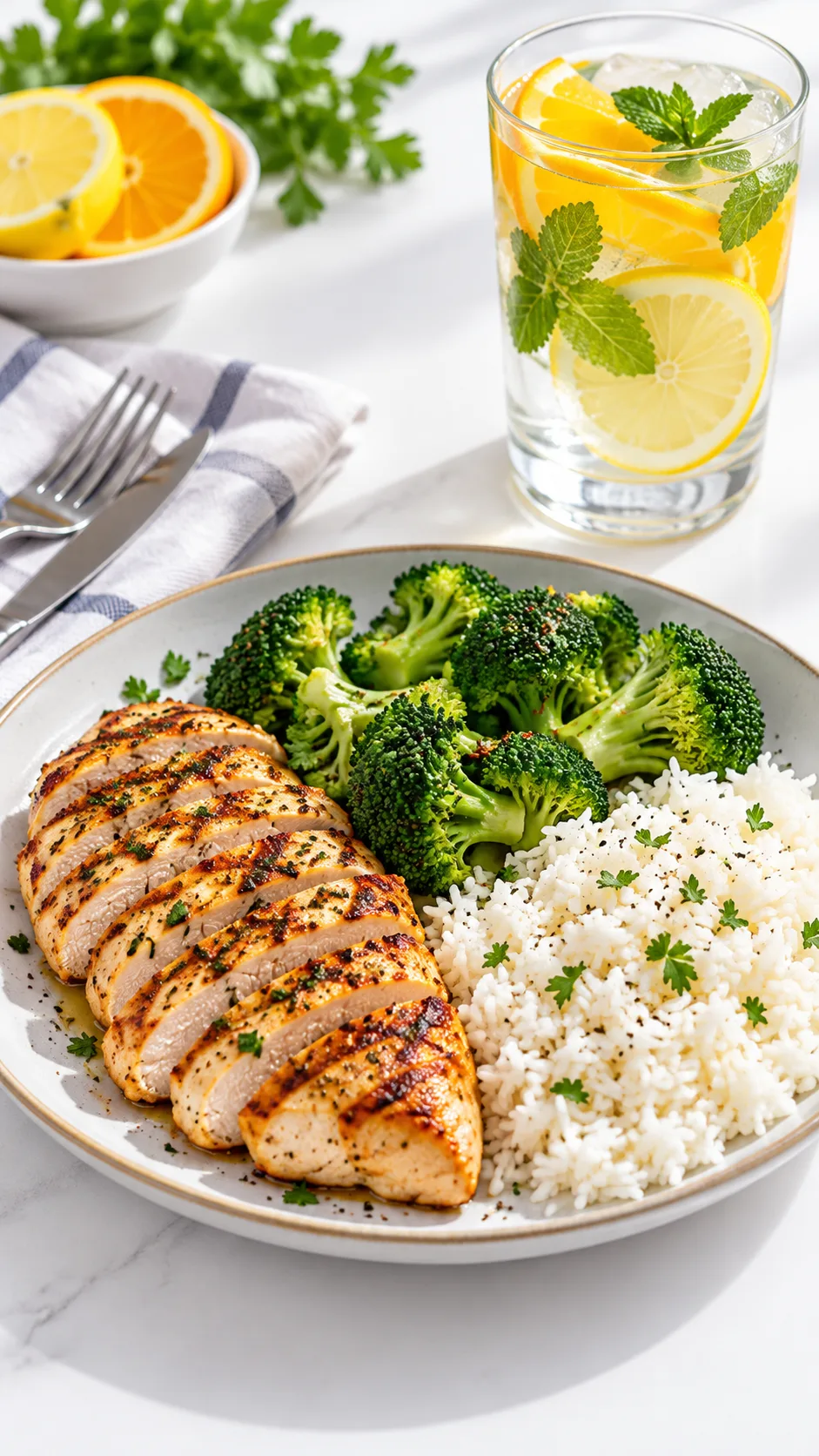
The anti-stone daily routine: a 7-day meal blueprint
Planning stone-safe meals feels overwhelming when you first read through lists of banned vegetables. Here is an easy, delicious seven-day blueprint packed with high citrate, controlled oxalates, ample dietary calcium, and low sodium.
Monday
- Breakfast: Two scrambled eggs with chopped bell peppers, one slice of sourdough toast, and an 8-ounce glass of milk.
- Lunch: A massive Mediterranean chopped salad with romaine lettuce, cucumbers, kalamata olives, grilled chicken, and 1/4 cup crumbled feta cheese tossed in olive oil and lemon juice.
- Dinner: Pan-seared wild salmon, steamed jasmine rice, and roasted asparagus spears drizzled with garlic lemon butter.
- Daily Hydration: 3 liters of water spiked with fresh lime juice.
Tuesday
- Breakfast: One cup of plain Greek yogurt, a drizzle of raw honey, and a half-cup of fresh blueberries.
- Lunch: Turkey and Swiss cheese wrap using a flour tortilla, filled with shredded iceberg lettuce and sliced cucumbers.
- Dinner: Stir-fried chicken breast with bok choy, water chestnuts, snap peas, and coconut aminos over white rice.
- Daily Hydration: 3.2 liters of water with sliced lemon wheels.
Wednesday
- Breakfast: Steel-cut oatmeal cooked in whole milk, topped with sliced bananas and a light sprinkle of cinnamon.
- Lunch: Tuna salad made with avocado mayonnaise and chopped celery, scooped onto whole-wheat crackers, served with a cup of cottage cheese.
- Dinner: Lean ground turkey bolognese served over tender zucchini noodles, generously dusted with grated Parmesan cheese.
- Daily Hydration: 3 liters of clear fluid, alternating between plain water and citrus infusions.
Thursday
- Breakfast: Two-egg omelet folded with sliced mushrooms and shredded Cheddar cheese, served with a side of honeydew melon.
- Lunch: Grilled chicken pita pocket filled with diced tomatoes, cucumbers, romaine lettuce, and a rich Greek tzatziki sauce.
- Dinner: Baked cod fillet seasoned with paprika and herbs, roasted red potatoes (boiled first to reduce oxalates), and steamed green beans.
- Daily Hydration: 3.5 liters of filtered water with lemon wedges.
Friday
- Breakfast: Blended smoothie made with coconut milk, one scoop of whey protein isolate, half a banana, and one cup of baby kale instead of spinach.
- Lunch: Hearty lentil and vegetable soup in low-sodium broth, served alongside a sharp cheddar cheese stick and an apple.
- Dinner: Grilled lean pork tenderloin medallions, roasted cauliflower florets with olive oil, and a warm dinner roll with butter.
- Daily Hydration: 3 liters of water plus one cup of naturally decaffeinated herbal mint tea.
Saturday
- Breakfast: Sourdough toast topped with mashed avocado, a poached egg, and an ounce of crumbled goat cheese.
- Lunch: Classic Cobb salad with chopped romaine, hard-boiled eggs, grilled chicken breast, diced cucumber, and blue cheese dressing.
- Dinner: Homemade thin-crust pizza topped with light mozzarella cheese, shredded chicken, caramelized onions, and fresh arugula.
- Daily Hydration: 3.2 liters of water flavored with fresh orange and lemon slices.
Sunday
- Breakfast: Belgian waffle served with real maple syrup and two breakfast turkey sausages, washed down with a cold glass of calcium-fortified oat milk.
- Lunch: Leftover chicken pita or a quick turkey-avocado melt on sourdough.
- Dinner: Slow-cooker beef pot roast with carrots and parsnips, seasoned with low-sodium bone broth and fresh thyme.
- Daily Hydration: 3 liters of pure filtered water.
You do not have to starve, and you do not have to forfeit flavor. To quiet systemic stress across your whole body while protecting your kidneys, you can also adopt principles from our Low Inflammation Diet Plan.
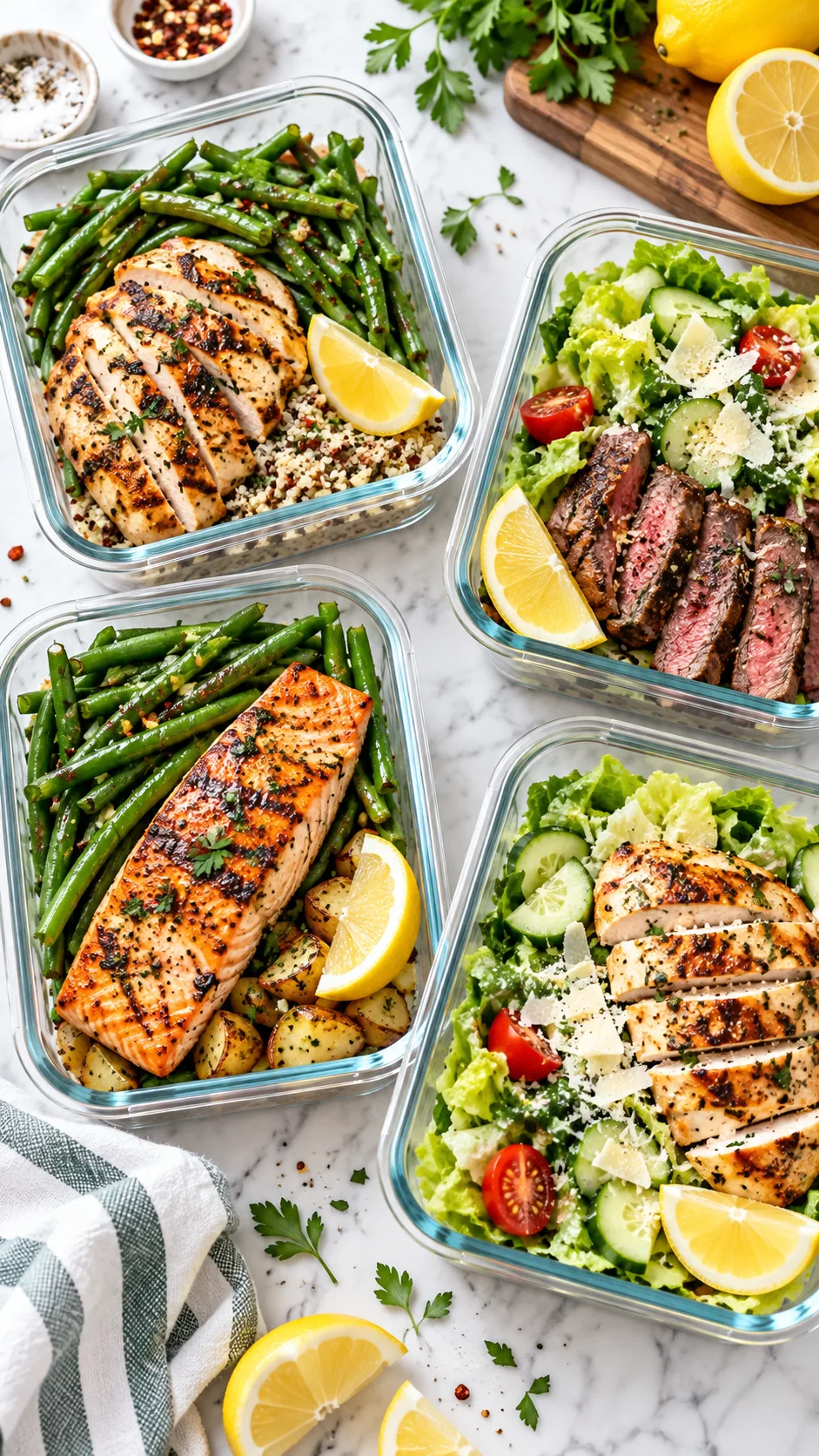
Sneaky triggers: beverages, supplements, and sugar
Sometimes you eat clean, yet stones persist. Hidden dietary habits might sabotage your kidneys without you realizing it. Audit these three culprits right now:
1. High-dose vitamin C supplements
If you swallow 1,000 milligrams of synthetic Vitamin C every day to fight off seasonal colds, stop right away. Your body converts excess ascorbic acid straight into oxalate inside your liver. Clinical studies from the National Kidney Foundation show that mega-dosing Vitamin C doubles stone recurrence rates in men. Stick to natural food sources like citrus fruits, strawberries, and broccoli.
2. Dark sodas and phosphoric acid
Colas present two distinct hazards. First, commercial dark sodas use chemical phosphoric acid to achieve their tangy bite. Phosphoric acid acidifies urine and pulls calcium out of your skeletal bones straight into your urinary stream. Second, soft drinks rely heavily on high-fructose corn syrup.
3. Fructose and refined sugar
High fructose intake jacks up urinary calcium and uric acid excretion while simultaneously reducing urinary volume. It wrecks your metabolic balance. If you crave carbonation, buy plain sparkling mineral water and drop real lime or lemon slices into your glass. You get that satisfying fizz with a generous dose of citrate.
The boiling trick: how to prepare high-oxalate vegetables
What if you genuinely love a vegetable that lands on the moderate-to-high oxalate list? You do not have to eliminate it permanently. Use the water-leaching cooking method.
Oxalate dissolves into water under high heat. If you boil high-oxalate vegetables, such as carrots, potatoes, broccoli, or turnip greens, in a pot of water, you can slash their soluble oxalate content by 30 to 80 percent. The oxalates escape into the cooking water.
Drain that water down the sink. Never use that leftover boiling water for stocks, soups, or sauces, as it holds all the discarded oxalates. Boil your food, throw the water away, and enjoy your meal without worry.
Your stone-proof maintenance checklist
Keep these five rules posted inside your kitchen pantry to safeguard your kidneys for decades to come:
- Hydrate consistently: Hit 3 liters of water daily so your urine stays pale and clear.
- Pair calcium with oxalates: Eat your dairy or calcium-rich foods alongside plant meals so compounds bind inside your digestive tract.
- Slash processed sodium: Stay under 2,000 mg of sodium per day to lock calcium inside your bones instead of dumping it into your urine.
- Infuse citrate daily: Drink the juice of two fresh lemons or limes every morning.
- Ditch raw spinach and almond flour: Replace them with kale, romaine, and grain alternatives to wipe out the heaviest dietary oxalate loads.
Passing a kidney stone changes a person forever. That deep flank pain leaves a lasting memory. Fortunately, you control your internal biochemistry. Feed your body right, drink enough fluids, balance your plates, and keep your urinary tract completely clear.