

When your doctor first gives you the chronic kidney disease talk, panic sets in fast. Then comes the dietitian with a list of forbidden foods longer than a grocery receipt. Suddenly, friends and family tell you that potatoes will poison you, tomatoes spell trouble, and you must throw salt in the garbage forever.
You stare at your grocery cart and wonder if you can ever eat normal food again without destroying your kidneys.
I felt that exact dread several years ago when my uncle received his stage 3 CKD diagnosis. He loved barbecued ribs, salty pretzels, and loaded baked potatoes. He looked at his new kidney diet sheet and felt convinced life had lost all its flavor.
Reality paints a much brighter picture. A renal diet does not mean eating boiled, unseasoned chicken and soggy cauliflower every night. When you understand how kidneys process waste, you can build flavorful, appetizing meals that protect your renal function and satisfy your appetite. You can take control of this eating plan with confidence and real culinary enjoyment.
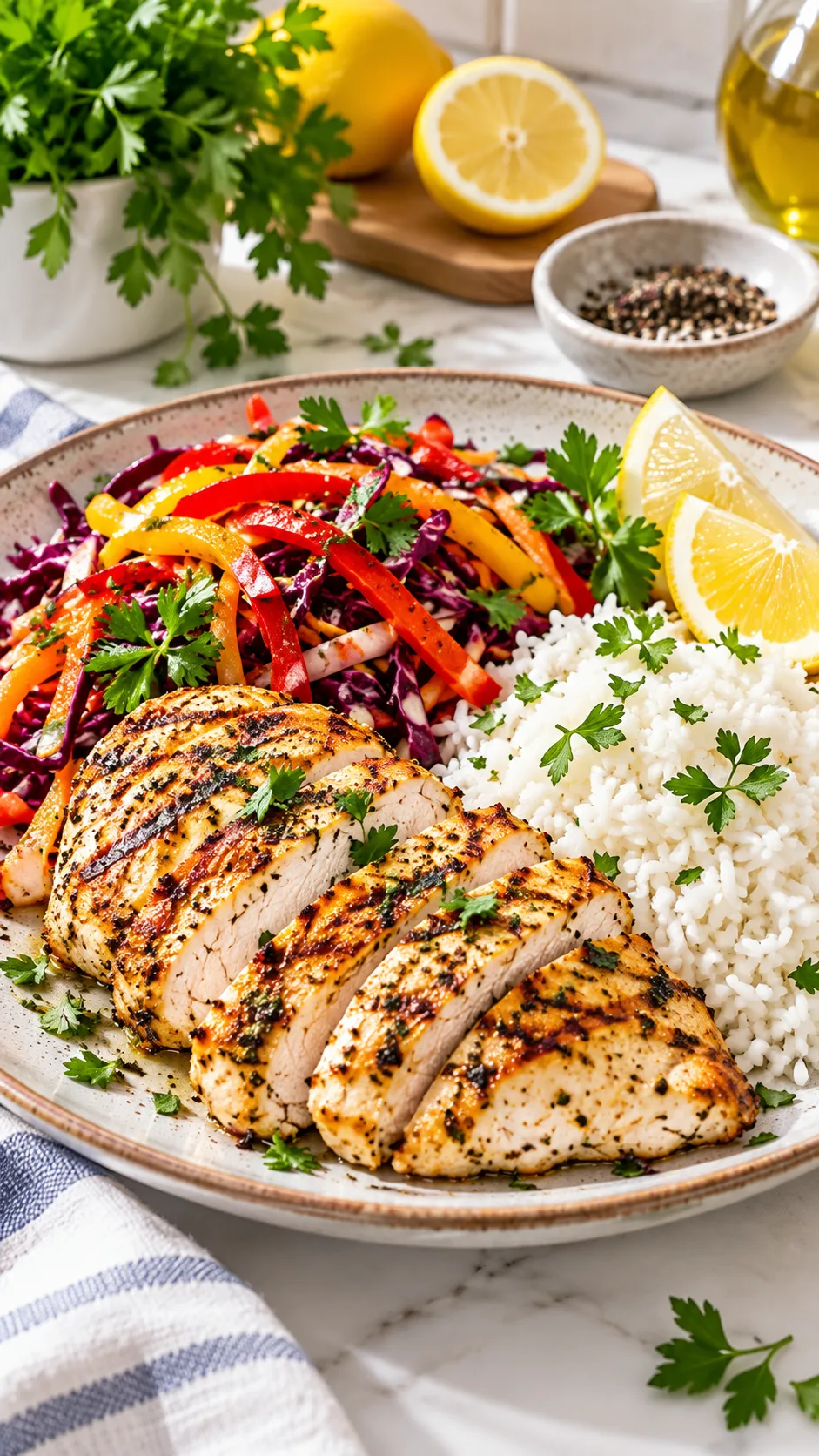
The big four: What your kidneys care about
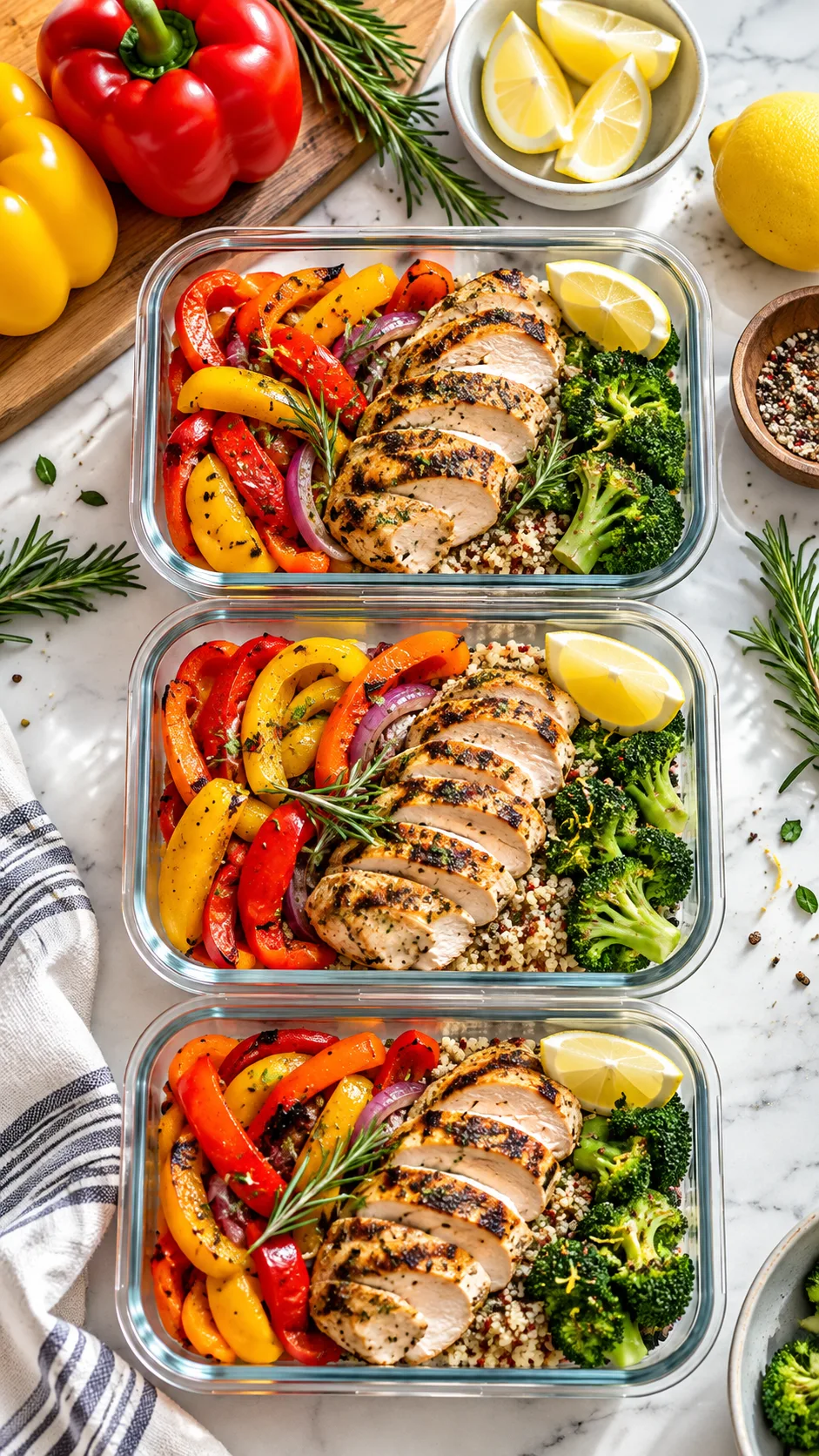
Think of your two kidneys as a high-efficiency filtration plant. Every single minute, these fist-sized workhorses clean about half a cup of blood, expelling waste products and excess fluid through your urine. When kidney function declines, waste chemicals pile up in your bloodstream.
To keep your blood clean without overburdening these organs, you must manage four primary nutritional elements. Control these, and you control your kidney health.
1. Sodium: The fluid commander
Sodium controls fluid balance across your body. When you eat too much table salt, your body holds onto water to dilute that sodium. This extra fluid expands your blood volume, forces your heart to pump harder, and spikes your blood pressure.
High blood pressure batters the nephrons, the tiny filters inside your kidneys, until they scar and fail. Nephrologists almost universally recommend capping sodium intake at 1,500 to 2,000 milligrams per day. If you want a deeper look at managing blood pressure through food, check out our guide on The Hypertension Diet Mistakes That Keep Your Blood Pressure High.
2. Potassium: The heart rhythm regulator
Potassium keeps your muscles firing and your heartbeat steady. Healthy kidneys swiftly flush excess potassium through your urine. Damaged kidneys let potassium linger in your bloodstream.
Doctors call excess potassium hyperkalemia, a dangerous condition that triggers muscle weakness, nausea, and erratic heart rhythms. A standard renal diet usually caps daily potassium between 2,000 and 3,000 milligrams, though your individual lab numbers dictate your personal target.
3. Phosphorus: The stealth bone robber
Phosphorus works alongside calcium to build strong bones. Yet when your kidneys slow down, phosphorus accumulates in your blood like rush-hour traffic. High phosphorus levels trigger your body to pull calcium directly from your bones, leaving them weak and brittle.
Excess phosphorus also binds with calcium to form rock-hard deposits in your blood vessels, lungs, and heart. The National Kidney Foundation notes that balancing phosphorus levels prevents long-term cardiovascular calcification.
4. Protein: The filtration burden
Your digestive tract breaks down dietary protein into energy and muscle-building amino acids. This metabolic process creates a nitrogen-heavy byproduct called urea. Your kidneys must filter out this urea day and night.
When you eat massive portions of red meat, your kidneys must work in overdrive to clear the nitrogen exhaust fumes. In early and moderate CKD, cutting back on protein preserves renal function. Dialysis changes this rule completely, which makes stage-specific planning necessary.
CKD stages matter: Why one plan never fits everyone
Someone in stage 2 CKD eats a vastly different diet than someone in stage 5 on hemodialysis. Following the wrong stage guidelines can harm your health.
Always review your blood panels with your nephrologist before locking down a meal plan, specifically your Estimated Glomerular Filtration Rate (eGFR), serum creatinine, and blood urea nitrogen (BUN).
- Stages 1 and 2 (Mild kidney damage): Your kidneys still filter blood efficiently (eGFR 60 to 90 or higher). You rarely need potassium or phosphorus restrictions here. Focus instead on cutting sodium, controlling blood sugar, and eating balanced whole foods. You can draw inspiration from The DASH Diet for Beginners during these early stages to safeguard your filtration rate.
- Stages 3a and 3b (Moderate kidney damage): Filtration drops (eGFR 30 to 59). Doctors now recommend moderate protein reduction, usually 0.6 to 0.8 grams of protein per kilogram of body weight. You must monitor your potassium and phosphorus labs closely.
- Stages 4 and 5 non-dialysis (Severe kidney damage): Filtration slows dramatically (eGFR below 30). You must strictly limit protein, phosphorus, sodium, and potassium to prevent toxic waste from pooling in your blood.
- Stage 5 on dialysis: Dialysis machines pull toxins from your blood, but they also remove essential protein. Dialysis patients require a high-protein diet to prevent muscle wasting, along with strict fluid and mineral limits.
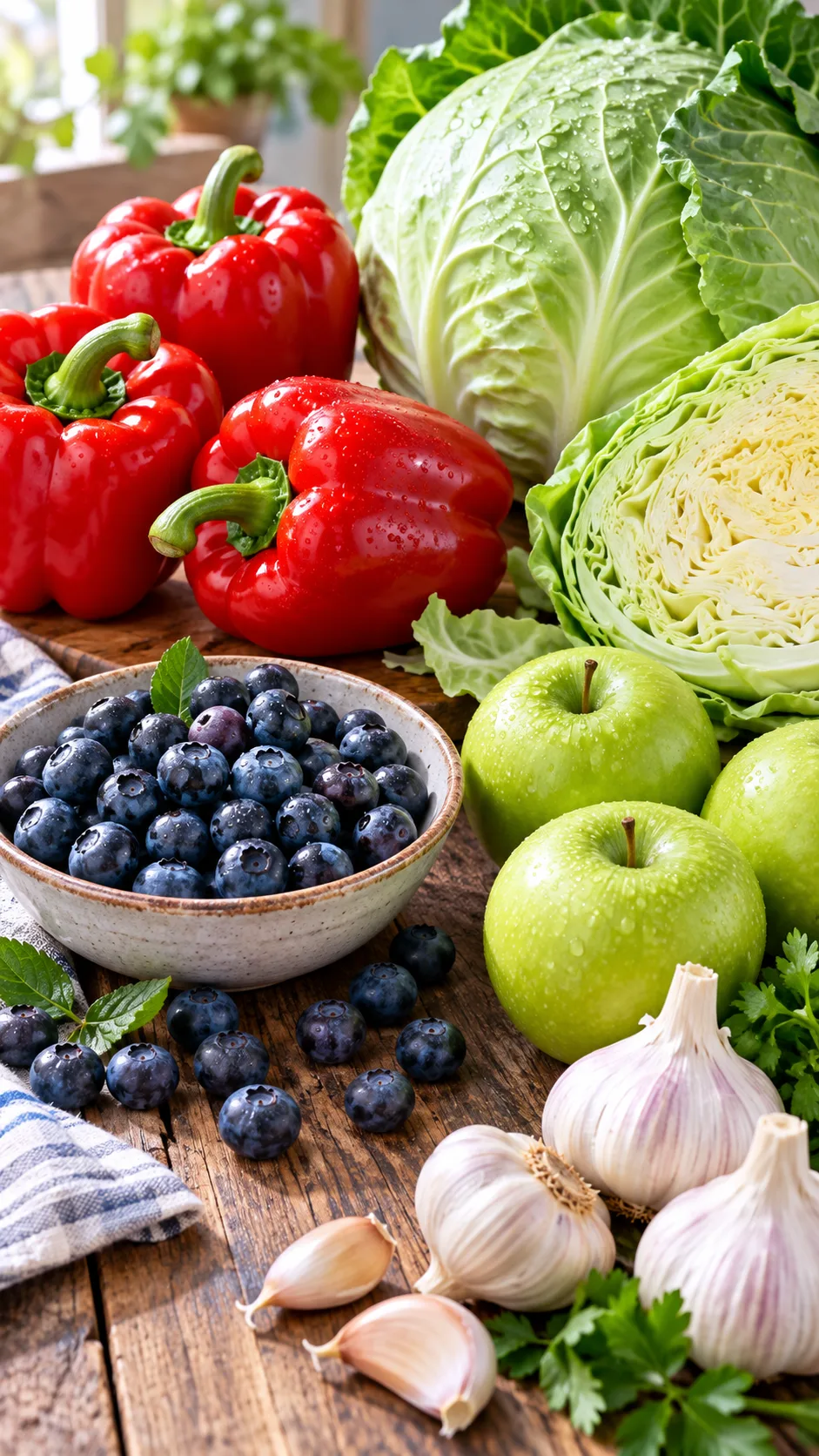
The green light list: Foods that support your kidneys
Filling your plate with delicious whole foods brings back the fun of eating. A kidney diet does not demand deprivation; it requires smart substitutions. You can eat these kidney-friendly items with confidence.
Low-potassium fruits and vegetables
Many plant foods deliver an abundance of antioxidants and fiber while keeping potassium comfortably low. Keep these items in your crisper drawer:
- Red bell peppers: These crisp vegetables deliver large amounts of vitamins A and C with remarkably little potassium. Dice them into salads, sauté them with onions, or roast them for homemade sauces.
- Cabbage and cauliflower: Cauliflower replaces mashed potatoes, pizza crust, and rice with minimal effort. Cabbage brings crunch, phytochemicals, and gut-friendly fiber to slaws and stir-fries.
- Berries (blueberries, raspberries, strawberries): These berries supply anthocyanins that fight inflammation without taxing your kidneys. Add them to morning porridge or eat them frozen as a cooling dessert.
- Apples and pears: High in soluble fiber (pectin) and naturally low in potassium, these crisp fruits keep digestion smooth without burdening your kidneys.
- Garlic and onions: These aromatics provide rich, savory depth to dishes without adding any sodium.
High-quality, controlled proteins
Because you must make every gram of protein count, choose sources with high biological value:
- Egg whites: Pure protein with zero phosphorus. Whip them into breakfast scrambles or fold them into baking recipes.
- Skinless poultry: Chicken and turkey breast deliver complete amino acid profiles. Keep portions to roughly the size of a deck of cards (3 to 4 ounces).
- Wild salmon and whitefish: Cold-water fish supply anti-inflammatory omega-3 fatty acids. Measure your portion sizes to stay within your protein allowance.
- Tofu and tempeh: Plant proteins produce less nitrogenous waste than red meat. Research from the National Institute of Diabetes and Digestive and Kidney Diseases (NIDDK) shows that plant-dominant diets reduce acid load and protect filtering nephrons.
Smart carbohydrates and healthy fats
To keep your energy levels steady throughout the day, choose healthy fats and low-mineral carbs:
- Extra virgin olive oil: Packed with oleic acid and anti-inflammatory polyphenols, this oil belongs on your vegetables and salads daily.
- White sourdough bread: Whole wheat bread contains significantly more phosphorus and potassium than traditional sourdough or white bread. Fermented sourdough also supports gut microbiome health.
- White rice and rice noodles: These grain staples provide neutral, easily digested calories without overloading your body with minerals.
For more plant-forward culinary strategies that respect mineral balance, explore the principles in The Mediterranean Diet Pyramid Decoded.
The red light list: Sneaky troublemakers to skip
Eating well on a renal diet requires knowing which foods look healthy while silently overloading your blood work. Cut or sharply limit these items.
1. Inorganic phosphorus additives
The supermarket aisles hold hidden hazards. Food manufacturers add chemical phosphorus compounds to prolong shelf life, lock in moisture, and bind textures. Your gut absorbs nearly 100% of these synthetic additives, compared to only 40 to 60 percent of natural plant phosphorus.
Read ingredient labels closely. Drop any item containing the letters PHOS in the ingredients list:
- Dicalcium phosphate
- Disodium phosphate
- Phosphoric acid (common in dark colas)
- Sodium tripolyphosphate (common in commercial chicken and frozen shrimp)
Processed deli meats and frozen convenience dinners carry massive amounts of hidden chemical phosphorus. Leave them on the store shelf.
2. High-potassium foods
When your nephrologist tells you to cut potassium, limit your consumption of these everyday staples:
- Bananas, oranges, and kiwis: Swap these fruits for crisp apples, grapes, or berries.
- Potatoes and sweet potatoes: A single baked potato packs nearly 900 milligrams of potassium. If you crave them, use the double-boil technique described below.
- Tomatoes and tomato paste: Concentrated tomato products flood your system with potassium. Replace standard marinara with a roasted red pepper sauce.
- Avocados: While full of heart-healthy fat, a whole avocado contains too much potassium for moderate-to-severe CKD patients. Limit servings to thin slivers.
3. Salt substitutes
Never pick up a low-sodium salt shaker without reading the back panel. Most commercial salt alternatives replace sodium chloride with potassium chloride. Pouring that seasoning over your dinner acts like an instant potassium overload that can trigger a hospital emergency.
4. Star fruit
Never eat star fruit (carambola) if you have kidney problems. Star fruit contains caramboxin, a potent neurotoxin. Healthy kidneys neutralize and excrete this toxin, but failing kidneys allow it to cross the blood-brain barrier. Even half a glass of star fruit juice can cause uncontrollable hiccups, seizures, confusion, and serious toxicity.
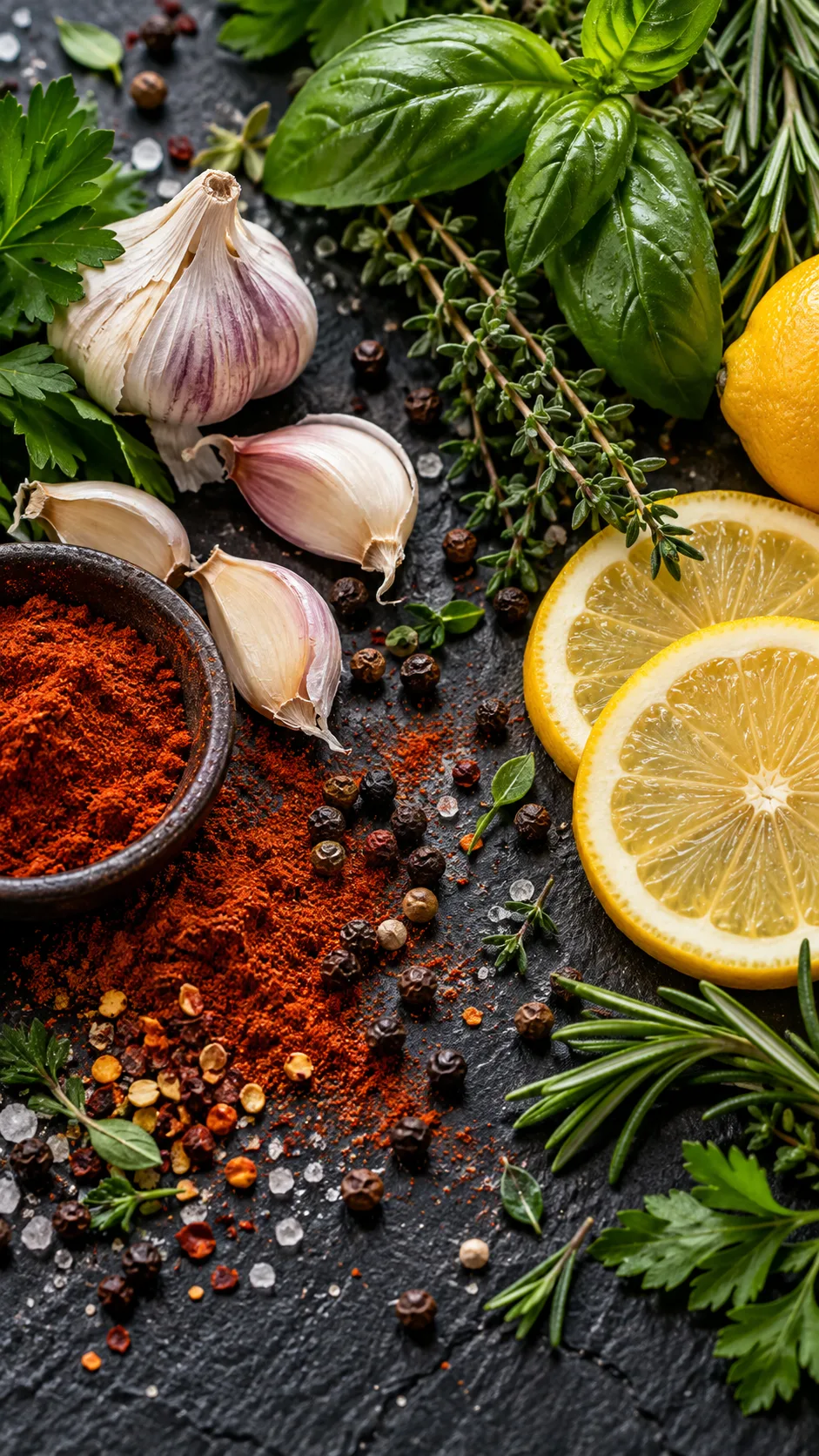
Flavor without the salt: How to make kidney food sing
Low-sodium food never needs to taste bland. When you remove salt from your cooking, build flavor with acid, heat, aromatics, and texture.
Use these culinary techniques to bring robust flavor back to your dinner plate:
Master the acid splash
Restaurant food tastes bright because chefs balance flavor with acid rather than just dumping in salt. A squeeze of fresh lemon or lime juice fools your palate into perceiving saltiness without a single grain of sodium.
Stock your pantry with apple cider vinegar, rice vinegar, and red wine vinegar. Splash them over steamed vegetables, grilled poultry, and pan-seared fish right before you serve them.
Build your custom spice blends
Commercial spice blends often conceal hidden sodium under names like celery salt or garlic salt. Buy pure spices and blend your own mixtures at home:
- Smoky steak rub: Smoked paprika, cracked black pepper, garlic powder, onion powder, and dried thyme.
- Mediterranean herb mix: Dried oregano, basil, rosemary, lemon peel, and crushed coriander seeds.
- Zesty taco blend: Ground cumin, chili powder, Mexican oregano, and a pinch of cayenne pepper.
The double-boil potato method
You do not need to give up mashed potatoes completely. You can pull up to 50 percent of the potassium out of root vegetables with this boiling technique:
- Peel your potatoes and dice them into small half-inch cubes.
- Soak the cubes in cold water for at least two hours (or overnight in the refrigerator).
- Drain the soaking water and drop the potatoes into a large pot of fresh water.
- Boil the pot vigorously for five minutes, then drain the water completely.
- Refill the pot with fresh warm water and boil the potatoes until fork-tender.
This simple process draws potassium out of the vegetable cells into the water that you discard. Mash the cooked cubes with unsalted butter, roasted garlic, and a splash of almond milk for a satisfying side dish.
Watch: Cooking delicious kidney-friendly meals
Visual learners can follow this practical culinary guide from kidney dietitians, which shows how to balance flavors, select safe ingredients, and prepare food with confidence:
A full day on a delicious renal plate
A typical kidney-friendly day balances nutrients, controls minerals, and tastes wonderful. Consider this sample menu.
Breakfast: The garden scramble
Whisk three egg whites with cracked black pepper. Sauté diced red bell peppers, chopped scallions, and shredded green cabbage in a teaspoon of olive oil. Fold the egg whites into the vegetables until set. Serve with two slices of toasted white sourdough bread, unsalted sweet cream butter, and half a cup of fresh blueberries.
Lunch: Crispy apple-chicken slaw wrap
Toss shredded roast chicken breast (3 ounces) with diced tart green apples, chopped celery, and a light dressing of mayonnaise, lemon juice, and dried dill. Wrap the mixture in a low-sodium white flour tortilla. Pair it with crisp cucumber slices dipped in a salt-free garlic vinaigrette.
Dinner: Lemon-herb salmon with cauli-mash
Pan-sear a 3.5-ounce wild salmon fillet in olive oil with minced garlic, fresh rosemary, and lemon juice. Plate the fish next to garlic mashed cauliflower and roasted baby carrots with a drizzle of pure maple syrup.
Evening treat: Berry crumble
Warm half a cup of mixed raspberries and blackberries in the oven with a dash of cinnamon. Top the warm fruit with two tablespoons of toasted rolled oats and a light drizzle of honey.
Water and fluids: Finding the sweet spot
Wellness influencers often tell everyone to drink a gallon of water every day. That advice does not apply to kidney patients.
In early CKD stages, drinking adequate water helps flush metabolic waste safely. As kidneys lose filtration capacity, however, fluid gets trapped in your tissues. You will notice swollen ankles, puffy fingers, and shortness of breath.
If your doctor prescribes a fluid limit (often between 1,000 and 1,500 mL per day), remember that fluid counts anything liquid at room temperature: ice cubes, soup broths, popsicles, and gelatin. Chew sugar-free mint gum, suck on frozen grapes, or rinse your mouth with cold water without swallowing to manage thirst between meals.
Navigating restaurants without losing your mind
Dining out with kidney restrictions can trigger real anxiety because commercial kitchens drown their dishes in salt and butter. You can protect your diet with these dining habits:
- Ask for custom prep: Ask your server to have the kitchen prepare your meat plain, without seasoned salt, marinades, or compound butter. Request olive oil and lemon wedges on the side.
- Skip commercial dressings: Pre-made salad dressings contain shocking amounts of sodium and chemical preservatives. Ask for simple oil and vinegar cruets at your table.
- Avoid massive meat cuts: Restaurant portions far exceed your daily protein needs. Choose chicken kabobs, fish tacos without cotija cheese or salsa, or pasta tossed with olive oil and safe vegetables.
- Pass on soups: Vegetable and meat soups simmer in sodium-heavy bases. Skip the soup of the day and choose a fresh side salad instead.
Your kidney diet quick-reference checklist
Keep these fundamental rules in mind when you plan meals, write grocery lists, or order food at restaurants:
- Read labels closely: Search ingredient lines for words containing “phos” and leave those products on the shelf.
- Eat safe vegetables: Rotate low-potassium options like peppers, cabbage, onions, and cauliflower throughout your week.
- Control protein portions: Treat meat as a side component rather than the central feature of your plate.
- Rely on acid and herbs: Use lemon juice, vinegar, garlic, and fresh herbs to replace table salt completely.
- Track your blood work: Adjust your food choices according to your latest potassium, phosphorus, and eGFR lab reports.
Final thoughts: Taking control one bite at a time
A renal diet does not end your relationship with good food. Instead, it invites you to cook with fresh ingredients, explore herbs, and pay attention to how your body responds to meals.
Do not demand absolute perfection from yourself on day one. If you slip up and eat a salty snack or a slice of restaurant pizza, do not lose hope. Breathe, stay within your fluid limit, and prepare your next meal according to your kidney plan. When you take control of your plate, you protect your nephrons, support your daily energy, and discover how delicious healthy eating can taste.